Learning at St Columba's

Supporting Mathematics at Home
Thank you to the families who joined us for our Mathematics Open Morning. It was wonderful to share how we teach mathematics at St Columba’s through both explicit teaching and inquiry, while developing confident, curious and flexible mathematicians.
One of the best ways to support mathematics at home is through games, conversations and everyday experiences. Mathematics should feel playful, engaging and connected to real life.
Please remember that mathematics learning is carefully scaffolded from Prep to Year 6. It is important to connect with your child’s classroom teacher to understand the appropriate level, strategies and expectations for your child.
Play “Target Number” games
Choose a target number (for example, 20 or 100) and use dice, cards or household numbers to make that number in different ways. This supports number fluency, flexible thinking and operations.
Use a deck of cards or UNO cards
Card games help children develop number recognition, ordering, addition, subtraction, multiplication facts, strategy and problem-solving skills.
Play Multiplication War
Each player turns over two cards and multiplies the numbers together. The player with the largest product wins the round. This builds multiplication fluency, mental computation and confidence with number facts.
Try “Make the Largest Number”
Players draw cards and arrange them to create the largest possible number. This strengthens understanding of place value and number skills.
Record numbers vertically and explore skip counting patterns
Write numbers vertically by 1s, 2s, 5s, 10s or from a chosen starting number. This helps children recognise patterns, strengthen number fluency, and develop an understanding of multiplication, place value, and number relationships.
Explore a 100s chart together
Look for patterns, identify mystery numbers and discuss what students notice and wonder.
Play “Mystery Number” games
Give clues such as:
- My number is greater than 50
- It is an even number
- It has 7 tensThis builds reasoning and place value understanding.
Find mathematics in everyday life
Cooking, shopping, measuring, timetables, sport scores, money, building with Lego and setting the table all involve mathematics.
Use household materials
Buttons, pasta, Lego, pegs, coins or blocks can be used for counting, grouping, patterning, estimating and measuring.
Online Resources
Free resources:
- YouCubed at Home (All year levels)
- Rich mathematical tasks, games and activities that promote positive maths mindsets.
- Classroom Playground (All year levels)
Hundreds charts to support counting, skip counting and finding patterns
You will need your child’s individual login to access the following:
- Struggly (Yr 1 - Yr 6)
- Engaging games and activities designed to build confidence and fluency in mathematics.
- Essential Assessment (Year 2 - Year 6)
- Students can continue practising personalised mathematics goals and skills at home.
Thank you for continuing to support your child’s mathematical learning journey. Together we can help students develop confidence, curiosity and a positive disposition towards mathematics.
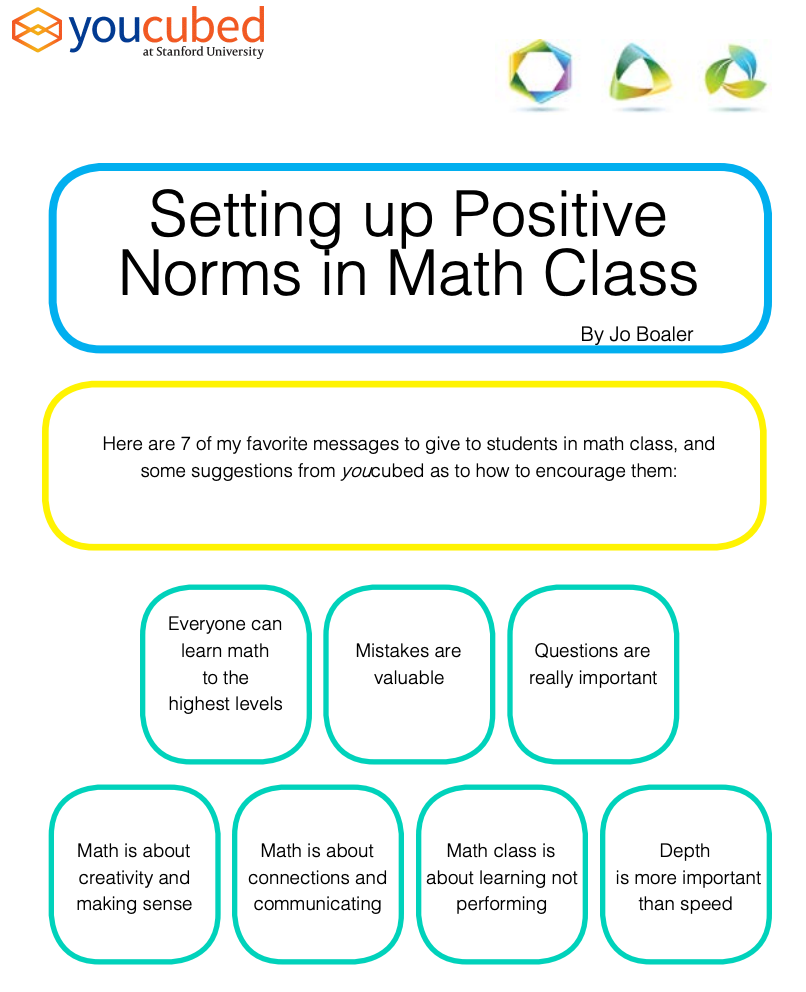
“Mathematics is not about speed or rote memorisation. It is about reasoning, making connections, exploring patterns and developing flexible thinking.” — Jo Boaler
Students apply maths to real life
They use their understanding to interpret situations, make decisions, solve problems and explain their thinking in a variety of ways.
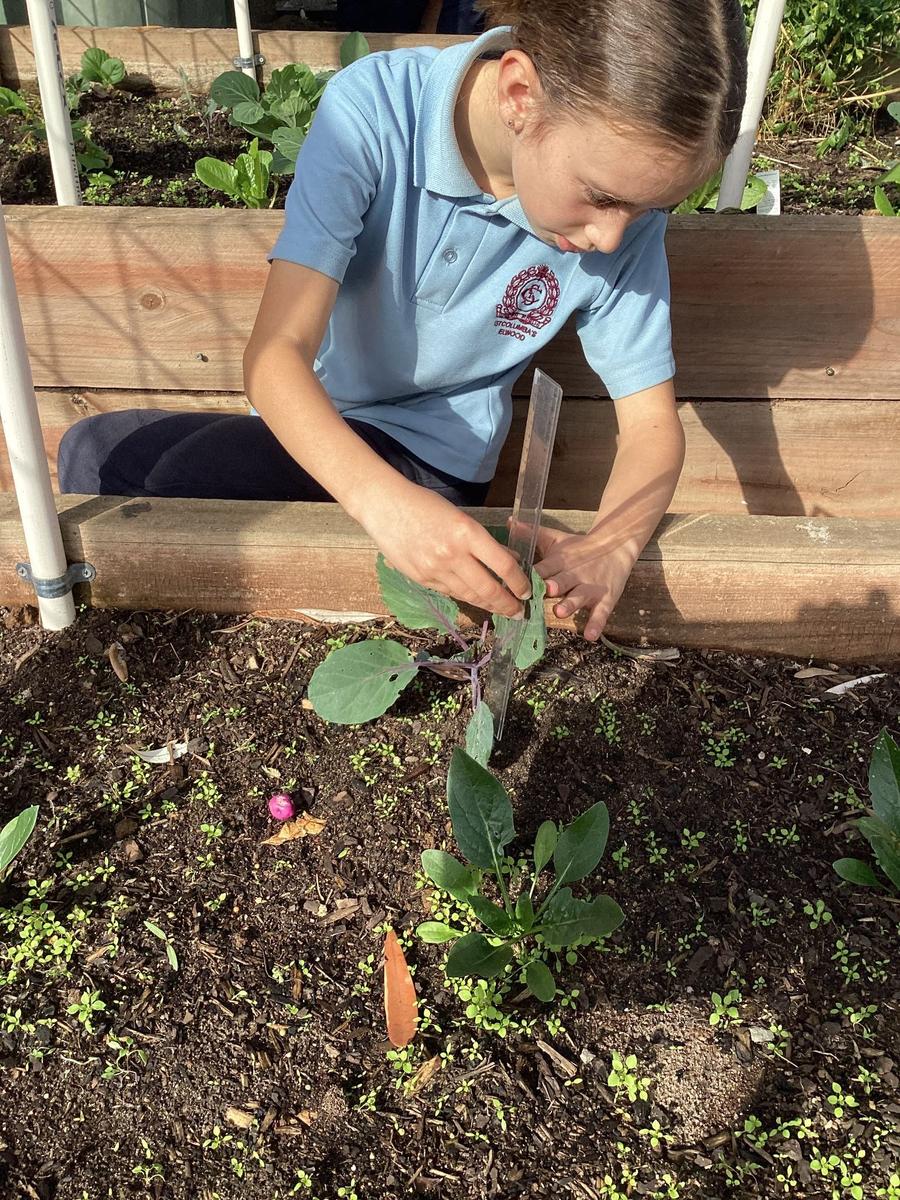
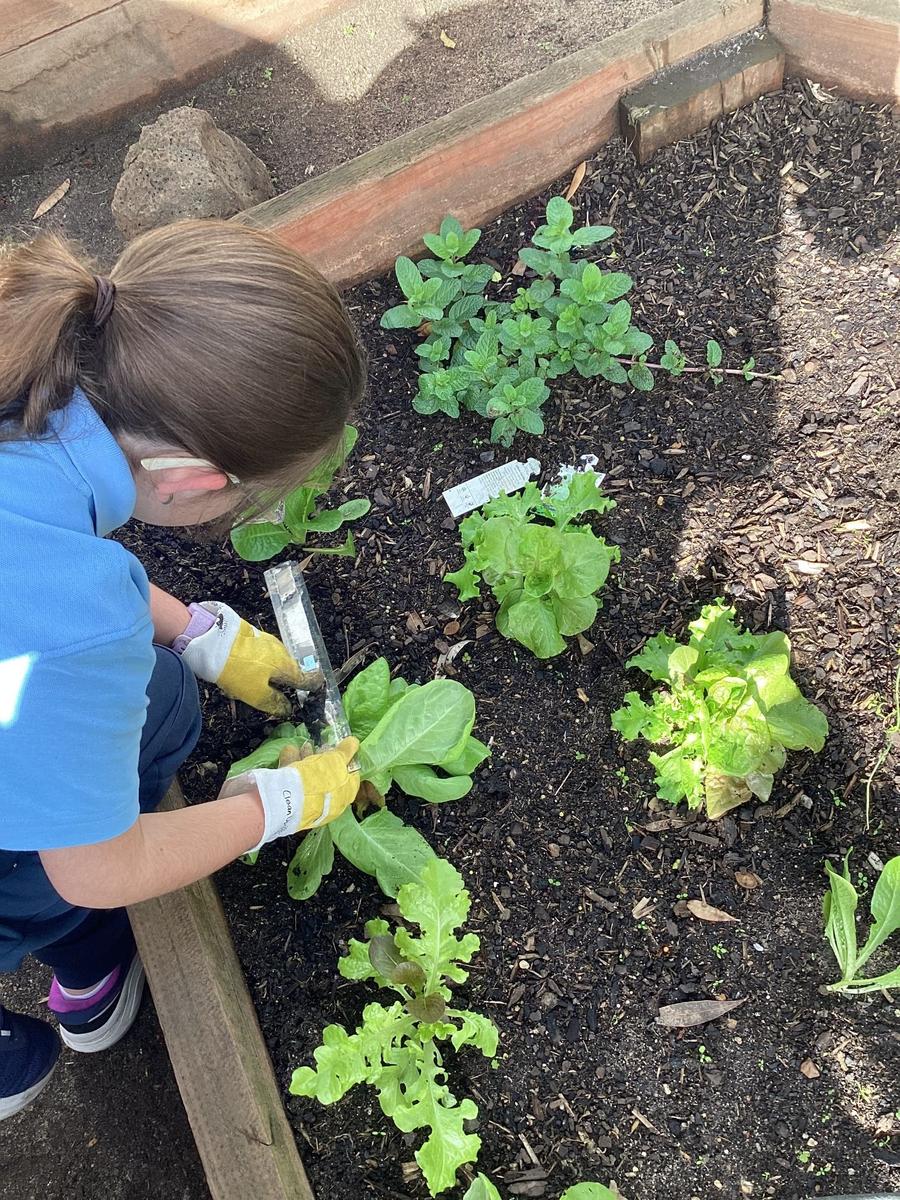
Measuring in the garden
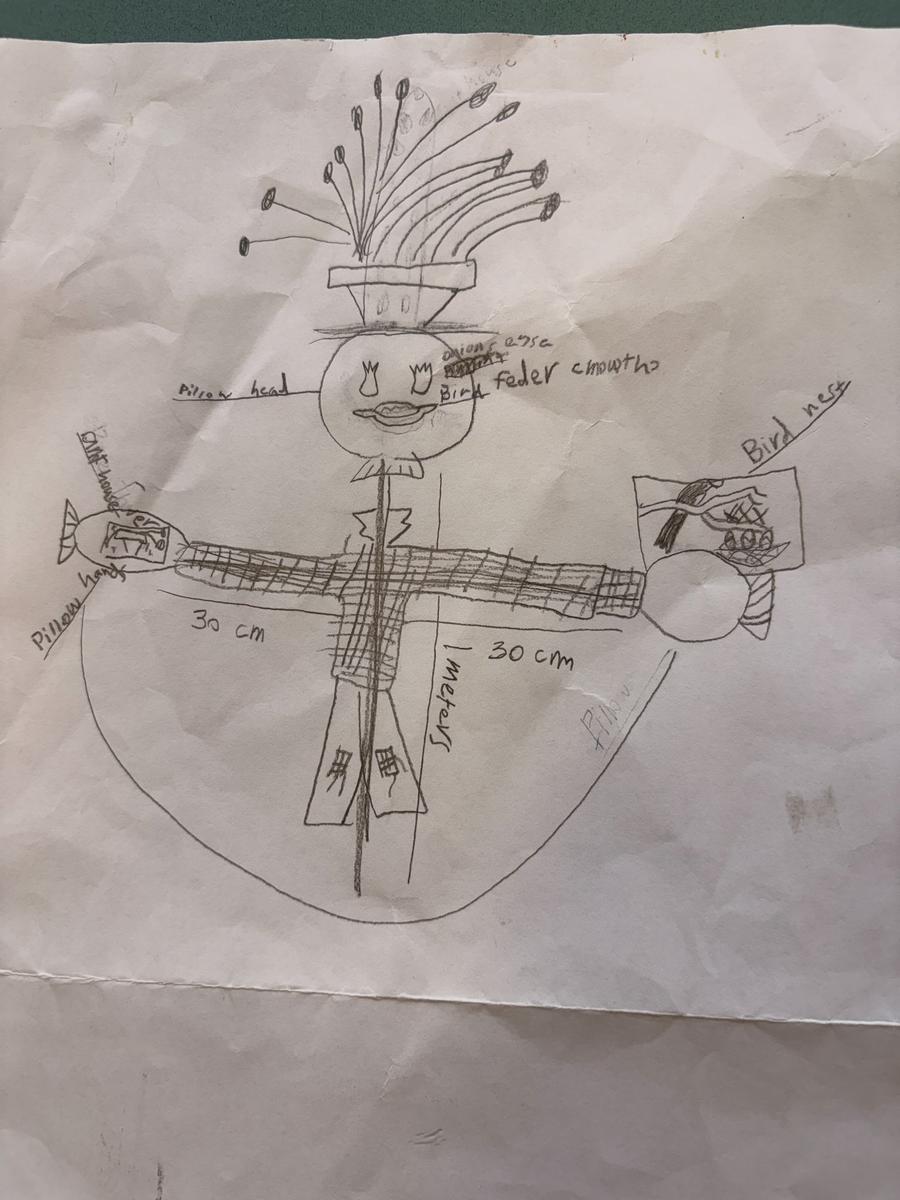
Drafting and planning
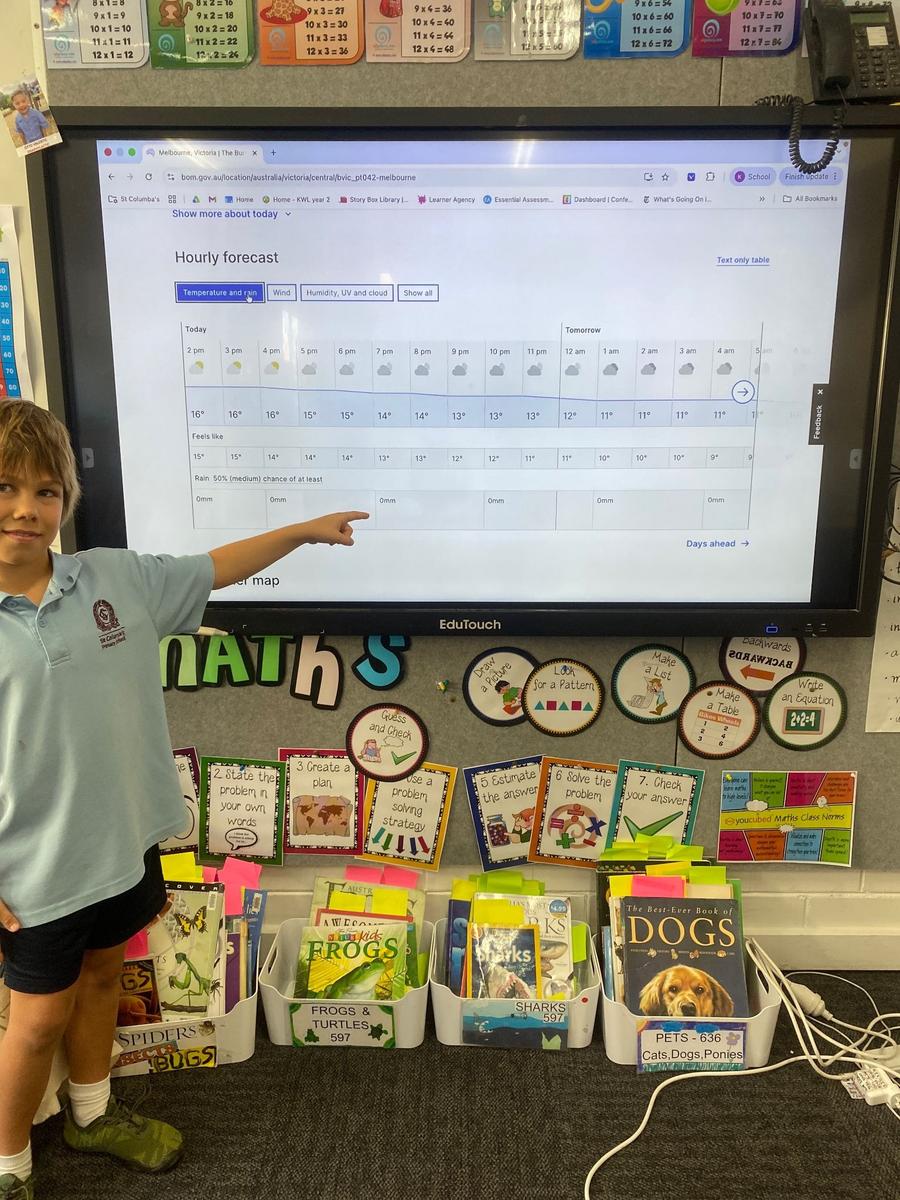
Reading the weather
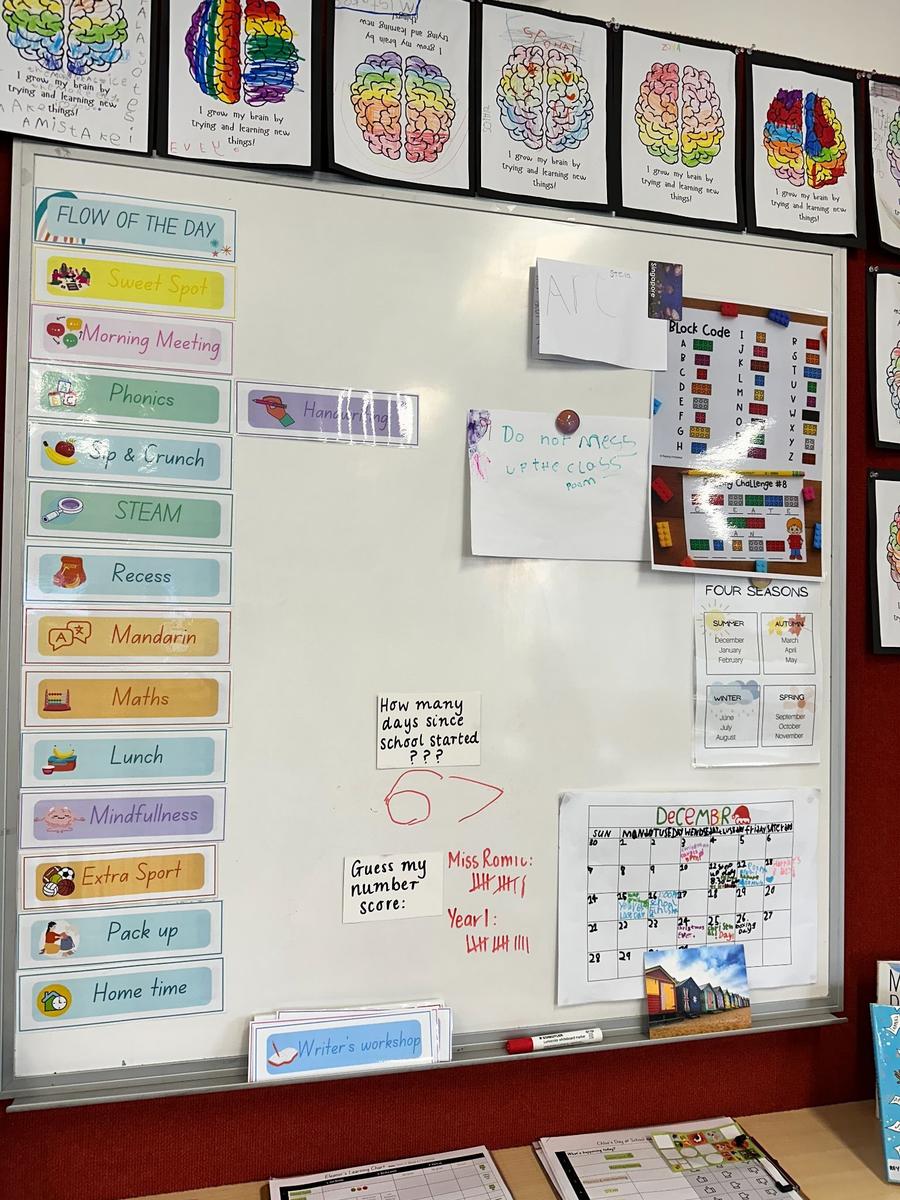
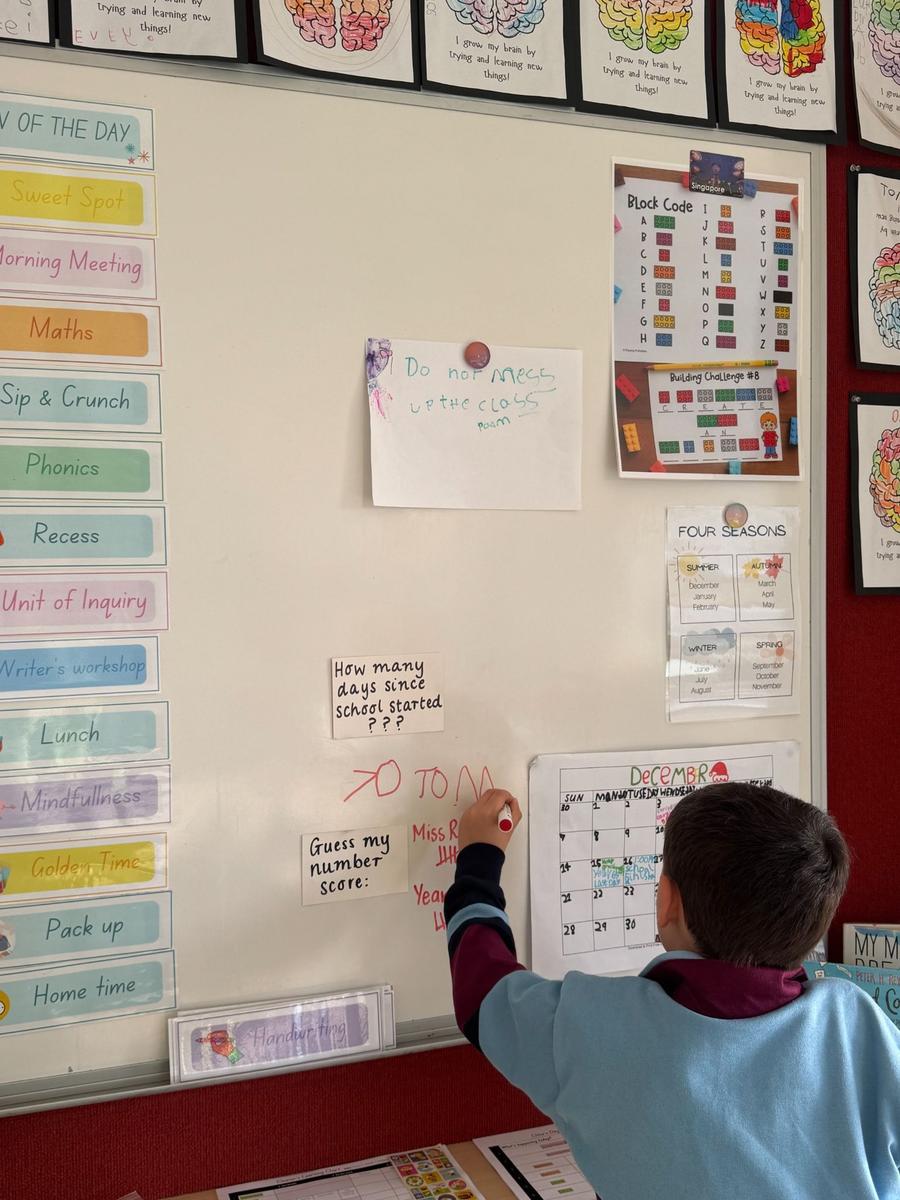
Calendars, daily schedules, counting the days of school
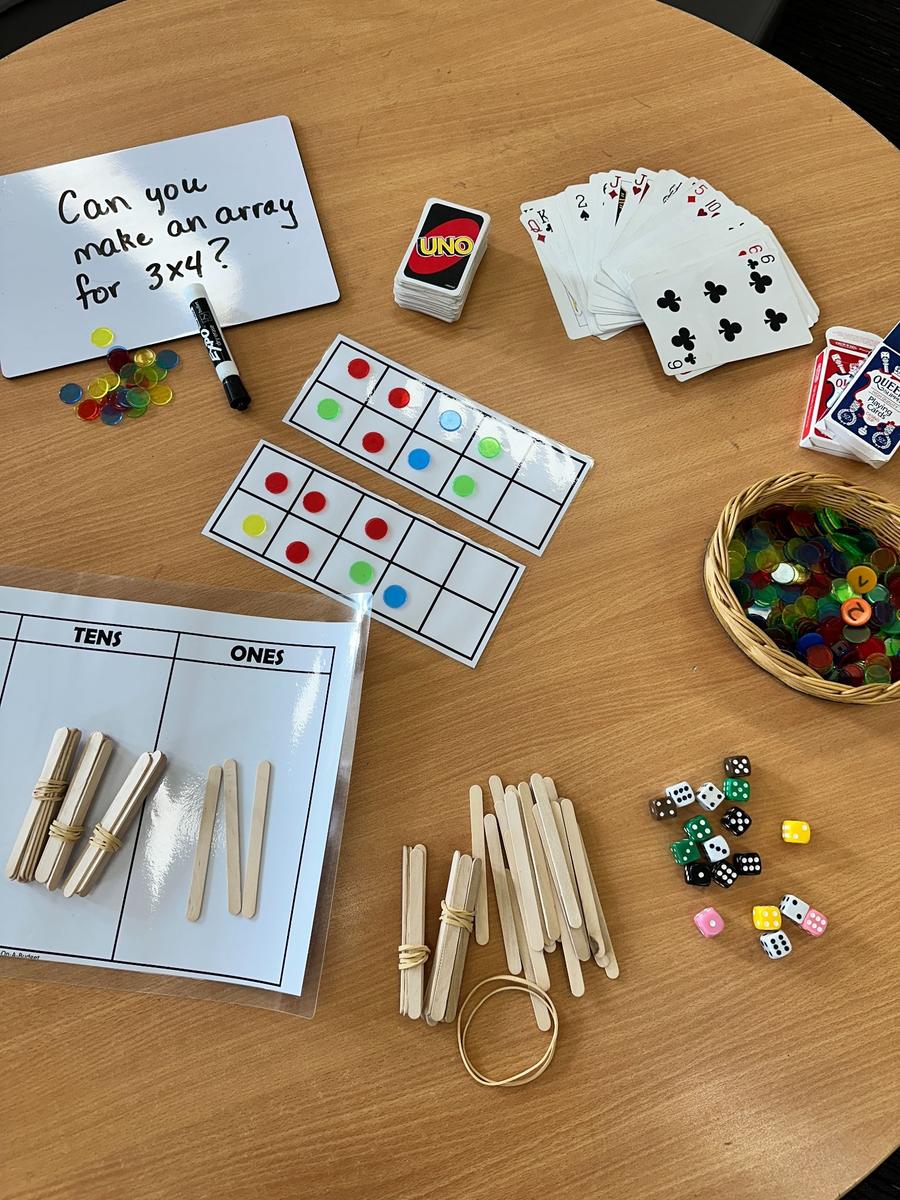
Useful maths materials