
Wellbeing & Inclusion

Building Respectful Relationships at St Mary’s

At St Mary’s, we are committed to creating a school environment where every child feels safe, valued and supported to grow. Our wellbeing focus is centred on building respectful relationships through the Positive Education Enhanced Curriculum (PEEC) and the Resilience, Rights and Respectful Relationships (RRRR) program. These evidence‑based frameworks help students develop the social and emotional skills they need to thrive, both in their learning and in their relationships with others.
Through PEEC and RRRR, students are learning how to understand their emotions, communicate kindly, solve problems, show empathy and build strong, positive connections with their peers. These lessons are woven into daily routines, classroom discussions and whole‑school expectations.
Our core values of Respect, Responsibility and Resilience guide all aspects of school life. Students demonstrate these values in the classroom, in the yard, during transitions and in the way they interact with staff and each other. Every fortnight, we celebrate these efforts through our Positive Behaviour for Learning (PBL) Awards, recognising students who consistently model these values across all areas of the school.
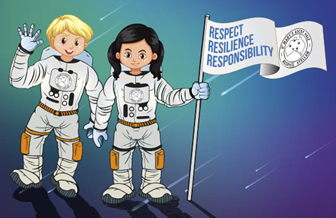
Our students have been working incredibly hard and demonstrating these values in their daily routines. From lining up respectfully and transitioning smoothly between learning spaces to playing cooperatively in the yard, they continue to set a wonderful example for their peers.
Our Vision for Engagement
A key part of our wellbeing approach is our Vision for Engagement, which outlines the behaviours and attitudes needed to help students become active, responsible and respectful learners. This shared vision ensures that students know what successful engagement looks like; being prepared, staying focused, showing persistence and contributing positively to the learning community. When students understand and practise these behaviours, they build confidence, strengthen relationships and experience greater success in their learning. MACS Vision for Engagement - Flourishing Learners Position Statement.
Understanding Our Behaviour Flowchart
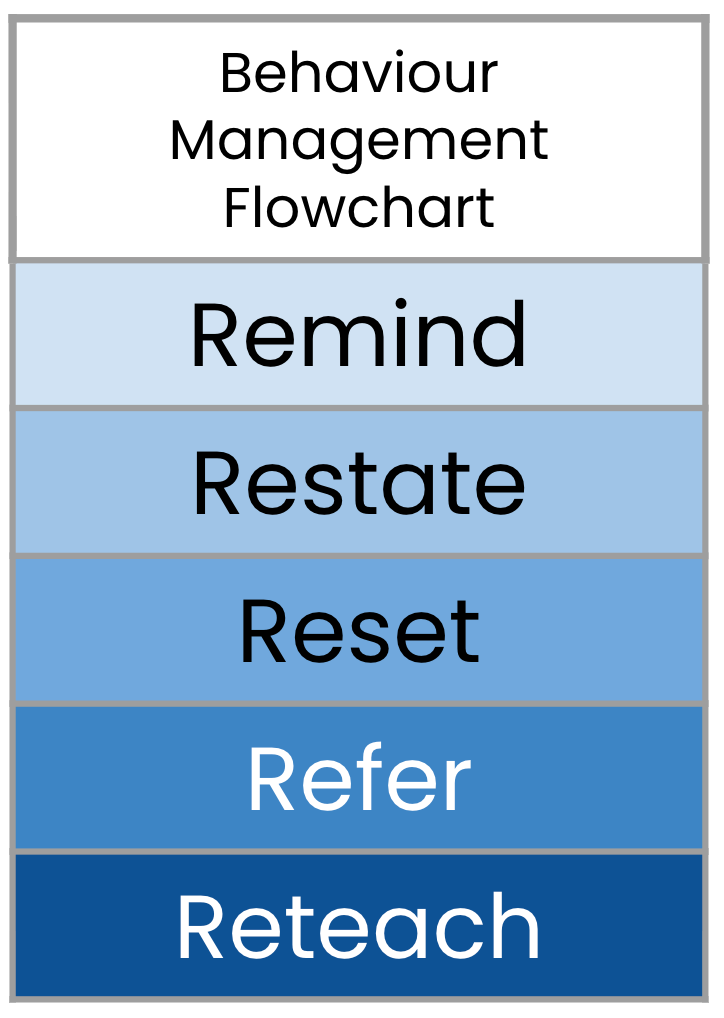
To support consistent expectations across the school, we use a Behaviour Flowchart that helps students learn from mistakes and return to learning calmly and confidently.
Minor Behaviour
Minor behaviours are small disruptions such as calling out, low‑level distraction or not following instructions the first time.
Teachers respond using:
Remind → Restate → Reset
These steps give students a chance to reflect, adjust and re‑engage.
Major Behaviour
Major behaviours refer to repeated ongoing behaviours that have not improved with initial strategies, as well as actions that may be unsafe or significantly uncooperative
Teachers move to:
Refer → Reteach
This may involve leadership support, restorative conversations or targeted teaching to help the student repair relationships and understand expectations.
All classrooms use this behaviour support model consistently to help students understand expectations, feel safe, and develop positive habits. Using the same structure across the school allows children to experience predictable routines and clear guidance. We also encourage parents to talk through this structure explicitly at home, as reinforcing the same language and steps helps children feel secure, strengthens their understanding, and supports a smoother transition between home and school.
We look forward to celebrating the many ways our students continue to show Respect, Responsibility and Resilience throughout the term and year.