
Teens & Screens
Digital Habits - tips for parents/carers
Teens & Screens
Digital Habits - tips for parents/carers
As we move further and further into the digital age, it’s important to be aware of how the technology we use impacts our brain’s cognitive function. Some experts use the term “digital dementia” to describe cognitive changes in the brain associated with technology overuse, such as reduced attention span, poor memory, and impaired decision-making, though it is not a clinical term.
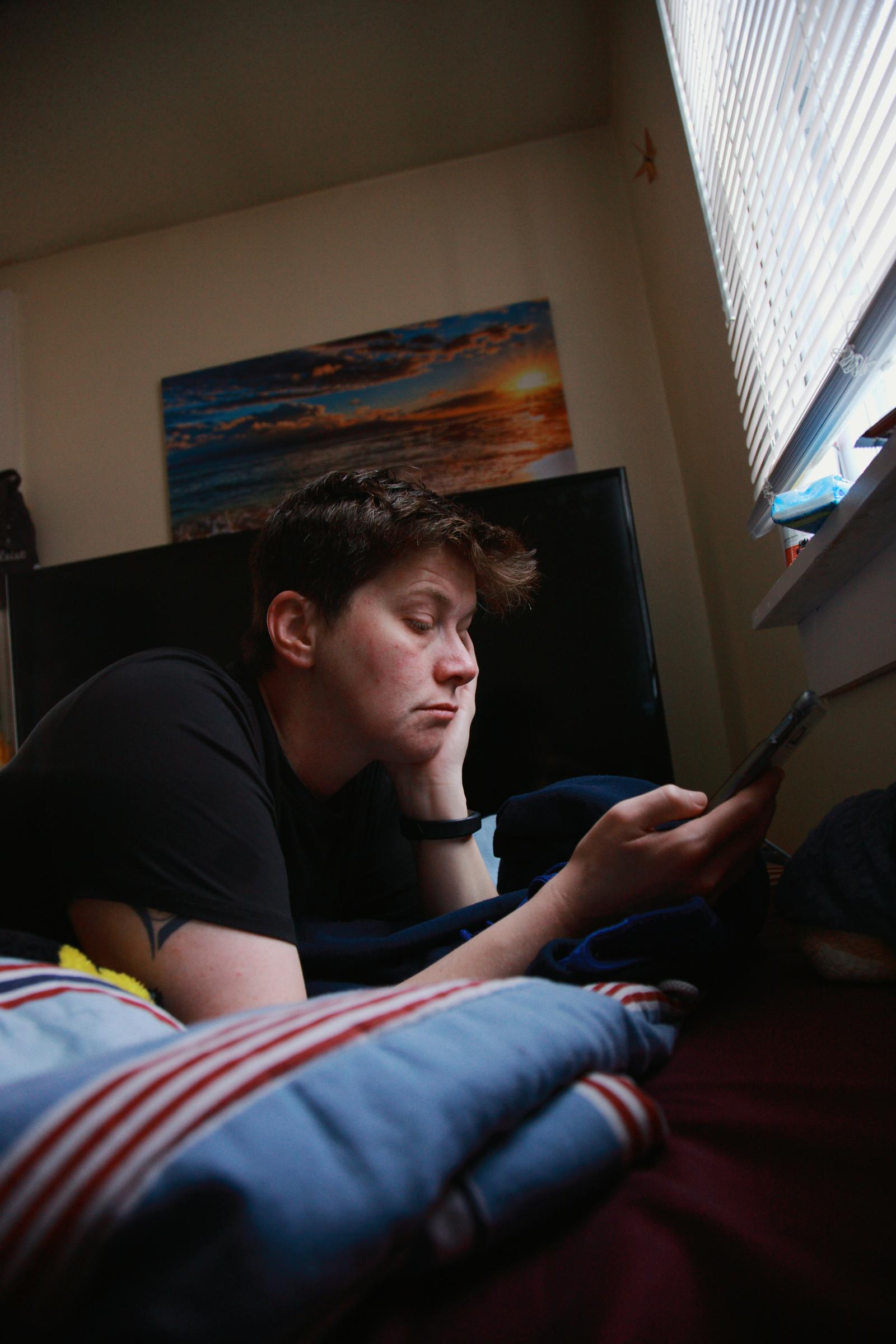
We know children’s brains are affected by spending too much time glued to their mobile phones, TVs or gaming consoles however research shows that adult brains are also negatively impacted by excessive passive screen time too. Studies have also demonstrated the negative effects of screen media use on a number of cognitive areas such as executive functioning, sensorimotor development, and academic outcomes
What is Happening in the Brain During Recreational Screen Time?
Recreational screen time is defined as time spent using devices, such as TVs, smartphones, tablets, and gaming consoles, for entertainment, leisure, or social networking rather than for work or education. It is sedentary, non-educational, and often involves passive viewing (e.g., streaming) or active gaming.
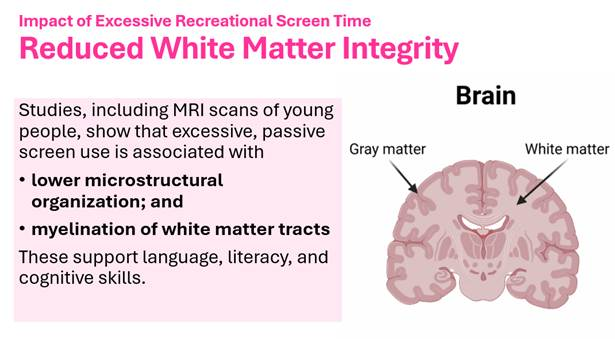
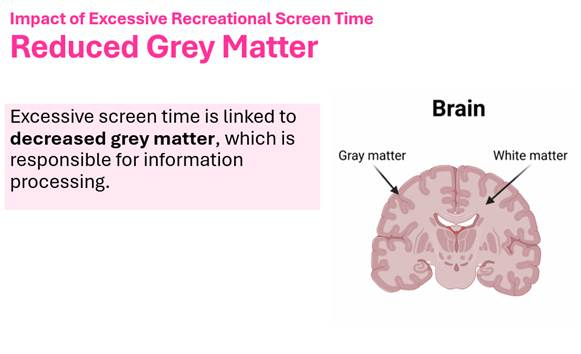
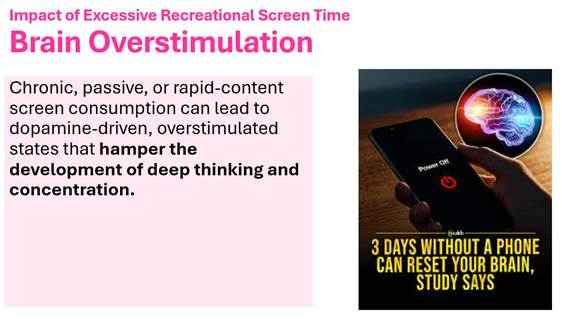
Increased recreational use of screens may harm learning, memory, and mental health, as well as the potential to increase the risk of early neurodegeneration. Excessive recreational screen time causes thinning of the cerebral cortex, the brain’s outermost layer responsible for processing memory and cognitive functions, such as decision-making and problem-solving.
“The negative effects of screen time are insidious because you can’t see what’s happening in your brain as you’re staring at the screen,” says Maris Loeffler, MA, member of the Stanford Lifestyle Medicine Cognitive Enhancement pillar. “If you scrolled on your phone in bed for an hour just one morning, the negative impacts would be minimal. But if it becomes a habit, day after day, month after month, this behaviour can take a toll. Passive screen time is like eating sugar but for your brain. It ‘tastes’ good, and you want it now, but you’re not actually feeding yourself. You’re not giving your brain any nutrition,” says Loeffler.
Digital devices have revolutionised the way we learn, communicate, work, and entertain ourselves, but they also have a significant impact on brain function and behaviour. The constant multitasking, rapid information processing, and constant distractions can lead to decreased attention span, memory problems, and difficulty with cognitive functions. This can then impact behaviour by causing increased anxiety, stress, and dependence on digital devices for daily activities.
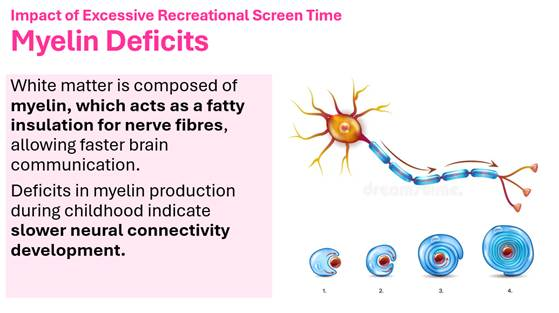
Furthermore, prolonged exposure to screens can hinder brain development, potentially leading to long-term effects on cognitive abilities.
Parental restrictions on screen time lowers screen time use on streaming services and internet use. Recommended discretionary limits are 1.5 hours per day for 12-15 year olds, and two hours for students 16+.
Role modelling is also another crucial element. The amount of screen time parents and teens watch is closely associated; kids who live in homes where watching TV is unrestricted (e.g., meals eaten in front of the TV and the TV is on when the child gets home from school) are more likely to engage in binge-watching themselves.
The absence of screens in bedrooms significantly lowers screen time, supports better sleep habits and increases the likelihood of teens engaging in activities like reading and drawing as a way to settle their minds.
Watch this video with your teens then discuss the impacts with them to improve their awareness of the impacts on their brains (contains mature, cut-through language):How Your Smartphone is Destroying Your Brain: Wake Up and Take Action!
Perhaps what is most concerning is that tech companies, media companies and gaming developers know all this, but continue to make the technology easier to use and rely on and harder to self-manage our decision to take time away from devices. We have to remember that we are in control and we can choose how and when we use our screens for recreational use.
Next edition, we will dig deeper into the impact of our digital devise use on cognitive function and learning.
Tanya Moran
Leader of Professional Practice
Composed with Excerpts from:
https://www.healthline.com/health/parenting/digital-dementia
https://lifestylemedicine.stanford.edu/what-excessive-screen-time-does-to-the-adult-brain/