
Student Wellbeing

Social Anxiety: What It Is and How to Work With It
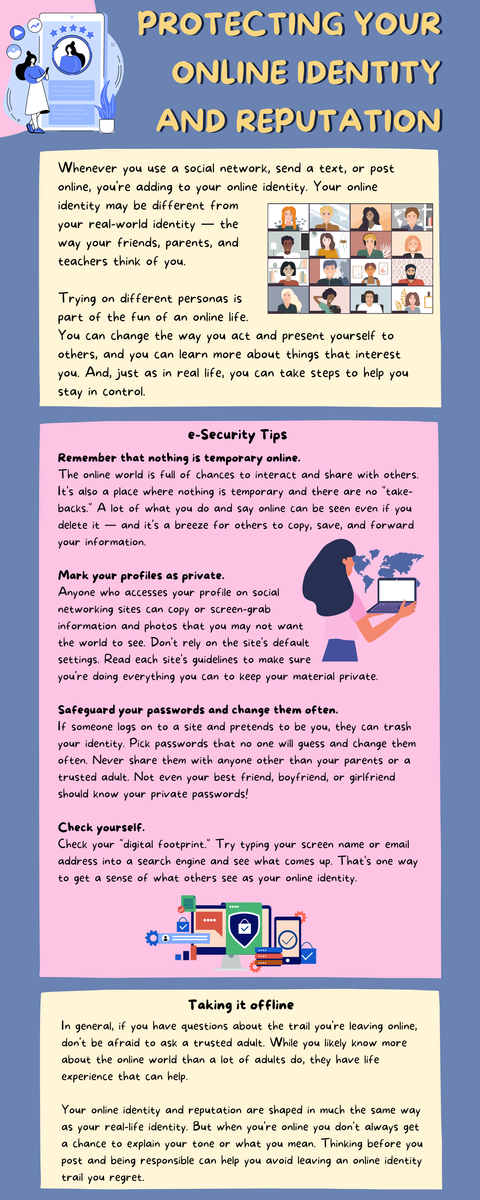
It’s very normal to feel anxious and worried about what other people think of us. Teenage years can be uncomfortable and awkward at times as we are learning to understand ourselves in a different light, as well as learning to understand those around us. This can feel overwhelming and sometimes reach a point where we worry so much about what others think of you that we stop or avoid the things that we need and want to do, out of fear of embarrassing yourself and/or being judged by others.

Learning how to work with these anxious feelings, rather than trying to get rid of them completely, can make a big difference.
Sometimes when people think of social anxiety, they understand it from a “big picture” lens. However, social anxiety is a very individual experience and can show up in lots of different ways that may be unexpected.
For one person, asking someone if they could please move out of the way may feel like an easy interaction and they may not think twice about it. However, for someone else, that small interaction can send them into a spiral of overthinking.
Another example is when you might see people whispering and laughing. Some people may be able to brush this off and assume it has nothing to do with them. However, someone who experiences social anxiety may start to assume that the group is whispering and laughing about them.
These socially anxious overthinking thoughts can sound like:
Everyone thinks I look stupid
I’m going to embarrass myself
Everyone is looking at me
They’re laughing and whispering about me
Everyone is judging me
I look stupid
When these thoughts show up, we may start telling ourselves things that make us want to avoid social situations altogether. These thoughts might sound like:
I should have stayed home
If I don’t go, I won’t humiliate myself
I’m never coming back here
Anxiety can show up in different ways. When our mind is racing, our body often reacts too.
Some physical symptoms you might experience include:
Rapid heartbeat
Blushing Sweating
Trembling or shaking
Nausea
Social anxiety can feel overwhelming and sometimes too hard to face. It is important to remember that our anxious thoughts are often our brain trying to protect us from embarrassment or rejection. Even when these thoughts feel very real, they are not always accurate or helpful.
Learning to notice these thoughts without letting them fully control our choices can help us keep doing the things that matter to us, like building friendships, having new experiences and being part of things we care about.
Tools for working with social anxiety
1.Mindfulness techniques, such as breathing (balloon breathing, box breathing) and body scans, can help calm your body when anxiety shows up.
2.Become aware of your surroundings. For example: 5 things you can see, 4 things you can feel, 3 things you can hear, 2 things you can smell, and 1 thing you can name that is positive.
3.When you notice unhelpful thought patterns, try changing the way you relate to them. For example:
This is practice,
It’s okay to feel uncomfortable
I can’t do this, yet
4.Try to speak to yourself with kindness. If you wouldn’t say something harsh to a friend, why say it to yourself?
5.Start small. Smile at someone as you walk past, ask a question in class, or say hello to someone new. Small steps still count.
You don’t have to deal with social anxiety on your own. If anxiety is stopping you from doing things you care about, talking to someone can really help. This might be a trusted friend, a teacher, a Wellbeing staff member, a school counsellor or another adult you feel comfortable with. Reaching out is not a sign of weakness. It is a way of getting support while you learn to work with anxiety more confidently.
5-Week Social Anxiety Group for High Schoolers 16+
Online Opportunity
Thursdays 4pm - 5pm
5 March to 2 April 2026,
Who: For Students 16+, anywhere in Australia
What: Free online mindfulness group for students designed to support you in building focus, emotional balance, and greater self-awareness through guided practice. Join us online to explore mindfulness practices and learn how to bring more presence and calm into your daily life! Together, we’ll learn how to:
Develop mindfulness skills that support presence, focus, and calm
Regulate difficult emotions and ease experiences of stress and anxiety
Build mental and emotional resilience for everyday life
This group offers a supportive, down-to-earth space to learn and grow. You’ll have opportunities to reflect, connect, and move at your own pace, with guidance from student clinicians under the supervision of a qualified mental health professional.
The group offers a supportive, down-to-earth space to learn and grow. You’ll have opportunities to reflect, connect, and move at your own pace, with guidance from student clinicians under the supervision of a qualified mental health professional.
Where: Online, open to any student 16+
Cost: Free to attend
Info/contact: clinic@acap.edu.au
Registration: https://www.eventbrite.com.au/e/online-5-week-building-mindfulness-group-for-students-16-tickets-1980435149845
For more information, contact:
Marietta Aikenhead
ACAP Clinics Manager, Melbourne
marietta.aikenhead@acap.edu.au
Looking for Support?
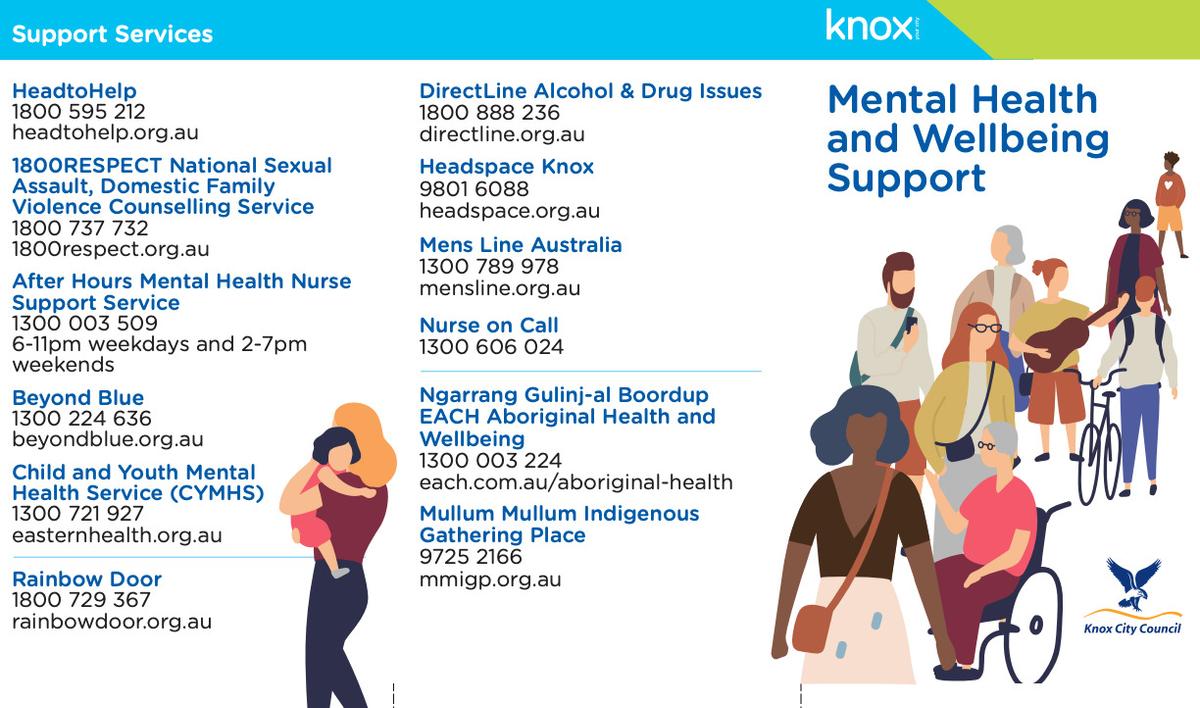
Knox Youth Services
Free support for young people aged 10 to 25yrs.
2 Capital City Blvd, Wantirna South
(03) 9298 8469
Headspace Knox
Confidential support for young people aged 12 to 25Y
Westfield Knox Ozone
(03) 9801 6088
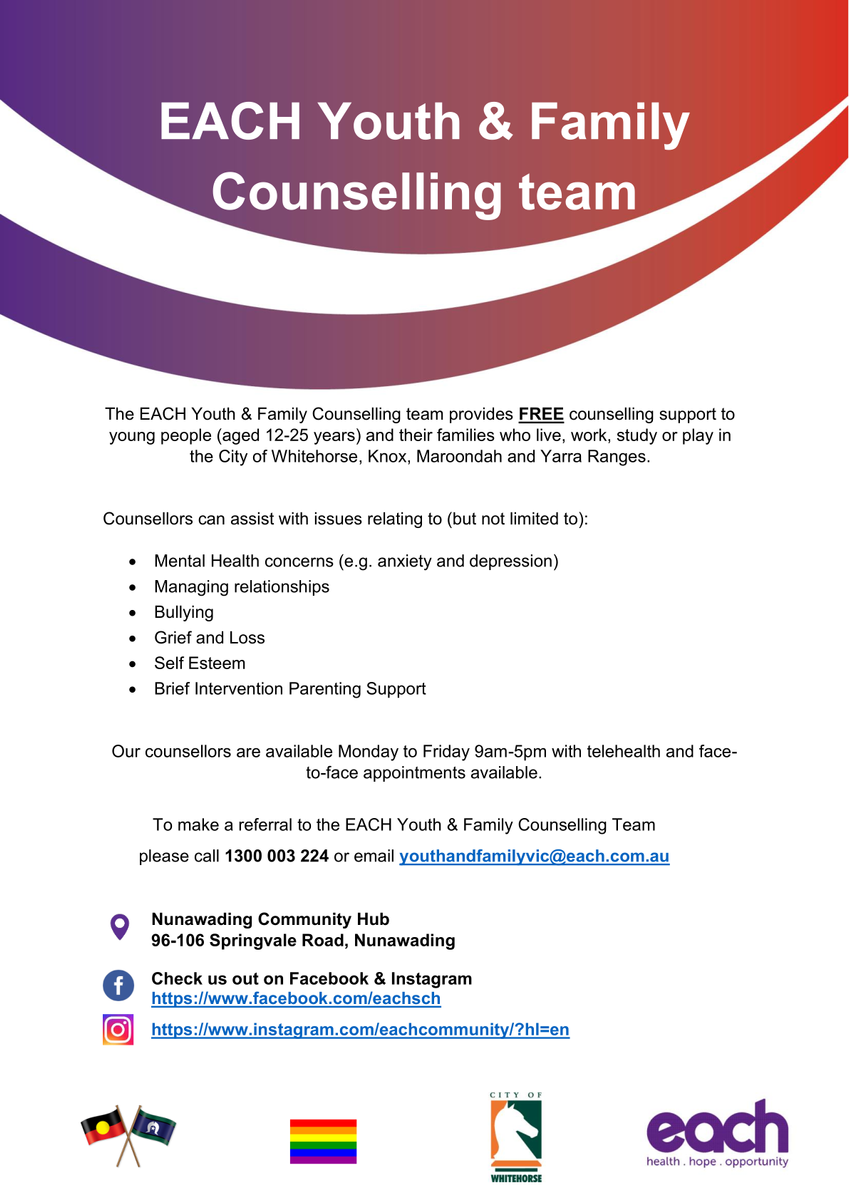
EACH Community Health
Counselling, mental health and wellbeing services
Phone: 1300 003 224
EACH - Health Services 1300 003 224
These services are free or low-cost.
93 Boronia Rd, Boronia
Youth Mental Health Services 9298 8469
2 Capital City Blvd, Wantirna South
headspace 1800 650 890
2 Capital City Blvd, Wantirna South
Safe Steps Family Violence Response Centre 1800 015 188 (24 Hours)
1800 Respect 1800 737 732 (24 Hours)
Nurse on Call 1300 60 60 24
The Butterfly Foundation 9822 5771
FriendLine 1800 424 287
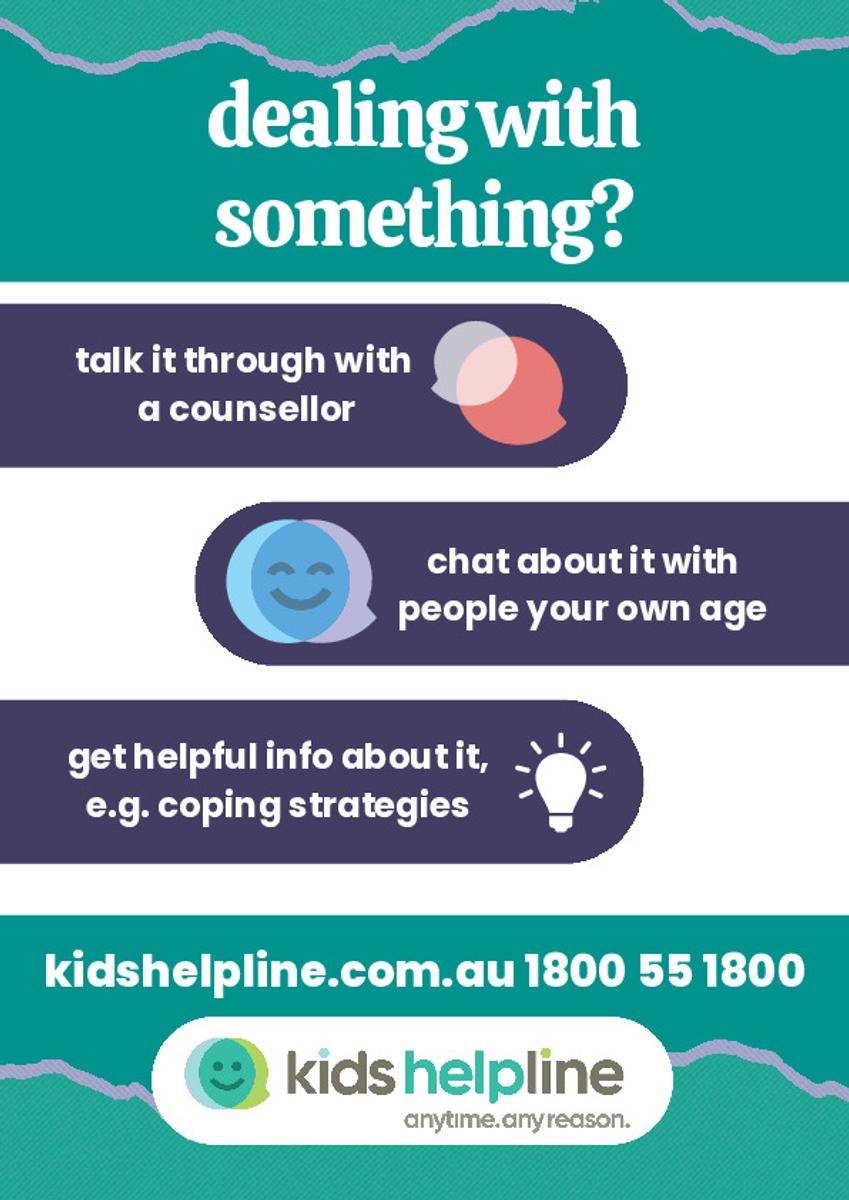
24/7 Mental Health Hotlines:
Kids Helpline 1800 55 1800
Lifeline - Call 13 11 14, text 0477 13 11 14 or chat online.
Suicide Call Back Service 1300 659 467 or suicidecallbackservice.org.au
Beyond Blue 1300 224 636

Student Wellbeing Team
Email: wellbeing@wantirnacollege.vic.edu.au
Chelsea Collings - Leader of Wellbeing
Guiseppe Relia – Wellbeing Counsellor
Talea-Jane Simpson – Wellbeing Counsellor
Jane Winning - Social Worker
Tajinder Wulff - Mental Health Practitioner 7-8