Specialist News

PE/Sport Update
Swimming Carnival & District Success!
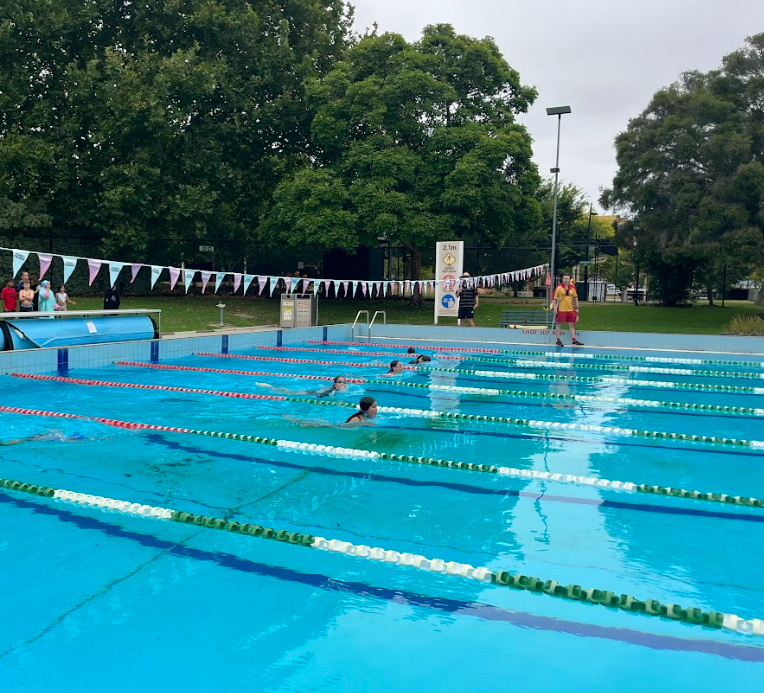
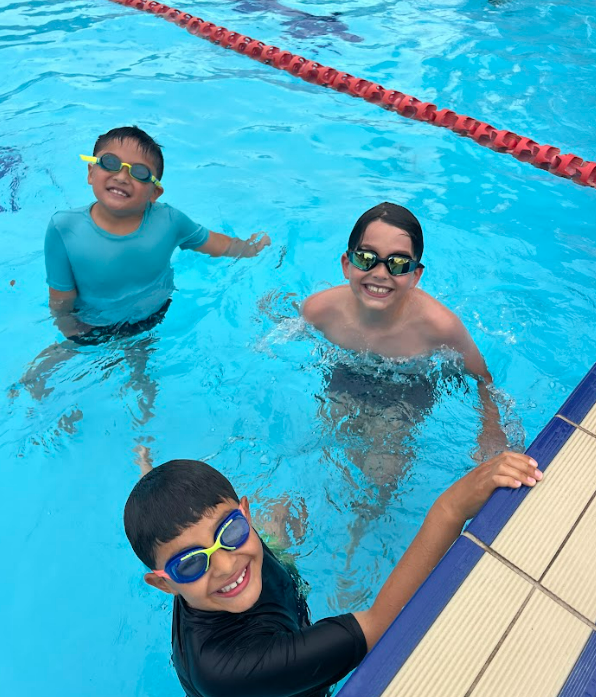
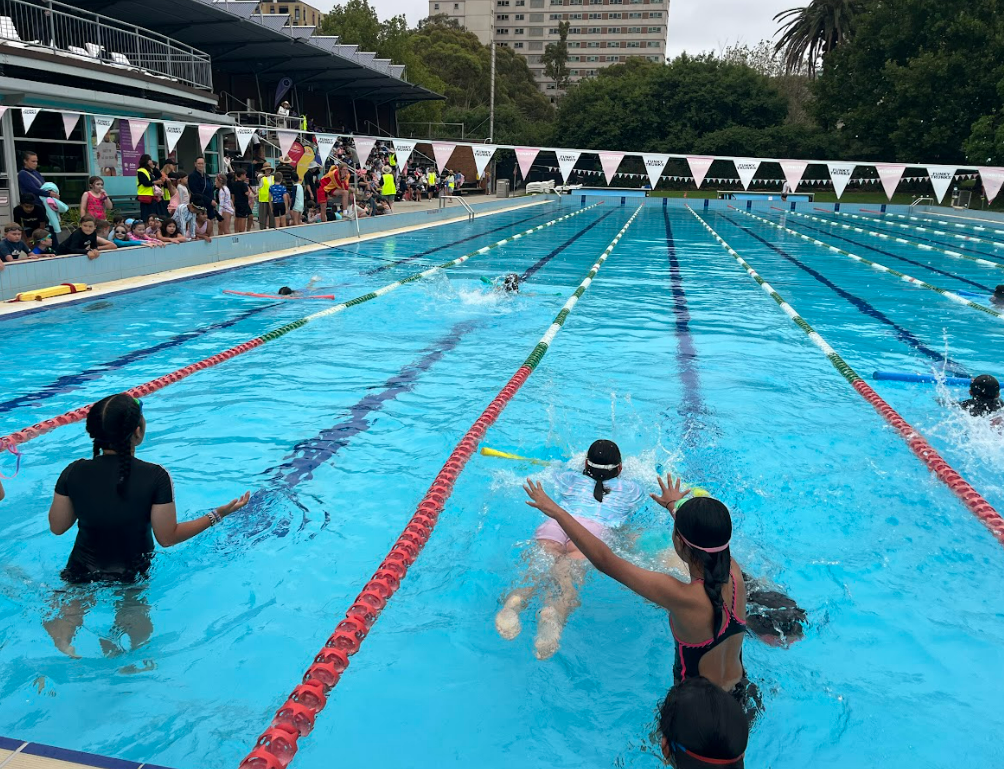
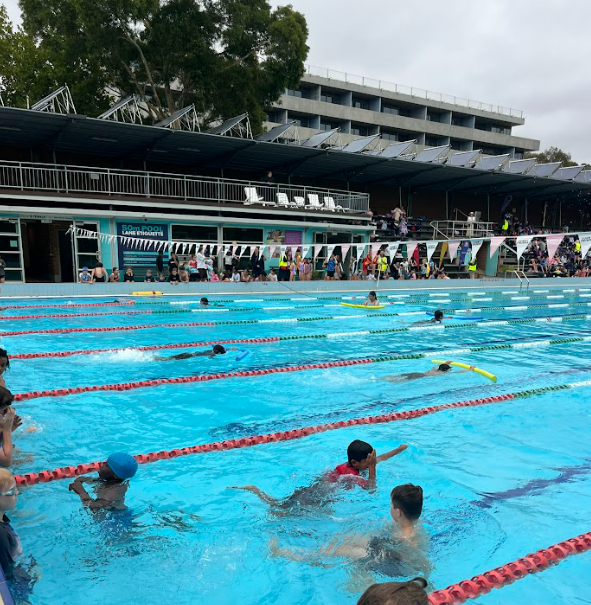
Our School Swimming Carnival was a fantastic day full of energy, house spirit and outstanding effort. Students showed great sportsmanship, cheered each other on and proudly represented their houses.
A team then progressed to the District Carnival at Prahran Aquatic Centre, where they achieved excellent results. Congratulations to Hudson, Alex O, Levi and Barnabas, who have qualified for Divisions in both individual and relay events. We wish them the best of luck on March 24th!
PE Update
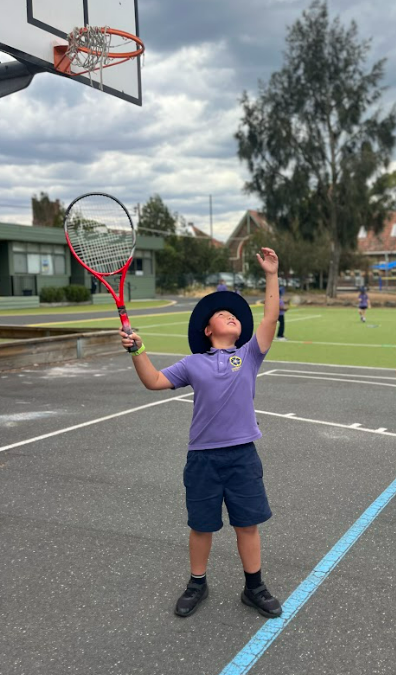
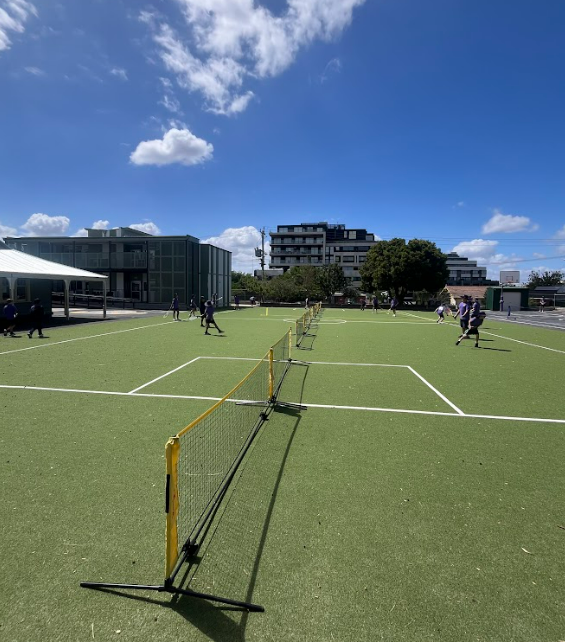
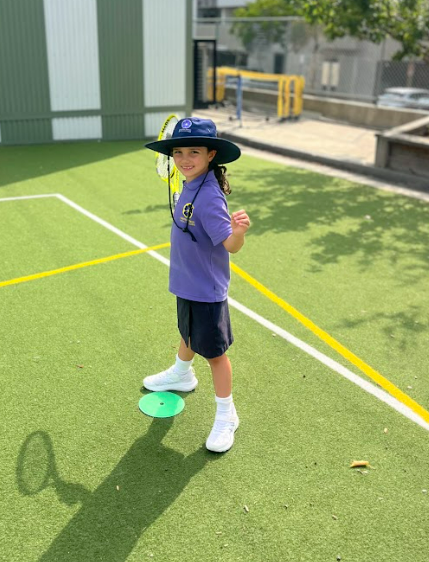
Our Prep–Grade 2 students are developing their fundamental movement skills, focusing on catching, throwing and hand-eye coordination. Grade 1/2 students have also begun bat-and-ball and introductory tennis skills.
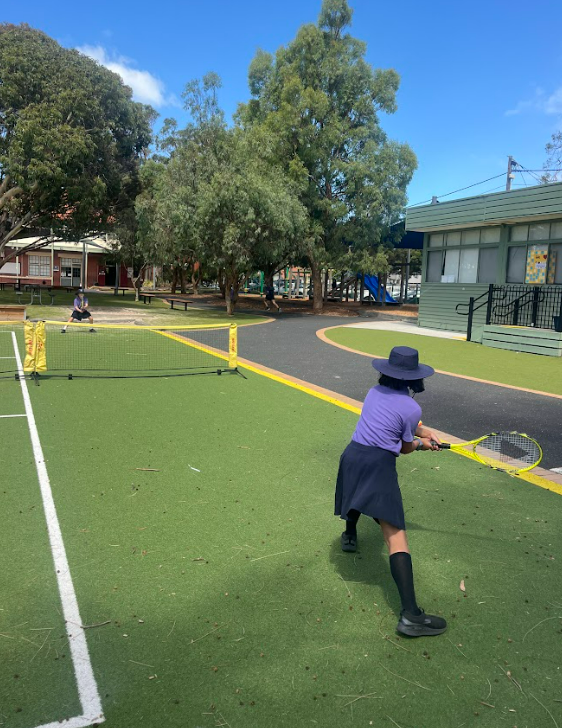
Our Grade 3–6 students are currently focusing on tennis, developing their forehand, backhand and rallying skills.
It’s been a fantastic and active start to the term!
PE Superstar Awards
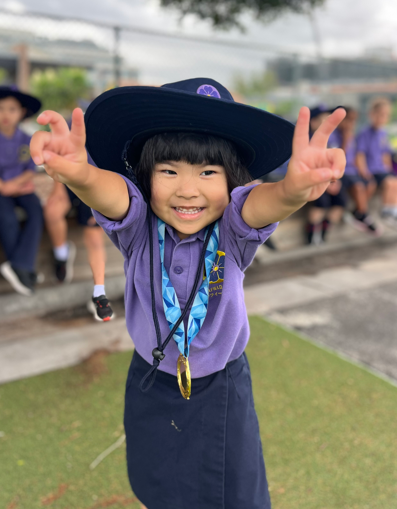
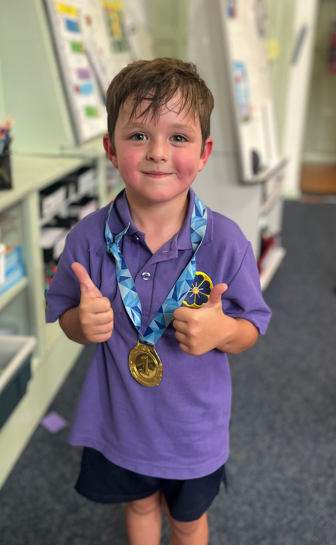
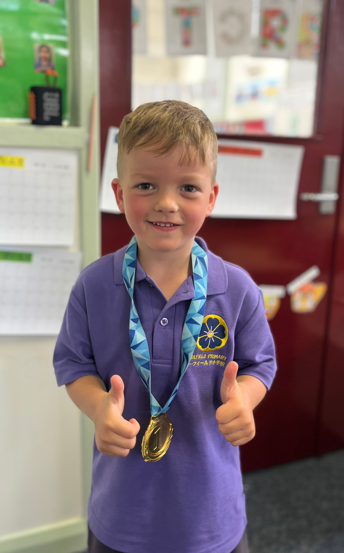
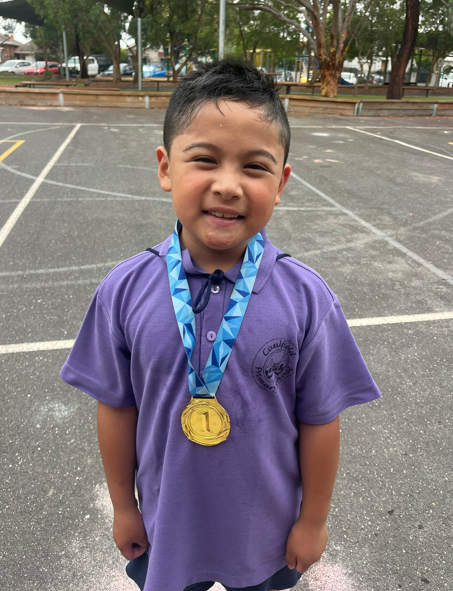
At the end of each PE lesson, we celebrate a PE Superstar - a student who has demonstrated our school values through their effort, teamwork, resilience or sportsmanship.
Our Superstar receives special recognition with a spot on our “Walk of Fame” and is awarded the Golden Medal at the end of the lesson. It’s a wonderful way to acknowledge students who lead by example and contribute positively to our PE community. We love celebrating their achievements each week!
Ms. Molloy
PE Teacher / Sports Coordinator
STEM in Term 1
Over the past four weeks in STEM, students across all year levels have been developing their scientific thinking through hands-on investigations and design challenges.
Prep
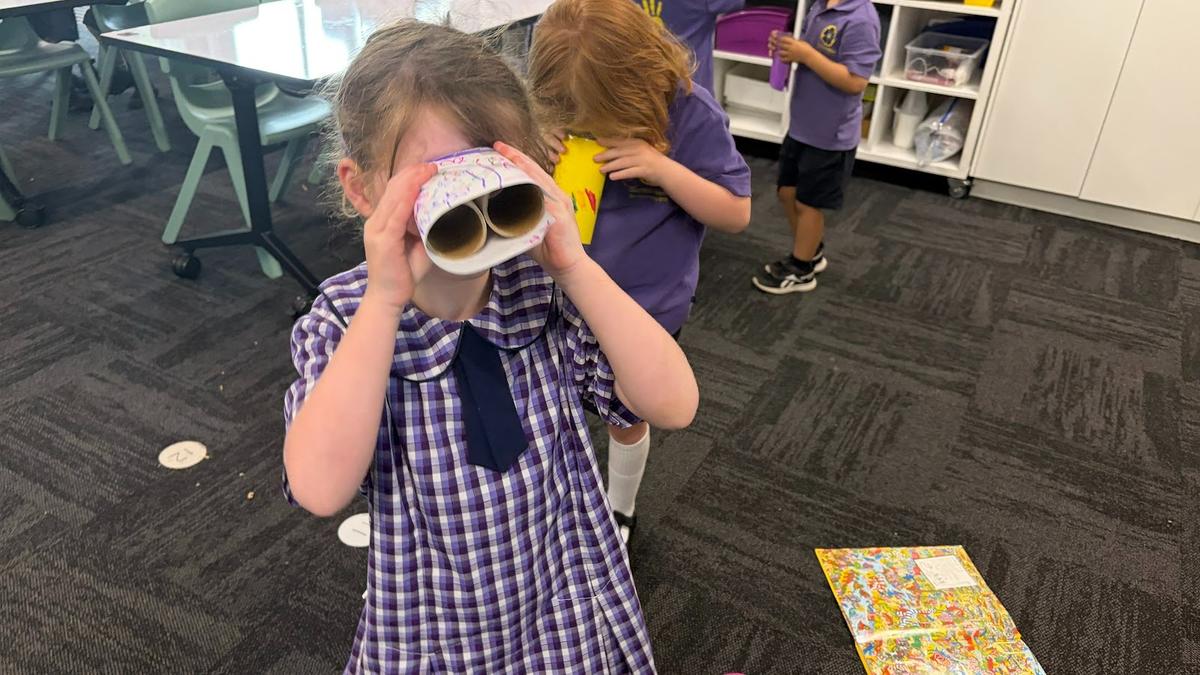
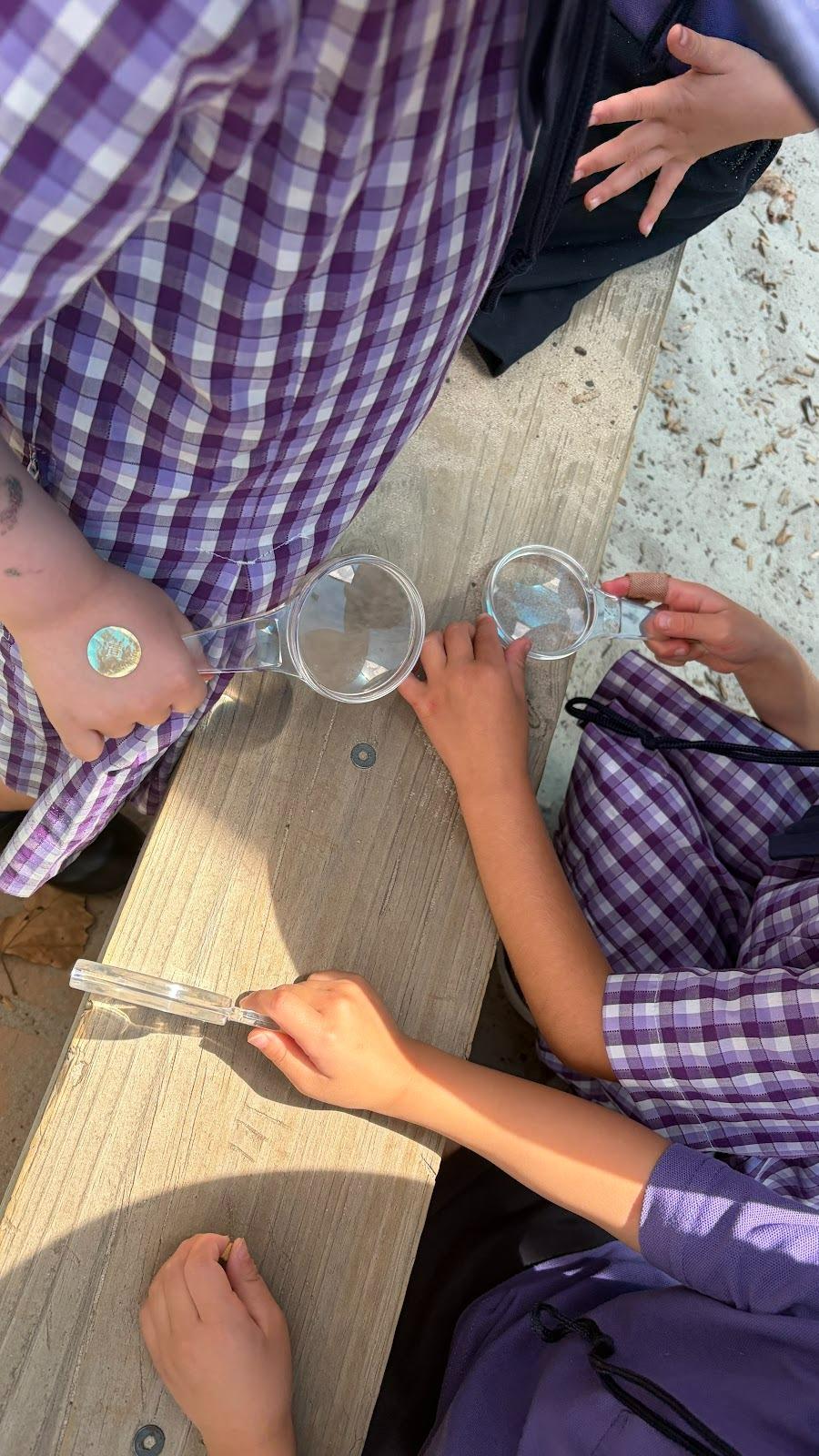
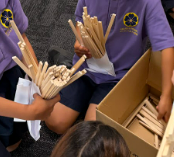
Prep students have been exploring the world of materials and learning to think like scientists and designers. They investigated what everyday objects are made from and discovered that materials such as wood, plastic, metal and fabric have different properties. Students created their own binoculars and practised using tools to closely observe classroom objects, carefully describing what they noticed. Recently, they applied their learning in an Apple Tree STEM Challenge, using cardboard rolls, icy pole sticks and cotton balls to build a structure that could hold as many “apples” as possible. Through this task, students discussed material properties, collaborated on designs, and improved their structures, building confidence in both problem-solving and scientific vocabulary.
Year 1/2
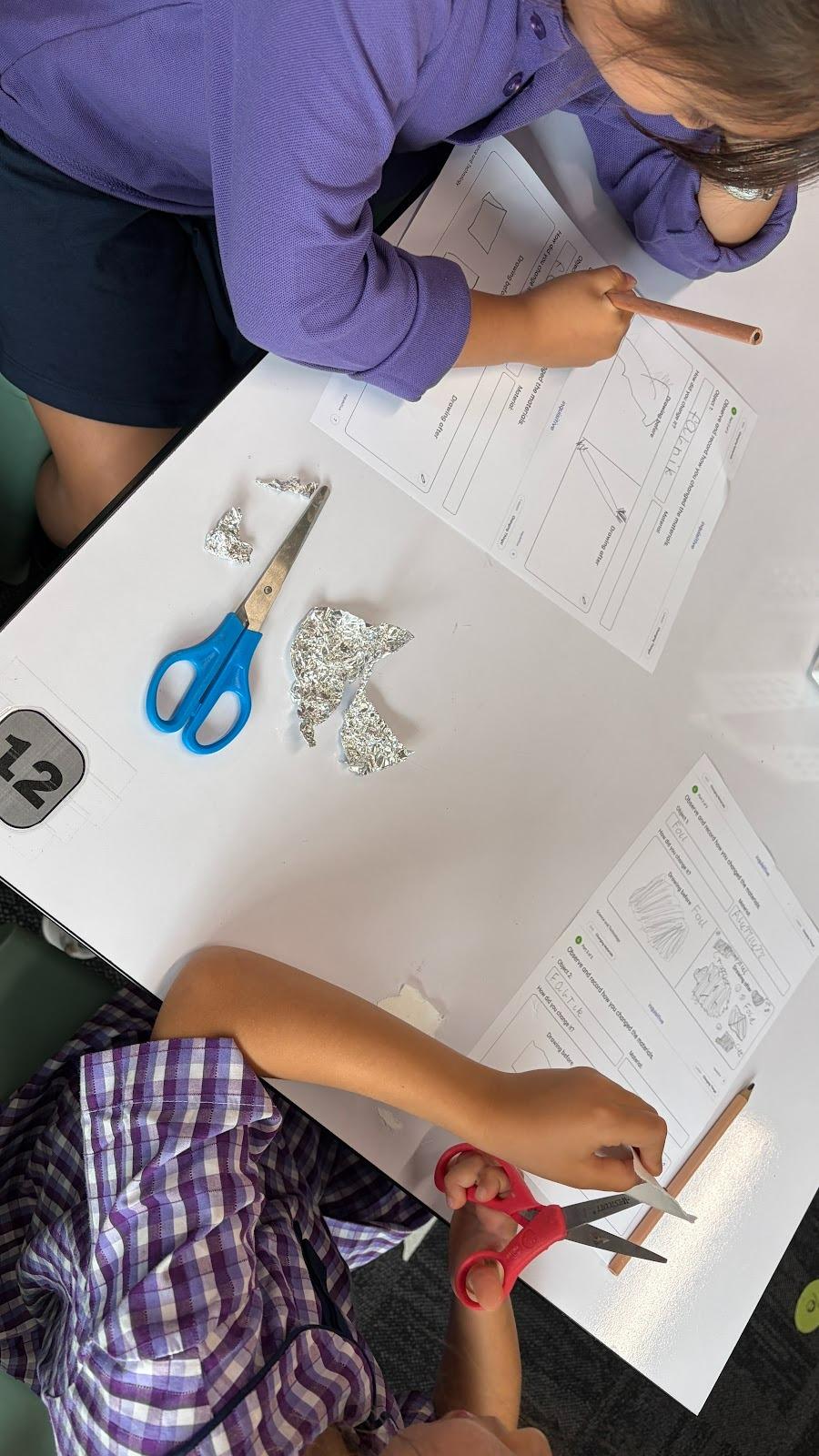
Year 1/2 students have been investigating how materials can change and why those changes are useful. They explored physical changes by bending, twisting and stretching materials, and conducted simple fair tests to compare flexibility. Students then examined packaging designs, discovering how folds and honeycomb structures can strengthen paper and cardboard without altering the material itself. Most recently, they became engineers, designing and building paper structures using only five sheets of paper and testing how much weight their designs could support. Through reflection, they recognised how structure plays a key role in strength.
Year 3/4
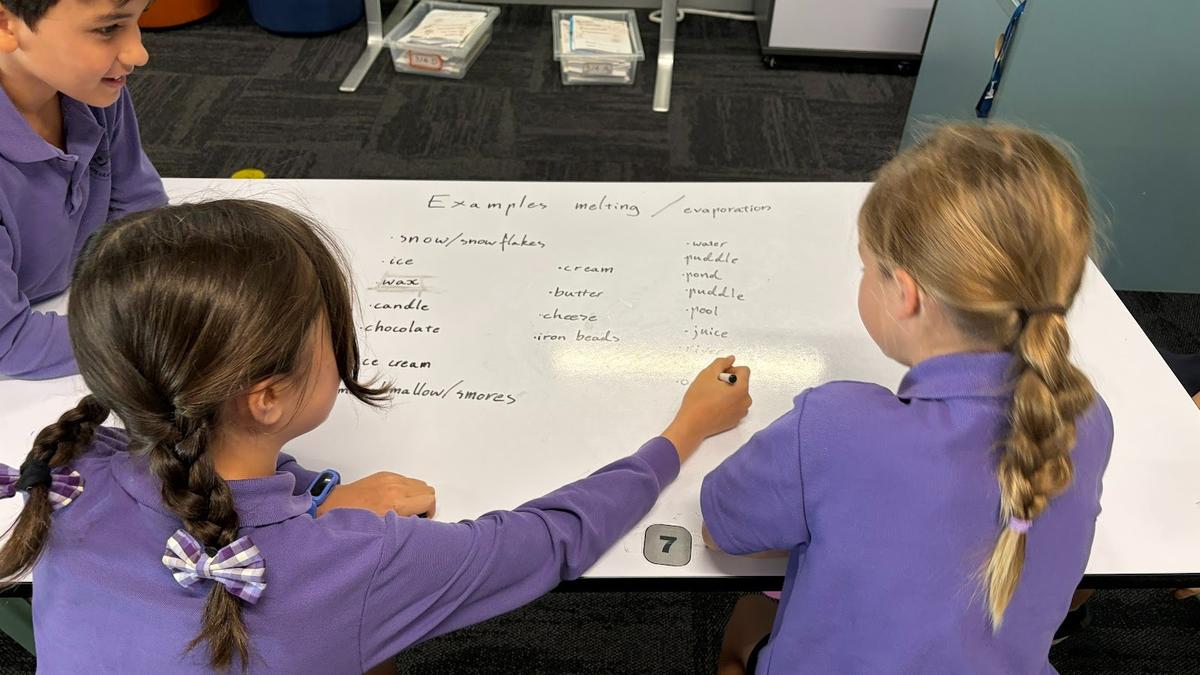
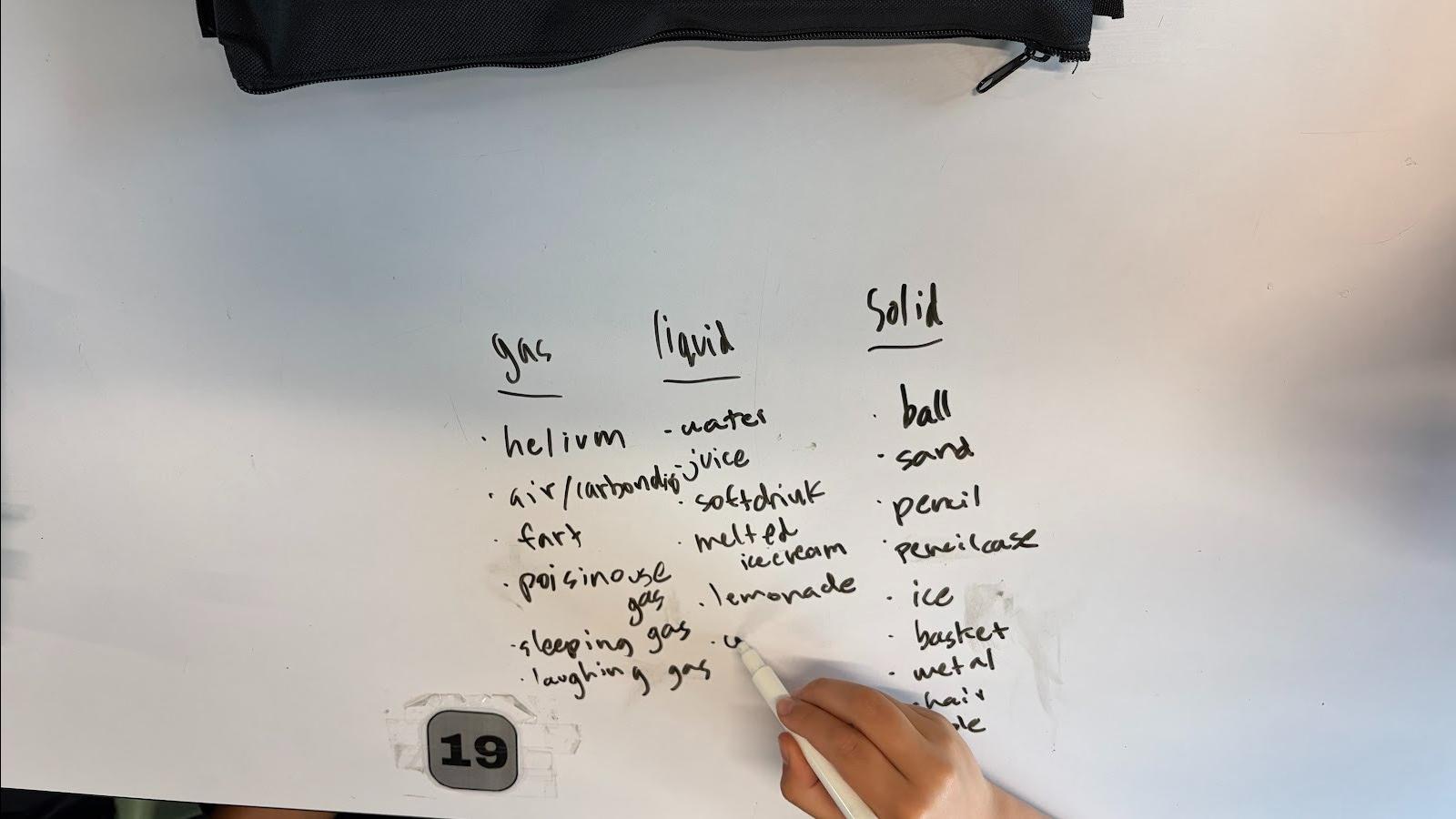
Year 3/4 students have been exploring the properties and states of matter. They classified solids, liquids and gases based on observable features such as shape and volume, and identified how some everyday objects contain more than one state of matter. Students investigated how matter changes when heat is added or removed, learning about melting, freezing, evaporation and condensation through demonstrations and guided investigations. By making predictions, recording observations and explaining their thinking using scientific vocabulary, students strengthened both their understanding of chemical sciences and their inquiry skills.
Year 5/6
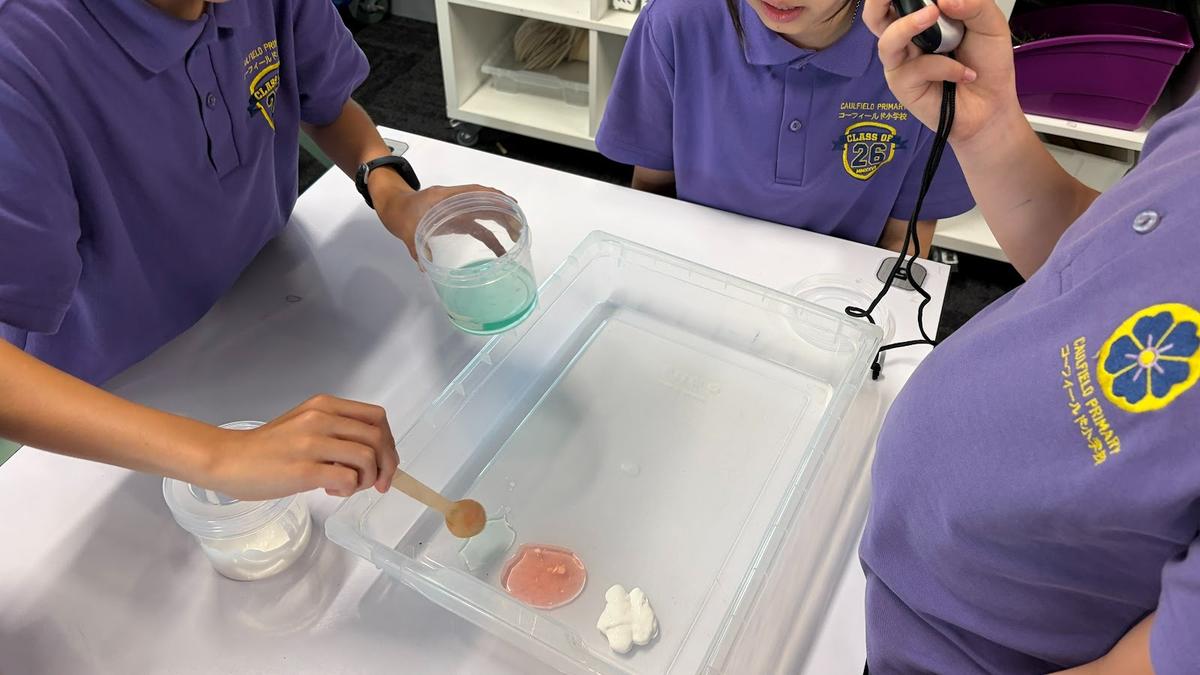
Year 5/6 students have been deepening their understanding of matter by linking observable properties to particle arrangement and movement. Through hands-on investigations, they explored compressibility, flow, mass and viscosity, comparing liquids such as coloured water, shampoo and sunscreen in a fair test. Students carefully controlled variables, analysed results, and used particle models to explain their findings. These experiences have strengthened their scientific reasoning and helped them understand how microscopic particle behaviour explains the properties we observe in everyday materials.
It has been wonderful to see students engaging with scientific concepts through inquiry, experimentation and design. We look forward to building on this learning in the coming weeks.