
TCE Asian Studies (UCP)
TCE Asian Studies
| 🎓Course Type | Pre-tertiary - University Connections Program |
|---|---|
| TASC Code | UCP014 |
| TCE Points | 15 |
| ⏱Hours | 150 |
| ✔️Standard | NA |
| 📚Prerequisites | HASS courses do not require any previous course knowledge or experience. |
📎Desirable prior experiences | 'A' in Year 10 Humanities or English (to study in Year 11) SA or higher in a HASS/English Level 3 (to study in Year 12) |
| 📝Assessment | External assessment. Numerically weighted assessment model. Examination - Yes (Interactive Oral Assessment) Folio/Investigation - Yes Ratings for this UTAS assessed course are given as HD (High Distinction), DN (Distinction), CR (Credit), PP (Pass), NN (Failure), NA (Not Assessed). |
What will I learn?
The course is divided into four modules:
Module 1 - Introduction to Asia
Module 1 will introduce you to a broad overview of the continent of Asia. You will examine issues and links between globalisation and modernity, with special attention to the situation in the garment industry. You will be introduced to academic skills which are relevant to your university study, particularly skills related to referencing, paraphrasing, identifying and working with scholarly sources.
Module 2 - Many Asias
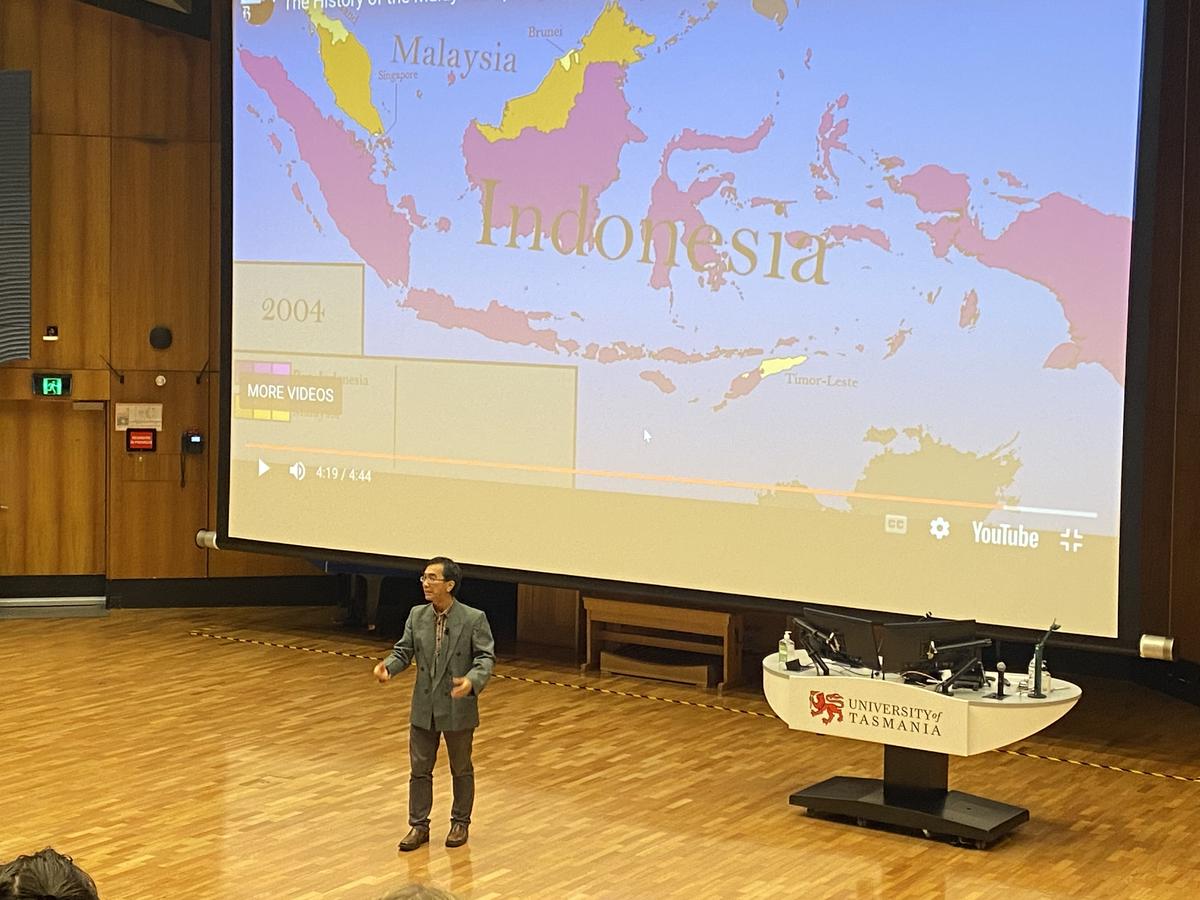
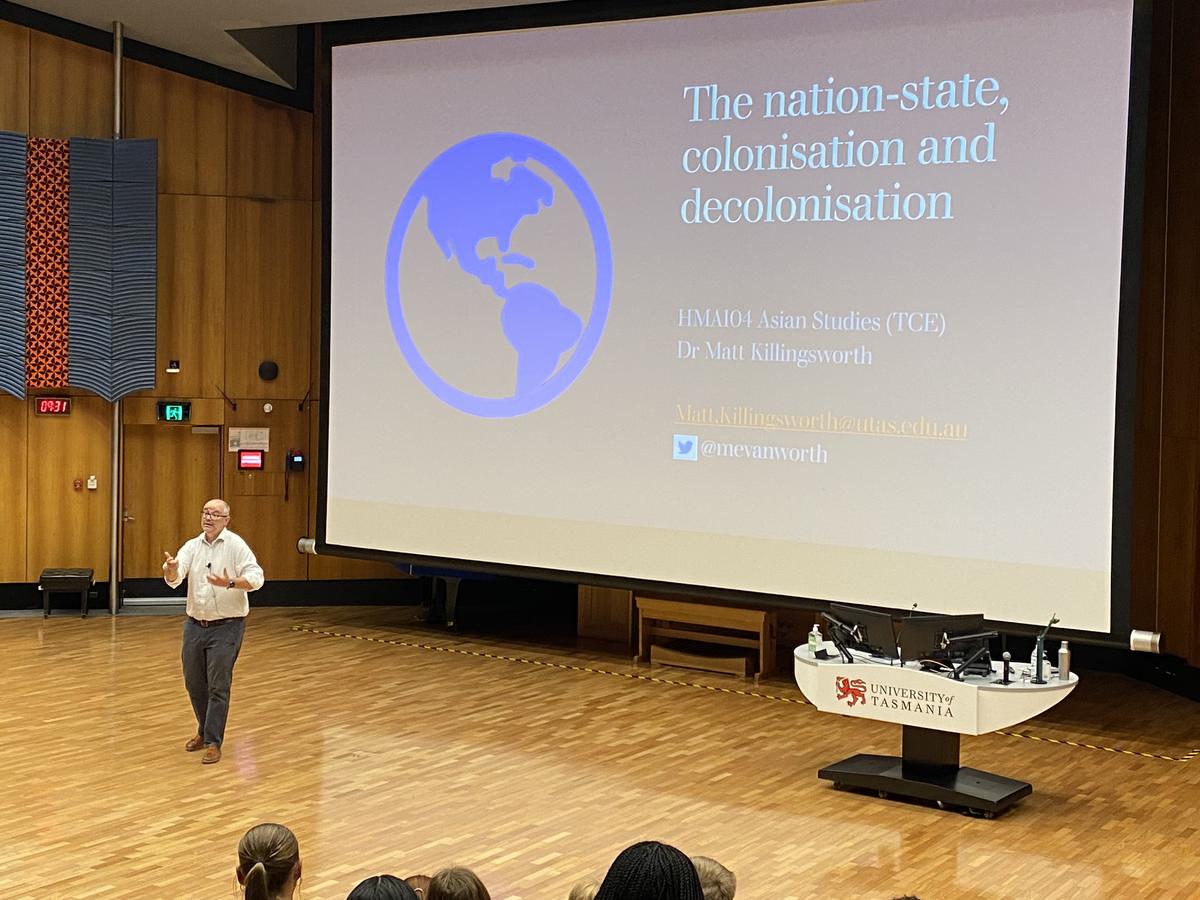
Module 2 will introduce you to the concept of a nation-state and examine the genesis of a nation. You will examine the perception of "Asia" and the issues of diversity. You will explore a cultural and religious diversity as well as syncretism. In the academic skills section, you will be learning how to produce an annotated bibliography and write a literature review.
Module 3 - Young Asia
In this module we focus on population trends and issues. Here you will learn about the population pyramid, youth bulge and youth deficit, as well as the issues with infanticide. The module also explores educational issues. You will first learn about the difficulties in accessing education in Pakistan, then learn the effects of a high standard of education in South Korea. This section ends with a case study that links education and employment in China.
Module 4 - Food Security
This module focuses on a broad overview of food (in)security issues in the Asian region. You will examine how food security is impacted by climate change, food safety & fraud and waste. The module also explores food culture and tradition.
Why should I consider this course?
There are many reasons why students should take this course;
This course provides a fantastic 'taste' of what life at university is like. By taking this course, students will develop an understanding of the types of assessments offered by UTAS, become familiar with the online student hub (Mylo), and experience a new way of learning through lectures and tutorials (with the added assistance of a classroom teacher).
Taking this course helps students become Asian literate. Asia homes 60% of the total world's population and is home to the fastest-growing economies in the world. Taking this course allows students to build knowledge of the histories, geographies, arts, cultures, and languages of the diverse Asian region.
What Skills does this course provide?
The skills students learn in this course are transferable to all subjects and may indeed build success for students across a range of subject areas.
Research
Locate, summarise and evaluate relevant research material related to Asia.
Writing and communication
Construct a research essay and other assignment formats which conform to university requirements regarding referencing, style, and written expression.
Reflective learning
Reflect on learning and communicate this through dedicated reflection.
Social empathy
Develop skills of empathy by understanding a range of perspectives on ethical issues impacting groups of people across Asia.
What Pathway Options does this course provide?
This course provides multiple pathway options for students. These include, but are not limited to areas such as:
International Relations
Politics and Diplomacy
Government
Business
Asian Languages
Tourism
Farming and Agriculture
Economics
Education.