Health & Wellness
Alert: Measles Cases in Victoria
Key messages:
- Victoria has seen a significantly higher than usual number of measles cases in the past year. There has been a total of five confirmed cases reported to date in January 2026.
- There is an ongoing risk of measles importation in travellers returning from overseas and interstate.
- New public exposure sites have been listed. Anyone who has visited a listed exposure site during the dates and times specified should monitor for symptoms of measles and follow the instructions provided.
- Measles is a highly infectious disease that spreads through airborne droplets. Measles can lead to uncommon but serious complications, such as pneumonia and brain inflammation (encephalitis).
- Vaccination is the best way to protect yourself and others against measles. Two doses of the measles-mumps-rubella (MMR) vaccine are required for immunity.
- People born during or after 1966 who have not had two doses of MMR vaccine, or are unsure of their vaccination status, are advised to get vaccinated for measles.
- Travellers going overseas should ensure routine vaccinations, including for measles, are up to date. Vaccination is recommended at least two weeks before departure.
- Infants aged 6 to 11 months can receive a state-funded dose of MMR vaccine prior to overseas travel through their GP or Aboriginal Health Service.
- Measles vaccination coverage in Australia is below the 95% national target and most recent measles cases in Victoria have occurred in people who have not had two doses of the measles-mumps-rubella (MMR) vaccine.
- Local Public Health Units are rolling out local campaigns to help people access the MMR vaccine. For more information visit the Local Public Health Unit websites.
- Healthcare professionals should be alert for measles in patients with compatible illness, especially in those returning from international travel or who have attended an exposure site, and test, isolate and notify suspected measles cases immediately to their Local Public Health Unit by calling 1300 651 160.
For more information, see the full CHO Alert - New measles cases in Victoria.
Symptoms and transmission:
- Symptoms of measles include fever, cough, sore or red eyes (conjunctivitis), runny nose, and feeling generally unwell, followed by a red maculopapular rash. The rash usually starts on the face before spreading down the body. Symptoms can develop between 7 to 18 days after exposure.
- People with measles are considered infectious from 24 hours prior to the onset of initial symptoms until 4 days after the rash appears. Measles is highly infectious and can spread through airborne droplets or contact with nose or throat secretions, as well as contaminated surfaces and objects. The measles virus can stay in the environment for up to 2 hours.
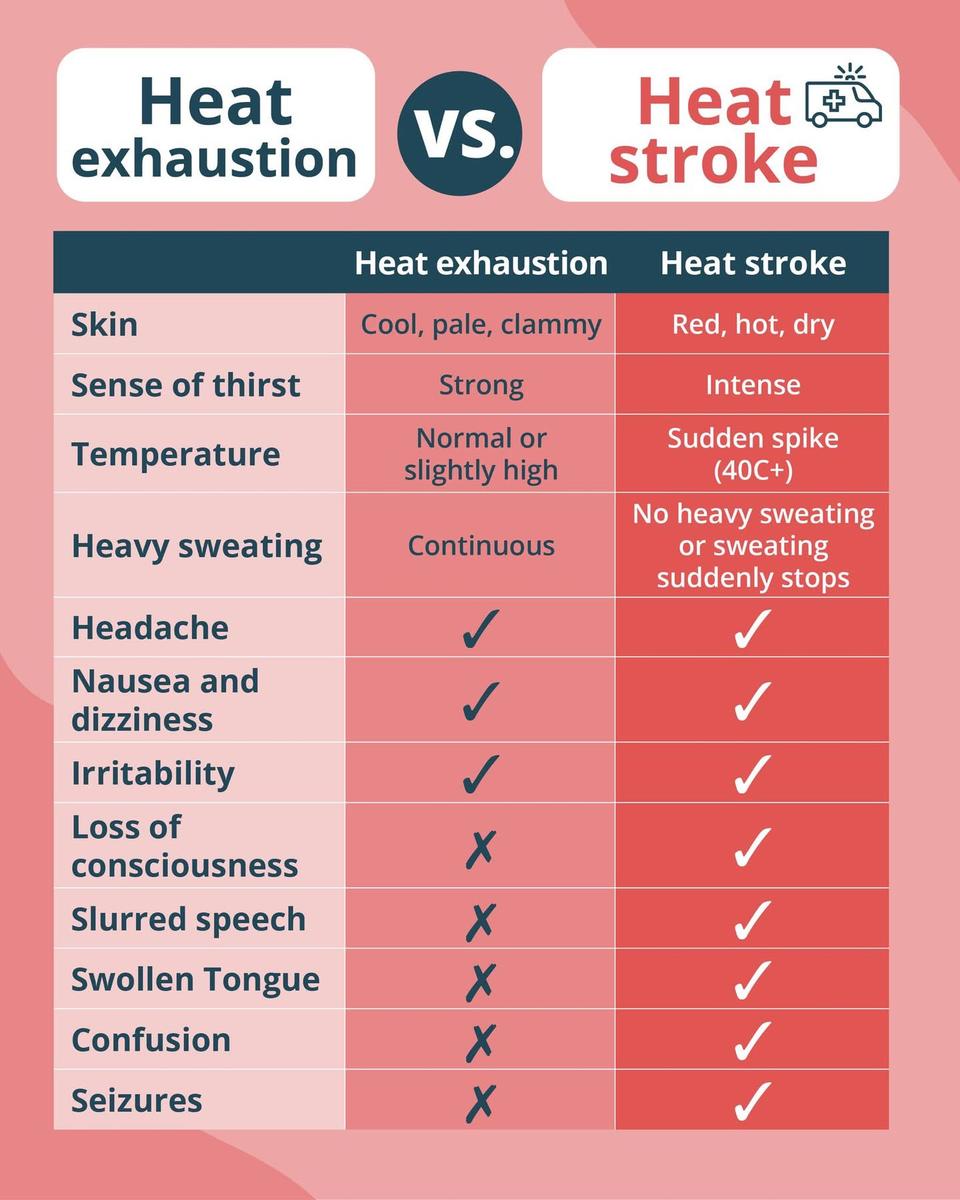
Heat Exhaustion vs Heat Stroke
Nothing beats outdoor summer fun, but as temperatures climb so does your risk of heat-related illness! 🥵☀️
Heat exhaustion can quickly turn into heatstroke if not treated and it can be life-threatening.
Those most at risk are children, people with a chronic illness, pregnant women and the elderly ⚠️
If you or someone else shows signs of heat exhaustion, move to a cool place, remove tight clothing, have a cool shower or use cold packs on your skin, and drink water.
⚠️If someone starts showing signs of heatstroke call triple zero (000) immediately