
Wellbeing

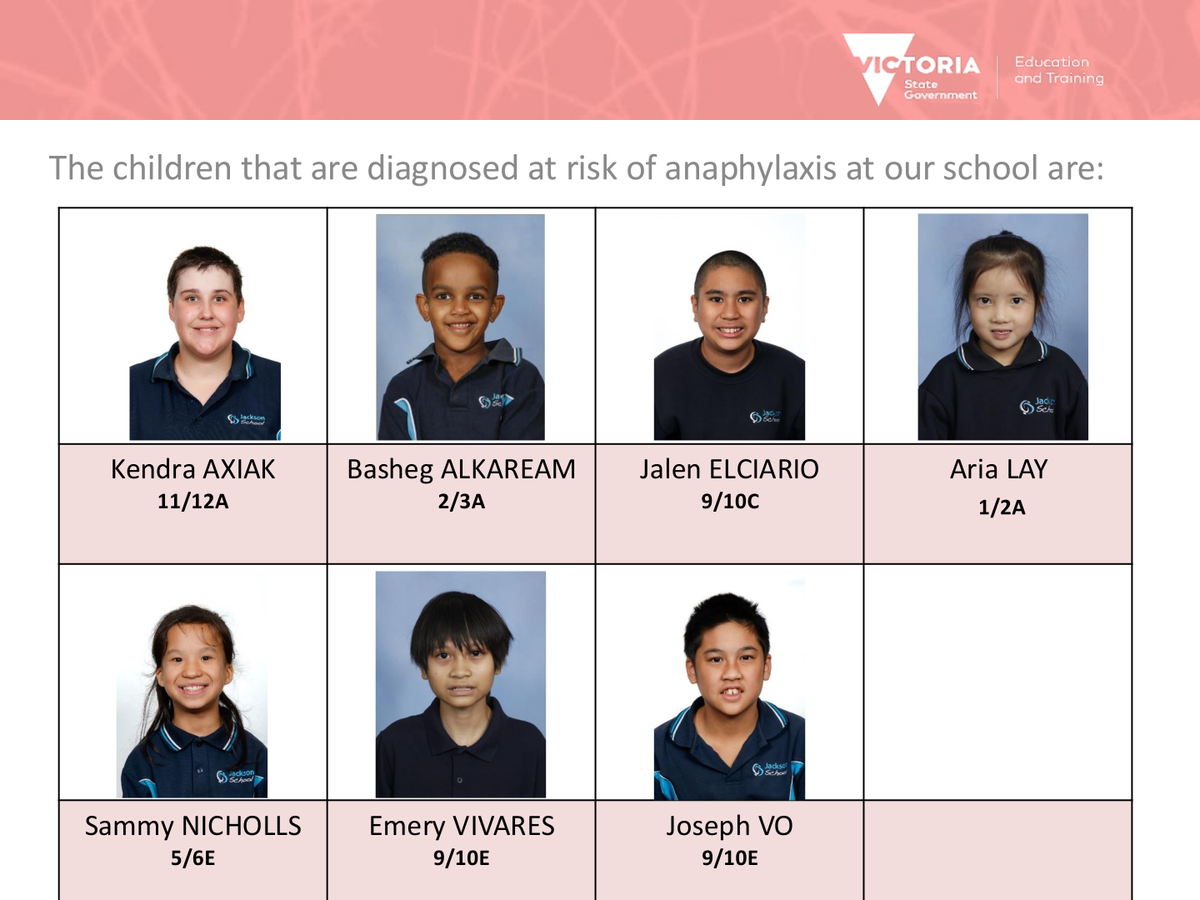
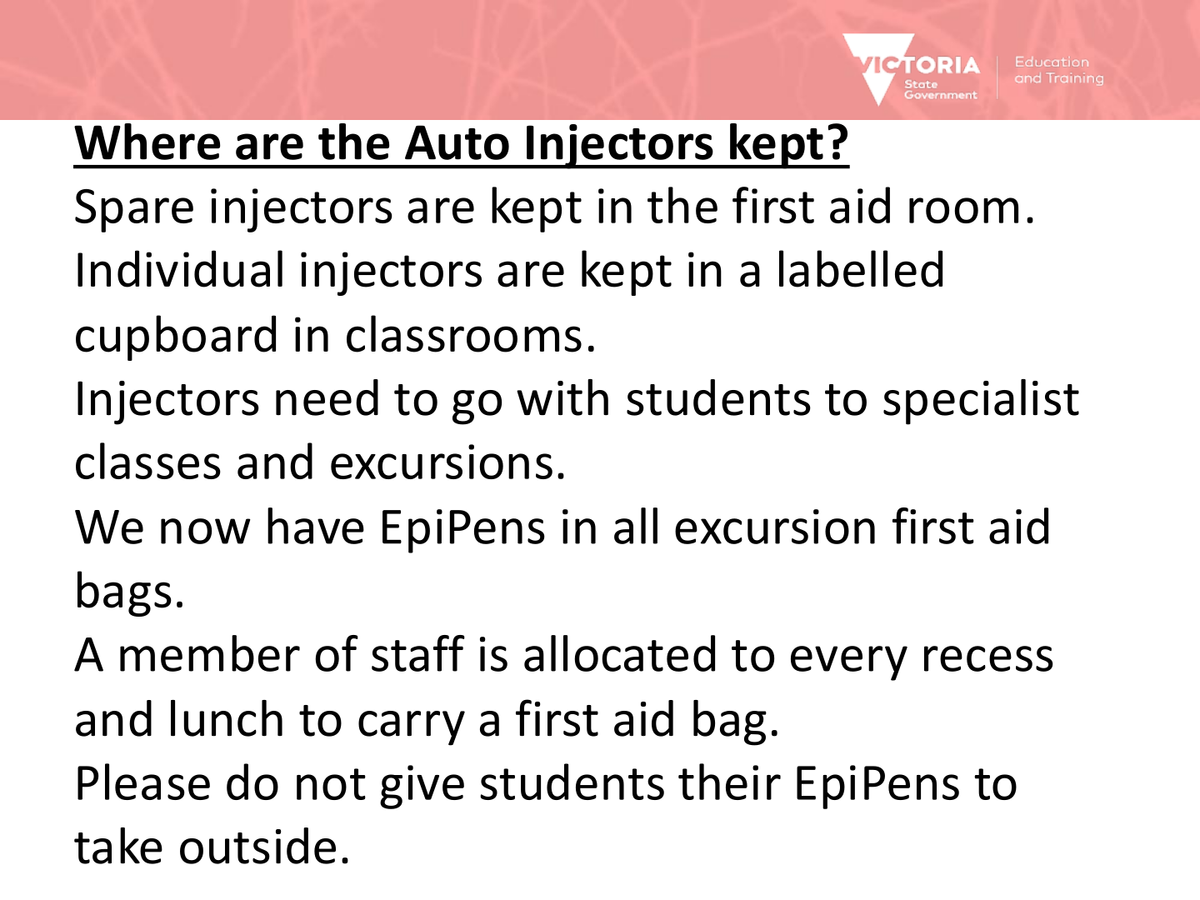
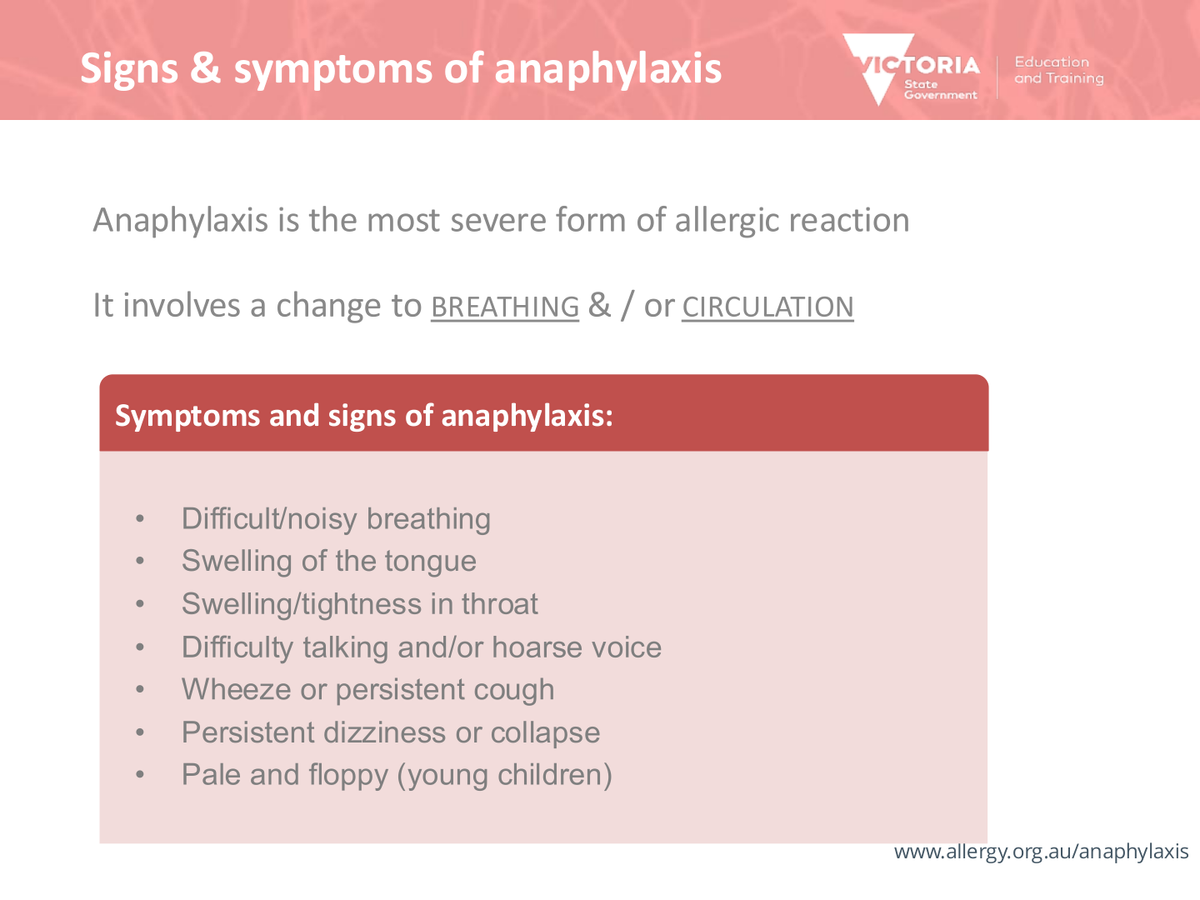
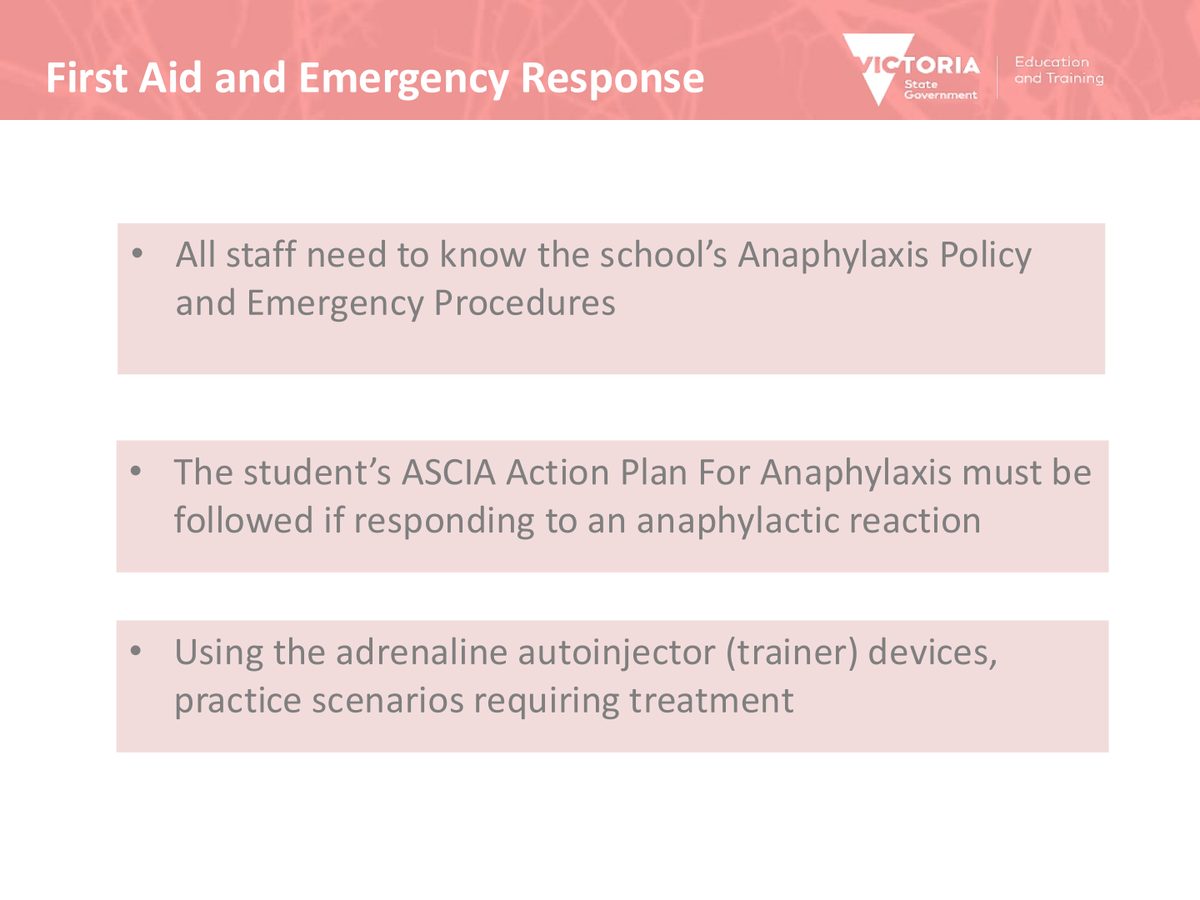
Anaphylaxis Briefing
School Values & Expectations
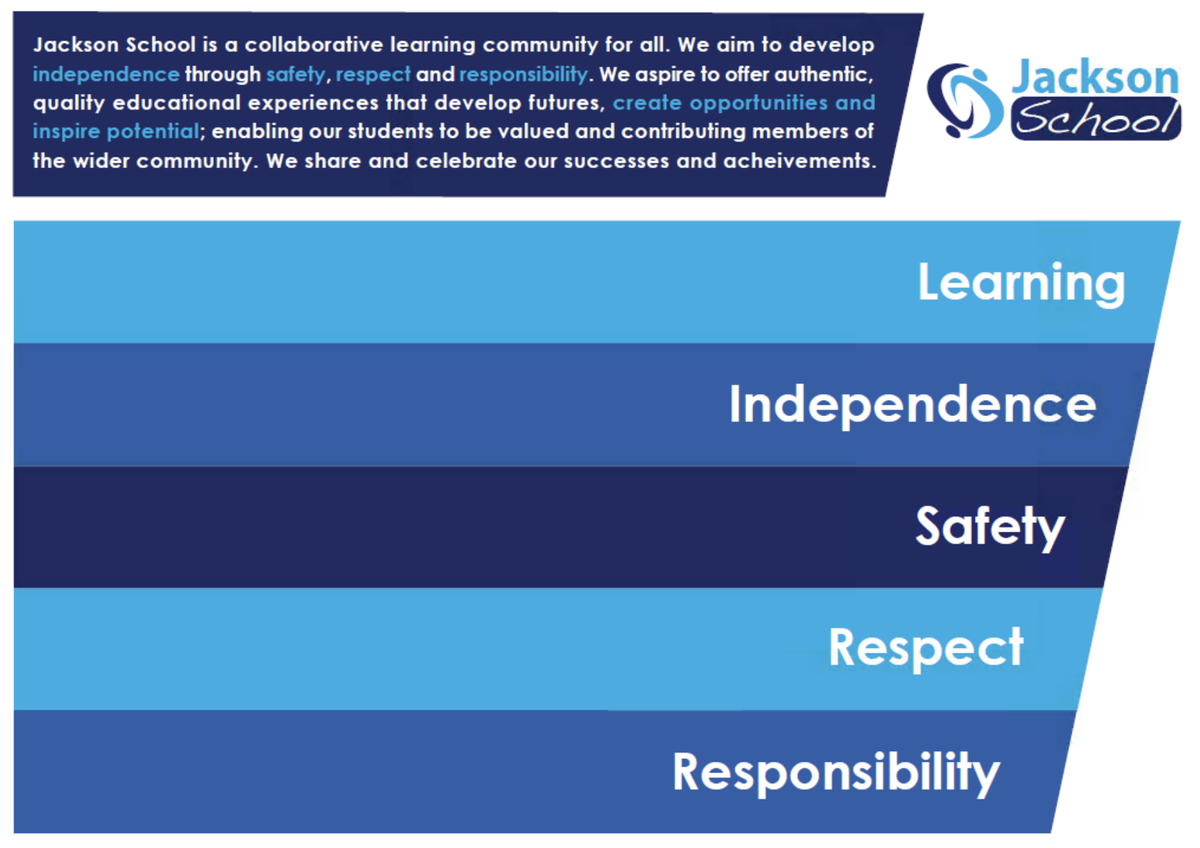
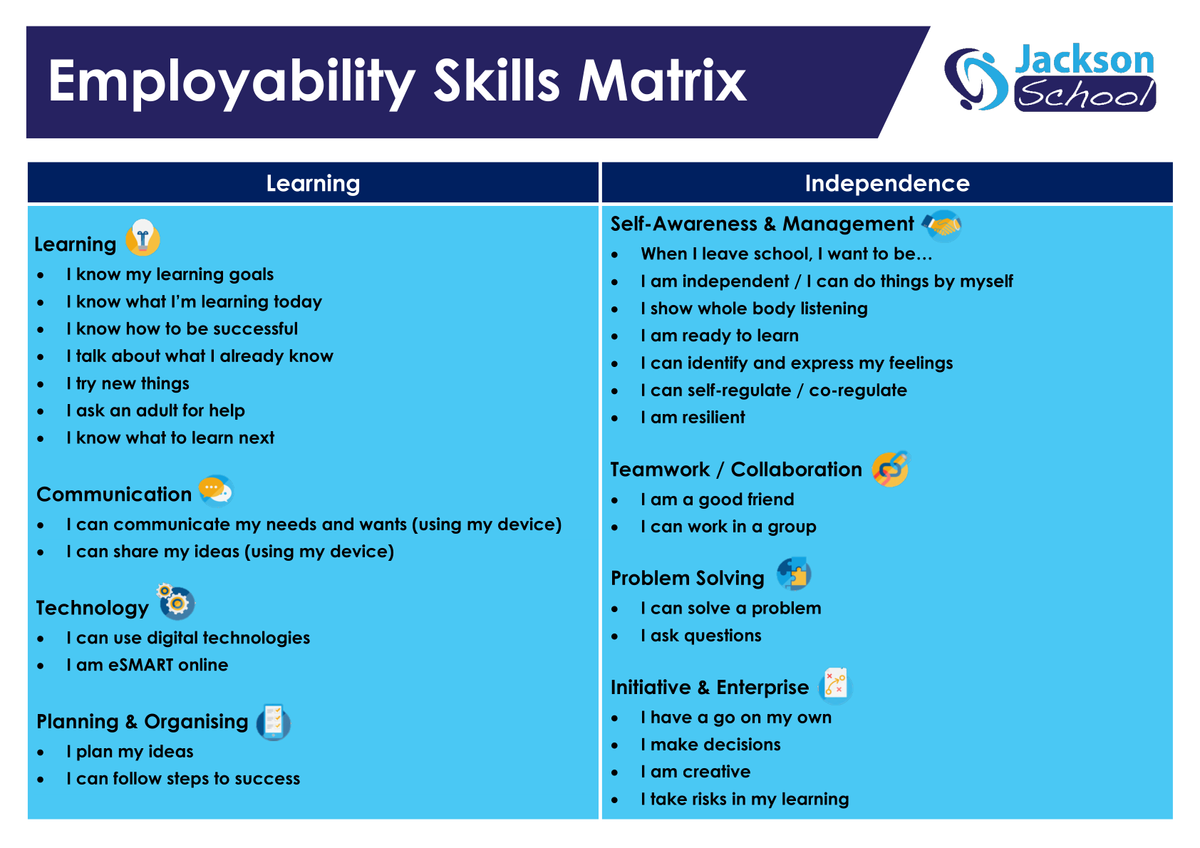
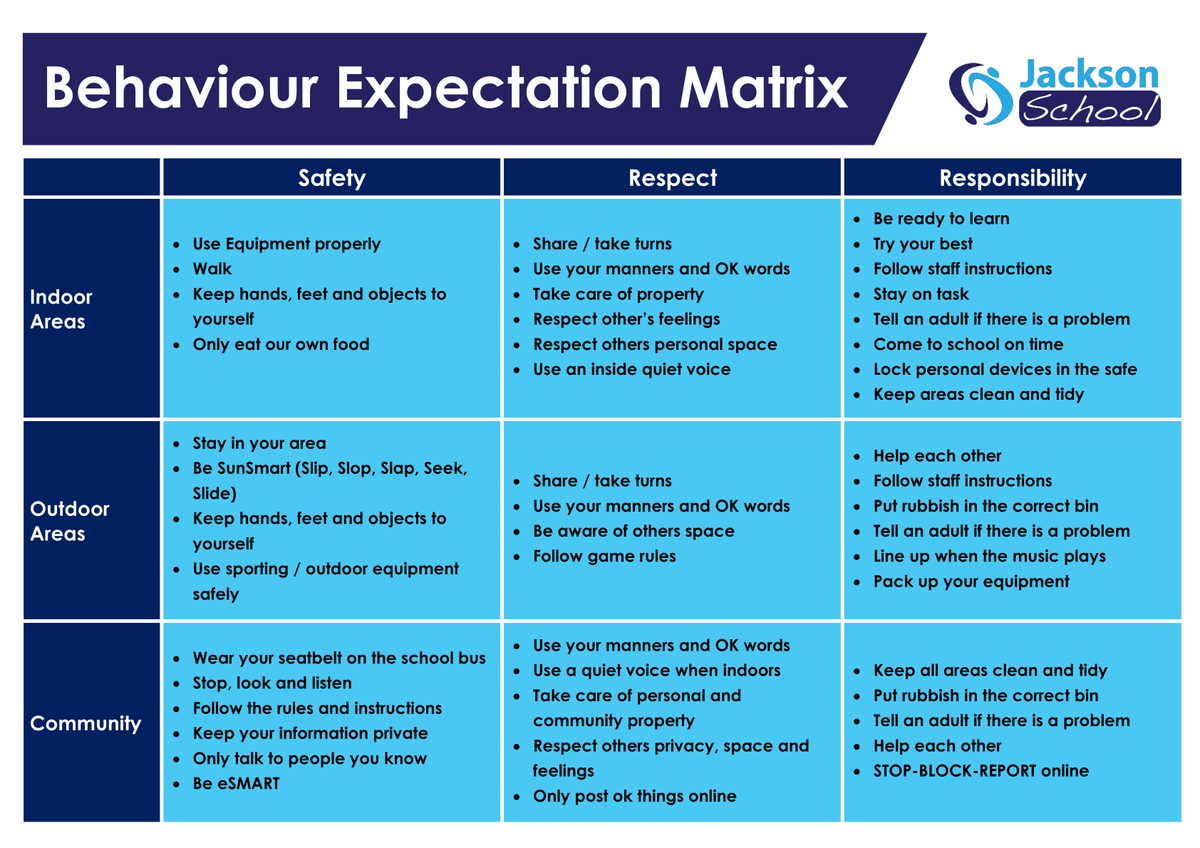


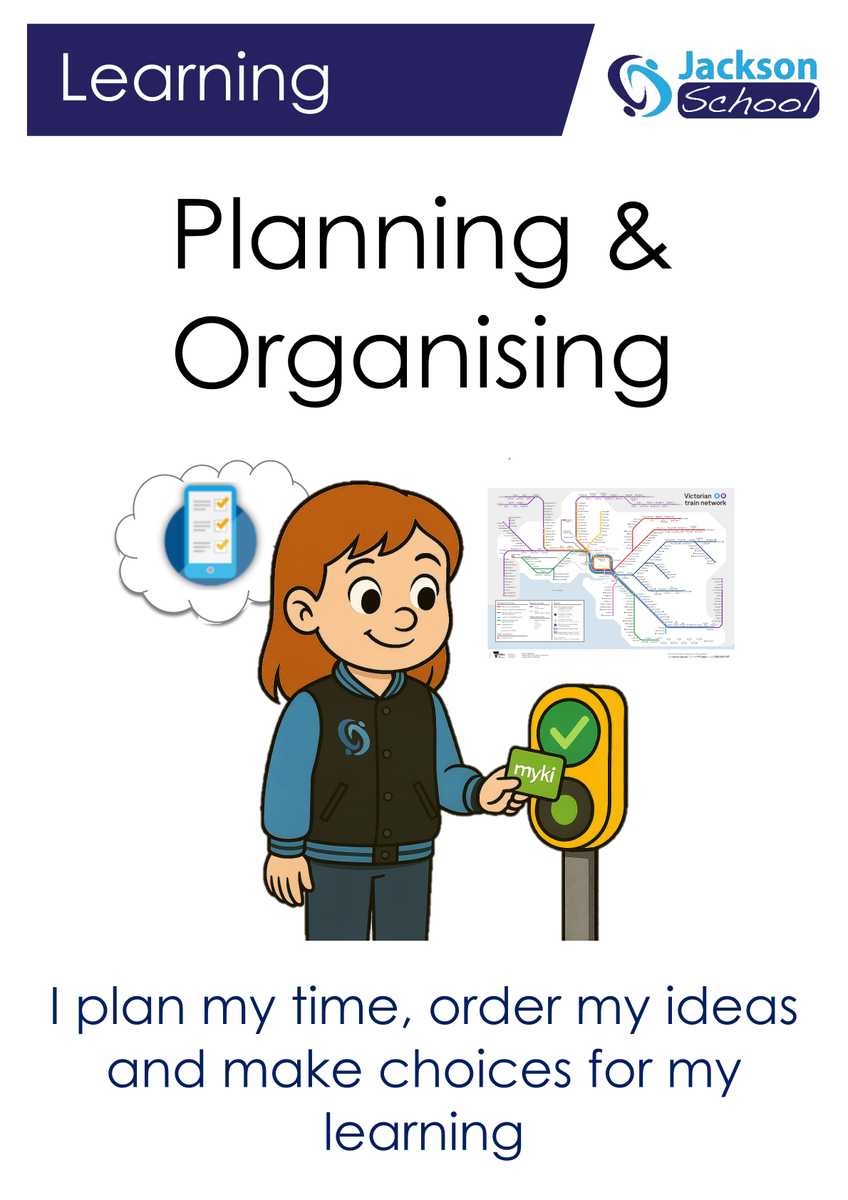

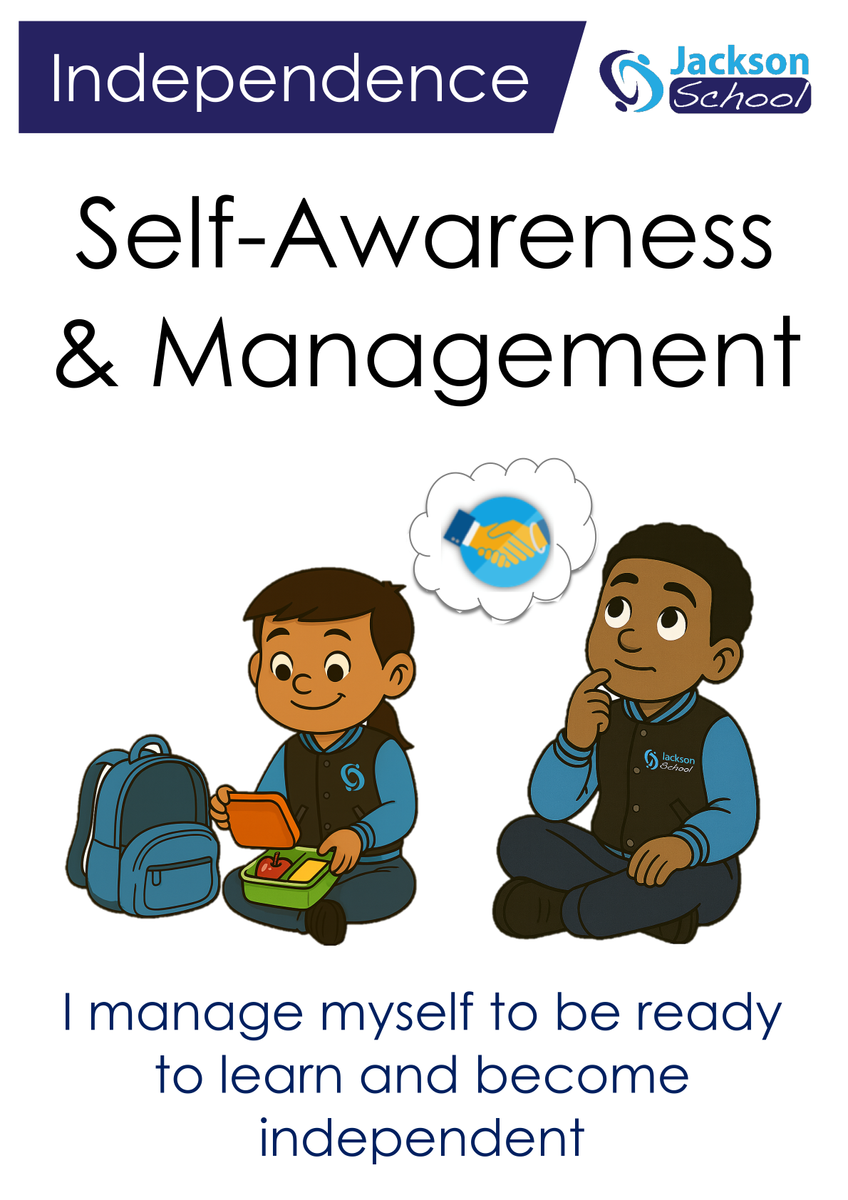
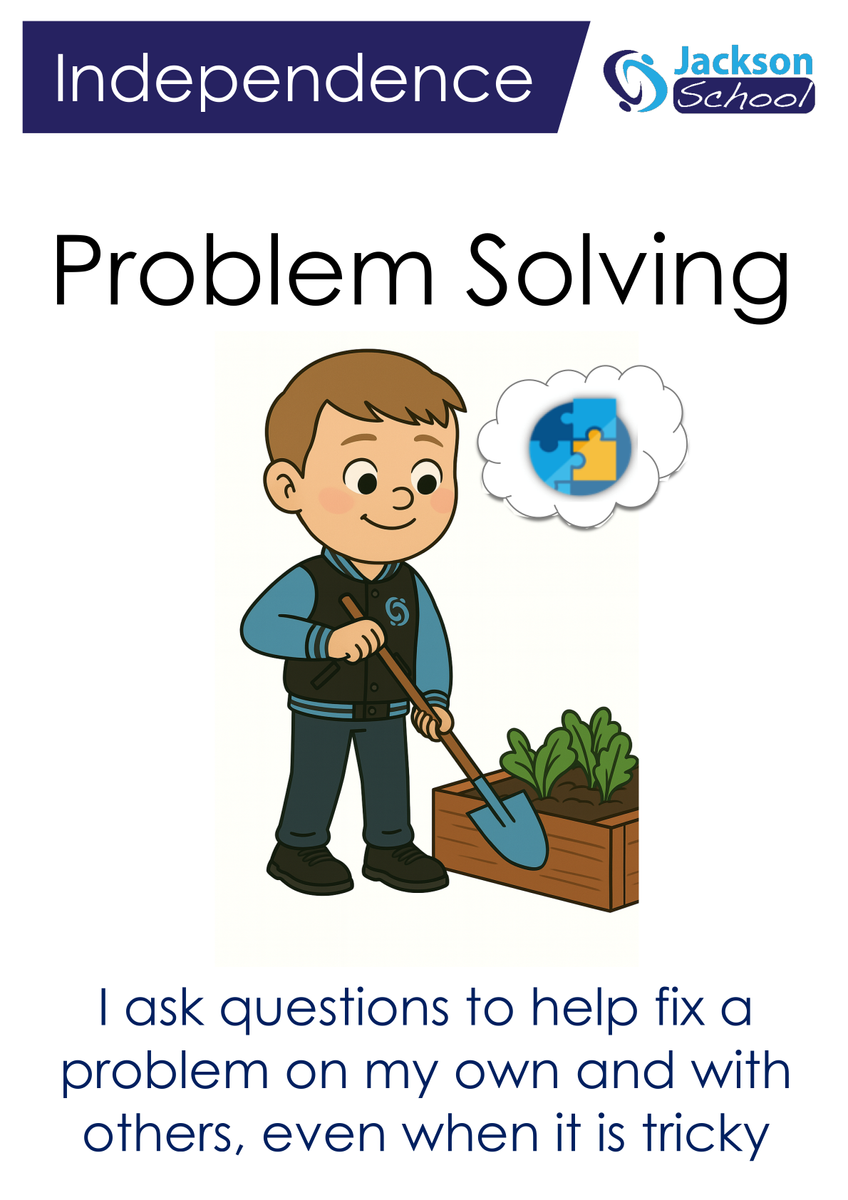


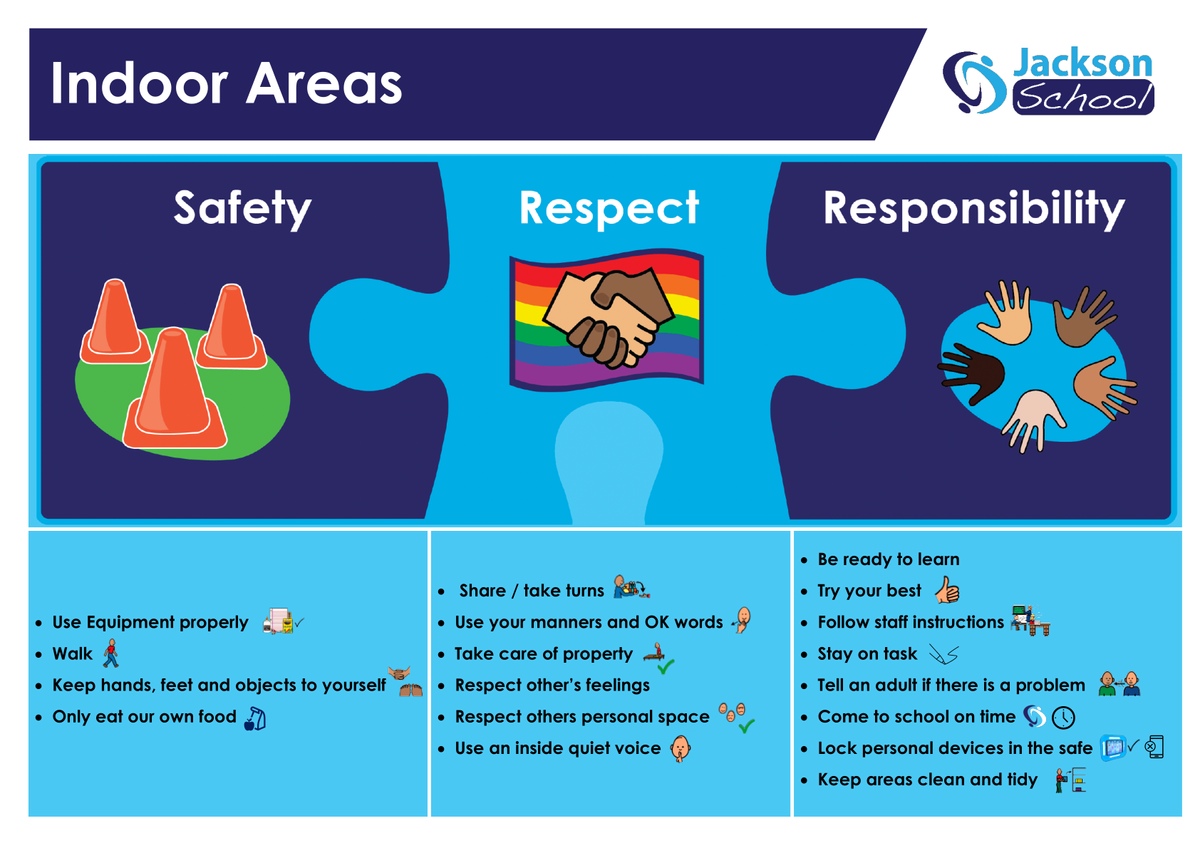
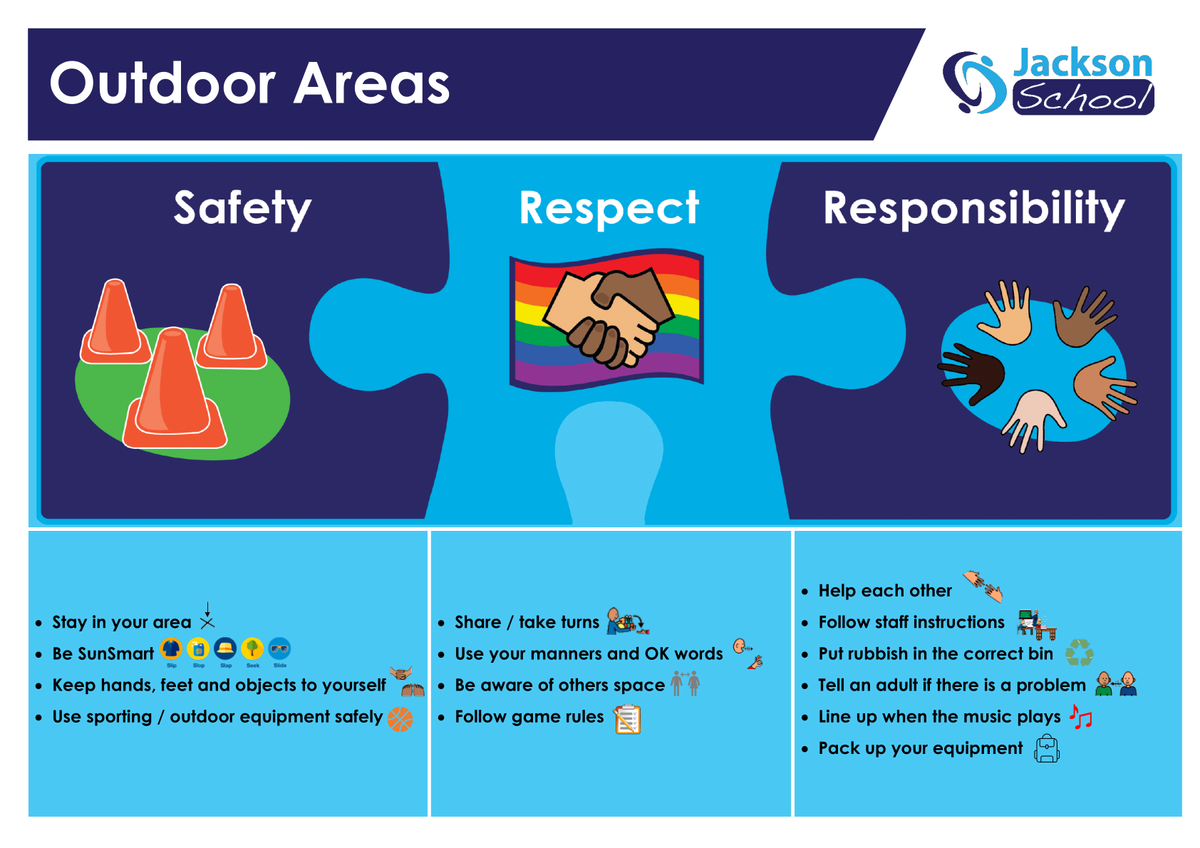
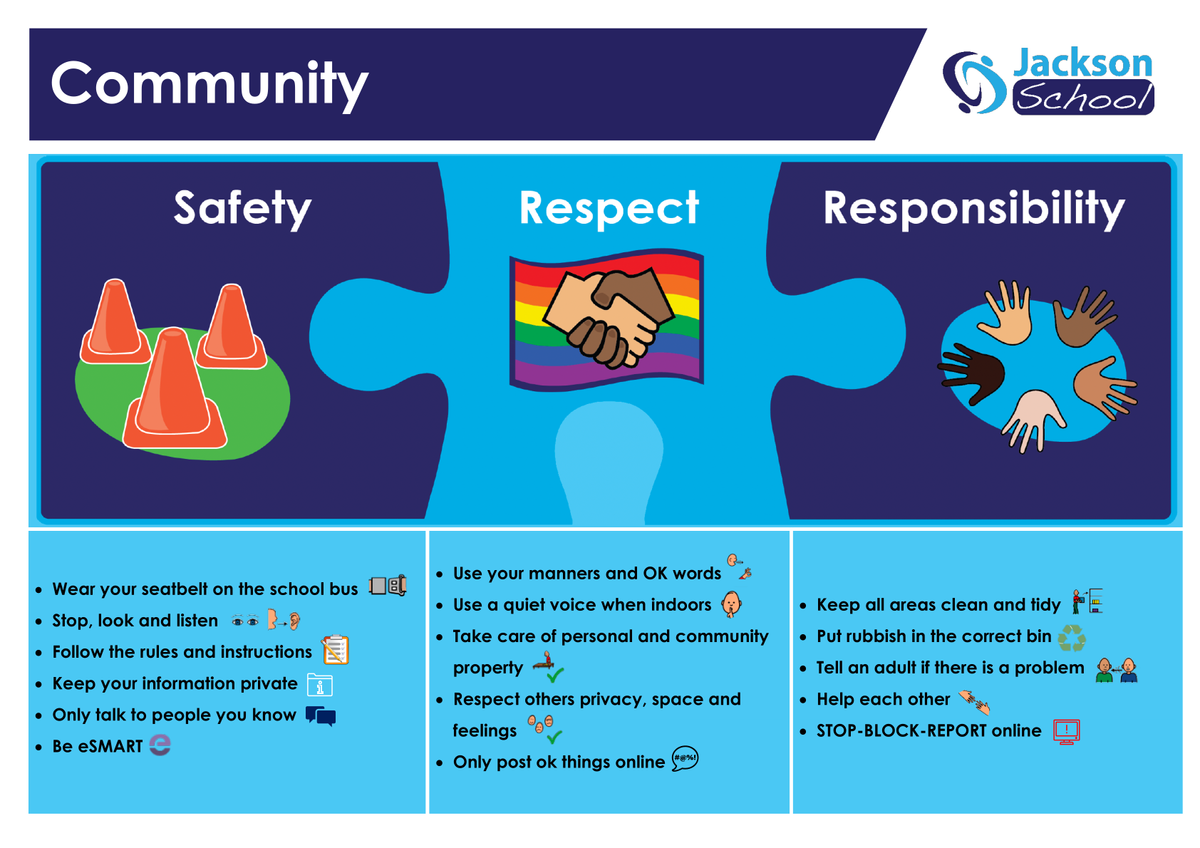
As part of the School-wide Position Behaviour Support (SWPBS/PBIS) program we have recently redefined our behaviour expectations. These are still focused around our three values of safety, respect and responsibility. Instead of seven learning areas these have been condensed into three learning areas: indoors, outdoors and community (which includes online and buses). At Jackson our students receive Jackpoints for displaying our values and these expected skills which they have been able to spend on rewards in our Jackstore.
National Disability Insurance Scheme (NDIS)
The National Disability Insurance Scheme (NDIS) is a national approach to providing individualised support and services for people with a disability. Many of the students at our school have or will commence the process of becoming NDIS participants. NDIS is an extremely valuable program for all of our students and will allow our families to access external therapists, programs and support in the home.
Please find below the guidelines for Victorian Government schools and National Disability Insurance Scheme (NDIS) funded therapists. A family may request that an NDIS funded therapist:
- observes their child in the classroom or in the school environment (upon submission of Therapy Request Form, Parent Consent Form, Principal Approval and supporting documentation*)
- attends a Tier 3* Student Support Group (SSG) meeting to monitor and tailor the support they provide to their child (upon request to the Principal/Nominee)
NDIS is a national health initiative, so due to these practical, legal, and educational conflicts, NDIS therapy will generally not be permitted during educational time at school. In some circumstances, families may request for an NDIS funded therapist to deliver therapy at school. The decision to approve these requests rests with myself as the school Principal in consultation with the School Council. This is generally for Allied Health services that the school does not provide, for example, physiotherapy.
To ensure educational programs are not disrupted, our teaching and Allied Health staff are not directly available to support with NDIS requests. Christine Tidswell is our NDIS Navigator and is able to provide families with letters of support and copies of any previous assessments to support their application. No new assessments will be completed for the purpose of NDIS.
If your child is already an NDIS participant and you would like support with your planning meetings, Chirstine can provide you with a pre-prepared document with guidance about what to discuss at your planning meeting. No individual documents will be created for each individual family.
All therapy in schools or document requests related to NDIS must be directly through Bernadette O'Sullivan.
The Local Area Coordinator (LAC) is the Brotherhood of St Laurence (BSL). Their team is there to help families to access NDIS, and community and government supports. To contact BSL telephone 1300 275 634, email ndis.info@bsl.org.au, or visit https://ndis.bsl.org.au/service-areas/brimbank-melton.
If families would like more information or support with accessing NDIS, please contact our NDIS Navigator, Christine Tidswell.
Restraint and Seclusion Policy
Last year, restraint and seclusion were been a hot topic within the media for people with a disability. Where this pertains more to NDIS therapists working with neurodiverse students with autism spectrum disorder and intellectual disabilities, the following policy guidance below is a good reminder for us all.
The Restraint and Seclusion policy outlines the circumstances where physical restraint and seclusion are permitted in Victorian government schools.
Physical restraint and seclusion are only permitted in exceptional circumstances where it is necessary to protect the physical safety of a student or another person.
The policy outlines reporting and notification requirements and the responsibilities of school and corporate staff in relation to incidents of physical restraint and seclusion.
School staff must never use physical restraint and seclusion as behaviour management techniques, for convenience, as retaliation, or to discipline or punish a student.
Physical restraint must never be used where it has the effect of:
- covering a student’s mouth or nose, or in any way interferes with breathing
- taking a student to the ground into the prone or supine position
- putting stress on a student’s joints
- applying pressure to the neck, back, chest or joints
- deliberately applying pain to gain compliance
- intentionally causing a student to fall
- having a person sitting, lying, or kneeling on a student.
The following behaviours are prohibited:
- headlocks, choke holds, basket holds, bear hugs, therapeutic holding or wrestling holds (including full or half nelsons)
- using a hog-tied position
- straddling any part of a student's body
- dragging a student along the ground.
Physical restraint and seclusion must never be included in a student plan including behaviour support and student safety plans. Designated seclusion rooms and areas that are primarily used for the purpose of seclusion are prohibited. Preventing a student from leaving an area normally used by students with a locking mechanism is prohibited.
Doors and door handles installed in such a manner as to prevent a student from leaving the room unassisted are prohibited. Physical restraint is not permitted to be used to vaccinate a student.
The Department has recently updated the Restraint and Seclusion policy to:
- Fact sheet: Staff intervention in physical altercations between students
- list supervised situations that do not meet the definition of seclusion
- include additional information about new professional development to help school staff learn more about the policy
- provide guidance to help schools and National Disability Insurance Scheme (NDIS) practitioners to work together. For example, it is the responsibility of a school principal to determine whether a NDIS behaviour support practitioner can attend a school site and whether student information can be provided to them.
Please familiarise yourself with the updated policy and your school’s responsibilities.