
Learning
Numicon
On Curriculum Day 2, staff will participate in Numicon professional learning. Prep-Year 10 Teachers will explore practical classroom applications and ways to use Numicon purposefully to support conceptual understanding. The session highlighted the importance of shared language and consistent approaches to mathematics teaching across year levels.
Numicon is an approach to teaching maths that helps your students to see connections between numbers. From Oxford University Press, it supports your child as they learn early maths skills. It is a multi-sensory way of learning, which means your child learns by seeing and feeling. Physical resources like the colourful Numicon Shapes are an important part of Numicon. The holes in the Numicon Shapes represent the numbers 1 to 10. When they are arranged in order, as in the picture below, children can easily see connections between numbers, such as ‘one more’ or ‘one less’.
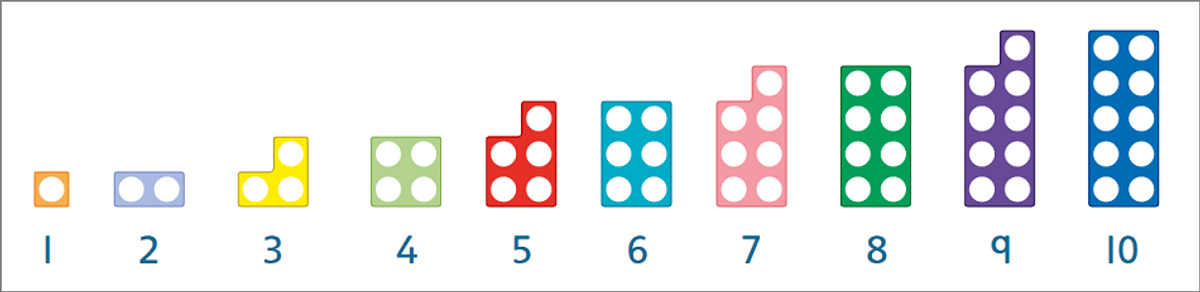
Later on, your students will be able to see more complex mathematical ideas, like how two fours make eight, three twos make six, and so on. This lays the foundation for their understanding of number all the way through school.
On this day, we will also be joined by some leaders from Sunshine SDS. Please make them feel welcome.
Youth Myki Cards
From 1st January 2026, people aged 17 and under can travel free on all Victorian public transport services using a new youth myki card. This includes trams, trains, buses and coach services.
Many students will turn 18 while still in Year 12 and no longer be eligible for Youth myki. These students can still access concession fares by using a Child myki but will need to carry proof of concession identification while travelling (as has previously been the norm for students aged 17 and 18).
All students in Year 7-12 have access to a school-owned free Youth Myki card for use at school (excursions including travel education). Students will also be given a Transport Victoria (previously PTV) approved School ID card which will be able to be used as proof-of-age across the PTV network. Students will now have a Student Lanyard for offsite excursions. These do not include the full Jackson logo but do include our phone number.

To access free travel students must tap the myki card on and off each time they travel. For areas that do not use myki cards, they must show their myki card to travel free.
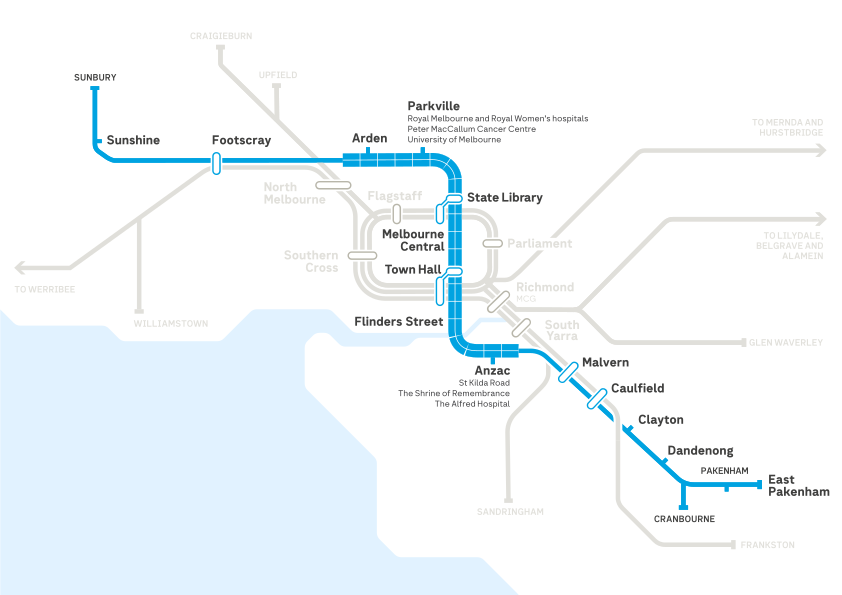
Please also note that from 1st February, the Sunbury Line from Ginifer Station will only travel through the metro tunnel and not through the city loop. Passengers can change between the Metro Tunnel and City Loop services at Town Hall (connects to Flinders Street) or State Library (connects to Melbourne Central). You can change to a City Loop service at: Town Hall Station (via the Degraves Street Subway to Flinders Street Station) of State Library Station (via the underground concourse to Melbourne Central Station).
Getting to Know Your Students
New ILP revisions will be published in Week 5 of Term 1. These will be available to families through the Xuno Parent Portal. Staff can modify long term (content descriptions) or short term (progression statements) goals in Accelerus before these are published (Friday 7th March. Drafts due on 28th February). Parents will also be given an opportunity to discuss their child's new ILP goals with you in their Term 1 SSG . As part of the Disability Inclusion Reform, students funded under the PSD/DI are required to have four SSGs a year. We will maintain our two complusory SSGs in Terms 1 and 3 in a parent-teacher night style. Optional SSGs will be offered to families in Terms 2 and 4. Time has been built in (Wednesday afternoons) for teachers to complete SSGs with families as required and other Department mandated tasks and activities. Time-in-lieu for whole school events will be acquitted in subsequant weeks.
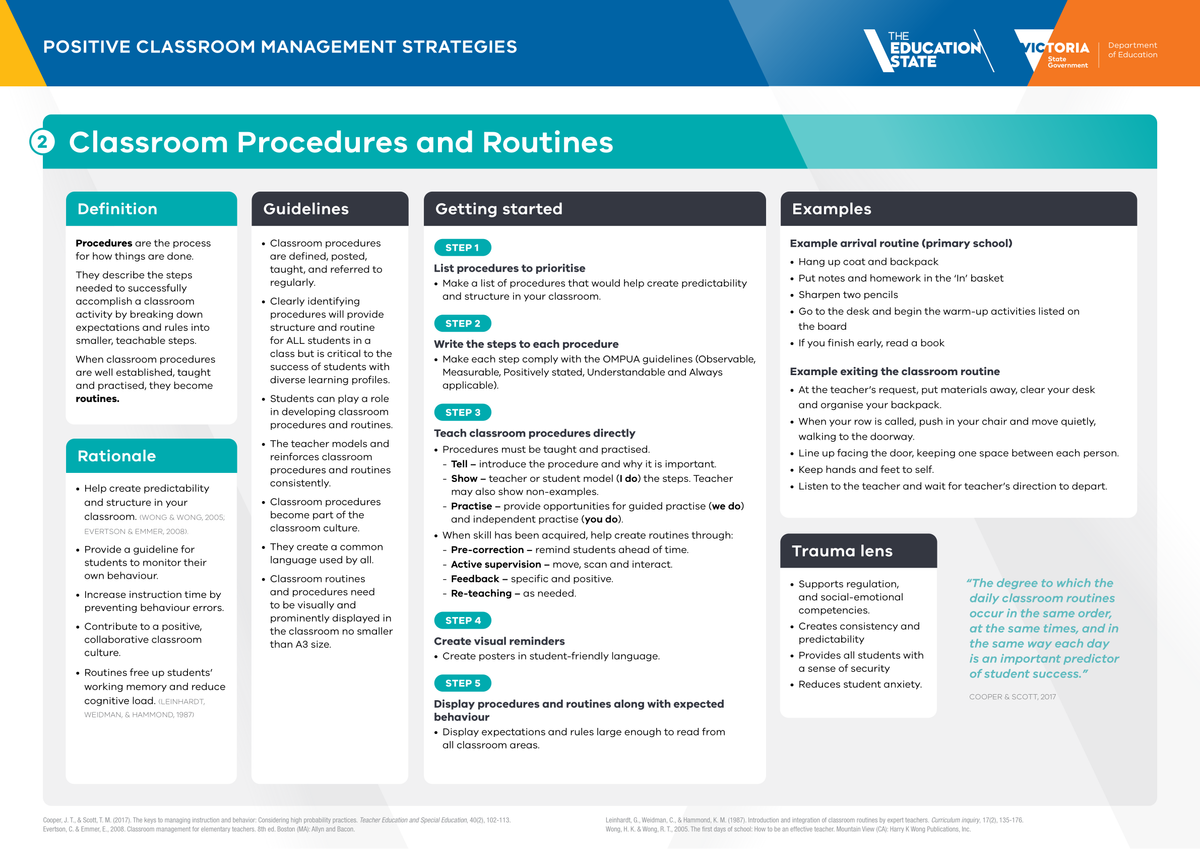
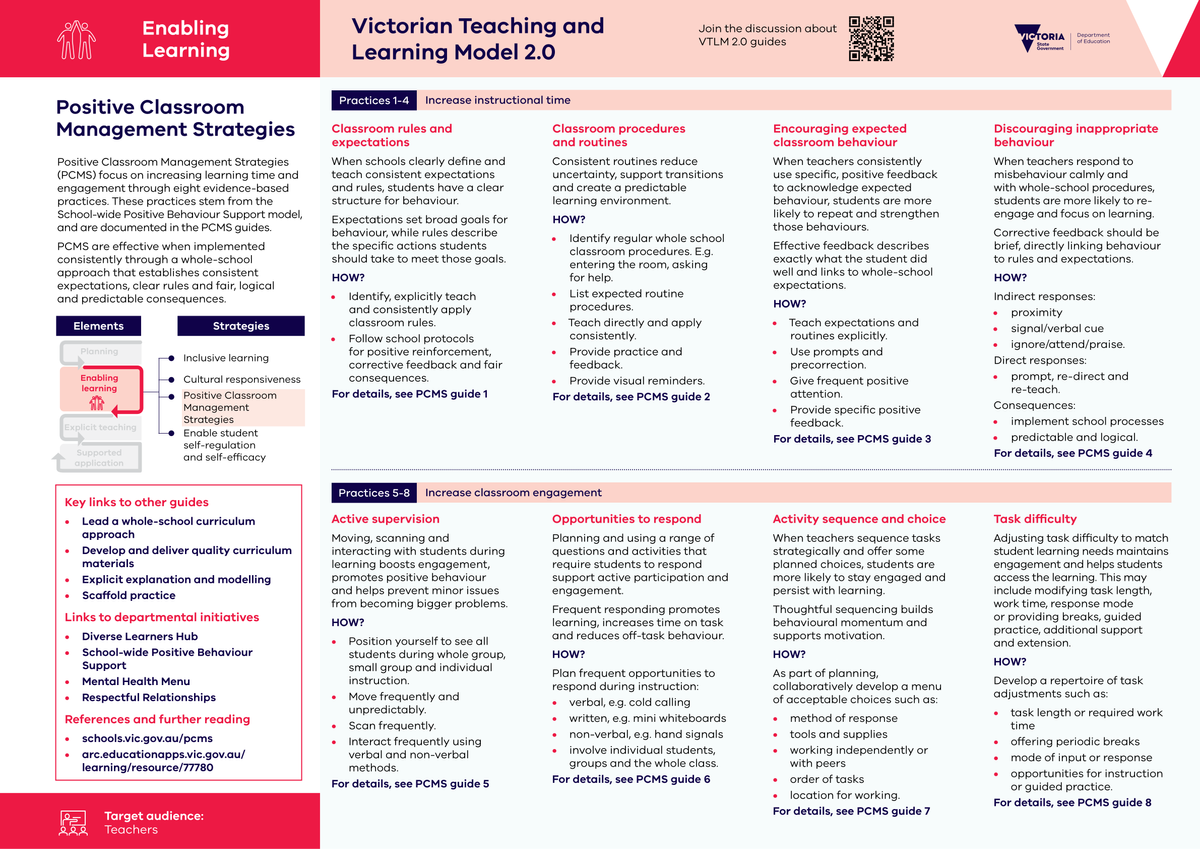
Time has been allocated in the first two weeks of Term 1 for staff to get to know their students and establish clear routines and expectations. These activities may include:
- Establish Orderly Transitions
- Relationship building activities
- Establish Ready to Learn / Zones of Regulation Check-ins
- Classroom Environment and Adjustments
- Classroom Expectations (create your own from the PBIS posters)
- Explicitly teach Whole Body Listening
- Positive Greetings/Primers
- Develop Differentiated Student Groupings (physical/ academic)
- Formative and Summative assessments (new students)
- Discuss what it means to be a Jackson Learner
- Activity around students' aspirations
- Activity around students' likes/dislikes/interests
- Understanding what helps students learn
- Develop Visible Learning Goals