
Student Wellbeing
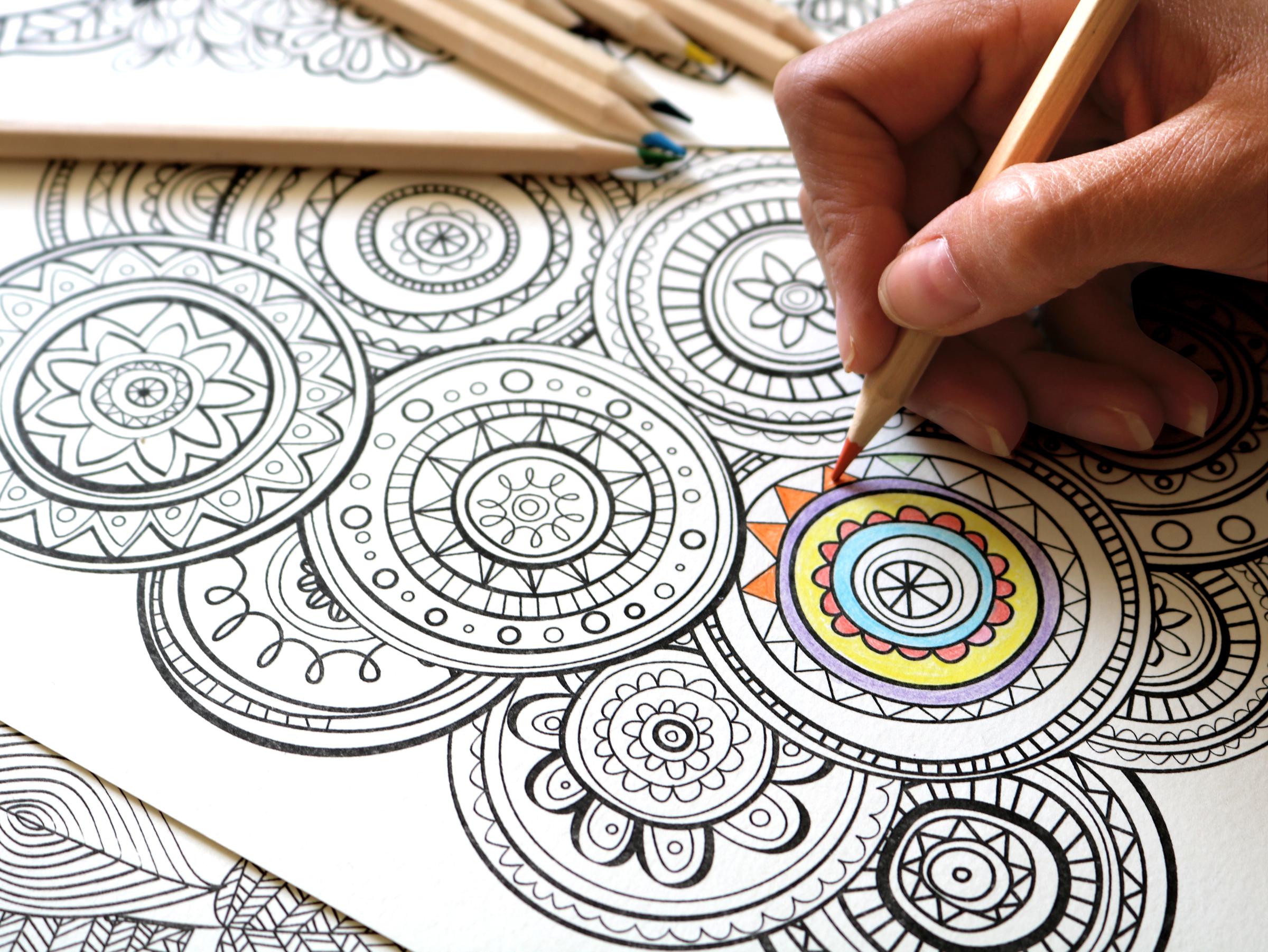
Understanding Anger: It’s Not Just a “Bad” Emotion
Anger often gets a bad rap. We’re told it’s a “bad” emotion, something to avoid or hide. Society makes it seem like anger is dangerous or something to be ashamed of. This can make us feel like we should just bottle it up or keep it to ourselves. But what if we looked at anger differently?
Why We Get Angry
Anger can actually be a helpful signal. It often shows up when something isn’t right or when our boundaries are crossed. For instance, if a friend keeps interrupting you when you’re talking, you might feel angry. This anger is a sign that your boundaries are being disrespected. Instead of seeing anger as just a negative feeling, think of it as a clue that there’s a deeper issue that needs to be addressed.
The Anger Iceberg: What’s Underneath
Imagine anger like an iceberg. What you see on the surface is just the tip. Below that surface, there are other emotions like sadness, anxiety, or feeling misunderstood. The “anger iceberg” concept from the Gottman Institute helps us see that there’s often more going on underneath our anger. Check out the pictures section to see this visual representation, it’s a great way to understand what might be hiding beneath your anger.
Getting Curious About Your Anger
Instead of feeling bad about being angry, try to get curious about it. Ask yourself questions like, “Why am I feeling this way?” and “What might be causing this anger?” By exploring these questions, you can better understand your emotions and find out what’s really bothering you. This curiosity can lead to finding solutions and dealing with the root causes of your anger.
Turning Anger into Positive Change
When you realize that anger is a sign of something important, you can use it to make positive changes in your life. Anger can be a way of saying, “I matter, my needs are important, and I deserve to be heard.” For example, if you’re angry because a group project isn’t going well and you feel left out, use that anger to voice your concerns and work towards a solution with your group. By understanding and addressing what your anger is telling you, you can handle it in a healthy way and avoid letting it control your actions.
Tips for Dealing with Anger
Take Deep Breaths: When you start feeling angry, try taking a few deep breaths. Breathe in slowly through your nose, hold it for a few seconds, and then breathe out slowly through your mouth. This simple trick can help calm your body and mind, making it easier to think clearly.
Pause Before Reacting: Instead of reacting immediately when you’re angry, take a moment to pause. Count to ten, or take a quick walk if you can. This pause can help you cool down and think about whether your reaction is appropriate for the situation.
Speak Up Calmly: When you’re ready to express your anger, do it in a calm and clear way. Use “I” statements to explain how you feel, such as, “I feel upset when my ideas are ignored.” This helps communicate your feelings without placing blame on others.
Channel Anger into Action: Use your anger as a motivation to make a change. For example, if you’re angry about a problem in your school or community, consider how you can get involved and help address the issue. Channelling your anger into positive action can be empowering and constructive.
Get Moving: Physical activities like running, dancing, or playing sports can help release the energy that comes with anger. Exercise is a great way to manage stress and improve your mood.
Talk to Someone: Sometimes it helps to talk about what’s making you angry. Share your feelings with a friend, family member, or counsellor. They can offer support, listen to your concerns, and help you see things from a different perspective.
Try Relaxation Techniques: Techniques like meditation, yoga, or even listening to soothing music can help you relax and reduce feelings of anger. Find what works best for you to help manage your stress.
Seek Help if Needed: If you find that anger is causing major issues in your life, it might be time to talk to a counsellor or therapist. They can provide guidance and strategies to help you manage your emotions effectively and improve your overall well-being.
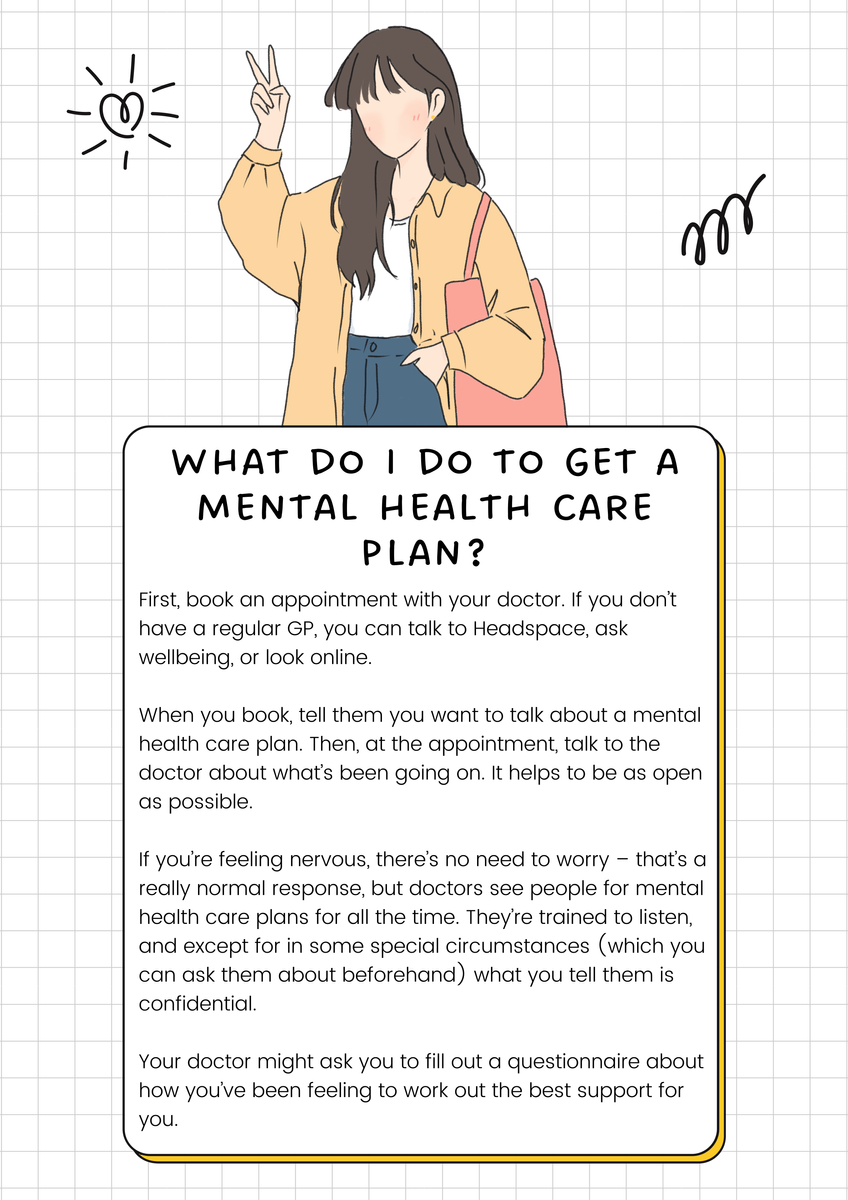
Looking For Support?
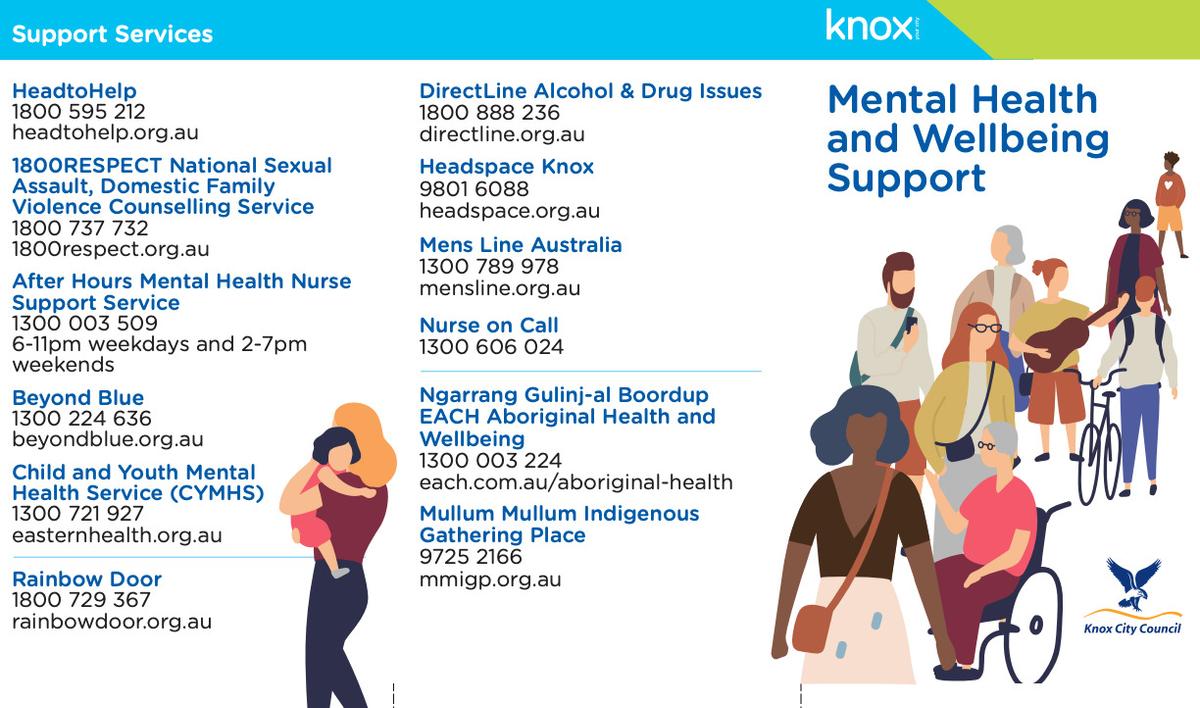
Knox Youth Services
Free support for young people aged 10 to 25yrs.
2 Capital City Blvd, Wantirna South
(03) 9298 8469
Headspace Knox
Confidential support for young people aged 12 to 25Y
Westfield Knox Ozone
(03) 9801 6088
EACH Community Health
Counselling, mental health and wellbeing services
Phone: 1300 003 224
EACH - Health Services 1300 003 224
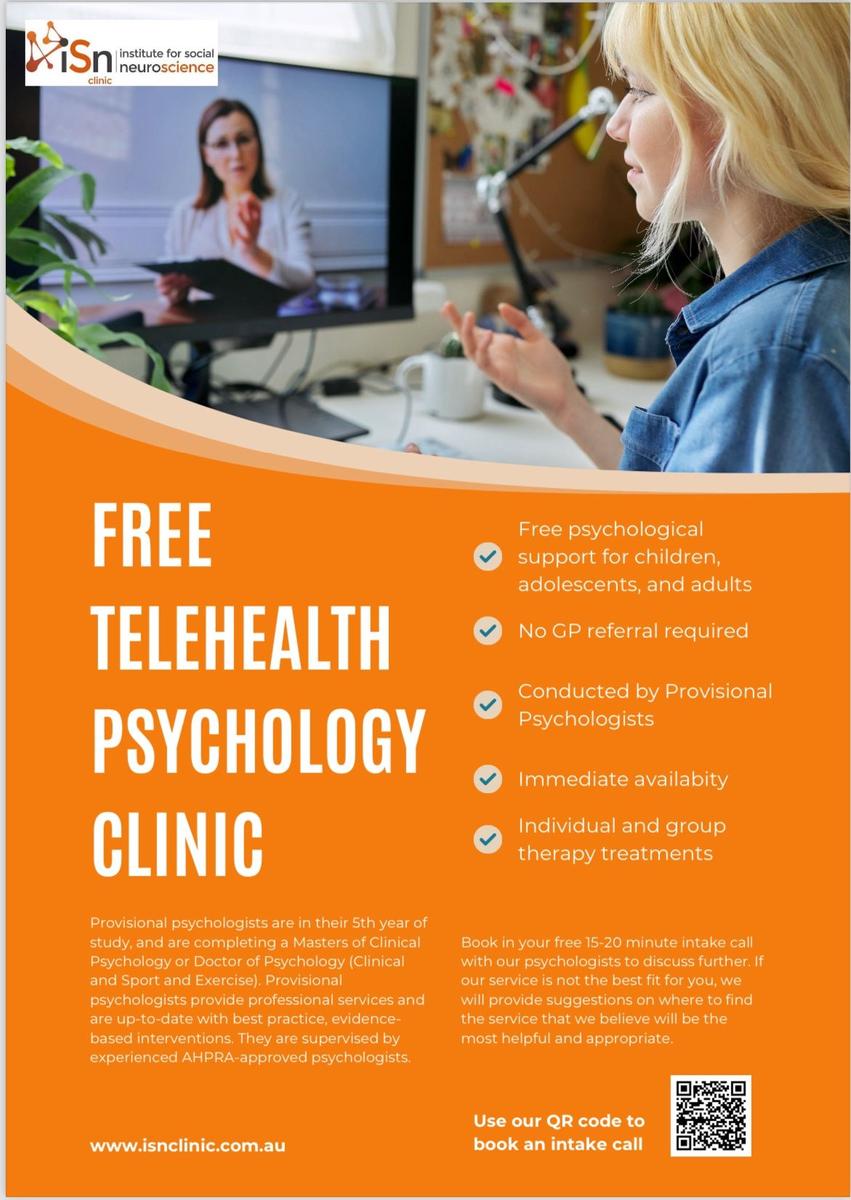
These services are free or low-cost.
93 Boronia Rd, Boronia
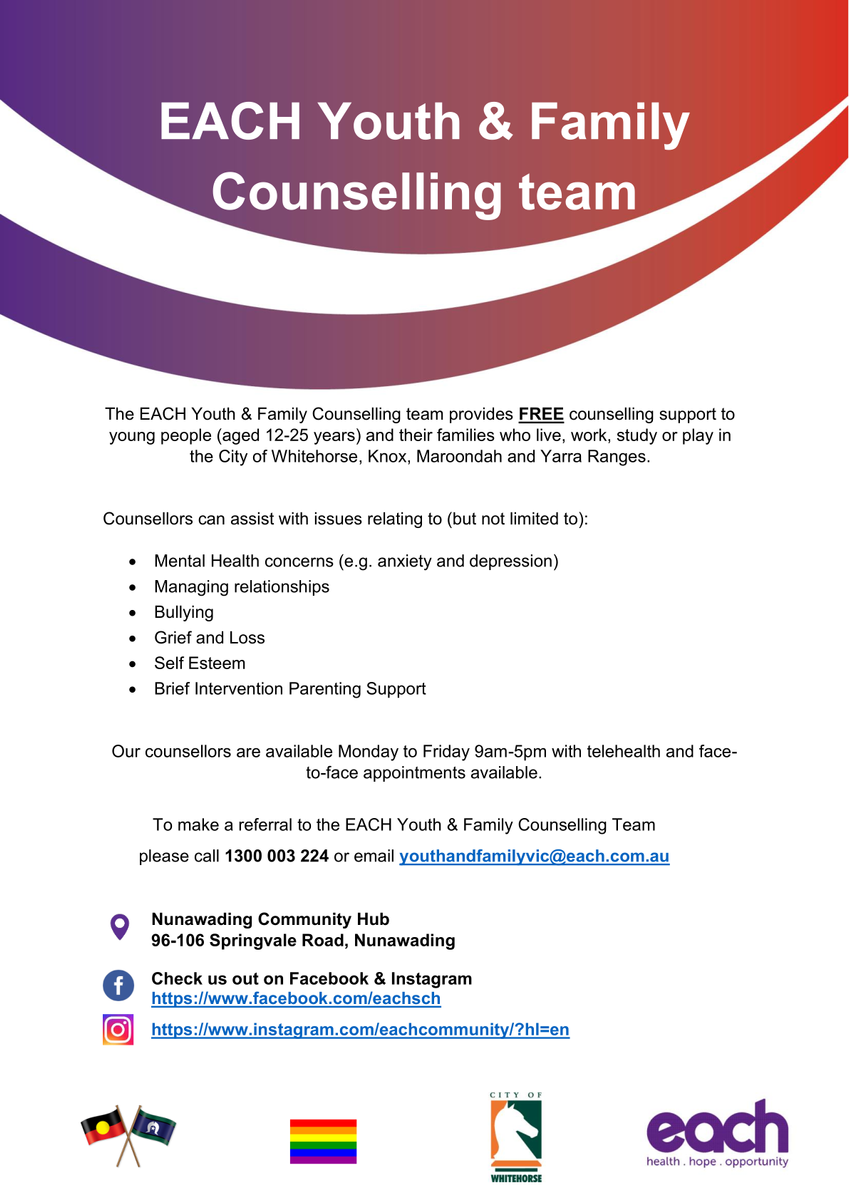
Youth Mental Health Services 9298 8469
2 Capital City Blvd, Wantirna South
headspace 1800 650 890
2 Capital City Blvd, Wantirna South
Safe Steps Family Violence Response Centre 1800 015 188 (24 Hours)
1800 Respect 1800 737 732 (24 Hours)
Nurse on Call 1300 60 60 24
The Butterfly Foundation 9822 5771
FriendLine 1800 424 287
24/7 Mental Health Hotlines:
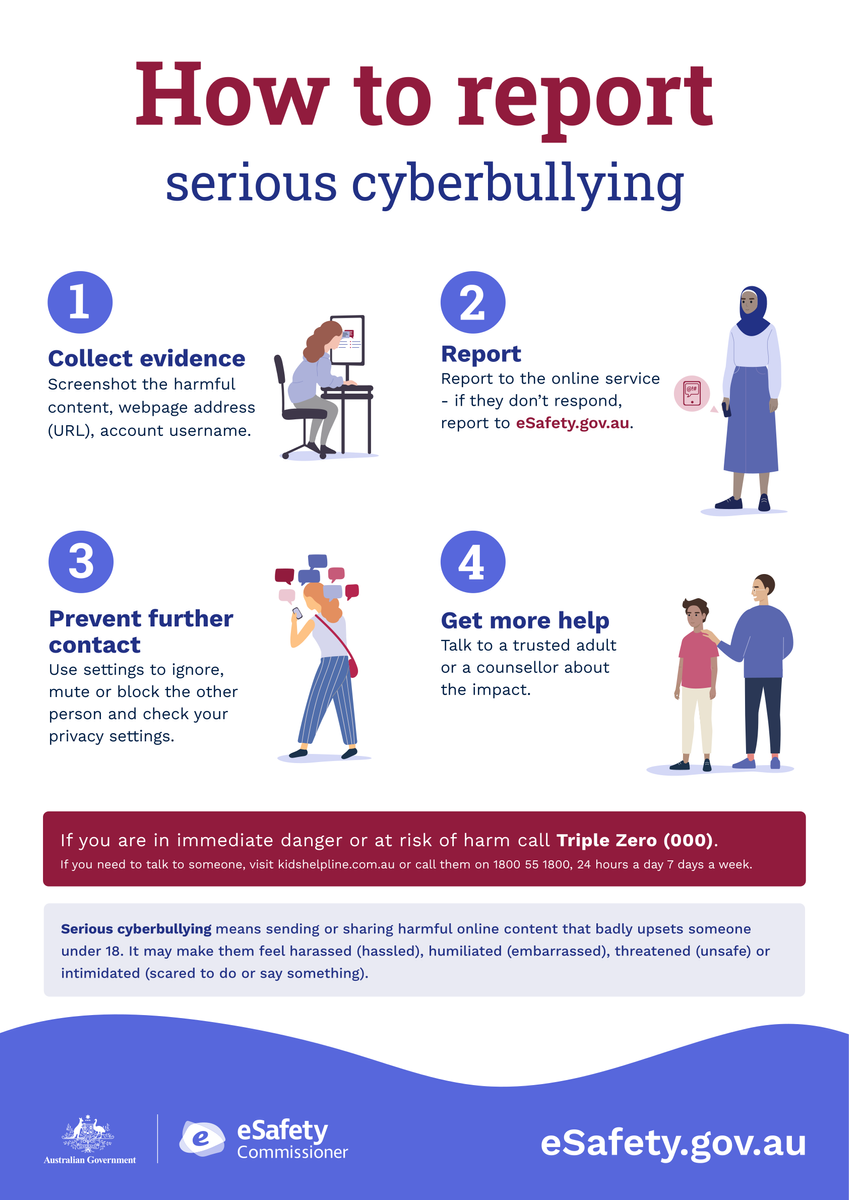
Kids Helpline 1800 55 1800
Lifeline - Call 13 11 14, text 0477 13 11 14 or chat online.
Suicide Call Back Service 1300 659 467 or suicidecallbackservice.org.au
Beyond Blue 1300 224 636
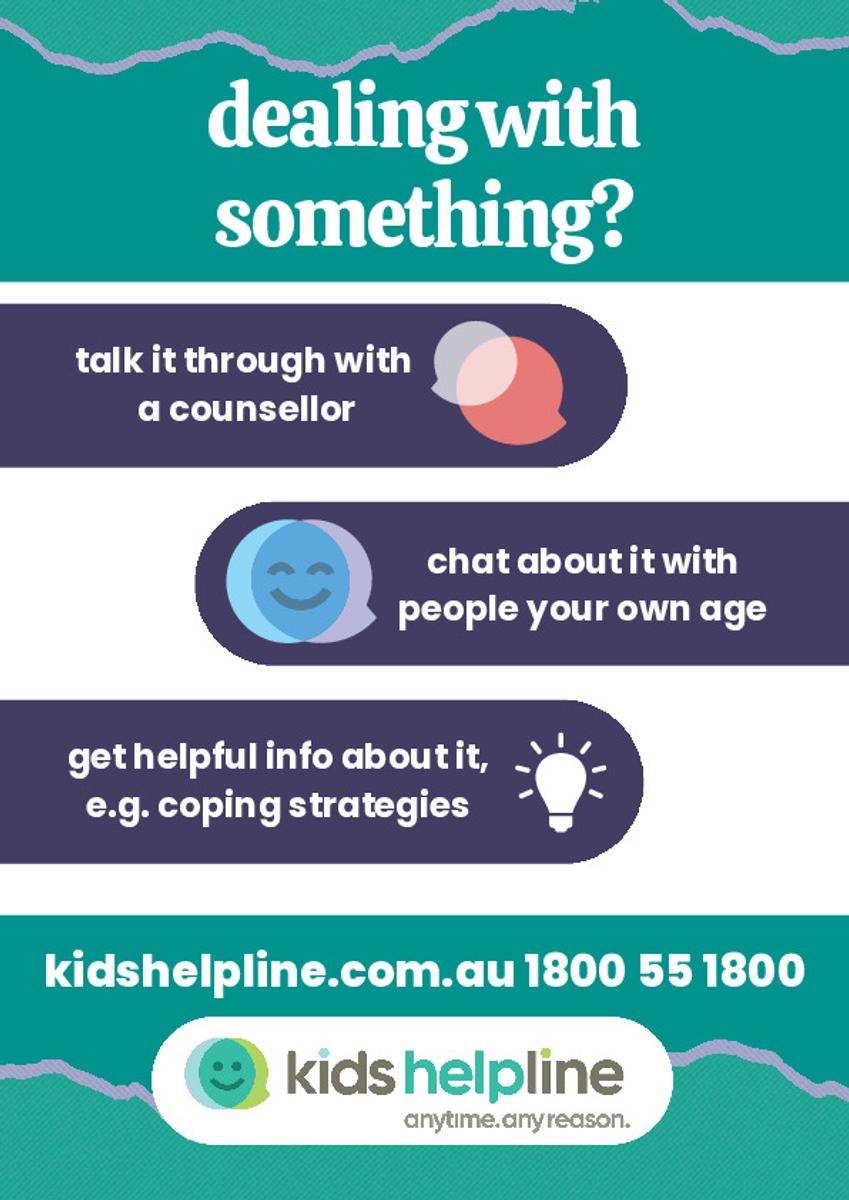

Student Wellbeing Team
Email: wellbeing@wantirnacollege.vic.edu.au
Chelsea Collings - Leader of Wellbeing
Guiseppe Relia – Wellbeing Counsellor
Talea-Jane Simpson – Wellbeing Counsellor
Jane Winning - Social Worker
Tajinder Wulff - Mental Health Practitioner 7-8
Joel Taylor - Mental Health Practitioner 9-12