Classroom News
Foundation
Decoding
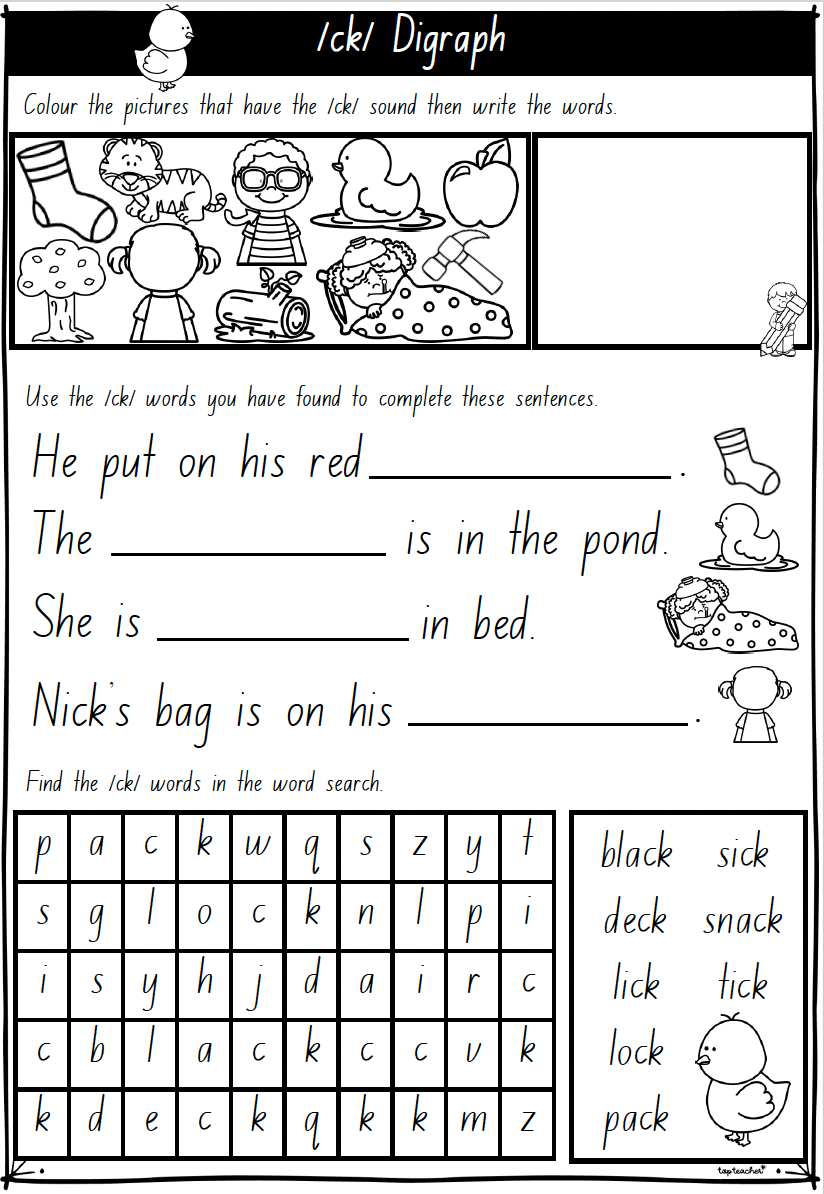
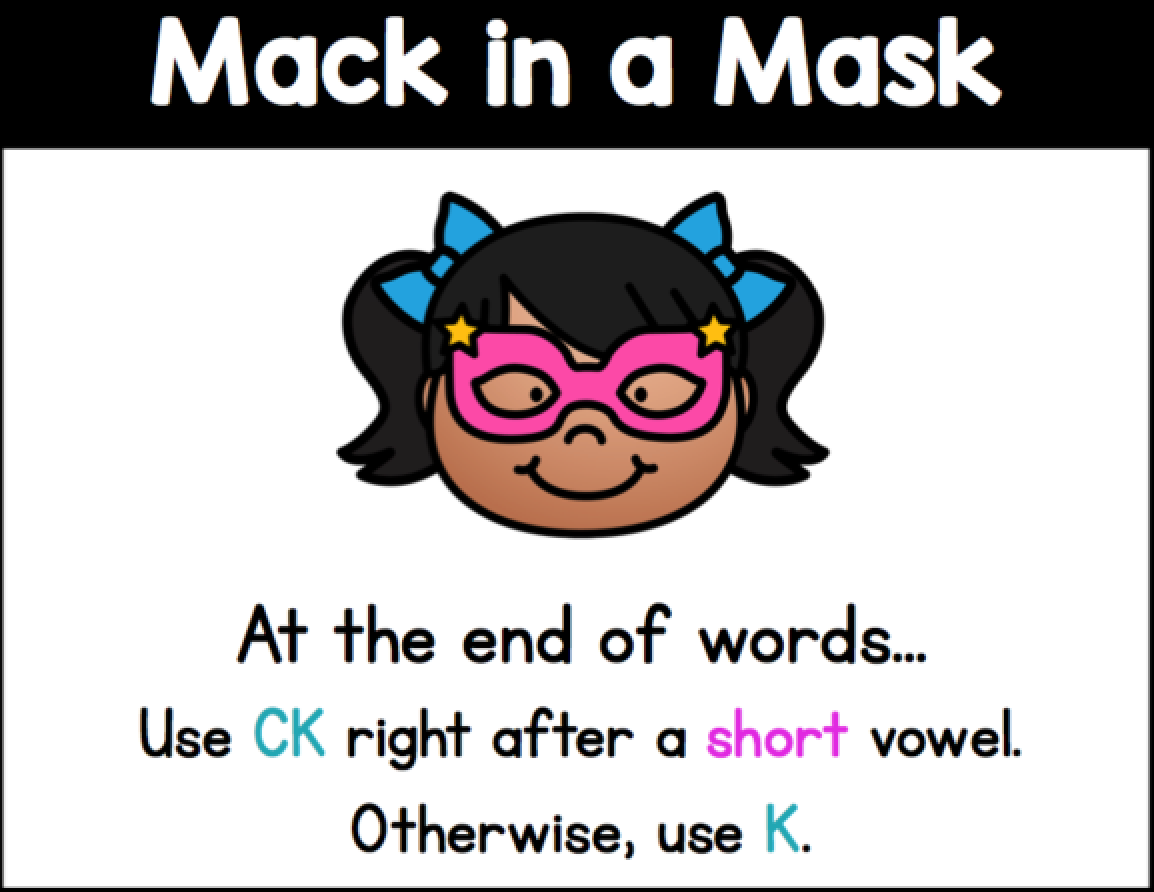
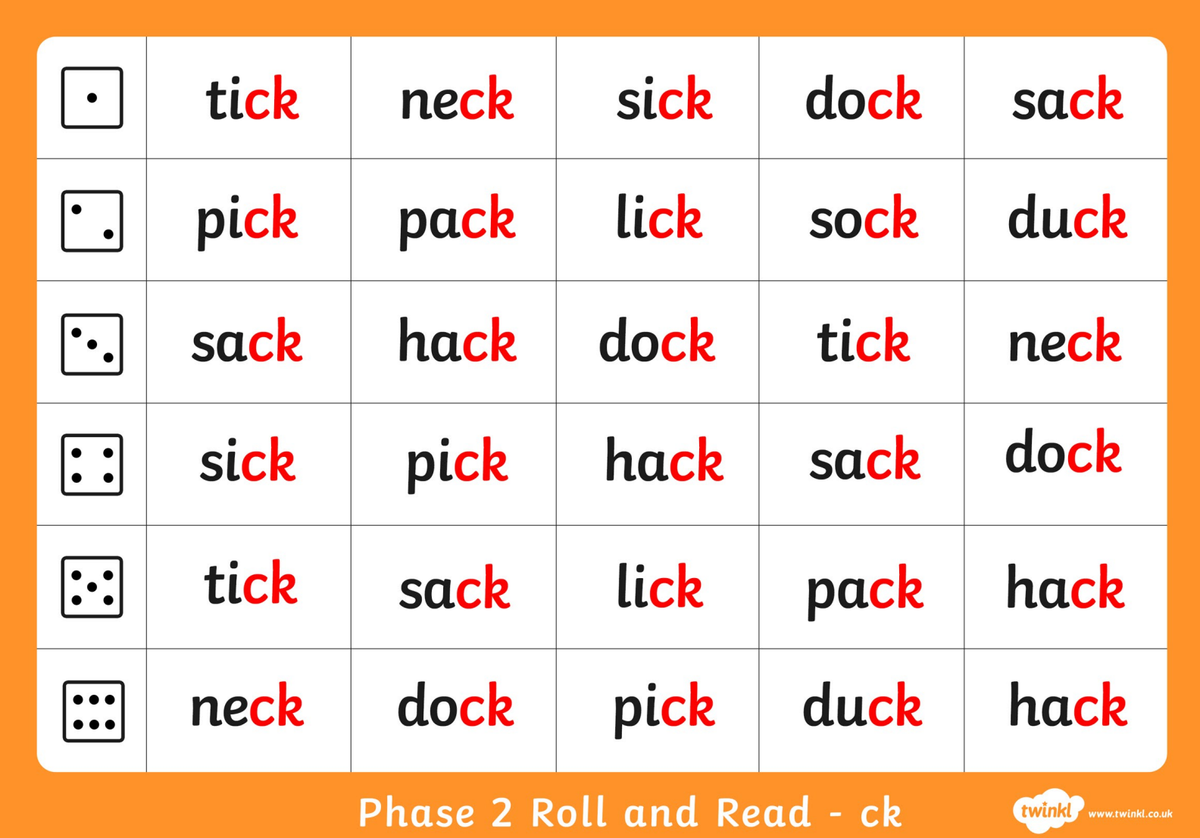
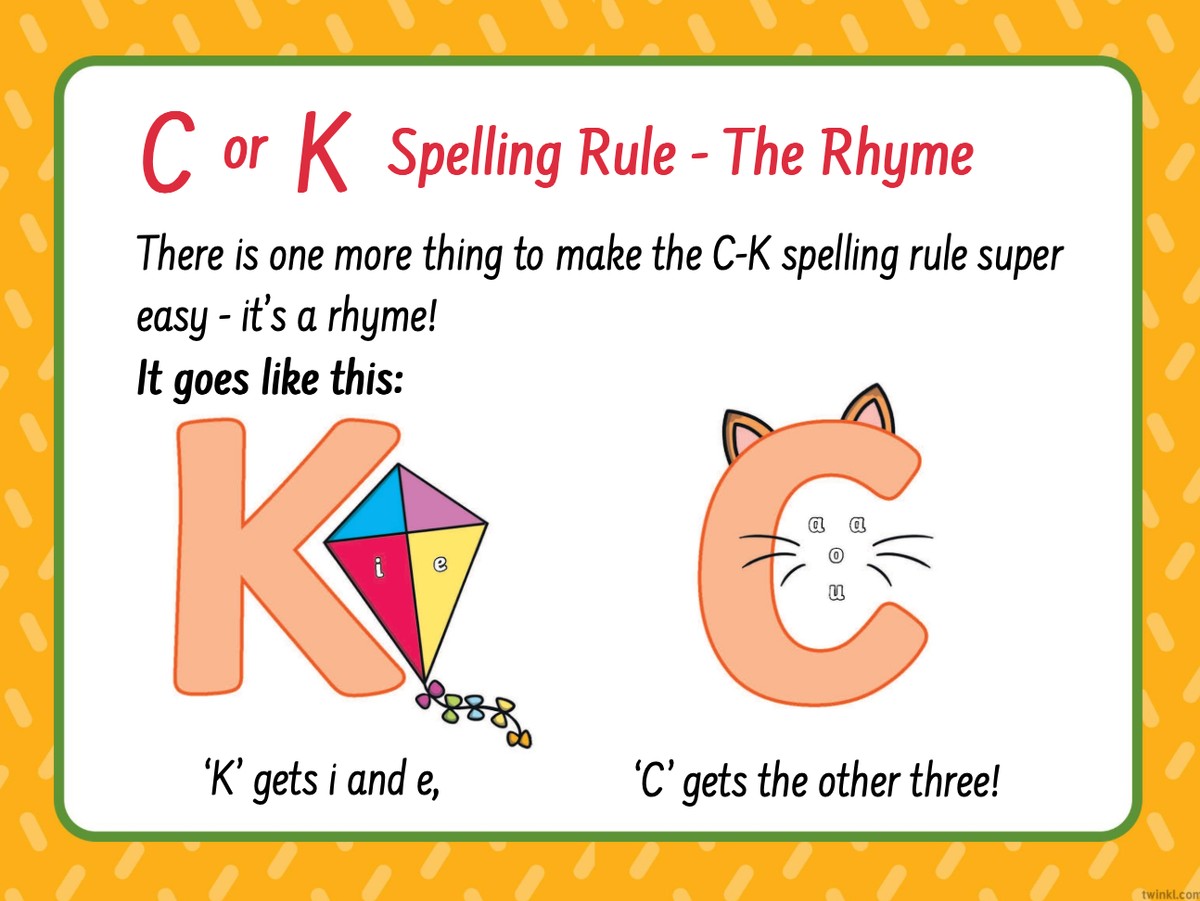
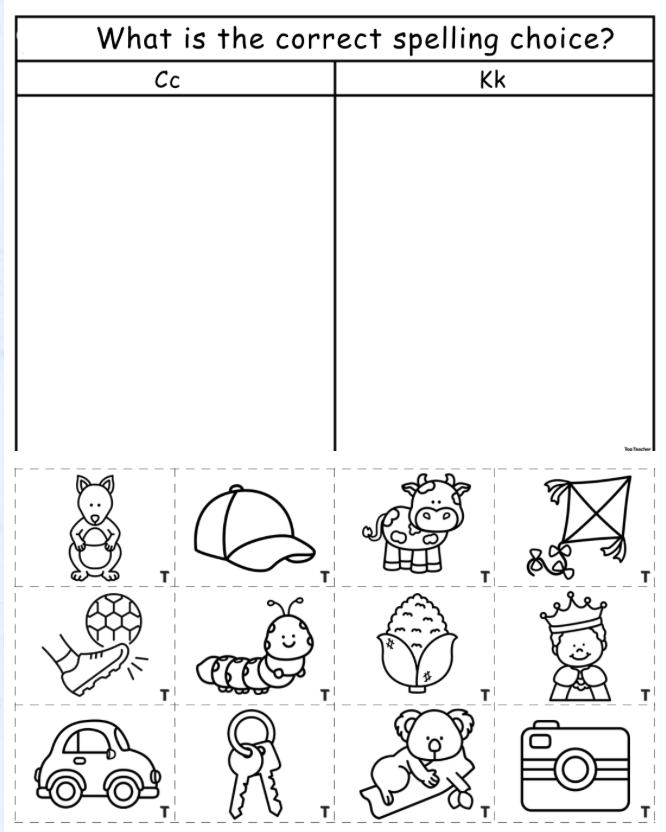
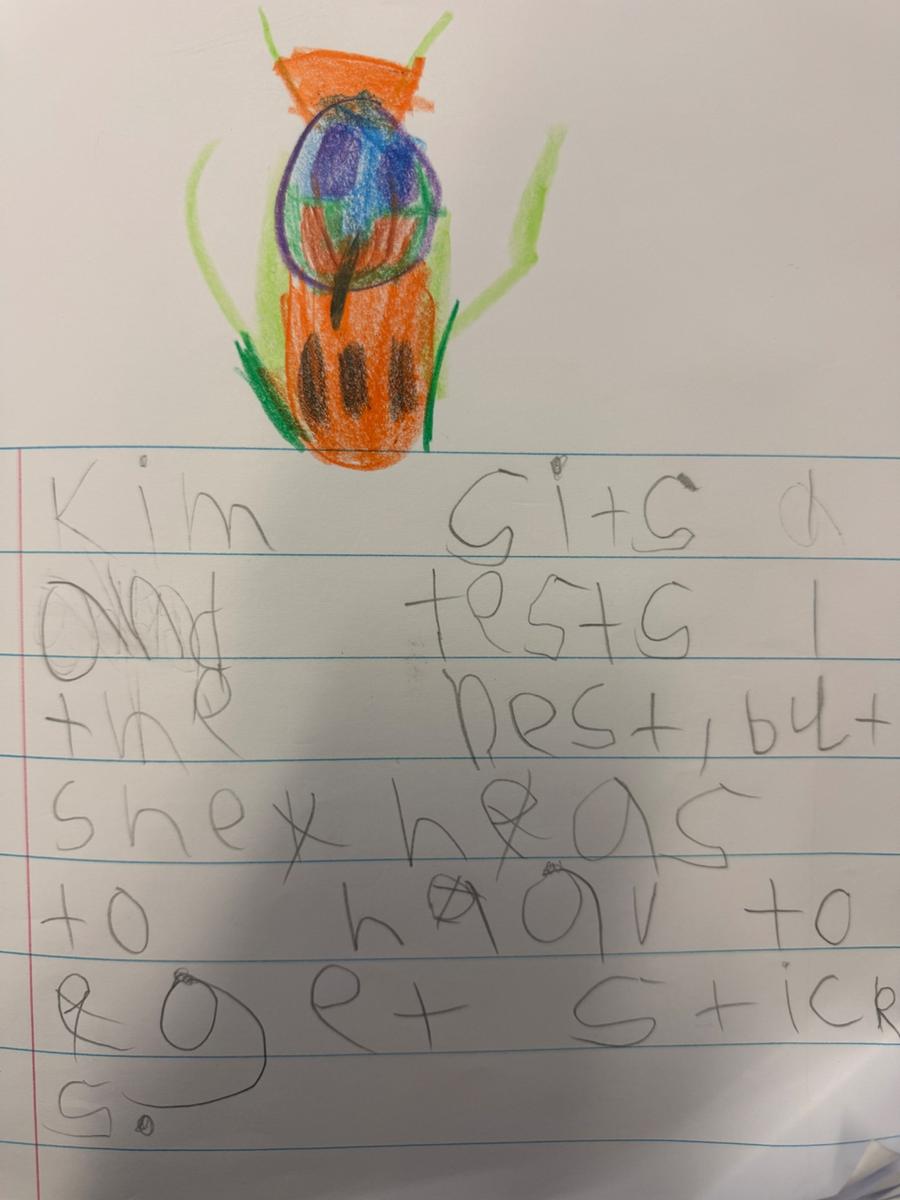
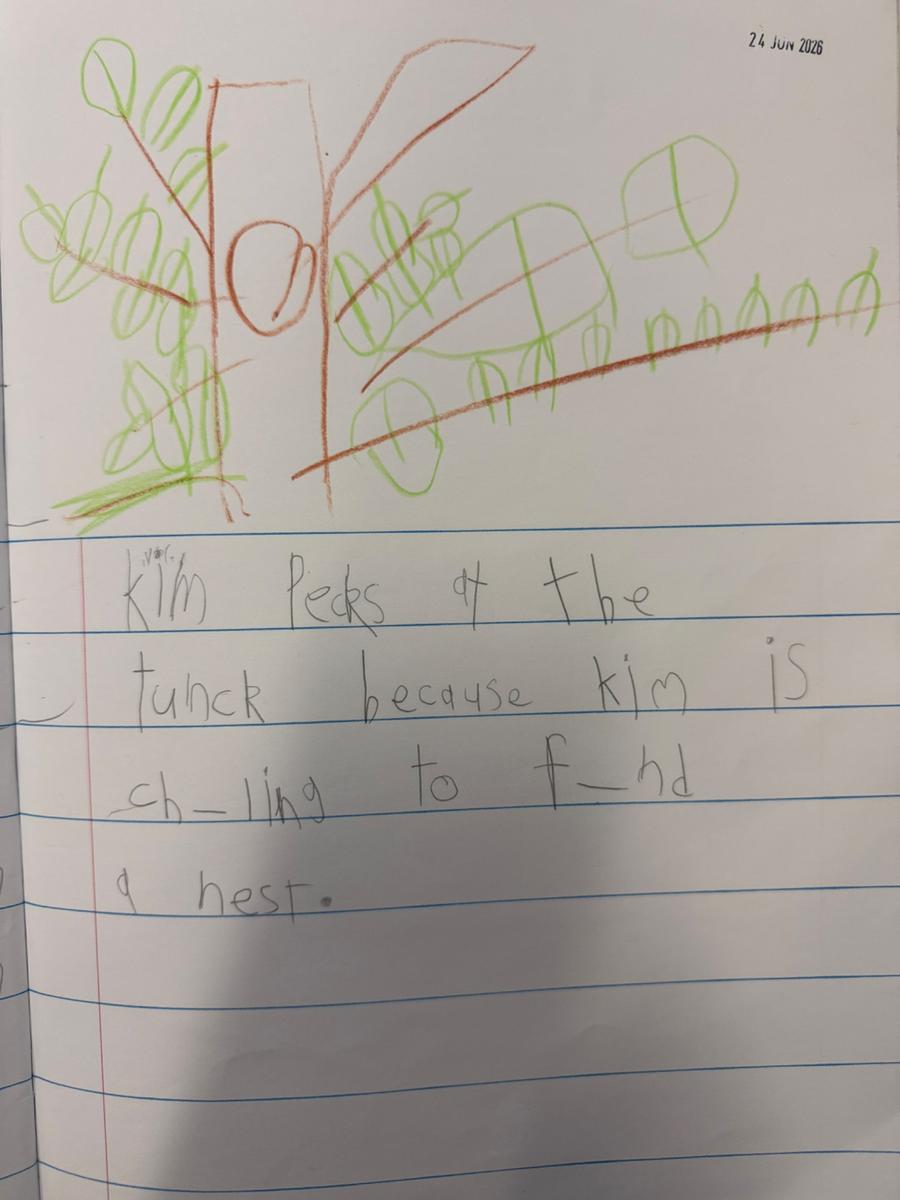
Over the past fortnight, students have been introduced to the /k/ sound and have explored the different ways this phoneme can be represented in writing. We have focused on the graphemes c, k, and ck, completing a range of activities to help students recognise, read, and use these spelling choices accurately. During Buddy Reading, students have enjoyed decodable texts such as Kim’s Nest, Socks, and The Punk, which have provided meaningful opportunities to apply their new learning in context and build reading fluency. As a class, we have discussed the spelling rules that help us decide which grapheme to use when writing the /k/ sound, and students have practised this knowledge through short dictation passages designed to strengthen accuracy and confidence.
Text Construction
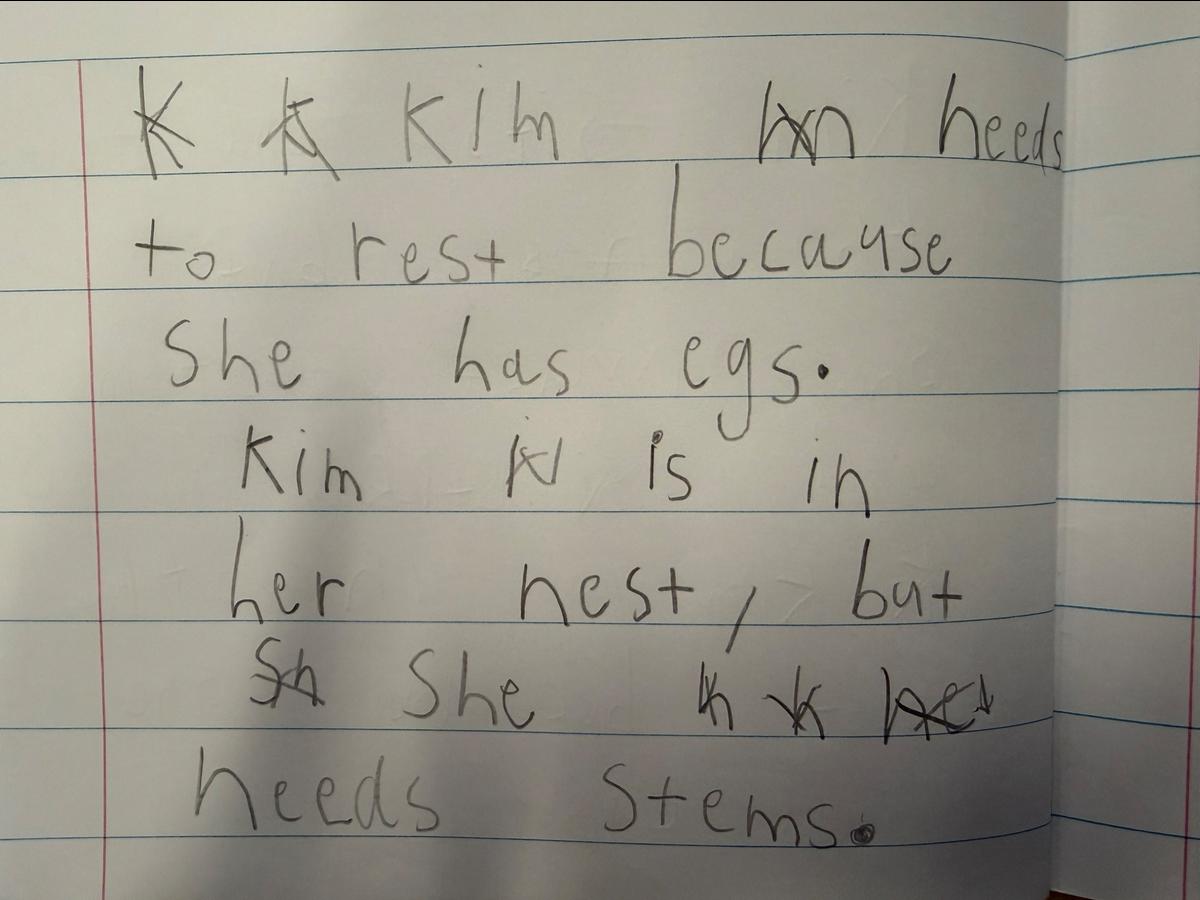
In Text Construction, students have been revising and reinforcing the key writing strategies they have learnt throughout the semester. They have been practising how to expand simple sentences by adding when and where details, helping them create clearer and more descriptive ideas. Students have also revisited how to use the conjunctions because and but to extend their thinking and add variety to their writing. Alongside this, they have continued working with questions and statements, learning how each sentence type changes meaning and purpose. Through shared writing, modelled examples, and independent practice, students are becoming more confident, flexible writers who can choose the right sentence structure to communicate their ideas.
Mathematics
In Mathematics, students have been deepening their understanding of place value, with a particular focus on how numbers are built using tens and ones. We want students to realise that our number system is based on the idea that ten of something becomes one of the next unit, for example ten ones make one ten, ten tens make one hundred, and so on. Using hands‑on materials such as tens frames, bundles, sticks, and place‑value blocks, students have been building, representing, and comparing numbers to 99.
Content Knowledge
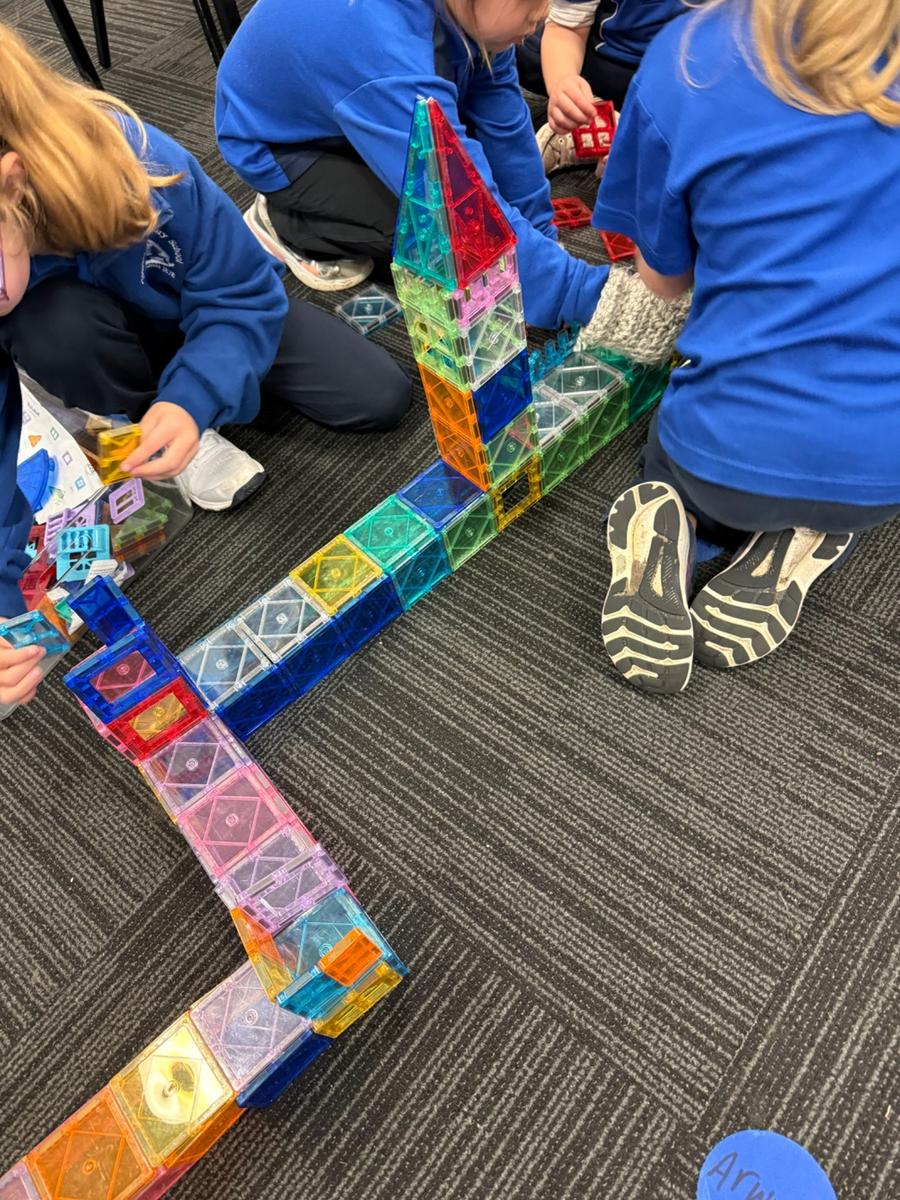
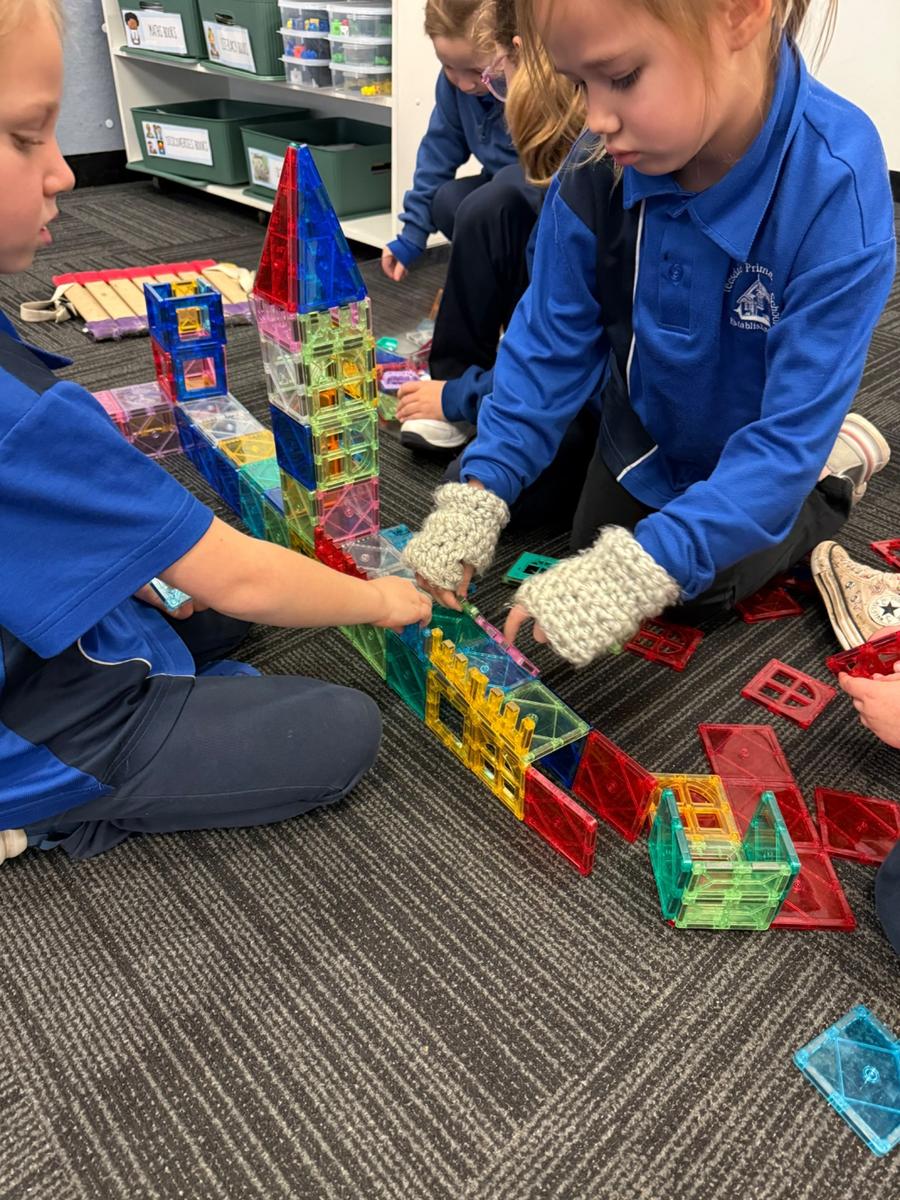
In Content Knowledge, we finished our geography unit by exploring Asia, learning about the panda, the Great Wall of China, and the celebration of Diwali. Students attempted to construct the Great Wall of China using a building material of their choice. They were fascinated by the different landscapes, animals, and traditions found across the continent. We then shifted our focus to foods around the world, discussing which countries are known for particular cuisines and how food can reflect culture and place. To make these ideas meaningful, students compared their own Australian lunchboxes with lunchboxes from children in other countries, noticing similarities, differences, and the reasons behind them. They also shared the different cuisines they have tried and proudly discussed their favourite foods, helping them build cultural awareness and make personal connections to our learning.
Junior School
Content Knowledge
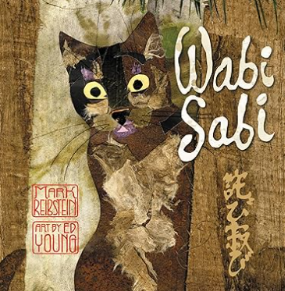
In Content Knowledge, we are continuing our unit, The Culture of Japan. Students have been exploring Japanese art, traditions and cultural practices. They have learnt about the Japanese language, kimonos (traditional Japanese clothing), and special celebrations such as Shichi-Go-San (7-5-3), a festival that honours children aged three, five and seven. Students have also investigated traditional arts and hobbies, including origami (paper folding), bonsai (growing miniature trees) and ikebana (flower arranging).
This week, we will read the picture story book Wabi Sabi, about a cat's search to discover the meaning of his name. Wabi-sabi is a Japanese concept that celebrates the beauty of imperfection and reminds us that things can be old, worn, different or unfinished and still be special and beautiful.
Text Construction
In Text Construction, students are learning to write information reports. They are developing their ability to organise information clearly and effectively using headings, subheadings and diagrams. This week, they will write an information report about Japan using the knowledge they have gained over the past few weeks.
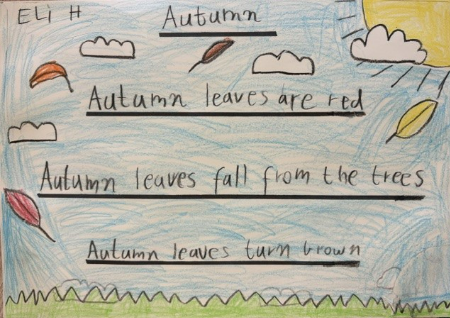
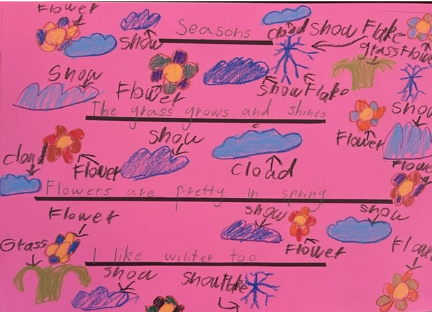
Students have also been writing haiku poems, a short, unrhymed form of poetry that is often inspired by nature or the seasons. Haiku poems follow a specific structure of three lines, with five syllables in the first line, seven syllables in the second line and five syllables in the third line. Through this process, students have developed their understanding of syllables and demonstrated resilience as they experimented with words and phrases to fit the required format.
Mathematics
In Mathematics this week, students explored increasing and decreasing patterns. They looked at patterns using numbers, shapes and objects and identified the pattern rule, that is, what the pattern was increasing or decreasing by. They then applied the rule to continue each sequence accurately. Students also created their own patterns by following a given rule. Through these activities, they developed their ability to recognise,
Middle School
Content Knowledge
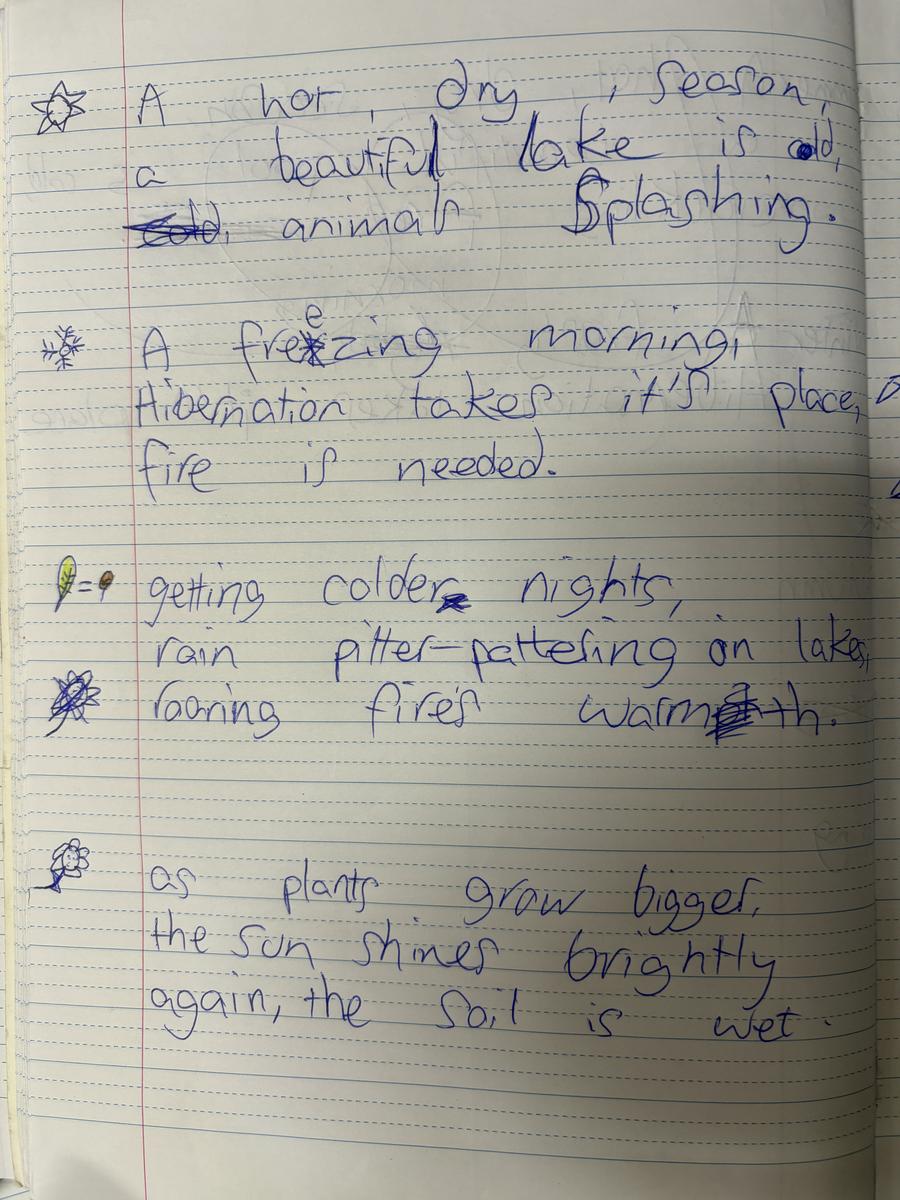
Across Weeks 9 and 10, students have been exploring a range of rich poetry texts to develop their reading comprehension and fluency. In Week 9, the focus was on understanding how poets create meaning through imagery, rhythm, rhyme and Australian slang, with students examining well-known poems such as Waltzing Matilda and analysing how language builds a sense of place and perspective. In Week 10, learning shifts towards reading poetry with expression (prosody) and deeper text analysis, including identifying structure, repetition and author purpose across a variety of forms such as haiku, humorous verse and slam poetry. Students are also building vocabulary knowledge and answering “big questions” to strengthen their comprehension and ability to discuss texts thoughtfully.
Text Construction
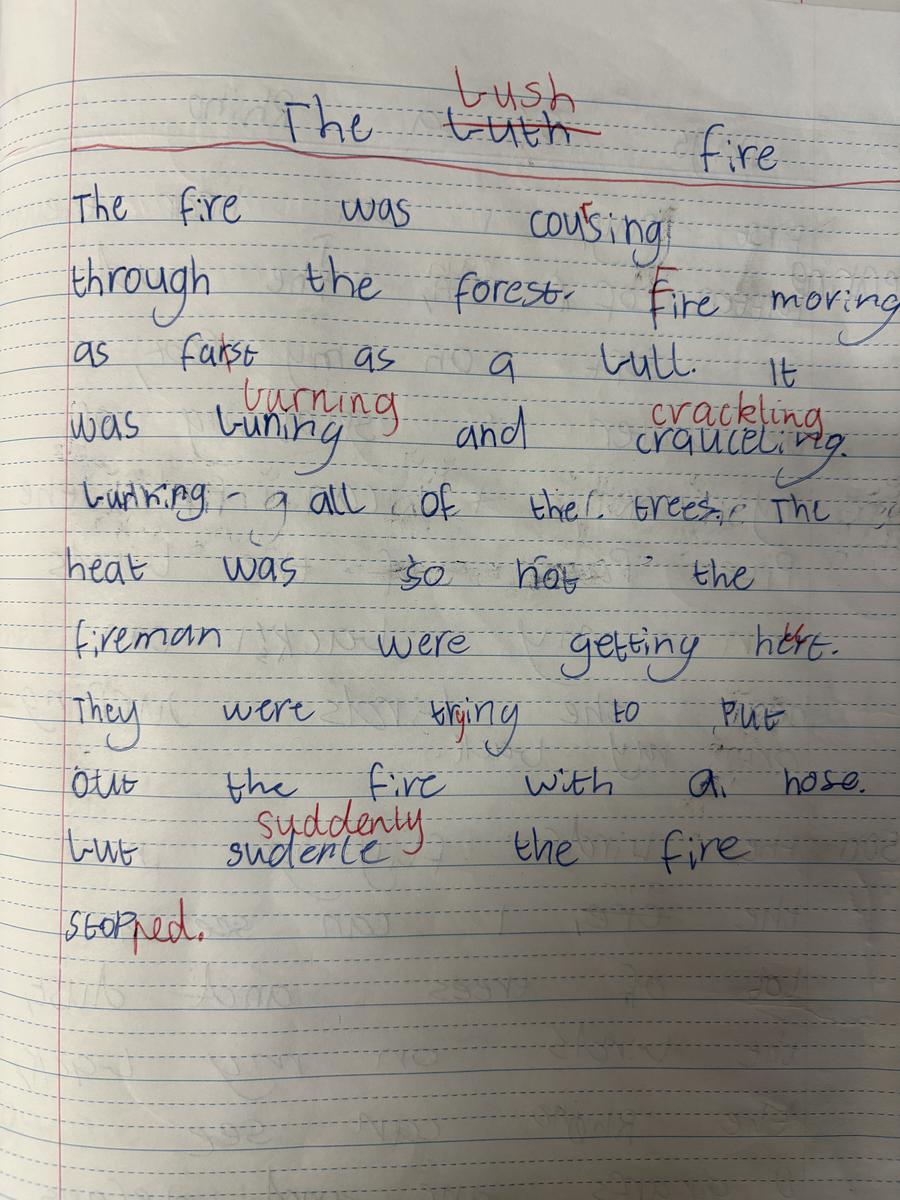
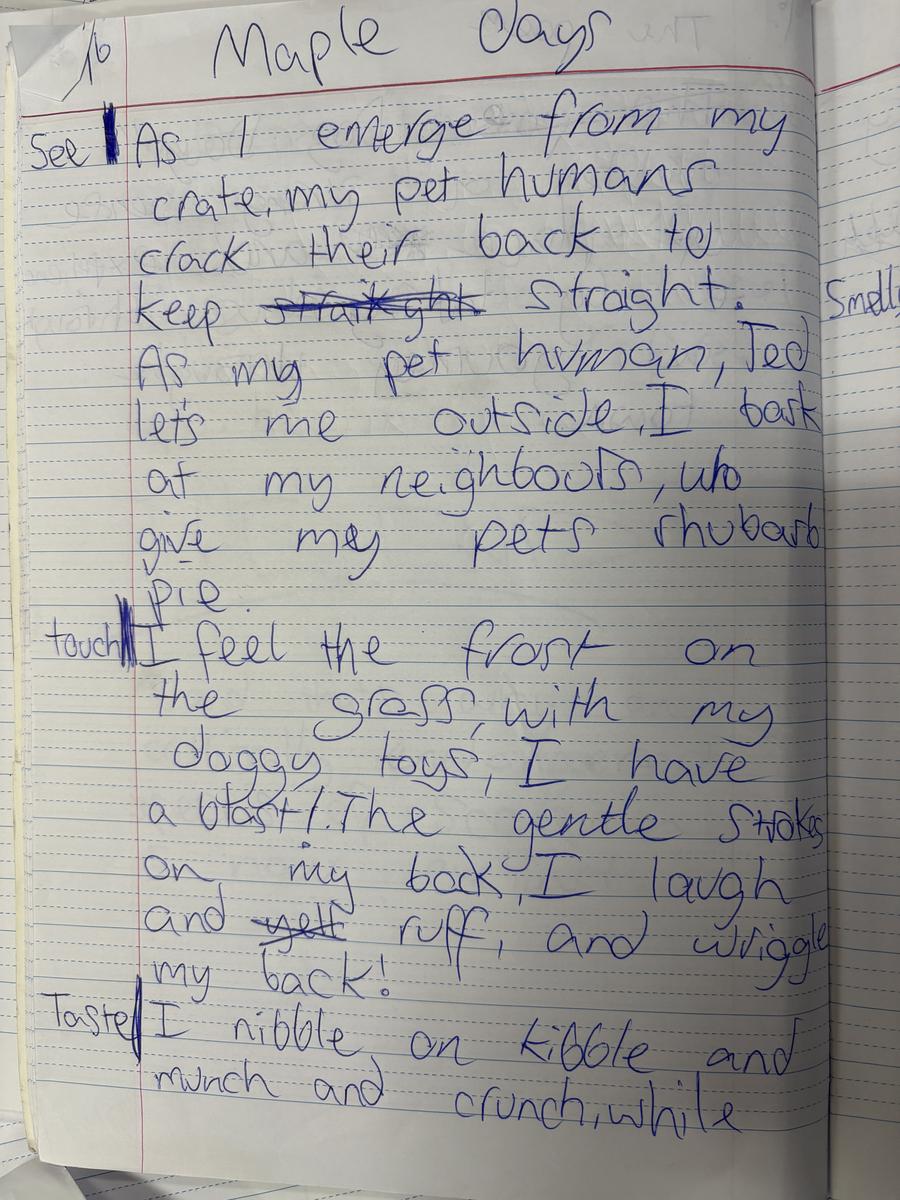
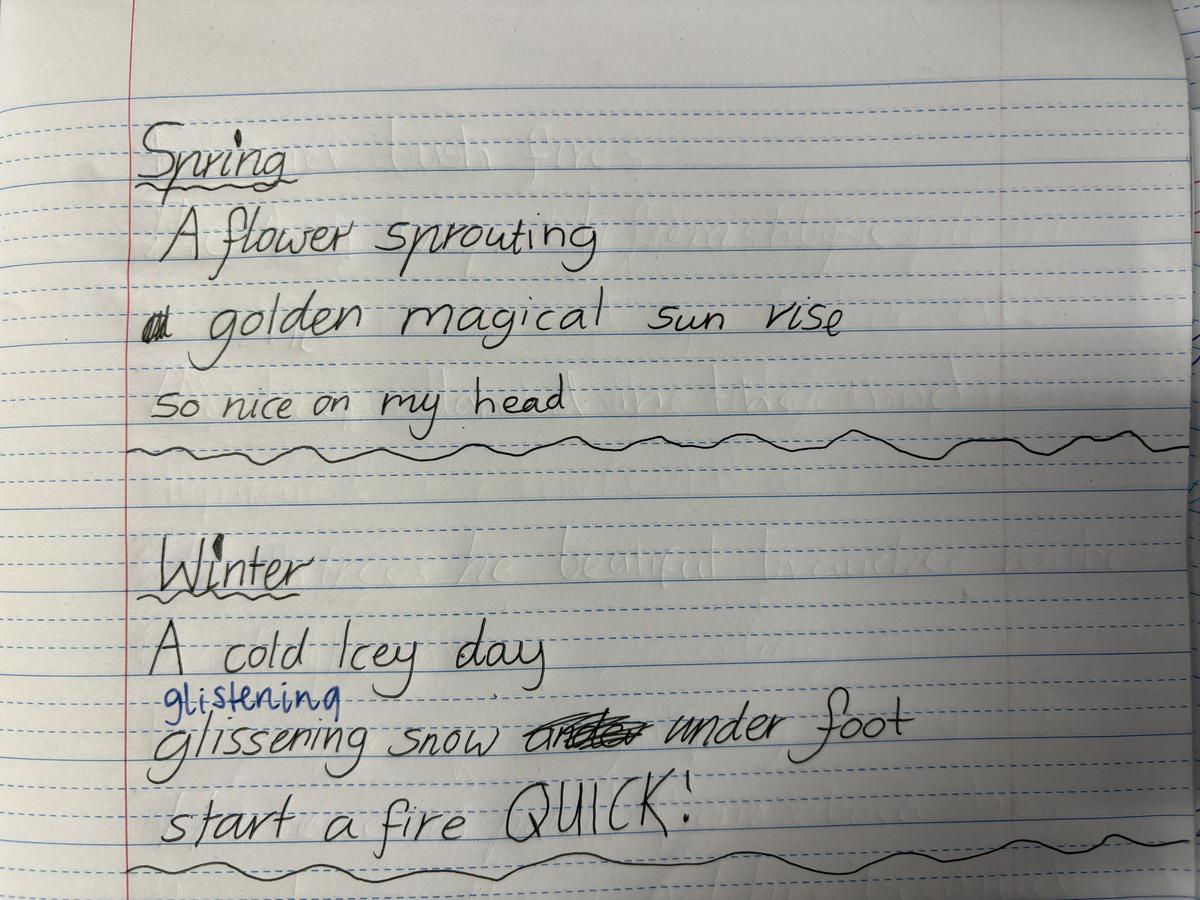
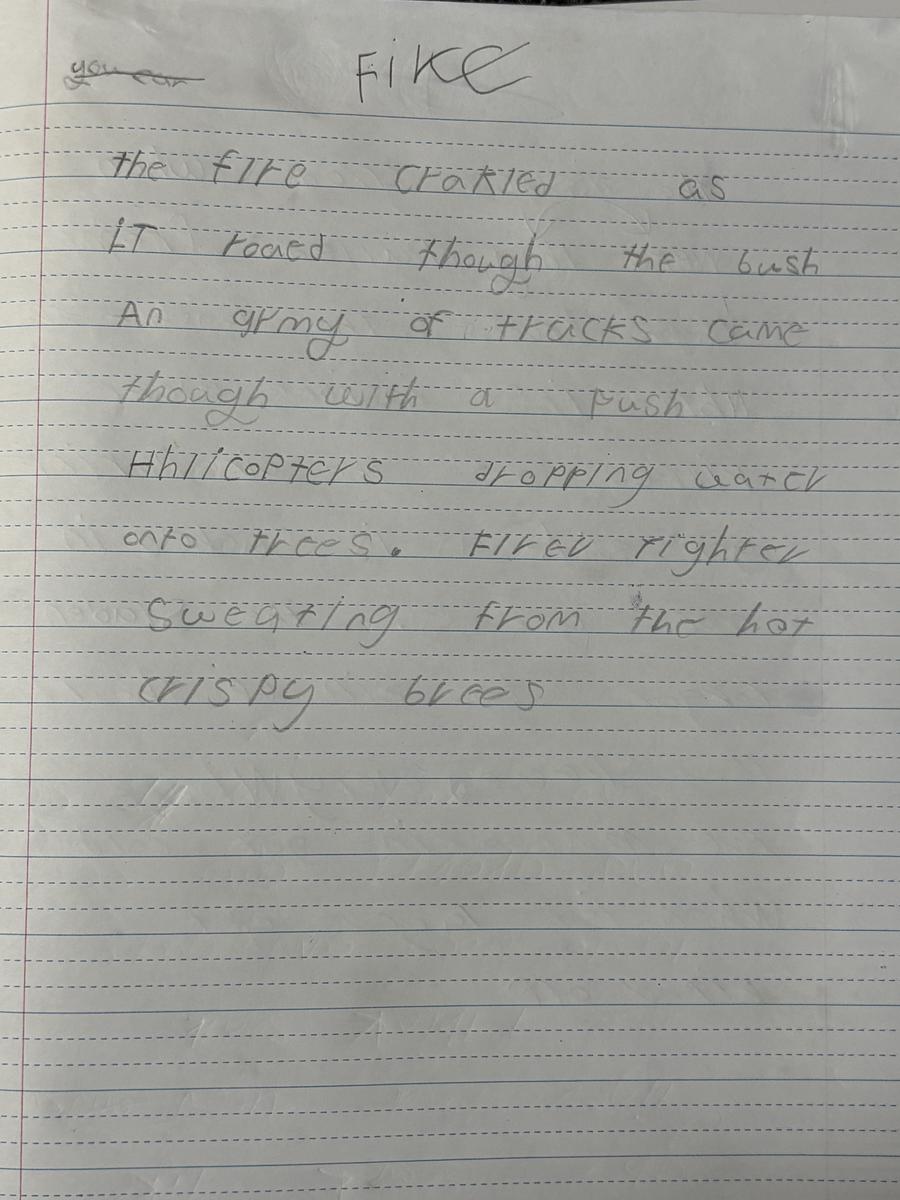
In writing, students have been building their understanding of how language features enhance poetry. During Week 9, they explored specific techniques such as similes, verbs, personification and inclusive language, applying these skills to create descriptive and imaginative poems, including writing from different perspectives and using sensory language. In Week 10, students are extending these skills by experimenting with different poetry structures, including haiku, rhyming poems, identity poems (“I am / I’m not”) and slam poetry. There is a strong focus on using repetition, rhyme, and descriptive vocabulary to engage an audience, with opportunities to plan, draft, share and celebrate their published work.
Numeracy
In Mathematics, students have been developing practical problem-solving skills across both weeks. In Week 9, the focus was on money and financial maths, where students solved addition and subtraction problems involving dollars and cents and applied their understanding to real-life contexts such as budgeting and planning a class party. In Week 10, students transition to measurement and time, learning to read analogue clocks and understand concepts such as o’clock, half past, quarter past and quarter to. Through hands-on activities and games, students are building confidence in telling the time and applying these skills in everyday situations.
Senior School
Literacy
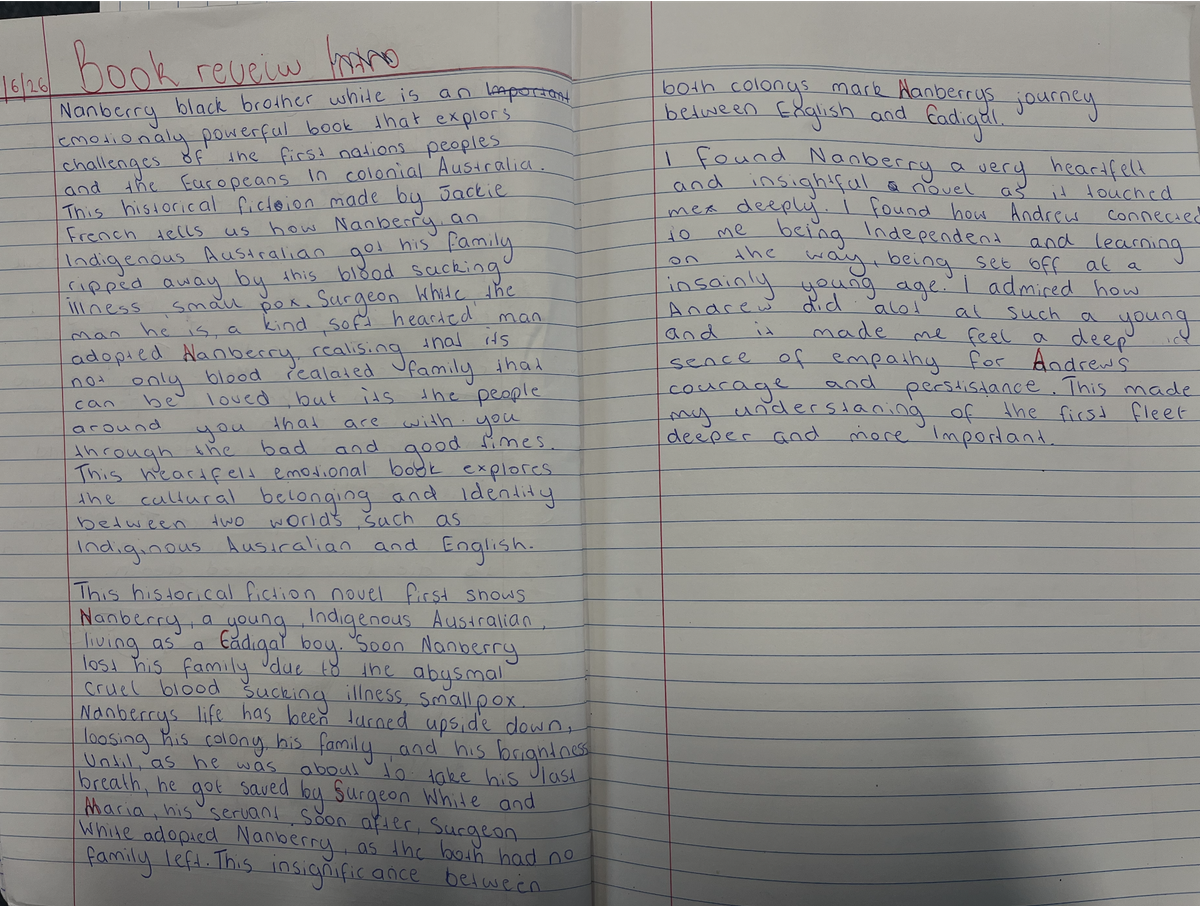
This term we have read ‘Nanberry, Black Brother White’. It was very insightful and emotional. Jackie French is a great writer and she wrote a great book about colonial times in Australia (late 1700’s). We have written a book report and chapter summaries.
-Freddie
Numeracy
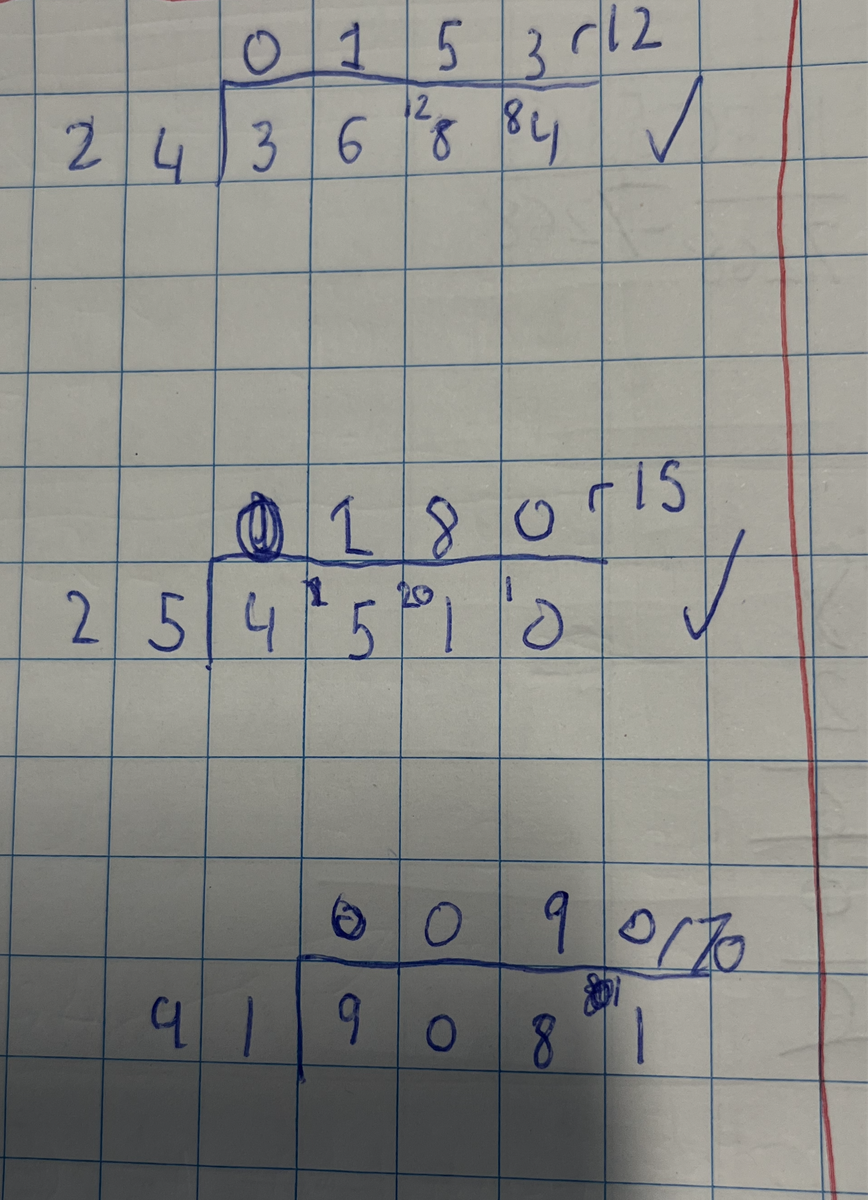
In Senior School maths, we have been learning about transforming shapes and how to reflect, rotate and translate shapes on a cartesian plane. We have also been learning about long division and converting remainders into fractions, decimals and percentages.
-Ben
Visual Art
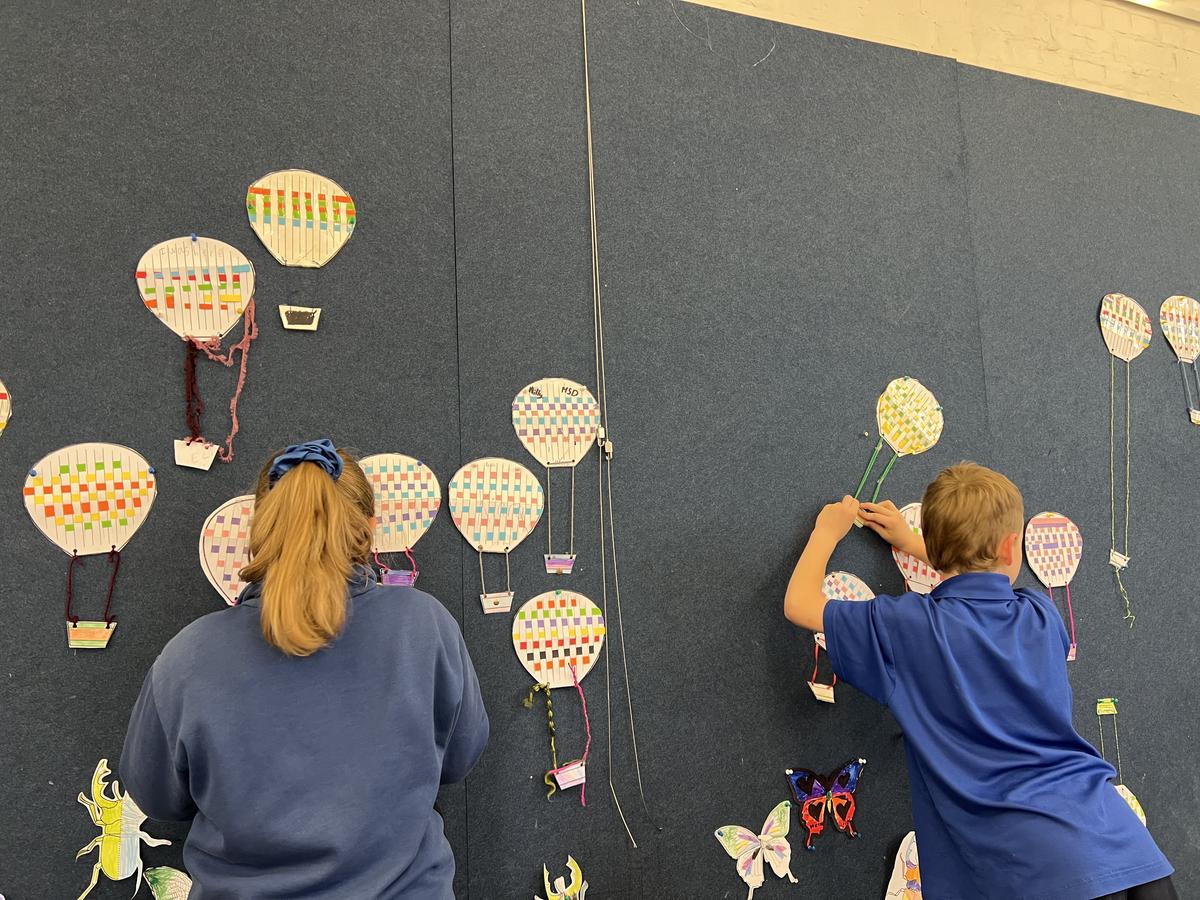
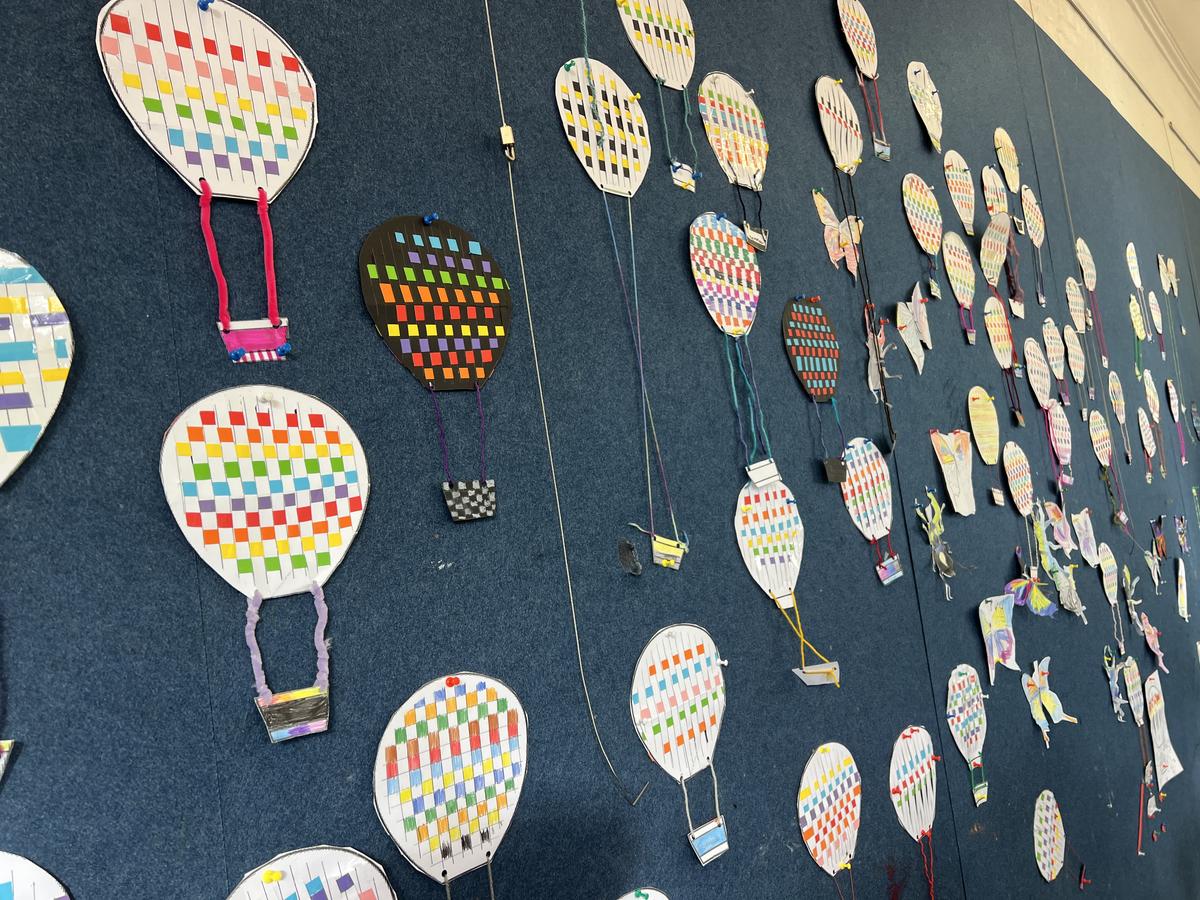
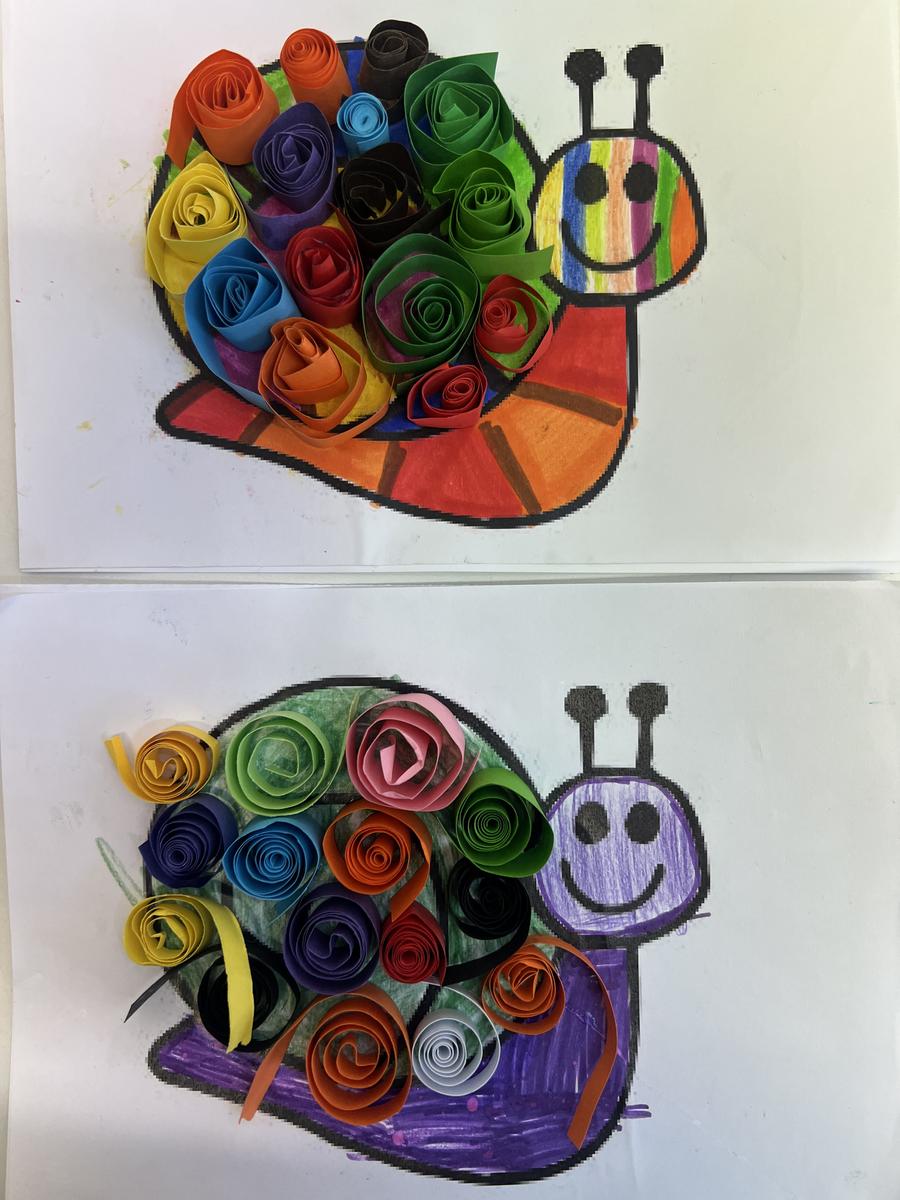
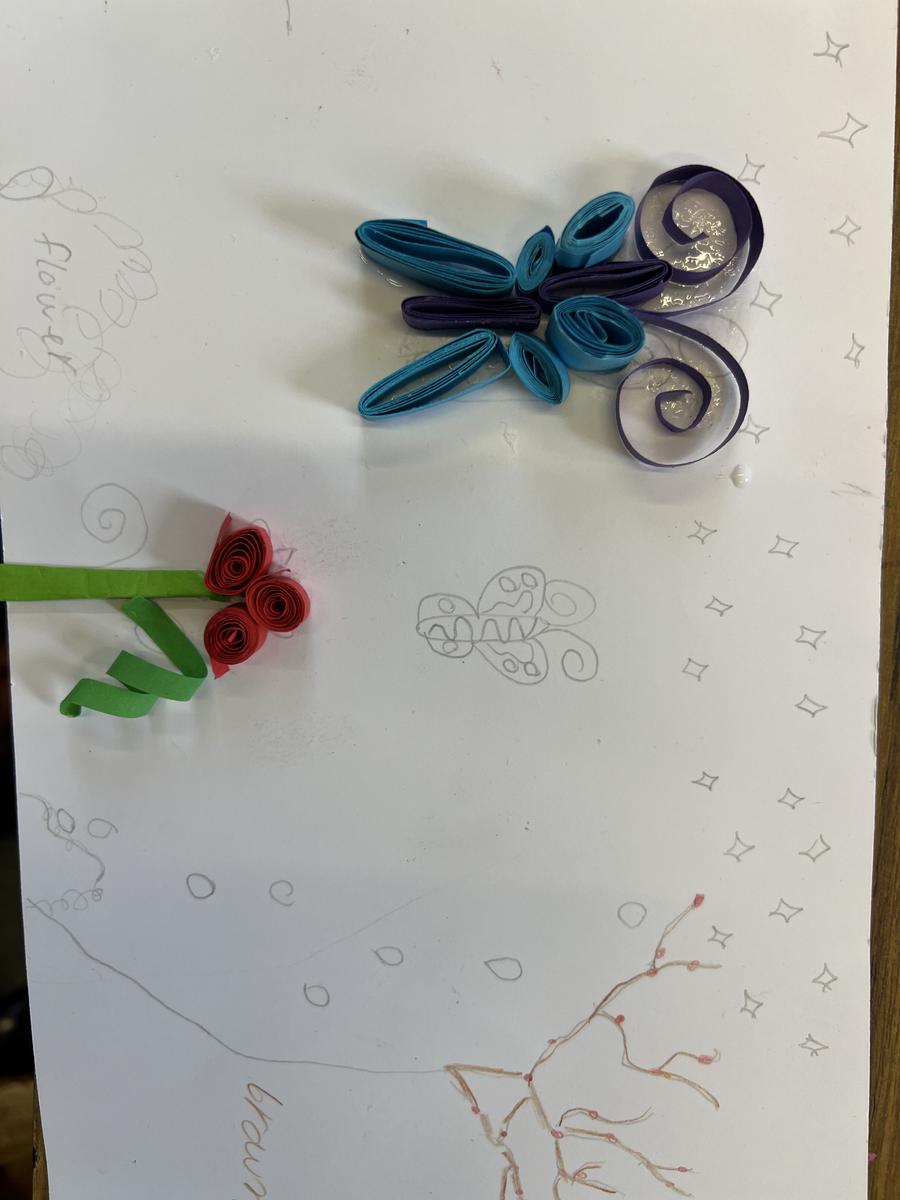
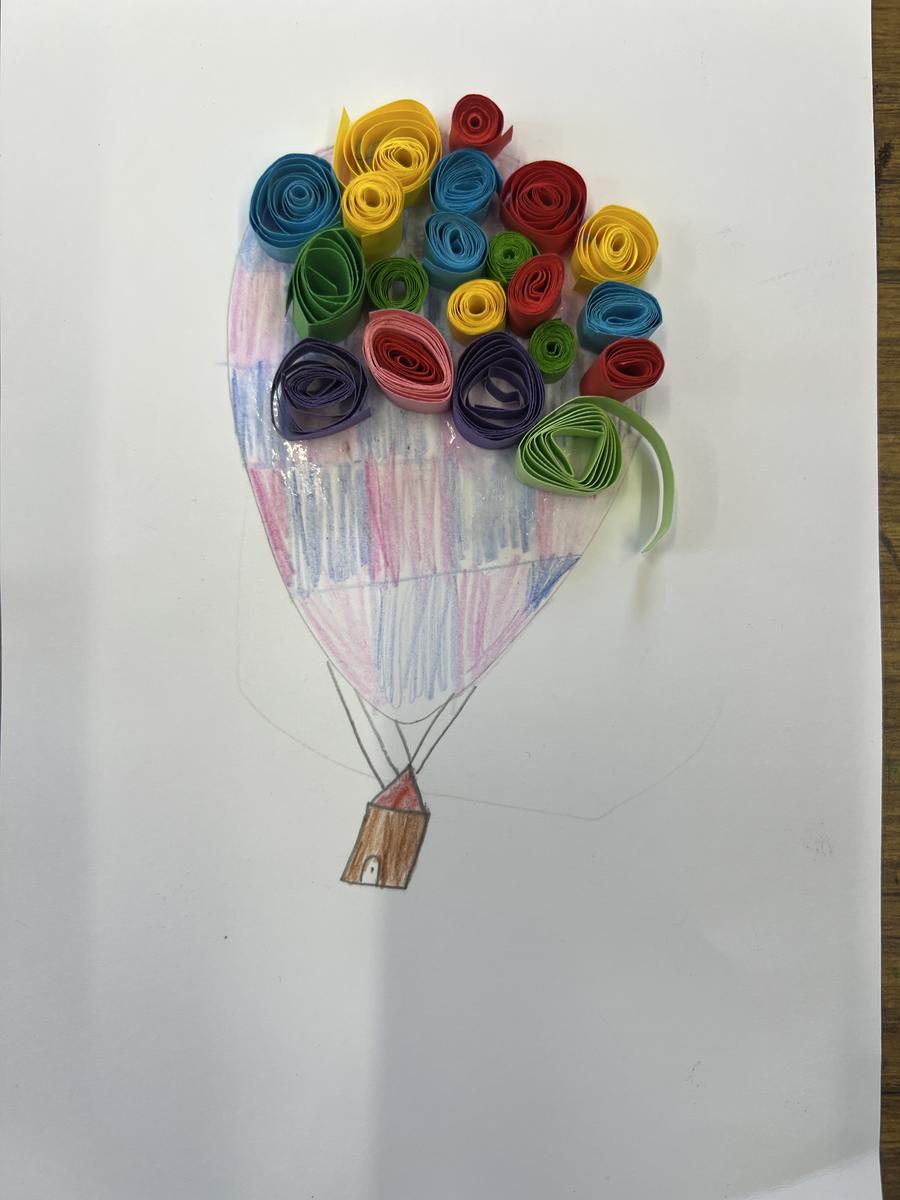
We've been having lots of fun in Visual Arts this term! Students explored paper weaving, creating colourful, patterned hot air balloons. We displayed our artwork on the gallery wall, making our classroom bright and welcoming.
Students took up the challenge of paper quilling, carefully rolling and shaping paper to create 3D snails, balloons and beautiful cherry blossom trees. Well done everyone, we have had a productive and imaginative term in visual arts.
Karen Biscan
We Are a SunSmart School
Our Sun Protection Policy has recently been updated to ensure it connects with our accreditation as a Sun Smart School. As part of this update, we will be monitoring the UV levels to determine when hats need to be worn. Hats will continue to be required from mid-August to the end of April, and whenever UV levels reach 3 and above. We have begun to share this improvement with students through our Morning Message and recommend students have access to their hat each day at school.