Deputy Principal, Mrs Kadi Carr & Mrs Bec Baird
SPARK
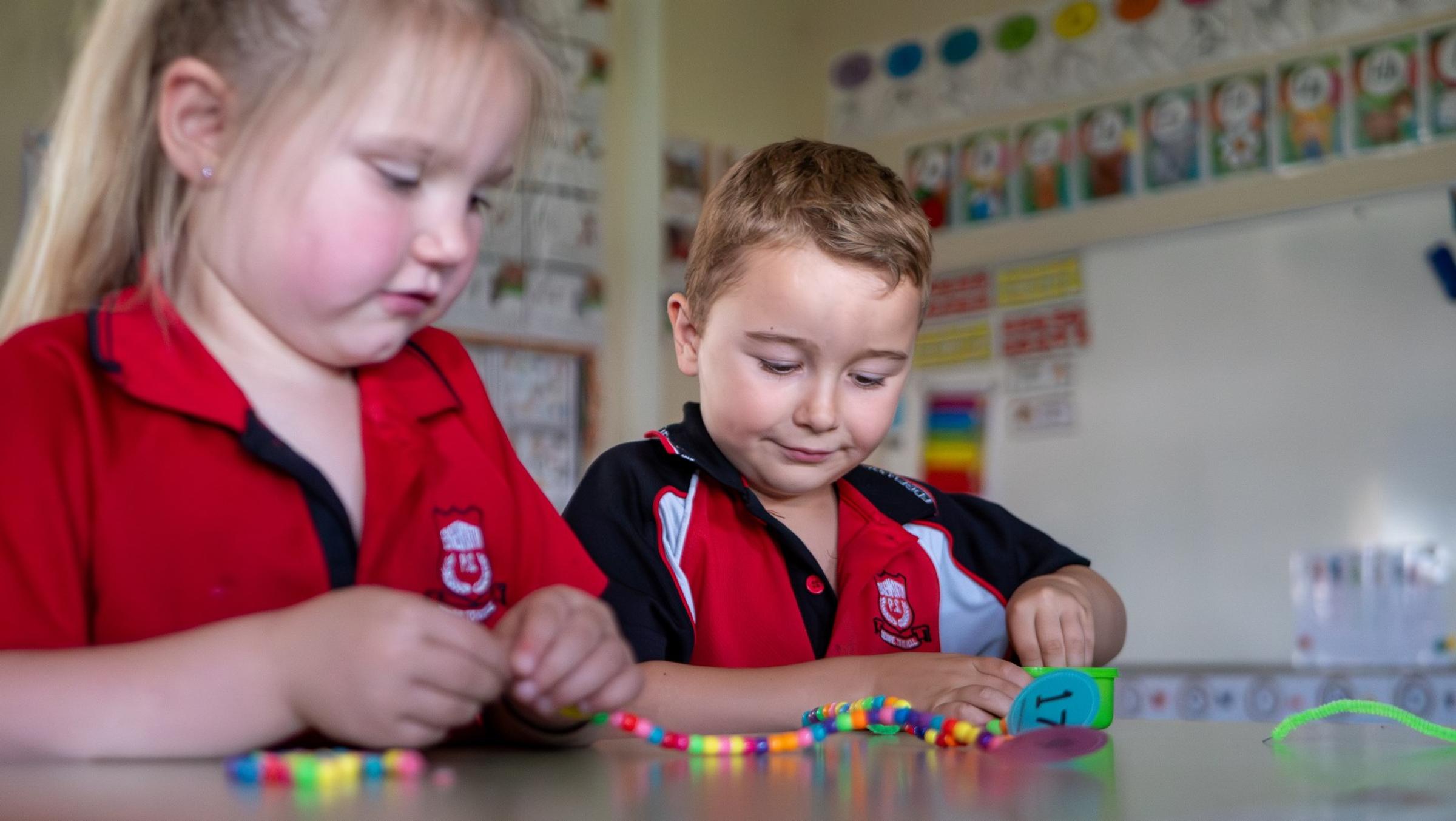
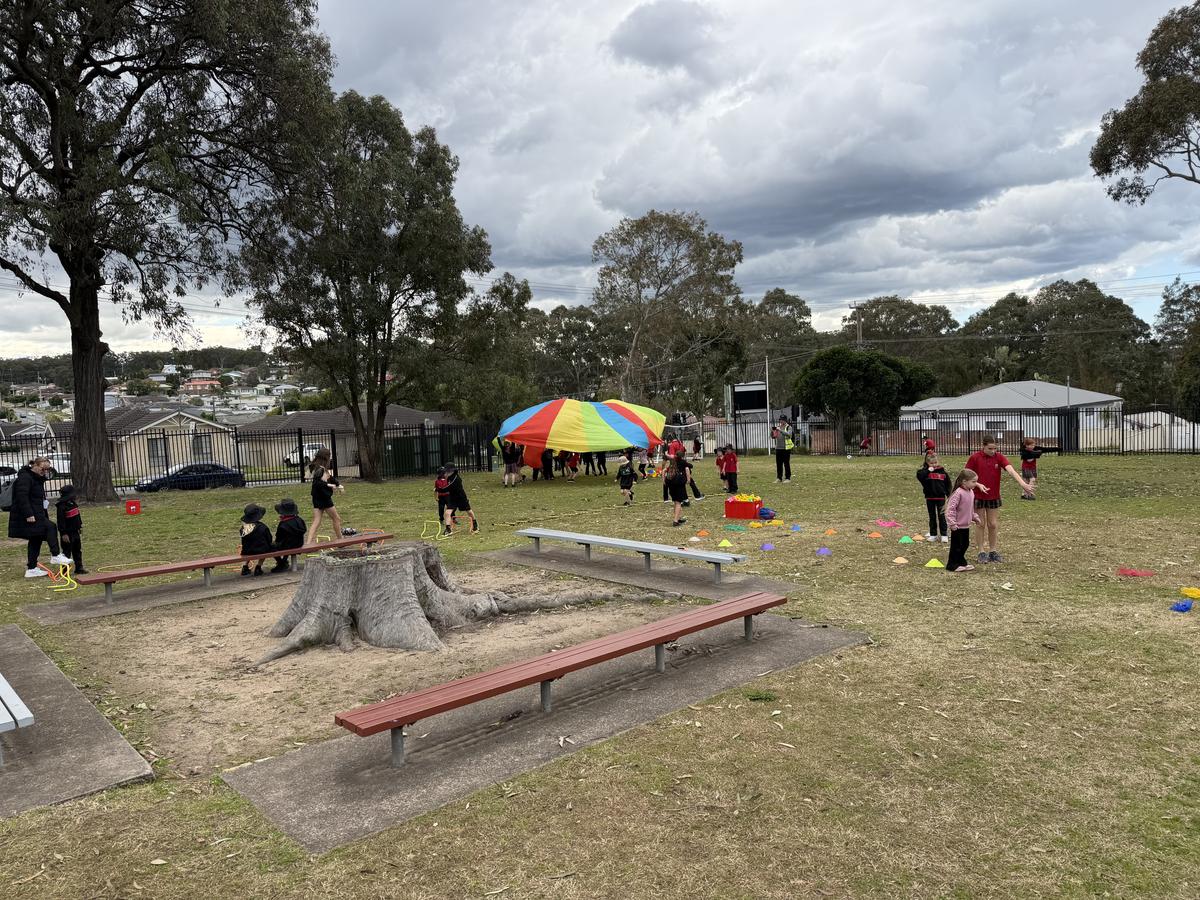
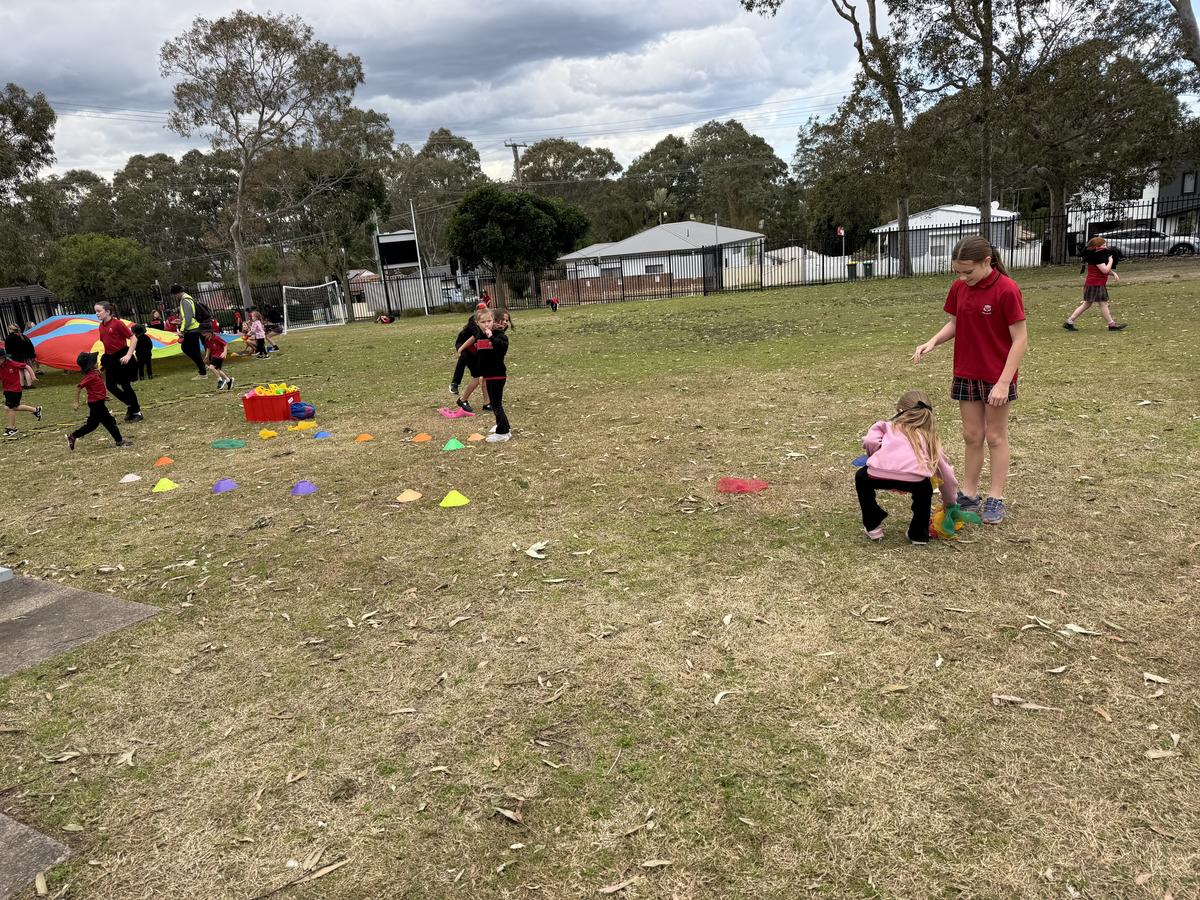
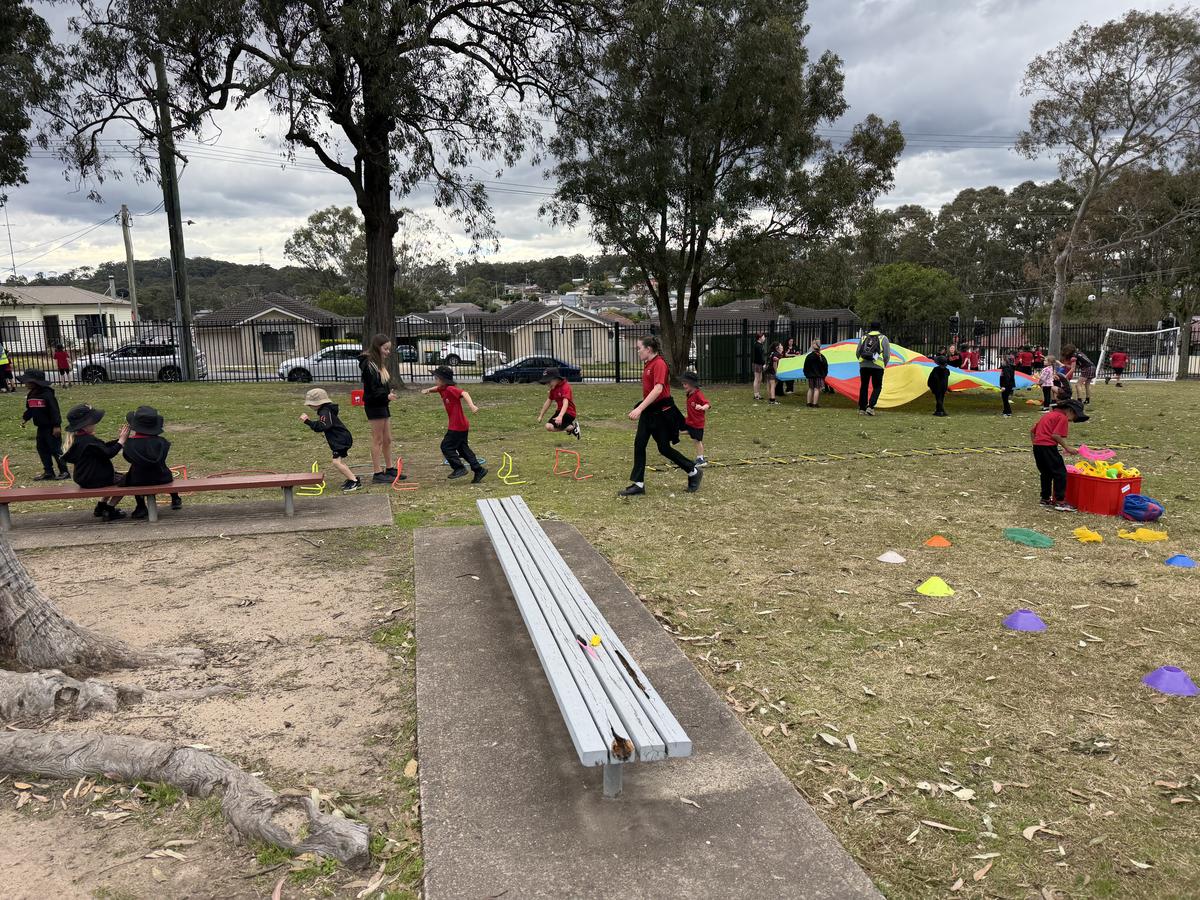
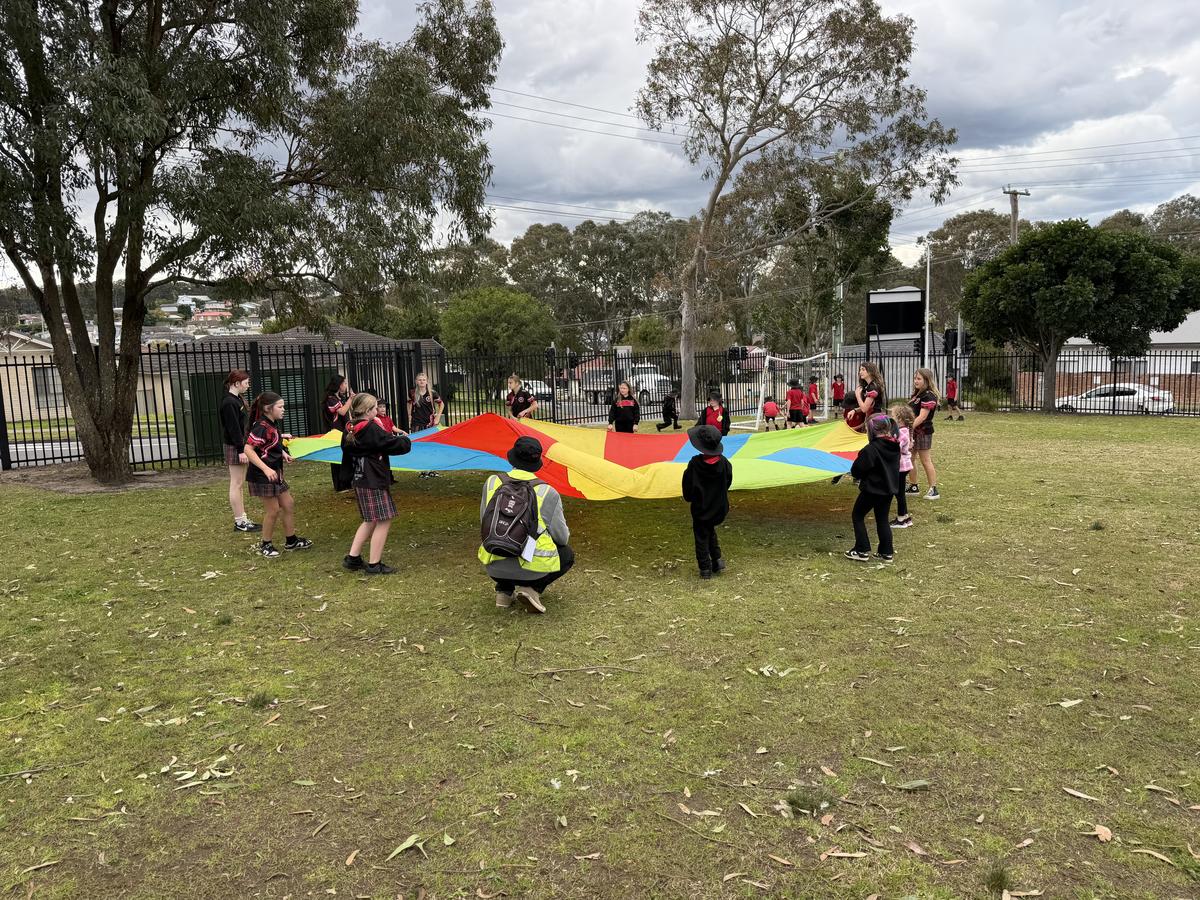
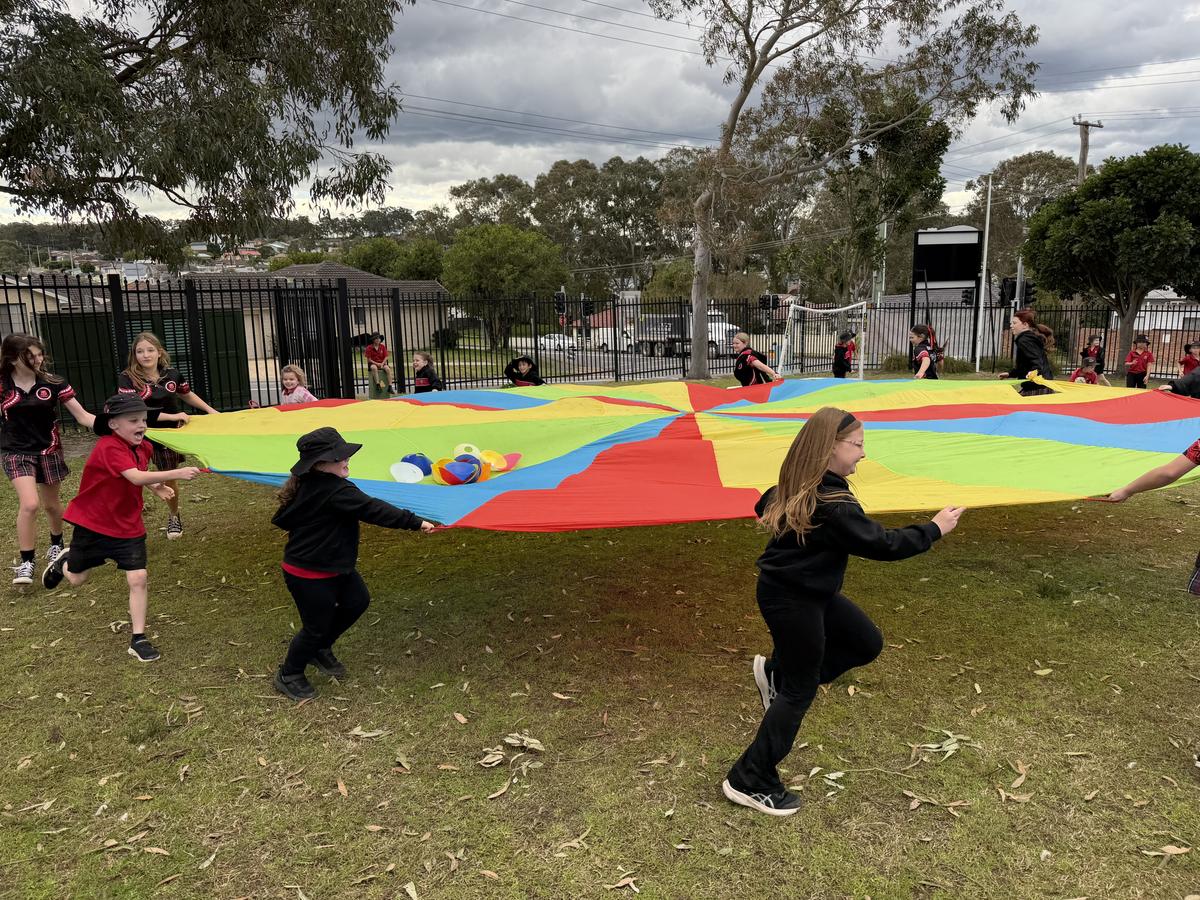
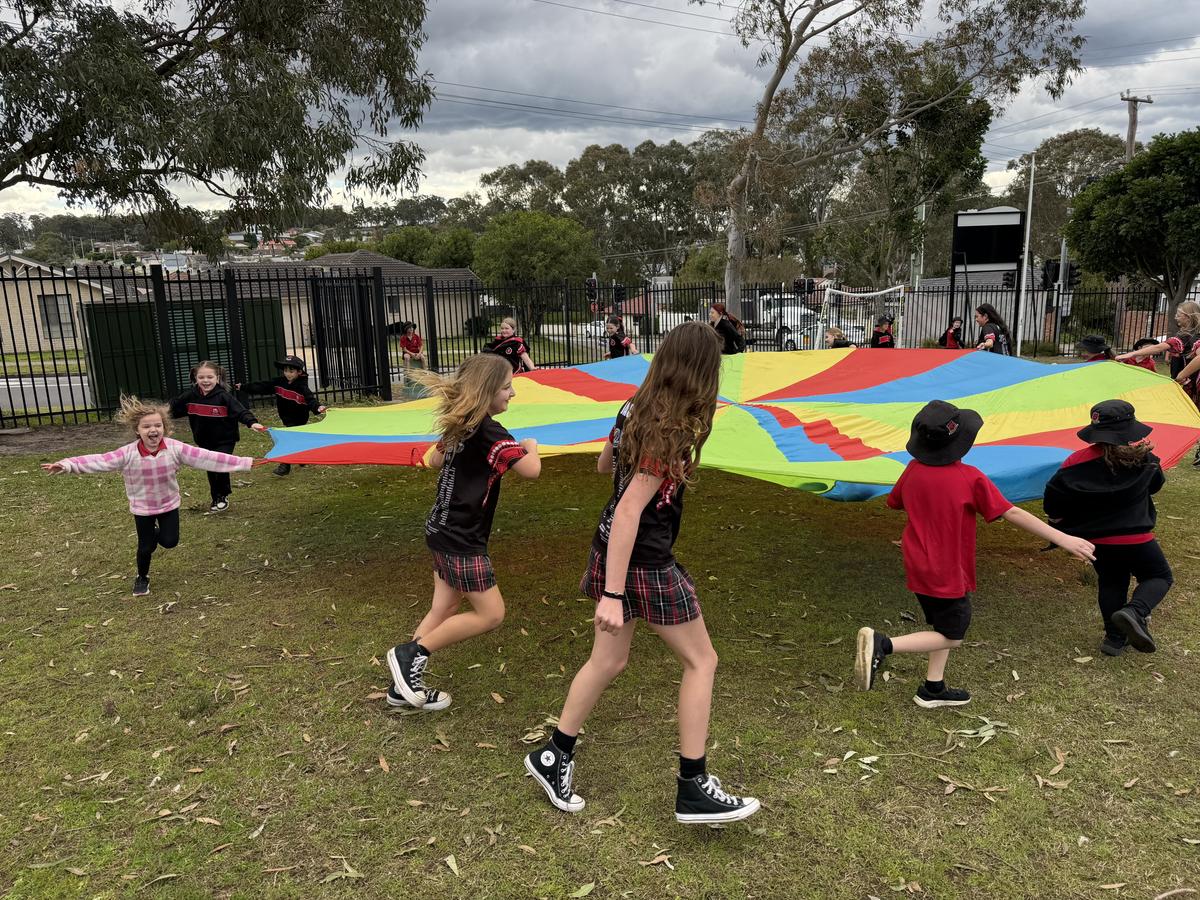
It was fantastic to see our Year 5 and 6 students step up as role models during our first SPARK session this week. The senior students took the lead, showed initiative and supported our K–2 students as they participated in the Structured Play Activities with Role-model Kids (SPARK).
They encouraged the younger students, helped explain activities and made sure everyone felt included and supported. It was wonderful to see our senior students demonstrating leadership, responsibility and kindness while helping our younger students build confidence and enjoy play.
A reminder to all students to please bring a hat to school so they can safely participate in SPARK activities.
Latest SEL Learning: Building Regulation Skills
Our latest Social and Emotional Learning (SEL) lessons are helping students develop an important skill for wellbeing and learning: recognising what is happening in their bodies and minds before emotions become overwhelming and choosing strategies that help them return to effective control.
Recognising the Early Warning Signs
In our current learning sequence, students are exploring the Regulation Ladder. This visual model helps students understand that regulation can shift gradually, from feeling calm and connected, through rising frustration, worry or overwhelm, to dysregulation such as shutting down or becoming highly reactive.
Students are learning that regulation starts before dysregulation. Rather than waiting until emotions feel overwhelming, we are encouraging students to notice their early warning signs and use small, proactive strategies to interrupt the escalation.
Students have been identifying physical, thinking and behavioural cues such as:
- a tight chest or shoulders
- faster breathing or heartbeat
- sweaty or shaky hands
- a warm face
- fidgeting or pacing
- negative or unhelpful thoughts
- a louder voice
- withdrawing or avoiding eye contact
- clenched fists or other signs of tension.
Through scenarios and partner activities, students consider where a particular cue might sit on the Regulation Ladder and what they could do at that point to help themselves.
Introducing Micro-Regulation
A key concept in these lessons is micro-regulation, small actions we can take early to prevent emotions from escalating further.
Students are developing their own personalised Early Warning System, identifying their early, middle and late cues and selecting three strategies they can use when they notice themselves beginning to climb the ladder.
Strategies might include:
- grounding by noticing five things they can see
- slow or extended breathing
- squeezing and releasing muscles
- taking a slow walk or getting a drink of water
- using helpful self-talk such as “I can pause” or “This will pass”
- asking a trusted adult for support.
This learning reinforces that there is no single strategy that works for everyone, every time. Effective regulation involves noticing, choosing, trying and reflecting.
What We're Learning Next
Next week, we will build on this learning by focusing on choosing and evaluating regulation strategies.
Students will explore the question:
Does the same regulation strategy work for every person and every situation?
They will practise noticing what is happening in their body, thoughts, feelings and actions, then choosing a strategy that matches what their brain and body need.
Students will use a simple four-step process:
Notice → Choose → Try → Reflect
For example, a student might notice that their shoulders are tense and they are thinking, “This is too hard.” They could choose to take three slow breaths and break the task into one smaller step. They will then consider whether the strategy helped them think more clearly and make a more effective choice.
Learning Through Challenge
Our collaborative regulation challenges, including Boom/Clap/Grab and Double This, Double That, provide opportunities for students to experience increasing levels of pressure and practise regulating in the moment.
These activities are deliberately designed to be engaging while giving students a safe opportunity to notice changes in their bodies, manage rising emotions, and adjust their responses when the challenge becomes more demanding.
How Families Can Support This Learning
Families can reinforce these skills through everyday conversations. When your child is calm, you might ask:
- “What does your body feel like when you are starting to get frustrated?”
- “What are some signs that tell you you're moving up your Regulation Ladder?”
- “Which strategy helps you most when you need to pause?”
- “How do you know when a strategy has worked?”
The goal is not to eliminate strong emotions. Instead, we want students to understand that emotions provide information, and noticing them early gives us more opportunities to make helpful, effective choices.
Attendance
Every Day Matters: Supporting Regular Attendance
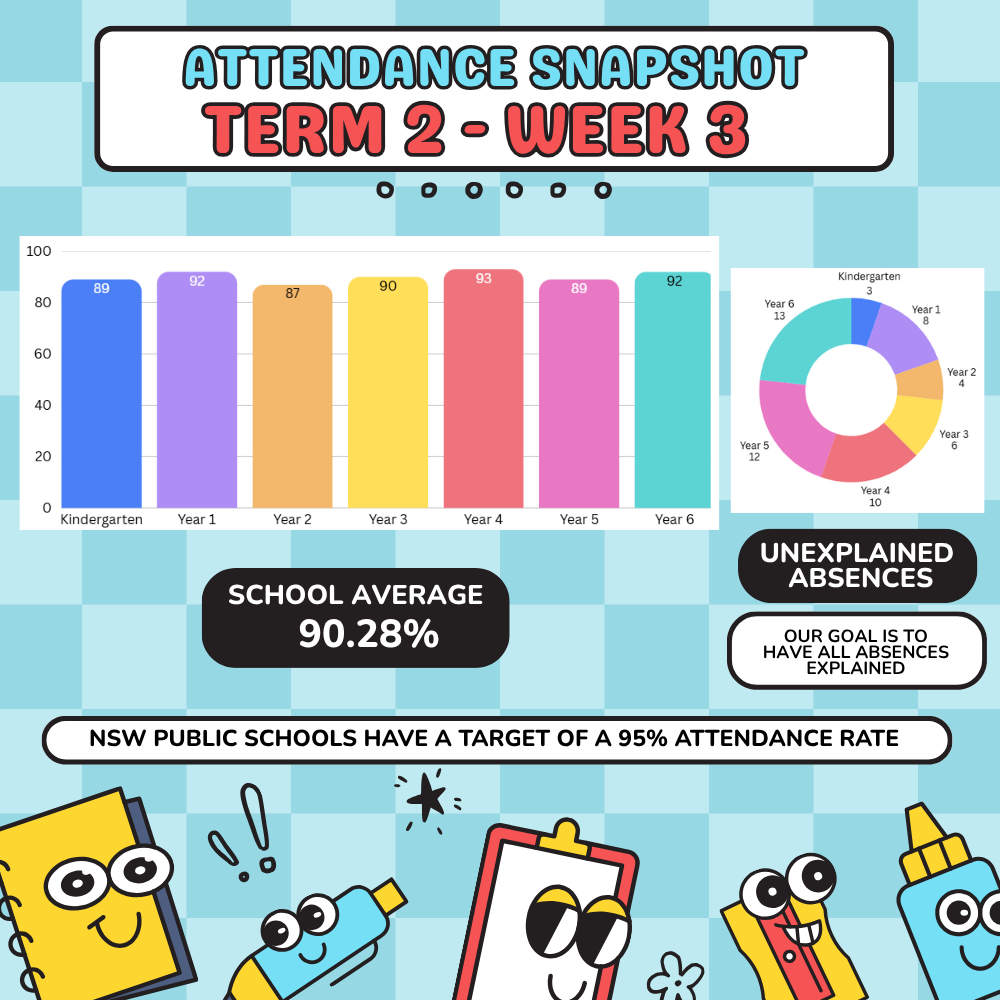
At our school, we know that every day of learning matters. Regular attendance supports students to build strong relationships, maintain a sense of belonging, stay engaged in learning and make steady progress across the school year. The NSW Department of Education reinforces that regular attendance is essential for students to maximise their potential and that supporting attendance is a shared responsibility between schools, students and families.
Our goal: 95% attendance or above
We are aiming for every student to achieve an attendance rate of 95% or above. The Department of Education's Attendance Matters framework identifies 95–100% attendance as the level where schools affirm and reinforce the importance of regular attendance.
An attendance rate of 95% means approximately 9 out of every 10 school days are attended, with absences kept to a minimum wherever possible. While illness and unavoidable circumstances will sometimes mean a student needs to be away, attending school regularly gives students the best opportunity to participate fully in learning, friendships and school life.
Premier's Spelling Bee
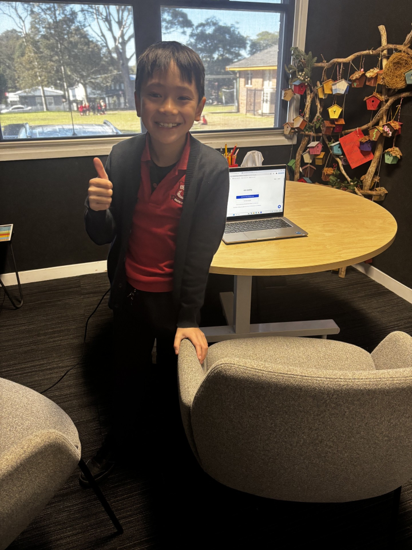
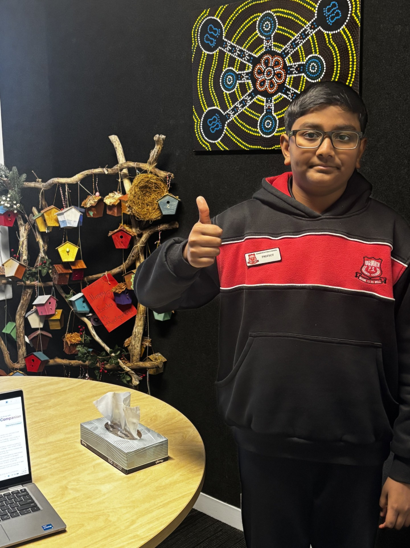
On the 4th of August 2026, Pat P from Stage 2 and Mihan P from Stage 3 represented Edgeworth Public School in the Regional Finals of the Premier’s Spelling Bee.
Pat made it all the way to round 4, and, out of a group of 35 students, finished in the top 10. He was eliminated on the word ‘euphemism.’ Although the finals were classified as regional, the contestants came from all across the state with the winner of the Stage 2 finals coming from another local school, Wallsend South.
Mihan was eliminated in round 2 on the word ‘luxuriate.’ He finished in the top 20 students in the region. For those students who remember our School Senior Spelling Bee, the word ‘thief’ came up again in round one, and just like it did at our school, it eliminated another student - proving once and for all that the ‘i before e’ rule is one to beware.
At Edgeworth Public School, we are incredibly proud of Pat and Mihan for their amazing efforts and success in the 2026 Premier’s Spelling Bee. Congratulations boys! Thank you for representing us so well.