
1. Network & Industry

The conversations we're having…

🏃🏻♂️➡️Rebrand rollout gathers momentum - Network & Industry
🎯Mastering a shifting market - Aaron Shiner's masterclass - L & D
🌊34 offices preparing for Wave One of the rebrand - Network & Industry
📰First National stays in the headlines as members show leadership - Media & Marketing
✨Rural Muster brings network together, raises $25,000 - Network & Industry
🔎Search has changed but the main game hasn't - AI
🏡Check your rental application forms - Network & Industry
📋Finally a FREE industry job board - Network & Industry
👀Is your vendor spying on you? - Network & Industry
📚NEW AML/CTF training available on demand - L & D
🏎️Maureen rides again in Shitbox Rally - Community
💸Another estate agency nearly loses $1.2 million of client's money - L & D
🫂Property management at its most human – Community
AU: Rebrand rollout gathers momentum
👓 3 minute read

Our rebrand is moving from planning into delivery, with the first group of offices now preparing to make the transition. If you've told us you'd prefer 2027, we've got that recorded, and we'll come back to you soon with what your transition timeline will look like.
Brand assets and templates are released office by office, once a kick-off is done and a launch date is set. Until your own window opens, don't order new signage, stationery or printed material in the new brand, and don't have anyone create brand assets for you, including anything generated with AI.
Two weeks ago, we confirmed the offices included in Wave 1.
These 34 offices begin their onboarding in September, with launches scheduled from October through December 2026. The timetable has been carefully staggered so offices do not transition on top of one another and each receives proper support.
Before Wave 1 begins, 15 pilot offices are being onboarded to test the process in practice. What we learn will be built back into the guides, templates, and supplier briefings used for Waves 1 and 2. This will give members a clearer, more reliable pathway when their turn comes.
For Wave 1 offices, the process begins with a kick-off meeting to:
Review where the existing brand appears across the office, client channels, and materials
Confirm suppliers, priorities, and the timing that suits the business
Agree on a launch date
Introduce the new brand system and how it applies across each channel
Brief suppliers and confirm what they need before work begins
Erin Halliday, our Project Manager, will contact each Wave 1 office by mid-August to arrange its kick-off meeting.
There is nothing Wave 1 offices need to do before then.
Members who would like to prepare can complete the Rebrand Readiness Audit on the Brand Hub. It provides a practical checklist of what will need updating and will help make the first meeting more productive.
This is an important next step for the network. Our pilot offices are helping us refine the process (thank you), Wave 1 is preparing to move, and the foundations are being laid for a considered rollout that gives every office the attention it needs.
Let’s not have any sneaky starts
The brand is only ever worth what its weakest application looks like, so every office that does this properly makes yours worth more. Make sure your team knows that. If you've got something that can't wait, tell us, and we'll work it out.
If you haven't filled in the rollout survey yet, please do. It takes a couple of minutes, and it's the only way we can work out how many offices we can support in each window next year. Even ‘not for a while yet’ tells us something useful. You’ll find the survey on the Brand Hub here.
Your State Membership Manager (SMM) can talk it through if that's easier.
AU: Who is piloting the rebrand?
👓 1 minute read
Please join us in thanking the 15 members working hand in hand with the marketing team on the Rebrand Pilot programme.
FN Westwood (Werribee, VIC)
FN Hedland (Port Hedland, WA)
FN Cleveland (QLD)
FN Tamworth (NSW)
FN Karratha (WA)
FN O'Donoghues (Darwin, NT)
FN 101 Realty (Hoppers Crossing, VIC)
FN Bond Property Group (Angle Vale, SA)
FN Townsville (QLD)
FN Stanhope Gardens (NSW)
FN Bunbury (WA)
FN Infinity (Surrey Hills, VIC)
FN Stone & Associates (Heathmont, VIC)
FN Trafalgar (VIC)
FN Kellyville (NSW)
These offices are helping ensure that the thousands of templates for signboards, printers and myriad suppliers are perfected early in the process, so things run as smoothly as possible when your turn to rebrand arrives.
AU: Rural Muster brings network together
👓 2 minute read
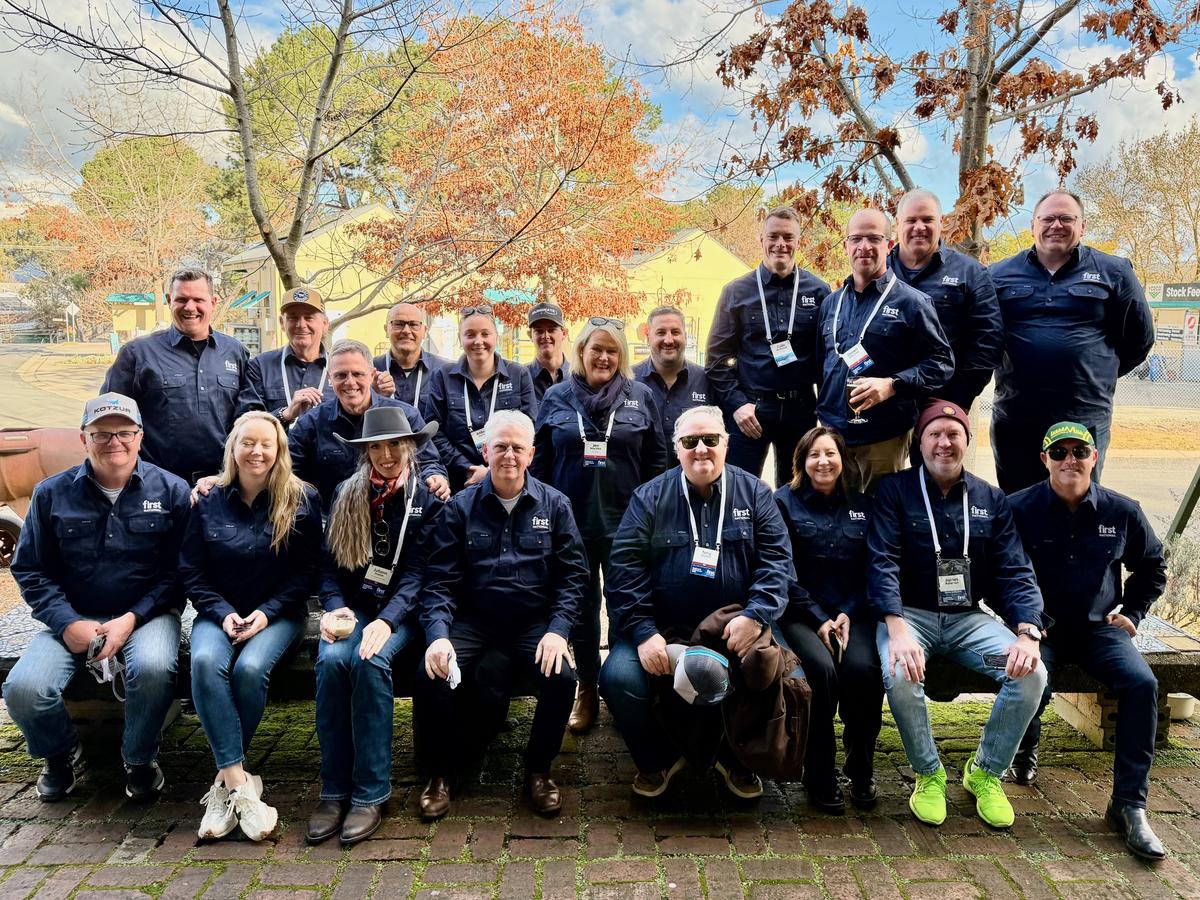
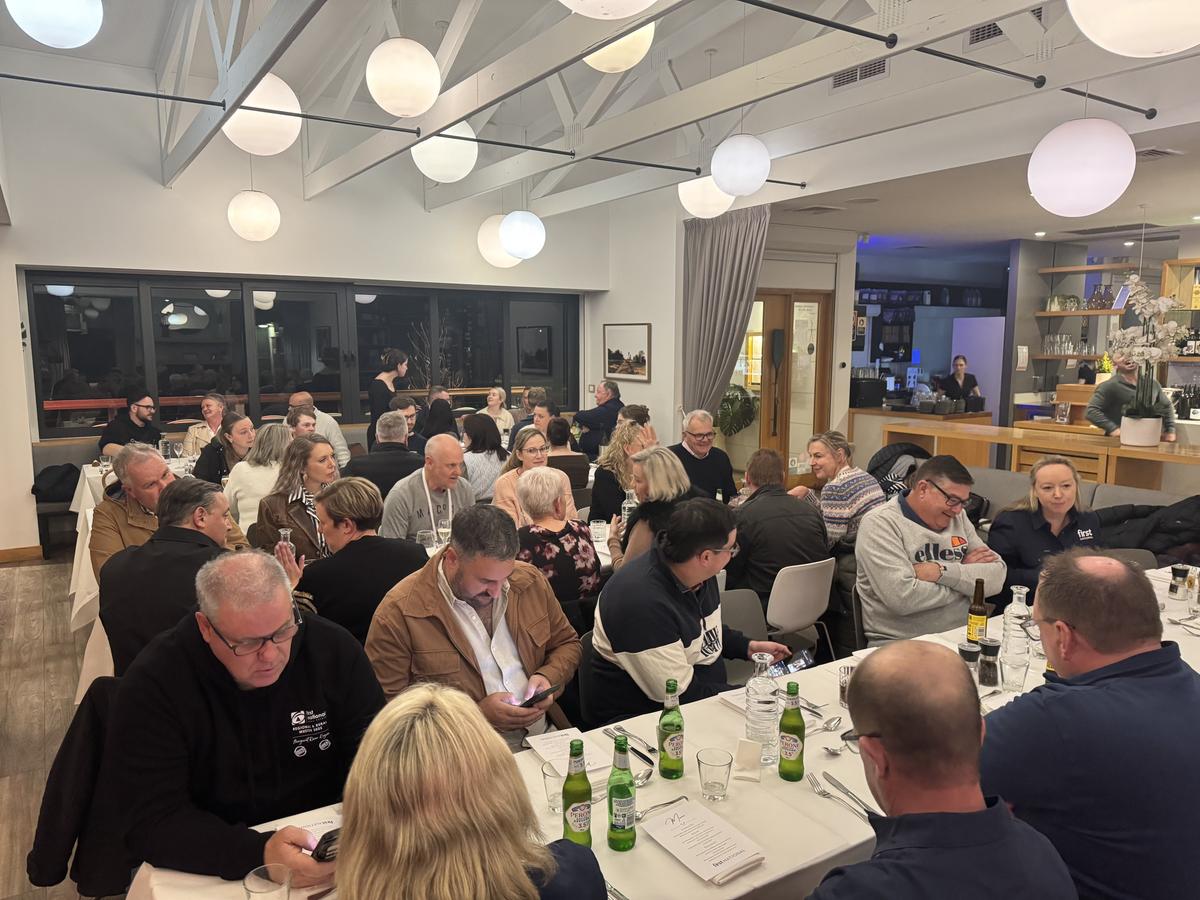
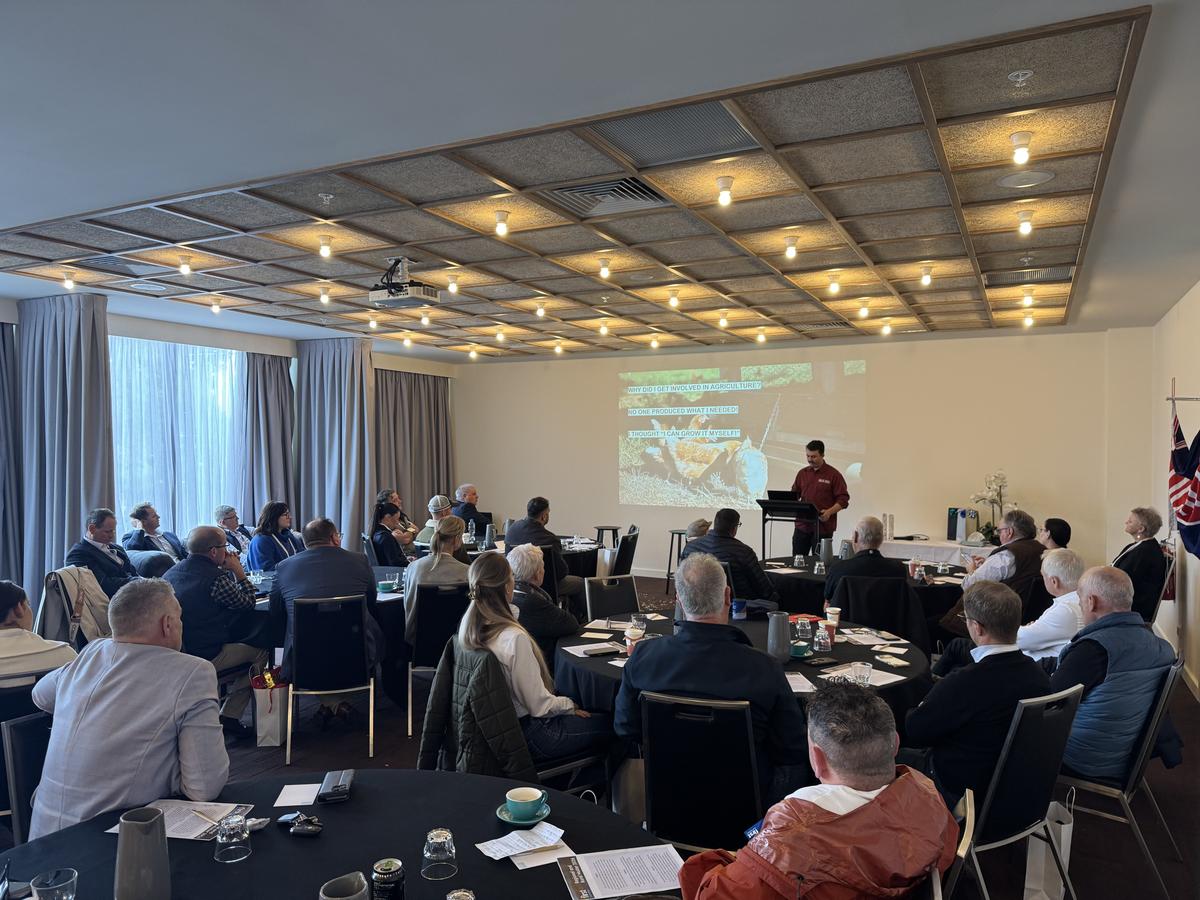
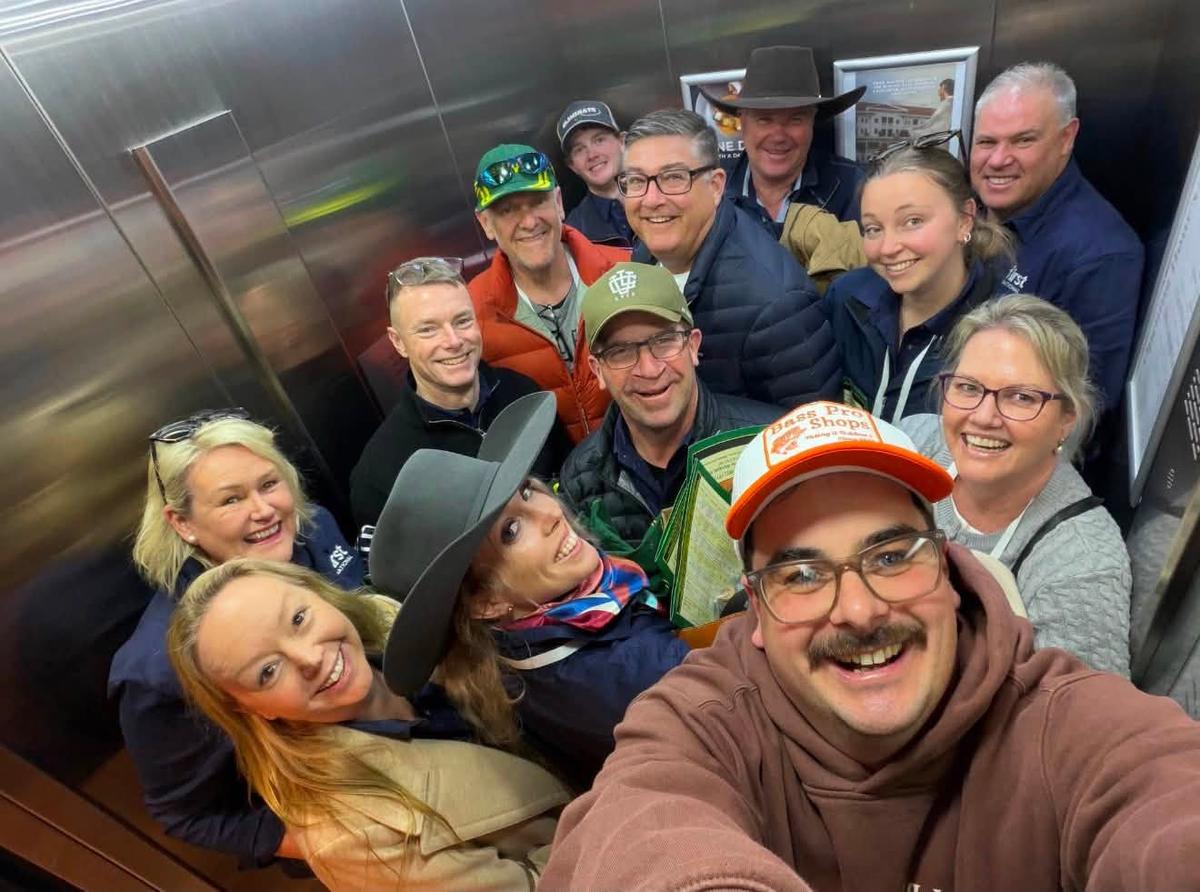

Members from across Australia gathered in Albury-Wodonga from 5 to 7 August for the 2026 Rural & Regional Muster.
The event explored innovation, business leadership, resilience and high performance, but much of the Muster’s value came from the conversations between members. Delegates openly shared local market knowledge, practical ideas and experiences that could help others strengthen their rural and regional businesses.
The Rural Muster Cup, charity auction and race call raised more than $25,000 for Yes Unlimited and Rise Up. Thank you to everyone who donated, bid and supported the evening.
Rural Chapter Chair Rohan Ibbs said it had been a privilege to chair his first Muster.
‘One of the highlights each year is catching up with friends and colleagues from across our Rural network. The friendships, knowledge and support shared by members are what make this event so valuable.’
Rohan also thanked Will, Penny and Maddie Bonnici (FN Bonnici & Associates) for hosting the Muster and showcasing the Albury-Wodonga region, along with Suzi and James from the National Support Office (NSO) for coordinating the event.
The Muster concluded with a field day through north-east Victoria, giving members further time to learn about local producers and businesses – and continue the conversations that began during the conference.
The Rural & Regional Muster will return in Chinchilla in 2027.
AU: Check your rental application forms
👓 1 minute read

Consumer Affairs Victoria (CAV) has stepped up its monitoring of rental application forms after finding unlawful optional questions on the 2Apply platform.
Since 31 March 2026, Victorian rental providers and agents have been required to use the prescribed rental application form. Applicants can only be asked for information included in that form – generally what is needed to confirm their identity, assess their suitability and establish their capacity to pay the advertised rent.
2Apply has removed the questions identified by CAV. However, offices remain responsible for every application form they use, including saved templates, linked forms and other third-party platforms.
Property managers should now:
Check every application form and online application link
Remove optional or supplementary questions not included in the prescribed form
Stop requesting information through follow-up emails, calls or separate questionnaires
Make sure staff and rental providers understand the limits
Use the Consumer Affairs Victoria form as the reference point
Maximum penalties for requesting information outside the prescribed form exceed $62,700 for companies and $12,500 for individuals. CAV has made clear that further enforcement action may follow where unlawful questions remain.
AU: A free industry job board
👓 2 minute read

Elite Agent has launched a dedicated employment platform for the real estate industry, allowing agencies to advertise roles free of charge.
Unlike general employment sites, the new job board reaches an audience already engaged with real estate. This gives employers direct access to agents, property managers, leaders, marketers, and industry operators who may bring relevant knowledge and experience to the role.
The platform also avoids two common frustrations with major recruitment sites – rising advertising costs and employer review sections where comments from former employees can affect how candidates perceive an agency before making contact.
Posting is straightforward. Employers sign in, enter the role details, and can use an AI tool to help prepare the advertisement. Listings are reviewed before going live and become searchable by Elite Agent’s industry audience. Optional paid upgrades are available for greater prominence, newsletter exposure or managed placement, but a standard listing is free.
For offices recruiting now or building a future talent pipeline, this provides a practical new channel alongside existing referral, social media and employment platform activity.
Post a role free with Elite Agent Jobs
AU/NZ: Is your vendor spying on you and your buyers?
👓 5 minute read

A recent US survey found 56% of sellers kept recording devices active during open homes
A recent US survey found 56% of sellers kept recording devices active during open homes
Security cameras and smart doorbells are now common in Australian and New Zealand homes. Some remain active during inspections and open homes, which means buyers and agents may be recorded without realising it.
A recent US survey found 56% of sellers kept recording devices active during open homes. Some reviewed the footage to assess buyer interest or gather information for negotiations. The same survey found active recording could discourage buyers from making an offer.
The figures are American, so they should not be treated as evidence of Australian behaviour. The practical risk, however, applies here.
For Aussie & Kiwi agents, there are three concerns:
A camera may record private conversations unlawfully, particularly when its owner is not present
Using or sharing footage may be unlawful even if the original recording was permitted
Buyers may lose trust in the campaign if surveillance is concealed or used to gain a negotiating advantage
The safest approach is simple: identify every recording device before the campaign, turn off audio during inspections, and disclose any video surveillance that remains active.
What agents should do
Before the first inspection:
Ask the vendor to identify all cameras, doorbells, microphones, smart speakers and security systems
Confirm whether each device records video, audio or both
Recommend that audio recording be disabled during every inspection and open home
Record the vendor’s instructions and the agreed arrangements in writing
Place clear signage at the entrance if video surveillance remains active
Tell prospective buyers before they enter
Confirm who can access the footage, how long it is retained and when it will be deleted
Do not request, watch or use footage to assess buyer interest, budget or negotiating position without legal advice
Brief staff to discuss buyers and campaign matters away from the property
Make sure vendor reports accurately reflect what happened at the inspection
Buyers’ agents should assume security devices may be active. Discussions about budget, finance, deadlines, negotiating strategy or enthusiasm for the property should wait until clients are well away from it.
The rules across Australia
This is a practical overview as at 10 August 2026. It is not legal advice. Terms such as ‘private conversation’, ‘private activity’, ‘consent’ and ‘lawful interests’ have specific legal meanings.
NSW
Recording a private conversation is prohibited when the person operating the device is not part of it. A party to the conversation needs the consent of all parties. Restrictions also apply to possessing, communicating, or publishing unlawfully obtained material. An absent vendor should not leave audio recording active during an open home.
VIC
A person cannot use a listening device to record a private conversation to which they are not a party. Recording a private activity with an optical device requires the permission of each party. Turn off audio and disclose any active cameras.
QLD
A listening device cannot be used to record a private conversation by someone who is not a party to it. A participant may record the conversation, but separate restrictions apply to communicating or publishing it. Queensland’s legislation does not provide the same general regulation of visual surveillance, but other privacy and criminal laws apply.
WA
The rules are particularly strict. Listening devices cannot generally be used to record private conversations, and optical devices cannot generally record private activities, whether or not the operator is participating, unless a statutory exception applies. Consent requirements and restrictions on sharing also apply. Audio should be disabled and legal advice obtained before recording any inspection.
SA
Private conversations and private activities are regulated. Consent or a specific exception is required. Exceptions concerning lawful interests or protection of premises are narrow and should not be treated as permission to monitor buyers for negotiating information. Turn off audio and disclose any video recording.
TAS
A person cannot use a listening device to record a private conversation to which they are not a party. The Act also restricts communicating, publishing and possessing unlawfully obtained recordings. It does not establish the same general regime for optical surveillance. An absent vendor should not record audio.
ACT
The ACT prohibits recording a private conversation whether or not the operator is a party, unless consent or a limited exception applies. Communication, publication, and possession are also regulated. Audio should be disabled unless proper consent and legal authority have been confirmed.
NT
A person cannot use a listening or optical surveillance device to record a private conversation or private activity to which they are not a party without the required consent. An absent vendor should turn off audio and disclose active video surveillance.
The rules in Aotearoa/New Zealand
A person generally cannot intentionally intercept a private communication using a listening device. A participant may record a conversation they are part of without obtaining every other participant’s consent. However, an absent vendor is not a participant in buyers’ conversations during an open home. Leaving a device recording those conversations may therefore be unlawful. The maximum penalty for unlawful interception is two years’ imprisonment.
Video footage that identifies people is personal information. When an agency or business collects, receives or uses that footage, the Privacy Act 2020 applies. Collection must serve a lawful and necessary purpose. People should be told that recording is taking place, the footage must be kept secure, and its use and disclosure must remain consistent with the stated purpose.
A homeowner using cameras for personal or domestic security is often exempt from much of the Privacy Act. That exemption may not apply if the recording is highly offensive, and it does not override the Crimes Act.
The New Zealand Privacy Commissioner recommends that CCTV systems not record sound unless it is genuinely necessary. If sound is recorded, people must be told. Clear signage should also identify who operates the cameras and provide contact details.
Disclosure is good practice, but a sign at the door does not automatically make every form of recording lawful. If a vendor wants to retain audio, review footage, or provide it to the agency, the office should obtain legal advice before proceeding.