
Curriculum Corner

Today, we would like to take some time to explore a teaching strategy that is an integral part of our program here at St Anthony’s School. Daily Review is an approach our school has been implementing for the past few years. More recently, it has also become widely adopted across MACS Catholic Primary Schools, as well as many other primary schools throughout the country.
Daily Review is a teaching practice most commonly associated with Mathematics, however, it can be effectively used across the curriculum.
Let’s take a closer look at some insights from Ochre Education, a not-for-profit organisation that works closely with MACS to support the implementation of best practice in our classrooms. Each “shout out” section below features a quote from Ochre Education, followed by a brief unpacking to help bring the ideas to life!
The Daily Review is a ten to fifteen minute session at the start of a lesson where students practice skills and recall knowledge that they have previously mastered.
In Mathematics our sessions will mostly start with Daily Review, meaning our students know it is time to grab their mini white boards and markers and be ready to listen to the teacher!

Students progress through the Daily Review slide deck with their teacher at a steady pace, responding to different mathematical questions. Sometimes these questions may require students to call out their answers, hold up their hands to select an option or most commonly write answers on their mini whiteboard. We strive to use the same language in each of our classroom to assist with this including:
Chin it! This tells students it is time to show the teacher their answer on their boards.
Park it! This tells students to place their boards on their desks in front of them. This allows the teacher to review answers and explain any misconceptions as needed.
Bin it! Time to rub out your board and be prepared for the next question! Please see some examples of some questions you might find in a Daily Review deck below!

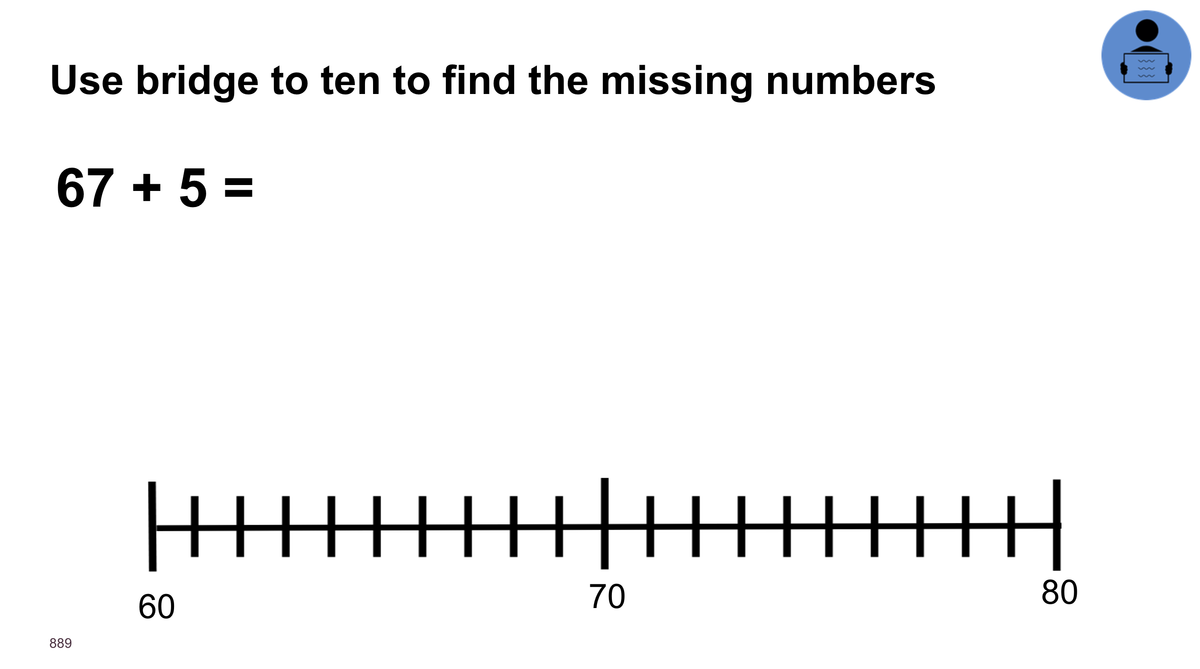
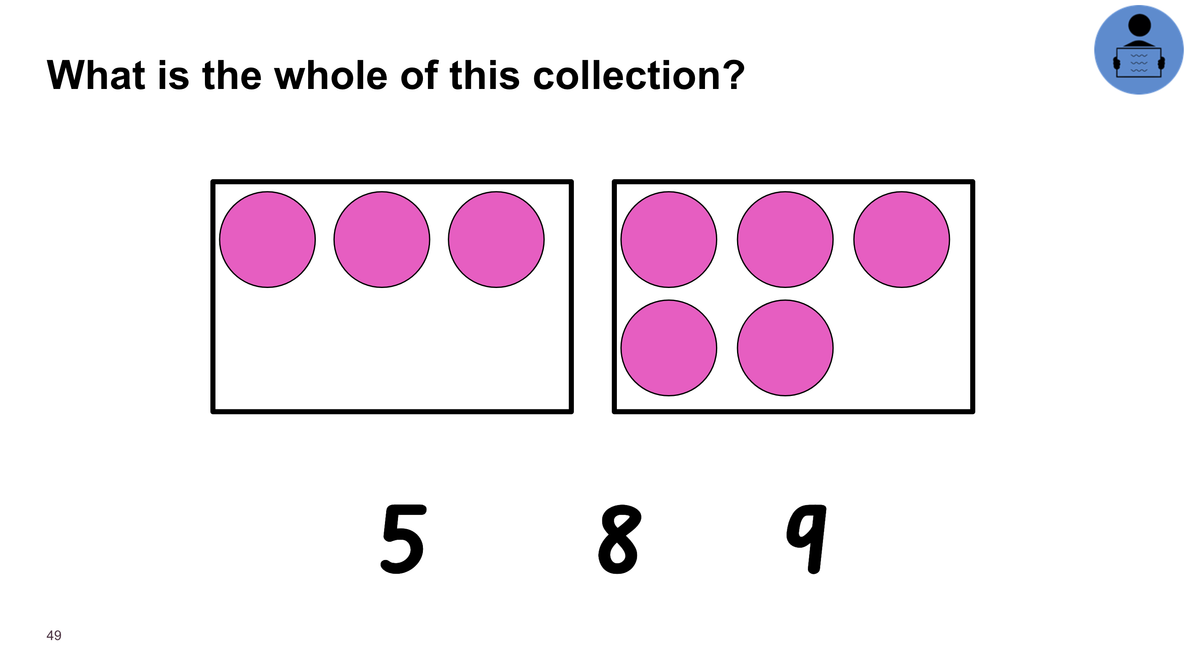
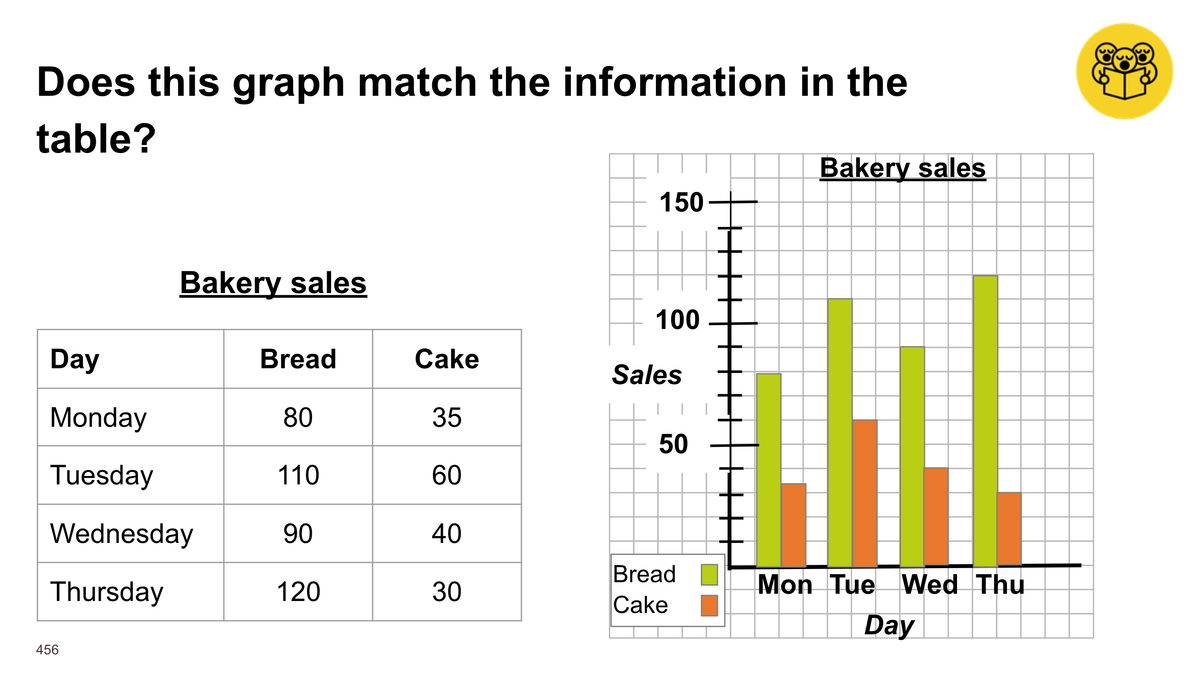
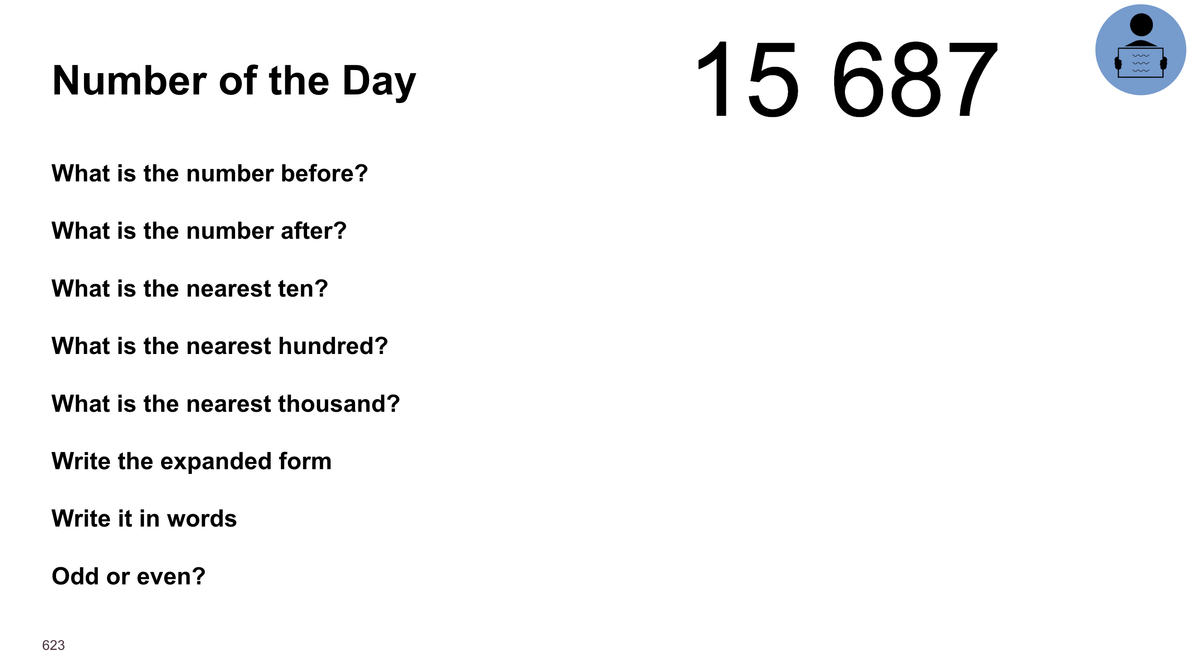

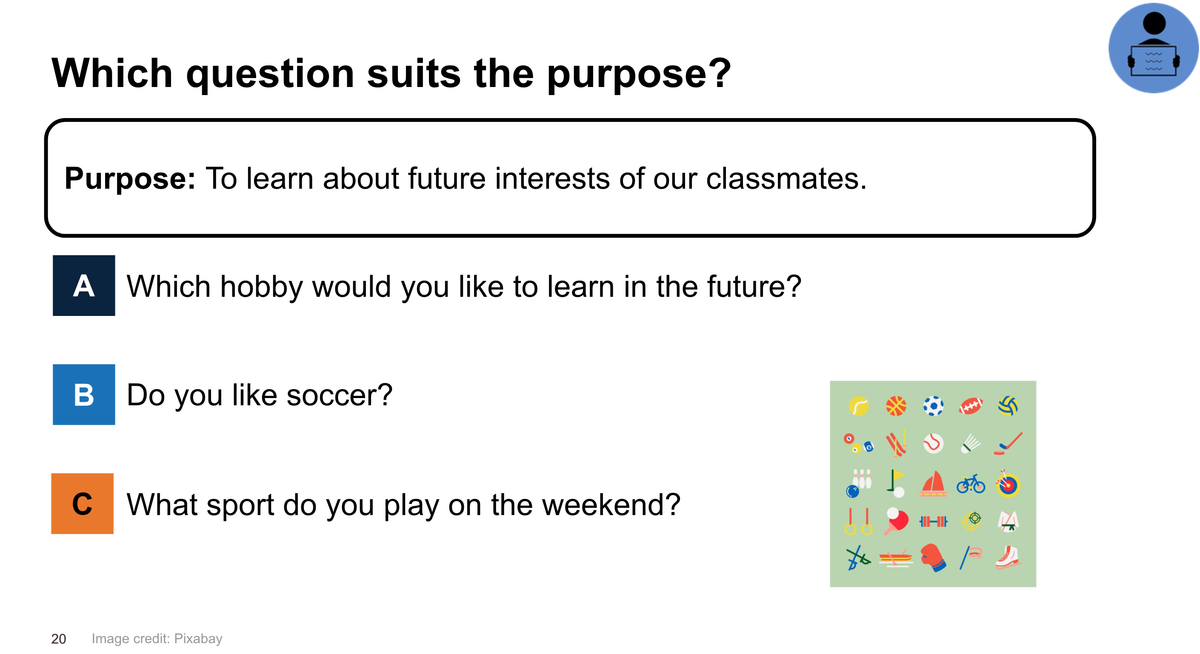
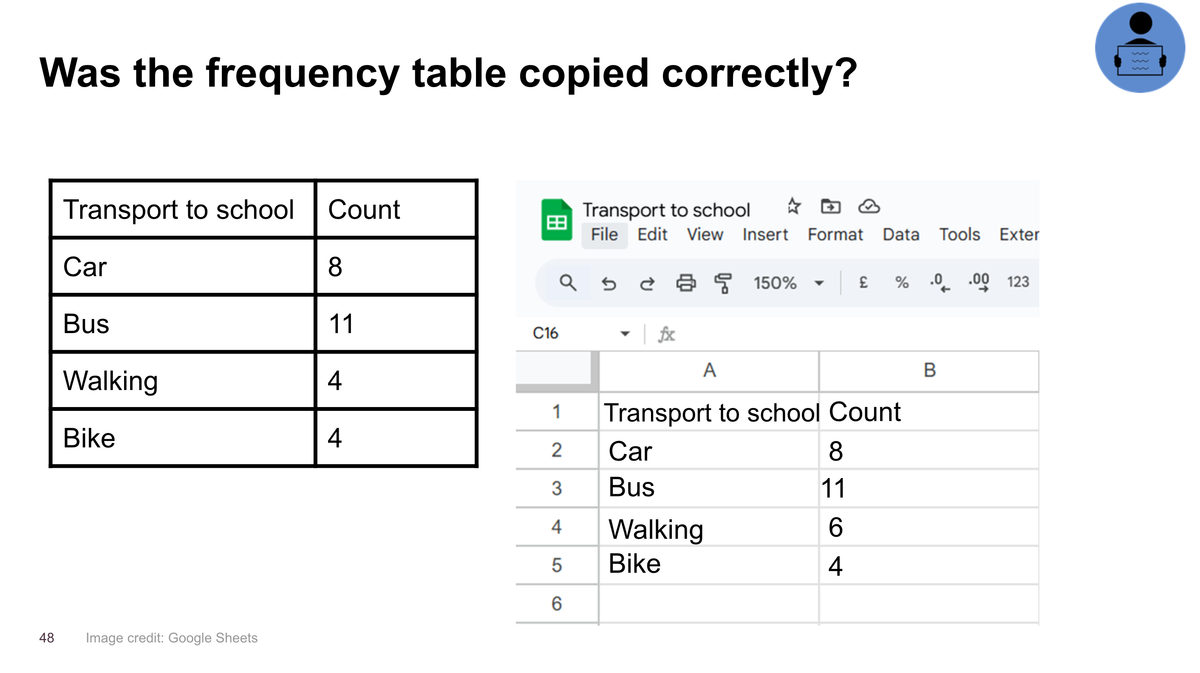
Daily Review can help to reduce cognitive load by transferring information from the working memory to the long term memory, which can be automatically recalled.
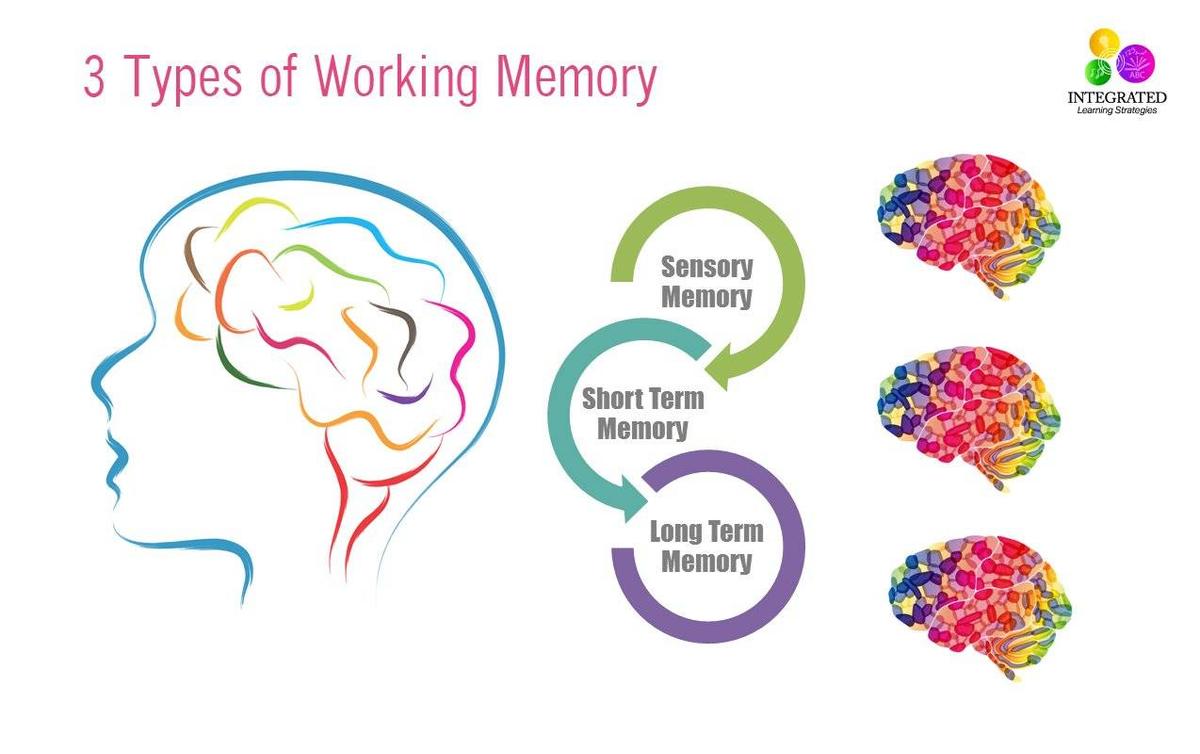
This is the part where it gets a bit technical! We understand what science tells us though about our brains and how we learn. Our Memory can be classified into three types, The Working or Sensory Memory, The Short Term Memory and The Long Term Memory.
Our working memory is the part of our brain that processes what is right in front of us. Your working memory is off to the races right now as you read these words and listen to what is in the room with you.
Our short term memory is as it sounds like, the things we have processed recently. We remember what we had for dinner last night, we remember what time we woke up this morning and for our students they can remember the things they have learnt at school over the last few days.
However, our long-term memory is the ultimate goal, as this is where our most strongly reinforced knowledge is stored. Information held here is easy to access and recall without much effort.
Think about how quickly you can remember your phone number, even though you may have learned it years ago, or how easily you recall the names of people you see every day. Personally, my long-term memory is filled with plenty of useless footy statistics!
Our aim is that the lessons our students learn make their way to their long term memory. This might not mean our students remember every single thing mentioned in the classroom, but the important strategies and facts are retained in the long term memory. This way our students don't need to strain to remember how to multiply numbers, the process is ingrained.
Access to the long term memory only occurs when we work at something over time, with lots of practice and reinforcement. Hence the Daily Review each day!
Our minds naturally tend to forget information over time. Daily Review serves as a reinforcement method. By regularly revisiting previously learnt material, students strengthen their connection and familiarity with the content.
Finally, our long term memory, as good as it is, is not perfect! While things stored there are nice and easy to access, they may not stay there forever!
Think about information that at one time you would have instantly remembered. Your street address when you were a child for example, or the storyline of a book you loved but read a long time ago. At one point this was definitely stored in your long term memory, but over time it may slip out!
One of the great things about Daily Review is it practices concepts all the way through a school year. For example, students may complete a really effective unit on time in term one, and be super confident reading clocks by the end of it. However will they be just as confident if asked a question about this in term four? Without practice, this information might slip away. This is at no fault of our students, it is just how our brains work!
One of the fantastic things of Daily Review is the spread of questions. On any given day a Daily Review will include questions on the different areas of mathematics, ensuring our students are practicing and reinforcing their understanding throughout the year.
As mentioned, this teaching strategy can also be used in English and other areas of learning. At this stage our students are very well practiced in the strategies of Daily Review and are absolutely seeing its benefits. We are finding our students are more confident, remember concepts for longer and are also kinder on themselves when they may make a small error!
We are so happy with how this strategy is going and will continue to implement this in each of our classrooms.
Ask your children what popped up on their Daily Review today!
Take care
Tim O'Mahoney
Curriculum Leader