Student News

Foundation - Grade 2 Maths
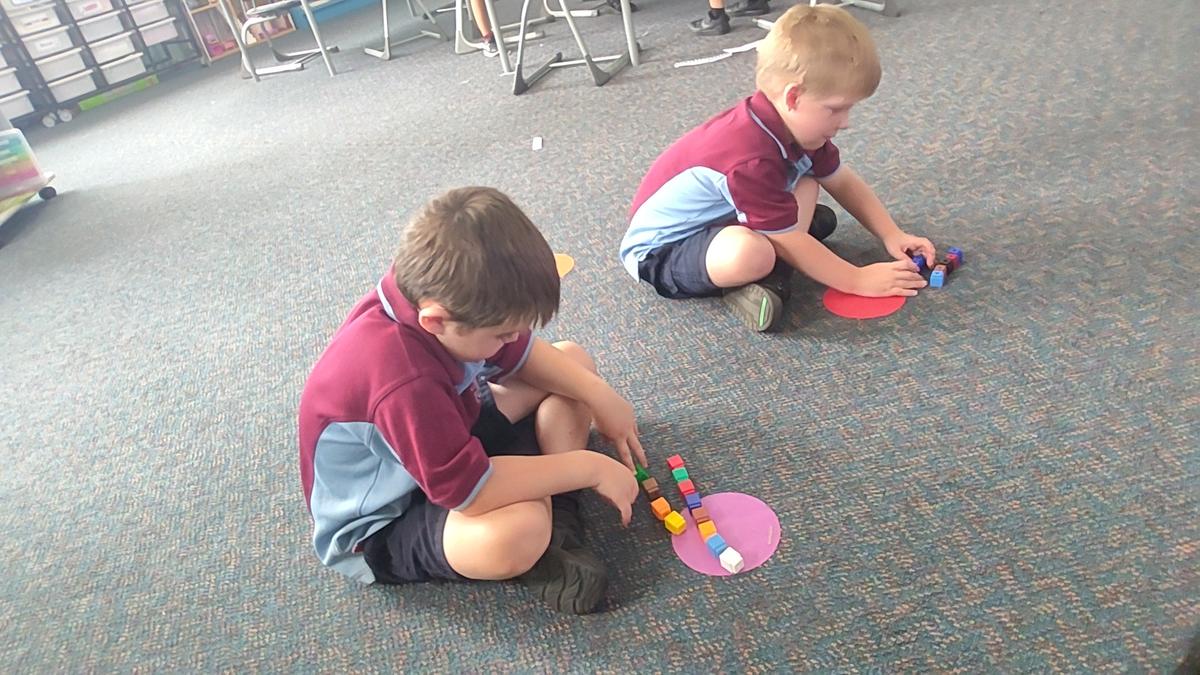
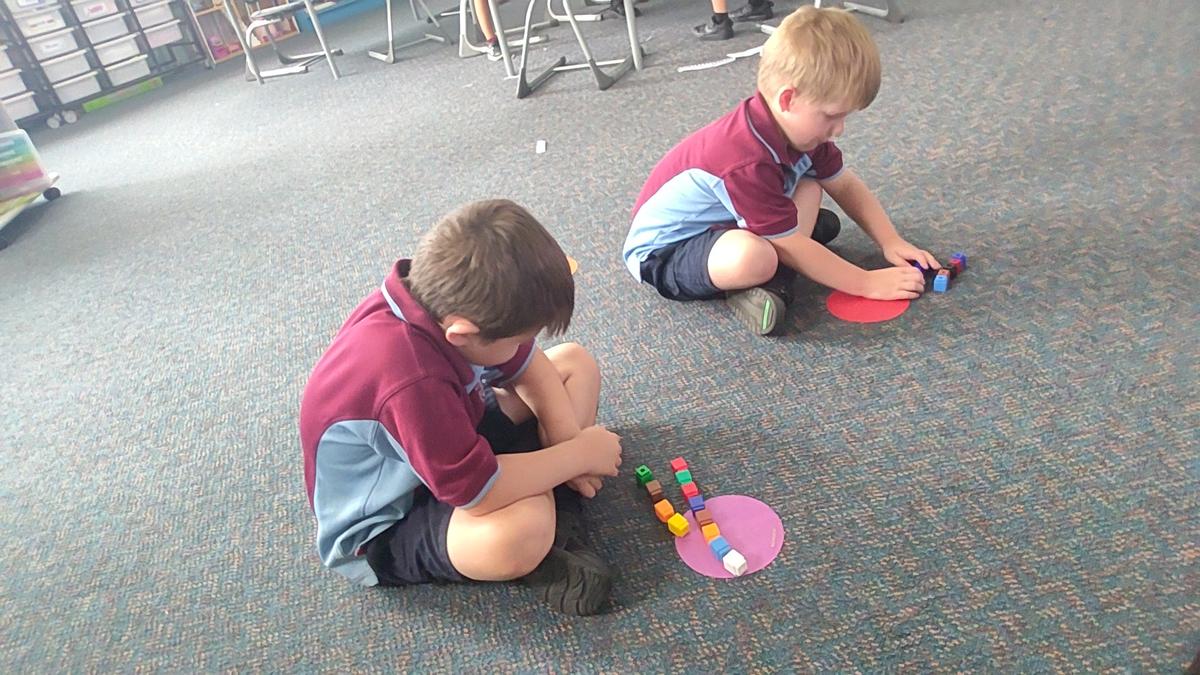
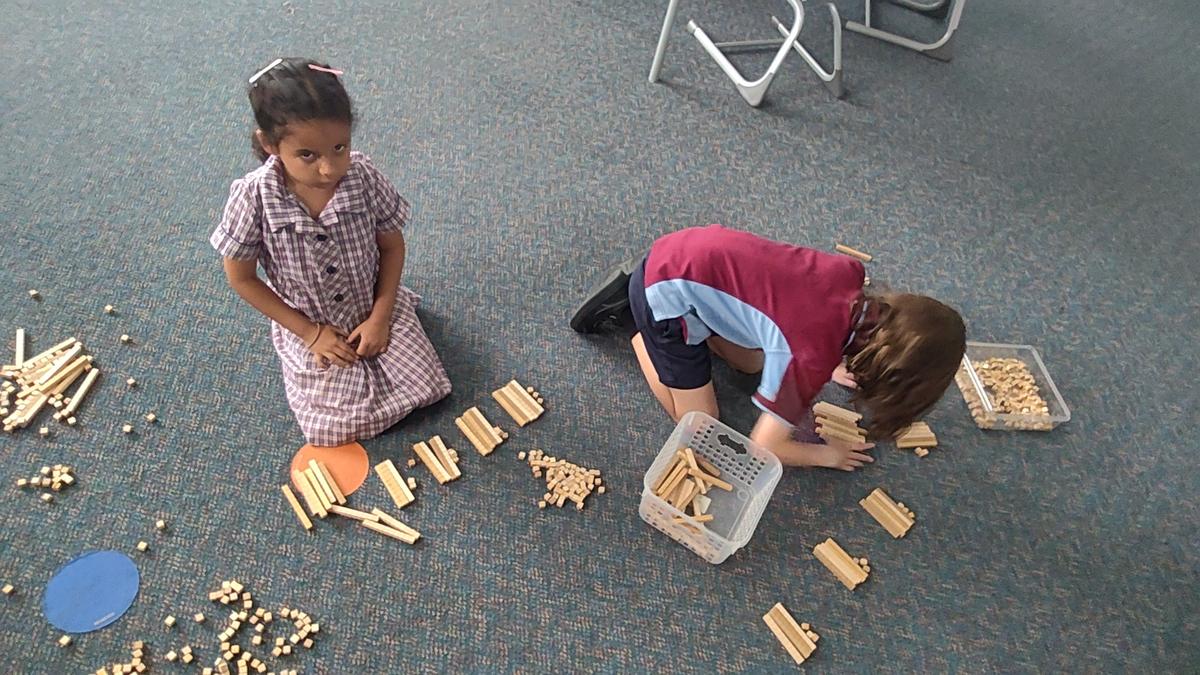
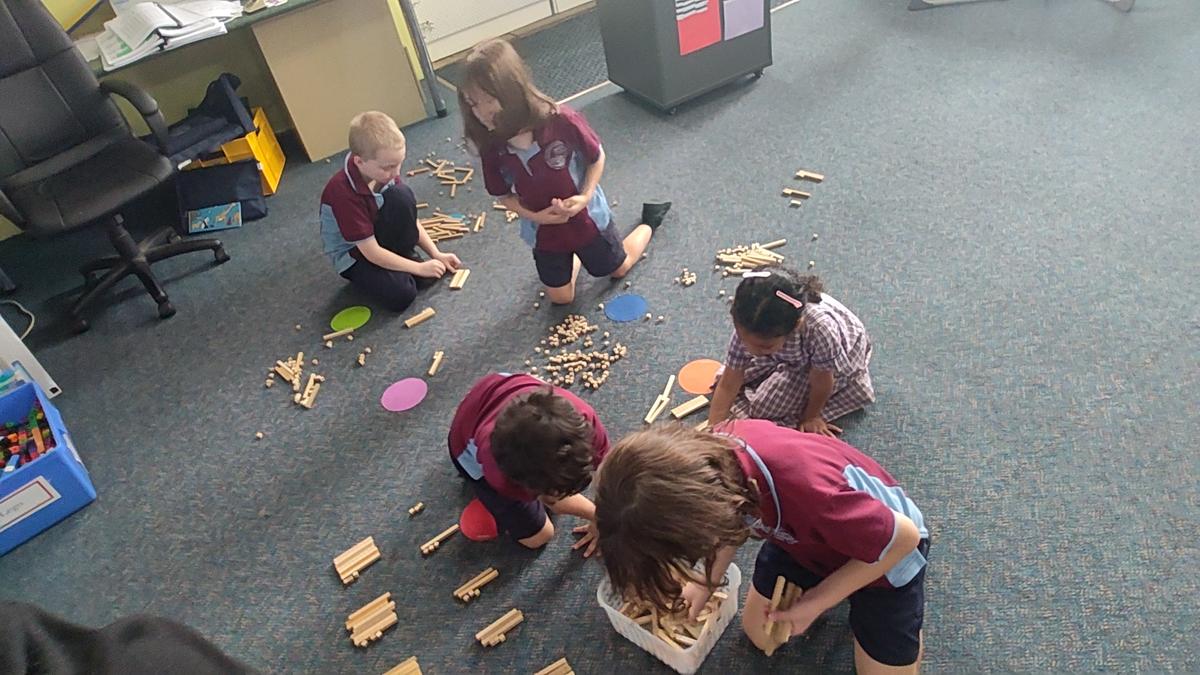
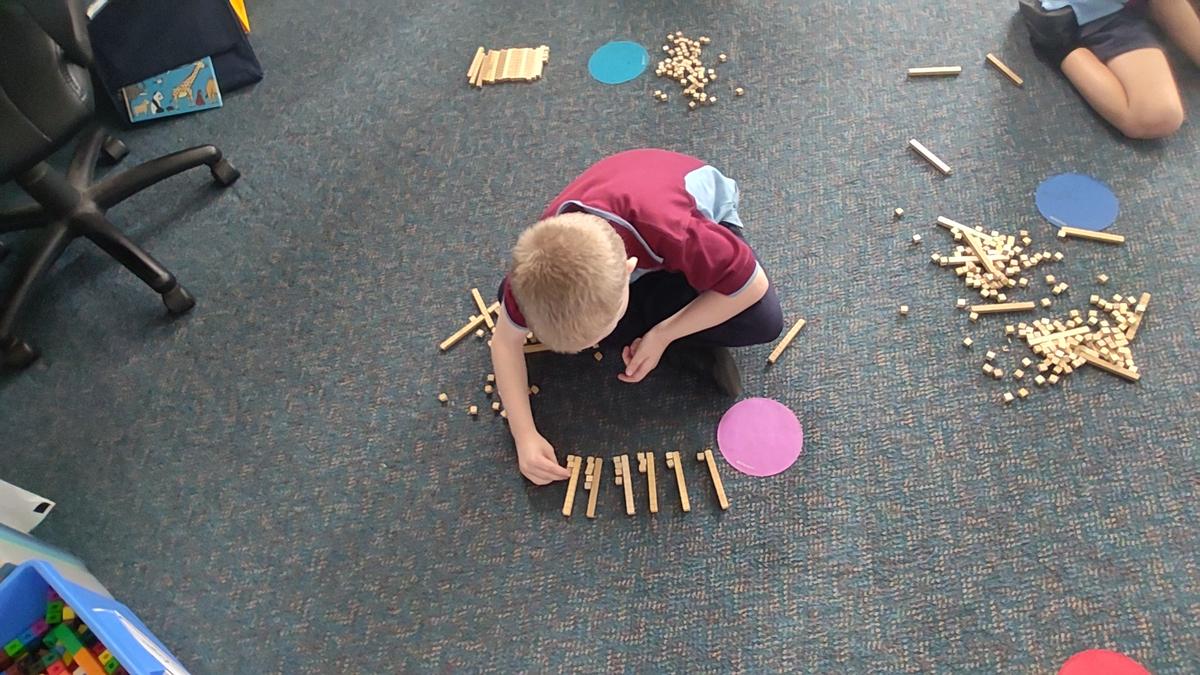
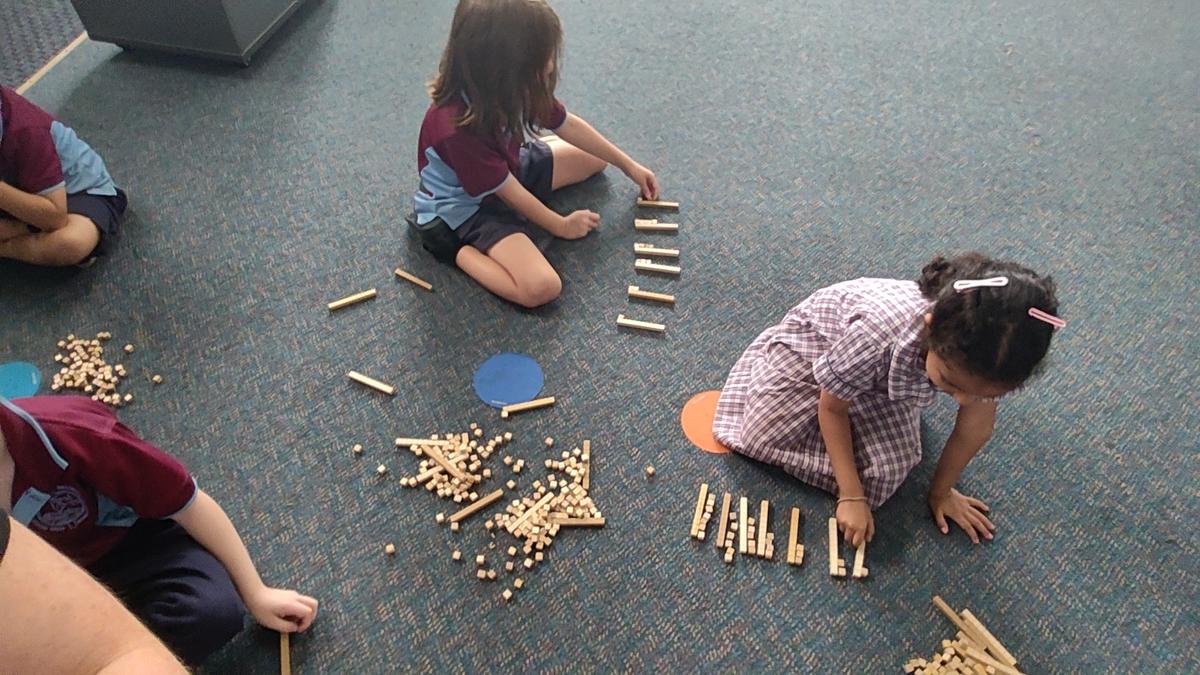
This fortnight in Foundation - Grade 2, students have been focusing on the unit of Counting and Place Value. The Grade 1 students have been learning all about numbers from 0 - 100. They looked closely at the 100 chart and identified the features, e.g. rows of ten, columns of ten, reading left to right then return sweep. Students used base ten blocks to demonstrate that the value of the number increases by one left to right across the row. Students expanded their knowledge by observing a column of the chart and then using base ten blocks to show the value of the number increases by ten from top to bottom down the columns.
The Foundation students have been learning how to compare collections of items. Students used the term 'more', 'less', 'equal to/same' when looking at their collections. They were able to identify which collection had more and less and which ones looked equal/sa
Year 3 Maths - Time
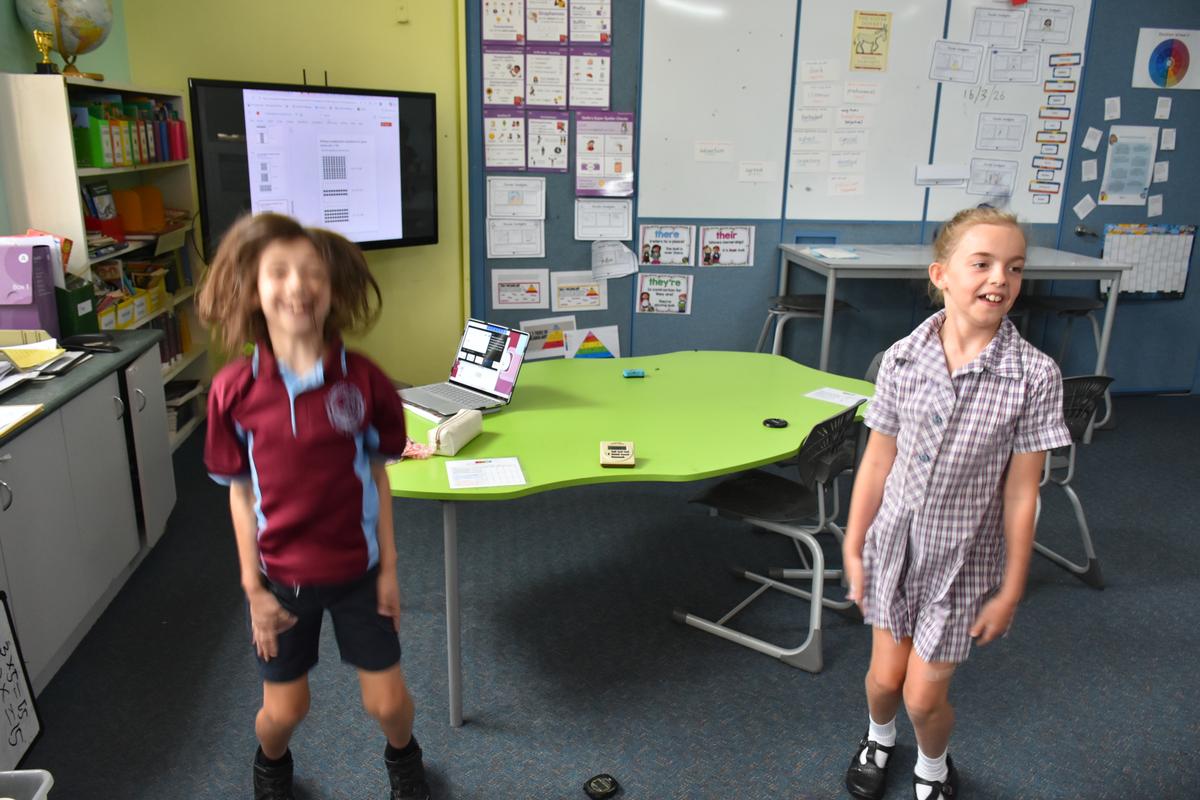
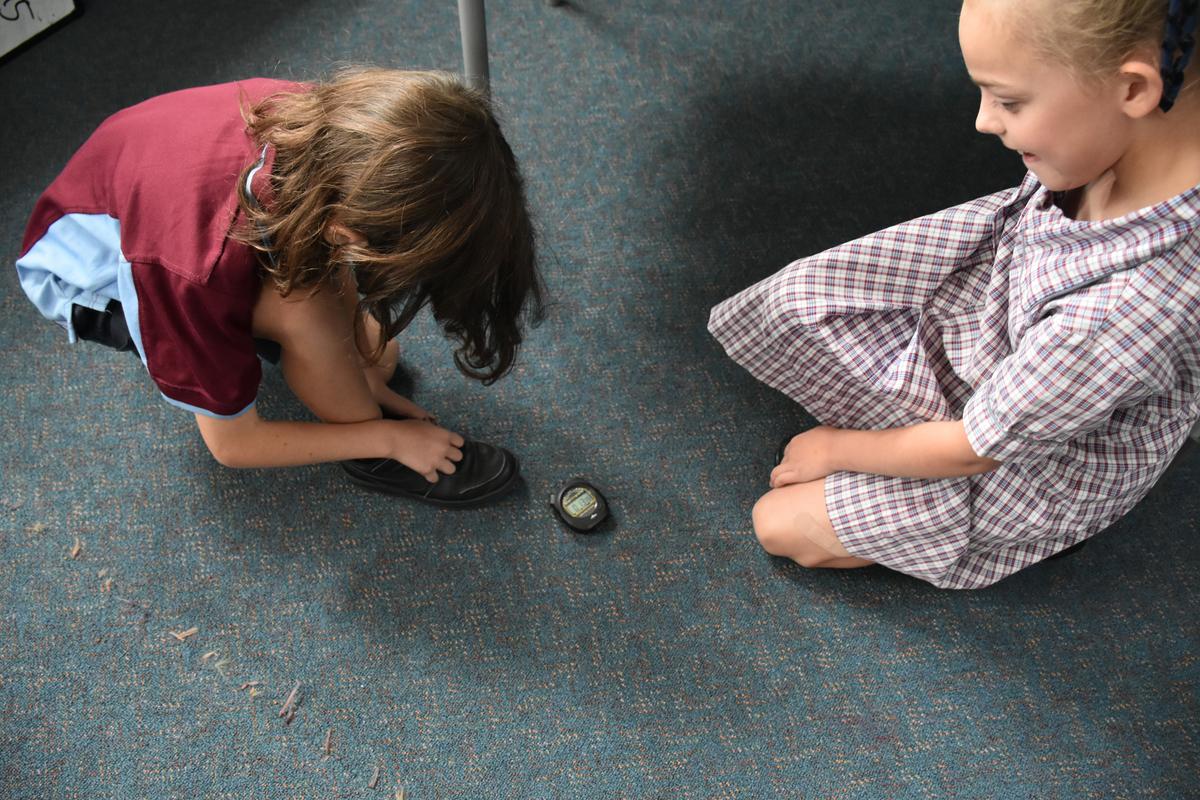
How long does it take to tie your shoe? How far away is Easter? How many star jumps can you do in 20 seconds? All of these things take time! Students have learnt to estimate the duration of events using seconds, minutes, hours and days. They also learnt to read and set time including hours, minutes, seconds - even hundredths of a second, on digital devices.
Year 5/6 - Operations
We are learning to use the order of operations in a spreadsheet. Spreadsheets are used for a range of reasons.Some people use them to keep track of their budget, plan family holidays or track their spending. They are also used by many businesses for processes such as storing data, calculating expenses and payroll. Spreadsheets are able to evaluate complex equations. We discovered that the most important thing to remember is to use the correct symbols when entering information into the spreadsheet, and to always begin each expression with the = sign.
| Operation | Keyboard button | Symbol |
| Groupings (brackets) | brackets | ( ) |
| Multiplication | asterisk | * |
| Division | forward slash | / |
| Addition | plus | + |
| Subtraction | minus | - |
| Exponents (power) | caret | ^ |
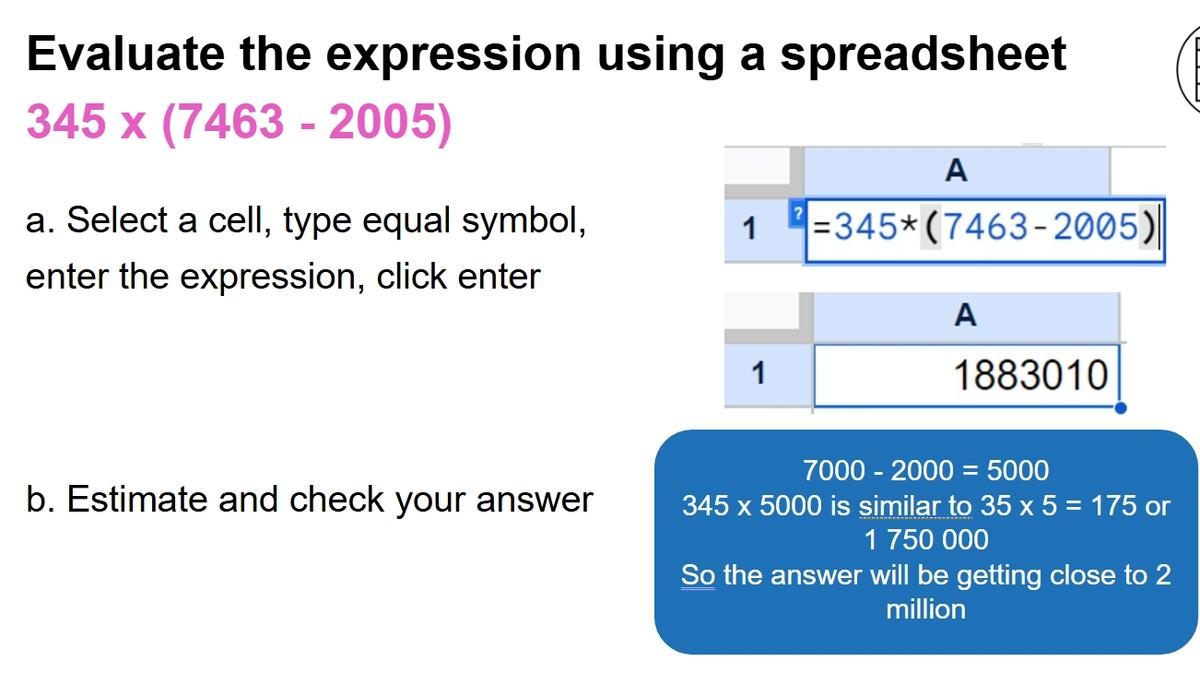
We will know if we have entered the data correctly by estimating and checking that the answer is reasonable. If it's not, we know that we need to go back and check the order of operations have been entered using the correct symbols. This was some cool, real life maths work!
Senior Science with Mr O
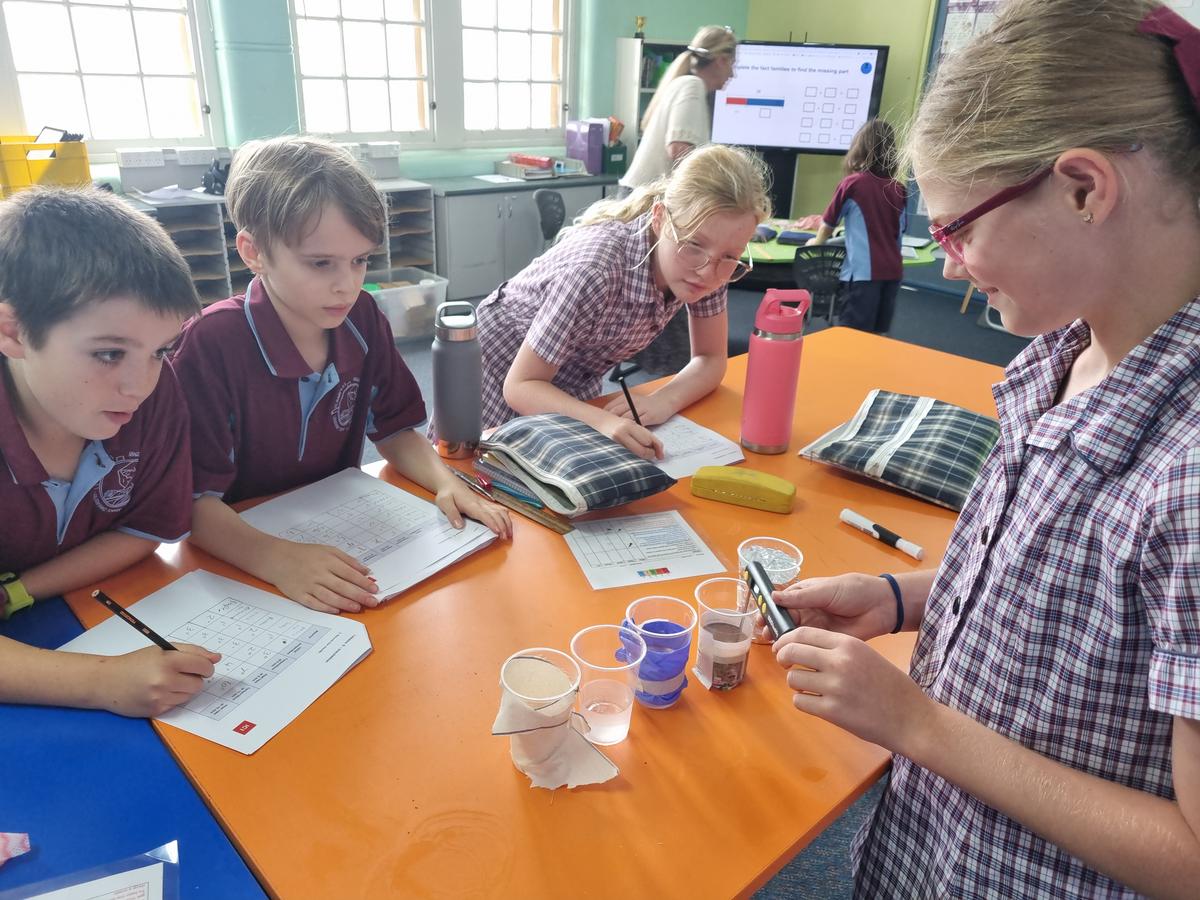
Our Senior Science students have been exploring the fascinating challenges of space travel, with a particular focus on how astronauts survive in such extreme environments. Students began by revisiting key questions such as: Why is space dangerous for humans? How do spacesuits protect astronauts? and Why is growing food important for long-term missions?
This week’s lesson focused on insulation and the important role it plays in protecting astronauts from extreme temperatures. Students learned that heat moves from warmer objects to cooler ones and that materials known as insulators help slow this transfer of heat, just like the layers in a winter coat or a lunchbox keeping food cool.
To bring this learning to life, students conducted a hands-on experiment. They tested a variety of materials to determine which provided the best insulation by measuring how well each material kept water cold over time. Before beginning, students made predictions and then carefully recorded and analysed their results after 5 and 15 minutes.
Through this investigation, students discovered that not all materials insulate equally and began to think like engineers, considering how spacesuits are designed using multiple layers of specialised materials to maintain safe body temperatures in space. They also explored how engineers test these materials under extreme conditions to ensure astronaut safety.
It was fantastic to see students engaged in scientific thinking: questioning, predicting, testing and analysing, as they connected real world science to the exciting context of space exploration.