NAPLAN
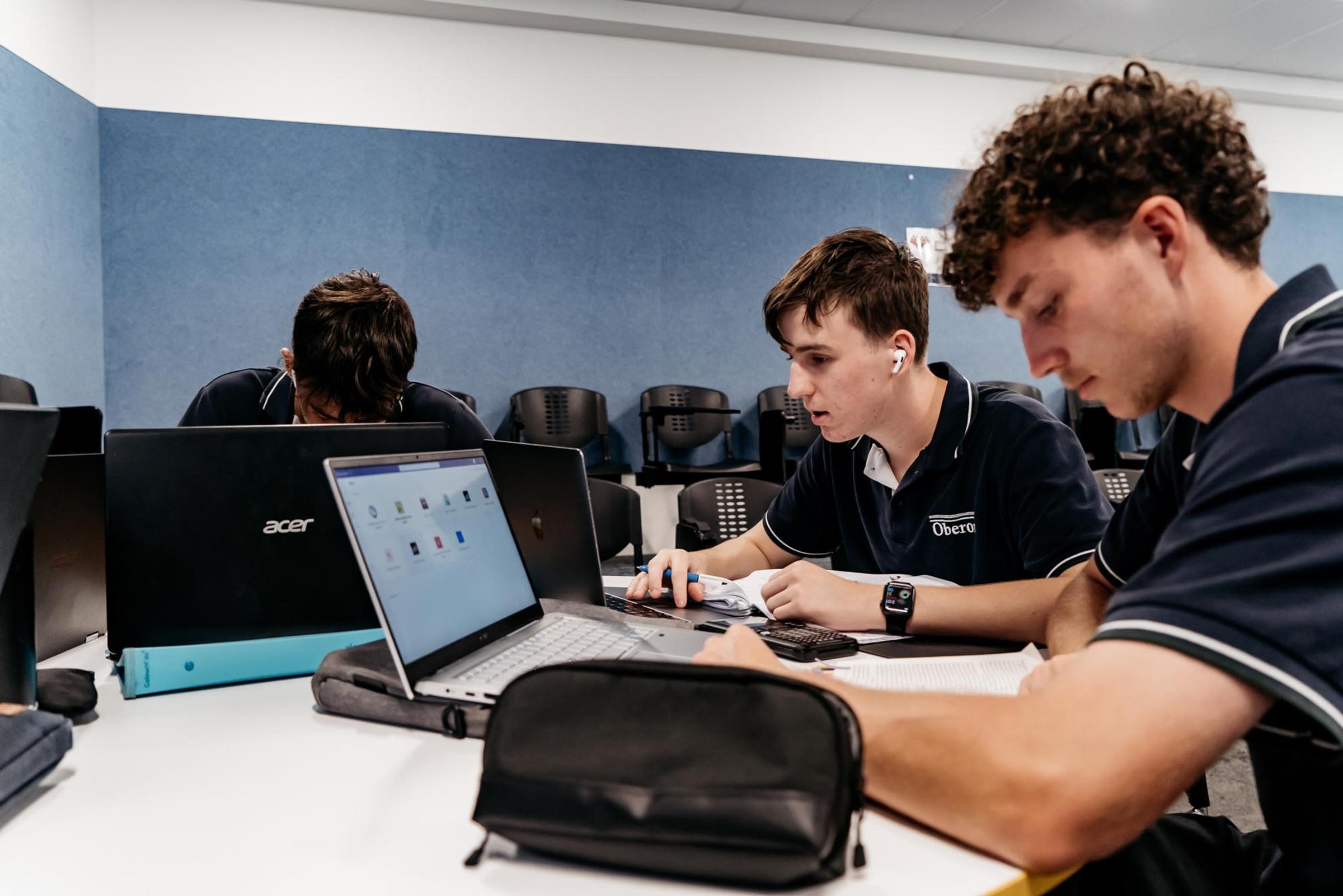
NAPLAN: Advice for Year 7 and 9 parents and families
KEY DATES: Wednesday 11th - Writing Thursday 12th - Reading Friday 13th – Conventions Monday 16th - Numeracy |
All Year 7 and 9 students will sit NAPLAN in the coming weeks (see specific dates above). While NAPLAN provides useful information about students’ progress in literacy and numeracy, it is just one snapshot of learning. At Oberon, we focus on growth over time and doing your personal best.
Families play an important role in helping students approach NAPLAN calmly and confidently. The following are some tips to keep in mind as you support your child through the NAPLAN testing season.
1. Focus on effort
NAPLAN is a chance for students to show off all of the skills they have learnt. When talking to your child about NAPLAN, ensure the conversation focuses on doing their best, rather than framing it as a stressful or high-pressure experience.
The most helpful messages you can send your child are simple:
- “Just do your best.”
- “Take your time and work steadily.”
- “It’s okay if some questions feel tricky.”
NAPLAN is a test which tells us what they know, not who they are.
2. Support them with the practicalities
In the week of testing, support your child to:
- Get a good night’s sleep
- Eat breakfast
- Arrive at school on time
- Pack the materials they need:
- a fully charged device
- headphones if they have them
- glasses (if they wear them)
- a drink bottle
3. Reinforce some simple strategies
You might like to remind your child of some helpful test-taking strategies that they can apply to the various sections of NAPLAN, as well as any other assessments they complete as part of high school.
For Multiple Choice Questions
- Read the question carefully before looking at the options
- Eliminate obviously wrong answers first
- Re-read the question if stuck
- Make their best choice — never leave a question blank
- If unsure, move on and come back later
For Reading Tasks
- Read the questions first so you know what to look for
- Note the key words in the text and in the questions
- Double check your responses – do they make sense?
For Writing
- Spend a few minutes brainstorming and planning before starting
- Make sure they finish their piece — a complete response earns more marks than an unfinished one
- Leave time to re-read and fix spelling, punctuation and missing words
- One of the “easy wins” in NAPLAN is simply finishing every section and attempting every question.
The big picture
NAPLAN helps schools understand trends and areas of strength or improvement so we can make good decisions about our teaching and learning. We want students to feel prepared, calm, try their best, and walk away feeling proud of their efforts.
Thank you for partnering with us to support your child during NAPLAN.
If you have any questions, please don’t hesitate to contact the school.
Sophie O’Shea – Learning Specialist, Literacy
Haydn Bethune – Learning Specialist, Numeracy
Robyn Hills – Leading Teacher, Curriculum and Assessment