SECONDARY NEWS
From the Assistant Principal
Miss Kim Bailey
kbailey@arm.catholic.edu.au
SECONDARY NEWS
From the Assistant Principal
Miss Kim Bailey
kbailey@arm.catholic.edu.au
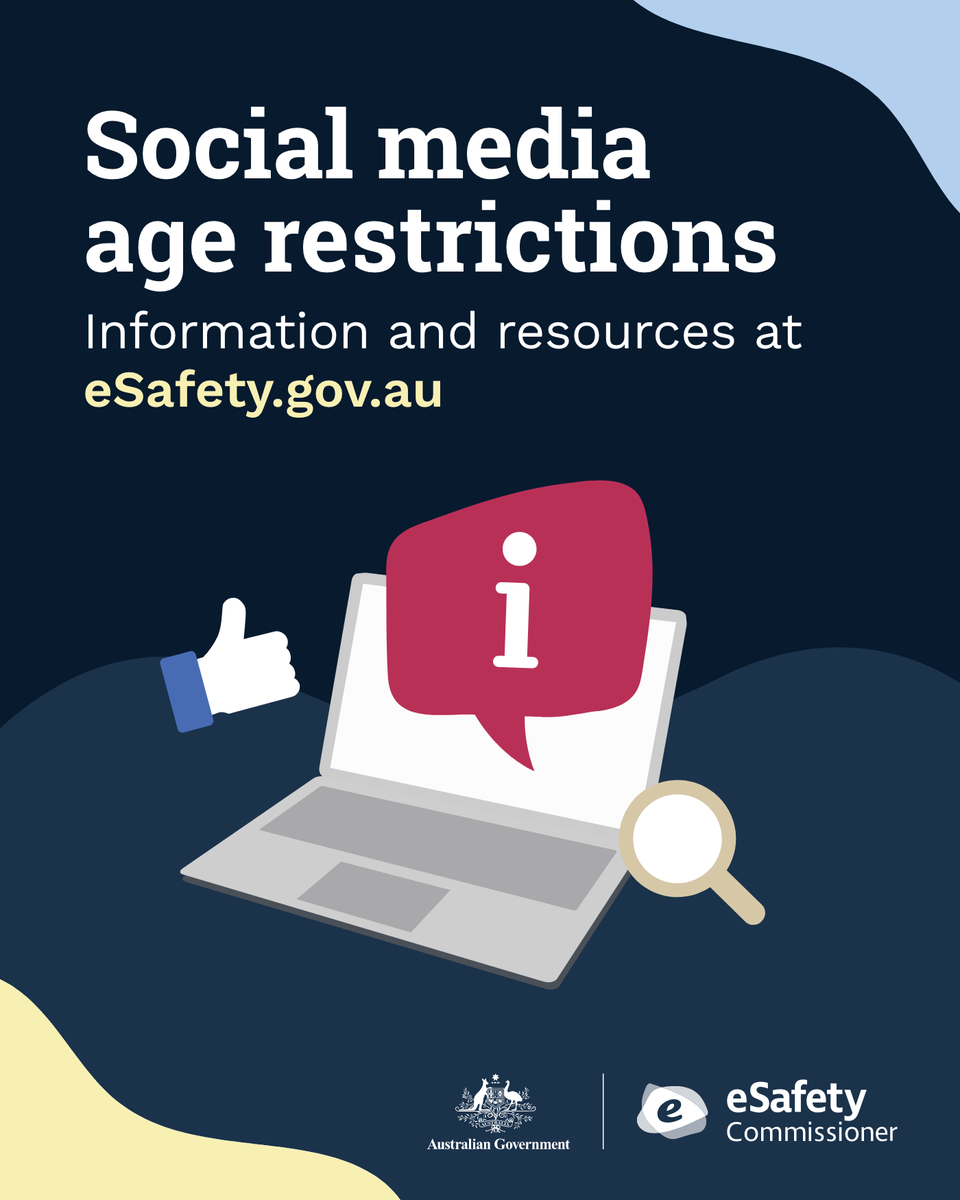
From 10 December 2025, social media platforms will be legally required to block or remove accounts held by Australians under the age of 16.
We will have discussions about this at school, but it is essential that parents also have a conversation with their children about what this actually means for them.
eSafety Commissioner
https://www.esafety.gov.au/about-us/industry-regulation/social-media-age-restrictions/webinars

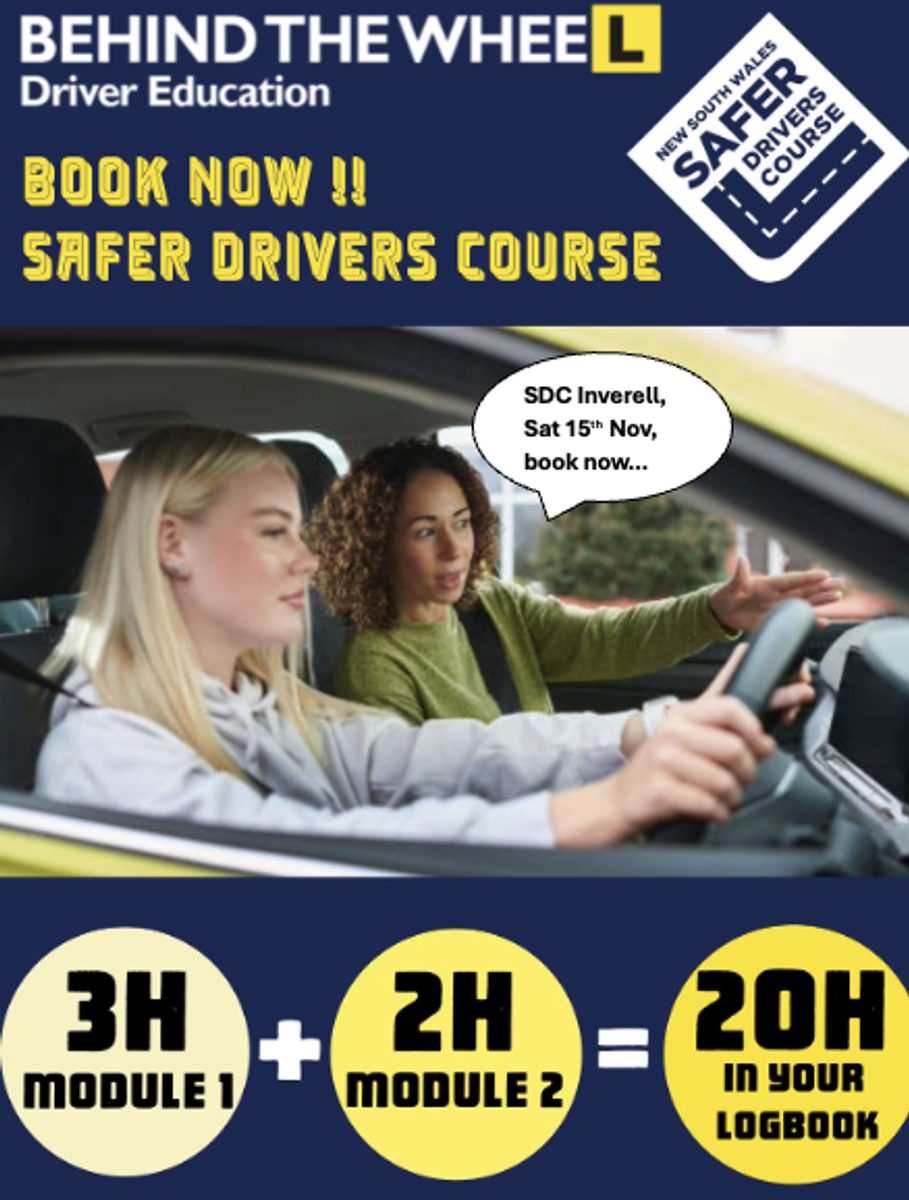
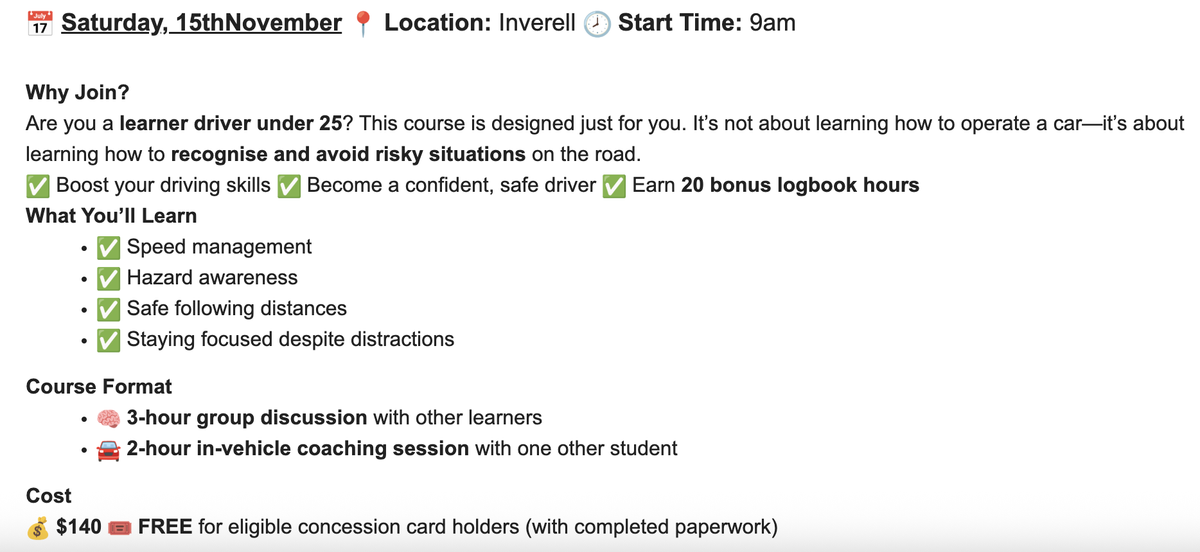
A Safer Drivers Course is being run in Inverell on Saturday 15 November. Students can book in online www.behindthewheel.net.au
or over the phone on 0427 951 600 .
Upper Hunter Beef Bonanza
Congratulations to our HTS Show Team as they rounded out the year with another incredibly successful outing at the Upper Hunter Beef Bonanza in Scone!
This success would not be possible without the tremendous dedication and commitment of many people. A huge thank you is extended to Mrs and Mr Townsend, Mr Squire, and all the parents who tirelessly supported the team.
We also want to recognise the essential contributions of the students who don't always attend the shows but are critical in helping to prepare the cattle at school. Your hard work behind the scenes is deeply valued!
ACS Primary Gala Day
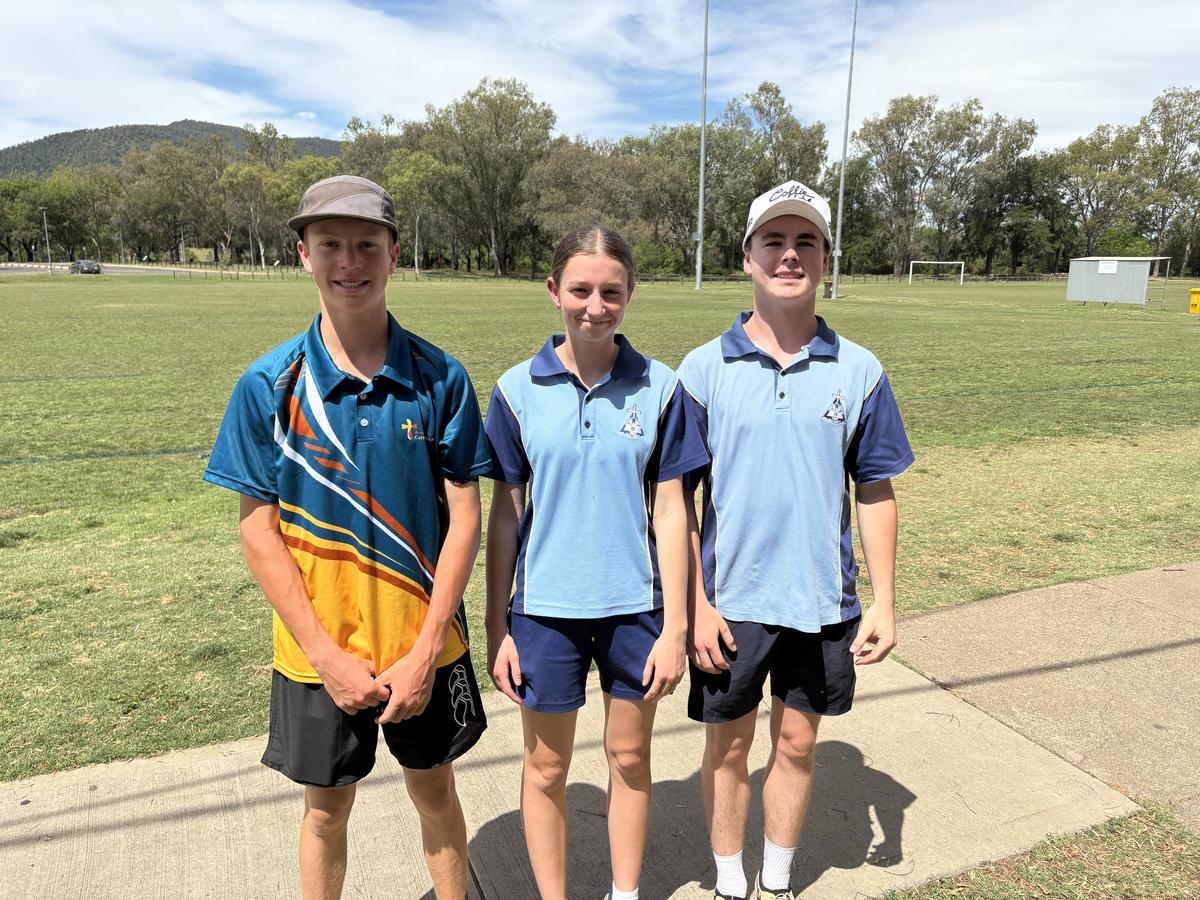
Thanks to Laura Cameron, Darcy Oakes and Jed Langan, who volunteered to referee touch at the Gala Day last Friday.
Horse Sports
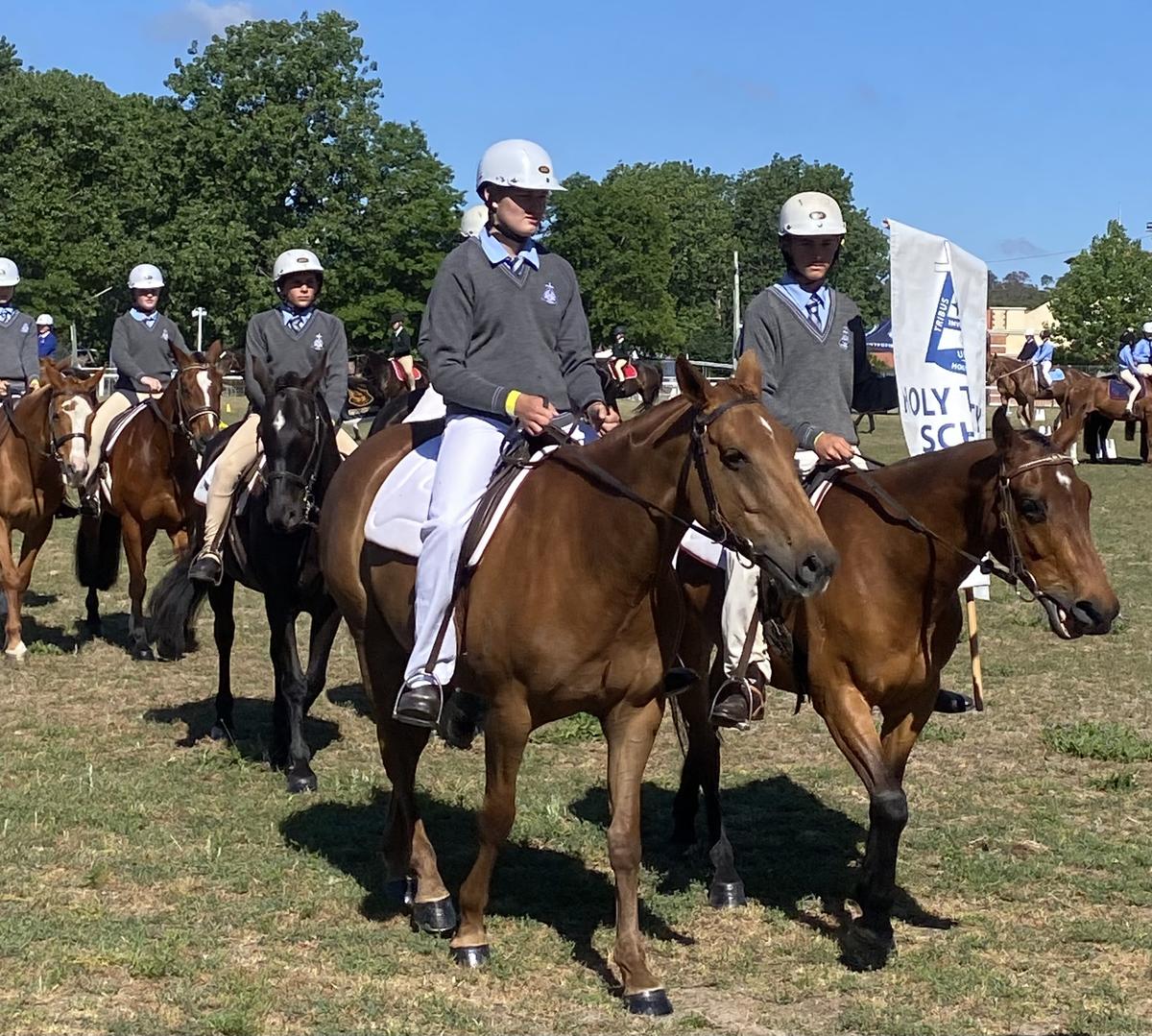
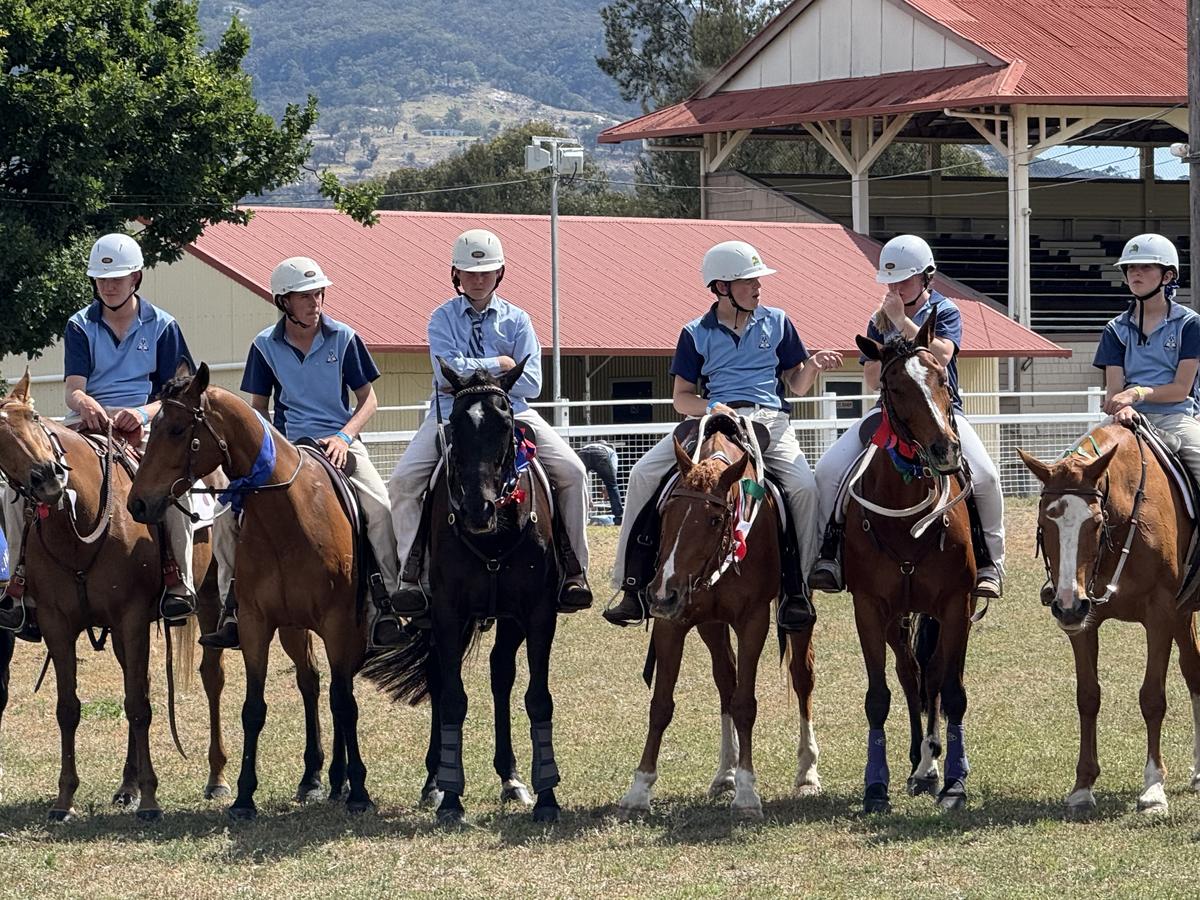
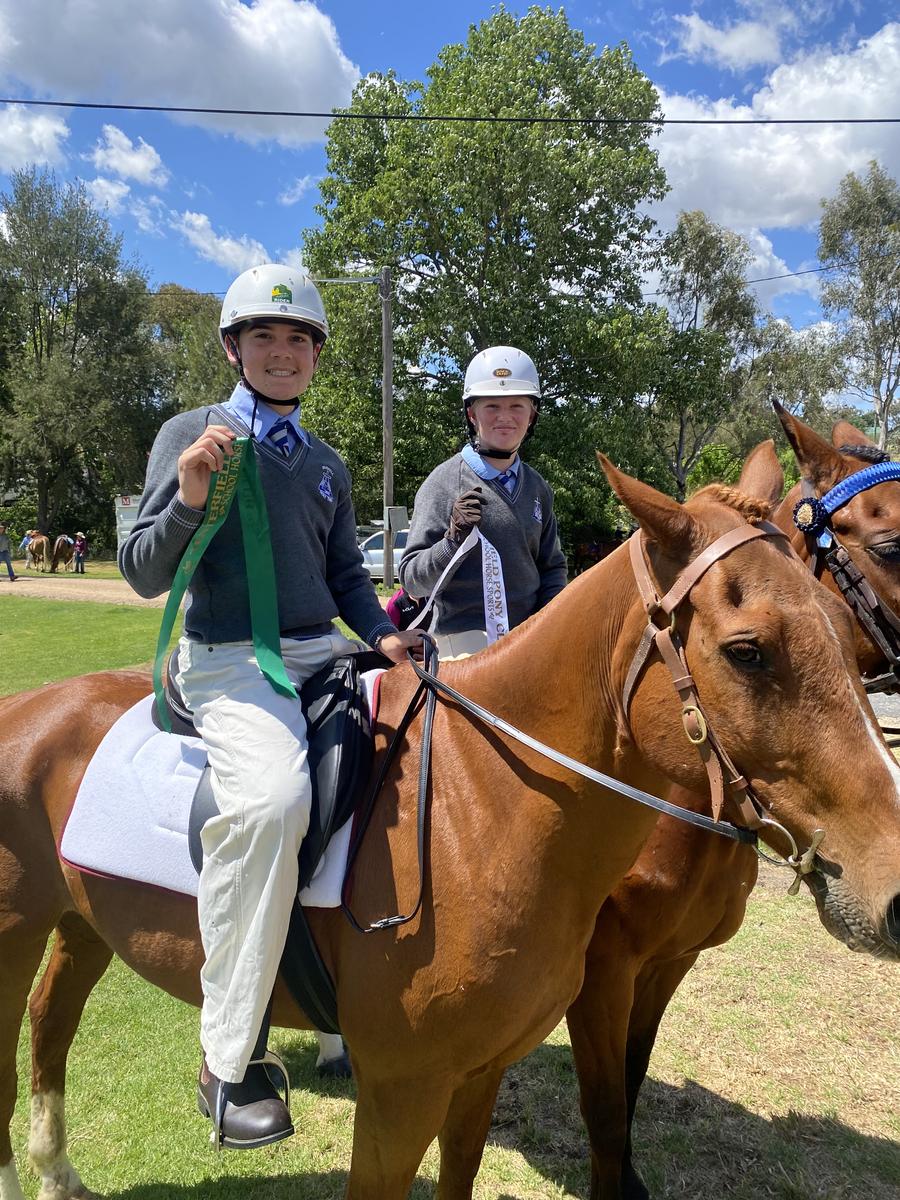
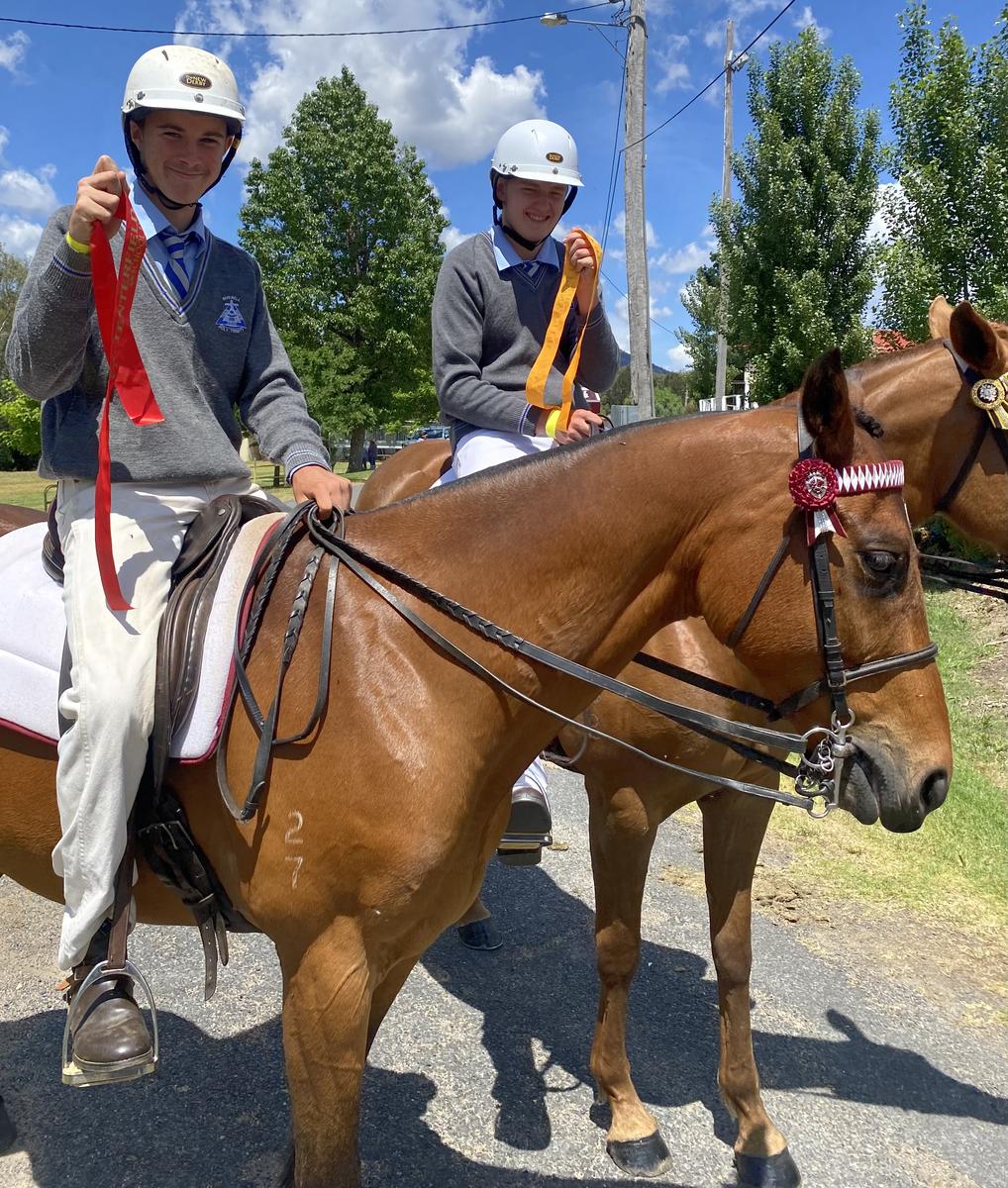
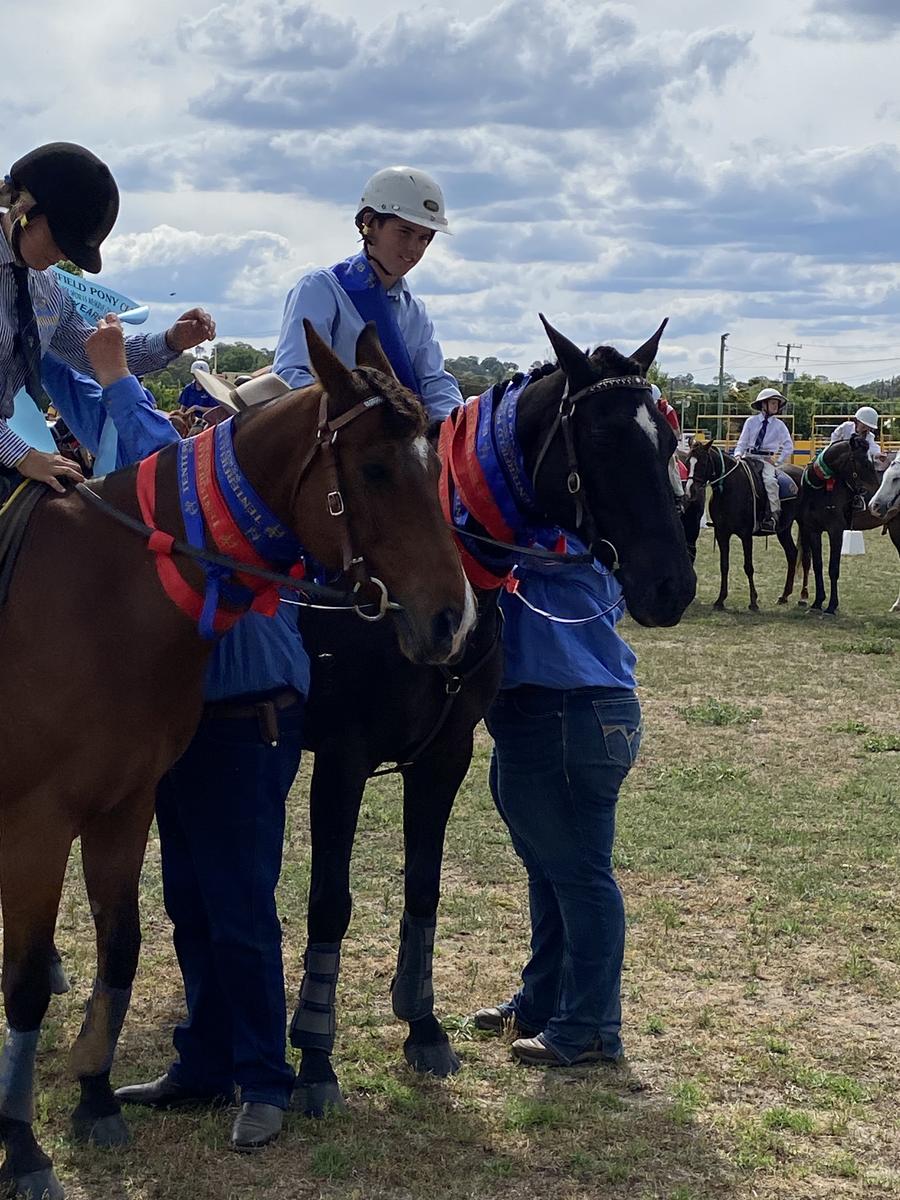
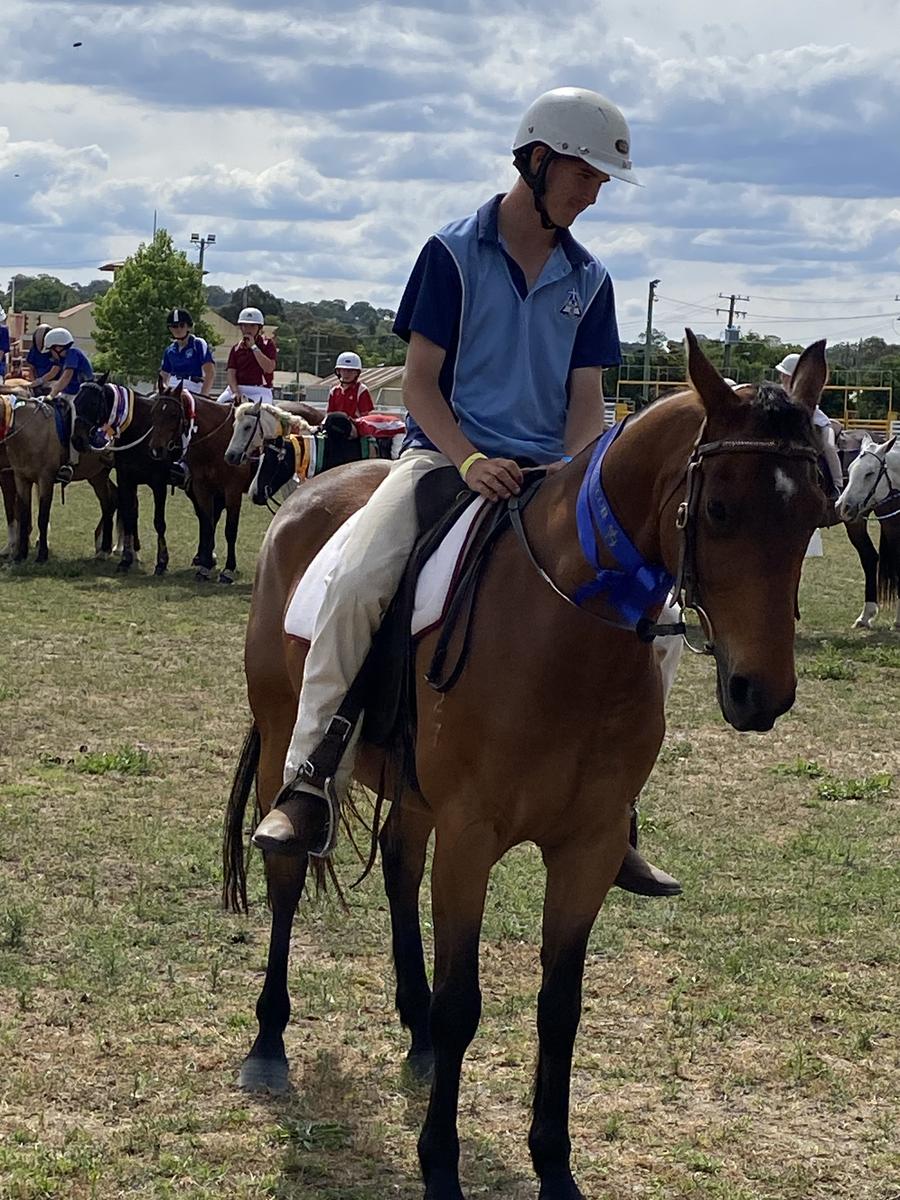
Congratulations to the team who attended the Tenterfield Horse Sports last Friday. The team acquitted itself very well. Thanks to Mrs Townsend and our parent helpers, Mrs Hancock and Mrs Sinclair.
Chess Team
Congratulations to our chess players who were victorious in the last round of their competition.
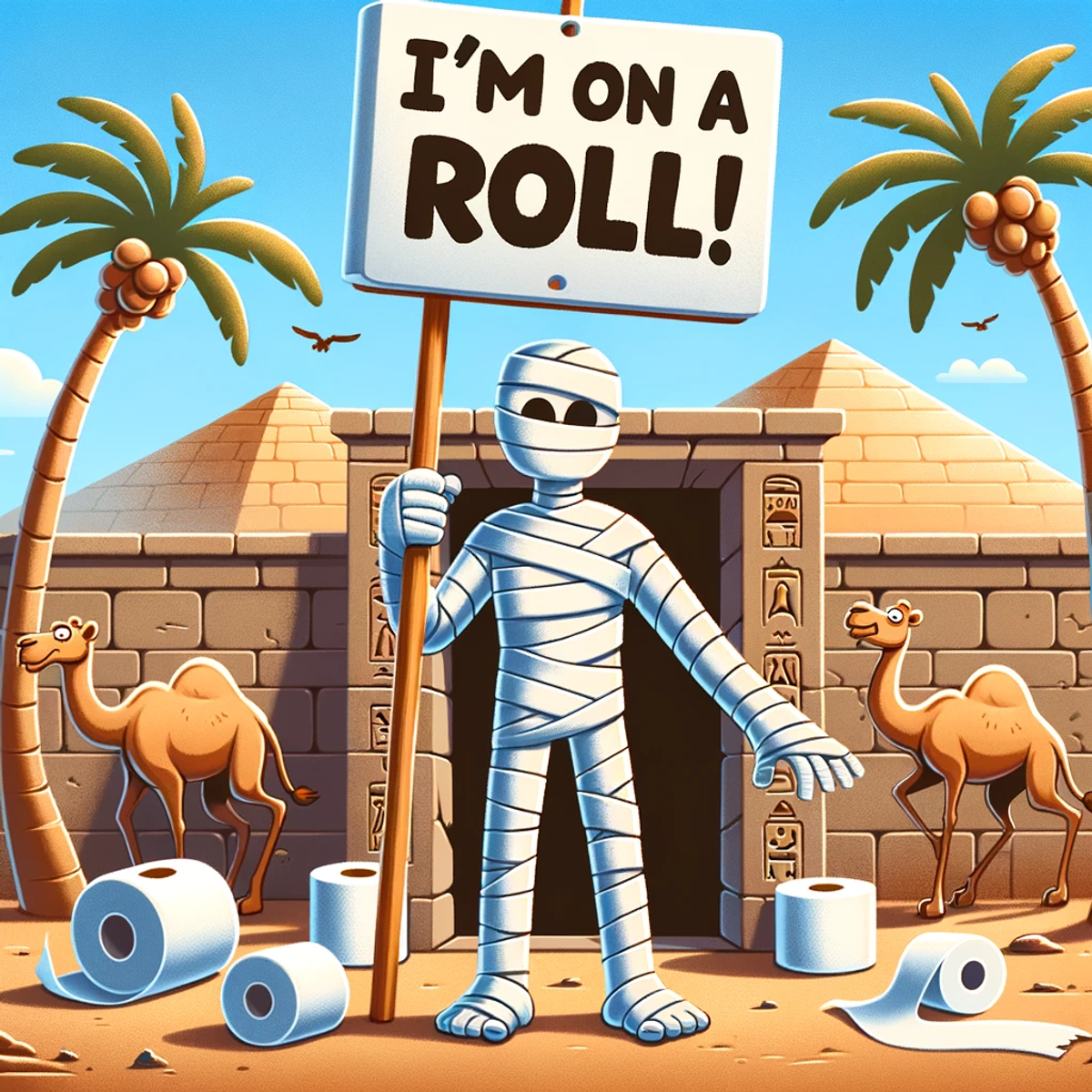
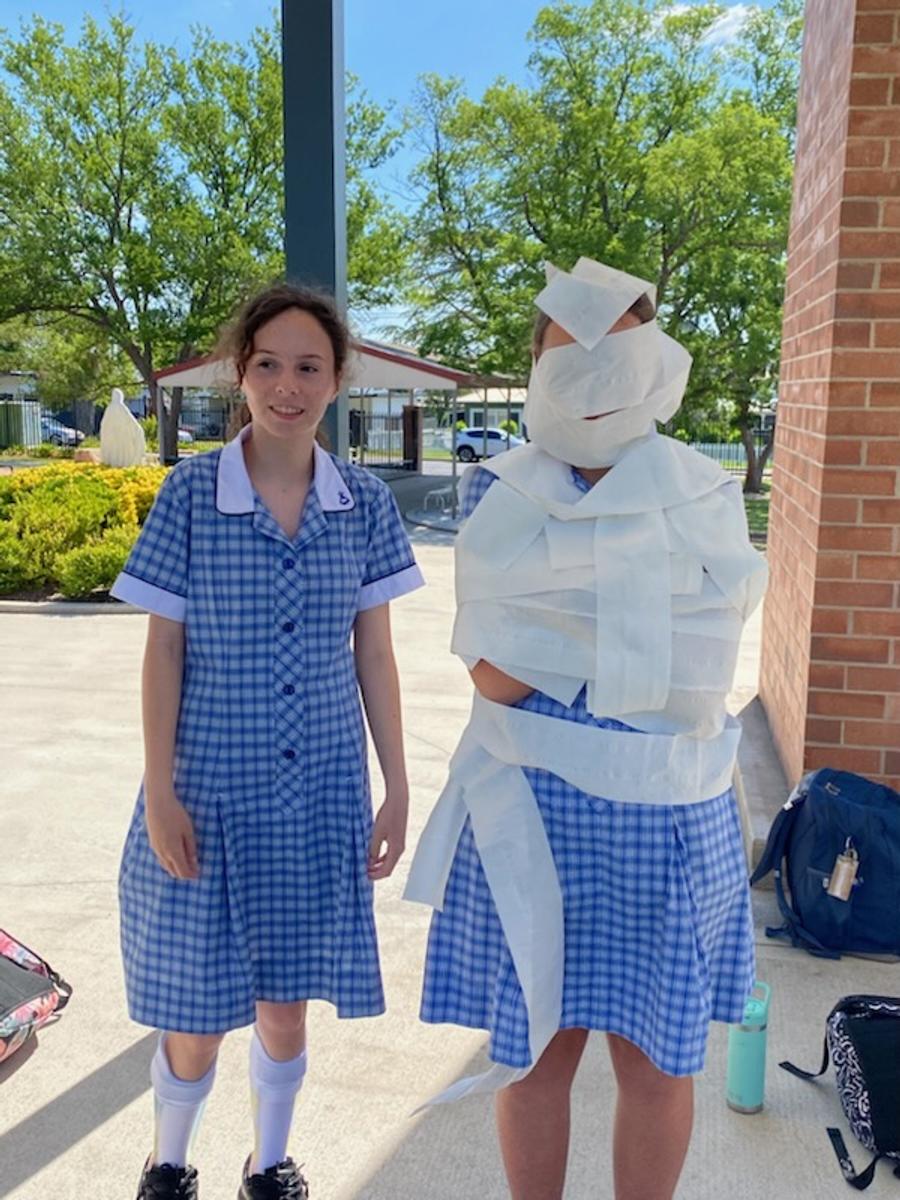
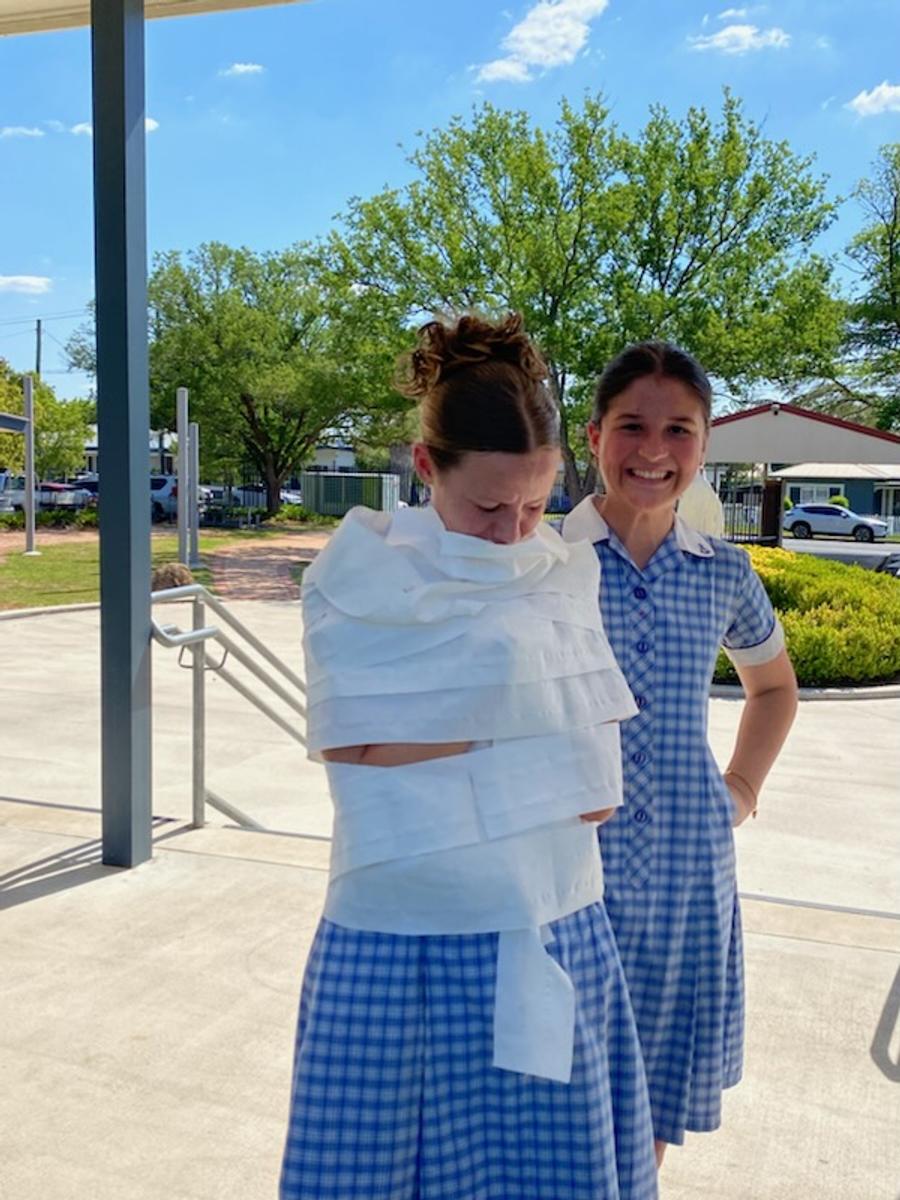
In History class, we have had a Pharaoh-nomenal experience learning about Ancient Egypt. Year 7 have been engaging in topics such as the Geography of Ancient Egypt, why the Nile river was their ‘life force’, the social structures of the Egyptian people, the Pharaohs, their belief in the afterlife, Gods and Goddesses and death and funerary customs.
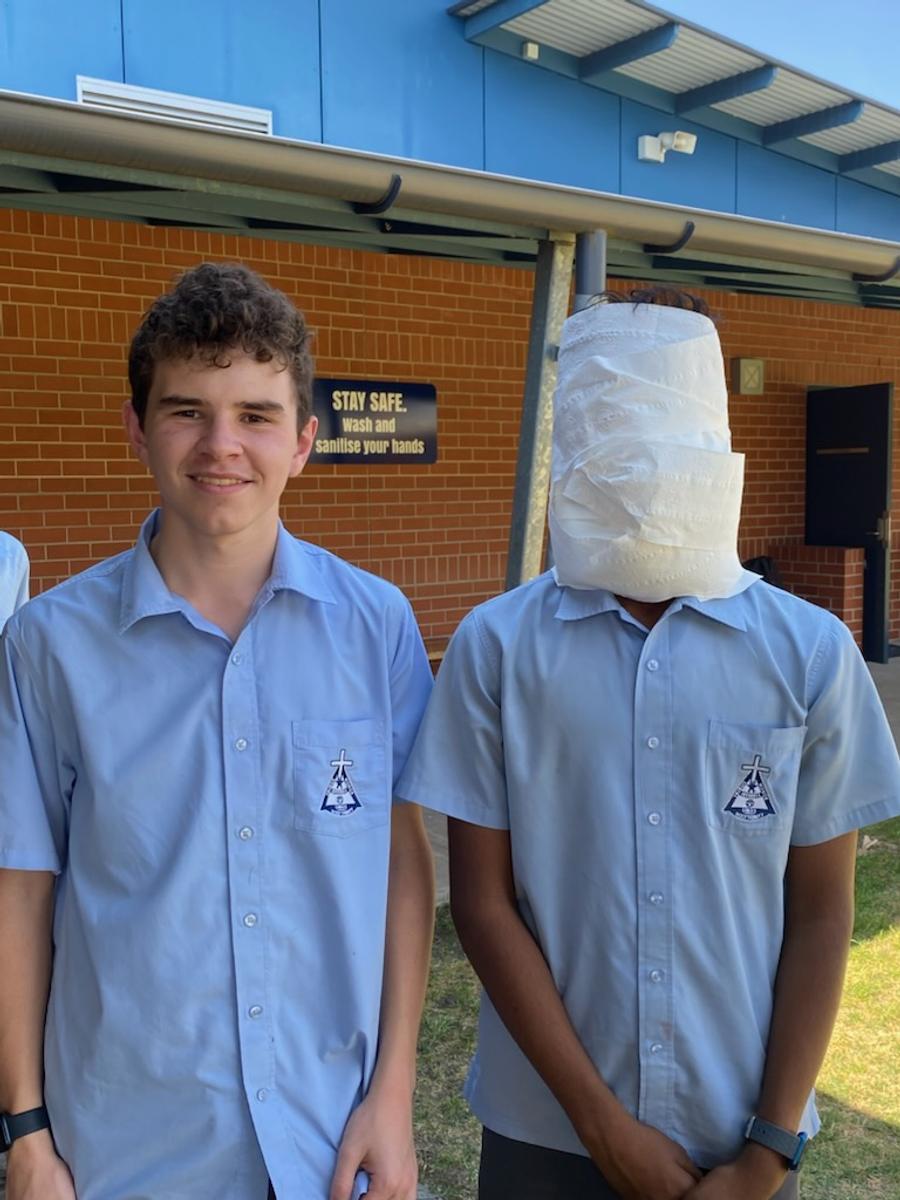
We have had a Egyptionally good time learning about the process of mummification. We even got to mummify an apple! To wrap up the term we wrote a Mummies for Dummies report and even got to wrap up our peers. It was sphinx-tacular!
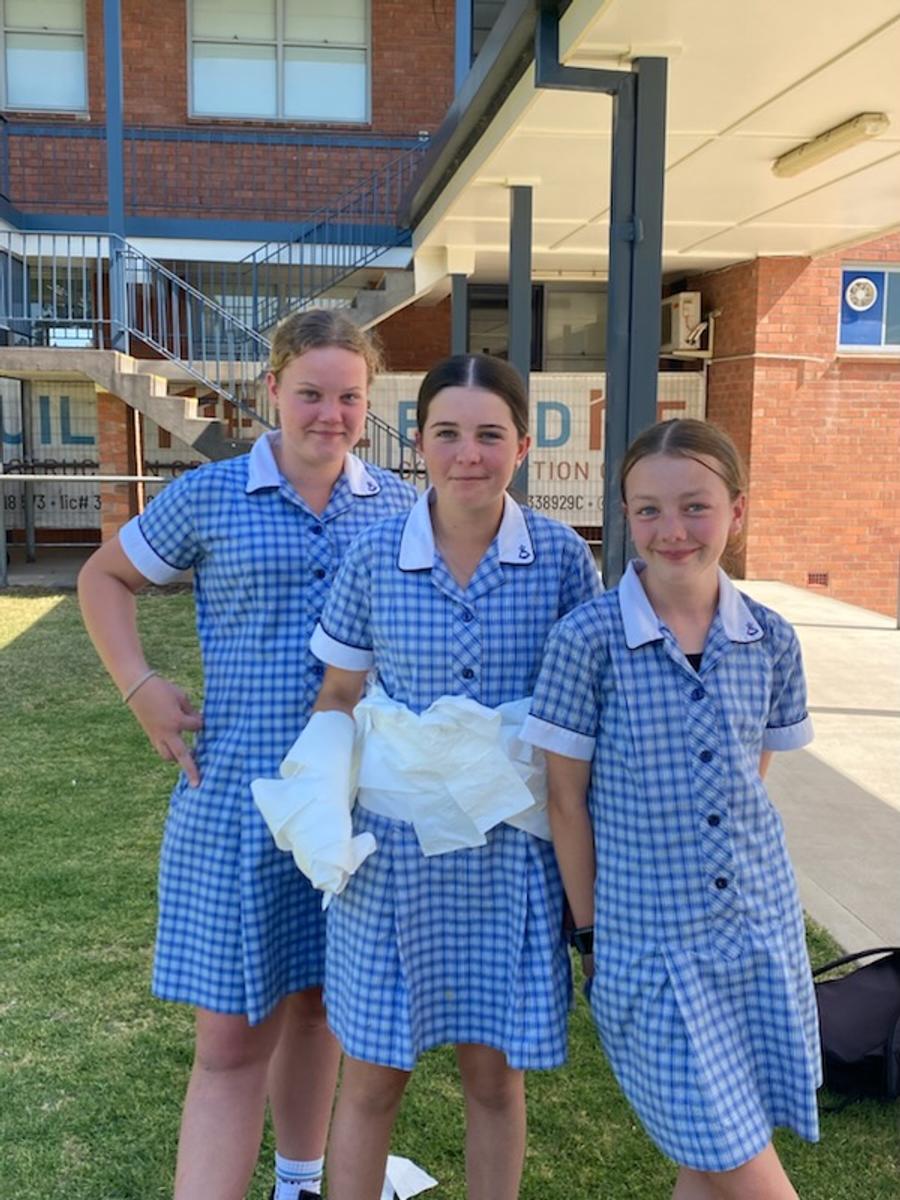
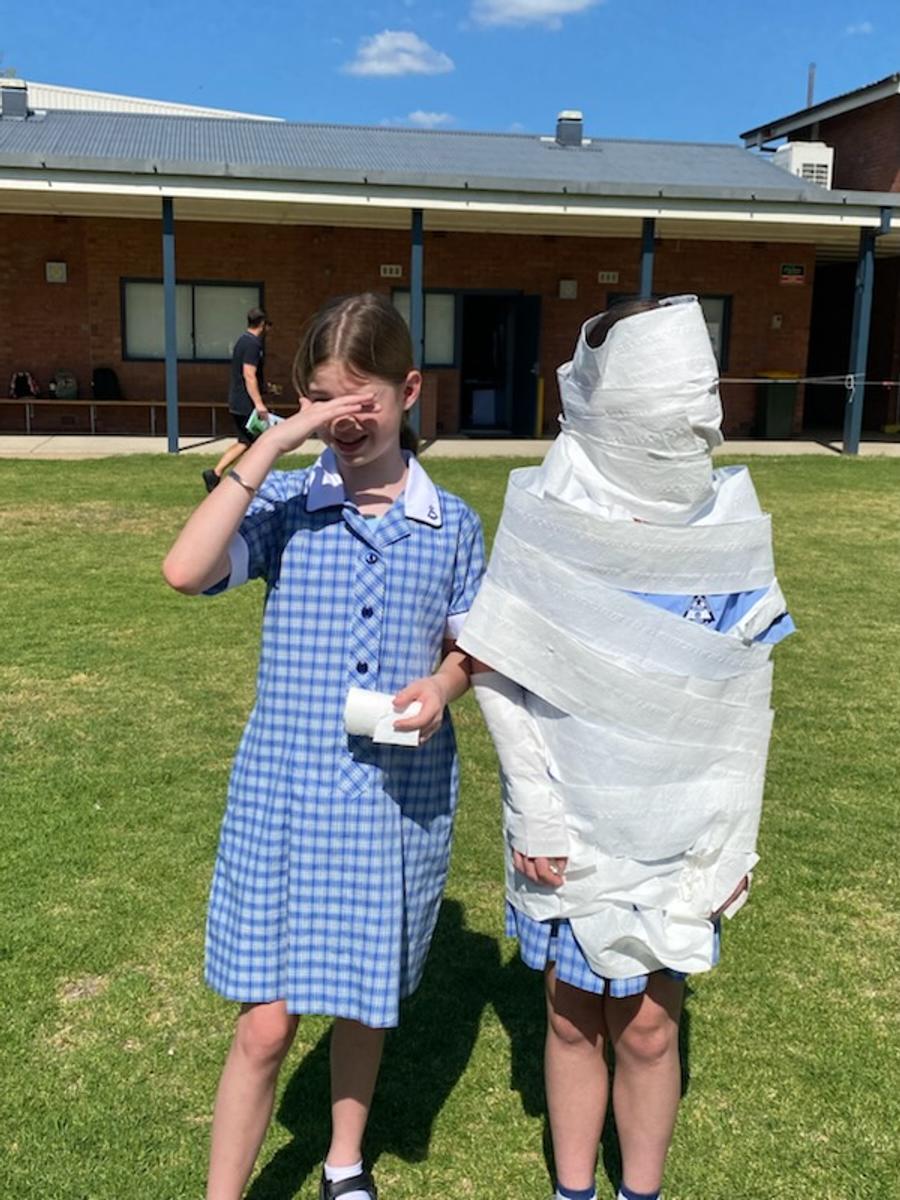
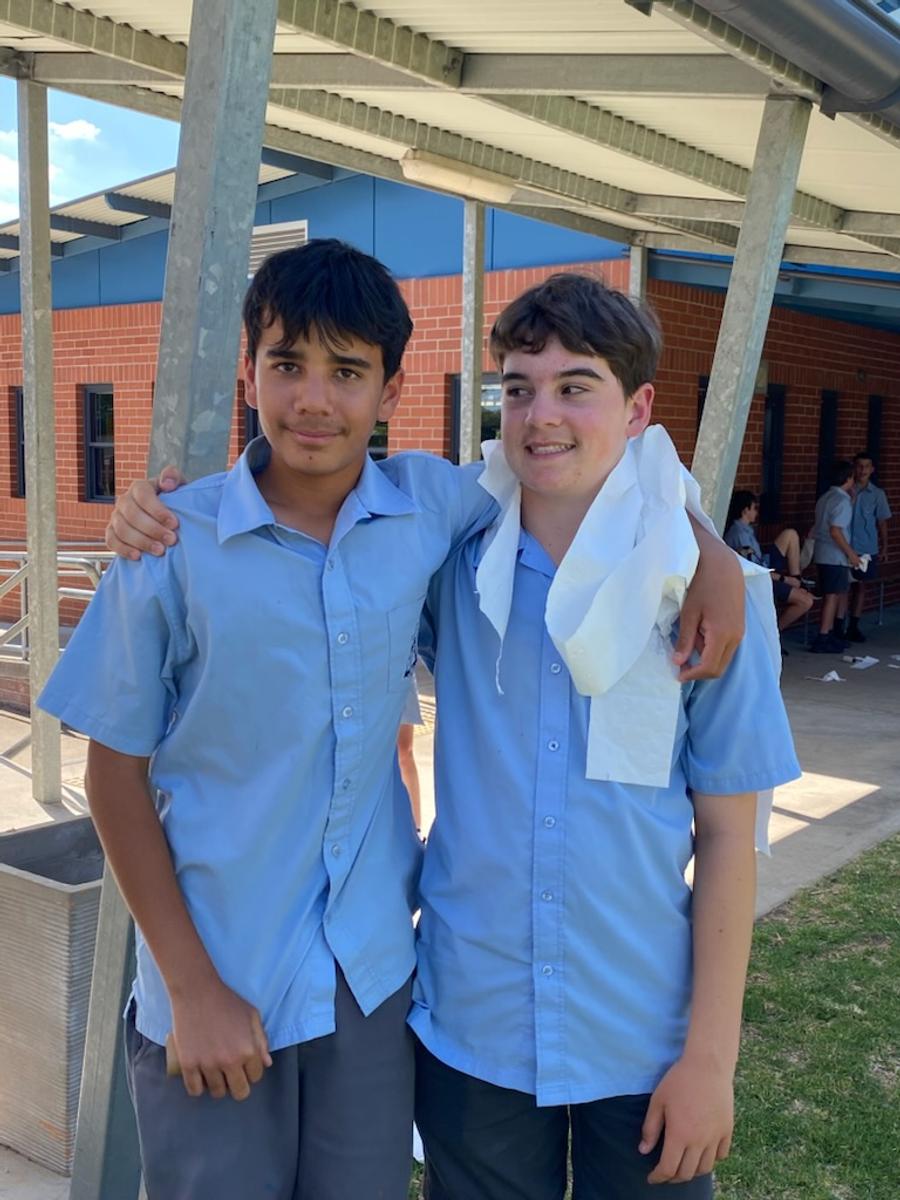
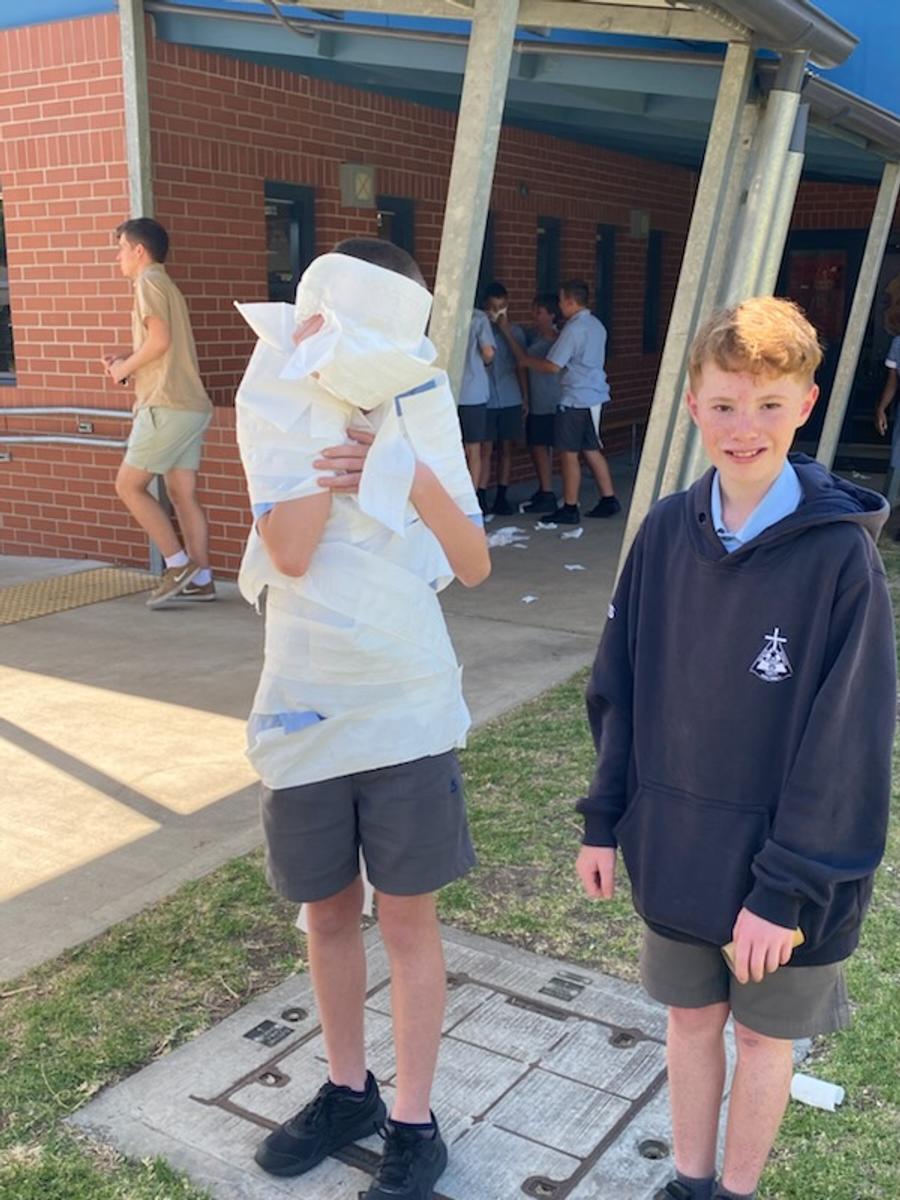
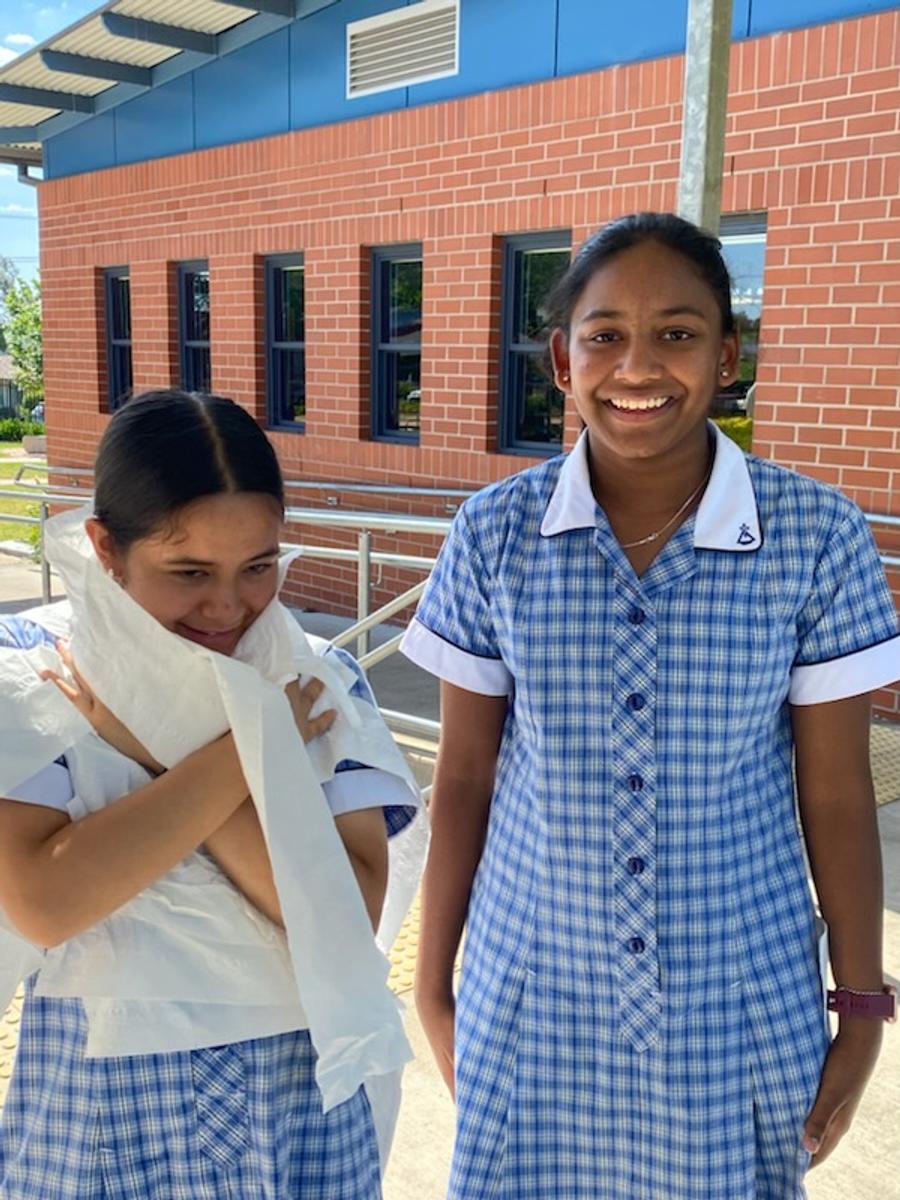
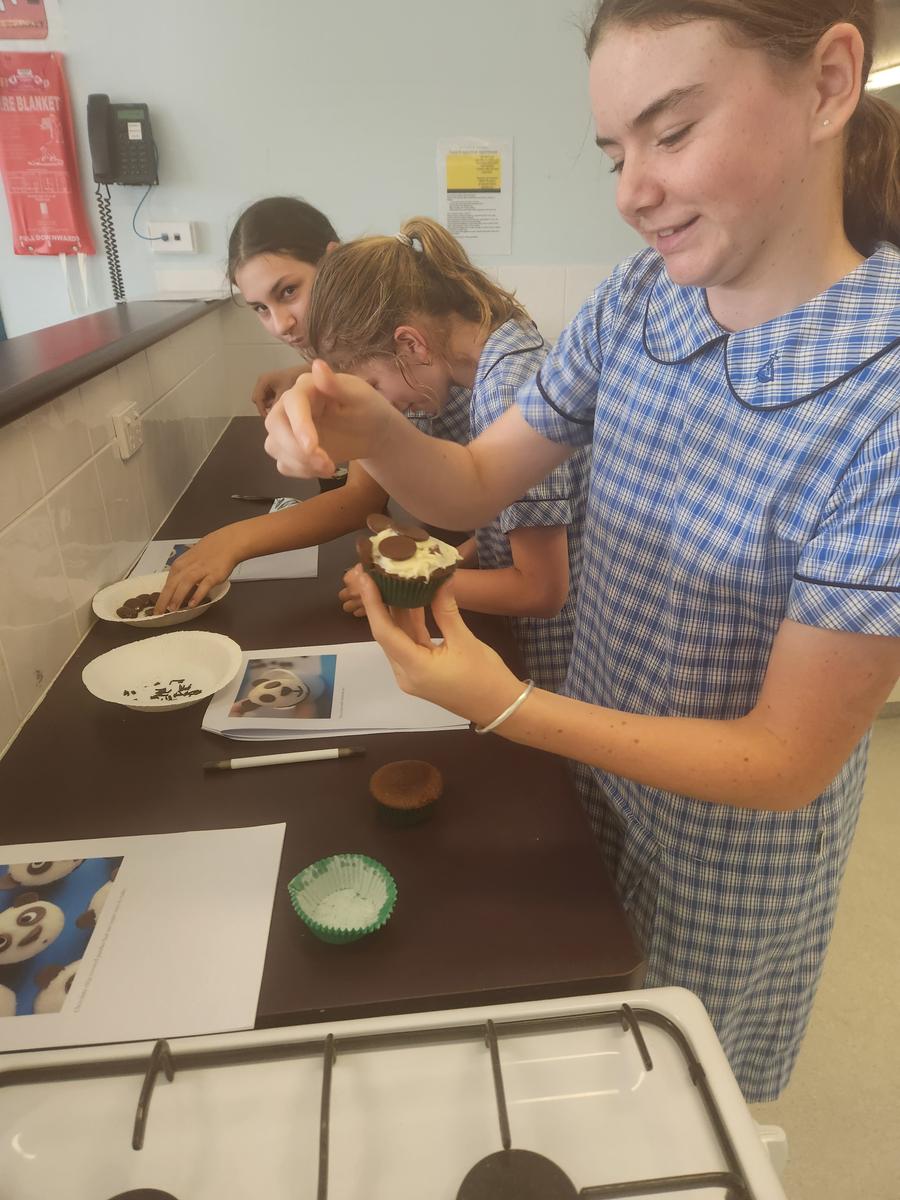
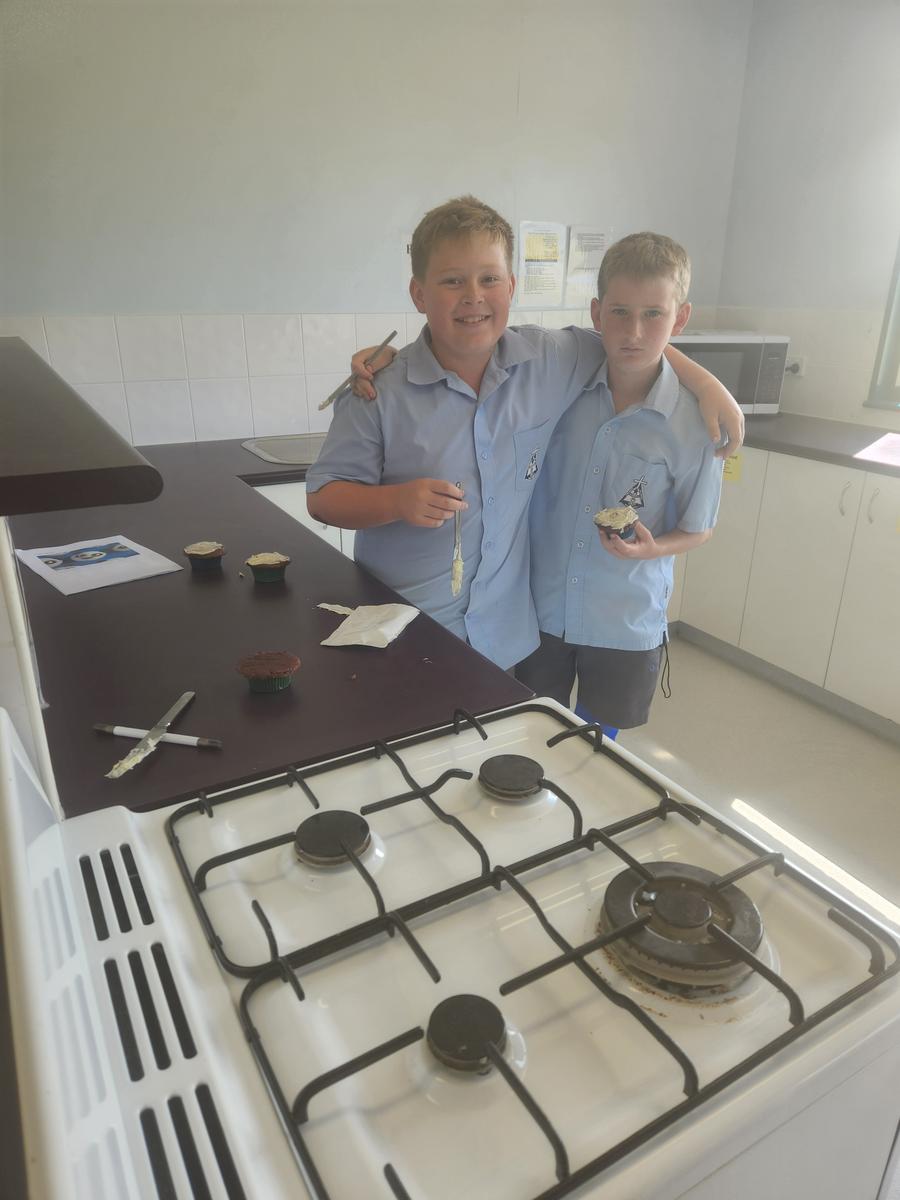
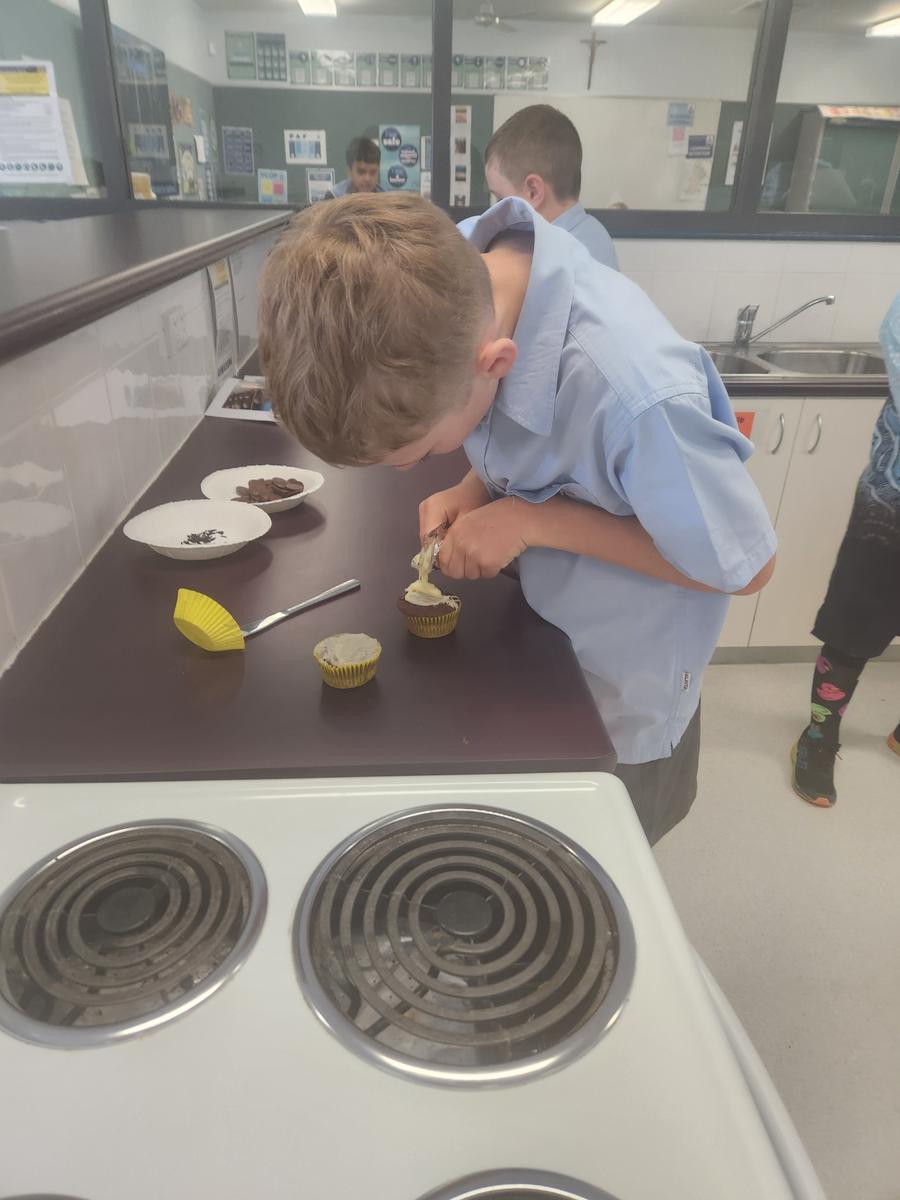
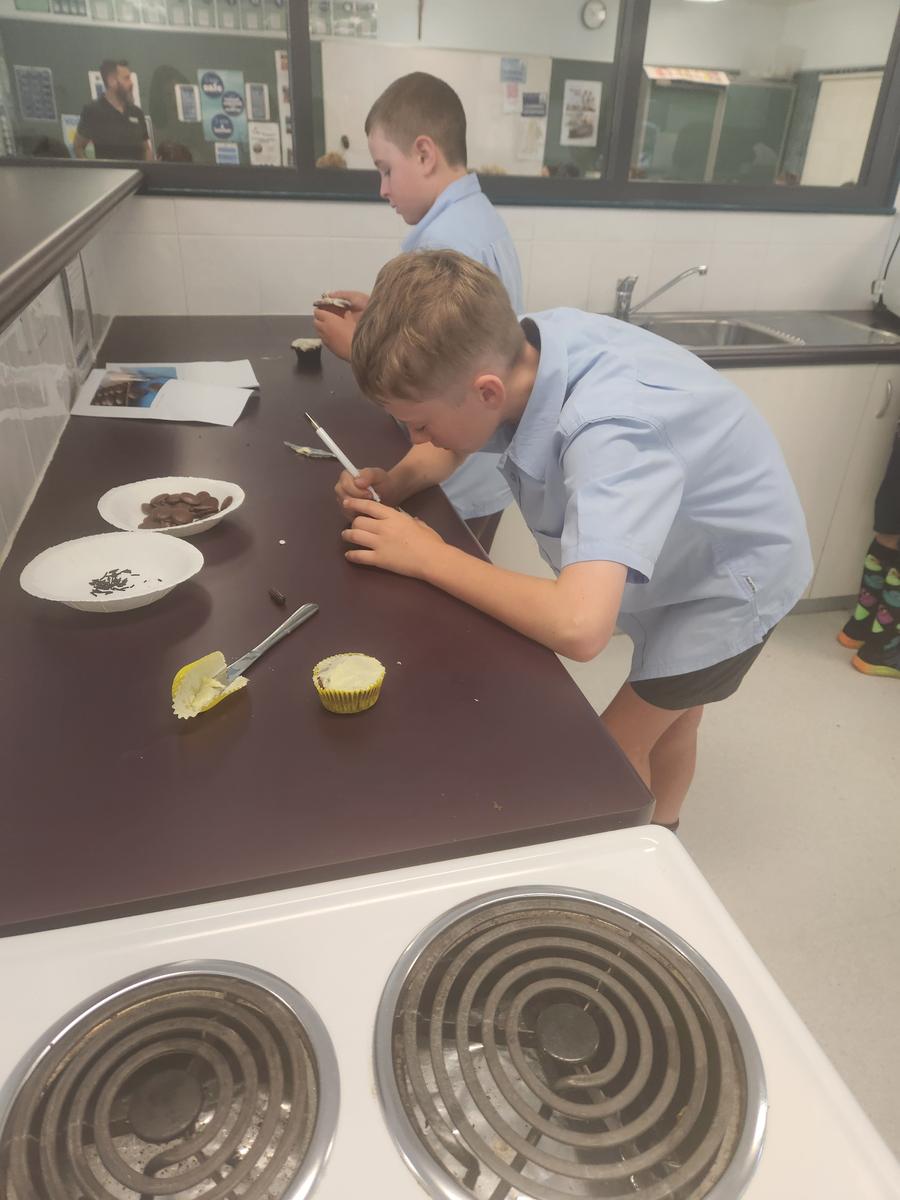
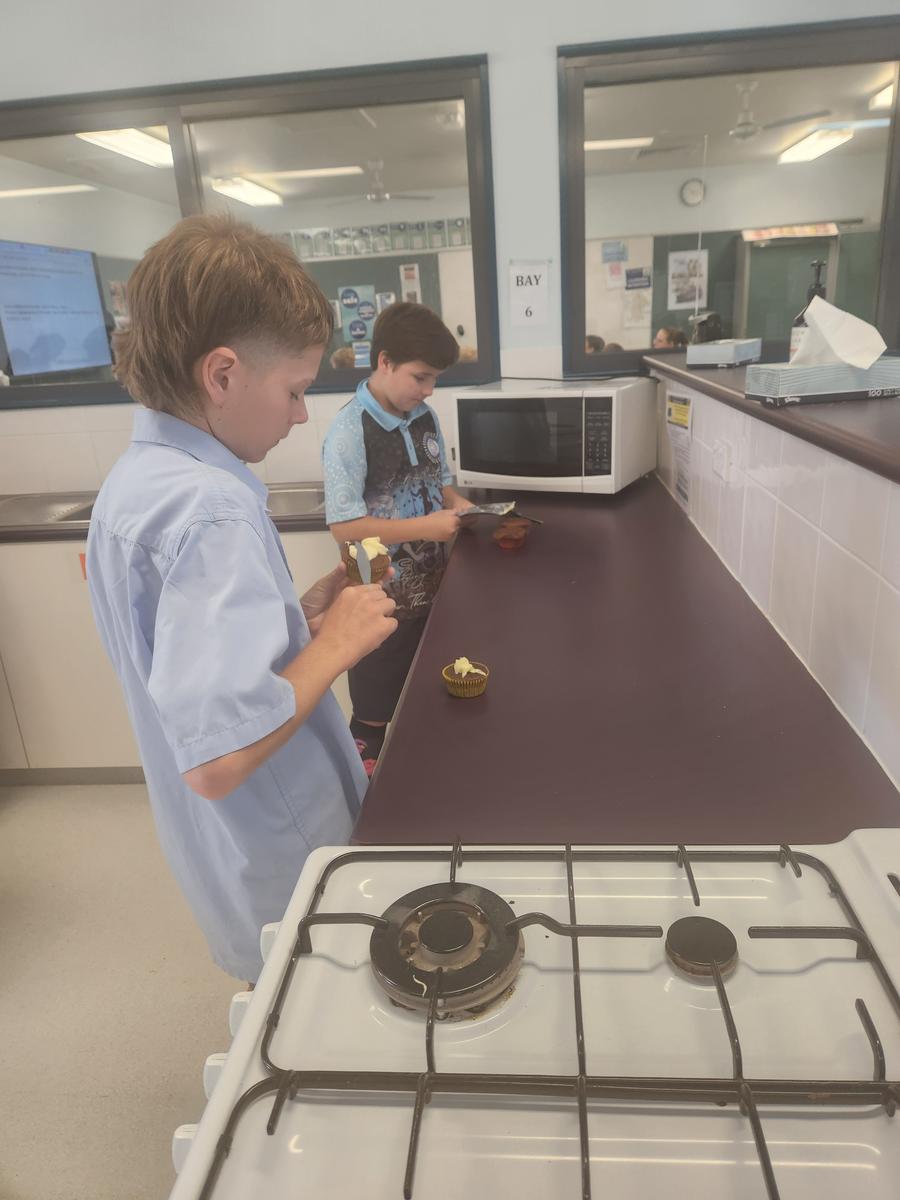
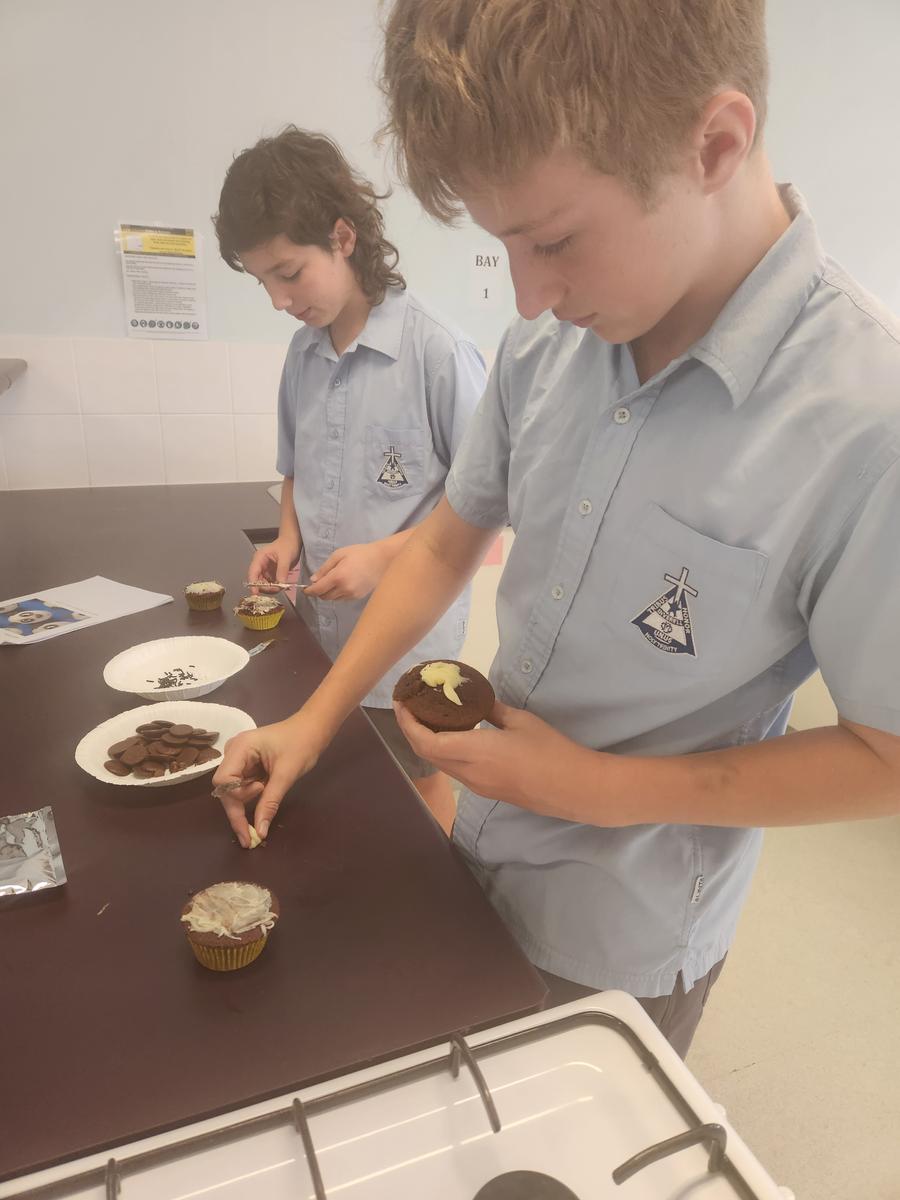
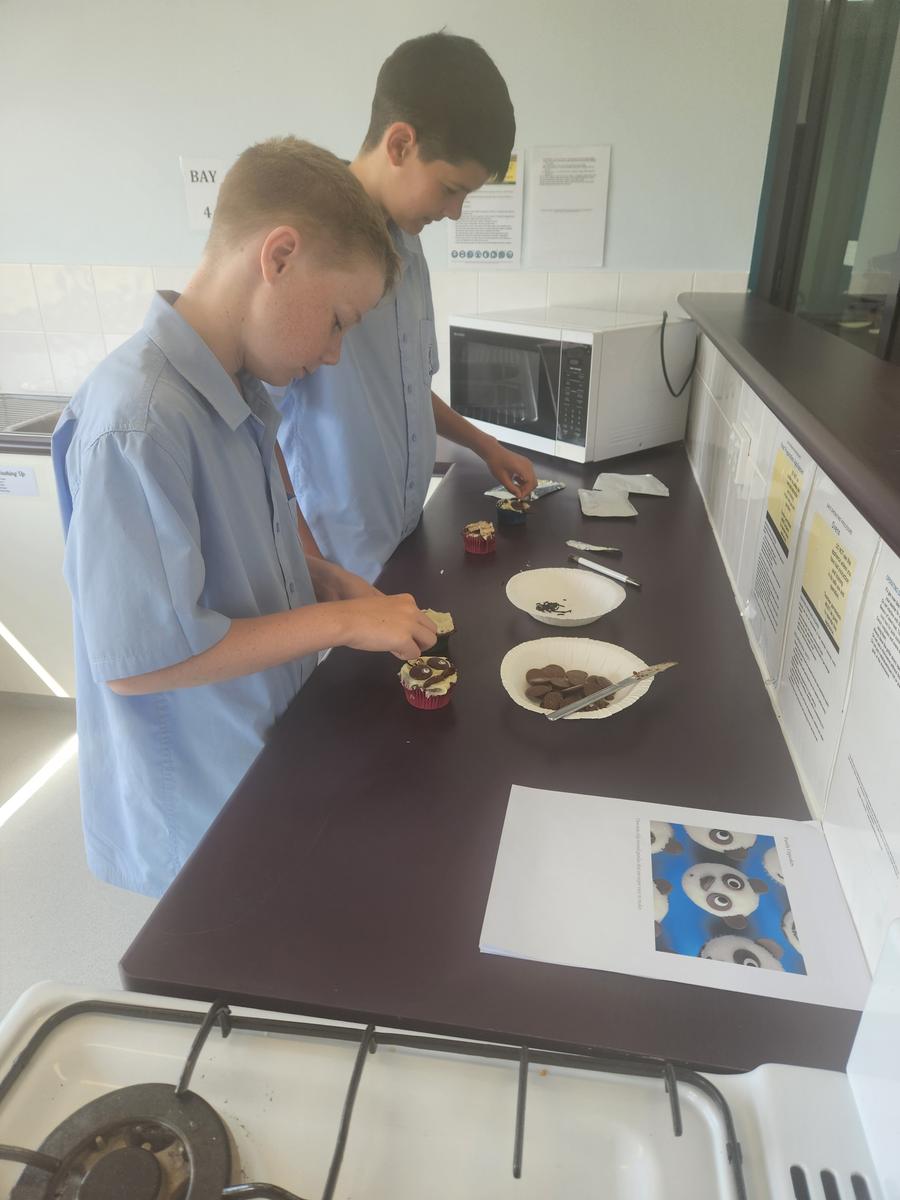
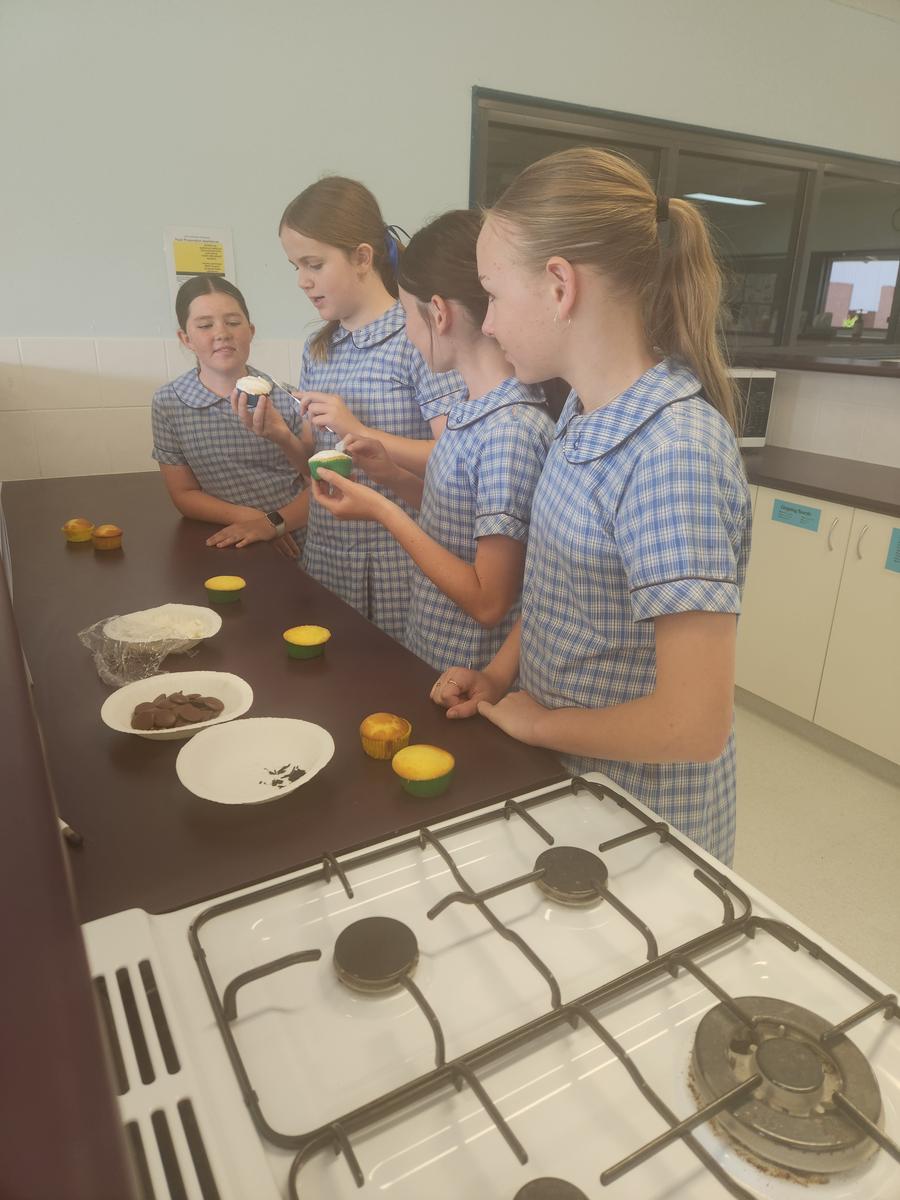
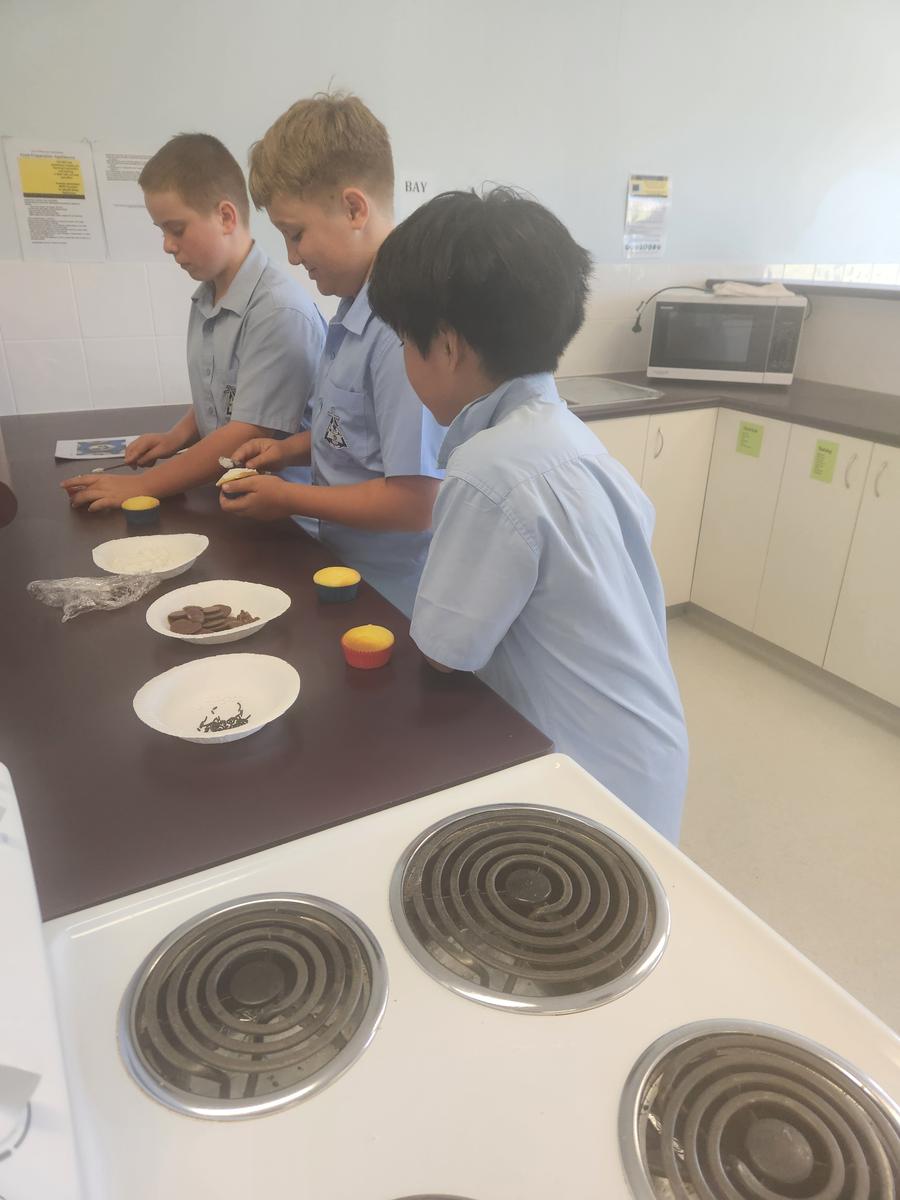
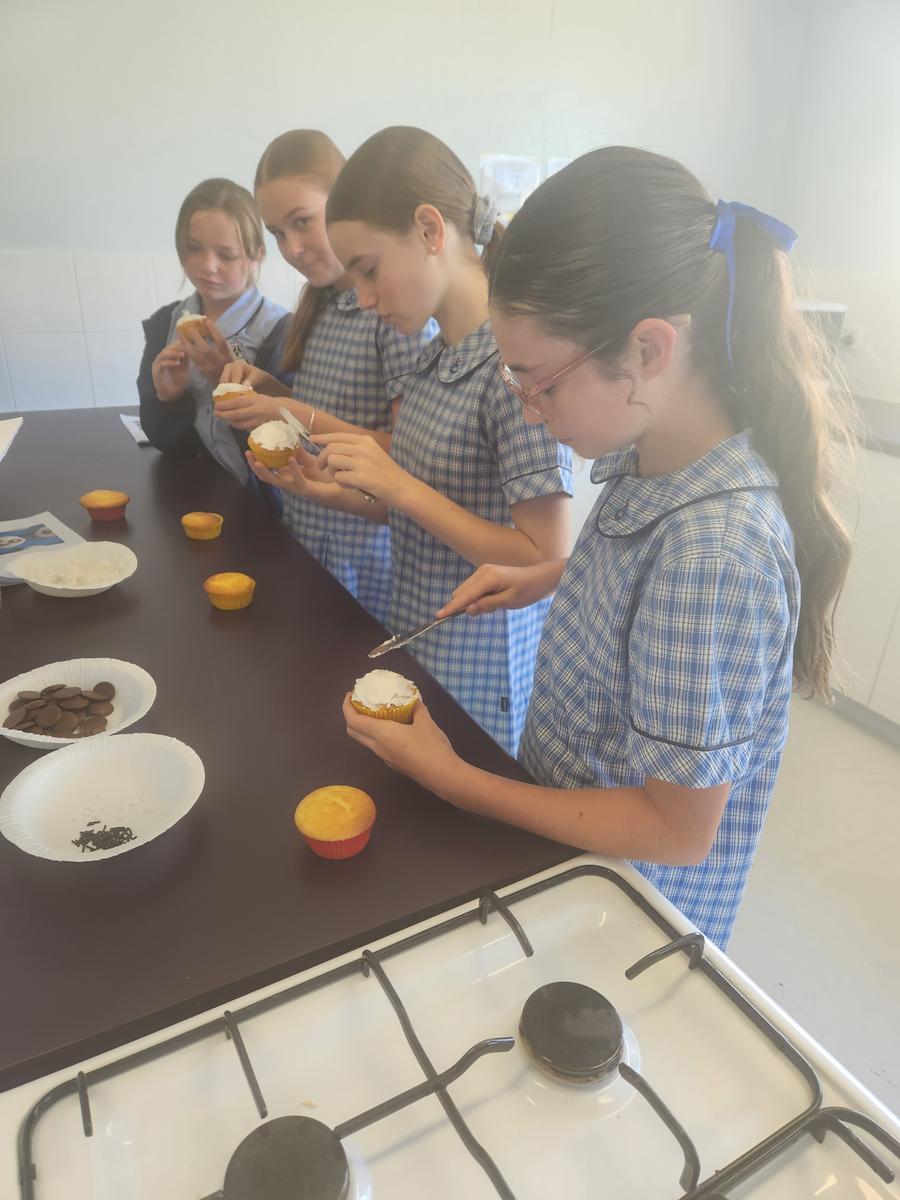
Transition concluded last Thursday. Students experienced a variety of subjects on offer in Secondary over the last two weeks, including iSTEM, Technology, Ag, History, Visual Arts, Music and Food Technology. They already had lessons in English, Maths, Geography, PDHPE and Science last term. The students settled into the secondary school environment well and took part in various activities.
Students will be sitting assessments in many of their subjects next week. Classes have been given study guides and outlines of the material being assessed.
If a student is absent on a scheduled exam day, they will complete the missed exams at the first available opportunity. If known in advance, exams may be completed before the absence.
It is also important to note that exams are only one method of assessment. The semester report grade will include a variety of formative and summative assessment tasks completed throughout the semester.
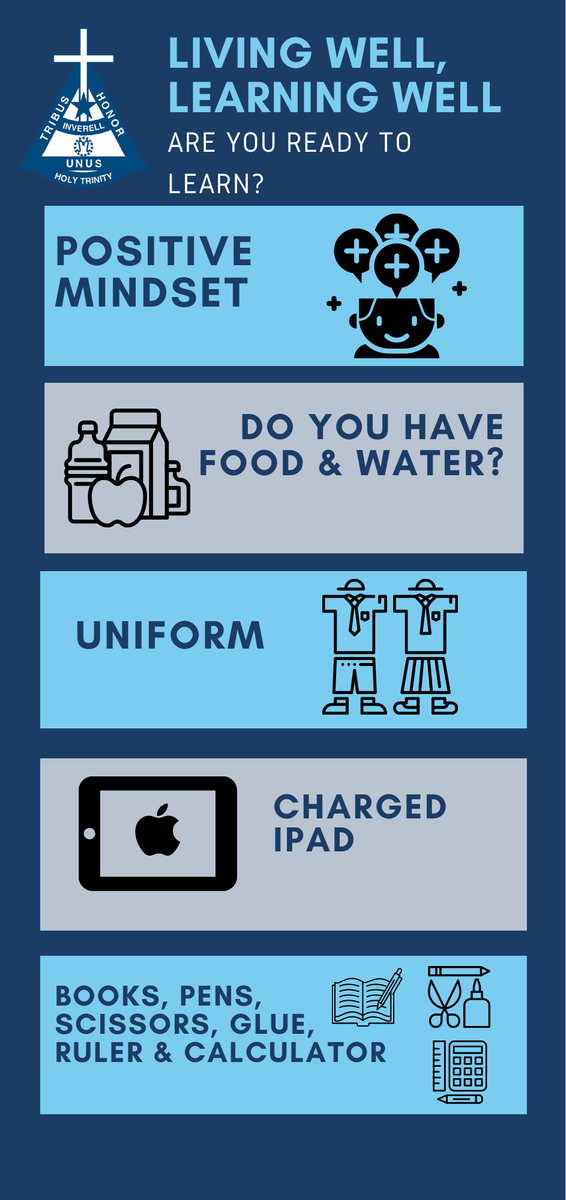
To optimise performance, students need to be well-rested. They also need to ensure that they have the necessary equipment, such as spare pens, a calculator, and geometrical instruments for Mathematics and Science.
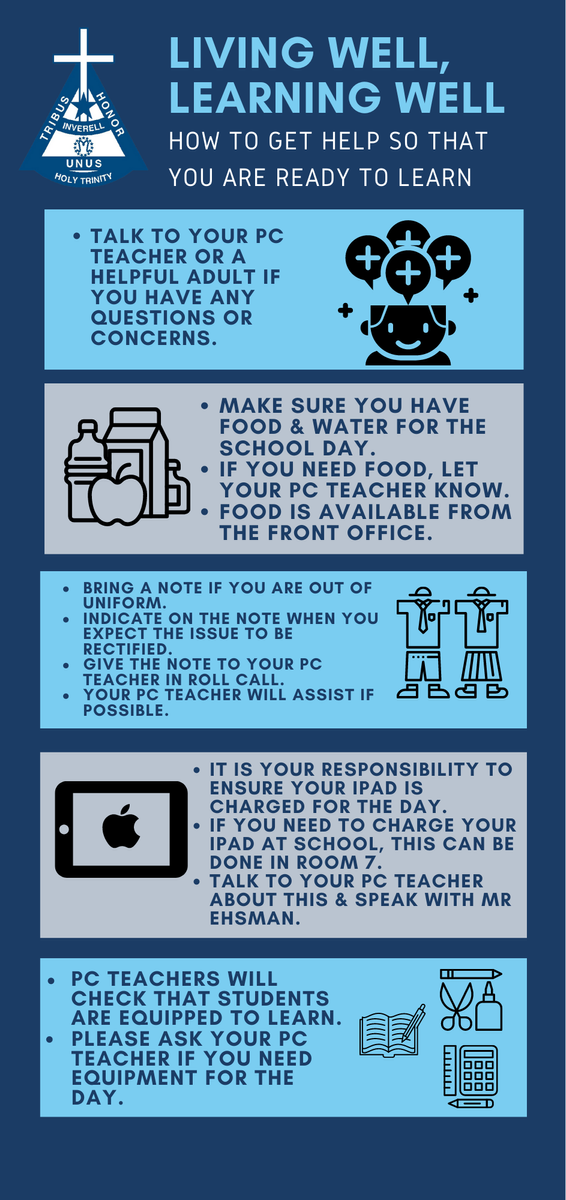
Please advise staff of any issues regarding the completion of exams. It is the responsibility of students to make sure their devices are fully charged each day.
Exam timetables have been distributed to students and are also visible on Compass for all year groups and parents. They are also attached below.
As assessment periods approach, students often face increased pressure, which can lead to significant stress. While some handle it with ease, others may find it overwhelming. One of the best ways to manage this pressure is through preparation. The earlier students start, the less likely they are to feel anxious as deadlines loom. As a parent, your role is crucial in helping them manage stress and maintain a balanced approach to studying. Here are some practical tips to support your student during this busy time:
1. Encourage a Healthy Lifestyle
A well-rounded lifestyle is key to achieving good results. Remind your student that a healthy body supports a healthy mind. Ensure they:
2. Offer Practical Support
Openly ask your student how you can help. Offer to:
3. Focus on Effort, Not Just Results
It’s important to reassure your student that effort matters just as much (sometimes if not more) than results. Encourage them to:
4. Keep Communication Open
Be a consistent source of support by maintaining open lines of communication. Try:
5. Help Manage Worries and Stress
If your student feels overwhelmed, guide them through problem-solving:
Final Thoughts
Exams and assessments can be stressful for students, but with the right support, they can navigate these challenges successfully. By fostering a balanced approach that includes both academic preparation and emotional well-being, you can help your student develop resilience and the skills needed to thrive under pressure. Remember, your encouragement, support, and understanding will make a lasting impact.
With exam time approaching, it is time to seriously think about making study notes – especially if you haven’t been doing them regularly throughout the year. Find out what topics will be tested, make a quick mind map of each topic so you can see an overview of what you need to learn, and then start making point-form notes about what you need to learn and remember for the exam. You want to make your study notes as soon as possible so you have ample time to learn them and to do lots of practice questions.
Top 5 Tips to Improve Your Notes:
In an ideal world, it would be great if all students paid attention, focused and participated in all classes, completed all homework and assessments thoroughly, asked for help throughout the year on anything they didn’t understand, made regular summaries of the work covered in class (preferably at the end of each topic or section) and did their best to learn as they go throughout the year.
But in reality, this doesn’t always happen for every student and every subject.
So what can you do if you have left your study for tests and exams to the last minute?
The key is to get started. No more procrastination, no more excuses.
Start today!
What do you do in the few days before an examination?
At least a few days before the exam, make sure you do the following:
The night before the test or exam:
The morning of the test or exam:
Students are reminded to wear the correct uniform, including appropriate and safe footwear. It is an expectation that hair is moderately styled with natural tones and tied back if long. If a student is not able to wear the correct uniform, please provide written information to the roll teacher indicating when the situation can be remedied. Hats and sunscreen are also required for all outdoor activities.
The weather has been heating up rapidly, and students are reminded that they should have a hat for all outside activities. Sunscreen is also available for Sport, PDHPE and other outside lessons; however, the best protection is provided with the combined use of a hat and sunscreen. School caps are available from the Uniform Shop. Please ensure that your child has the correct school uniform cap or hat.
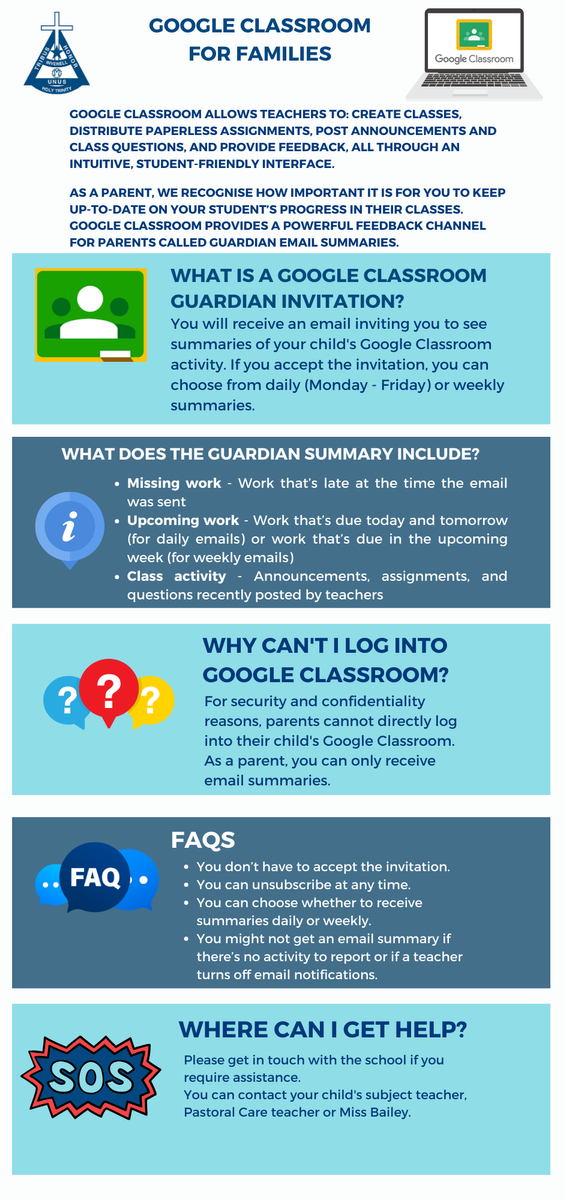
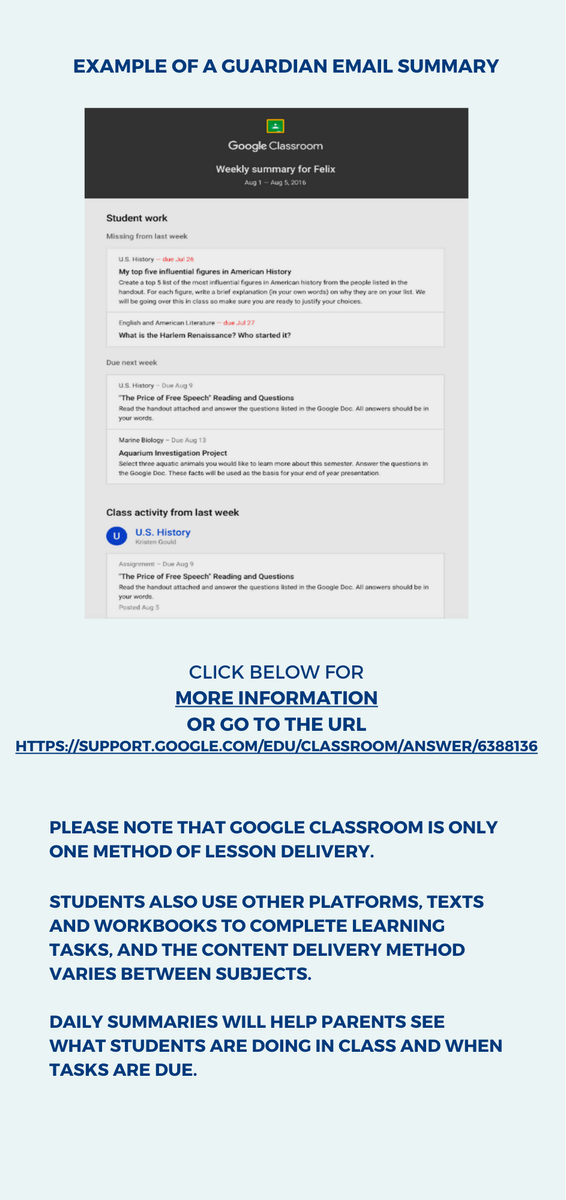
Google Classroom allows teachers to create classes, distribute paperless assignments, post announcements and class questions, and provide feedback, all through an intuitive, student-friendly interface.
The flyer and link below provide you with more information about Guardian Summaries. Please contact Miss Bailey if you have any further questions or issues.
It would be appreciated if parents could read the information in the booklet and discuss the issues raised with their children. The assessment process is similar to that which the students will encounter in Stage 6 as they prepare for their Higher School Certificate.
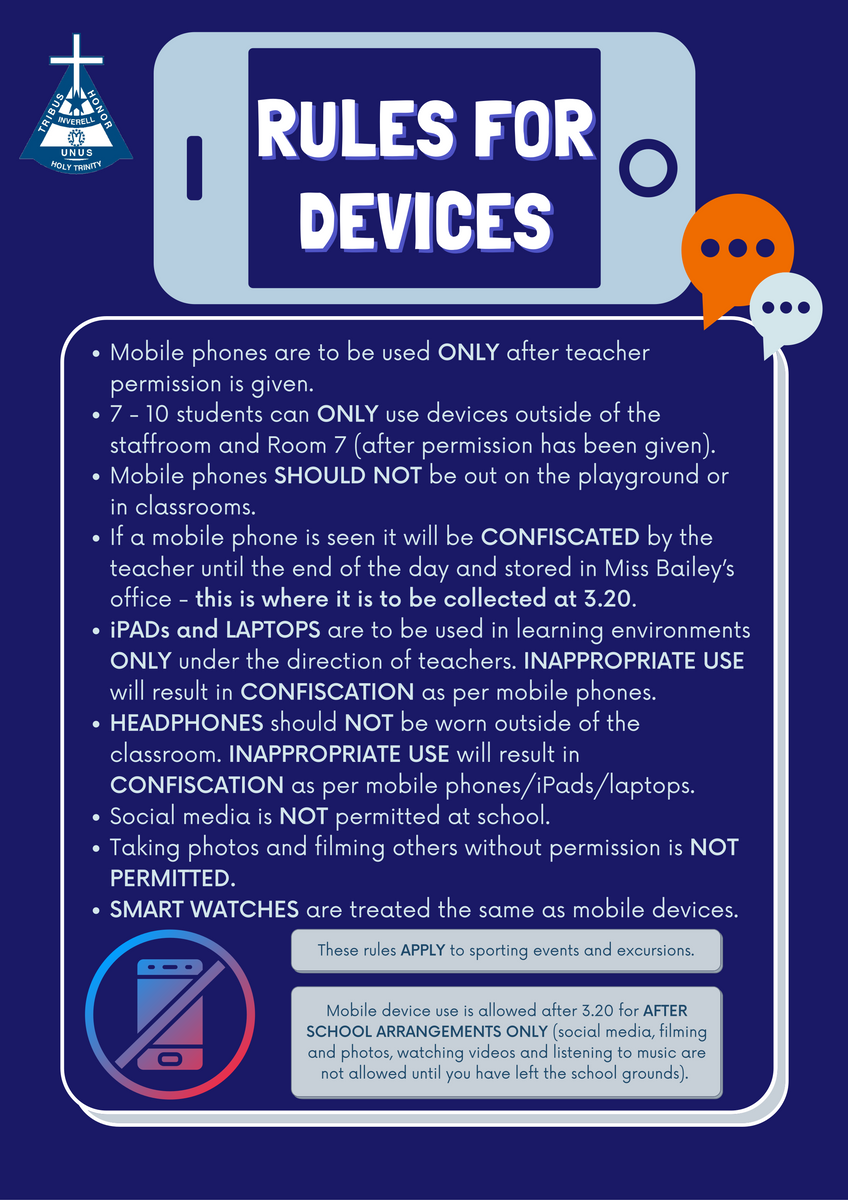
Students are not permitted to use their devices unless instructed by a teacher. This includes both the classroom and the playground. The students are aware of this policy and receive constant reminders in Pastoral Care, their teaching classes, and there are also many posters displayed all around the school.
If a student needs to use their device, they must first seek permission from a teacher and use it in an area designated by the teacher. This is usually under their direct supervision or outside the Secondary staffroom.
If students are unable to follow this policy, then their phone is confiscated and placed securely in Miss Bailey's office, where it is collected by the student at the end of the school day.
Teachers record each time a device has been confiscated. After the device has been seized for a second time, it remains at school until it can be collected by a parent/carer.
Year 7:
7J – Mr Jack Jeffery
7K – Miss Kristina Majetic
7M – Mrs Veronica McCormick
7W – Mrs Kristen Smith
Year 8:
8G - Mr Anthony Gaias
8M – Mr Ricky Muggleton
8T- Mrs Jane Taylor
8W – Mr Sam White
Year 9:
9C – Mrs Claudia Dolbel
9E – Mr Jeremy East
9G – Miss Lauren Green
9M – Mrs Christine McLachlan
Year 10:
10C - Miss Claudia Cush
10U – Mr Blake Uebergang.
Students and parents are encouraged to approach the relevant Pastoral Care teacher if they need assistance.
Miss Kim Bailey
Mr Sean Baldwin
Mrs Kylie Butler
Miss Claudia Cush
Mrs Angela East
Mr Jeremy East
Mr Peter Ehsman
Mr Anthony Gaias
Miss Alana Goldman
Miss Lauren Green
Mrs Mary-Jane Guest
Mrs Malynda Hiscock
Mr Jack Jeffery
Mr David Koch
Mrs Veronica McCormick
Mrs Christine McLachlan
cmclachlan@arm.catholic.edu.au
Mr Ricky Muggleton
rmuggleton@arm.catholic.edu.au
Mr Matthew Pye
Mrs Kristen Smith
Mrs Jane Taylor
Mrs Katherine Townsend
Mr Blake Uebergang
Mrs Carrie Watchirs
Staff can be contacted directly using the email address above or via the Compass portal.