
Curriculum
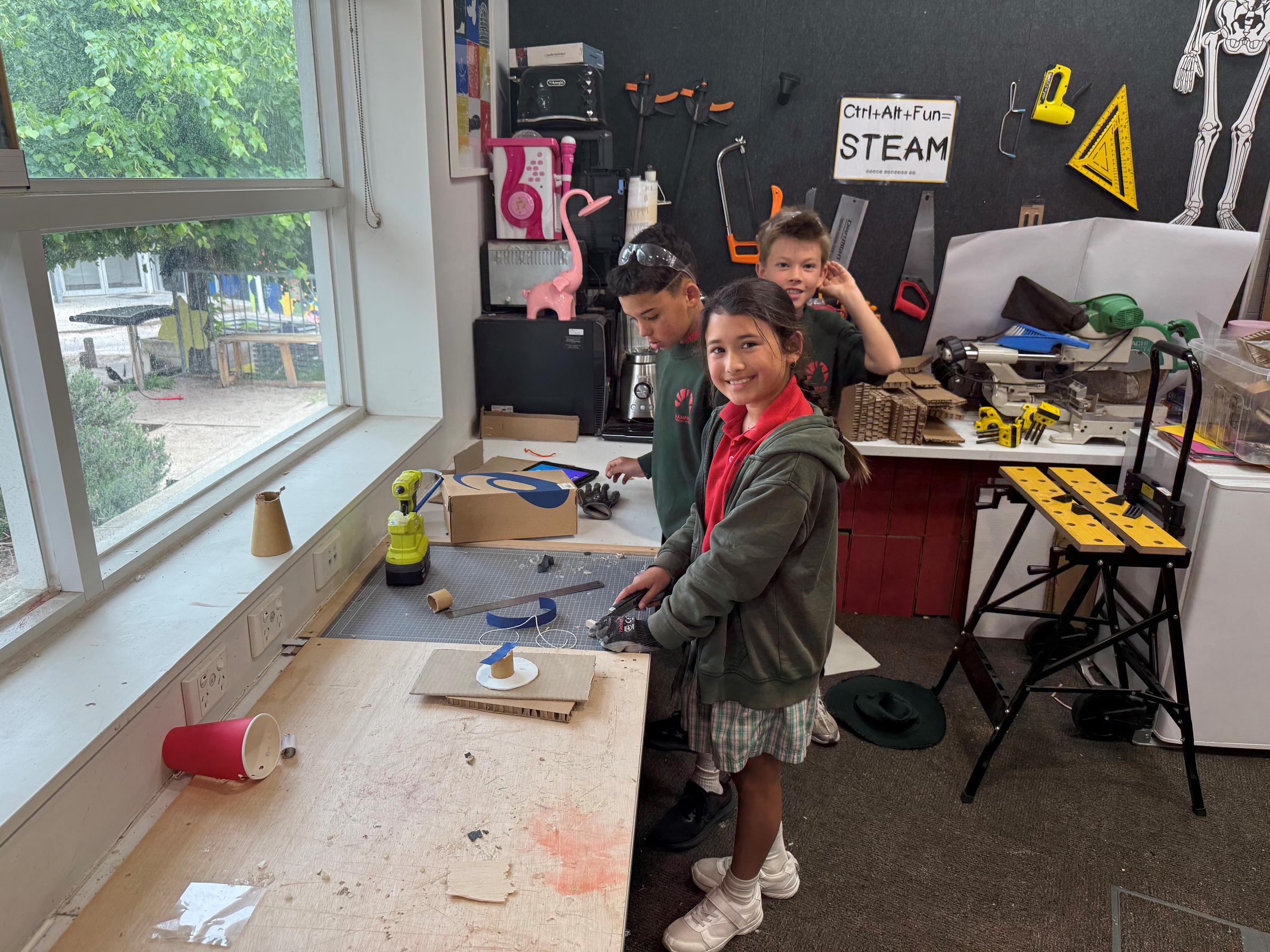
Cameron Azer | Assistant Principal Image: Grade 4 STEAM
Curriculum
Cameron Azer | Assistant Principal Image: Grade 4 STEAM
From December 10 this year, Australia will lead the world in a major change to online safety. New legislation will restrict children under the age of 16 from creating or maintaining social media accounts — including popular platforms like Instagram, TikTok, Snapchat, YouTube, Facebook, and X (formerly Twitter). Other platforms such as Roblox and Discord have not been identified, however there has been communication which states they will involve certain verification checks.
The decision comes after years of accumulating evidence giving more and more indications that social media, while fun, engaging, and sometimes even educational they can also be deeply dangerous for children and teens. These platforms are deliberately designed to capture attention, keep users scrolling, and reward comparison. They elevate extremism and outrage. They can expose children to violent and explicit content, cyberbullying, unrealistic ideals, and a steady stream of social pressure that can erode wellbeing.
How will it work?
It shifts the onus off parents and onto tech companies, requiring them to take “reasonable steps” to stop under-16s from having accounts or being algorithmically targeted. This means parents won’t face penalties. The responsibility and the fines, which can reach nearly $50 million will fall to social media companies that fail to comply. To be compliant (and keep under 16's off the various platforms), big tech companies who are on the “banned” list will use a combination of age assurance tools, AI-based content analysis, behavioural signals, and layered safety checks. Regular identification can be used, but if people are uncomfortable with that, the platforms will supply other methodologies for age verification. The law won’t solve every problem. Kids will still find ways to connect, and not every unsafe corner of the internet will disappear. But this new baseline gives parents a powerful ally — and a clear message that childhood deserves protection.
What Can Parents Do?
By Gemma S 5C and Alina S 5B
All grade 5’s went to Mornington Peninsula on the 13th of November, where we learnt about all the sea creatures that live in Mother’s Beach like the protected plover and how to take care of the coastline not just there but everywhere! We had 4 different activities to do at the beach, we cleaned up the coastline and sorted them into different types of trash, we built a sandcastle with different sea creatures and made a food chain , we did a plastic timeline where we did a rally race and decided how long it would take for plastic to break down. Finally, my last and favourite activity was where we learnt about plovers and played octopus to learn how hard it is to survive as a plover!
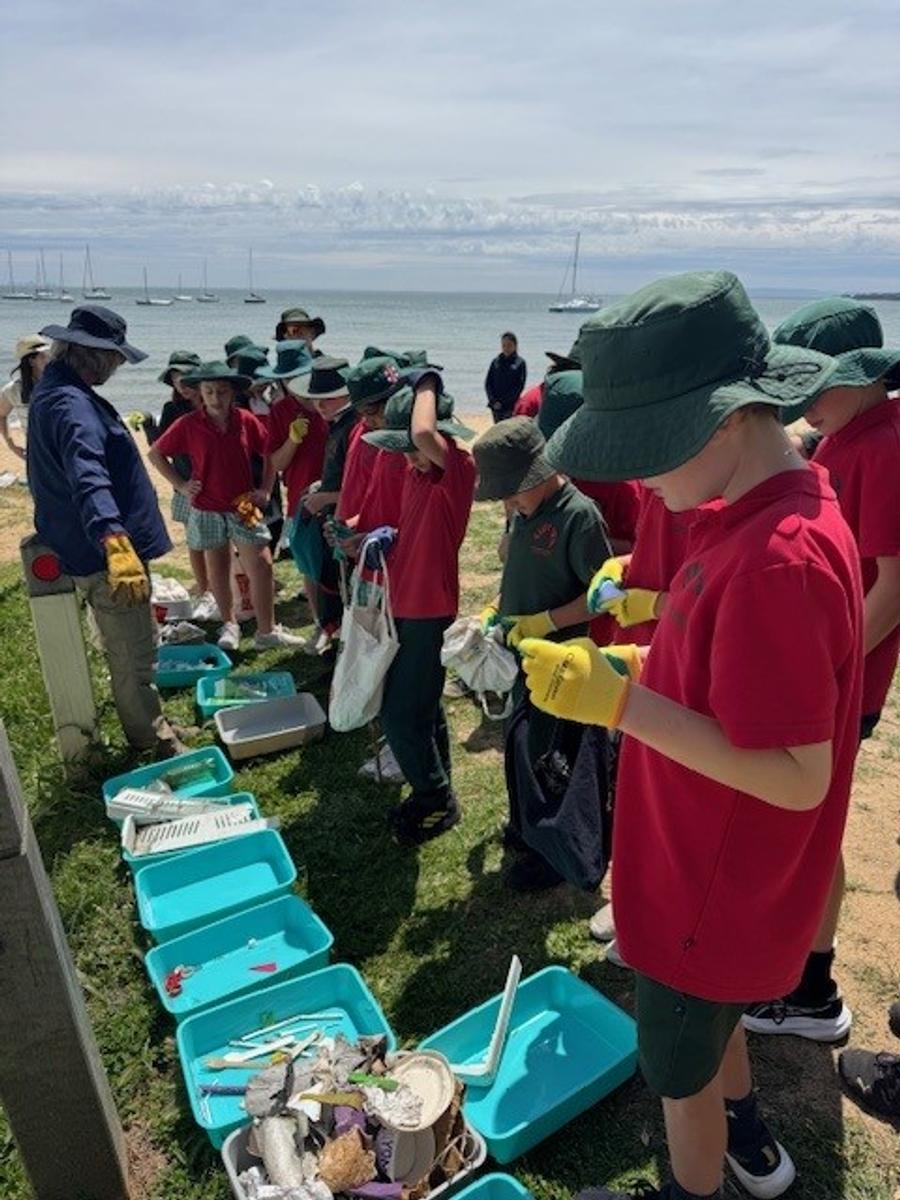
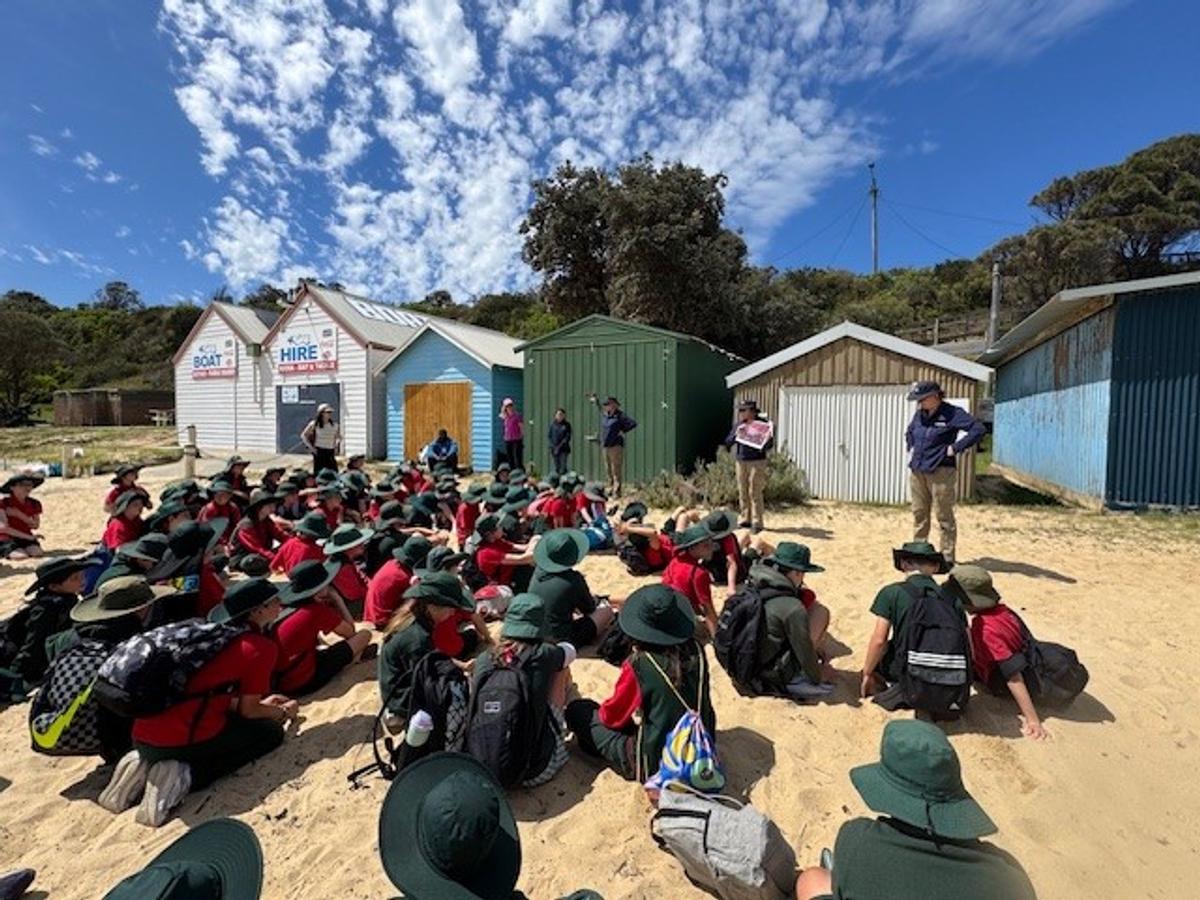
On the 13th of November all the year 5’s went to Mornington Peninsula at Mother’s Beach where we learned about animals that live there like the protected species - the plover. We learnt how to care for the coastline and beach so we can learn what goes in the sea, and how we can stop it being damaged. We also learned about how long it takes rubbish from the sea to break down into smaller pieces. We had 4 different activities to do and they were a plastic sort timeline, sand castle food chain, beach cleanup and sort and learning about plovers, how to protect them and a little plover game. My favourite part of the excursion was the plover game and activity!