
Deputy Principal's Report
Learning Around the School
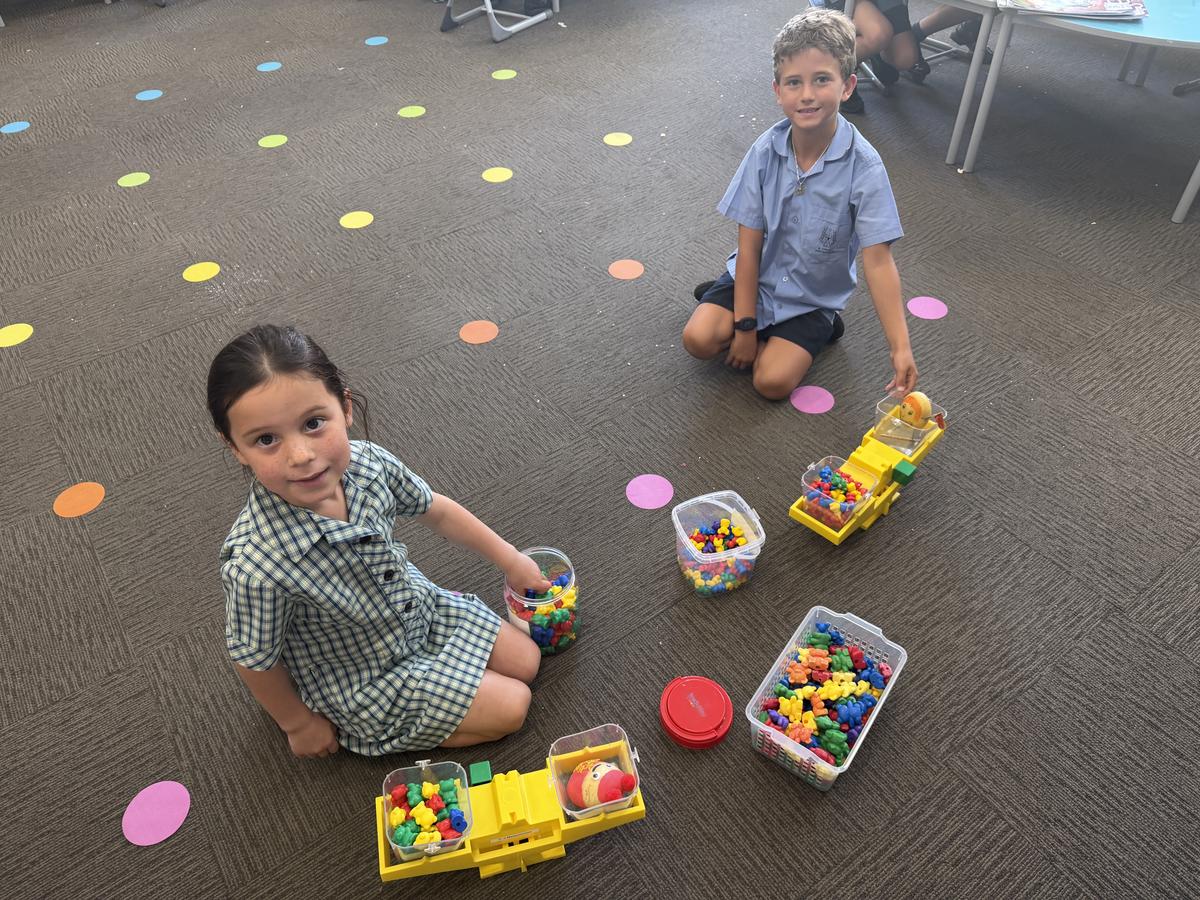
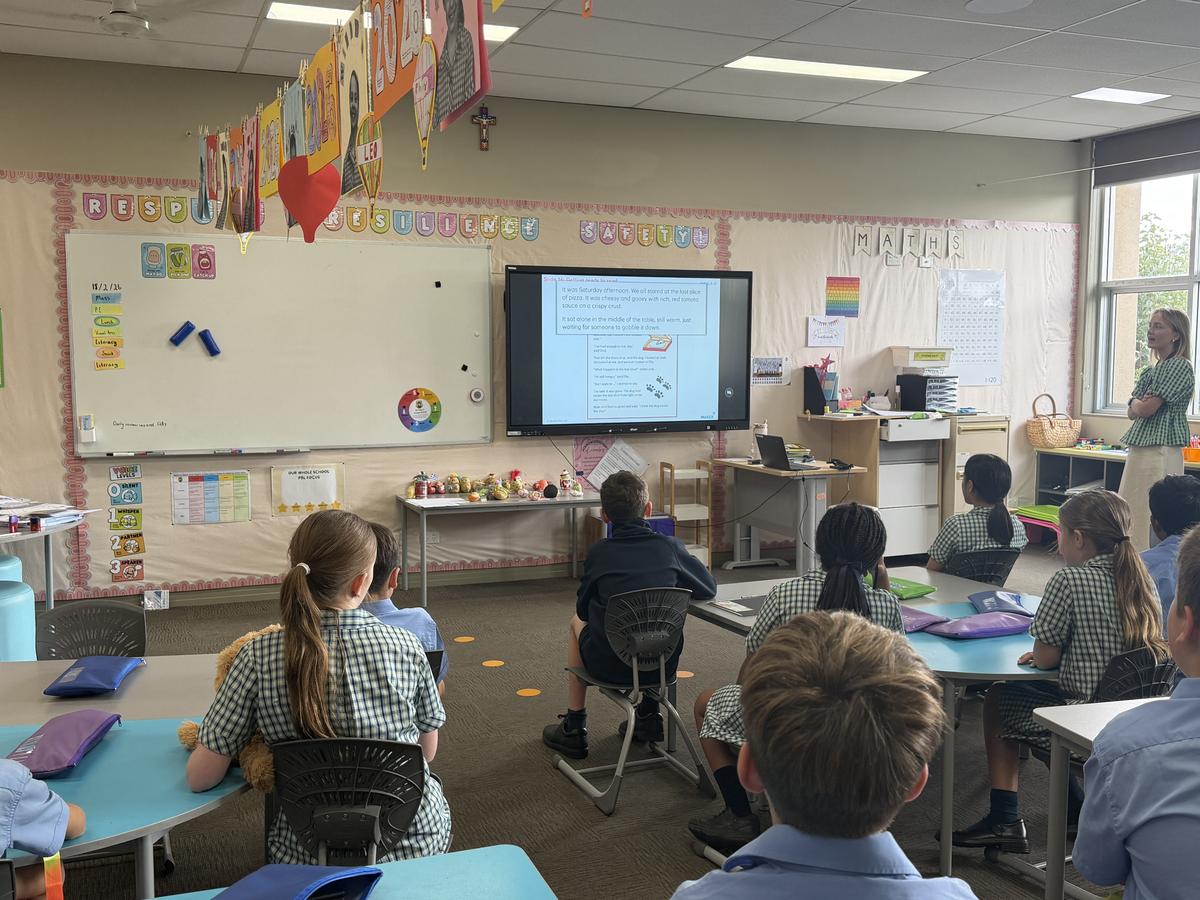
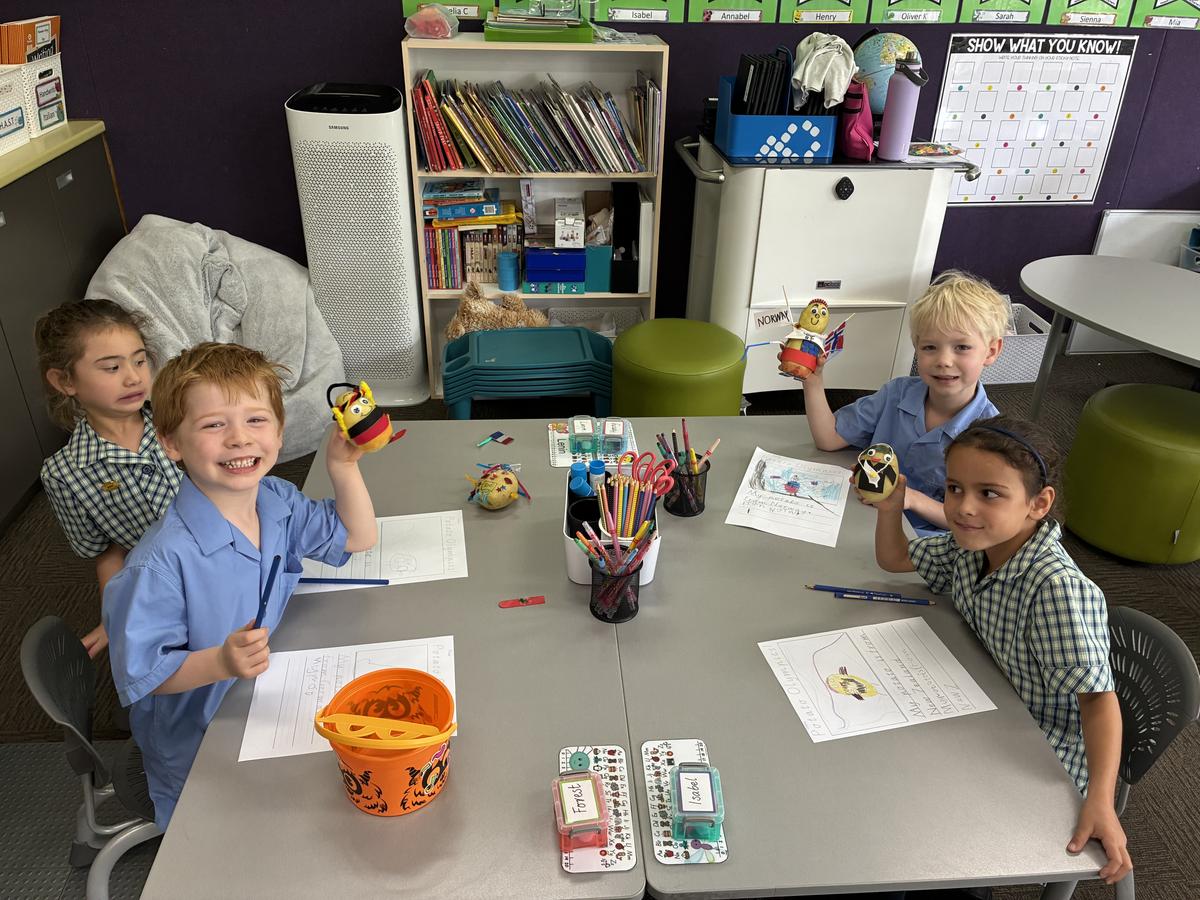
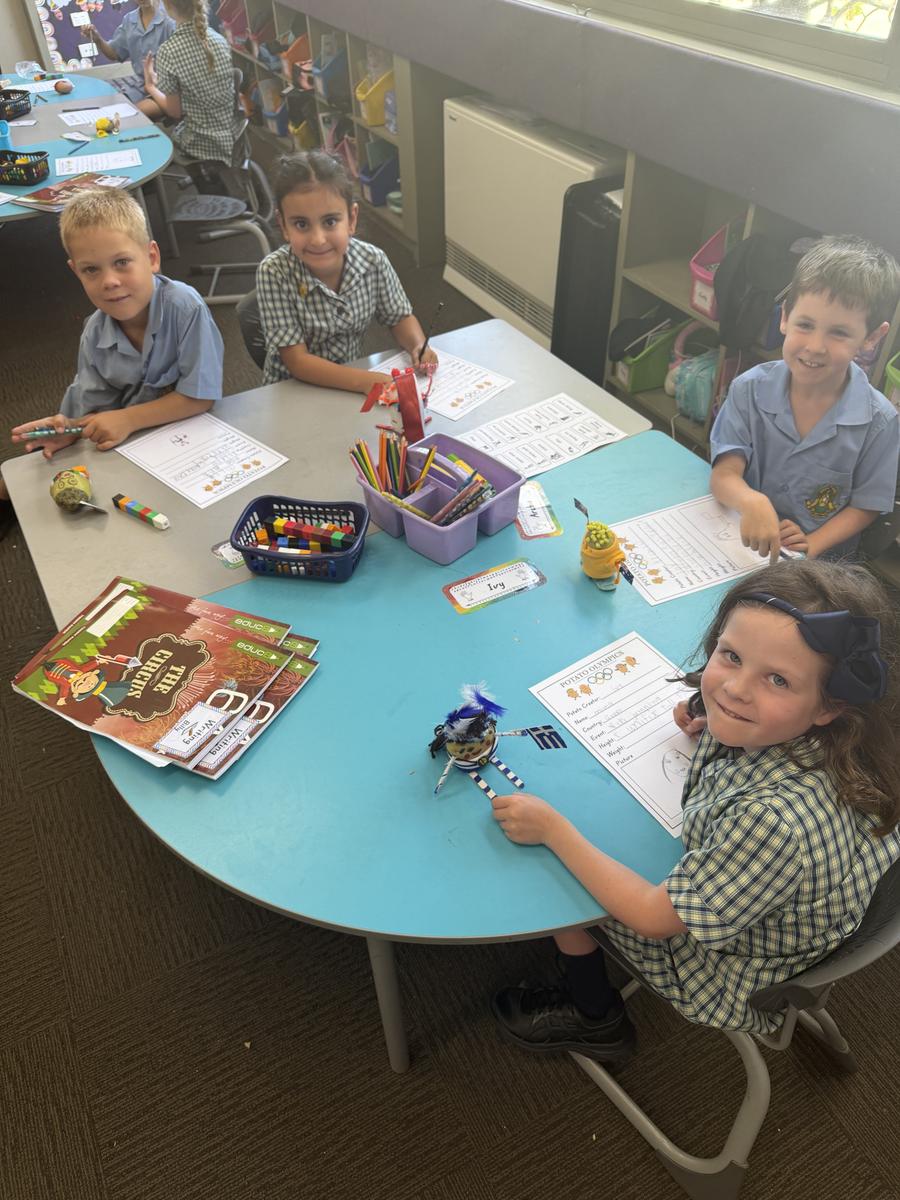
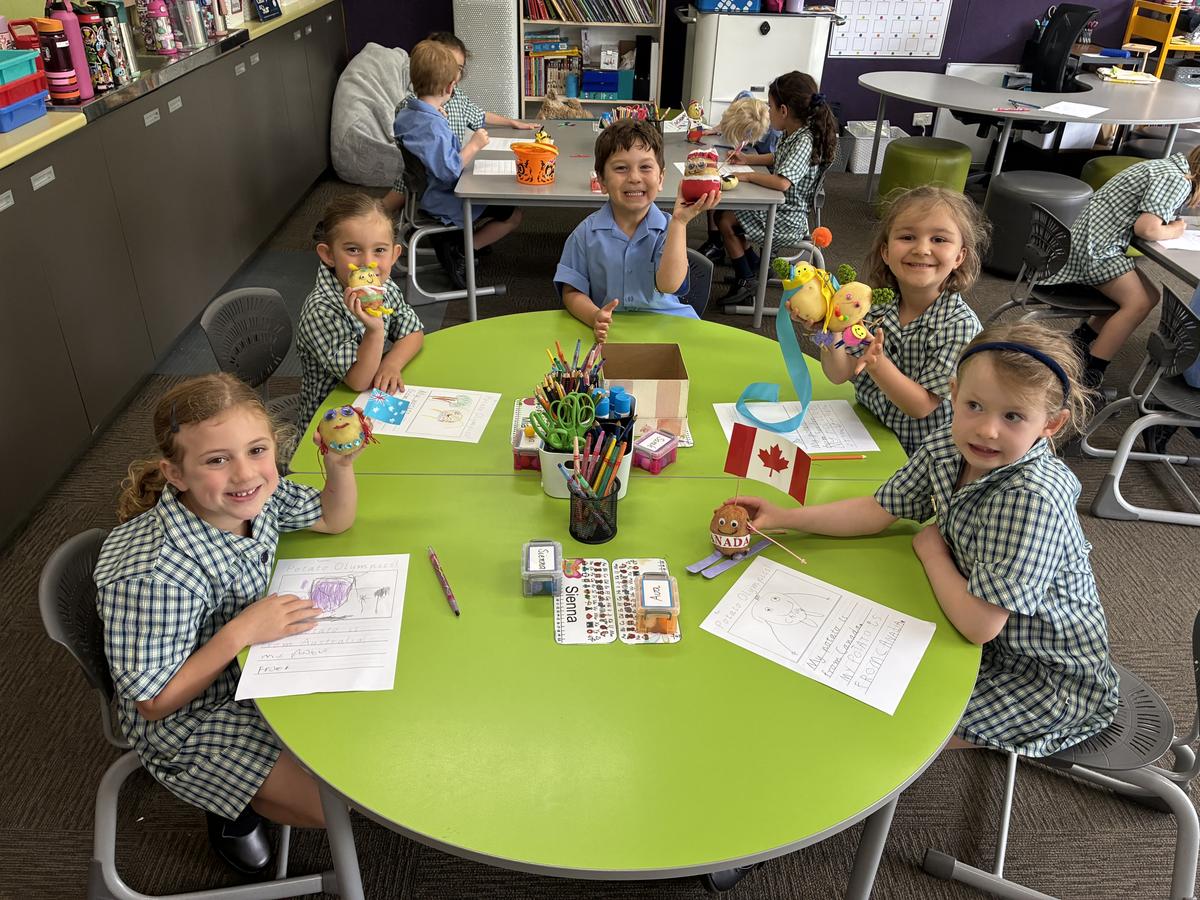
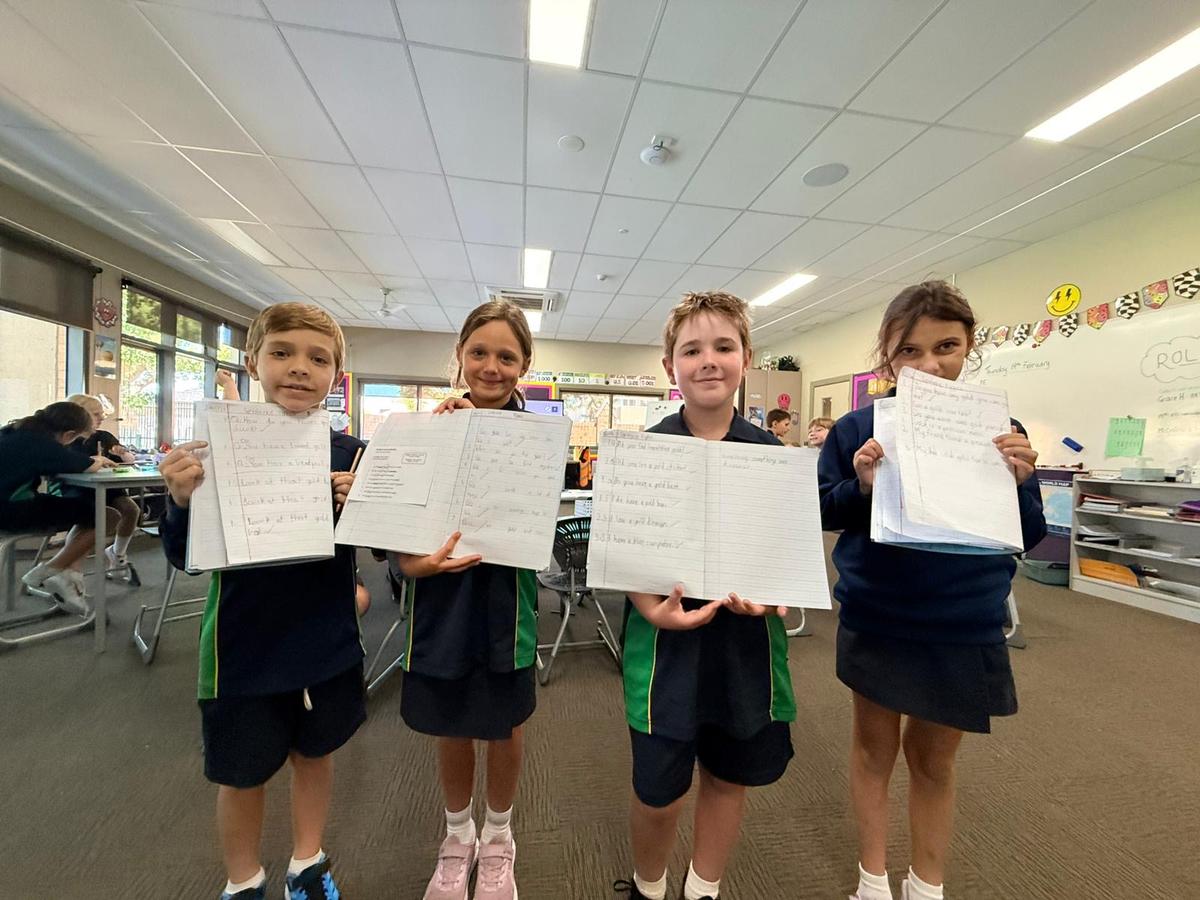
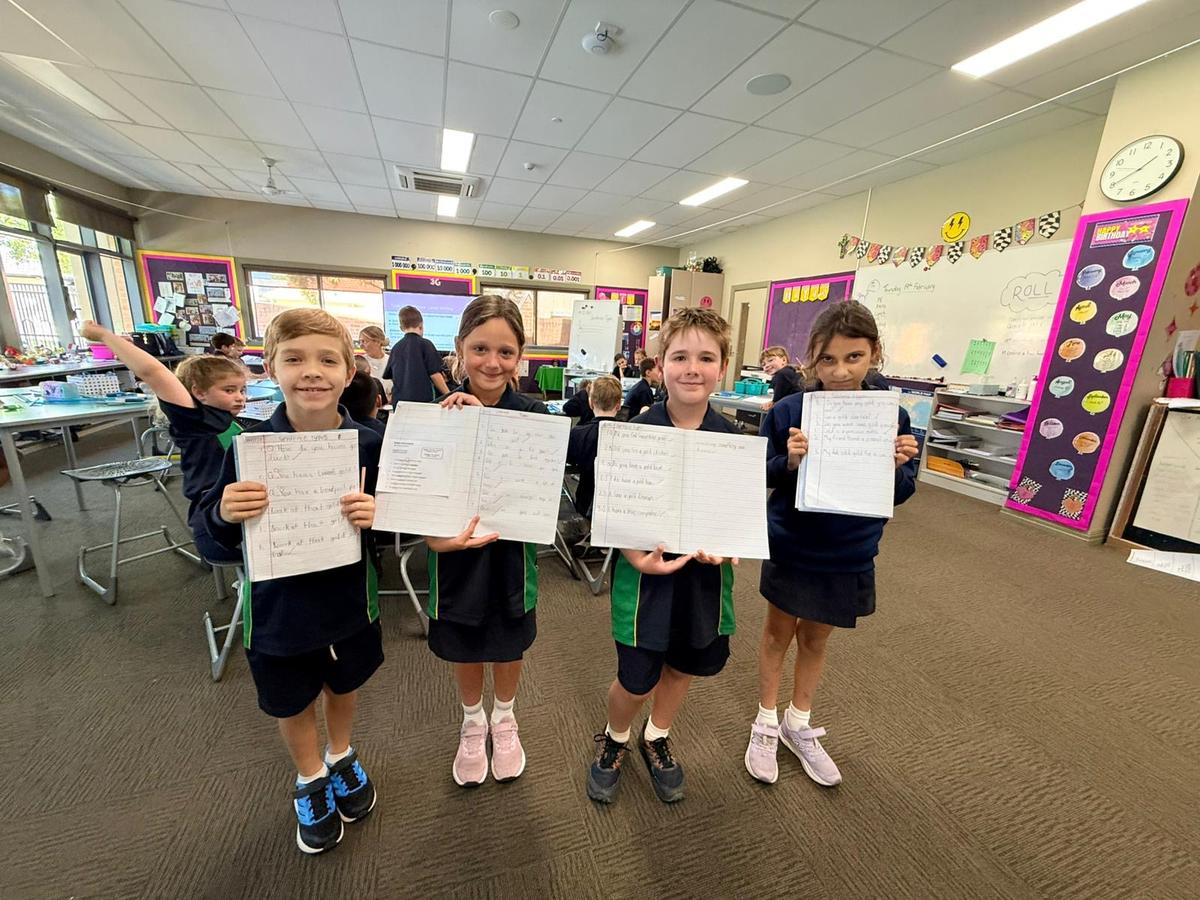
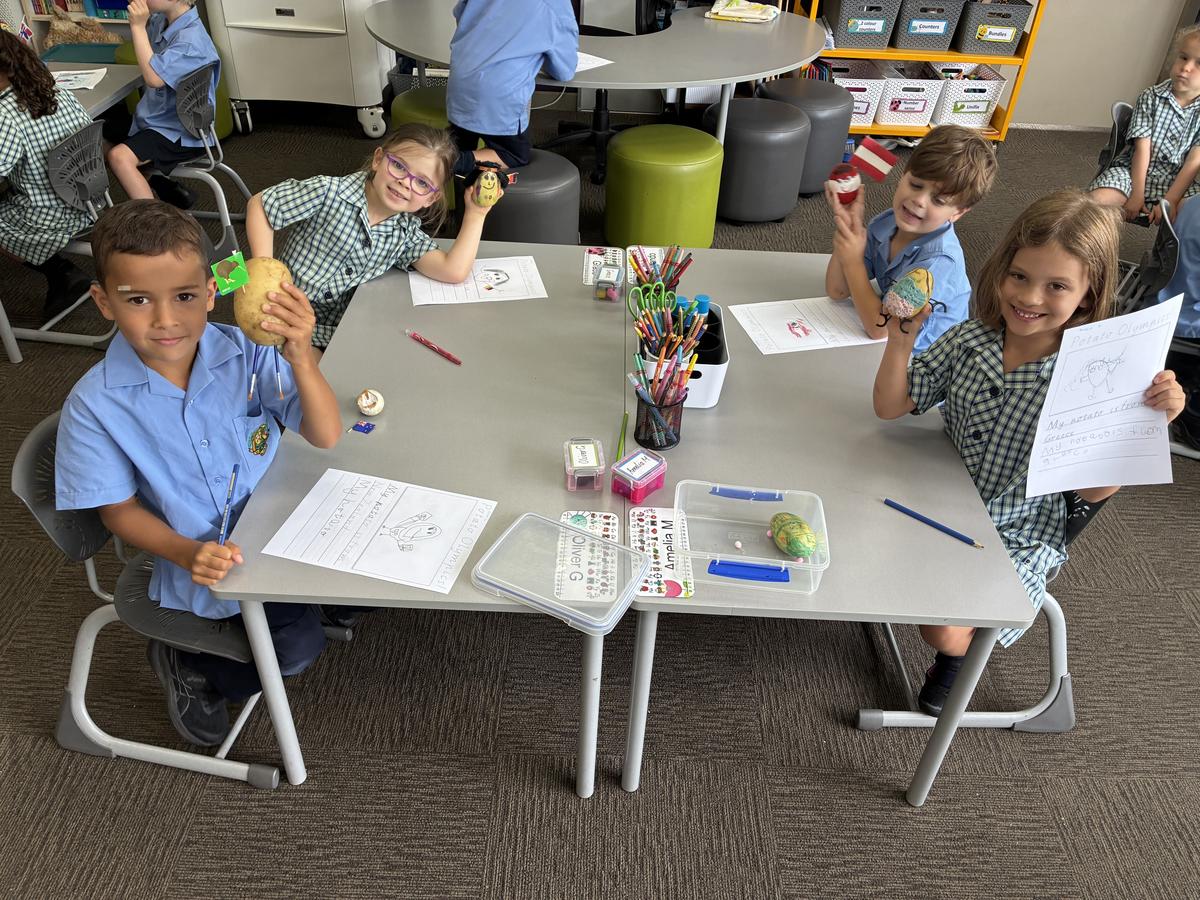
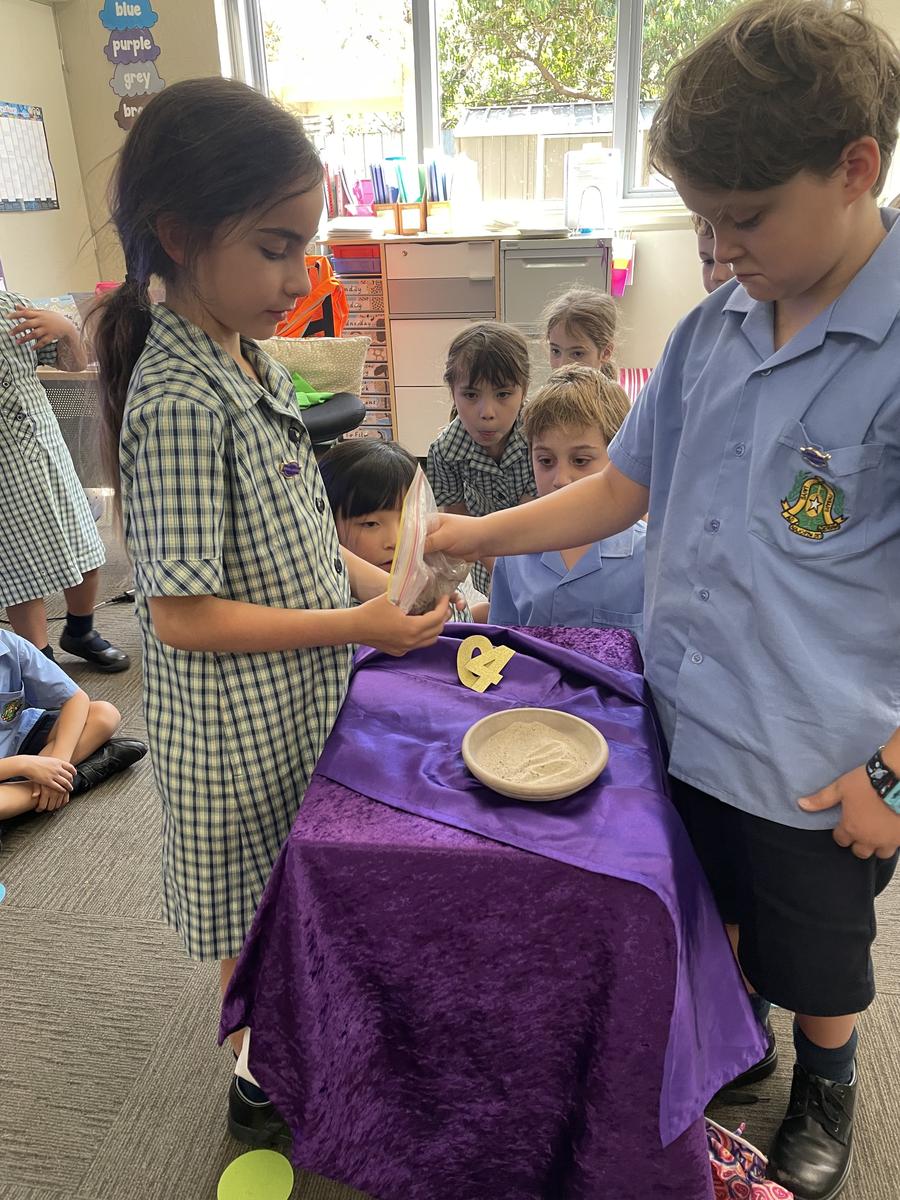
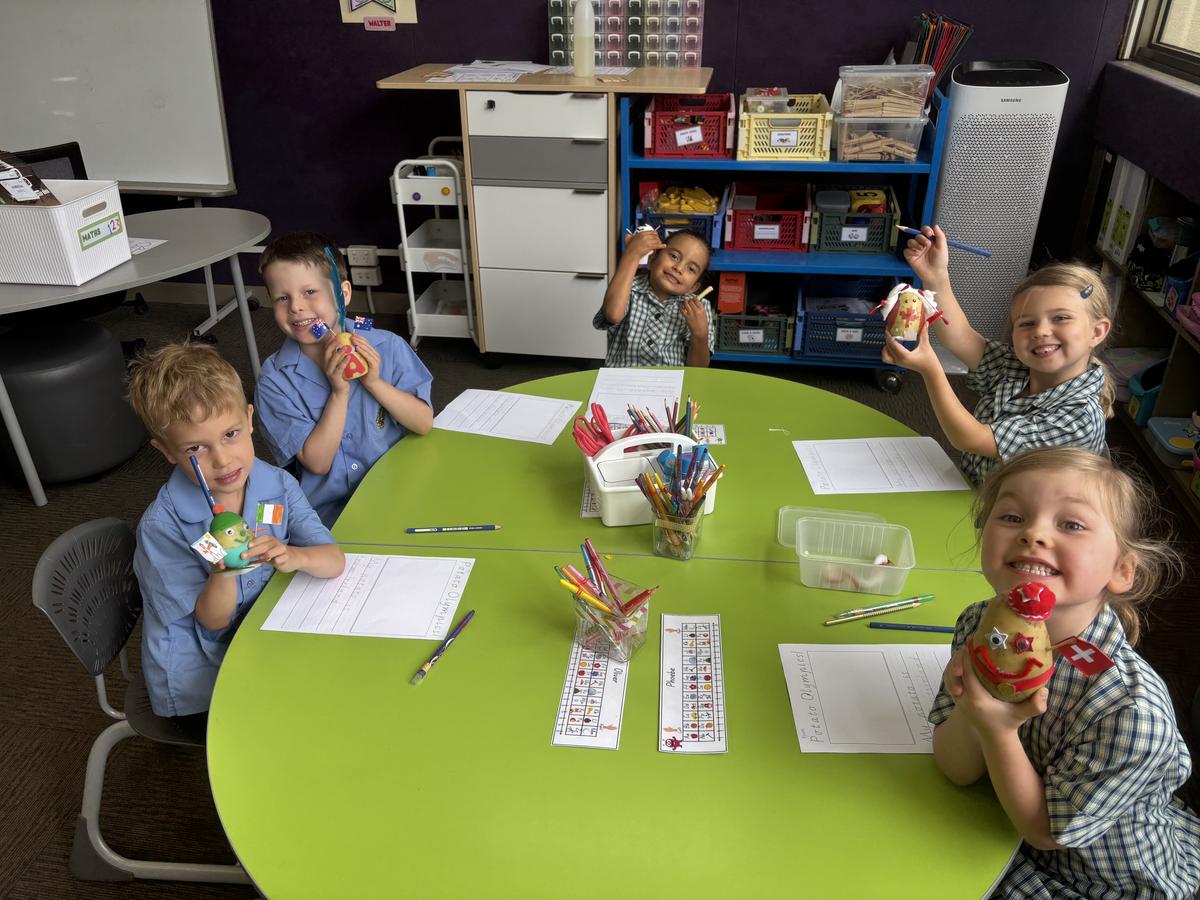
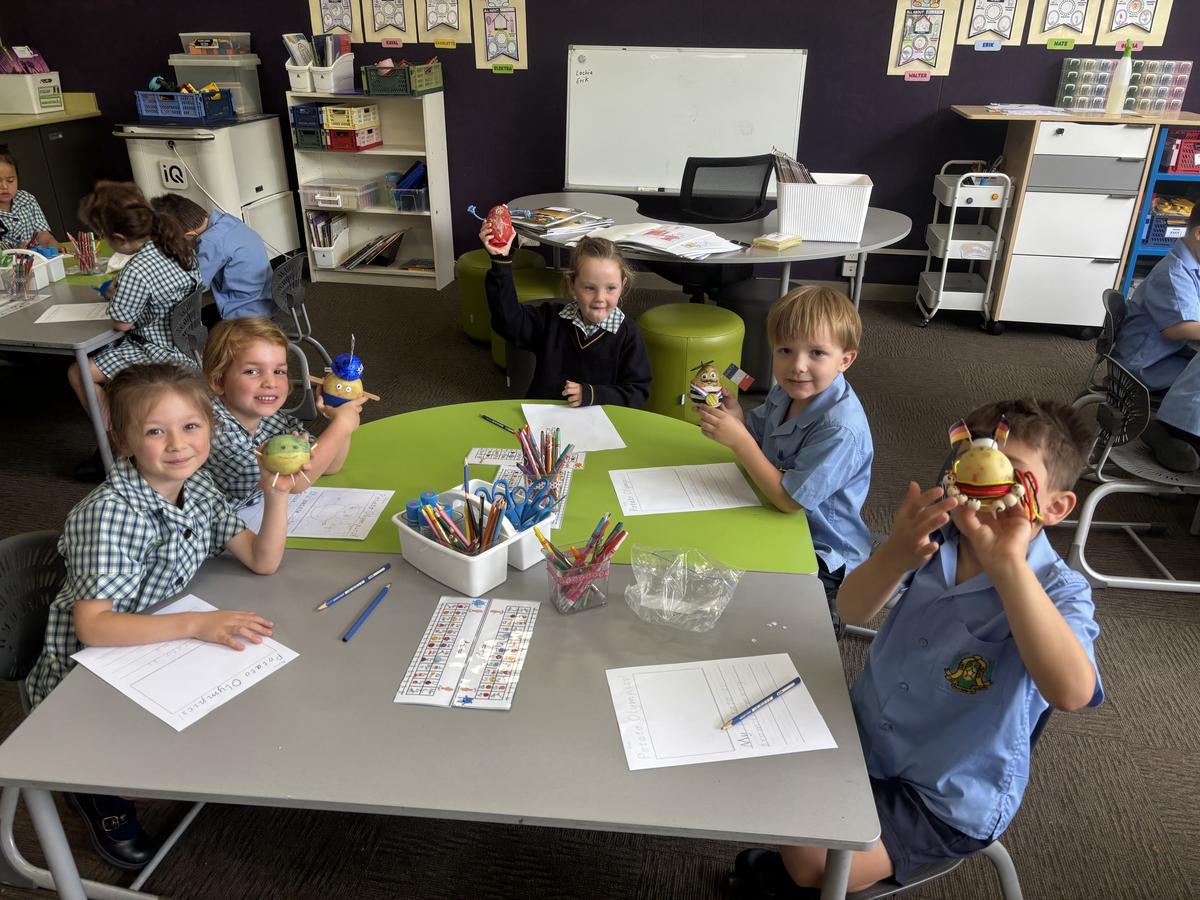
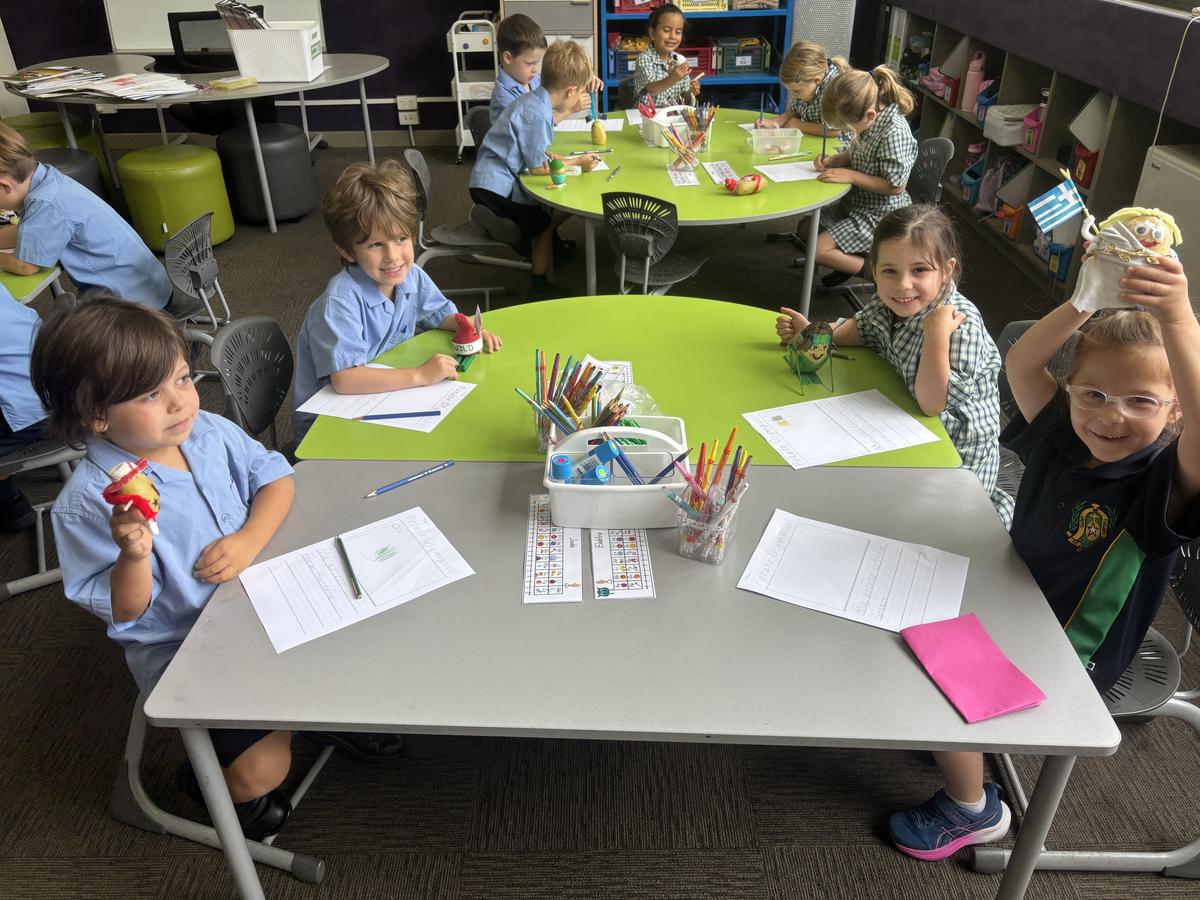
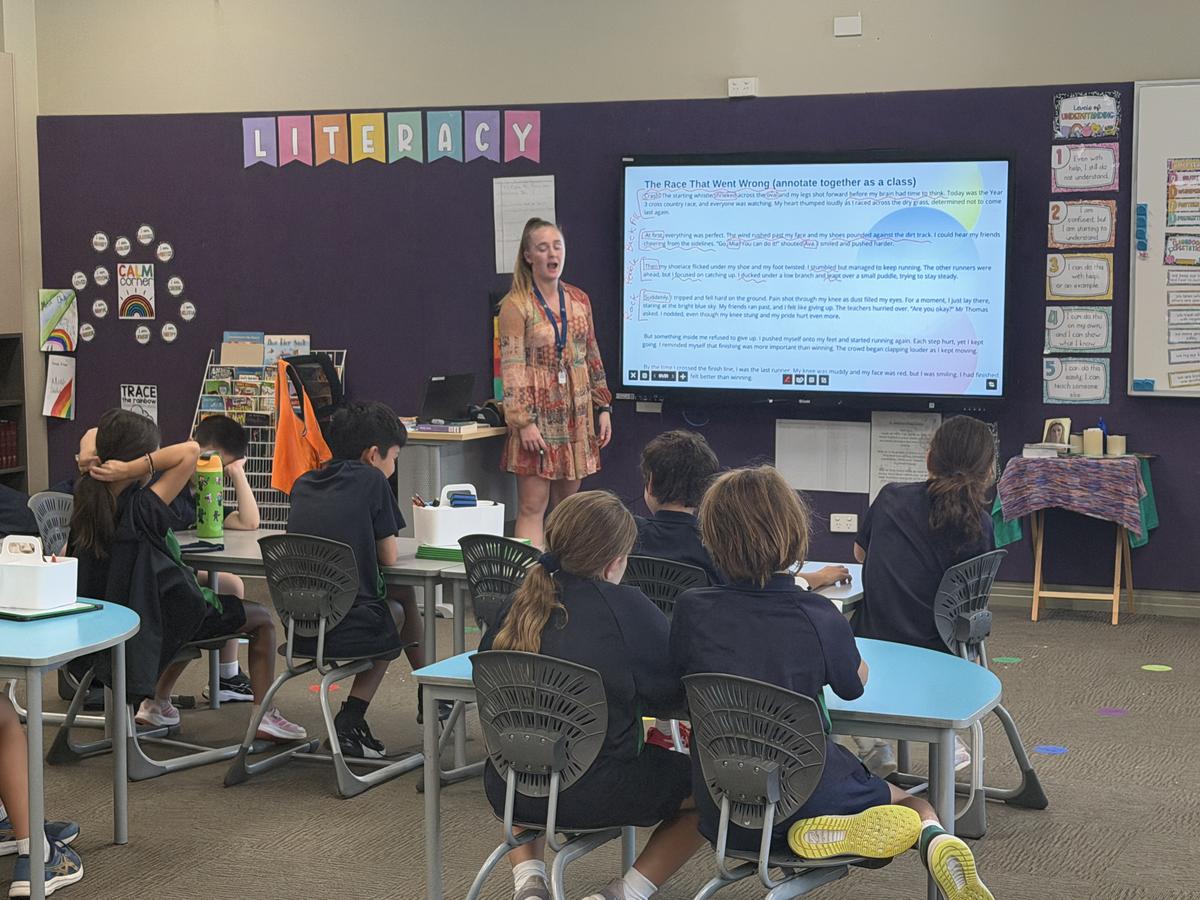
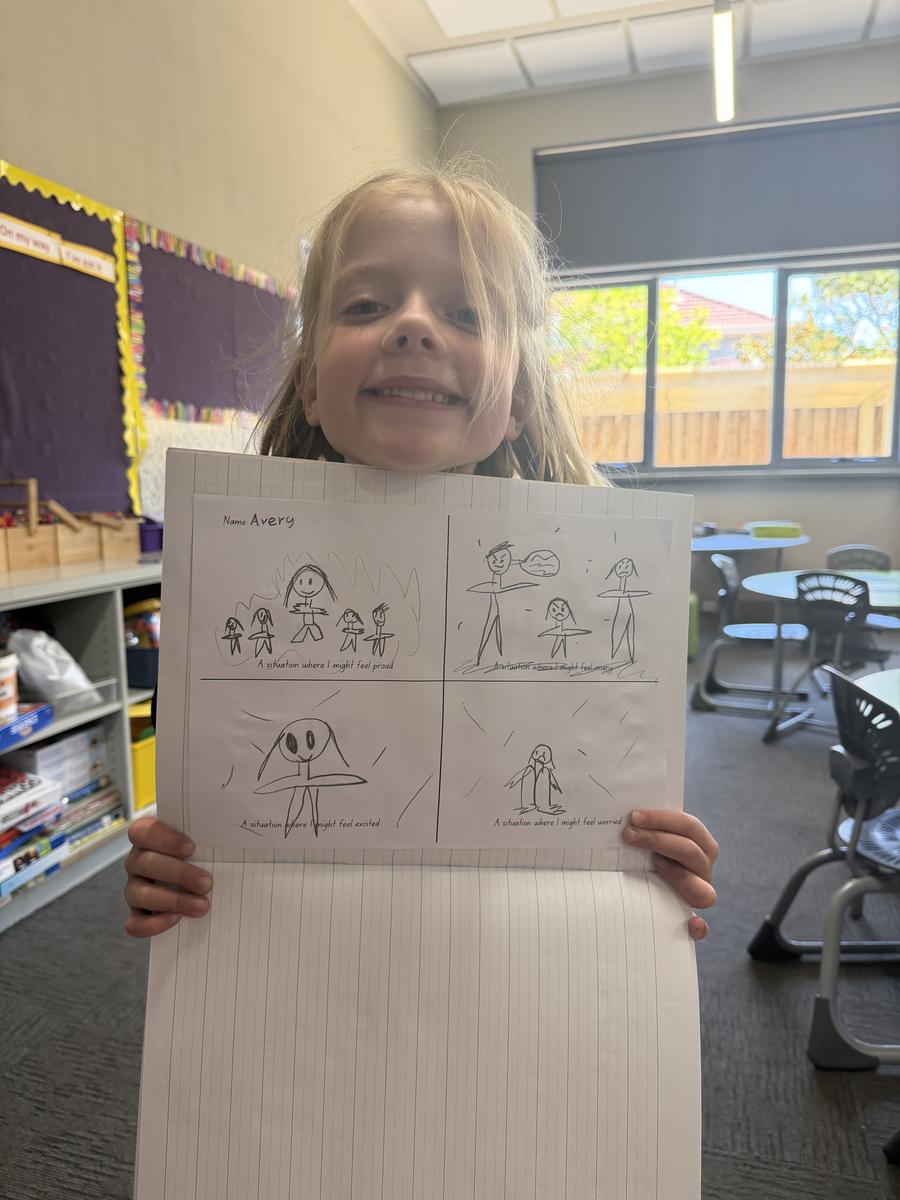
There has been a wonderful buzz of learning across all classrooms in the last fortnight. From writing, maths and through to our exciting Potato Olympics activities that brought creativity and teamwork to life. When walking through the classrooms we have seen our Year 4 students strengthening their reading fluency by exploring expression and voice, which students had a lot of fun doing. In Year 2, we've seen the children thoughtfully learning about the season of Lent and what it means in their faith journey. In Year 3, students have also been building their writing skills, learning to identify and use the differences between questions and statements. In Prep and Year 1, the Olympic potatoes have been the stars of the show, being incorporated into writing and maths as they tried to balance scales. It has been fantastic to see such rich and purposeful learning taking place throughout our school.
Year 6 Camp
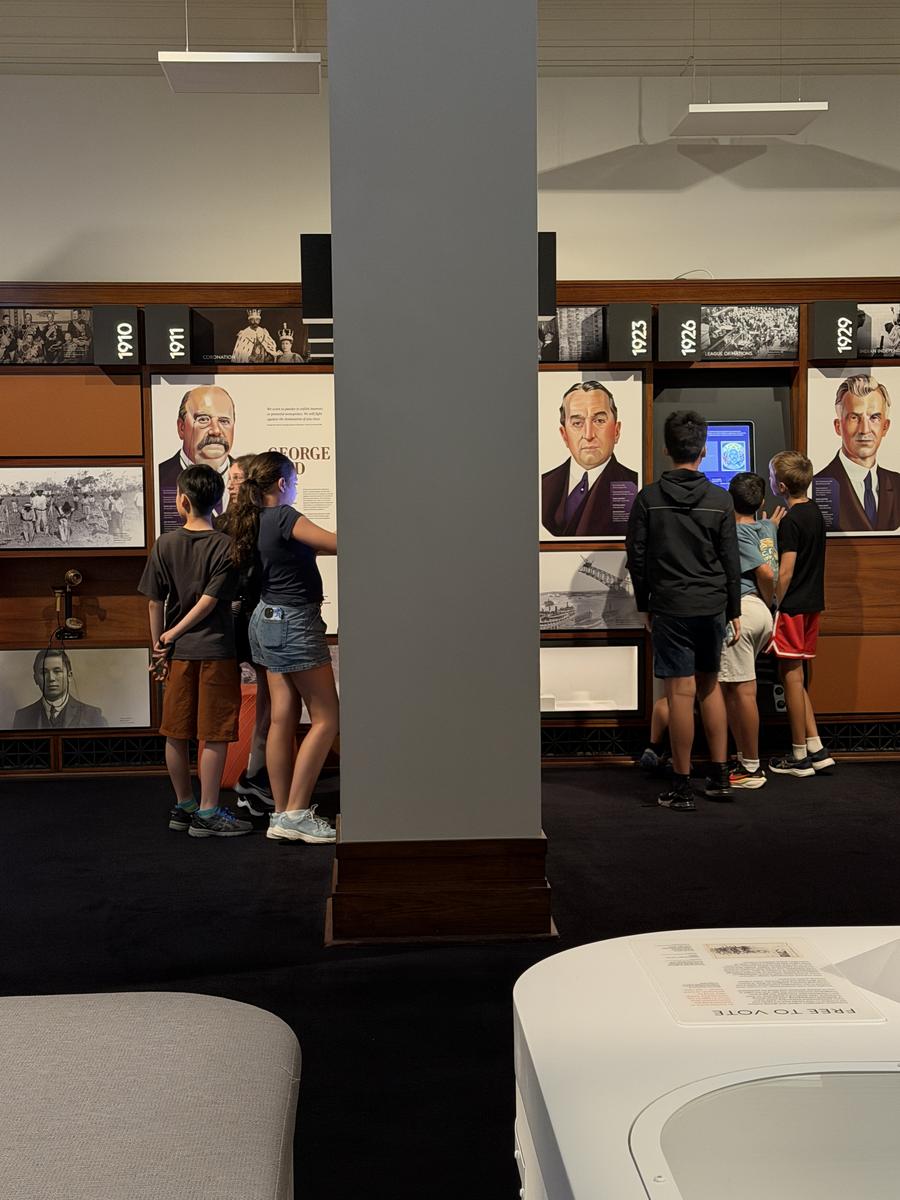
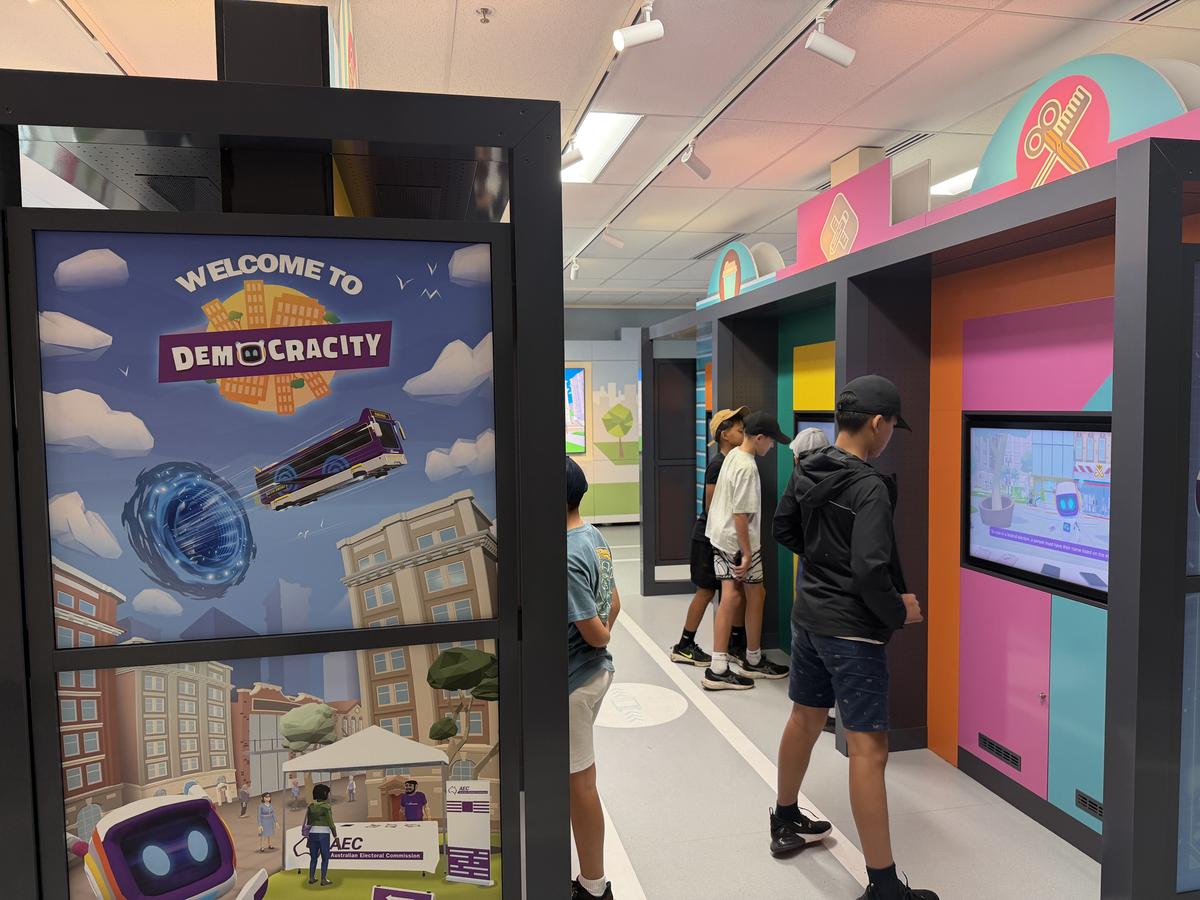
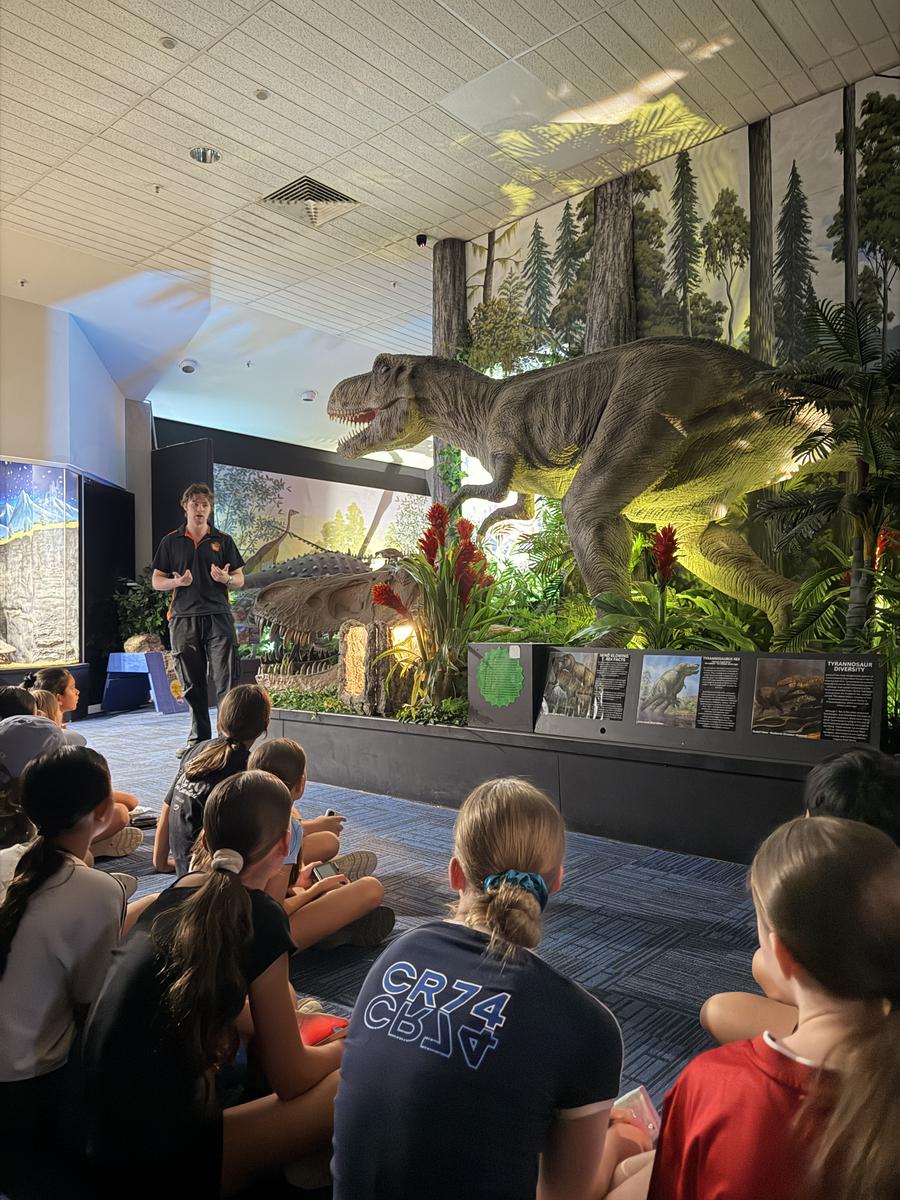
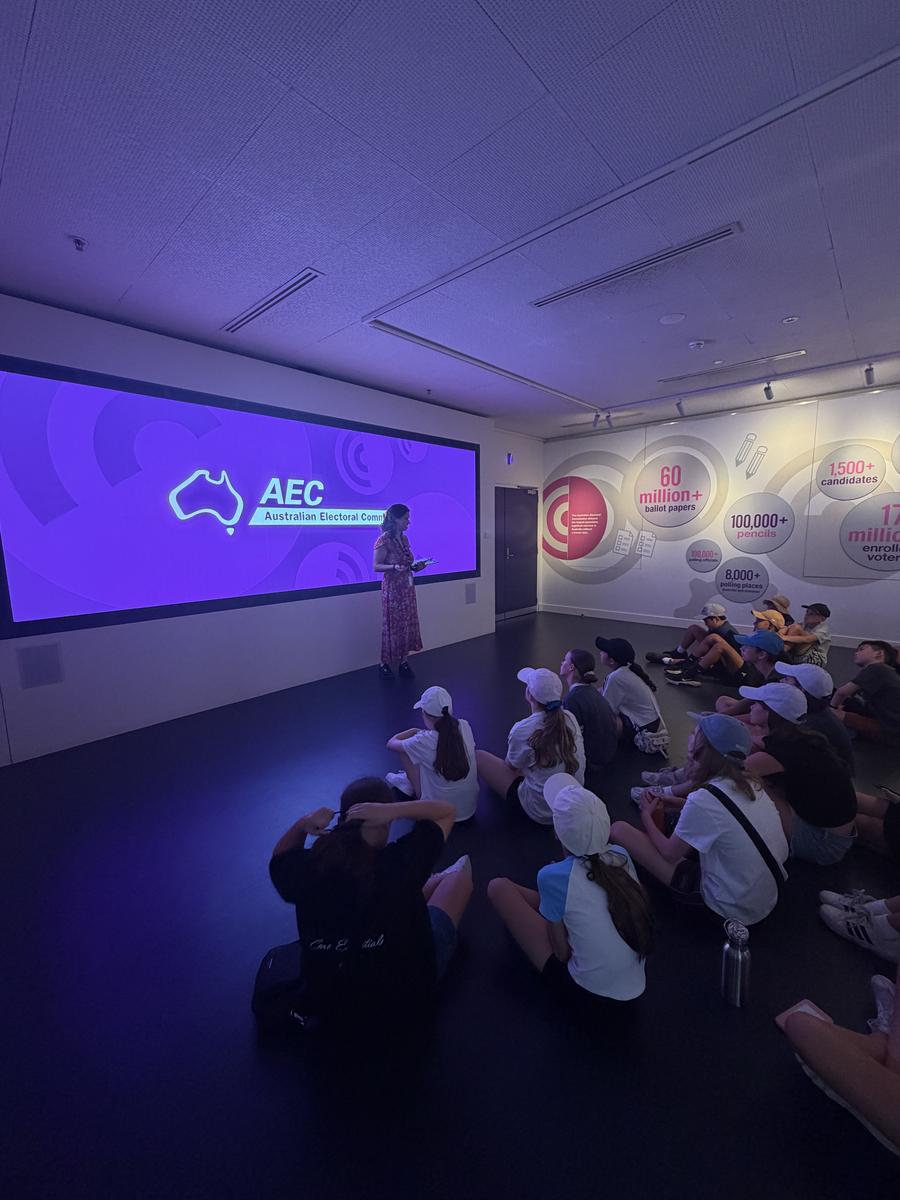
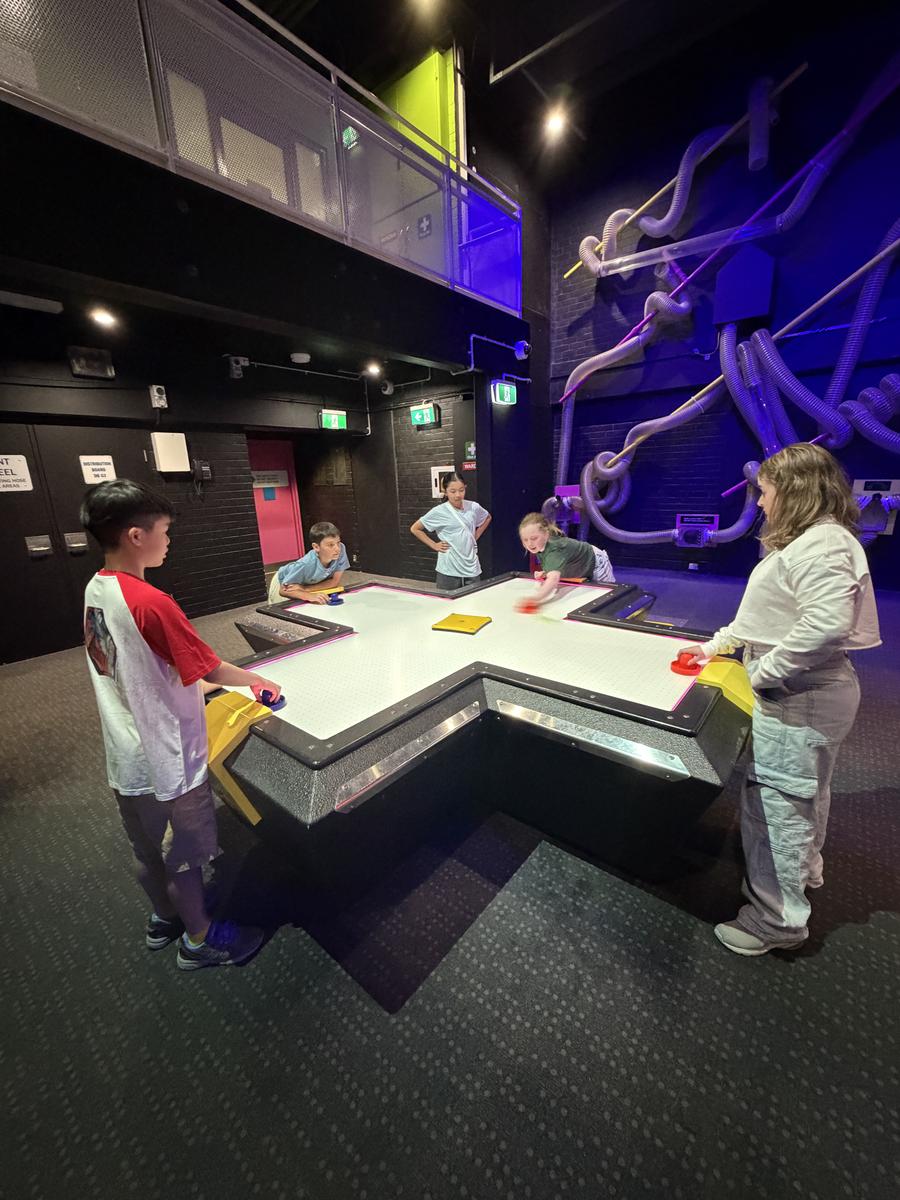
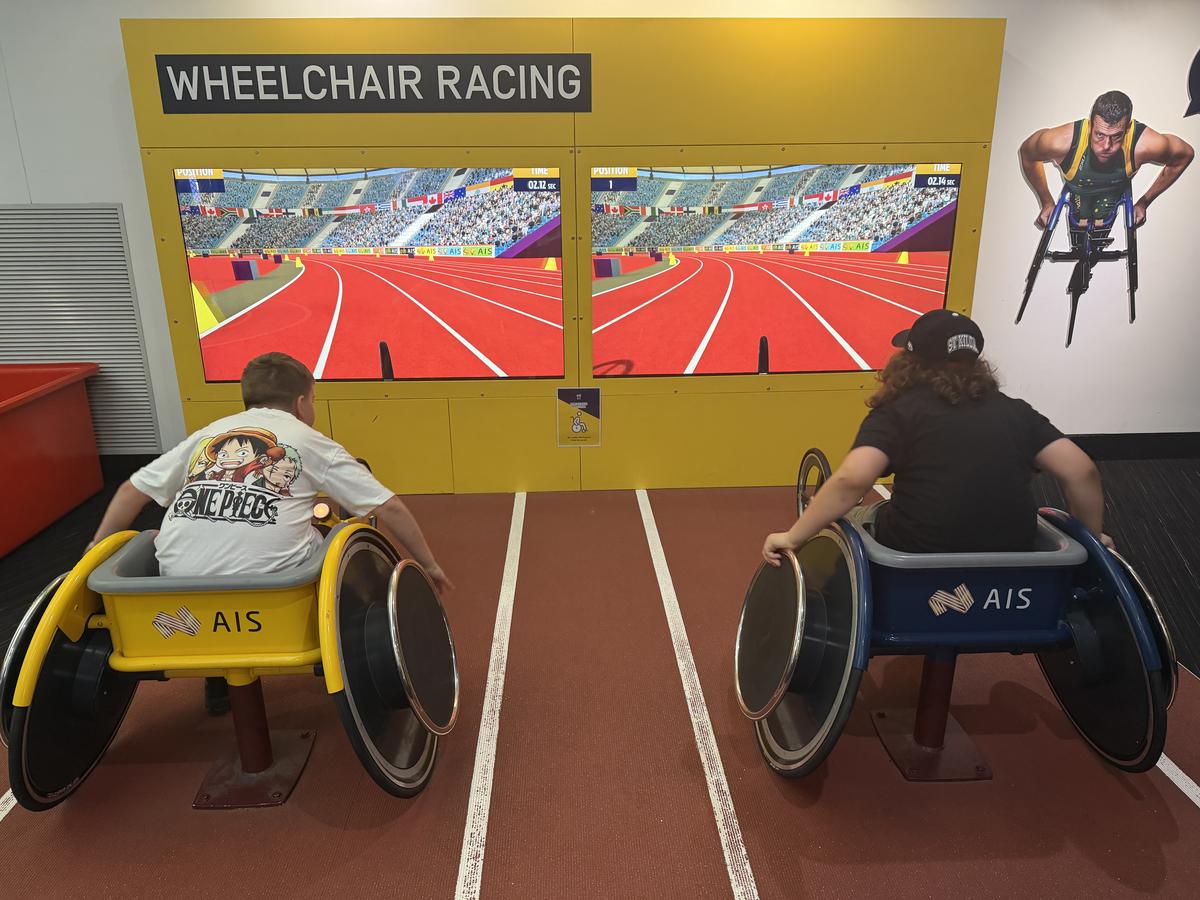
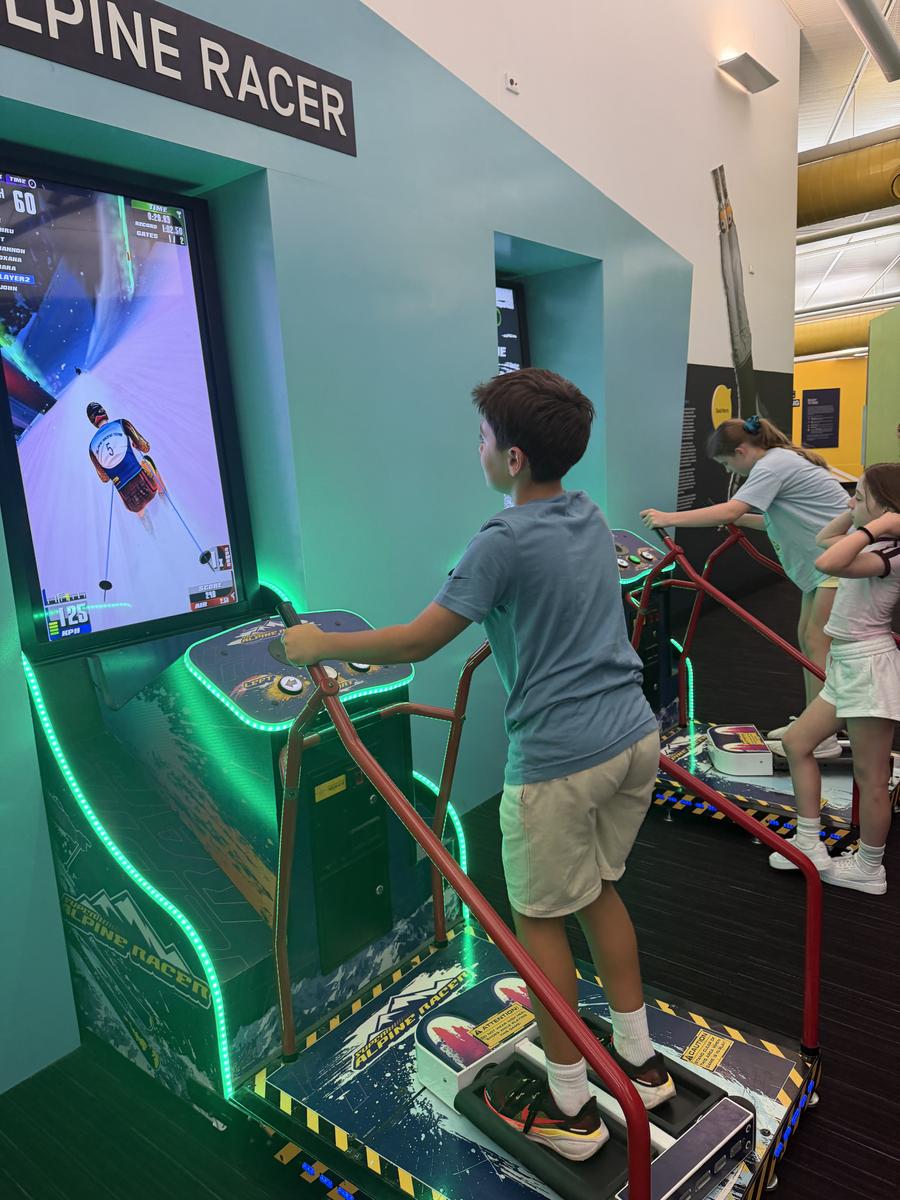
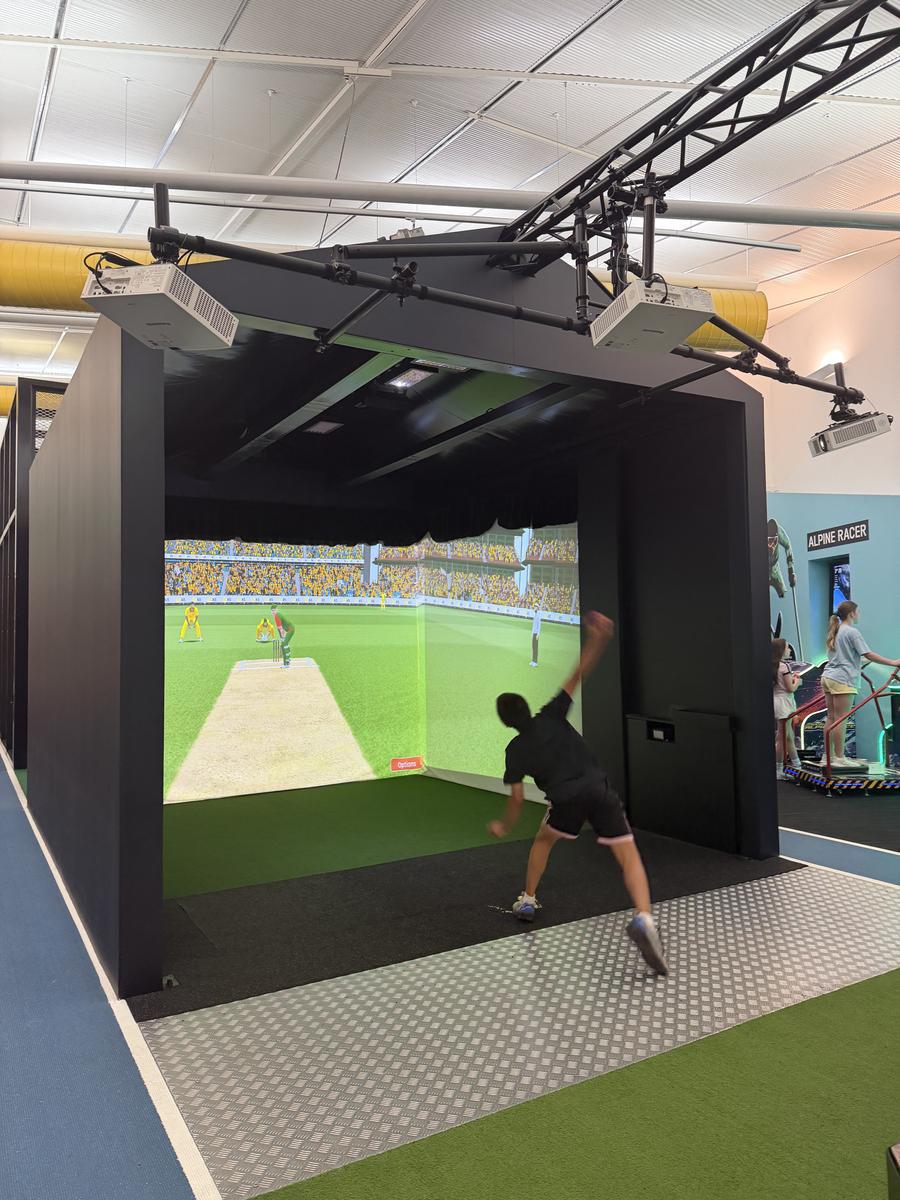
I (Laura) had the privilege to be away on camp last week with the Year 6 students. Across our five days in Canberra, they represented our school with outstanding behaviour, curiosity and respect. We spent time visiting Old Parliament House and Parliament House, exploring the Dinosaur Museum, touring the Royal Australian Mint, experiencing the Australian Institute of Sport and enjoying hands on learning at Questacon, a clear highlight for many. Their knowledge, thoughtful questions and engagement at each venue were impressive. I am especially proud to share that their exemplary behaviour was commented on by many of the staff at the venues we visited, which is a wonderful reflection of our Year 6 students. A sincere thank you to the staff who attended, Mrs Amanda Norton, Mr Peter Tyndall, Mrs Tania Thompson and Mr Callum Mills, for their care, organisation and dedication in making the experience so memorable for our students.







Screens & Our Kids: What the Evidence Actually Says
We've all been there. It's 5pm, dinner isn't ready, and the tablet is the only thing standing between you and a meltdown, yours or theirs. Or perhaps you've watched your child spend a rainy Saturday building an entire city in Minecraft and wondered, is this okay? Should I be worried?
Screen time is one of the most talked-about topics of our generation, and for good reason. Our children are growing up in a world fundamentally shaped by technology. But the conversation is rarely as black-and-white as the headlines suggest.
Public schools in Victoria are taking steps to reduce screen time in the classroom and we are following suit here at St Finbar's. Teachers have been asked to limit screen time where possible, aiming to reduce the daily screen use for all students in Prep to Year 6. This includes the interactive whiteboard, iPads and Chromebooks. There is so much debate on the topic that it is hard to get a grip on what we should be paying attention to and what we can realistically do about it. So let's take a calm, honest look at what the evidence actually says.
The Facts
The numbers are striking. Studies from the Sydney Children's Hospital Network found that up to 85% of primary school-aged children exceed the recommended screen time guidelines set by Australia's 24-Hour Movement Guidelines, which recommend no more than two hours of recreational screen time per day for children aged 5–17. More recent data shows Australian children are averaging over 20 hours of screen use per week, roughly 43% more than recommended. (University of Wollongong, 2023)
A Royal Children's Hospital Melbourne poll found that screen time and social media ranked among the top three health concerns of Australian parents and the landmark Gonski Institute report, Growing Up Digital in Australia (2021), found that 78% of educators reported a decrease in students' ability to focus on educational tasks.
The Concerns Worth Taking Seriously
Sleep disruption is one of the most well-supported findings. Screens before bed, particularly in the bedroom significantly reduce sleep quality and duration in children. Given that sleep underpins mood, memory, growth, and learning, this matters enormously.
Attention and focus are also affected. The Gonski report found that children using technology for homework spend a significant proportion of time off-task, and teachers reported declines in spelling, grammar, and reading comprehension. Our children's brains cannot effectively multitask.
Displacement (what gets lost in the process) is perhaps the biggest issue of all. A University of South Australia study (2023) found that during school holidays, primary students averaged over an hour more screen time per day, were less active, and ate less well. The problem isn't just the screen, it's what gets crowded out: physical play, reading, face-to-face interaction, and sleep.
The Genuine Benefits
Not all screen time is equal, and it's worth being honest about that too.
Quality educational content such as documentaries, interactive learning tools, audiobooks, and creative platforms, can genuinely extend children's curiosity and support learning, particularly for children who struggle with traditional formats.
Social connection through screens can be meaningful, especially for children who are shy, neurodiverse, or geographically separated from friends and family. Gaming with friends, for example, often involves real communication, teamwork, and negotiation.
Digital literacy is a genuine life skill. Children who learn to navigate technology thoughtfully; evaluating information, staying safe online and communicating respectfully are better prepared for the world they'll live and work in. The Australian Research Council's Centre of Excellence for the Digital Child (digitalchild.org.au) makes clear that the goal isn't to eliminate screens but to understand and guide their use.
Practical Steps for Families
1. Focus on sleep first. No screens for at least an hour before bed, and devices charged outside the bedroom. The evidence on this is the strongest and the payoff for children's behaviour, mood, and learning is significant.
2. Ask "what is it replacing?" rather than "how long?" A child who reads, plays outside, and sleeps well who also watches TV, is in a very different situation from a child whose screens have replaced all of those things.
3. Make simple, visible rules. Screens off at dinner. No devices in bedrooms overnight. Homework before games. Predictable routines work better than arbitrary limits.
4. Talk about content, not just time. "What were you watching?" opens conversation and signals interest. Children who feel they can talk to parents about what they're doing online are more likely to come to you when something worries them.
5. Model the behaviour you want. Research consistently shows that parental screen habits are among the strongest predictors of children's screen habits. This one is uncomfortable, but it's true (this one might actually be the hardest from my own personal experience).
6. Involve children in setting limits. As children move through upper primary, including them in conversations about screen use builds their own capacity to self-regulate, which is ultimately the goal.
The Australian Institute of Family Studies (aifs.gov.au) and the Raising Children Network (raisingchildren.net.au) are both excellent, free Australian resources if you'd like to explore this further.
The research doesn't support panic, but it does support thoughtfulness. Most children who are loved, well-rested, active, and connected will be fine, screens and all. The goal is to raise children with a healthy relationship with technology, and that takes teaching, not just restricting.
Thank you for your ongoing support,
Peggy McDonald & Laura Zeeng