
Visual Arts & Technology
Follow us in Instagram: wantirna_college
Visual Arts & Technology
Follow us in Instagram: wantirna_college
How We (Almost) Created Our NASA-Powered Farming Game in Just Two Days
Over the holidays, four eager students and one nerdy teacher came together to fulfil a goal. That goal was to teach others about sustainability via the Nasa Space Apps competition for 2025. We joined thousands of participants globally, for our chance to showcase our skills for the greater good.
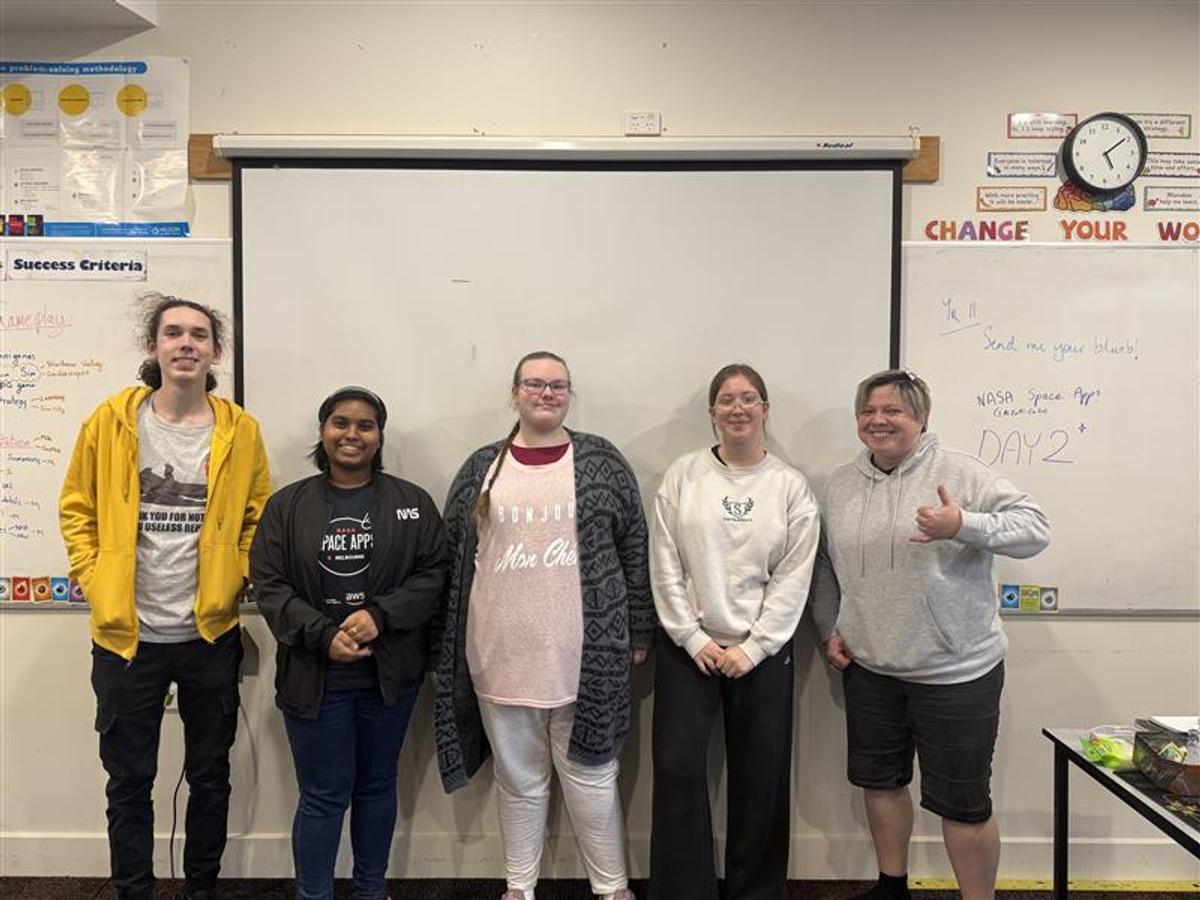
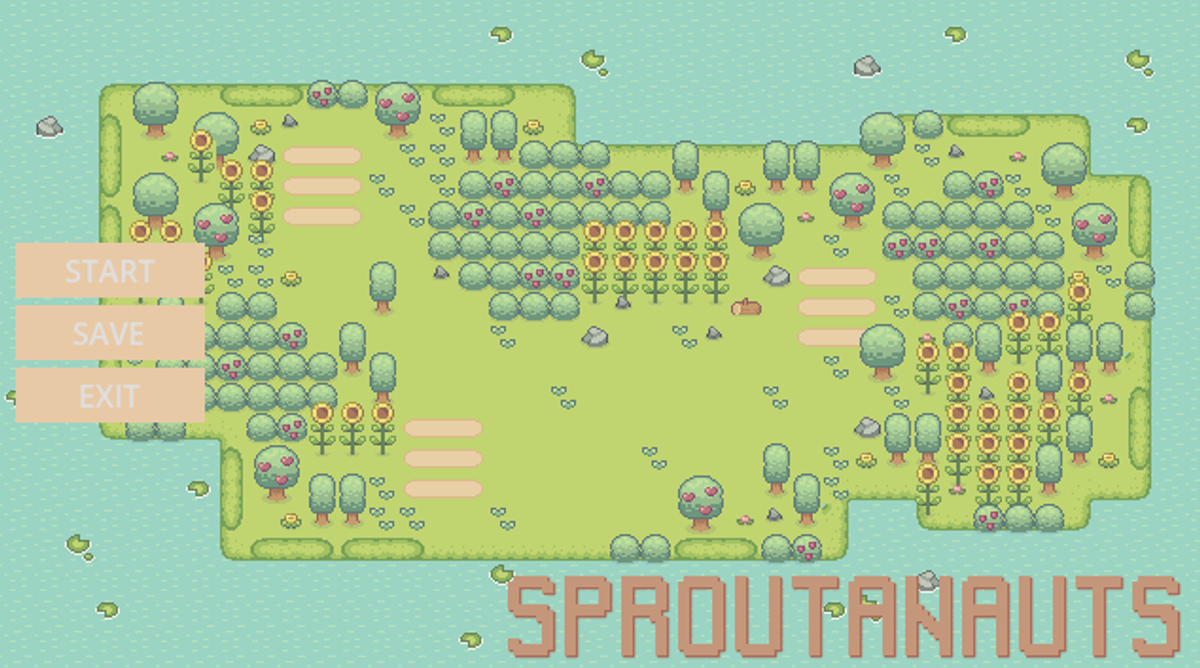
We came prepared with snacks and a dream, and over an intense two-day development sprint, our team designed and built the first version of Sproutanauts, a farming simulator that teaches players about sustainable agriculture using real NASA satellite data. The project took many hours of planning, coding, problem-solving, and testing as we worked to bring our ideas to life.

The Development Process
The project began with a simple question: How can we turn real environmental data into an engaging learning experience? From there, we mapped out a game world where players make daily decisions about crops, livestock, and land management. With only two days to work, we divided tasks, created a production plan, and focused on building the core systems first.
During development we:
designed how crops would be planted, watered, and harvested
designed animal-care mechanics that respond to heat and environmental conditions
created player actions such as chopping trees, mining stone, tilling soil, and feeding animals
developed an inventory and tool bar with items like axes, hoes, water buckets, and seeds
added interactions with NPCs and the environment
coded a working day/night cycle
and integrated early versions of NASA-based data rules
It was a challenging process, but as one student explained, “We were learning something new every hour, and fixing something every hour too.”
The Learning Booklet
One of the most important features created during the sprint was the information booklet. The idea was that the booklet updates automatically based on what the player discovers. For example:
If a player overwaters their crops, a new entry explains proper irrigation.
If their cattle struggle during a heatwave, the booklet adds tips for livestock care.
This allows players to learn through experimentation, creating a natural learning curve that blends gameplay with real environmental concepts.
What Players Can Do
By the end of the two days, we had built a strong foundation with a wide range of player actions, including:
chopping trees
mining stones
tilling soil
planting, growing, and collecting crops
managing and feeding animals
interacting with characters
storing items in the inventory
using tools from the toolbar
skipping between day and night cycles
These mechanics give players the freedom to explore, make decisions, and learn how their choices affect the health of their farm.
What We Learned
Although the game is still in development, the two-day sprint taught us a lot about teamwork, game design, and the complexity of building interactive systems. We also gained a deeper understanding of how real NASA datasets such as SMAP, GPM IMERG, MODIS LST, and NDVI, can model soil moisture, rainfall, heat stress, and vegetation health.
One student summed it up best: “It was intense, but seeing the game actually come to life made all the hours worth it.”
Reflection
Although we were not able to finish the full version of the game, developing Sproutanauts helped us understand how real satellite data can be connected to game design and sustainability education
With more time, we hope to turn Sproutanauts into a complete learning game that blends science, technology, and sustainability in a fun and interactive way.
Mel Zulfic
Leader of Visual Arts & Technology