
Writing in 5/6

Learning Intention
To analyse campaigns to identify how persuasive techniques, slogans and word choice influence a target audience.
Fluency
Students began by brainstorming persuasive and powerful words to upgrade and enhance the statement: “We should have more breaks,” by replacing weak words with strong and powerful persuasive language. They recorded examples on mini whiteboards, then shared them with a partner and within a whole class discussion identified which persuasive language had the biggest impact in their statement. This allows students to strengthen their vocabulary choices, develop their persuasive writing skills and understand how word choice can influence and engage an audience.
Whole
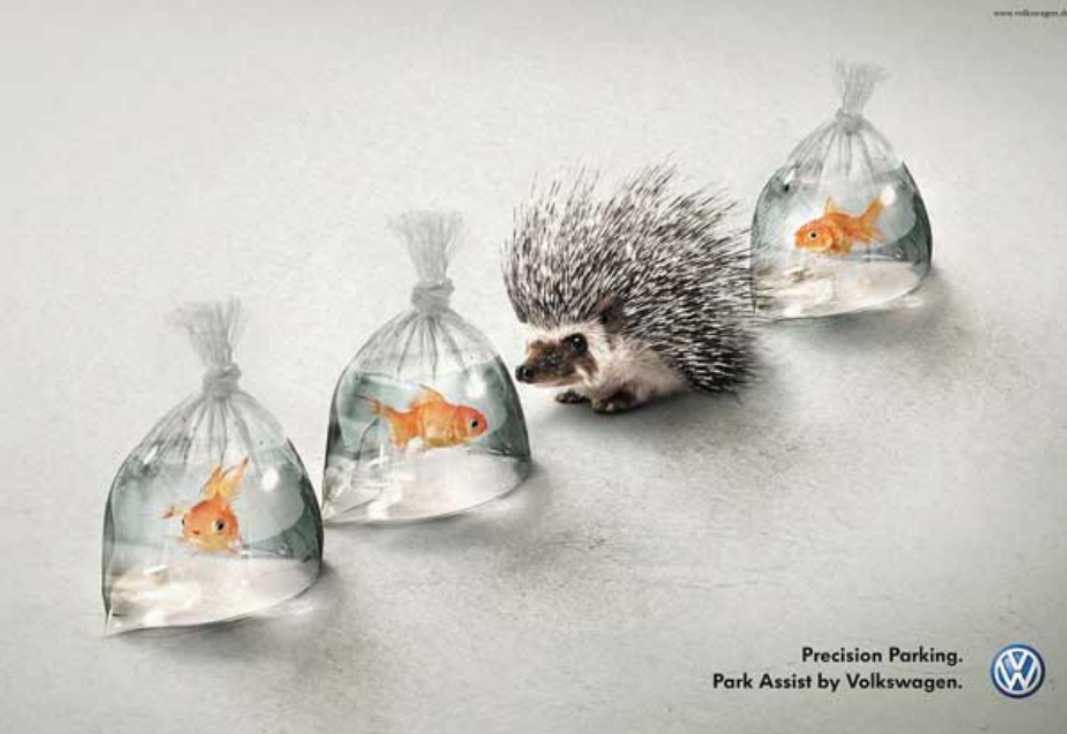
Students were introduced to a range of different print advertisements (as seen below) and campaigns and discussed what the ads were trying to make them think or do, the emotions they created, and how they were persuasive. The teacher explicitly modelled techniques used in persuasive writing, such as emotive language, powerful verbs, statistics and rhetorical questions, and connected this knowledge to ads students may see in their daily lives. Students explored how not all advertisements are designed to sell products, with some aiming to change behaviour, beliefs or actions, and discussed how different advertisement types use different persuasive techniques. The teacher then modelled designing an advertisement using the persuasive advertisement plan. This allowed students to develop their understanding of persuasive devices, analyse different media and apply knowledge of persuasive techniques in a real world context.


Small
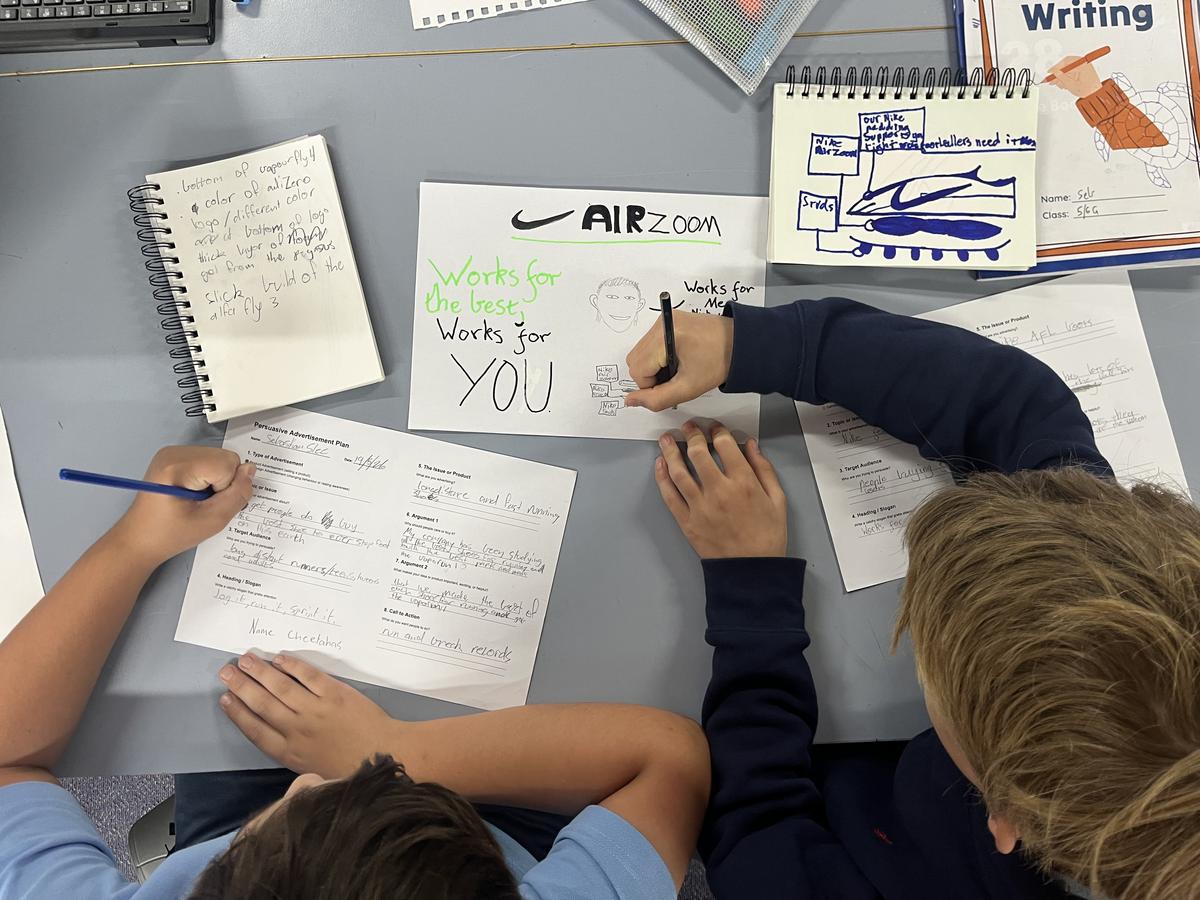
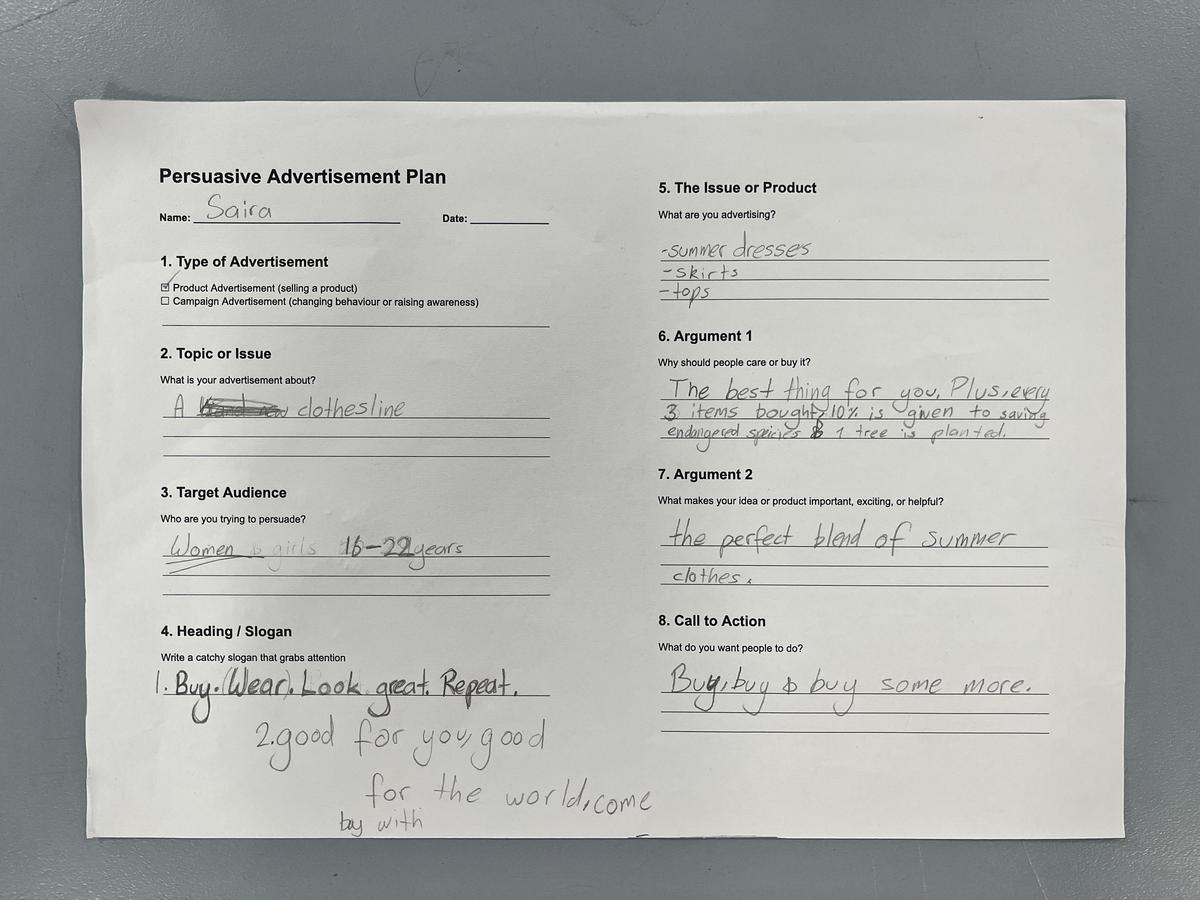
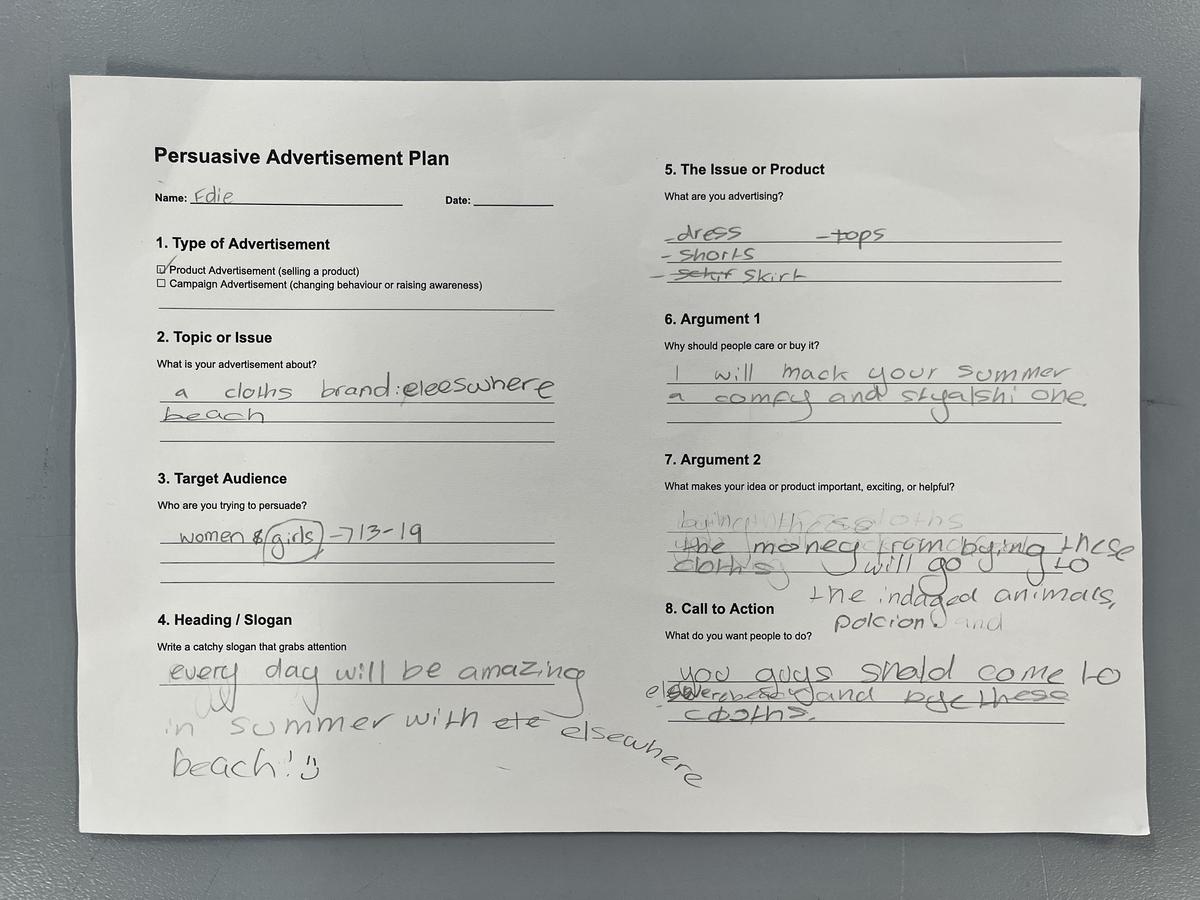
Students then used the persuasive planning document to plan their own persuasive advertisement where they chose from a list of products, campaigns or issues they were passionate about, their target audience and some arguments on why their topic was worth advertising and creating awareness about. They also began brainstorming slogans that worked well to persuade their target audience to buy their product or support their campaign.
Whole
In a whole class discussion, students shared their ideas for their ads with a focus on different persuasive techniques. The teacher also introduced the idea of using colour in ads to evoke different emotions within the audience such as hunger, excitement or generosity. Students reflected on the persuasive techniques they used in their ads and their plan to continue in developing and strengthening their ideas in the next lesson.
What parents can do at home
Throughout your day with your child, identify different types of advertisements and ask questions to prompt their thinking. For example;
- What is this advertisement trying to make us think or do?
- What emotions does it create?
- What words stand out?
- Why is it persuasive?
As you have these conversations with your child, go deeper and ask if they feel the ad is effective/persuasive or not. Who is the target audience?
Allira, Gemma and Gracie
allira.zeneli@education.vic.gov.au