Writing
YEAR 2
RETELL THE LITTLE RED HEN
Writing
YEAR 2
RETELL THE LITTLE RED HEN
Learning Experience Overview
Over the two weeks, we have been focusing on narrative writing while building on one of our reading focuses this term: identifying and understanding the importance of the texts we read. We have been using the fables we have explored as inspiration for creating our own stories with meaningful morals.
Learning Intention: To unpack the structure of The Little Red Hen.
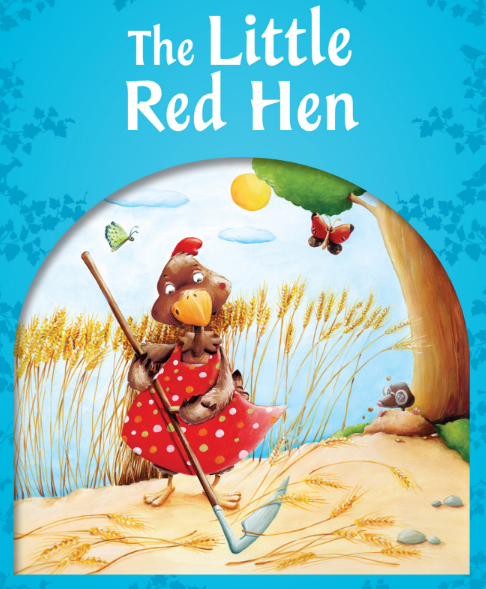
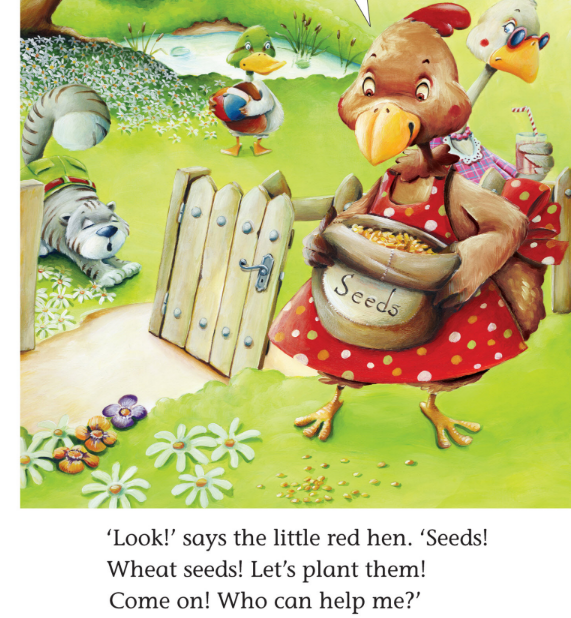
To begin, we read the classic fable ‘The Little Red Hen’, which was written by American author Mary Mapes Dodge in 1874. It tells the story of a hardworking hen who finds some grains of wheat and asks the other farm animals to help her plant, harvest, and bake the wheat into bread. However, each animal refuses to help, choosing instead to avoid the work. When the bread is finally baked, the Little Red Hen decides to enjoy it herself, as she was the only one who contributed. The story teaches an important lesson about teamwork, responsibility, and the rewards of hard work.
Whole
We began our learning by breaking down the meaning of our Learning Intention: to unpack the structure of The Little Red Hen. To unpack the story we introduced students to the strategy we would be using, which is called ‘Say Say Say, Sketch Sketch Sketch, Write Write Write’. We explained to students that the importance of using this strategy lies in breaking down the key components of the beginning, middle, and end of the story.
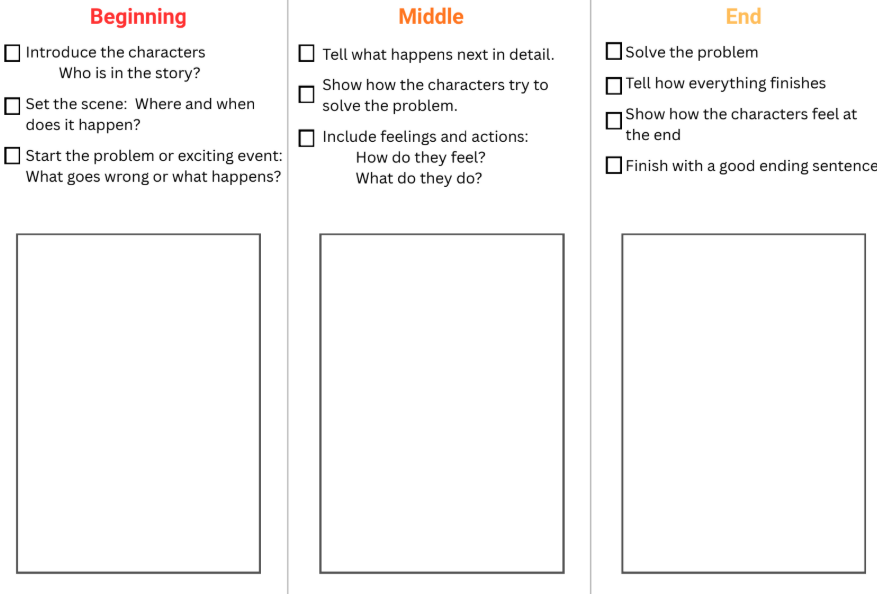
Using the above checklist, we modelled to students, reading the beginning of the story, then sketching and writing the key components. These included the introduction of the:
Problem: The Little Red Hen wanted to plant, care for, harvest and use the wheat seeds to make bread, but no one else would help her.
Once we had identified the key components of the beginning of the story, we continued to read the rest of the story. After reading, we had a discussion exploring the questions:
Small
Once we had finished our group discussion and students had copied our model on their own checklist, students were tasked with rereading the story independently and using the checklist to sketch and write the key components of the middle and end of the story.
Reflection
Upon completion as a class we got into a circle and unpacked all the components of the story. This ensured students had a deep understanding of this fable.
Learning Intention: To write a fable based on The Little Red Hen by changing an aspect.
To begin, we recapped what we had learnt in the previous lesson about the classic fable ‘The Little Red Hen’. We briefly unpacked the key components from the beginning, middle and end of the story.
Whole
We began our learning by unpacking the learning intention: To write a fable based on The Little Red Hen by changing an aspect. To do this, we read the story below, which we had created with one aspect of the story changed.
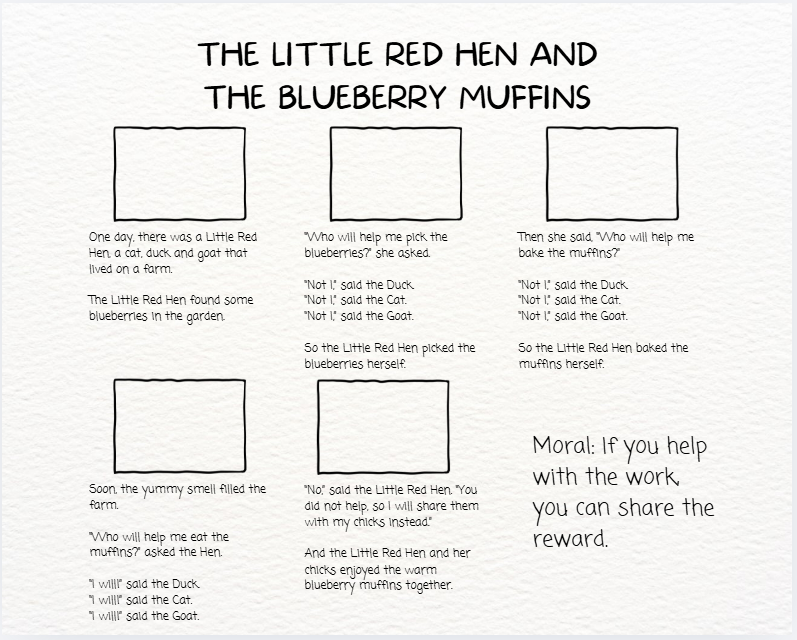
Once we had read the story, we asked students to identify which aspect of the story had been changed, e.g., baking bread to baking blueberry muffins.
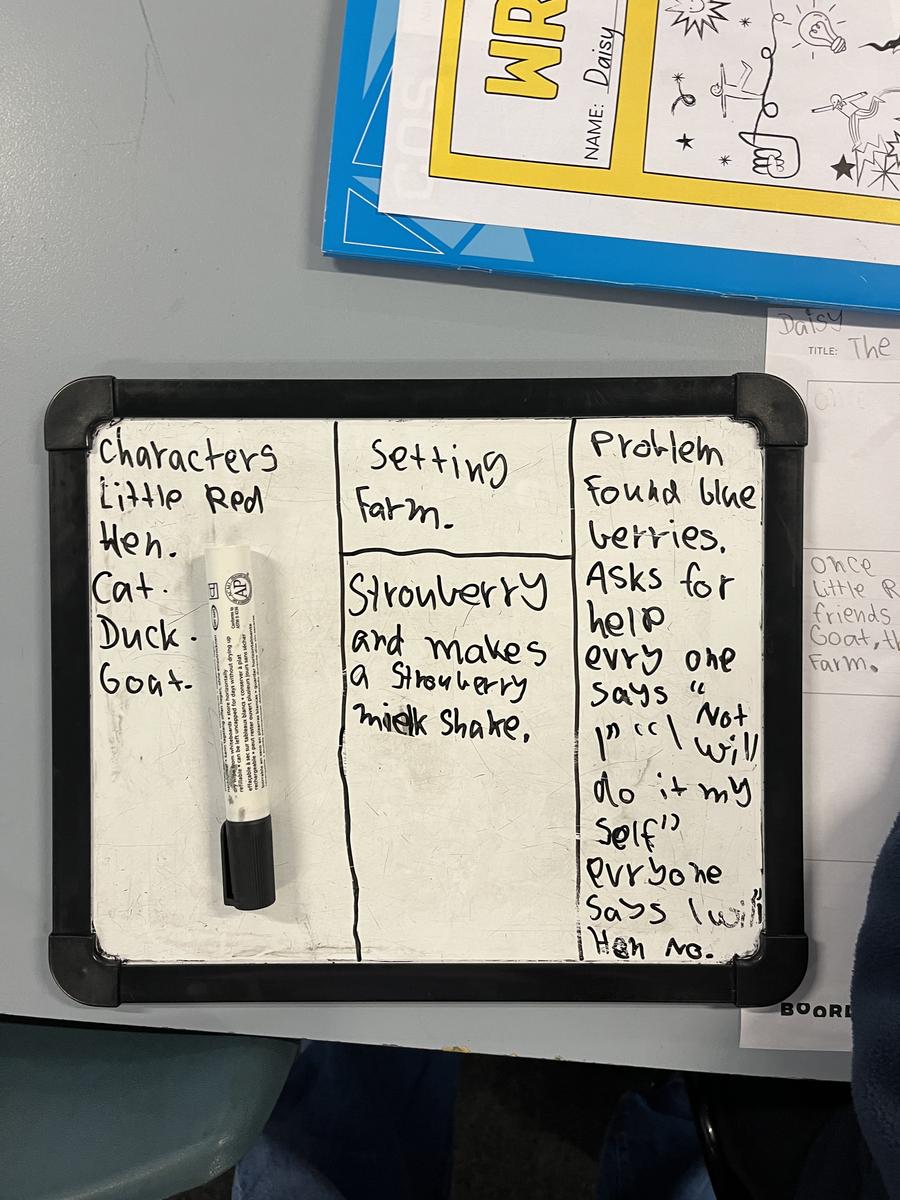
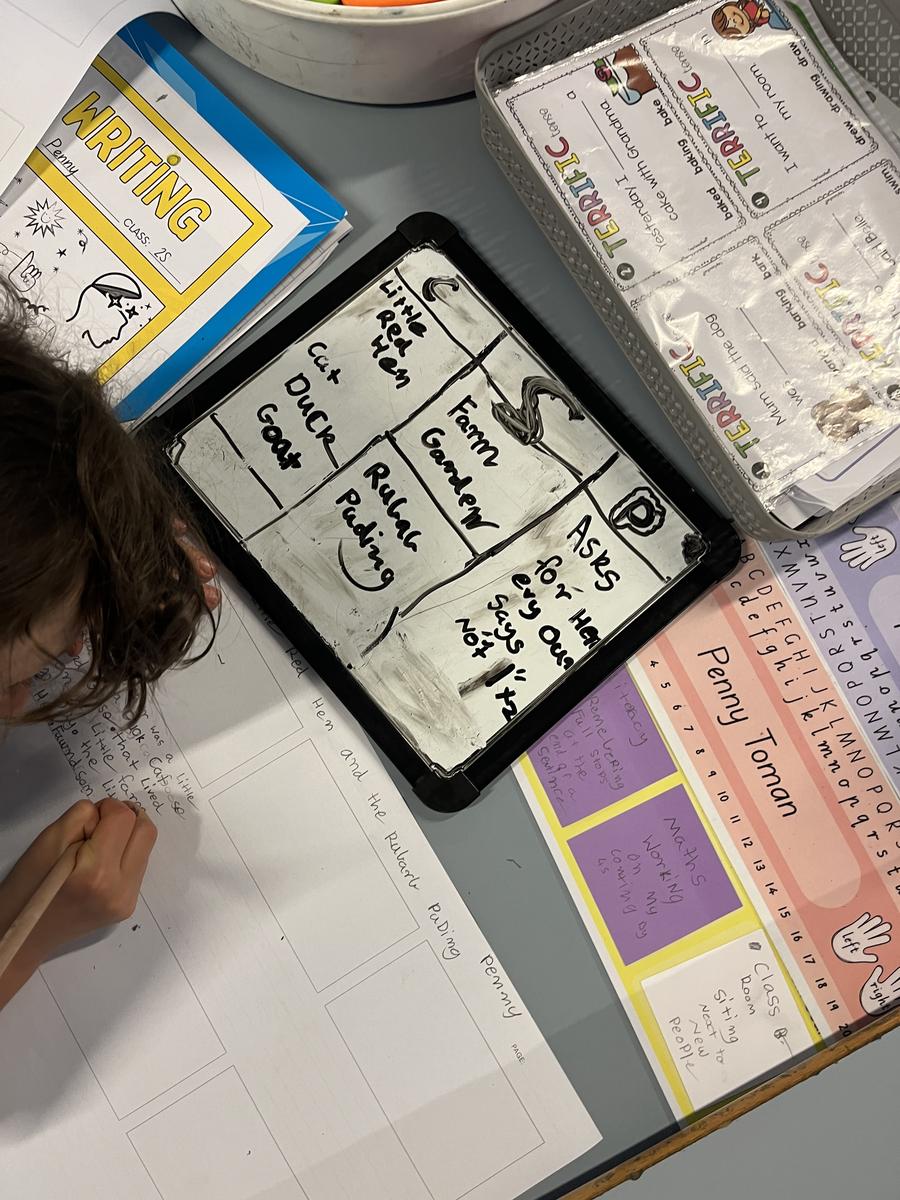
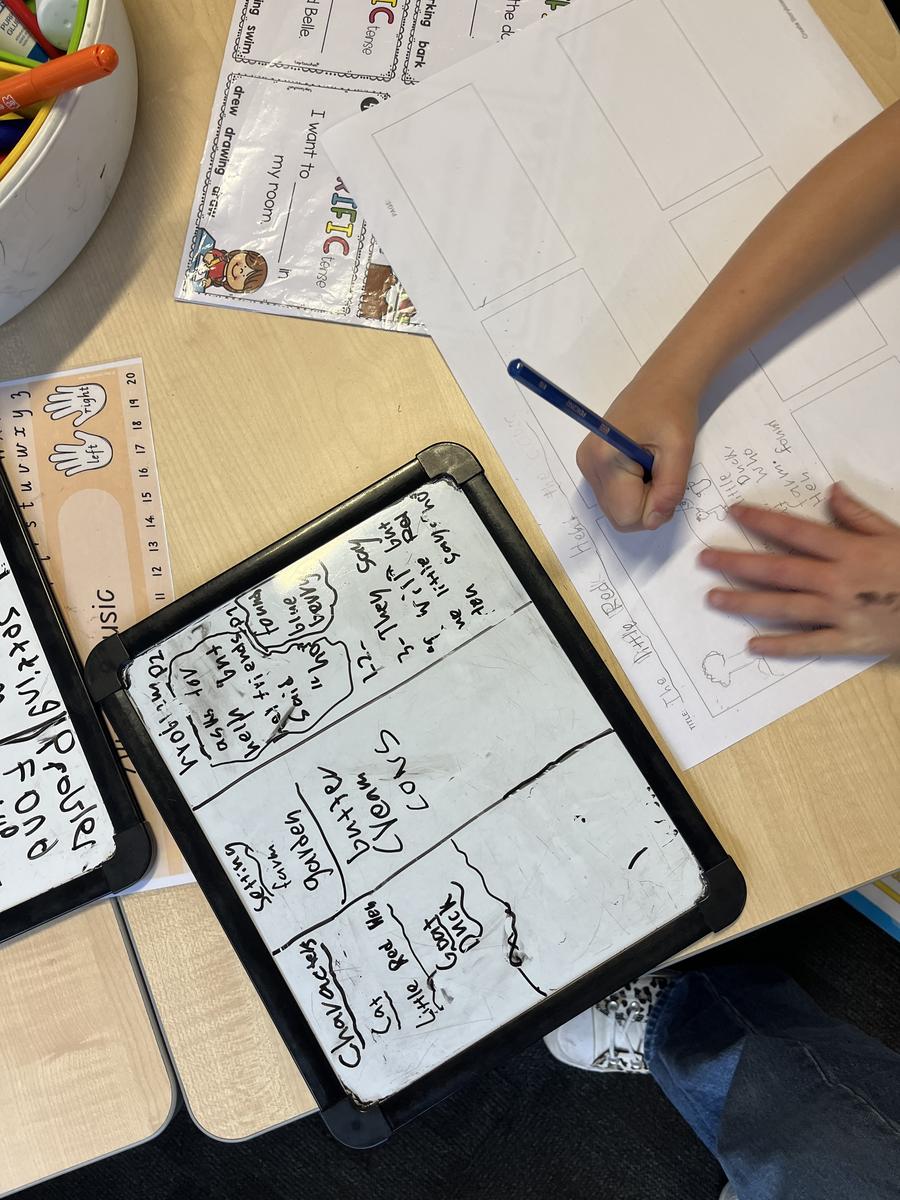
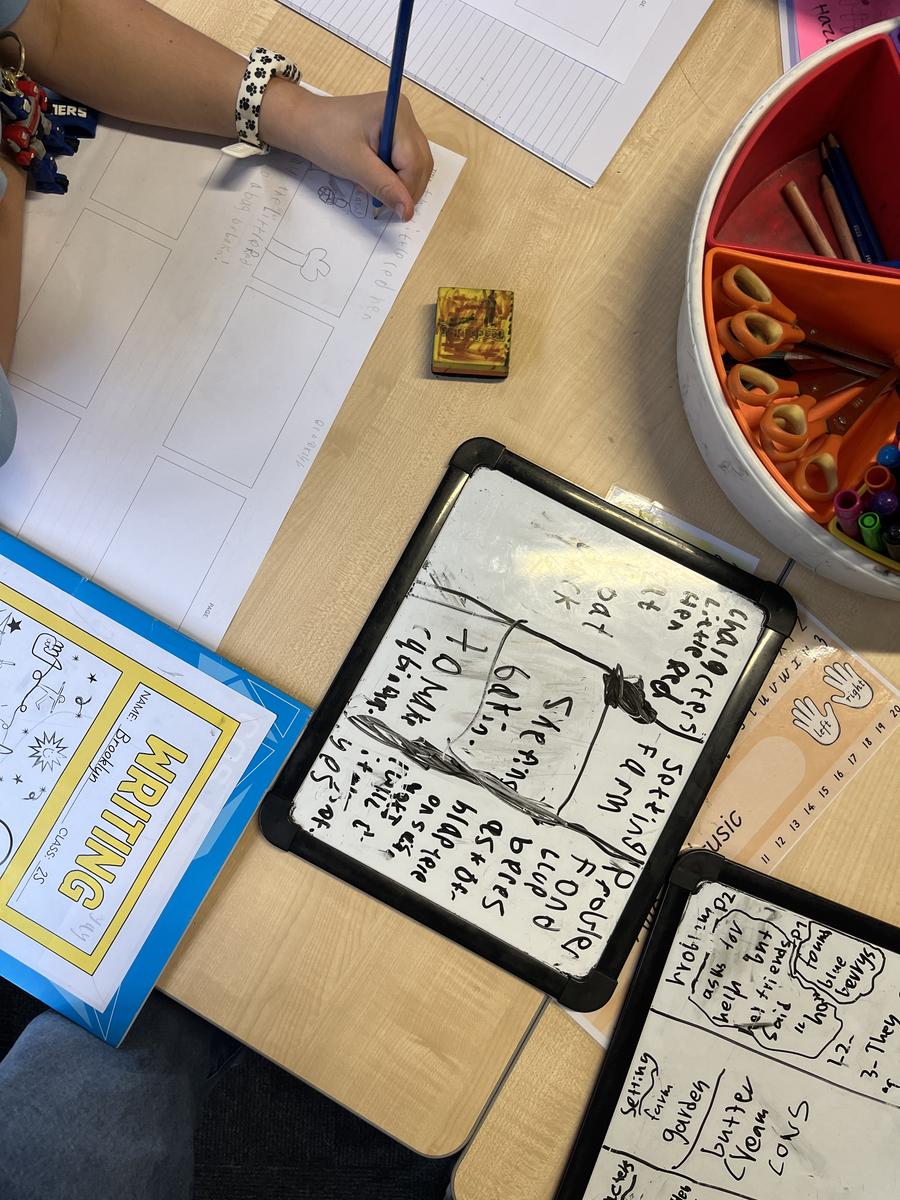
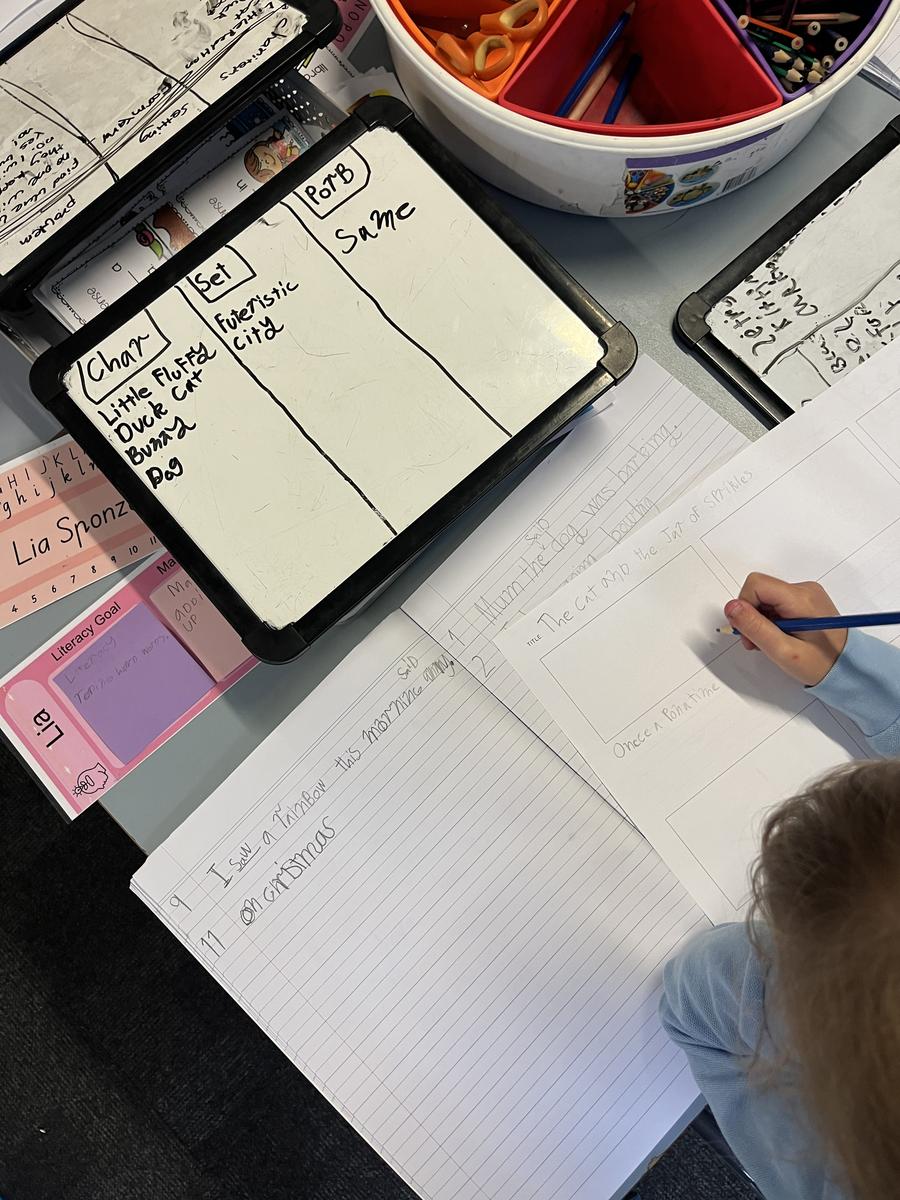
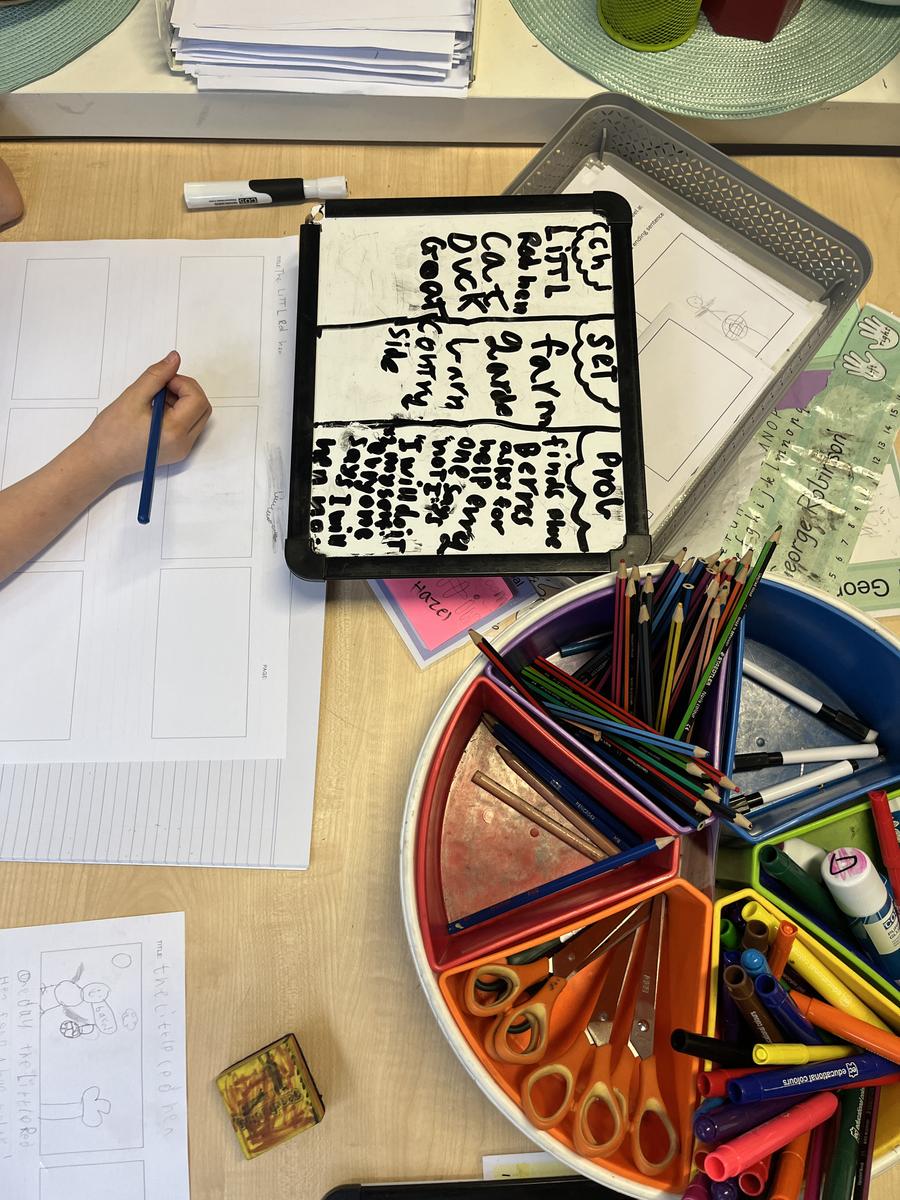
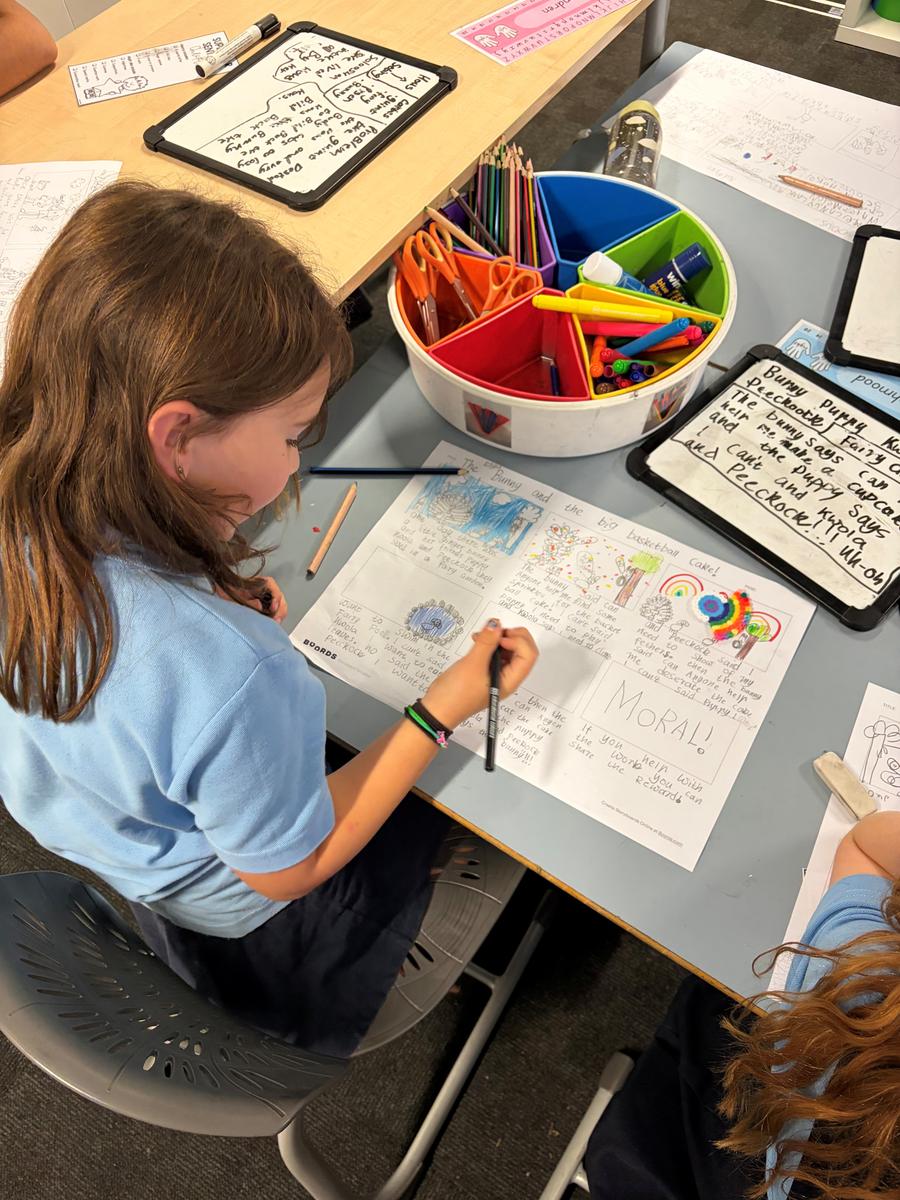
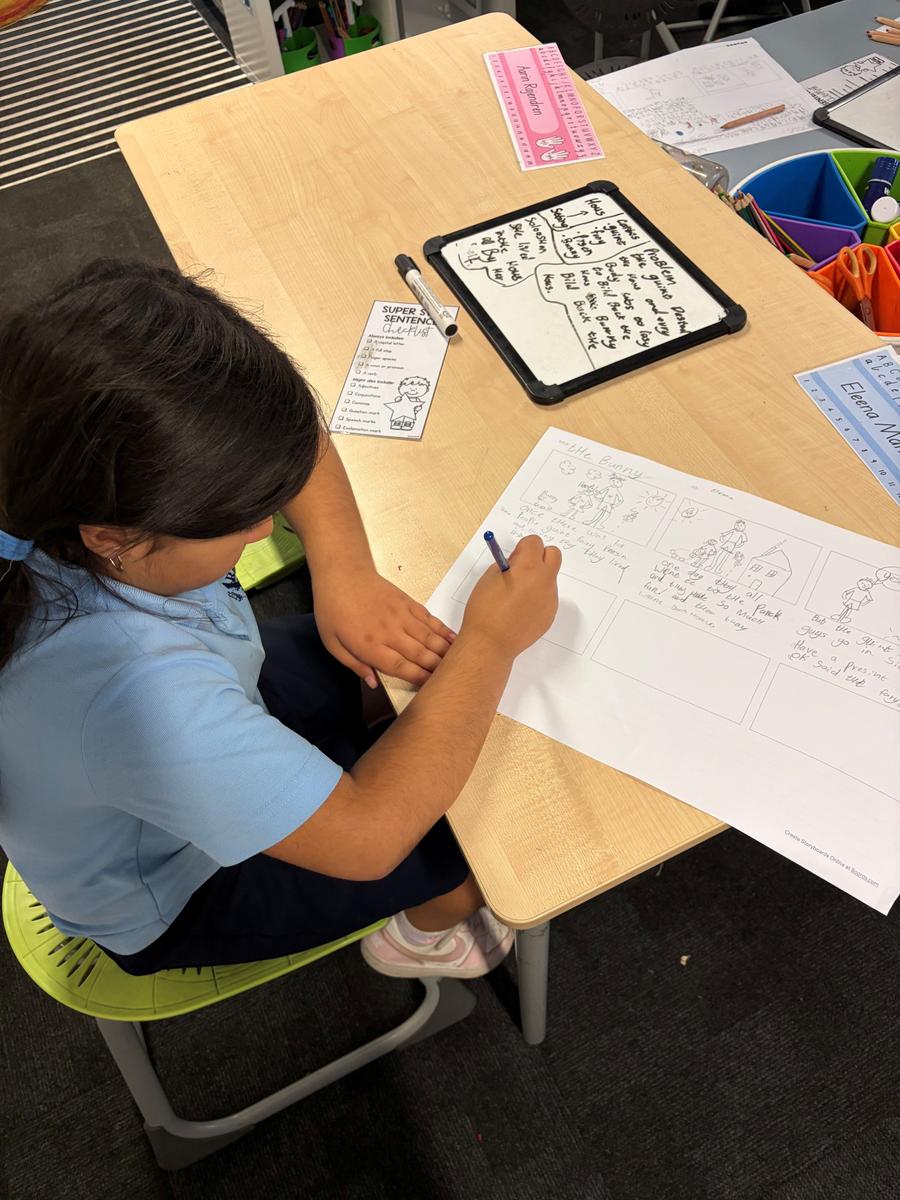
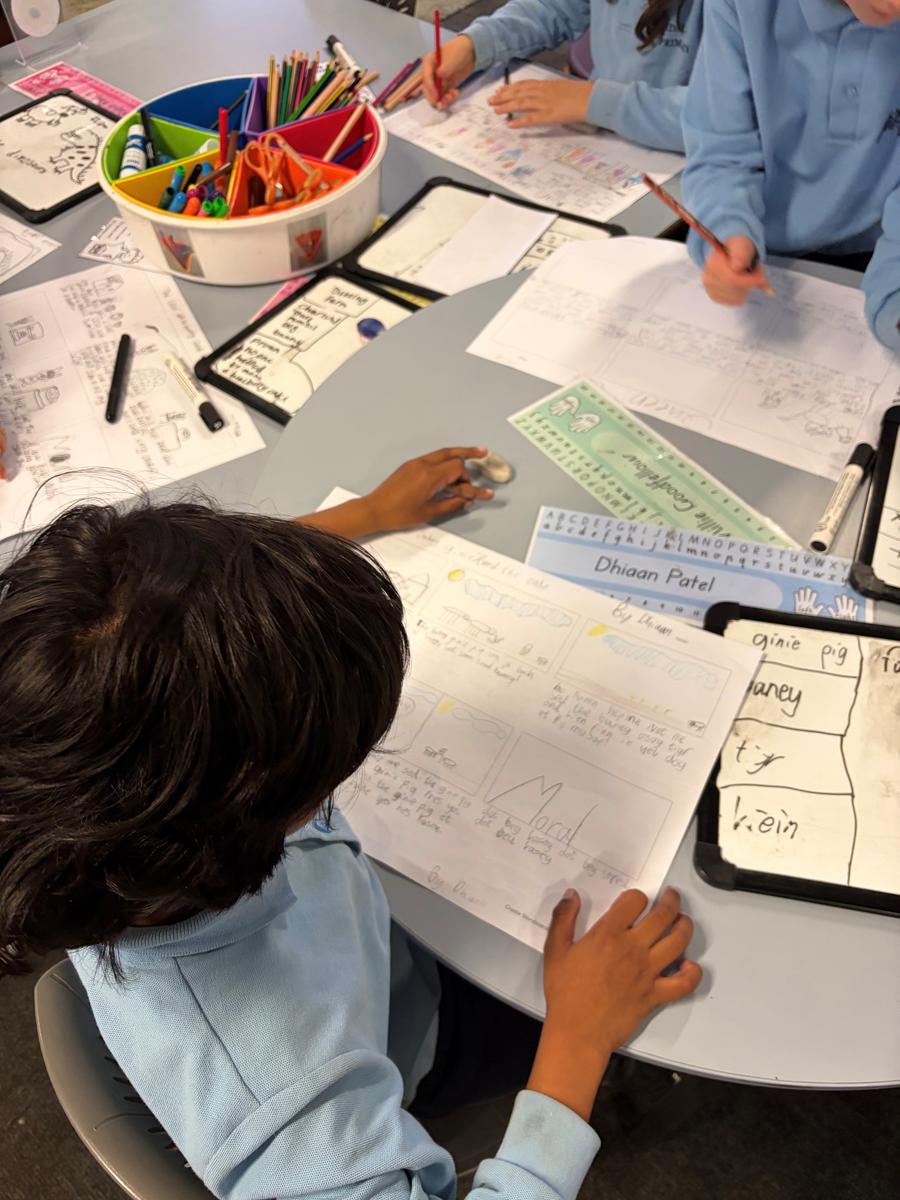
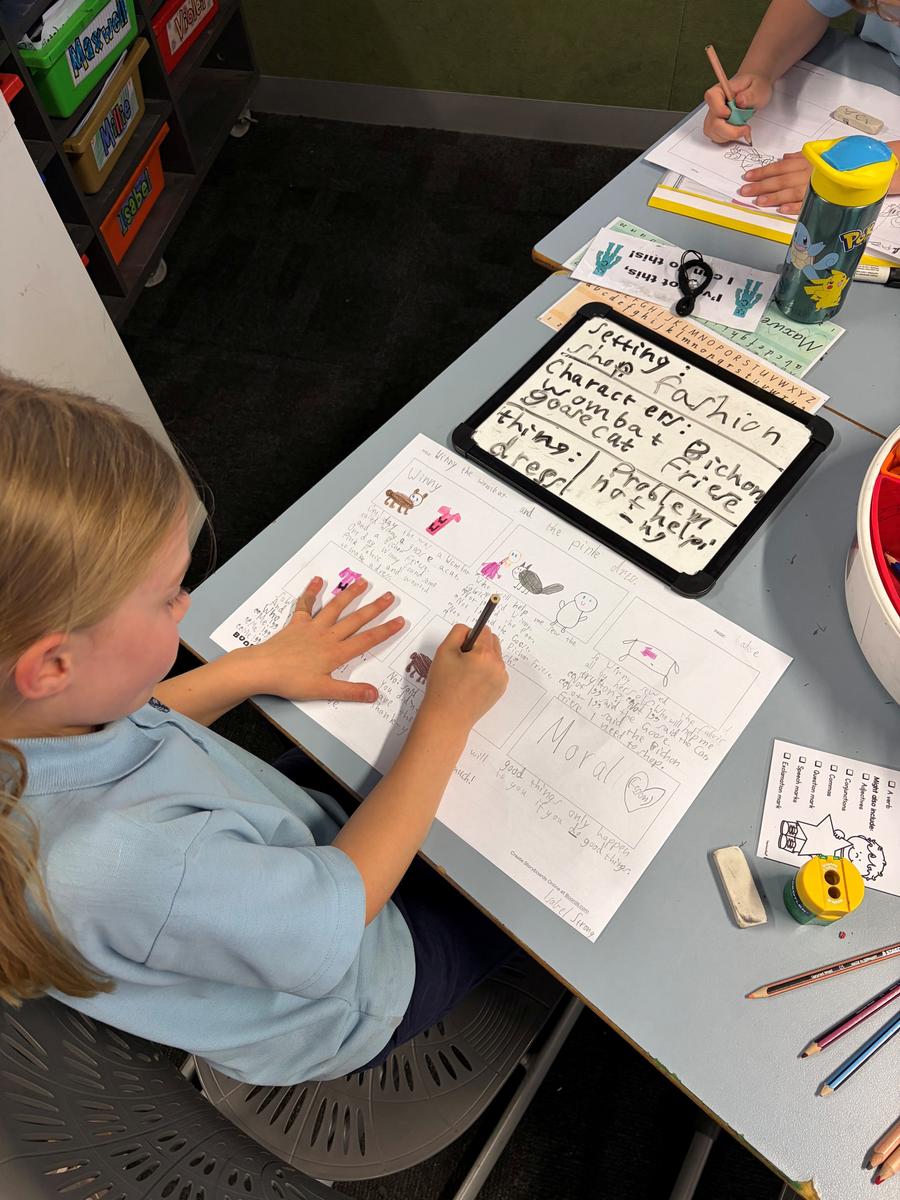
We then reintroduced the checklist from the previous lesson and, using mini-whiteboards, students planned out the beginning of their stories, outlining their characters, setting and problem. To plan, they used ‘The Little Red Hen’ fable as their inspiration and changed one or more aspects, depending on how they wanted to challenge themselves. Giving students agency over their learning.
Small
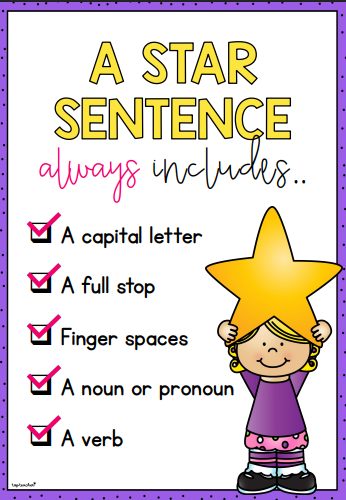
Once students had planned their key components, they began writing their stories. The focus of their lesson was to showcase their narrative writing skills; however, students were reminded of correct sentence formation using their superstar checklists:
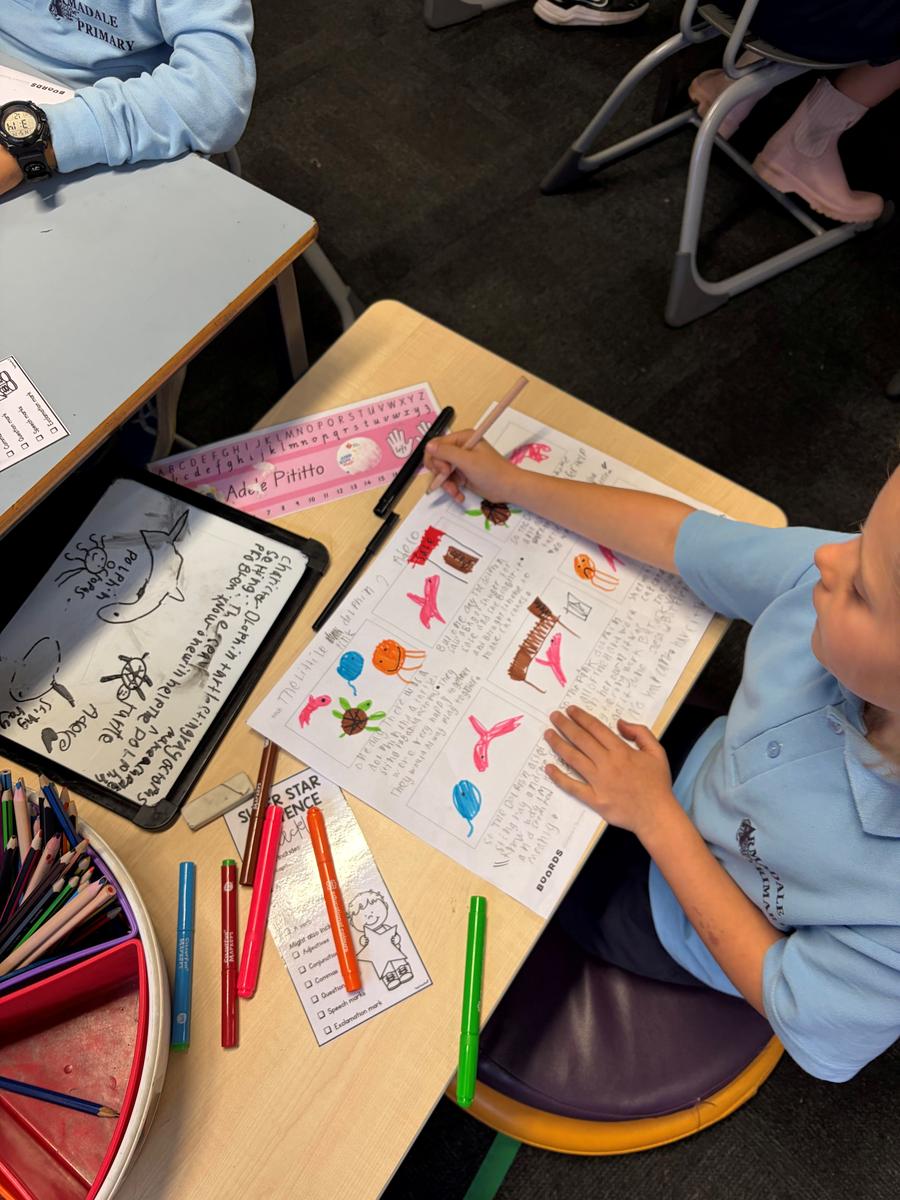
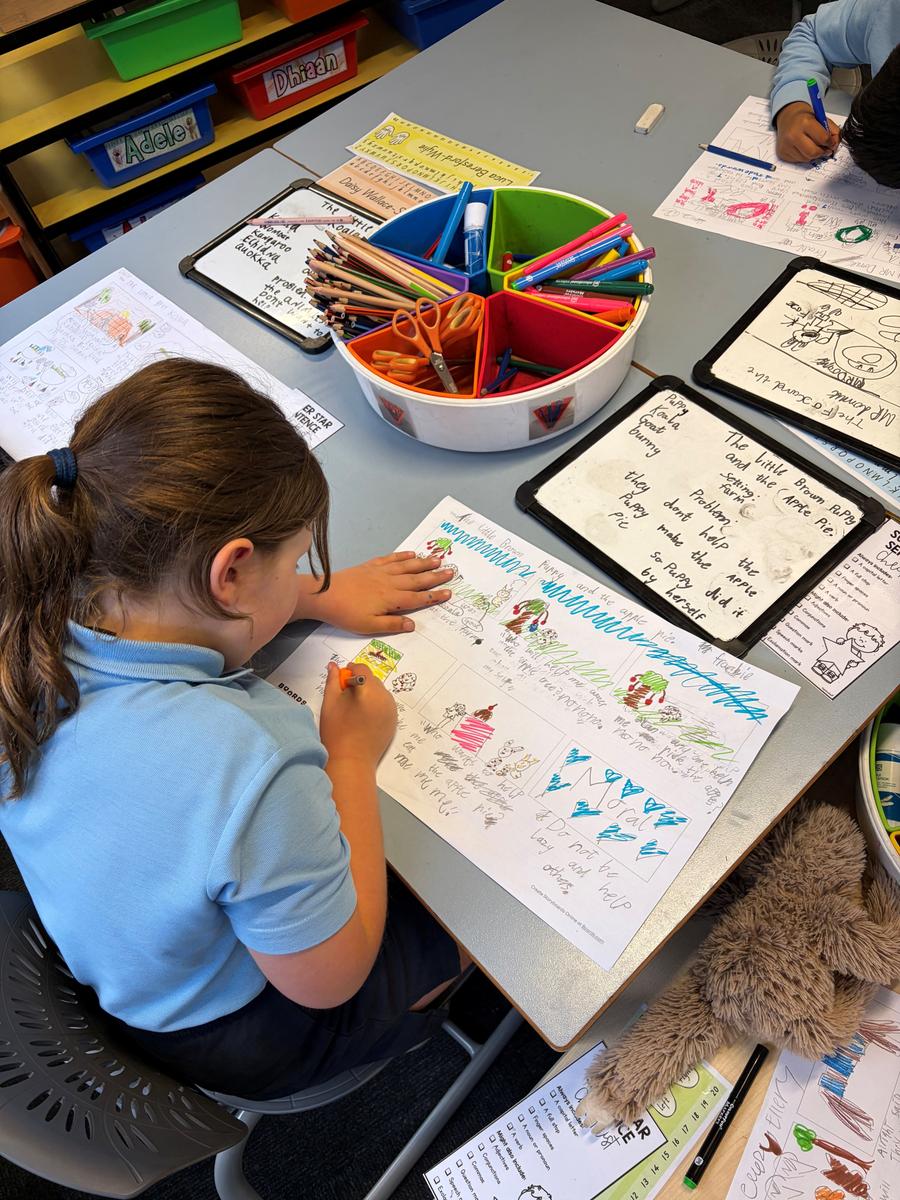
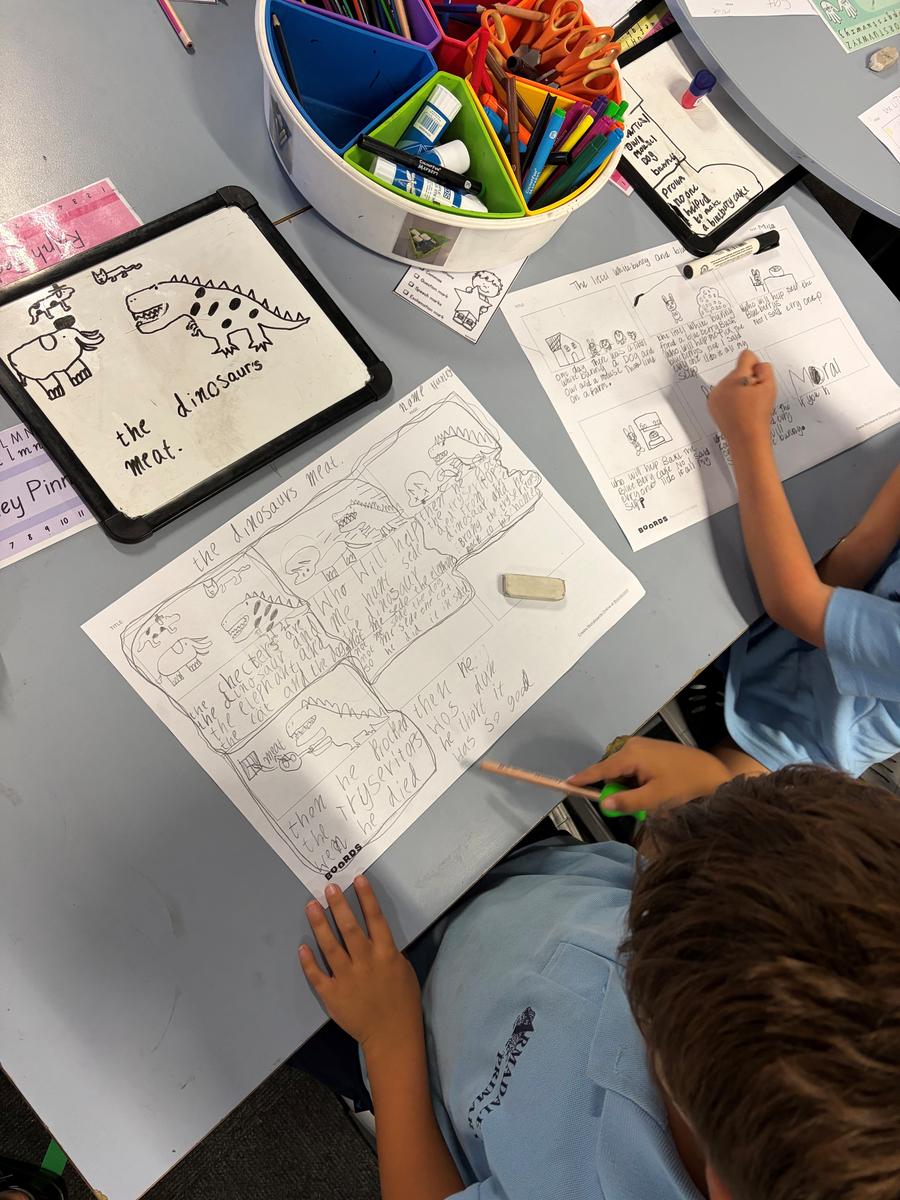
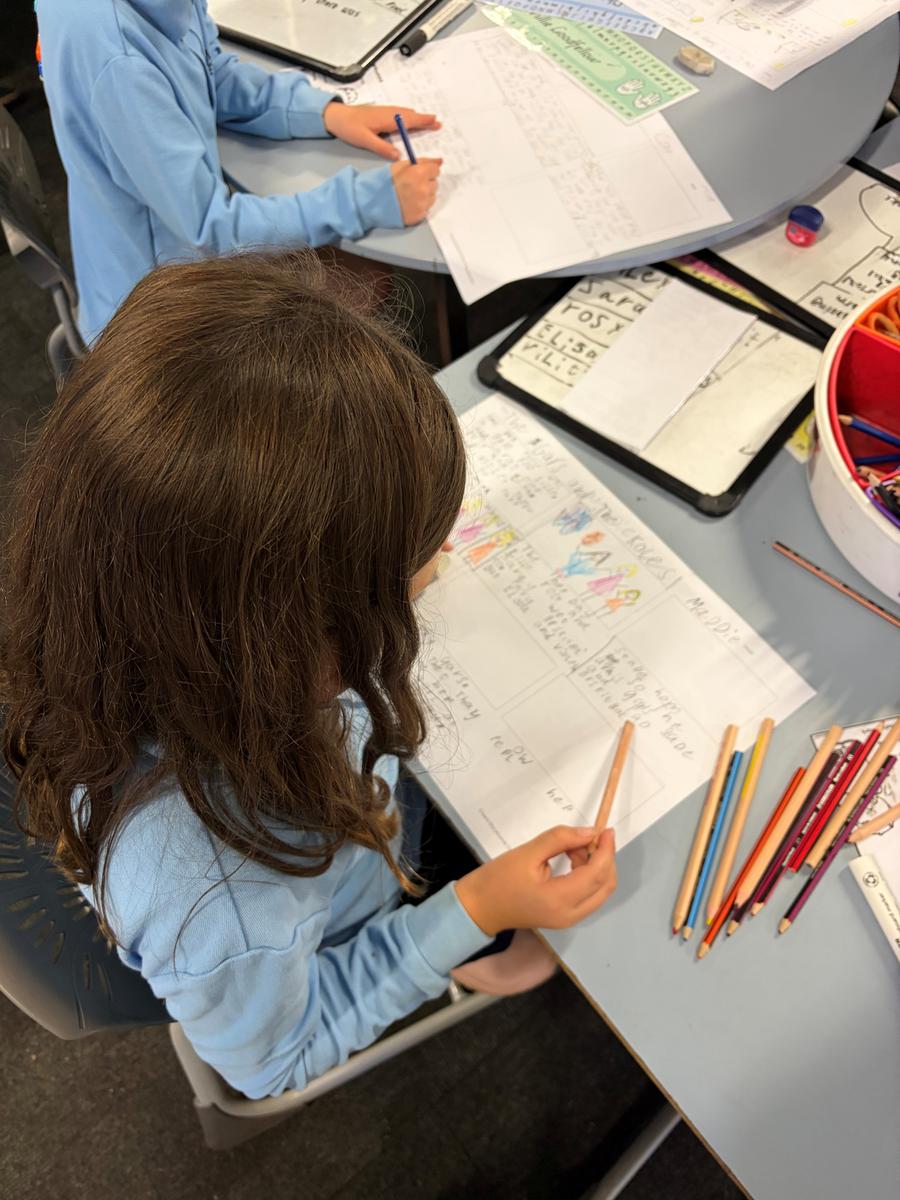
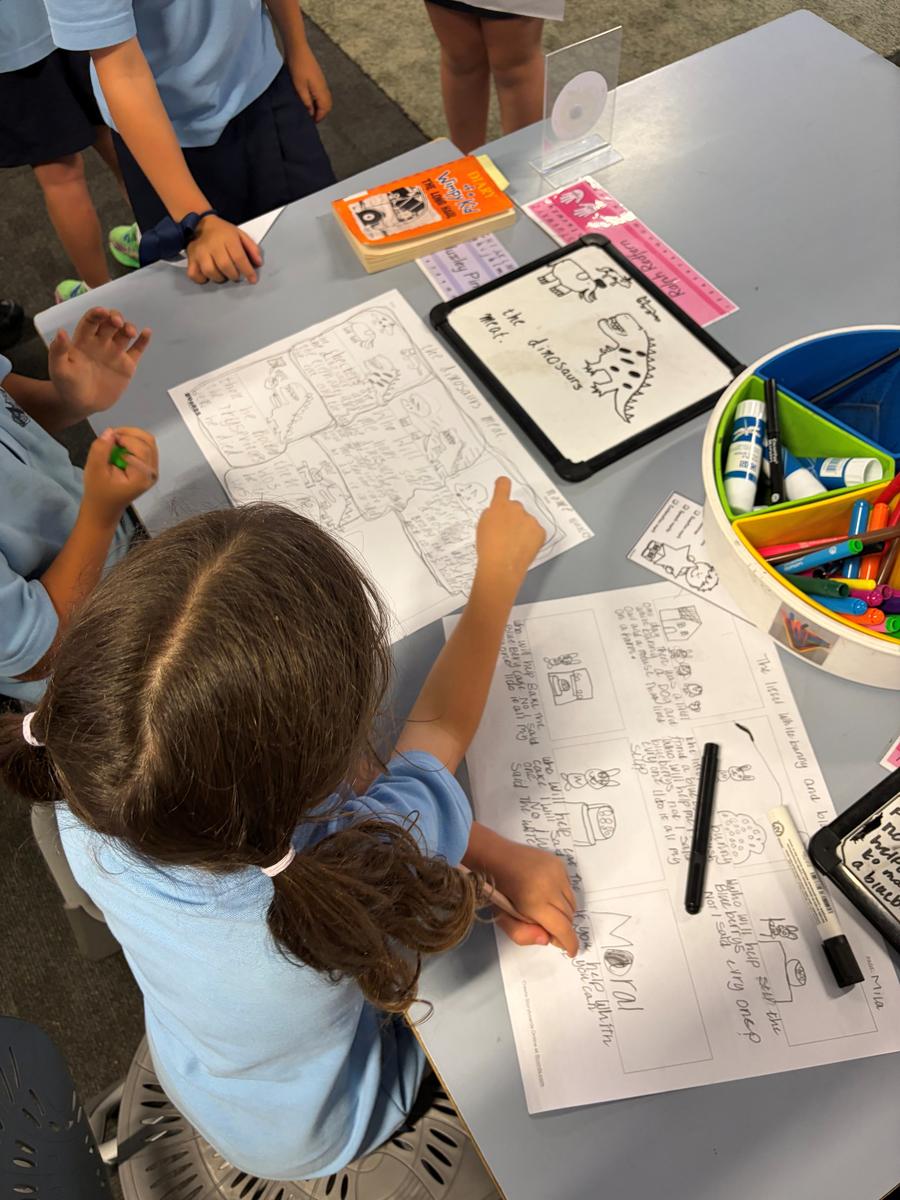
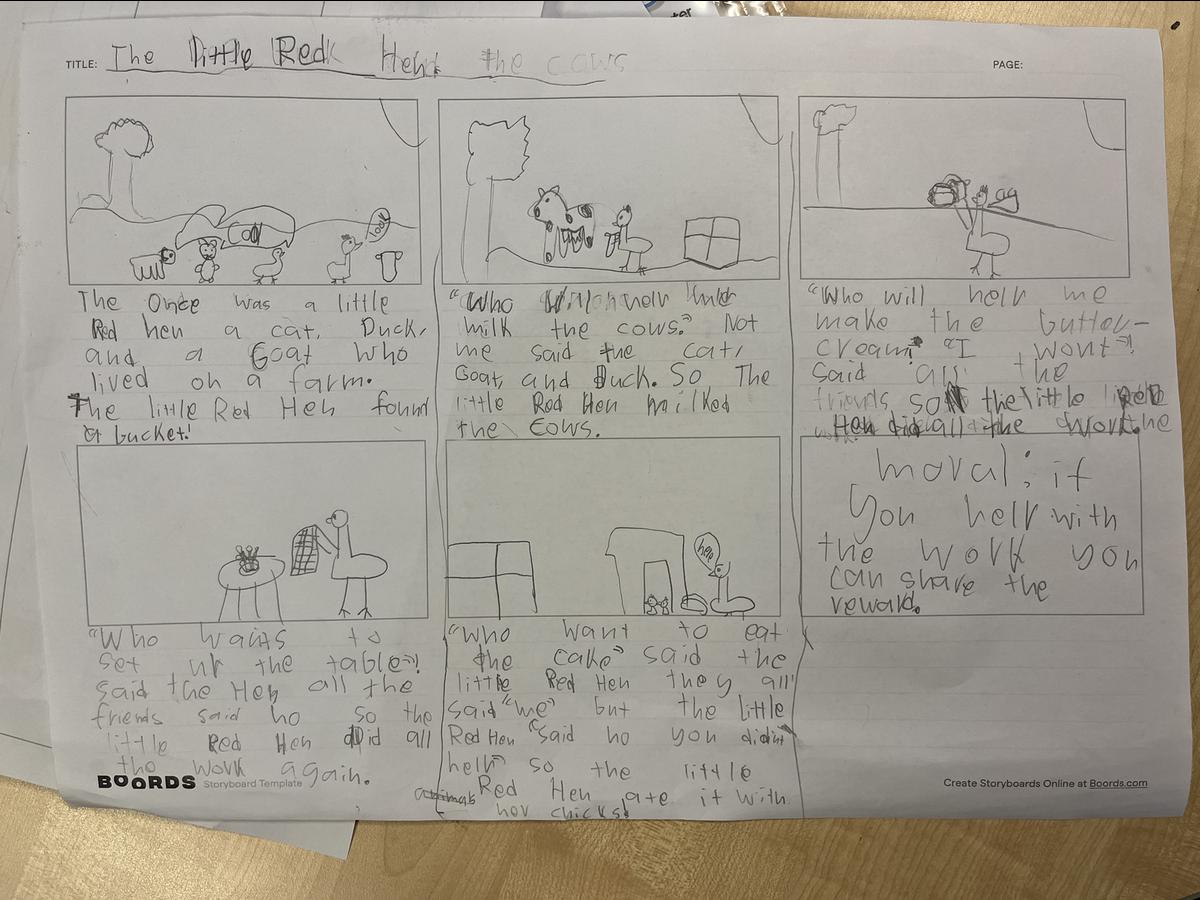
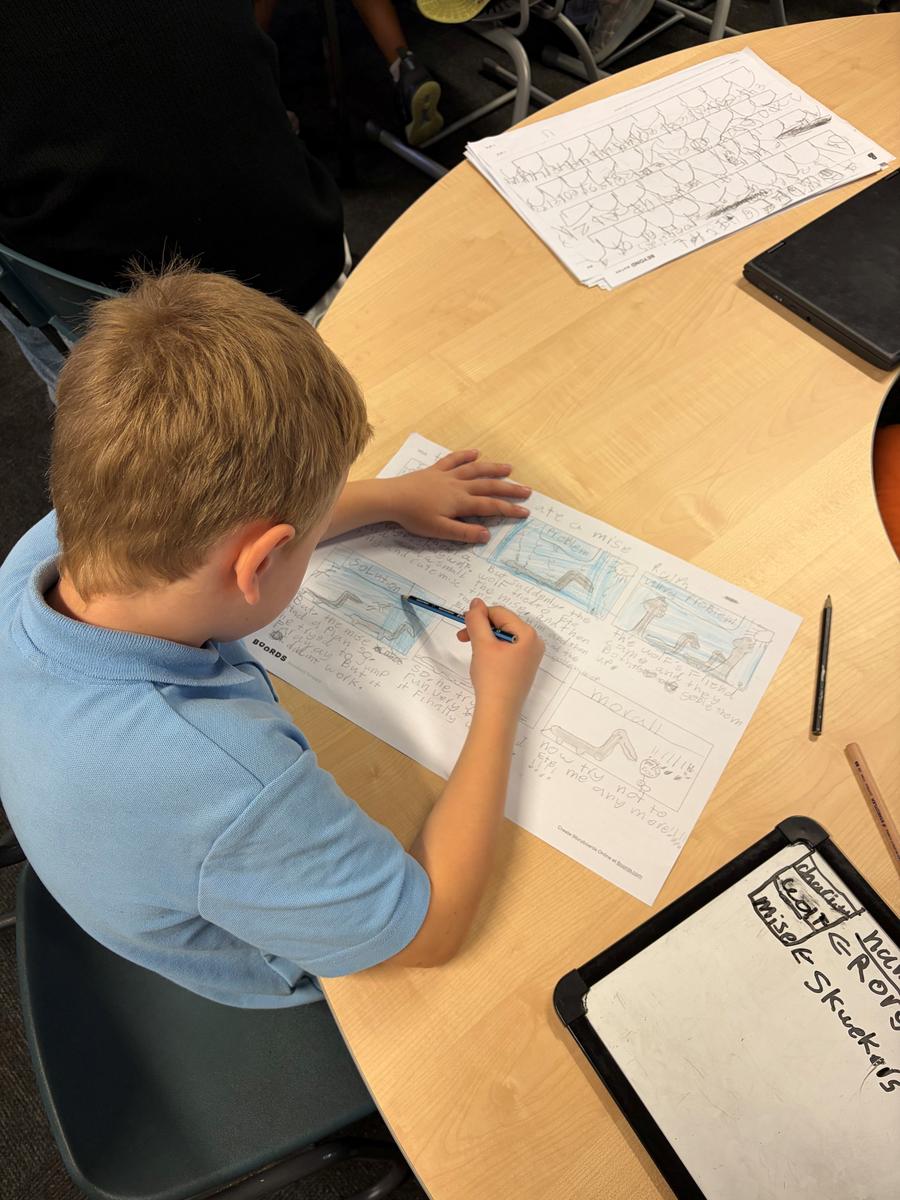
As you can see in the photos, students were busily engrossed in their writing, and we were so impressed with how much effort they put in and pride they had over their creative stories.
Reflection
It was wonderful to see how deeply students understood the aspects of the fable ‘The Little Red Hen’ and how they creatively used this as inspiration to create their own stories.
These will be sent home with your child today.
We hope you enjoy reading these with your children at home and are as proud of them as we are!
Steph and Georgia
Year 2 Team