
Wellbeing
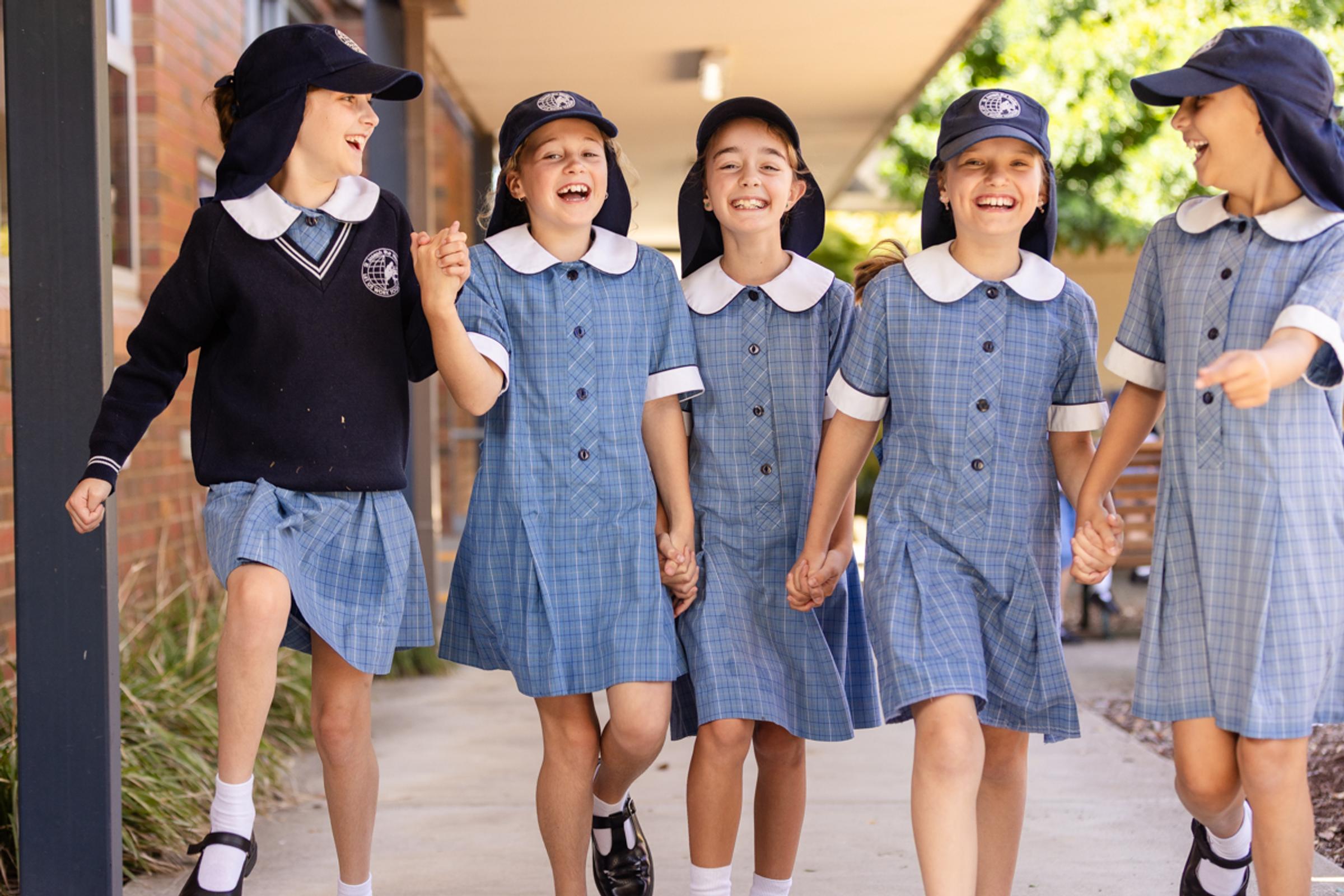

The PBL Team attended their second training day on 27 April, where staff explored the importance of explicitly teaching expected behaviours and how consistent implementation supports effective practice across the school when delivered with fidelity.
Research highlights that Positive Behaviour for Learning (PBL) is most effective when behavioural expectations are taught in the same explicit way as academic skills. By clearly teaching expected behaviours, schools create a shared language and understanding among students, leading to improved student outcomes and a more positive school culture.
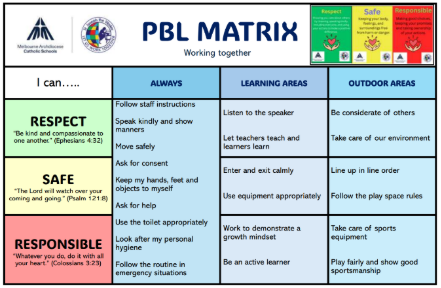
This term, the PBL Team will begin developing lesson plans aligned to each behaviour expectation outlined in the school’s behaviour matrix. The team has already commenced this work and will lead two staff meetings in Week 5, where staff will collaboratively develop additional lesson plans to support the explicit teaching of expected behaviours across the school.
Alongside this work, Social Stories will also be created for each expectation. The Student PBL Team will play an important role in designing and developing these resources using photos, videos and student-friendly language. These stories will support students to better understand behavioural expectations in different school settings and promote consistency across the school community.
All students across the school participate in Social and Emotional Learning (SEL) each Tuesday afternoon. This provides students with opportunities to develop important skills such as emotional regulation, positive relationships, problem solving, resilience and respectful communication. Through the Resilience, Rights and Respectful Relationships (RRRR) program, students engage in discussions and activities that support their wellbeing and help create a safe, inclusive and supportive school community. This term the RRRR focus topics are:
Topic 3: Positive Coping Students learned about different ways to manage emotions and cope with challenges. They explored strategies such as calming techniques, positive self-talk, mindfulness and asking for help when needed.
Topic 4: Problem Solving Students developed problem-solving skills by learning how to work through challenges, make positive choices and resolve conflicts respectfully. They practised teamwork, communication and thinking about the consequences of their actions.
This time on a Tuesday afternoon also provides opportunities for explicit teaching of our Positive Behaviour for Learning (PBL) expectations, helping students develop a shared understanding of what it means to be Respectful, Responsible and Safe in all areas of school life. Circle Time activities further support students to build connection, confidence, communication skills and positive relationships with their peers.
WOW Darebin is back for Term 2!
Walk or Wheel Once a Week
Tomorrow, 15 May, will be our very first WOW Day, and we are so excited to begin! WOW stands for ‘Walk or Wheel Once a Week’, a program run in partnership with the City of Darebin that encourages students to walk, ride, scoot, or wheel to school every Friday.

We are really looking forward to seeing students enjoying the fresh air, being active, and starting their day in a fun and healthy way. Walking or wheeling to school is a great opportunity for students to build healthy habits, connect with friends, and help reduce traffic around our school.
As we move into the cooler weather, we understand that mornings can be chilly. To help make WOW Day easier and more enjoyable, here are some helpful tips:
• Dress warmly with jackets, hats, gloves, scarves, and waterproof clothing if needed
• Bring an umbrella or raincoat on rainy days
• Walk, ride, or scoot with friends where possible to make the journey more fun and safer
• Wear bright or reflective clothing to help students stay visible on darker mornings.
If you live further away from school, another great option is to drive part of the way, park a short distance from school, and then walk or ride the rest of the journey together.
We encourage all families to get involved and make WOW Day part of their weekly routine. We can’t wait to see our students walking and wheeling to school tomorrow!

Our school cares about the safety and wellbeing of our students and their families. Sometimes things at home or in a relationship are not OK or families can be worried about the wellbeing of their children or young people.
The Orange Door can help you to get the support you need, quickly and easily. It’s free and you don’t need a referral.
The Orange Door can help families. They provide support for concerns with parenting, relationships, and family violence.
The Orange Door is a free intake and assessment service for:
- families requiring support for their child or young person’s wellbeing or development
- families needing parenting support
- young, isolated, or unsupported families
- individuals and families experiencing family violence
- adults using family violence
- young people using violence in the home.
If you contact The Orange Door, they can help by:
- working with you to identify the help and support you need
- supporting you with the wellbeing and development of your child or young person
- helping you make a safety plan if someone is making you feel unsafe
- connecting you to services that can help like counselling, accommodation, mental health and drug and alcohol services, parenting support groups, services for children, financial help, or legal assistance
- supporting you to access funding for basic living expenses and some other costs
- supporting you to change abusive or controlling behaviour.
Each Orange Door location across Victoria has their own phone number and email. Students and their families can also visit their local Orange Door in person for support, Monday to Friday, 9am - 5pm for support. No appointment is needed.
To find your local service, see: The Orange Door – Support near you.
How schools connect with The Orange Door
Our school might talk to a student and/or their family about The Orange Door. We might encourage them to contact their local Orange Door to get advice and help if needed. Ideally, a student and/or their family will get in touch with The Orange Door to seek advice and support.
However, sometimes, schools might make a referral to The Orange Door without the student or their family’s knowledge or consent. Schools will do this if:
- informing a student and/or family increases the risk to their safety or wellbeing
- not linking a student to support increases the risk of their safety and wellbeing

Jane Manton
Engagement Leader
Mental Health and Wellbeing Leader | PBL Coach