Visual Arts in Focus
Miss Emma Havard, Learning Leader of Visual Arts
Visual Arts in Focus
Miss Emma Havard, Learning Leader of Visual Arts
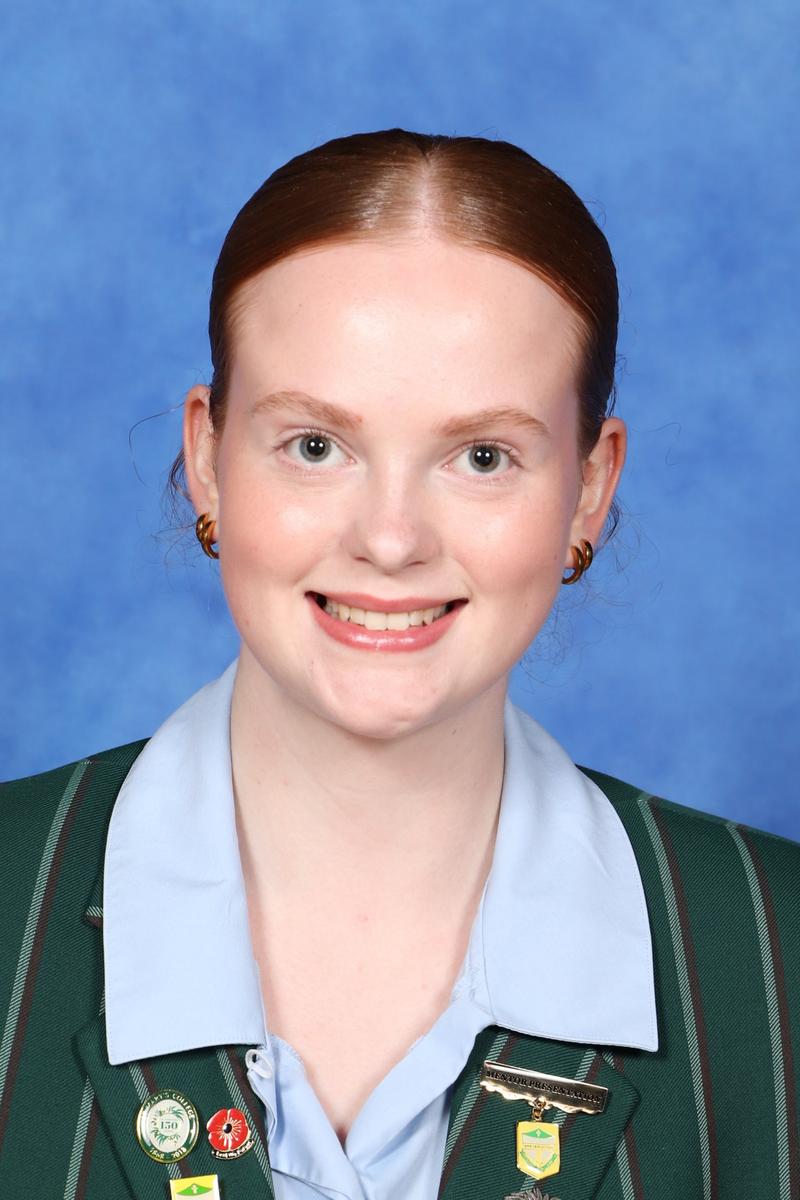
Late last year, Madi Marr (Year 11) was selected for the National Gallery of Australia's (NGA's) elite 2026 National Summer Art Scholarship. Only 16 students across Australia are accepted into the program each year, which culminates in a week-long residency in Canberra. We caught up with Madi to hear about her experience so far.
What was your first reaction when you found out you got the scholarship? I was honestly really surprised. I thought my chances were slim given the competition, so when I received the call confirming my spot for Tasmania, I was beyond excited and eager to get involved.
What’s been the most exciting part of the experience so far? Meeting new artists at every session has been amazing, as each has a distinct practice and story. I’ve also loved receiving art material packages before workshops. Most recently, a bedazzling kit!
Has anything surprised you about it? The variety of activities and artists has been surprising. So far, we’ve made colourful prints, created a photo flip book and bedazzled pictures of inspiring people.
What’s something new you’ve learned about your own art practice? I’ve learned my art doesn’t need to stick to one style. Seeing artists like Aretha Brown switch between murals and bedazzled pieces has been really motivating.
What’s been the biggest challenge so far? Sharing my work with other students has been challenging, as some are more experienced or talented. But everyone has been supportive, which helps build confidence.
What would you say to another student thinking about applying?
Just do it! Even if you don’t get in, the process of researching and expressing your ideas about a chosen artwork is really rewarding.
What are you most excited about for the rest of the year? I’m excited for the week-long residency in Canberra this December. It will be amazing to work with practising artists, see behind the scenes at the NGA and meet the other students.
Applications for the 2027 National Gallery National Summer Art Scholarship will open in Spring 2026 for those interested in applying.
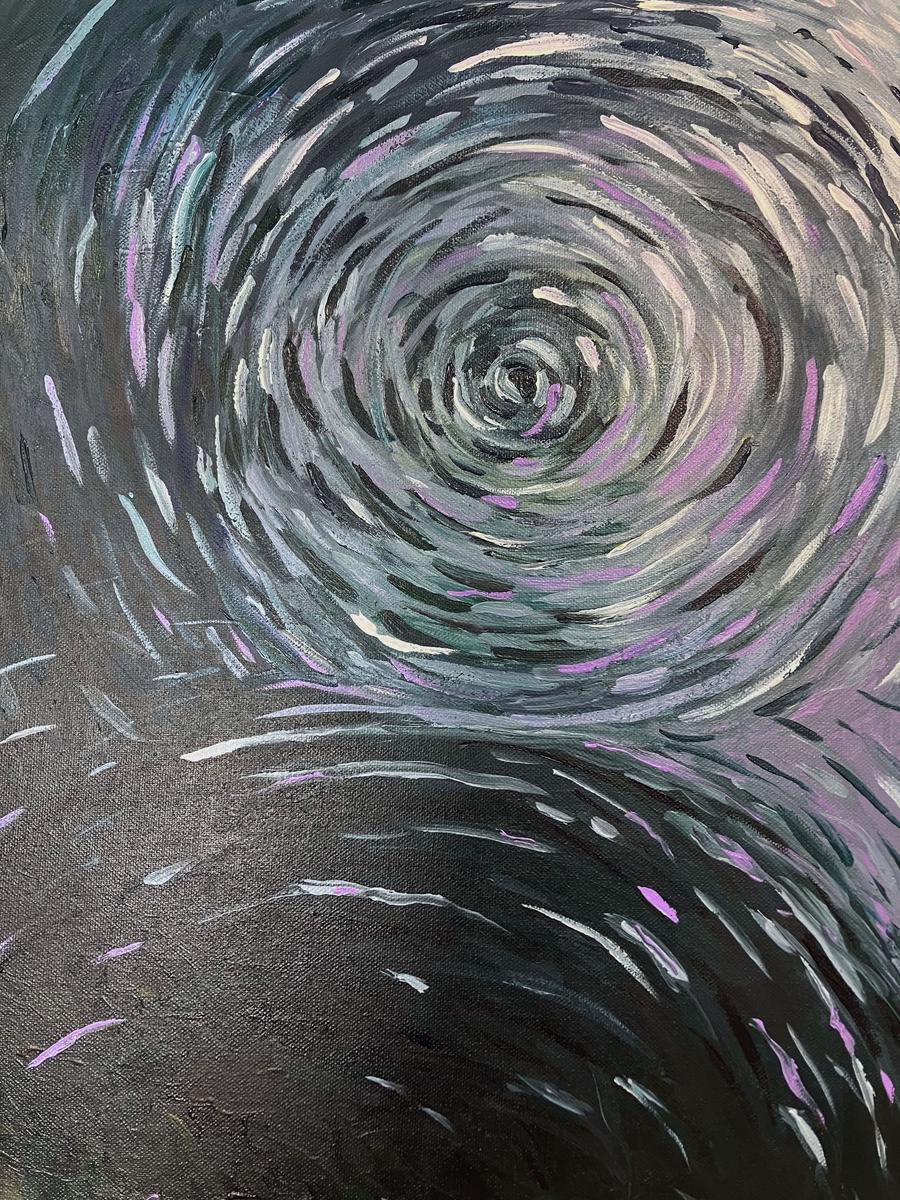
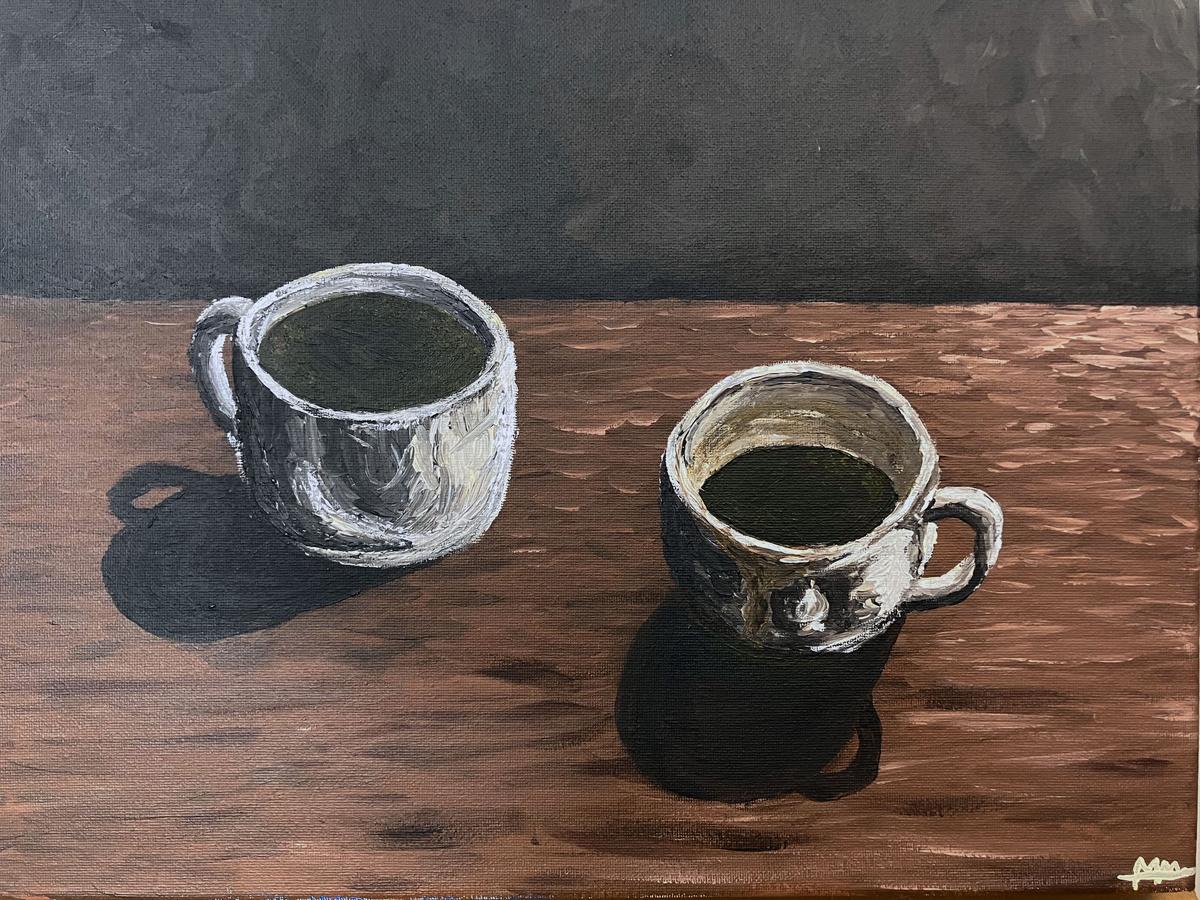
Pictured below: Experiments that Madi has created as part of the Visual Art 3 course she's currently studying at St Mary's College.
The Year 9/10 Digital Art and Photography and Year 11/12 Contemporary Art Practice classes recently visited Bett Gallery's latest show, Platform. The exhibition brings together a focused selection of emerging and early-career artists whose work reflects the range, ambition and strength of contemporary practice. This was a real insight for our students, as it highlights the direction of the next generation of artists and the diverse ways contemporary ideas are explored and communicated.
Armed with their cameras, students then hit the beating heart of Hobart's street art scene – Bidencopes Lane. This narrow passage is Hobart’s most vibrant street art gallery and a constantly evolving expression of urban creativity. Students soaked up the riot of colour and energy while capturing a series of urban documentary photographs, experimenting with composition and perspective in this dynamic environment.
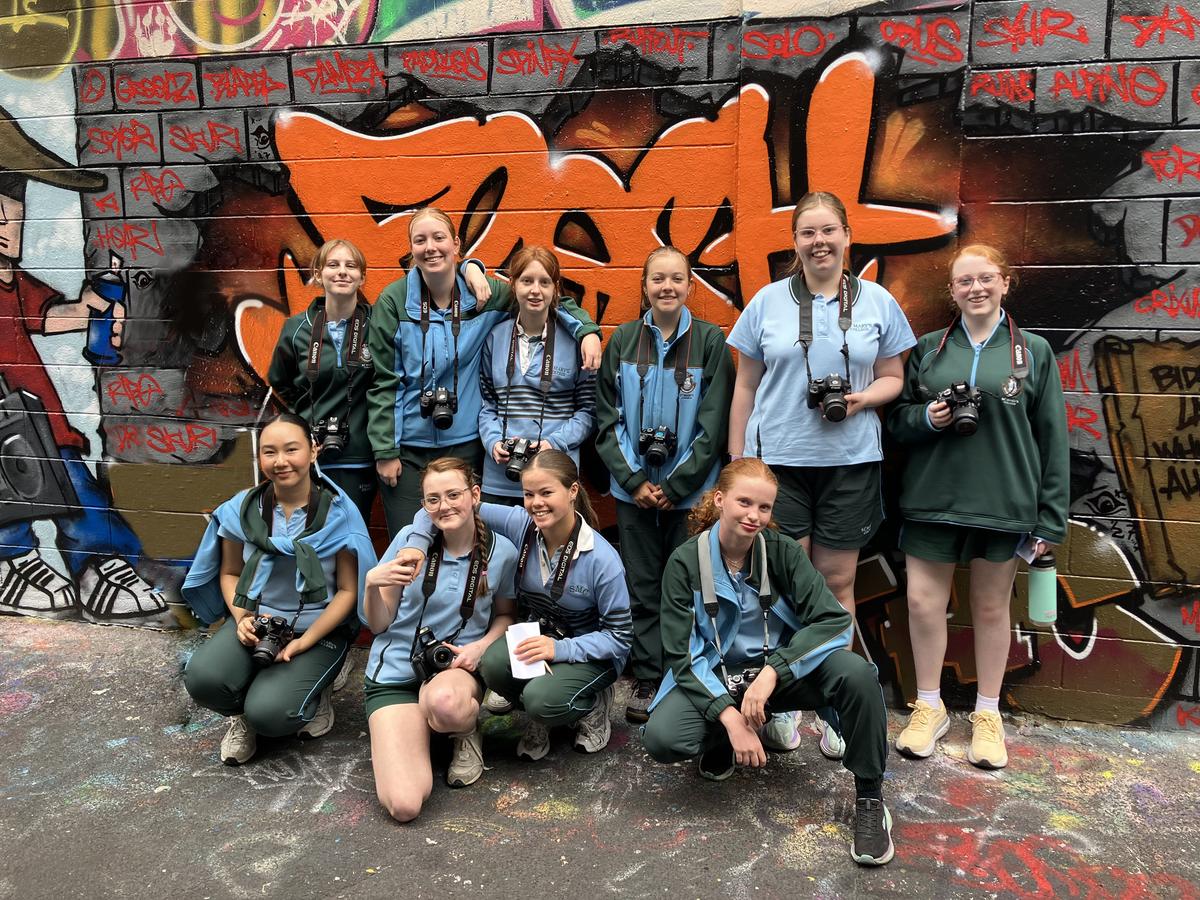
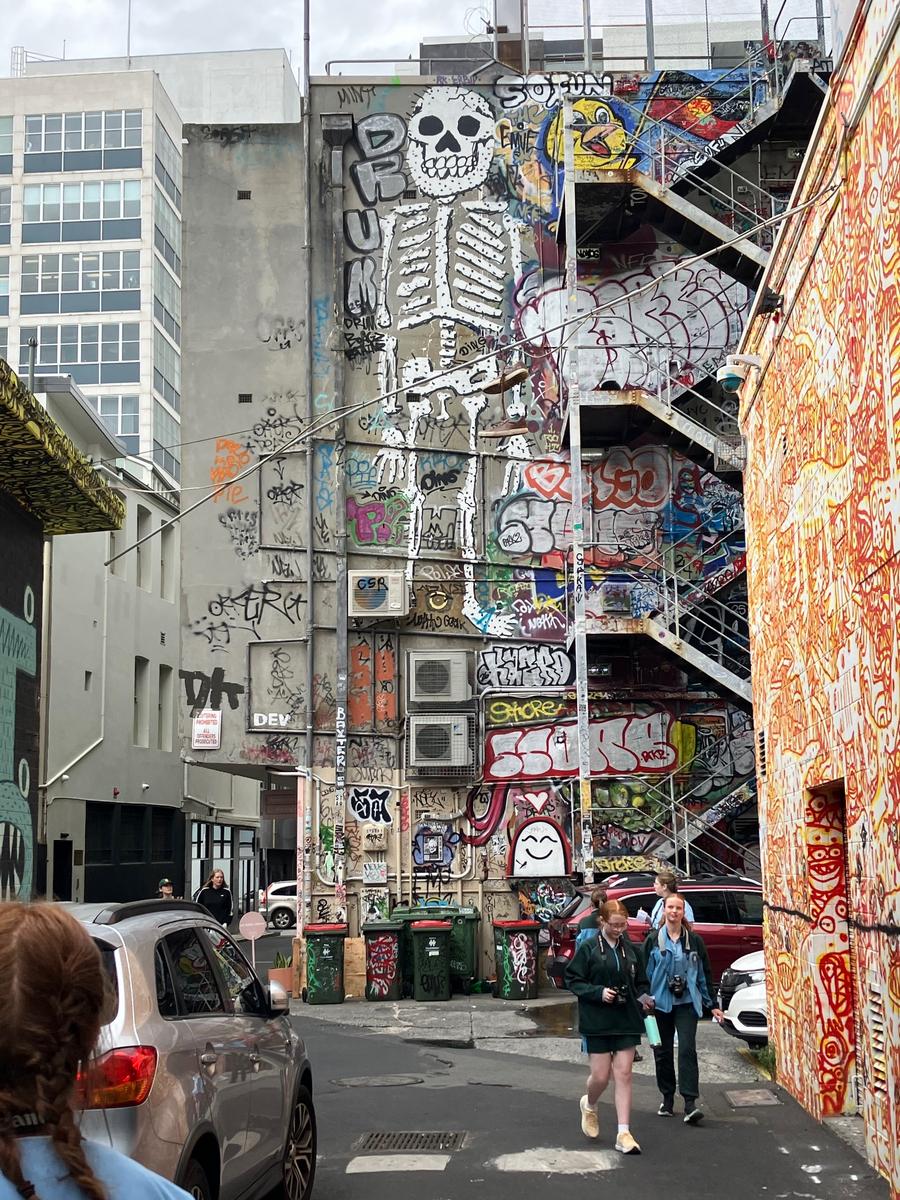
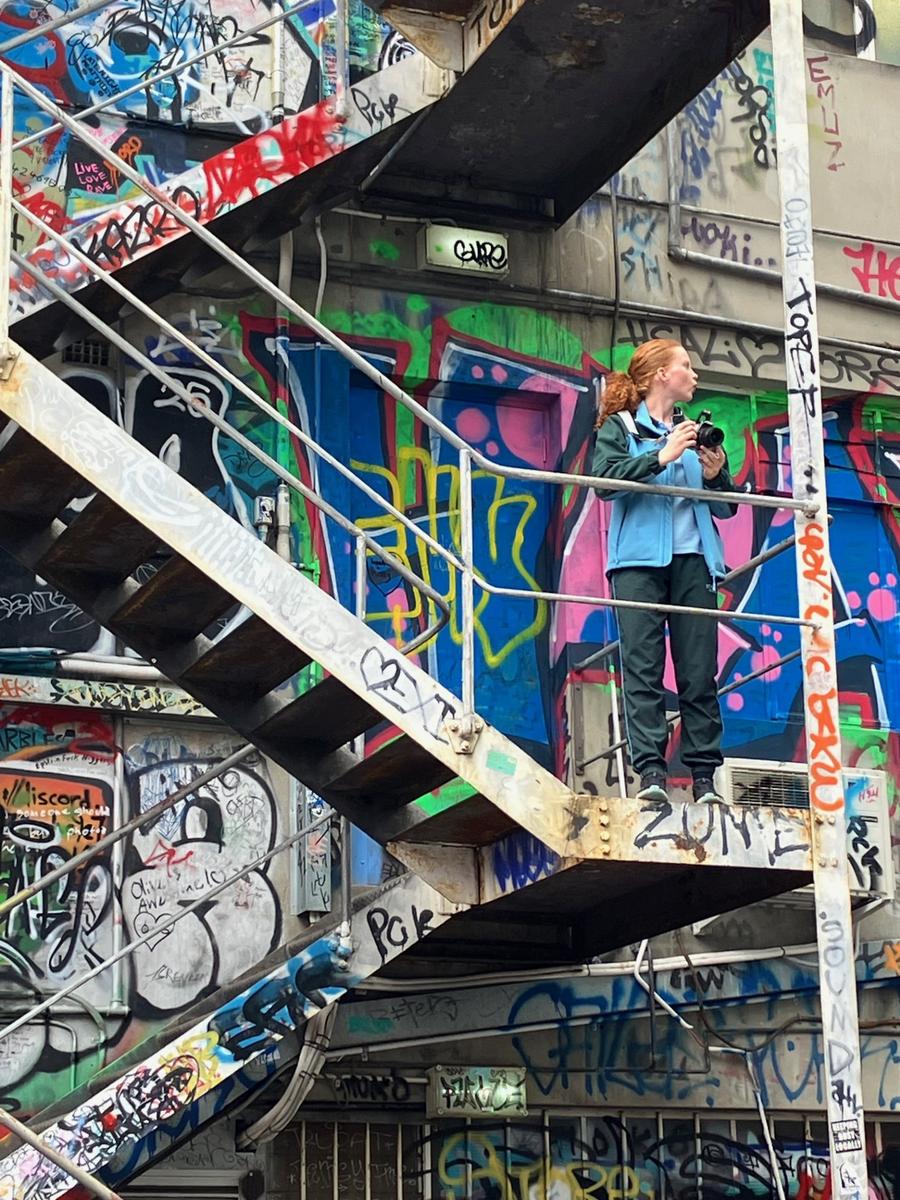
Since the 1990s, Bidencopes Lane has been a meeting place for graffiti and street artists, with thousands of stencils, throw-ups, characters, paste-ups and tags layering up over the decades to create an evolving tapestry. We are so lucky to have such a cool destination just a short walk from the College!
Fun fact: In 2019, the City of Hobart made it official. A section of Bidencopes Lane became Hobart’s first legal permission wall. Anyone can paint here, any day of the week, with a permit. Your artwork might only last a day before another artist reclaims the space, but that’s the beauty of it: it’s raw, temporary and always changing.
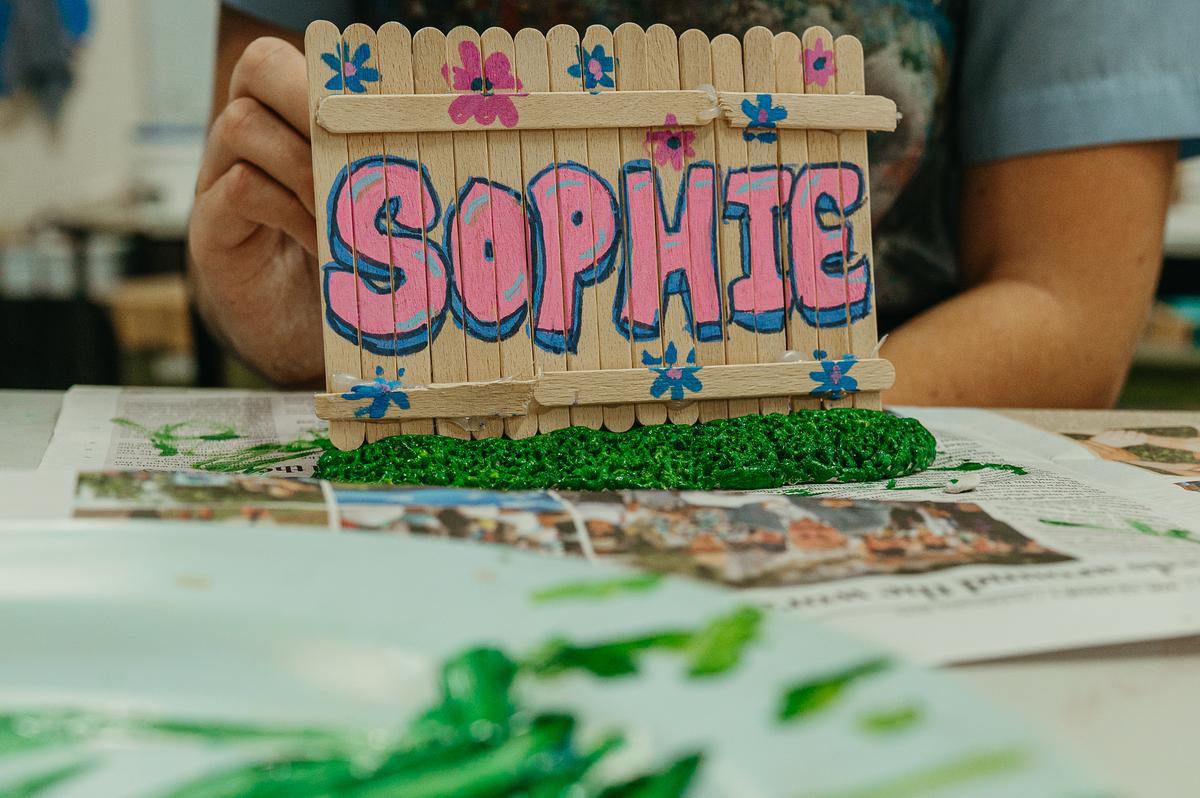
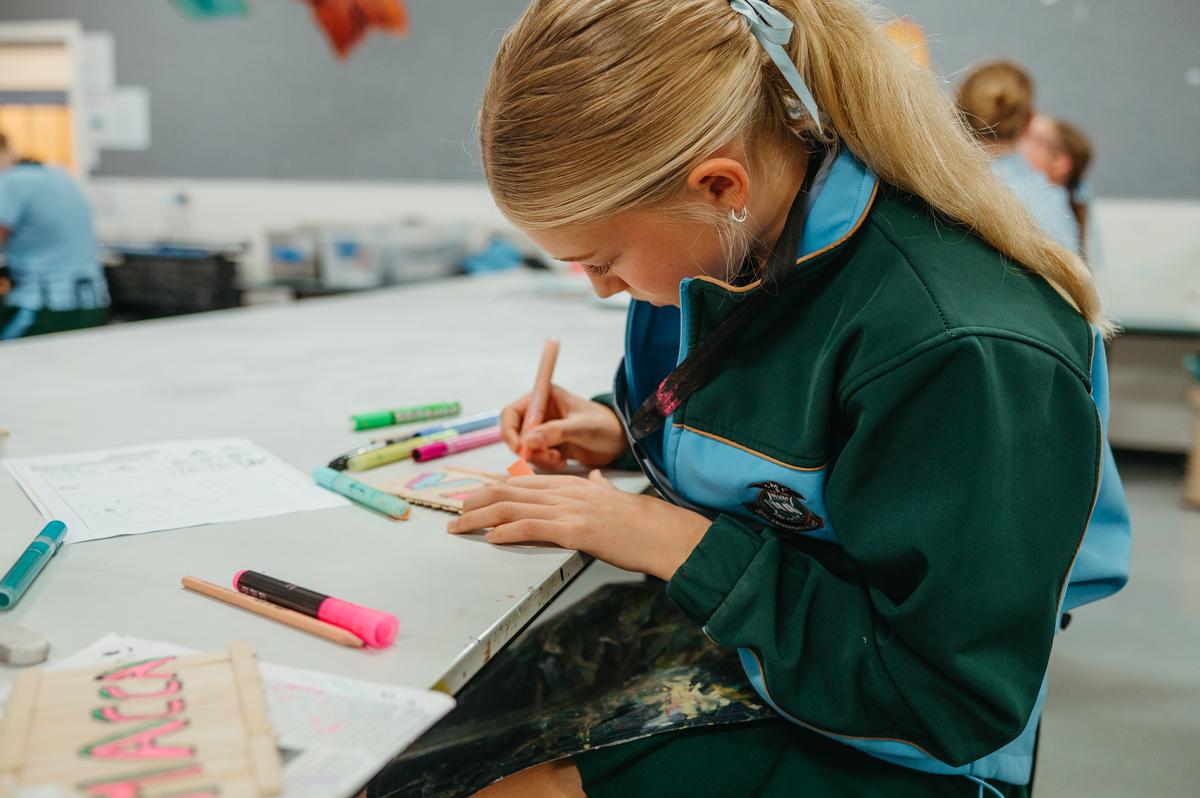
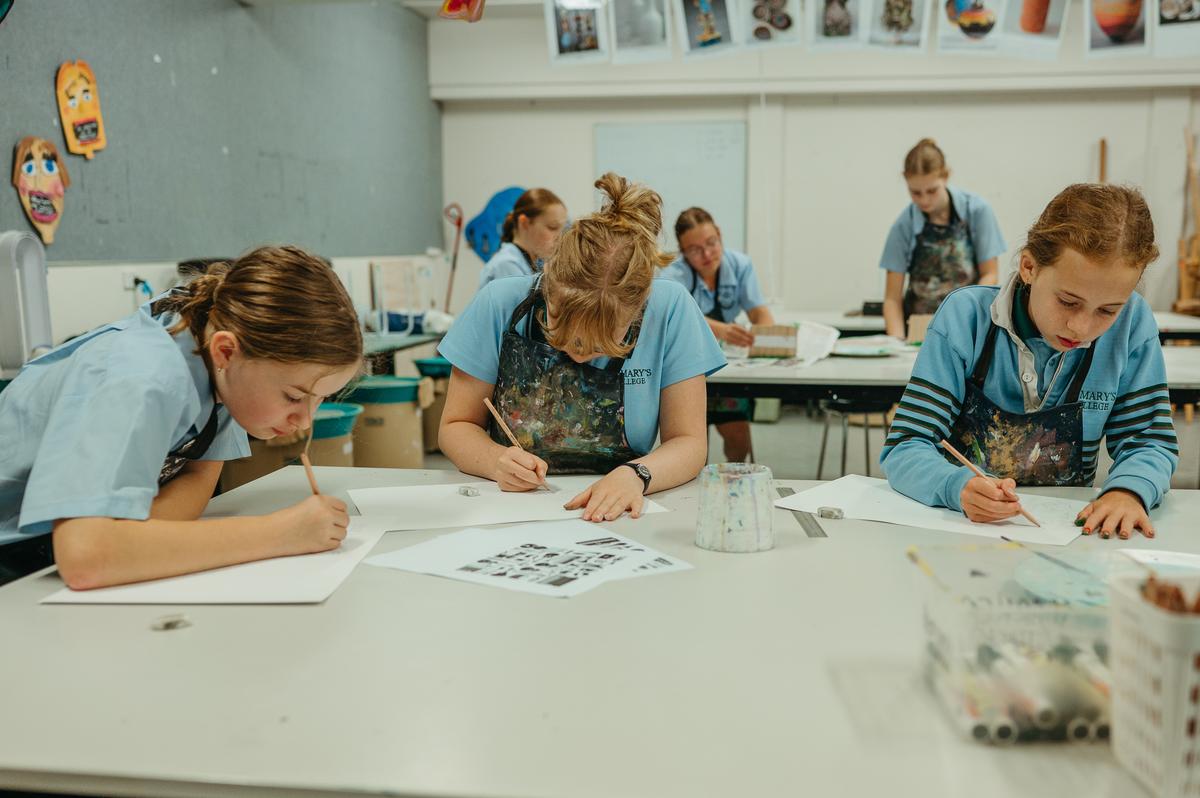
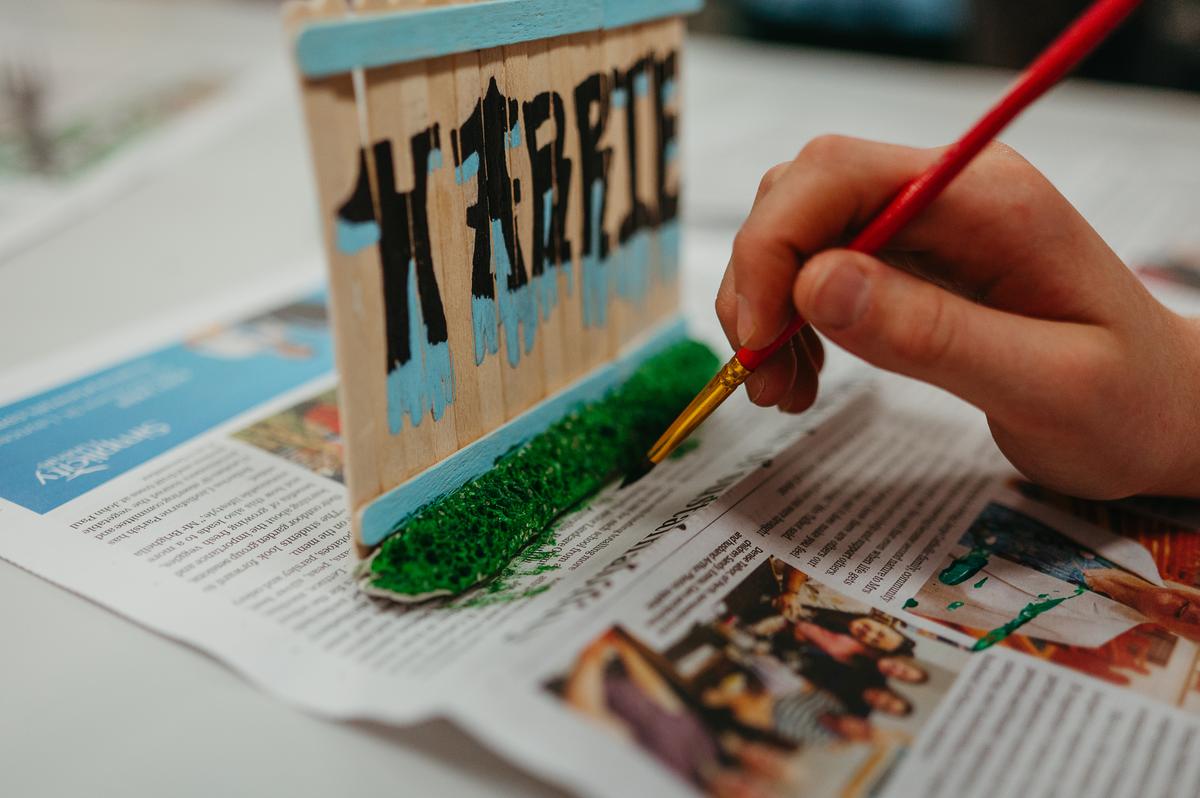
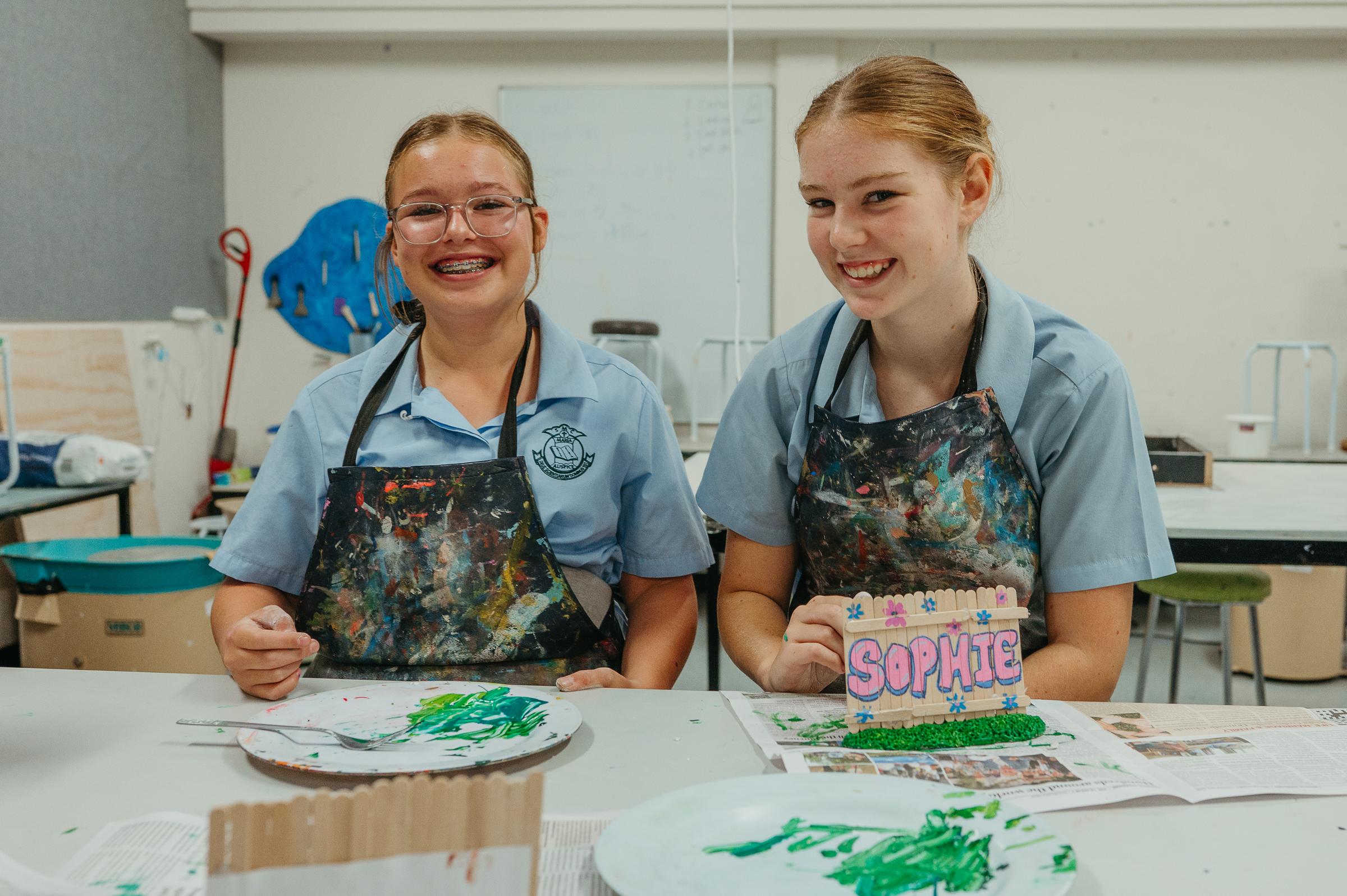
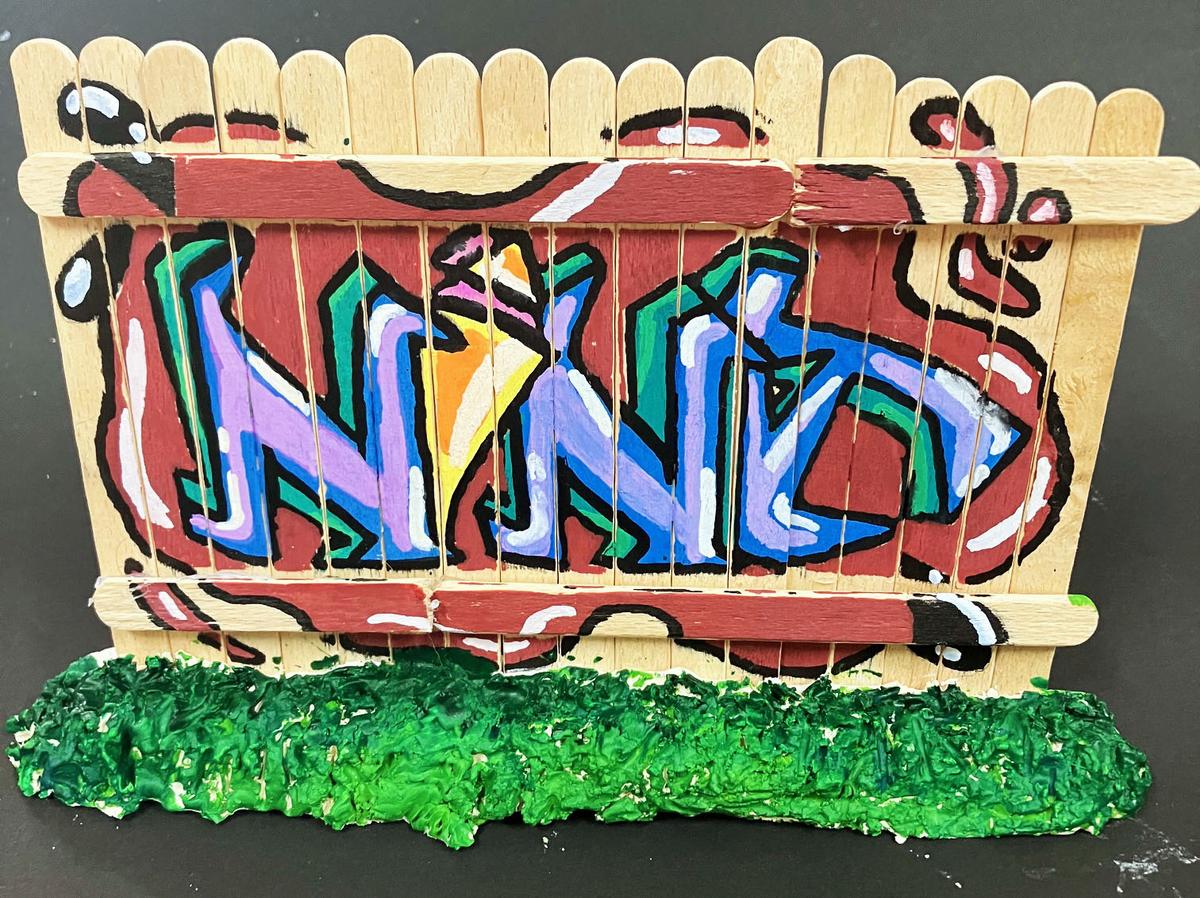
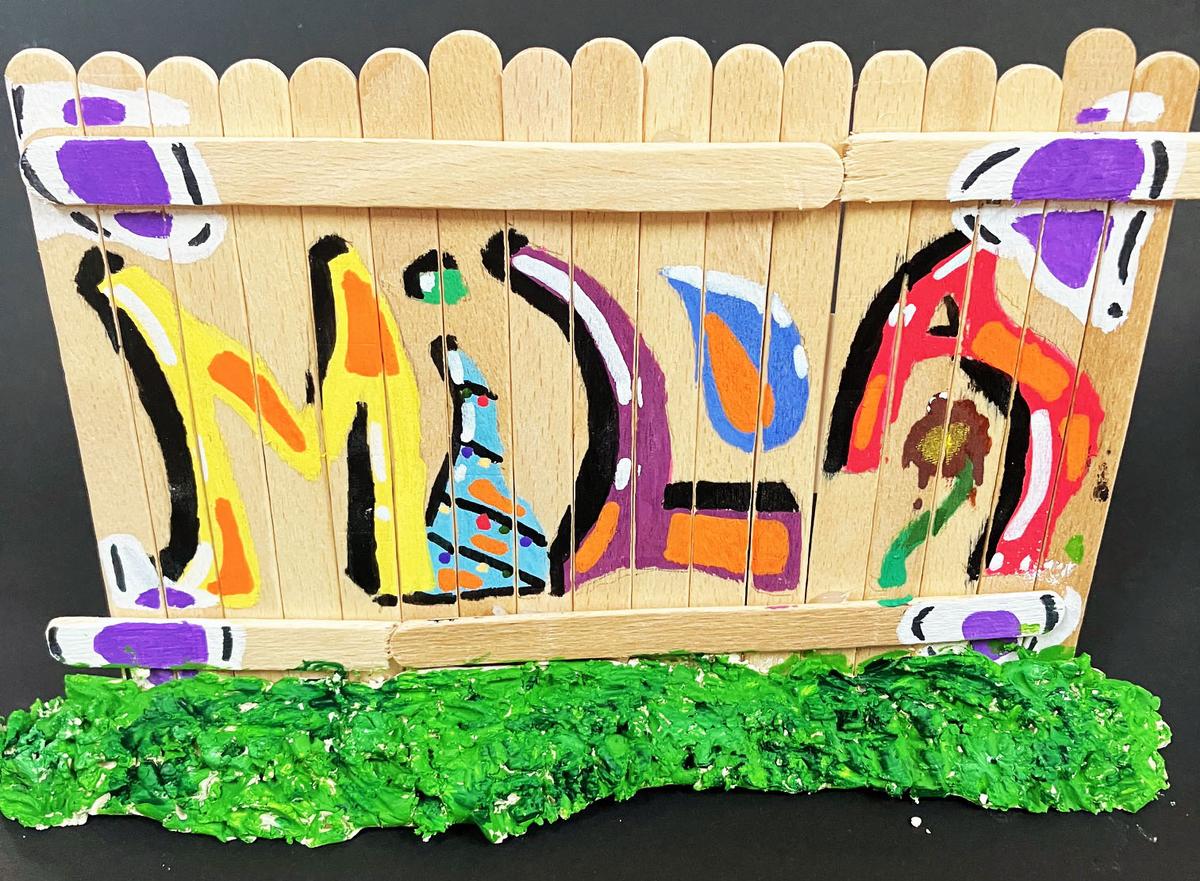
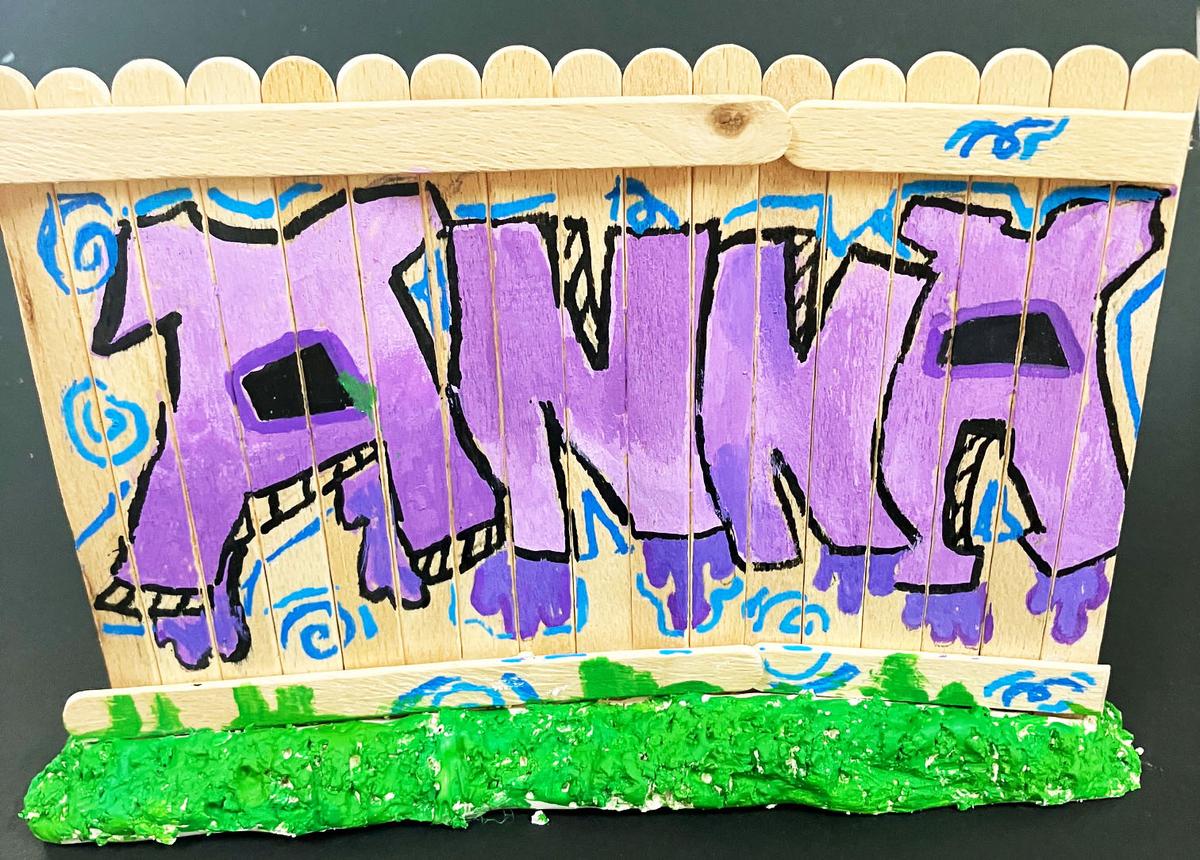
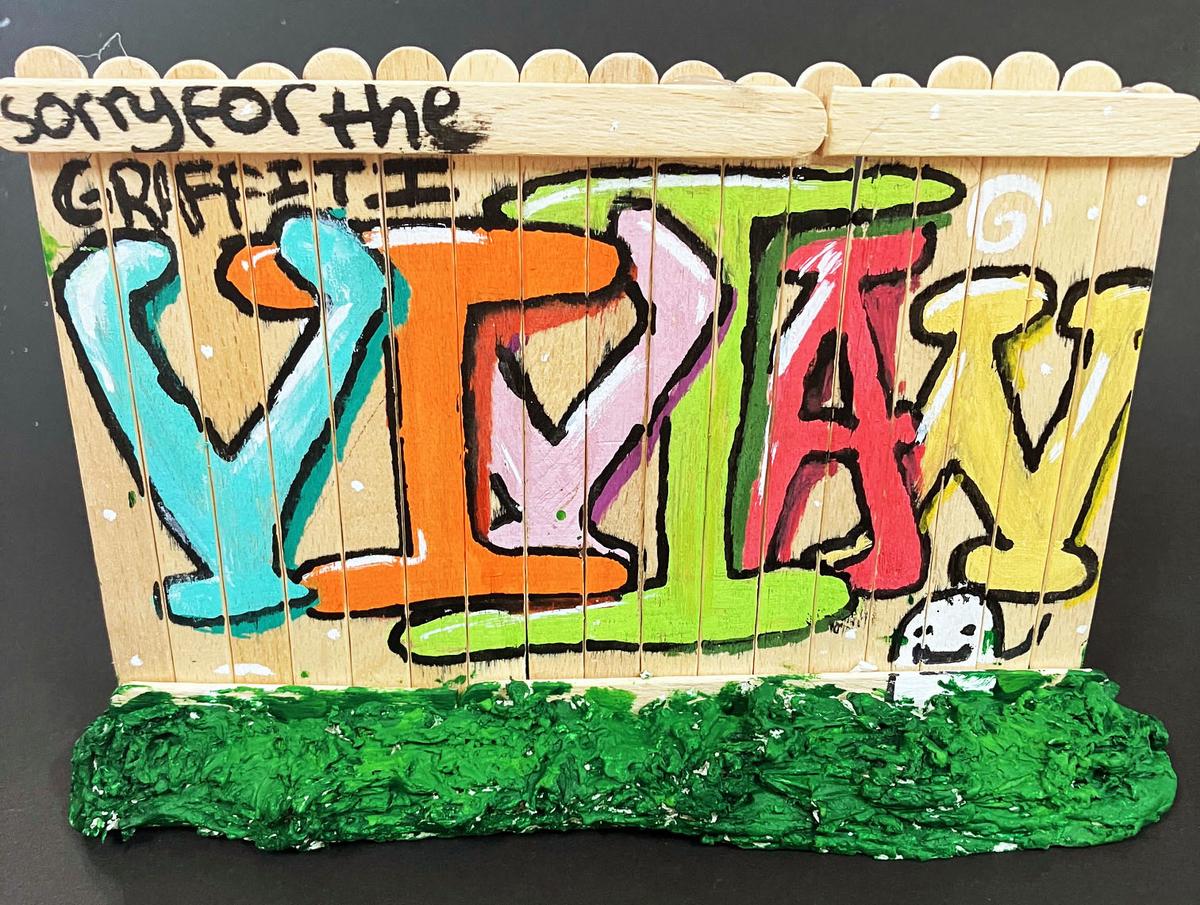
Fence‑tastic graffiti creations
Year 8 students have been busy turning simple paddle-pop sticks into graffiti‑style artworks. Their bold colours, layered designs and expressive lettering show just how powerful street art can be as a creative outlet. The results look fantastic!
At our Senior School Learning Conferences, something curious happens. Between conversations about assessment and forgotten art journals, a parent will lean in and say, half-joking, half-hopeful, “…so… could I enrol in this class?” And honestly? We understand. Because somewhere between finger painting and adulthood, a quiet shift occurs. We stop making art.
Not because we run out of ideas. Our students prove every day that imagination is alive and well. Give them cardboard, paint, and ten minutes, and they will build entire worlds. But at some point, many of us decide we’re “not good at art.” That small sentence has a way of closing sketchbooks for years.
As children, we create freely. We draw, build, experiment and rarely question the outcome. But gradually, the focus shifts. Art becomes something to get right rather than something to explore. The joy of making is replaced with the pressure to perform, and for many, it becomes easier to stop than to risk getting it wrong.
Adulthood doesn’t help. Time becomes structured, outcomes matter and being a beginner again feels uncomfortable. Art, inconveniently, asks us to embrace exactly that: to not know, to try anyway and to accept that things might not turn out as planned. And so, many people quietly step away.
But the interesting thing is, the desire never really disappears. It lingers. You see it in the way prospective parents pause a little longer in our art room on their college tour, or in that familiar question from our current parents about joining an art or ceramics class. There’s a recognition there. A memory of what it feels like to make something just because.
Which is why art remains so important at SMC. It’s not only about developing skills, but about holding onto that way of thinking: being curious, taking risks and learning through doing. It’s a space where our students are allowed to not have all the answers and to discover something in the process.
So perhaps these holidays, it’s worth picking something up again – paint, clay, a pencil – and seeing where it leads. Not to perfect it, but to experience it. Because in doing so, you might find yourself a little closer to what your daughter feels in the art room: the uncertainty, the small breakthroughs and the quiet satisfaction of making something that didn’t exist before.