
Junior School
Wonder and Amazement
Junior School
Wonder and Amazement
One of the greatest gifts we can offer young children is the opportunity to look at the world with wonder and, perhaps just as importantly, to pause and see the world through their eyes. In the busy pace of everyday life, it can be easy for us to move quickly past the small, extraordinary details that captivate children. Yet it is precisely these moments of amazement that form the foundation of deep and meaningful learning.
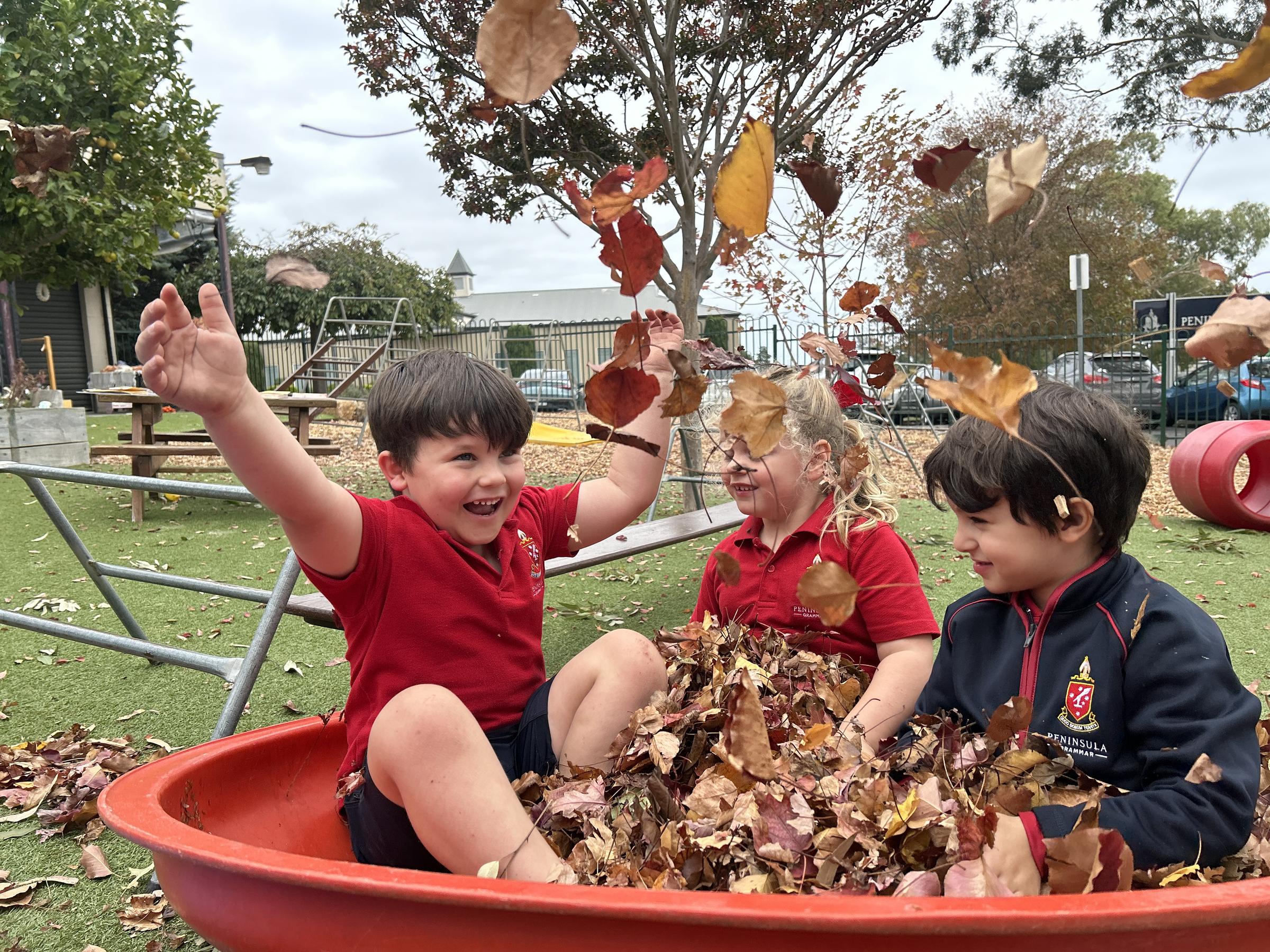
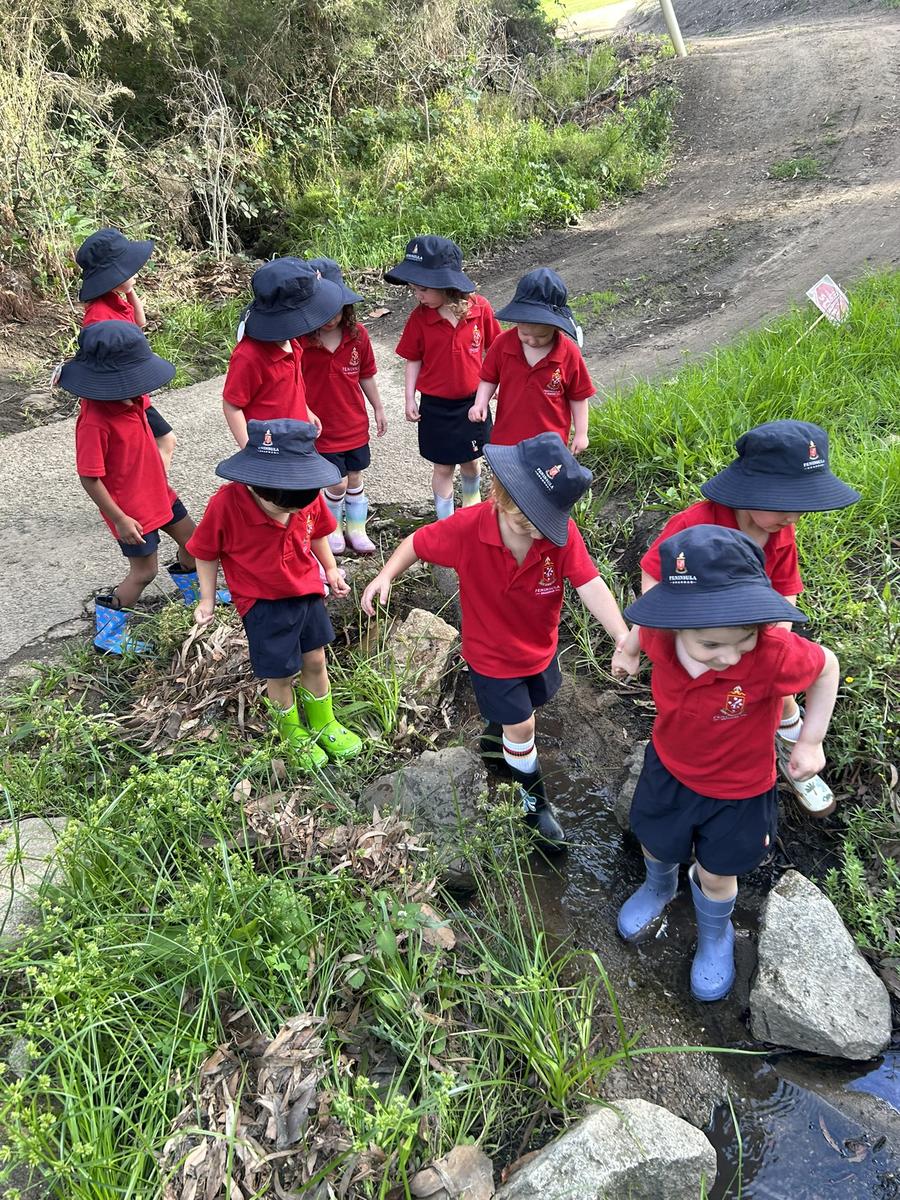
The Victorian Early Years Learning and Development Framework (Kindergarten) and the Victorian Curriculum both highlight curiosity, creativity and inquiry as essential dispositions for learning. These grow most powerfully when children are given time to notice, to question and to delight in the world around them. A puddle is not just water to step around, it is something to splash in, to test for depth, to watch ripple and to wonder where it came from. An autumn leaf is no ordinary leaf, it is a source of fascination and a pop of changing colour, prompting questions, careful observation and storytelling.
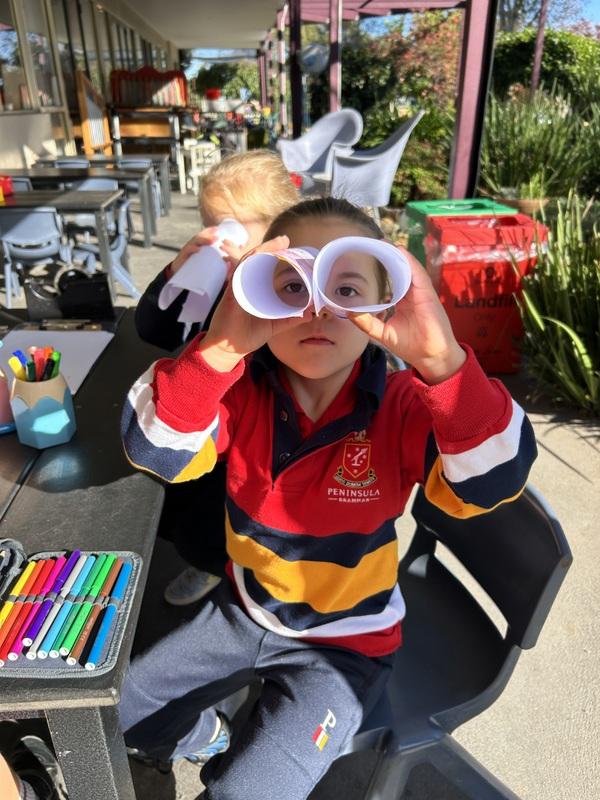
Positive psychology reinforces the importance of these moments. Barbara Fredrickson’s broaden-and-build theory explains that positive emotions such as joy, curiosity and awe expand children’s thinking, helping them become more creative and engaged. When children feel wonder, attention sharpens and thinking deepens. They are more likely to persist, to explore and to connect ideas. In these moments, learning is not forced, it is joyful and self-driven.
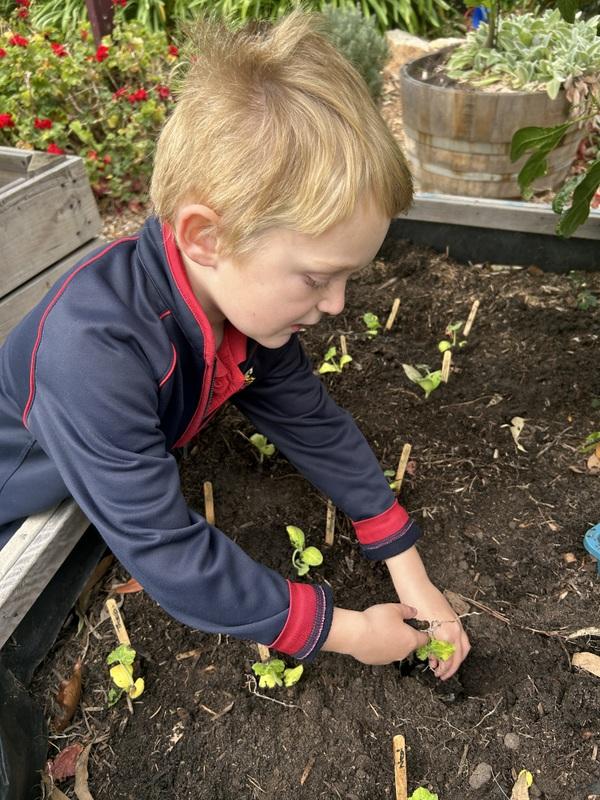
In classrooms, space is intentionally created for this sense of wonder to flourish. Kindergarten gumboot walks are a simple but powerful example. When children head outdoors in all weather, they are invited to slow down and notice the world: the feel of mud beneath their boots, the sound of rain on leaves, the movement of clouds or the discovery of small creatures hidden in the grass. These experiences invite children to ask questions, develop language and form connections with the natural environment. They also remind adults of the beauty in things that might otherwise be overlooked.
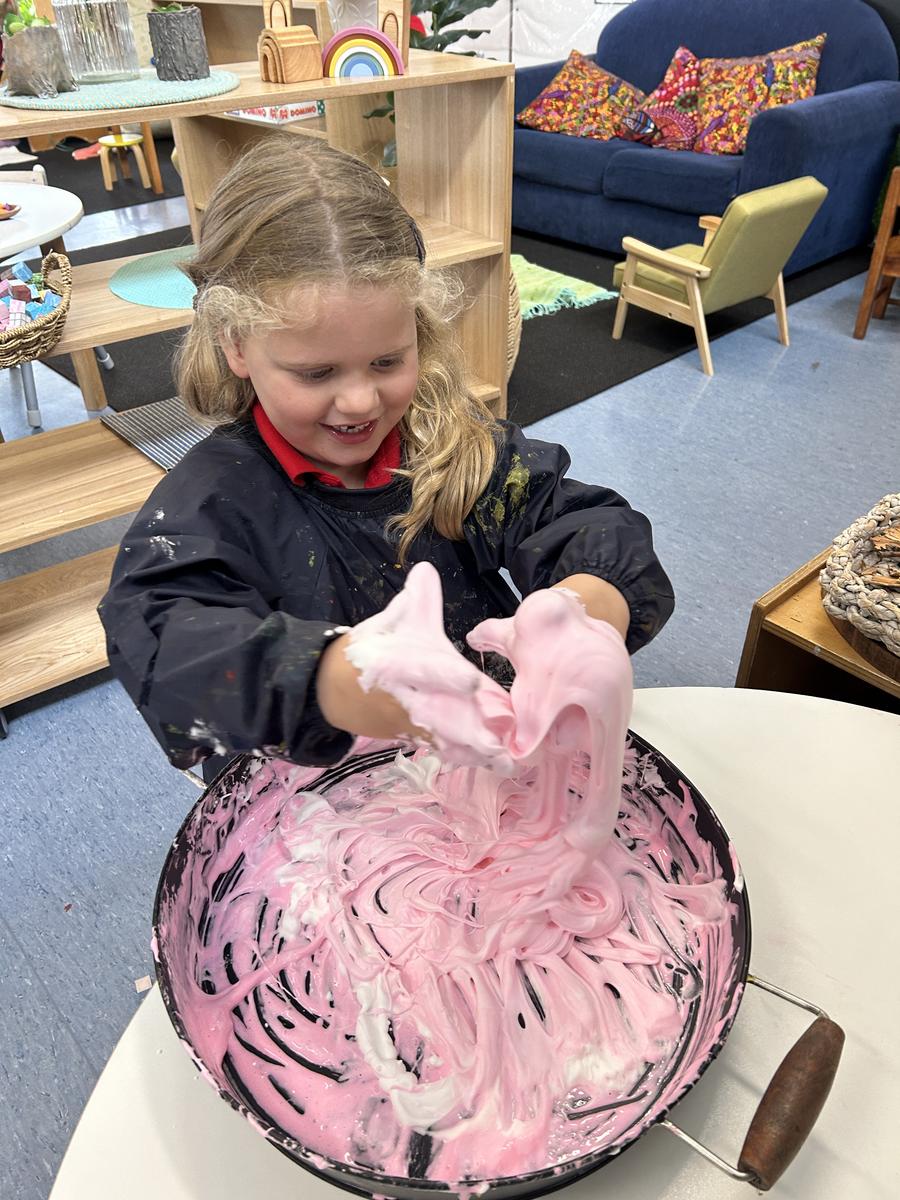
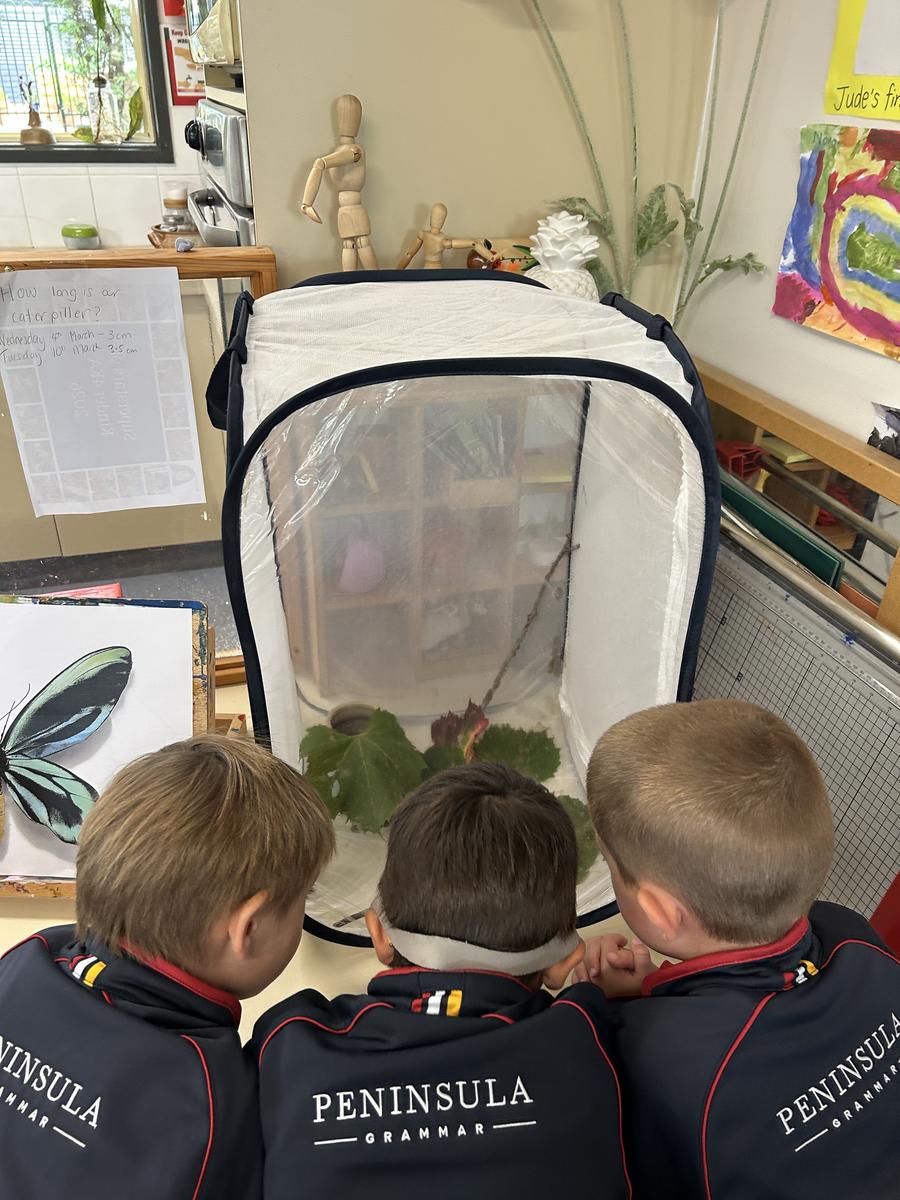
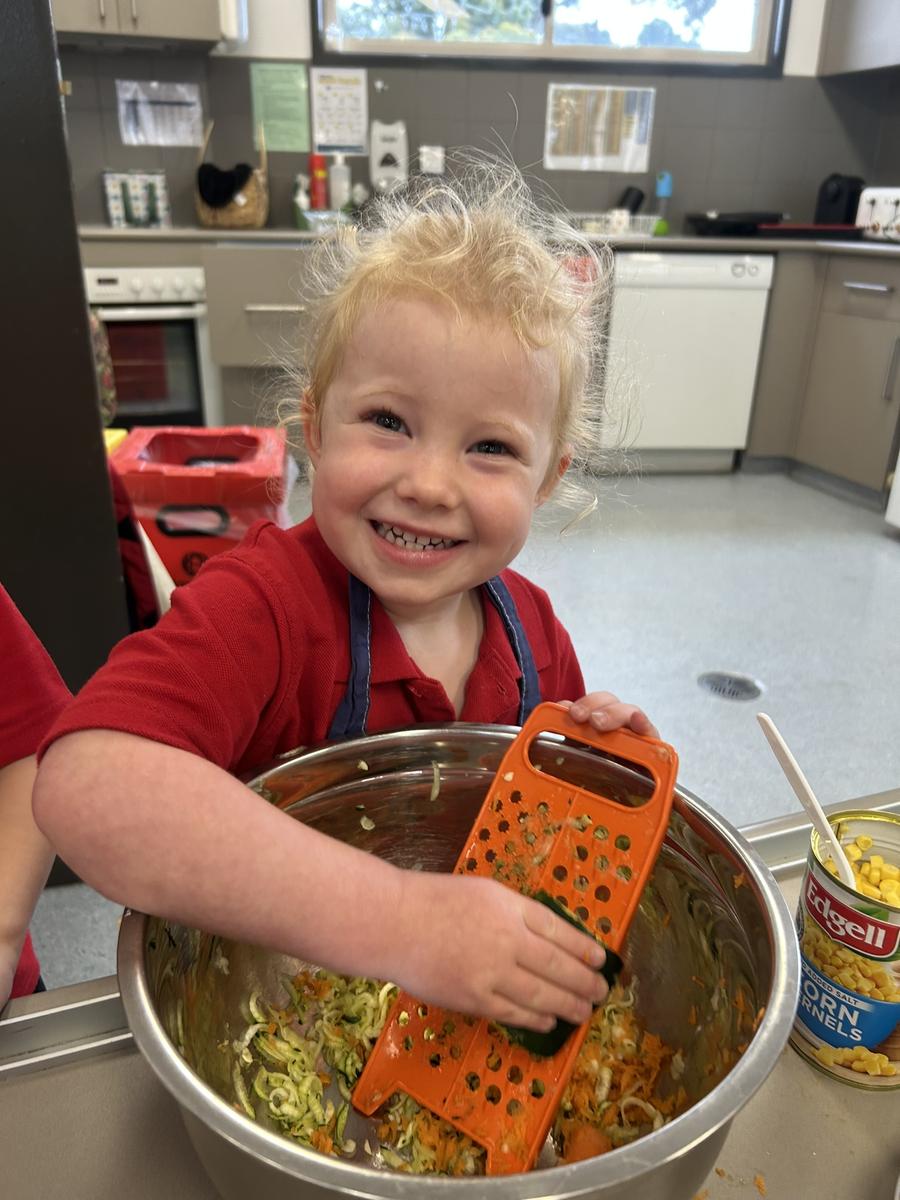
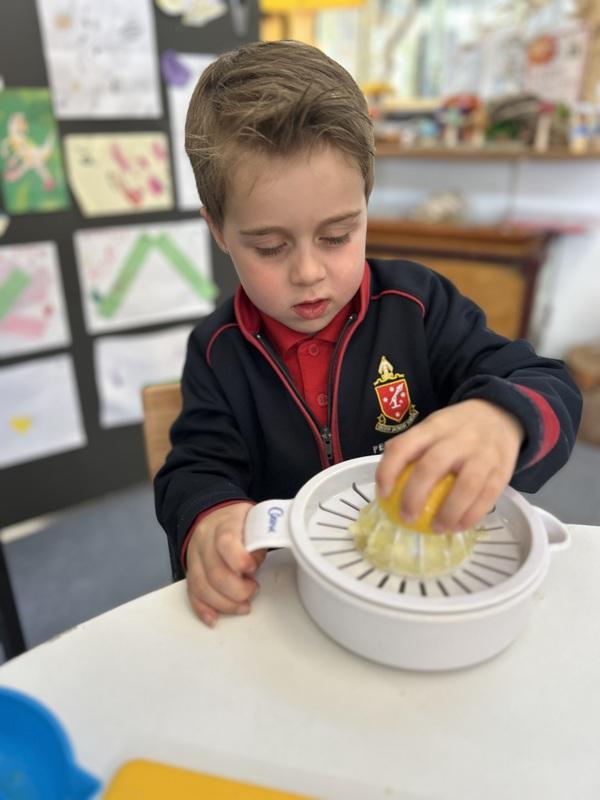
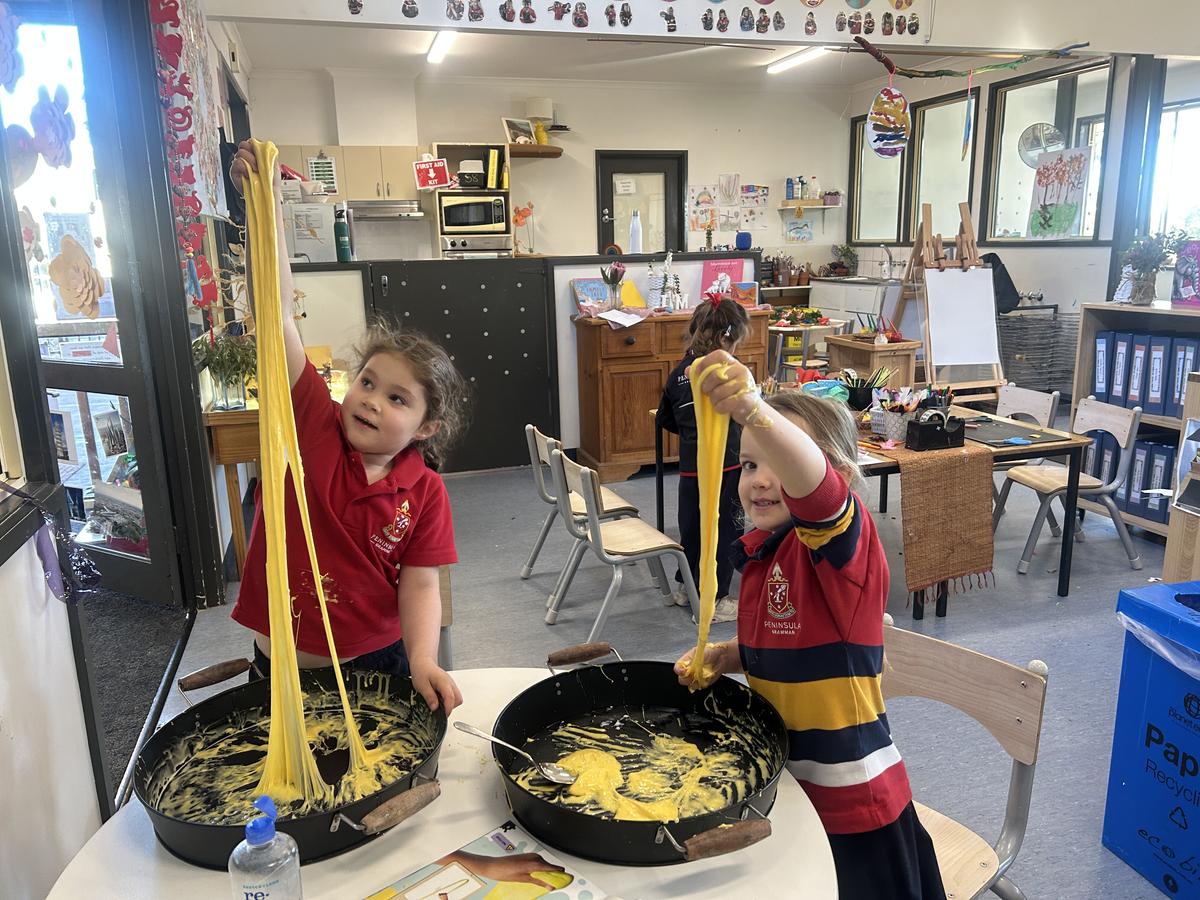
Similarly, visits to the Makerspace and Science lab offer opportunities for children to experience amazement in a different context. Here, children experiment, predict and discover as they watch magnets attract, observe materials change and explore simple cause and effect. The excitement in these spaces comes not from having the “right” answer, but from the process of wondering: What will happen? Why did that change? What if we try something different? These early experiences lay the groundwork for scientific thinking while preserving a sense of curiosity and delight.
This sense of wonder also extends to children’s growing curiosity about people and relationships. Year 1 students, for example, have recently shown great interest in learning more about life in the Boarding community. This has led them to begin writing letters to Boarding students, asking thoughtful questions and sharing aspects of their own school experiences. This authentic inquiry will continue with a visit to the Boarding House before the end of term, offering a meaningful opportunity to deepen understanding and connection.
As teachers, there is an aim to model this mindset by asking open-ended questions such as “I wonder…” and “What do you notice?” These prompts encourage children to think deeply and share their perspectives. This approach also extends beyond the classroom. As families, there is great value in slowing down, listening to children’s questions and allowing space to be drawn into their sense of wonder.
When time is taken to see the world through a child’s eyes, it becomes clear that learning is not just about outcomes, it is about curiosity, connection and joy. By nurturing wonder and amazement, we support children to become engaged, thoughtful learners who will carry this openness to the world with them for life.
Louise Nicholls-Easley
Head of Junior School