Wellbeing
Health and wellbeing play an important role in helping our children learn, grow, and feel happy at school. When children are physically healthy, they have more energy to play, learn and take part in activities. Eating nutritious foods, getting enough sleep, staying active and practicing good hygiene help keep their bodies strong. Emotional wellbeing is just as important. When children feel safe, supported and valued, they are more confident and ready to learn. Positive friendships, kindness, and talking about feelings all help children build resilience and manage challenges.
At school, good health and wellbeing improves concentration and learning, builds strong friendships, encourages positive behaviour and boosts confidence and self esteem.
As a school community we can support wellbeing by encouraging healthy habits at home, promoting active play, listening to our children and celebrating their efforts.
Together, we can help every child feel happy, healthy and ready to thrive! 🌟
As we move into our fourth year, we continue to grow, strengthen our skills and build on the strong foundations we have created together.
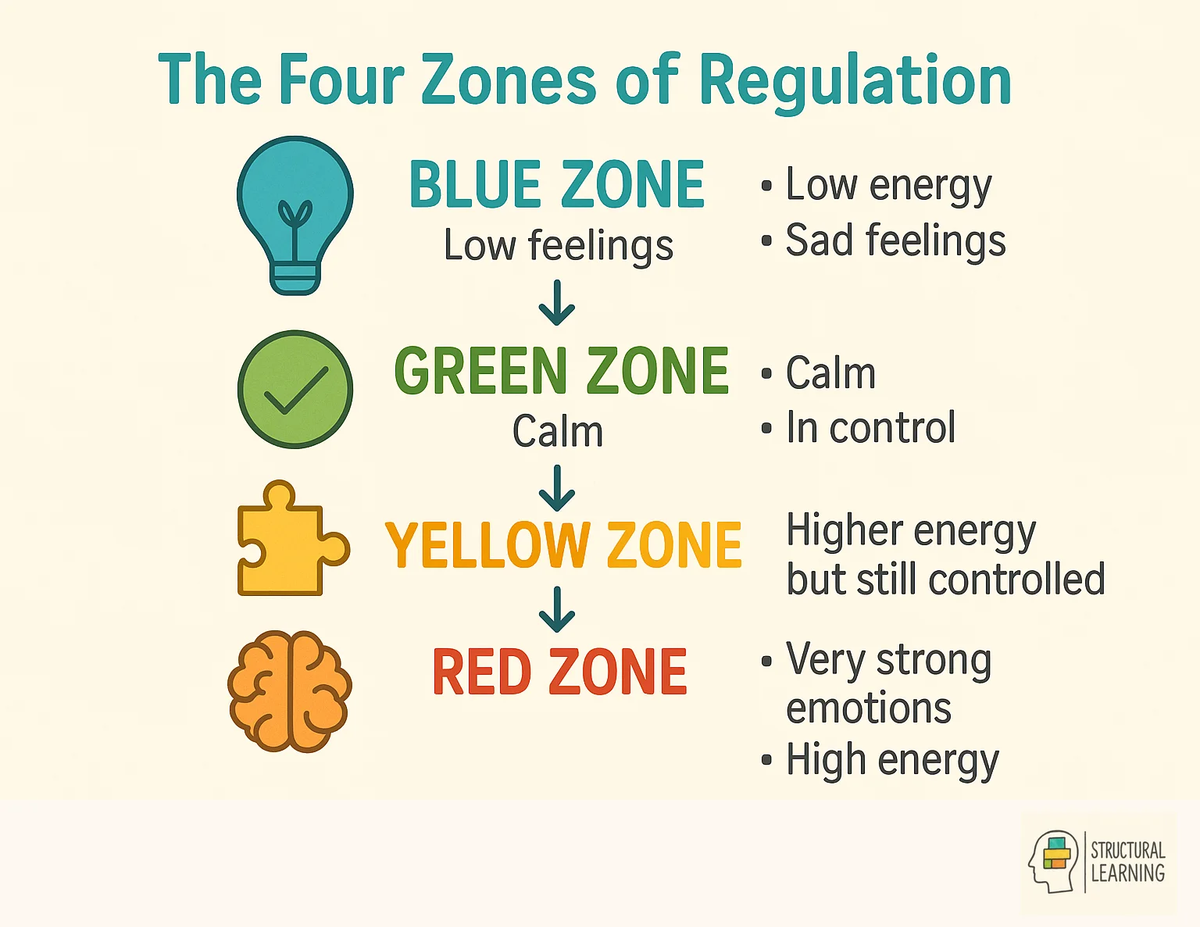
After several years of daily check-ins and using the ZONES OF REGULATION framework, we remain committed to developing our ability to regulate our emotions. Self reflection, positive self-talk and calming strategies play an important role in helping us shift our feelings towards more positive outcomes.
We continue to use the ‘toolbox’ which is full of strategies when experiencing different zones. Our kids have chosen the strategies that they will focus on and use when in need.
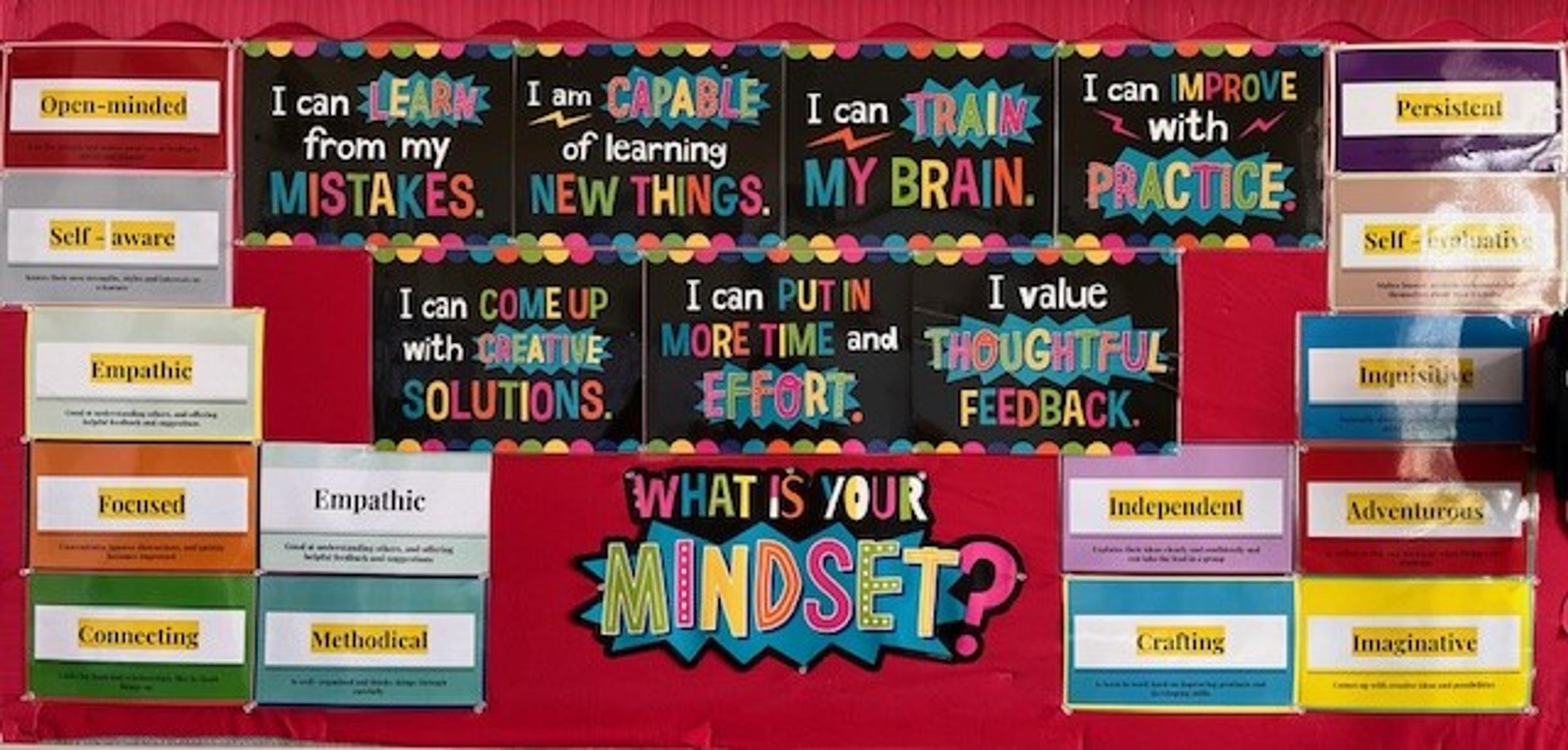
Continuing to nurture a positive Growth Mindset supports us in working through challenges and solving problems with confidence and resilience. These learnt skills can be used at school and at home.
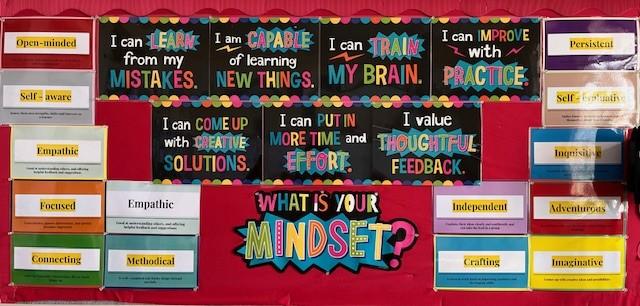
The Four Zones of Regulation
- Green Zone:
Emotion: Calm, focused, happy, content, ready to learn.
Description: This is the "optimal" zone for learning and interaction. People in the Green Zone are calm, relaxed, and focused. They’re in a positive emotional state and ready to engage in tasks and interact with others.
Strategies: Maintaining or staying in the Green Zone involves using strategies like mindfulness, staying organized, and maintaining healthy habits like getting enough rest, eating well, and engaging in positive self-talk.
- Yellow Zone:
Emotion: Frustrated, anxious, worried, excited, silly, overstimulated.
Description: This zone is where people experience heightened emotions that are not necessarily negative but can cause a loss of control or focus. They might feel slightly overwhelmed, excited, or anxious, or have trouble staying focused. While it's a heightened state of emotion, it's still manageable if the right coping strategies are used.
Strategies: To manage the Yellow Zone, individuals can use strategies like taking deep breaths, counting to ten, asking for a break, using a fidget tool, or engaging in physical activity to release pent-up energy.
- Blue Zone:
Emotion: Low energy, sad, tired, sick, bored, disappointed.
Description: In this zone, individuals are feeling sluggish or low energy. They might be experiencing sadness or fatigue, or simply not feeling engaged. It's a state where motivation and alertness are low.
Strategies: Activities or strategies to bring someone into a more active, engaged state include deep breathing, taking a break, or engaging in a sensory activity like squeezing a stress ball or listening to calming music.
- Red Zone:
Emotion: Anger, out of control, aggressive, livid, panic, hysterical.
Description: In the Red Zone, individuals are experiencing extreme emotional responses. They might feel angry, frustrated, scared, or completely out of control. This is the most intense emotional state, where individuals may struggle to make reasonable decisions or manage their behaviour
Strategies: To de-escalate from the Red Zone, individuals may need strategies like walking away from the situation, taking deep breaths, using calming sensory tools, or speaking to a trusted adult or friend to help them regain control.

The RRRR’s (Resilience, Rights and Respectful Relationships) is the teaching of social and emotional learning and respectful relationships and is a mandated part of the curriculum.
This term our focus is on Emotional Literacy. Students are learning to recognise and understand their own emotions as well as the feelings of others. Developing these skills helps children express themselves clearly and manage their emotions in positive and constructive ways.
We are also practising how to respond thoughtfully to others’ feelings and how to use strategies that feel comfortable and effective when faced with emotional triggers. Building these skills supports children in coping with a range of everyday situations with confidence and resilience.
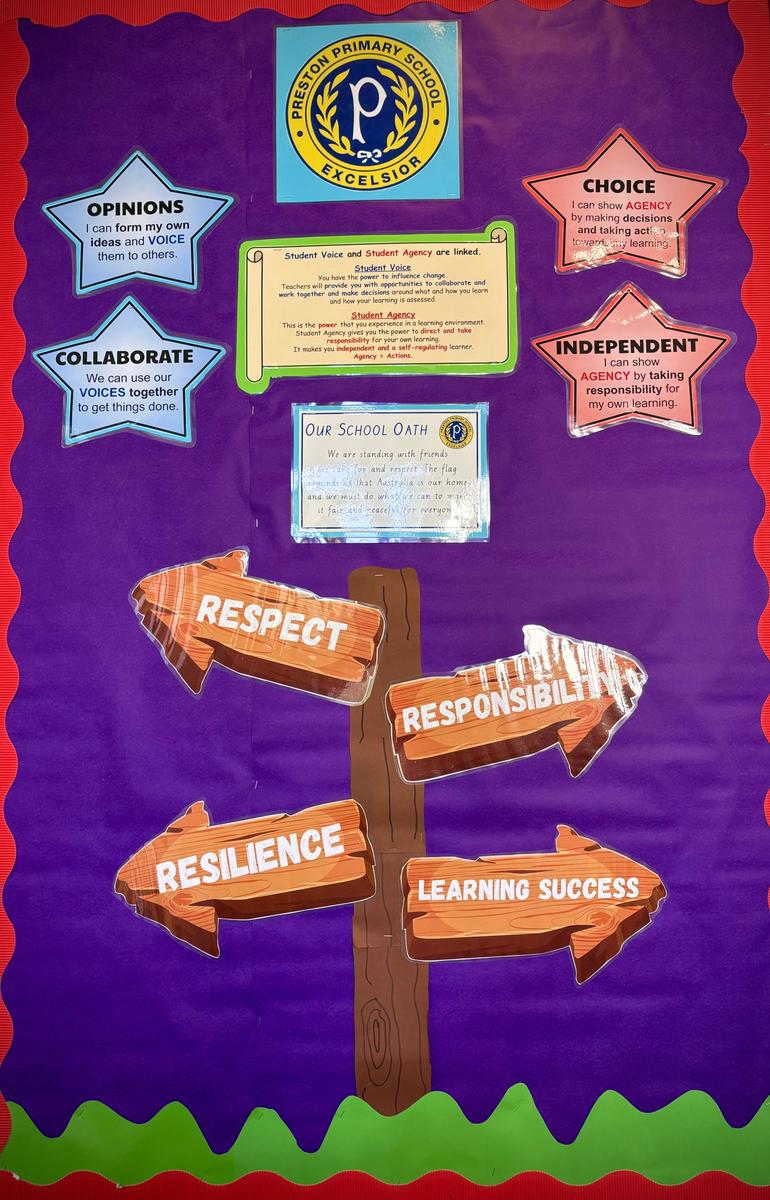
Our SCHOOL VALUES of RESPECT, RESILIENCE, RESPONSIBILITY and LEARNING SUCCESS are woven through everything we do. They help shape who we are as individuals and guide who we aspire to become in the future. We always place a strong emphasis on Respect.
Respect is one of the core values that influences how we treat others and the quality of our relationships. It builds trust, encourages understanding and supports positive collaboration. By practising respect each day, we help create a supportive and inclusive environment for everyone, regardless of age.
After a number of years of working with The Resilience Project, we are now moving on, partnering with and introducing the URSTRONG program to further strengthen our focus on student wellbeing and positive peer relationships.
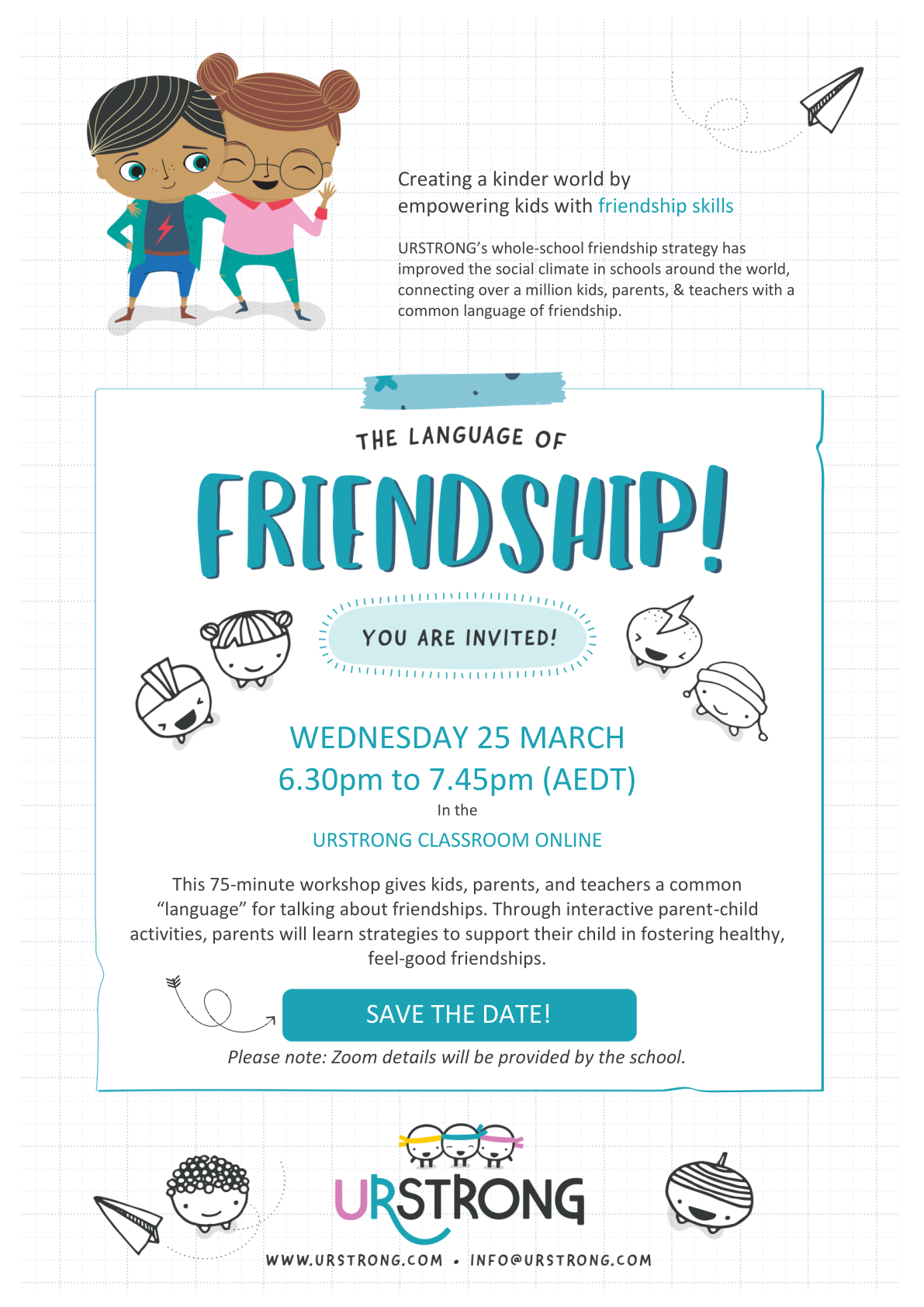
URSTRONG is an evidence-based wellbeing and friendship program that teaches children the skills and language they need to build healthy and positive relationships. Through engaging lessons and practical strategies, students learn how to identify different types of friendships, manage conflict in a respectful way, recognise healthy and unhealthy behaviours and learn to respond to friendship challenges.
The program empowers students with clear tools and shared language to support one another, solve problems independently and strengthen their social confidence. By developing these friendship skills, we are helping our students create a culture of kindness, resilience and strong connections across our school community.
Please look at the URSTRONG item in this newsletter for information about the program.
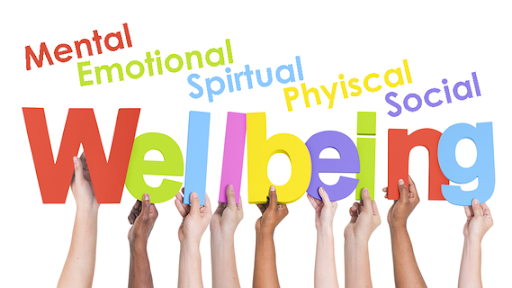
Health and wellbeing in schools are essential to the overall growth and success of our students. When children are physically healthy and emotionally supported, they are better prepared to learn, form positive relationships and manage the challenges they encounter each day. From staying active and caring for mental health to making positive choices and building strong connections, every part of daily life is influenced by how well we look after ourselves. We must all play a role in nurturing both physical and emotional wellbeing. This not only strengthens academic achievement but also supports the personal development of every child. We will continue to focus on the positives and the power of working together.
Take care!
Edwina, Mavra, Jason and Joe
The Wellbeing Team