
Wellbeing Words
Lynda Hudson

Wellbeing Words
Lynda Hudson
Winter Wellbeing Week
Throughout last week, Winter Wellbeing Week was held across both the Primary and Secondary school. A variety of activities took place, focusing on relaxation and self-care, and promoting positive mental health. We began on Monday by holding a lunchtime Just Dance session for the Primary students. It was filled with laughter, energetic dance moves and a lot of enthusiasm. Following this, on Wednesday and Thursday, a crowd of over 100 students from Years 5 to 10 gathered in the hall with their friends, snacks, cozy blankets and pillows to watch Inside Out. Both activities were enjoyed by many, providing time for connection and relaxation.

As the main highlight of our week, our whole school participated in Speak Up! Stay ChatTY’s annual Shorts Day on Friday, June 19th. We saw many fun and colourful pairs of shorts around the school. We are incredibly proud of the way our students, families, and staff embraced the event and its message. Through their collective efforts, we raised $1,038.90 for Speak Up! Stay ChatTY. This fantastic result reflects the strength of our school community and the importance we place on supporting positive conversations about mental health.
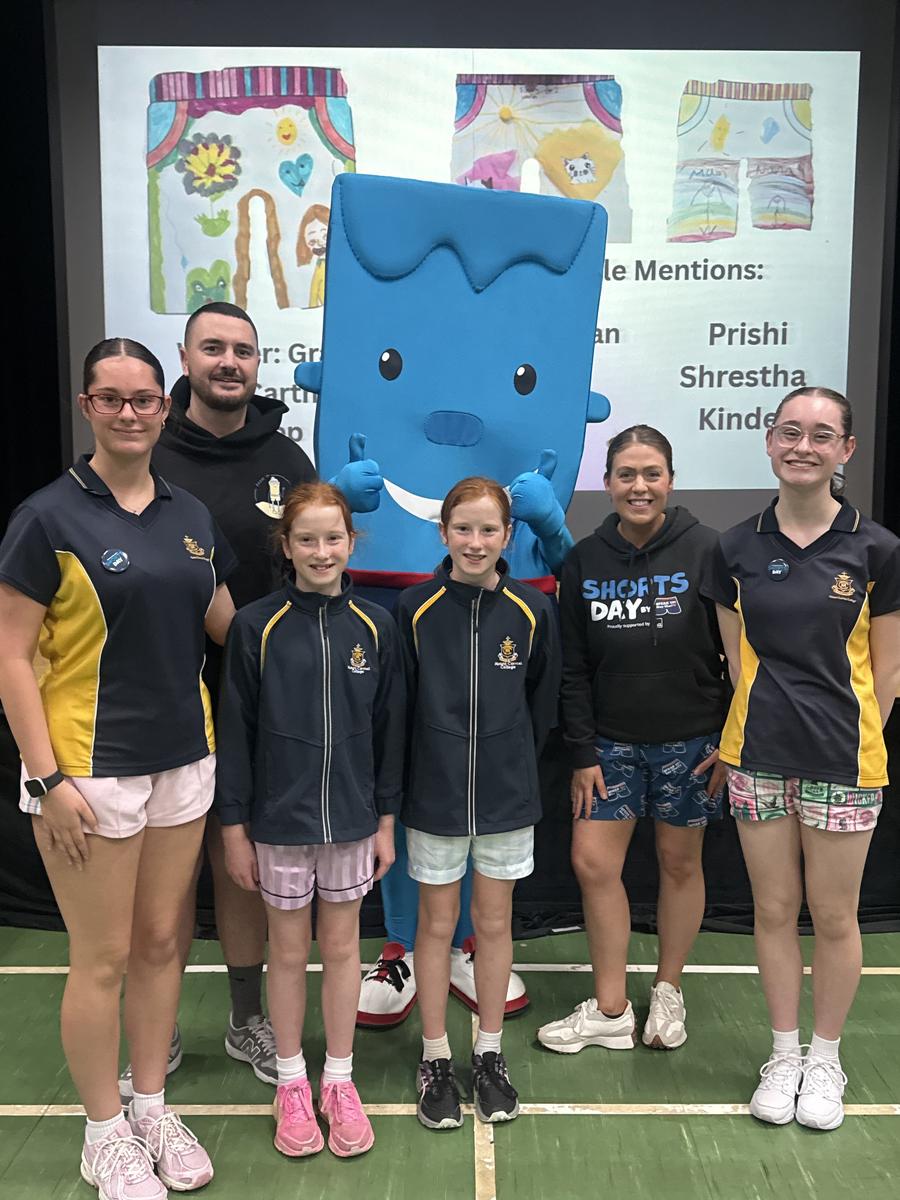
While it may be uncomfortable to wear shorts in the cold Tasmanian winter, doing so serves as a powerful reminder to brave uncomfortable conversations and help break the stigma surrounding mental health. Mitch McPherson, the founder of the organisation, also visited during lunchtime and spoke at a Primary assembly, alongside other wonderful staff from Speak Up! Stay ChatTY.
Thank you to everyone who participated, braved the cold and made this week a success!
Ruby Stokes-Little and Brooklynn Taylor
Wellbeing Leaders
Supporting emotional awareness in students
Children experience a wide range of emotions every day as they navigate friendships, learning challenges, achievements, disappointments, and changes in their lives. Developing emotional awareness, the ability to recognise, understand, and respond to feelings, helps students build resilience, strengthen relationships, and engage more effectively in learning.
Families play an important role in supporting children's emotional growth. Through everyday conversations, shared experiences, family traditions, and the relationships built over time, children develop an understanding of themselves and others. These experiences provide a strong foundation for emotional wellbeing throughout the school years and beyond.
Schools complement this important work by creating environments where students feel safe, respected, and connected. By supporting students to identify and communicate their emotions, schools help them develop the confidence and skills needed to navigate challenges, seek support when required, and work positively with others.
Emotional awareness is not about avoiding difficult feelings or always feeling happy. Rather, it involves recognising that all emotions are a normal part of life and learning constructive ways to respond to them. When families and schools work together, students are better supported to develop self-awareness, empathy, resilience, and a strong sense of wellbeing.
For families interested in learning more about children's emotional wellbeing, the following resources offer practical information and support:
Beyond Blue – Healthy Families provides resources and guidance to support children's and young people's mental health and wellbeing.
Be You offers information about social and emotional learning, resilience, and positive mental health.
ReachOut Parents provides advice and resources for supporting teenagers' wellbeing and emotional development.
Kids Helpline for Parents and Carers offers information and support for families navigating a range of challenges affecting children and young people.
If you have questions about your child's wellbeing, your child's teacher, school wellbeing staff, or GP can be valuable partners in understanding and supporting their needs.