Prep
Information and Reminders
100 Days Brighter 🌈
Our 100 Days Brighter celebration on Friday was, in the words of many of our students, “the best day ever!” Thank you so much for embracing the spirit of the day by sending your child along in colourful clothes and contributing to our special party lunch. It was truly a wonderful day filled with so much joy, laughter and fun, and a lovely way to celebrate the incredible milestone of 100 days of learning together!
Late arrivals
The daily attendance roll is submitted to the office at 9:00am each day. If your child arrives after 9:00am, please remember to sign them in at the office as a late arrival. Otherwise, you may receive a notification indicating that your child is absent from school.
iPad Settings Reminder
We kindly ask that families avoid applying too many restrictions to iPads during the school day, as some settings can prevent students from accessing websites and resources they need for their learning, such as the UFLI Word Work Board and Showbie.
We completely understand and support families wanting to limit access to certain websites and apps on their child’s iPad. However, if possible, it would be best if stronger restrictions can be applied again once the school day has finished. Thank you for helping us ensure students can access the digital resources they need for learning.
iPads - more reminders
- Our iPad program works best when all students who have their own iPad bring it to school each day. Please remind your child to pack their iPad in their school bag every morning.
- If you are sending an iPad to school for setup, this can only be completed on Wednesdays, as this is the day our IT technician is on site.
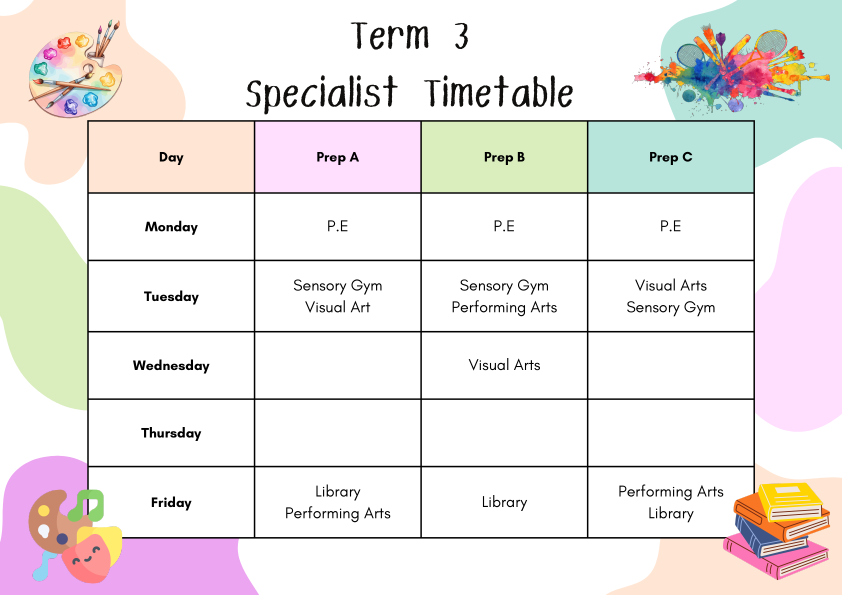
Term 3 Specialist Timetable
Curriculum
*Please remind your child to go to the toilet before they enter the classroom.
Phonics and reading
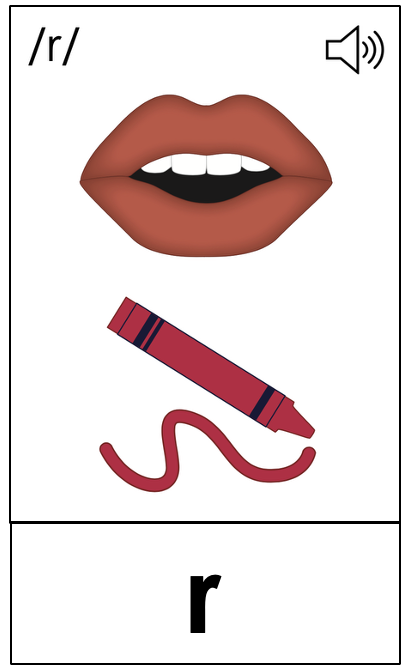
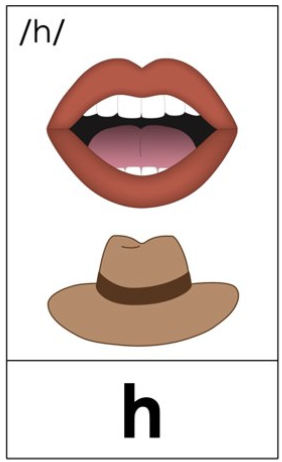
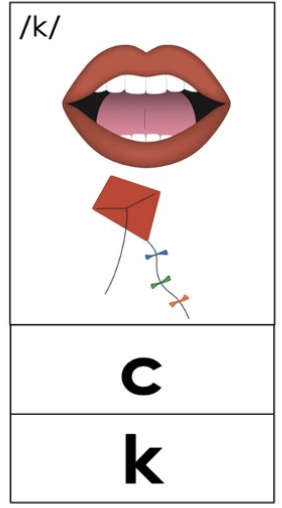
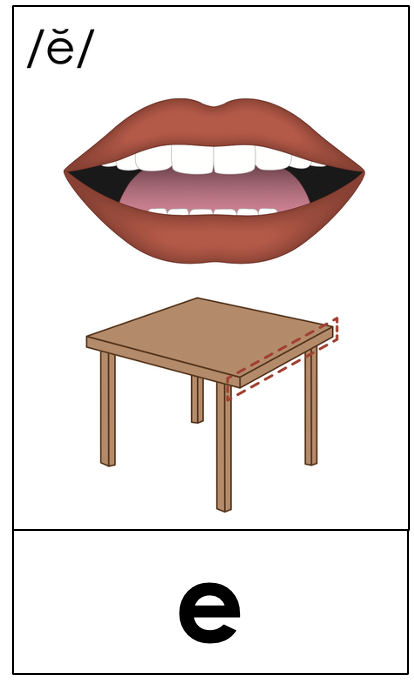
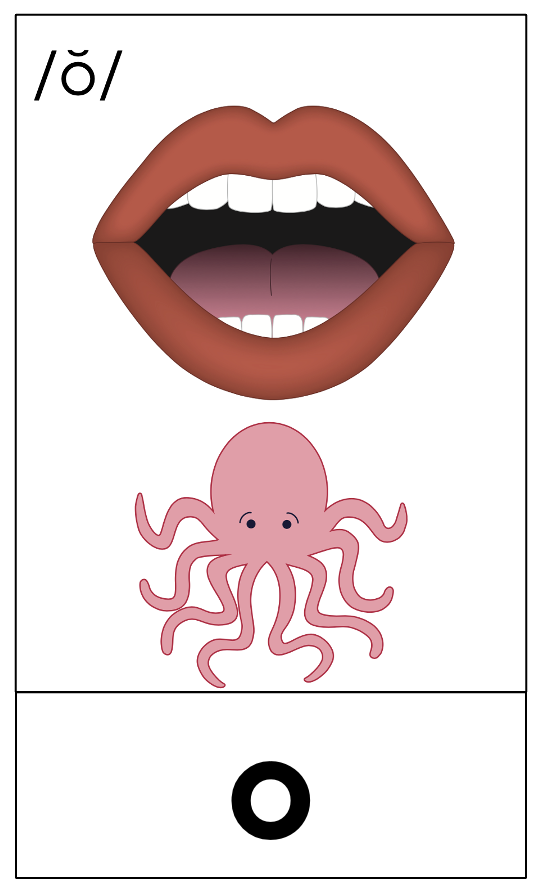
We are completing our reviews of the short vowel sounds. We will be reviewing short E (as in rest) as well as a mixed review of all the short vowels.
Our learning focus will include:
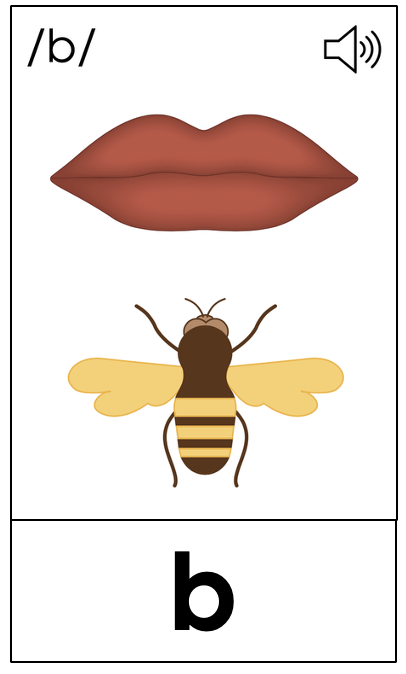
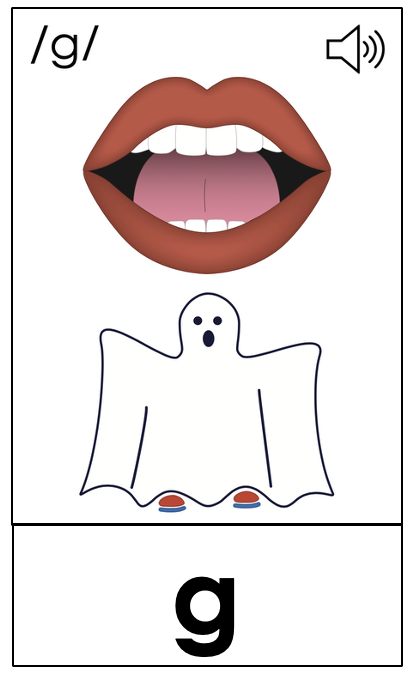
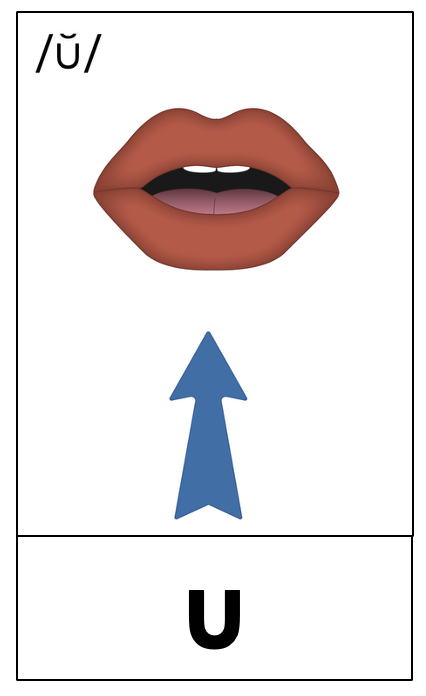
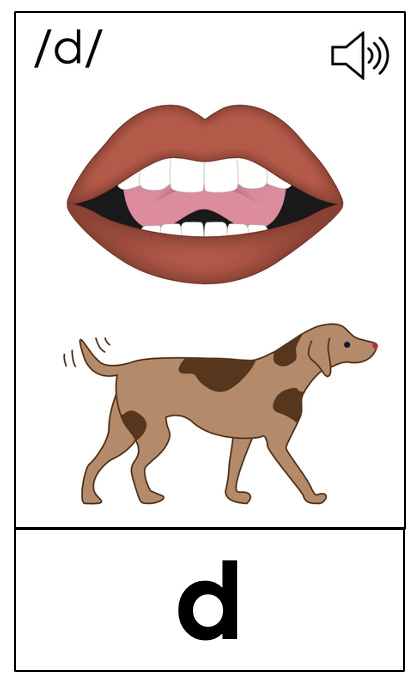
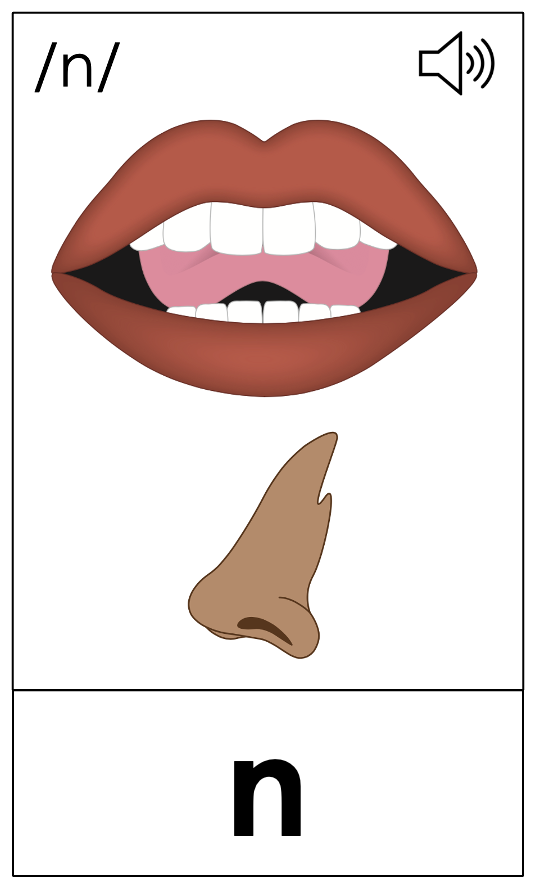
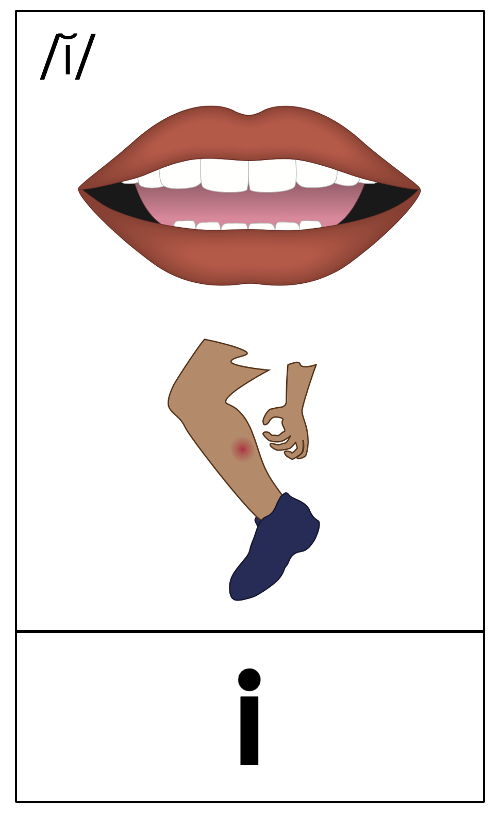
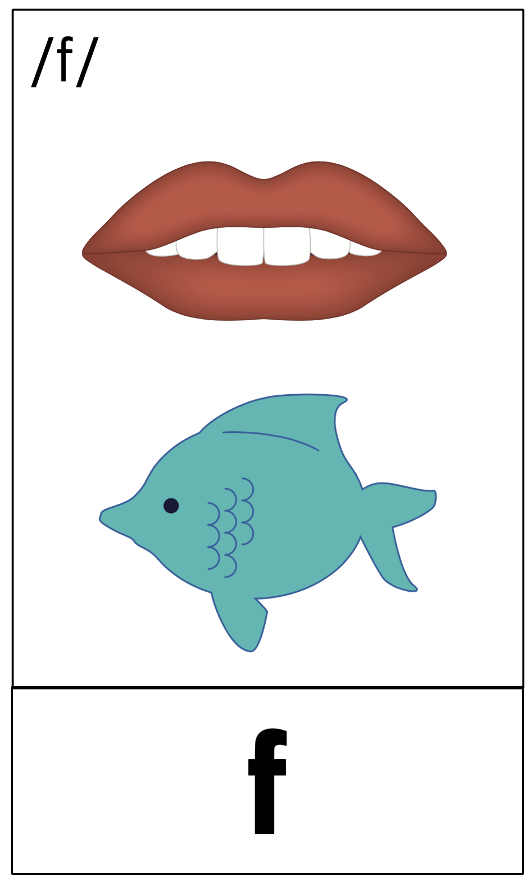
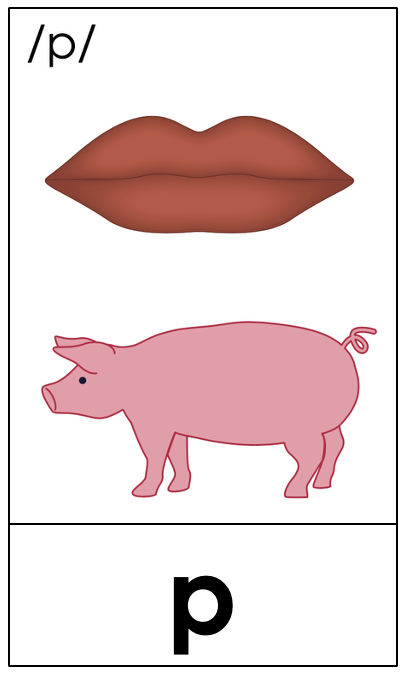
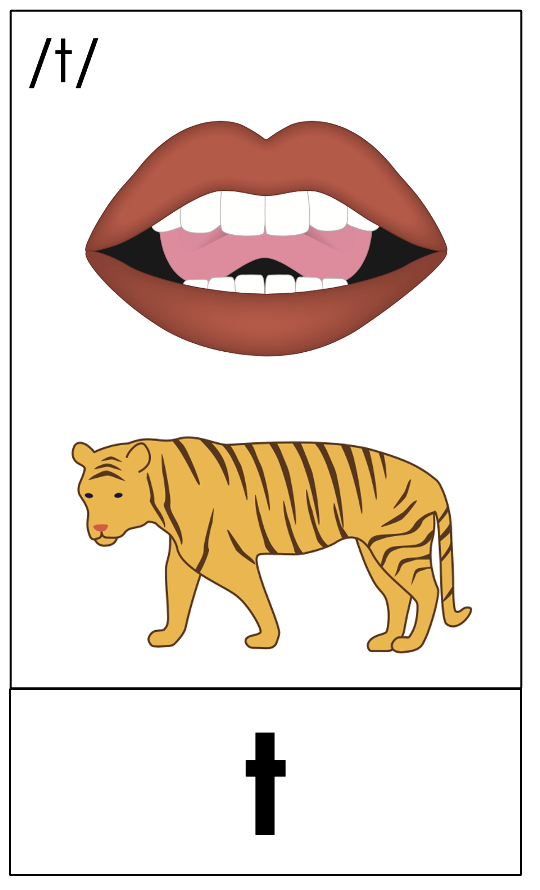
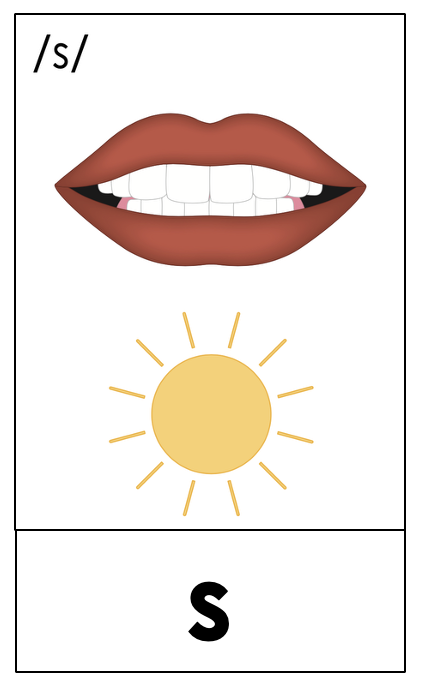
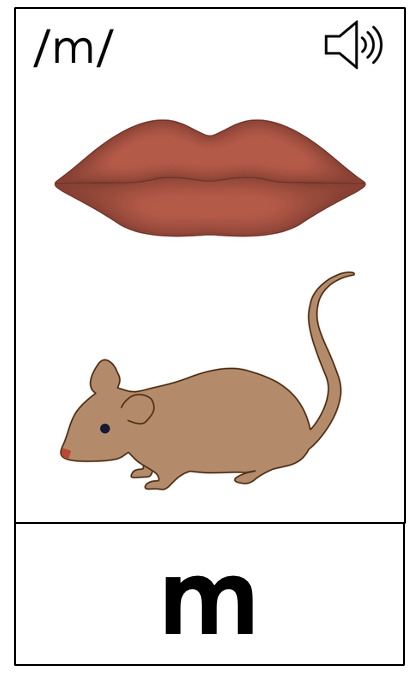
- Reviewing the phonemes (sounds), cued articulation and graphemes (written letters)
- Identifying where we might see each letter in a word
- Reading and writing 3, 4 and 5 letter words
What can you do at home?
• Support your child to read the decodable book and UFLI text in their Reading Pocket. Try and aim to read every day, if you can.
• The 'Roll and Read' page is a great way to practise sounding out and blending words, especially for students who find reading sentences a little challenging.
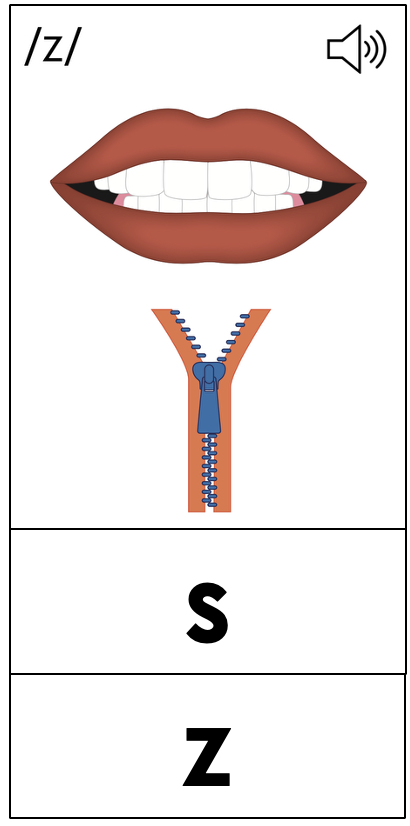
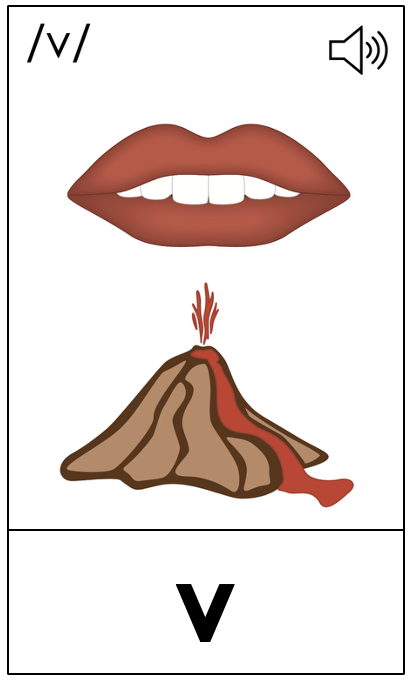
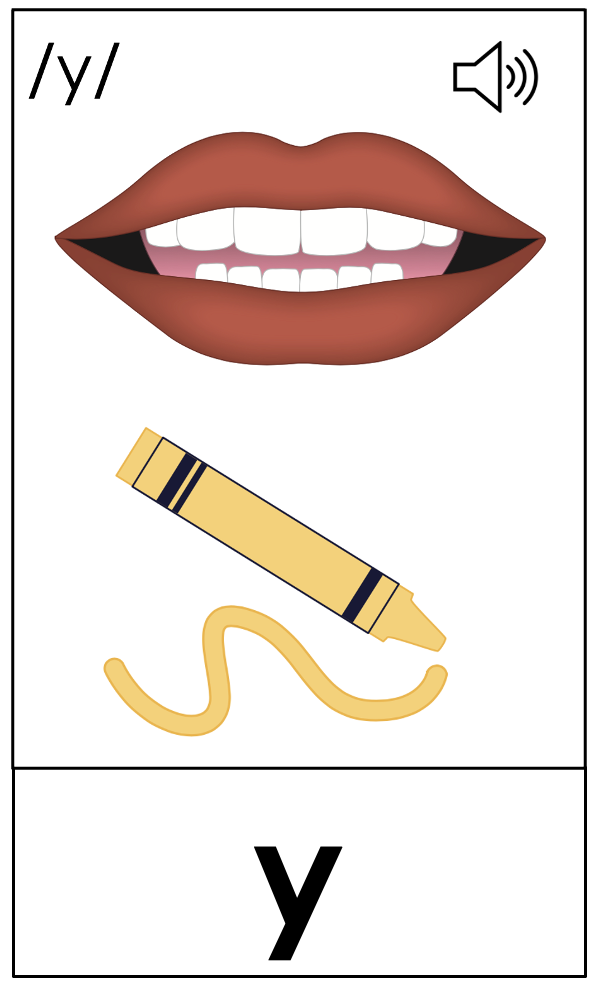
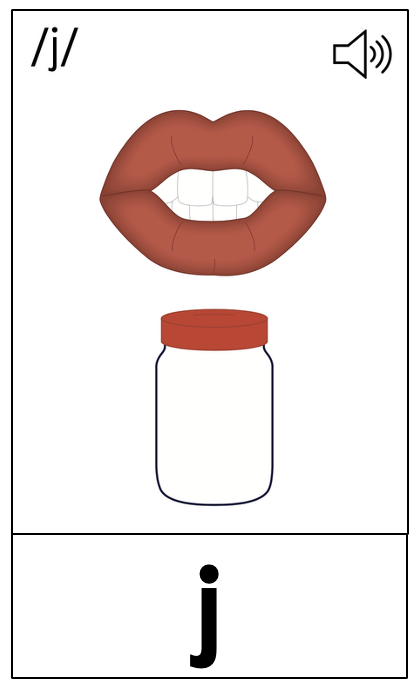
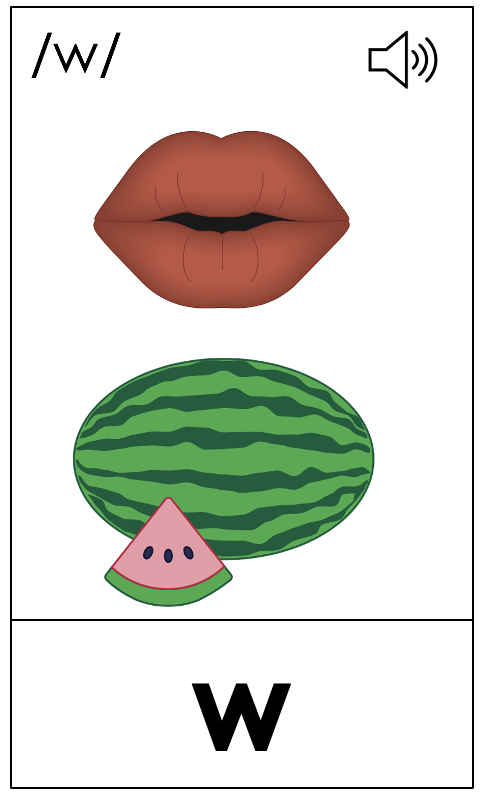
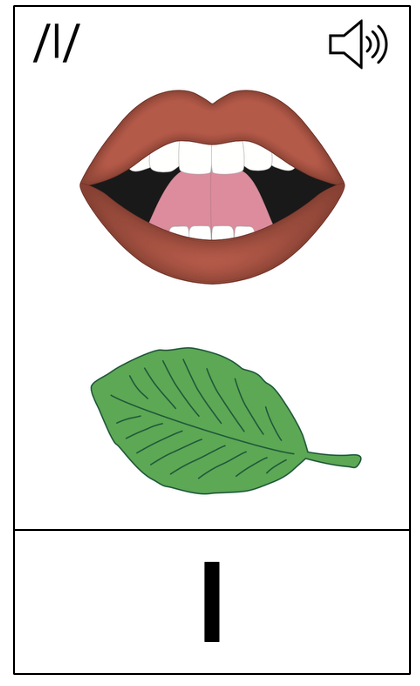
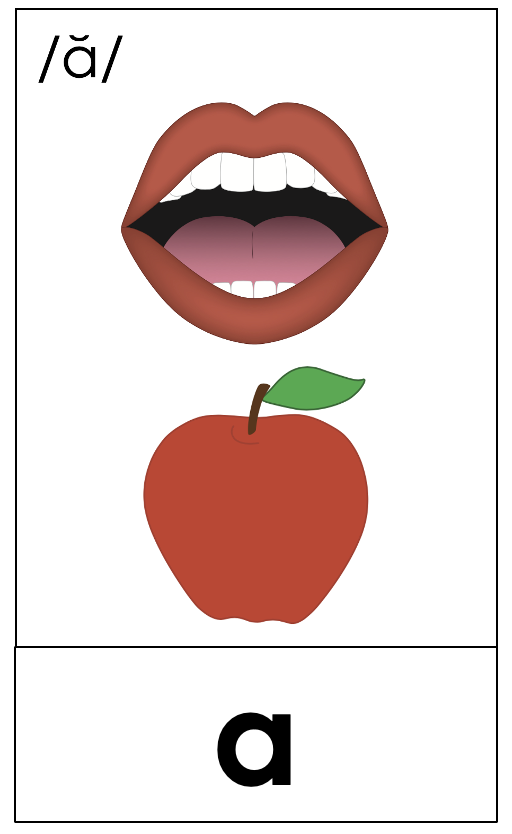
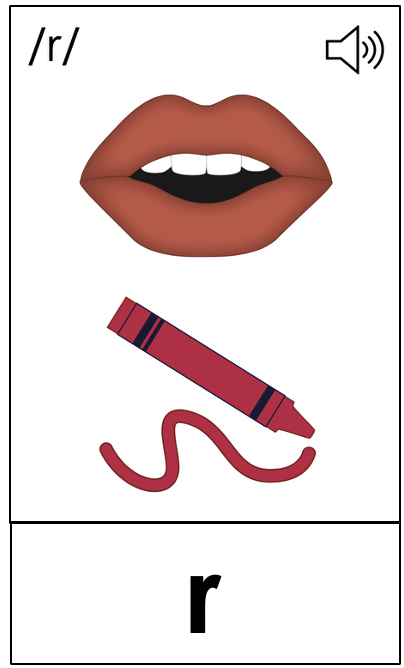
•Review the letter names and sounds for all letters of the alphabet. When practising, say them like this: “A spells /a/.” Ask your child if they can show you the cued articulation for the sounds.
•Learn the Heart Words (in red booklet).
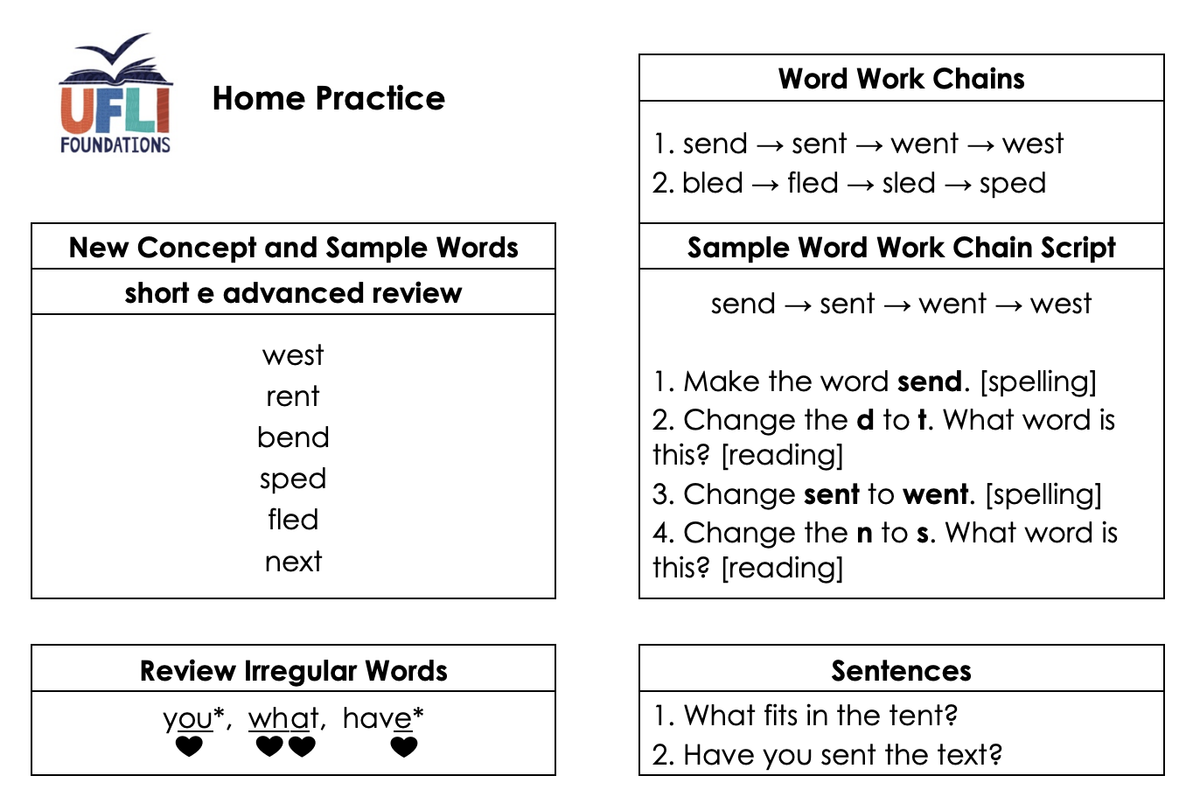
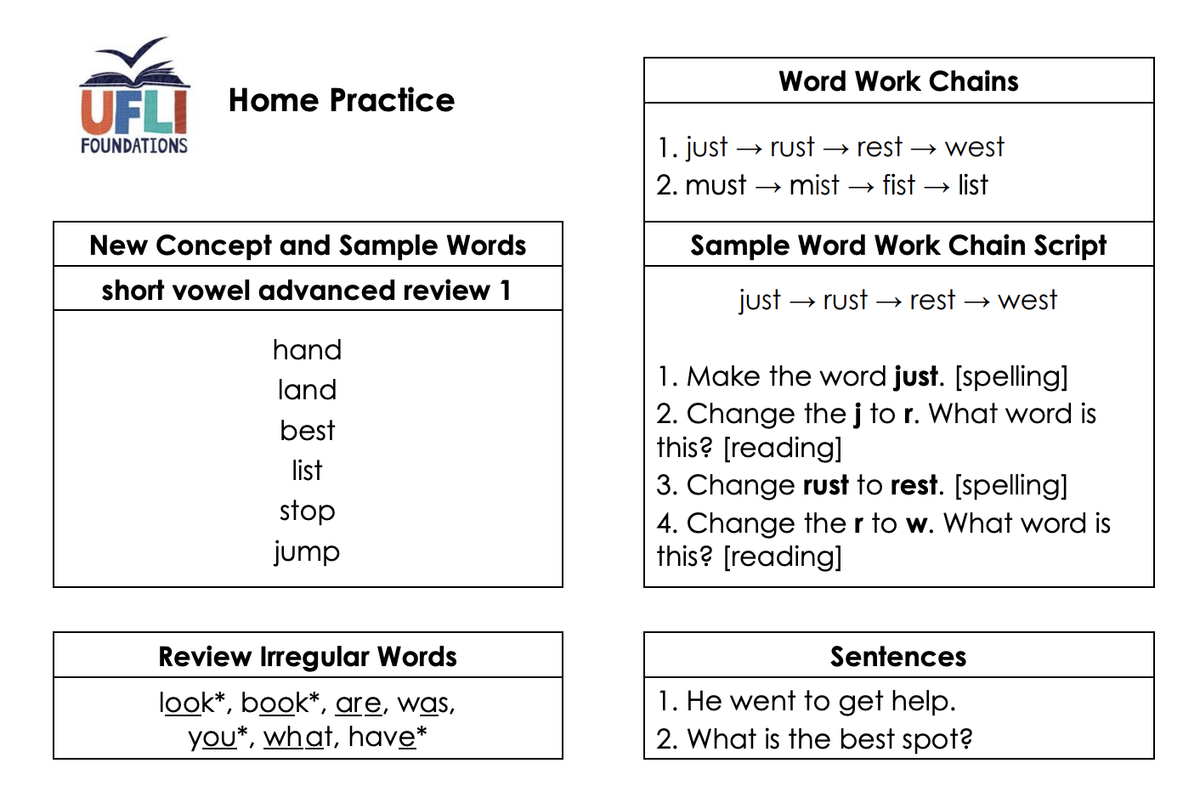
• Work through the optional UFLI pages.
Sound / Letter cards to review:
**There is not an X card. You make the sound by combining the /k/ and /s/ sounds
**There is not a QU card. You make the sound by combining the /k/ and /w/ sounds
Optional UFLI Home Practice Pages:
Literature: reading responses and writing
Our mentor texts are non-fiction texts about koalas and wombats. Students will use the information they learn from these texts to write their own short information texts, using subheadings to organise their ideas and guide their writing.
In Writing, students are continuing to use their Sky, Grass, Ground books to support correct letter size, placement and handwriting development. This week, we are focusing on the rest of the 'Boss L' letters - p, j and f- practising their correct formation along with the appropriate entry and exit points.
What can you do at home?
•Practice letter formation of the 'boss L' letters - l, t, i, k, b, p, j and f.
•Write some 3, 4 or 5 letter words. Students now know every letter and sound of the alphabet!
•Help your child practise writing their name with a capital letter at the beginning and lowercase letters for the rest of their name.
Maths
We are beginning the new maths concept of Measurement. Students will explore length and the vocabulary associated with it, including long, short, tall and small. They will use informal units such as Unifix cubes to measure objects and practise ordering objects. We will also begin exploring mass, introducing the concept of hefting to compare objects and determine which are lighter or heavier.
What can you do at home?
•Compare objects around the house using measurement language such as 'longer', 'shorter', 'taller', 'shorter', 'heavier' and 'lighter'.
•Measure everyday objects using informal units such as blocks or Lego. Ask, “How many blocks long is the book?”
•Have a hefting challenge by holding two objects in the palm of your hand and predicting which is heavier or lighter, then checking to see if you are correct by hefting. Ask your child to show you what this means!
CBL
Students will explore the guiding question “What is Power?” by investigating the different types of power we encounter in everyday life, including electric power, body power, people power, and individual power. They will consider how power can be used in different ways and begin to think about the positive power they each have to make a difference.
Wellbeing
SWPBS
Our focus is Be Kind – I can play with different friends and still be friends with everyone.
Respectful Relationships
In the lesson, Can Everyone Play?, students will explore how to include others in play by recognising different strengths and abilities. They will discuss and practise ways to solve problems fairly so that everyone feels included and able to participate.
Cyber Safety
In the lesson, Warning Signs, students will learn to recognise the warning signs their bodies may give them when something online doesn't feel safe. They will discuss how to use their strengths to make safe choices and know when to seek help from a trusted adult.