Career Education
Exploring the World Beyond the Classroom
One of the highlights of Camps and Pathways Week 2026 was our Career Education program, which took students out of the classroom and into some of Melbourne's most inspiring and diverse environments. From the arts to the sciences, from creative industries to engineering, students had the rare opportunity to step inside real-world settings and experience firsthand what a future career might look and feel like.
Melbourne Arts Centre
Students visited the vibrant Melbourne Arts Centre, immersing themselves in Melbourne's rich creative culture. This excursion offered a window into careers across the arts, performance, curation, and cultural programming including industries that reward creativity, collaboration, and bold thinking.
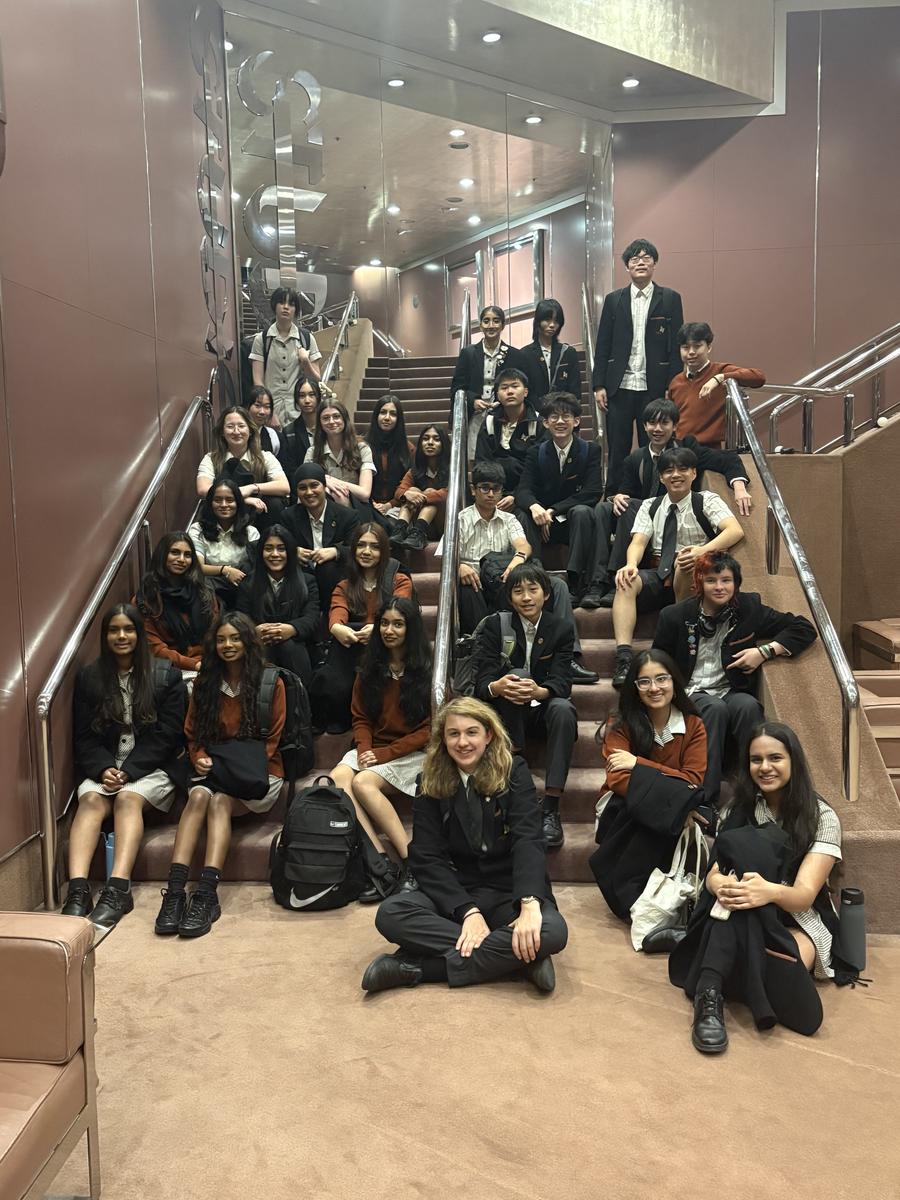
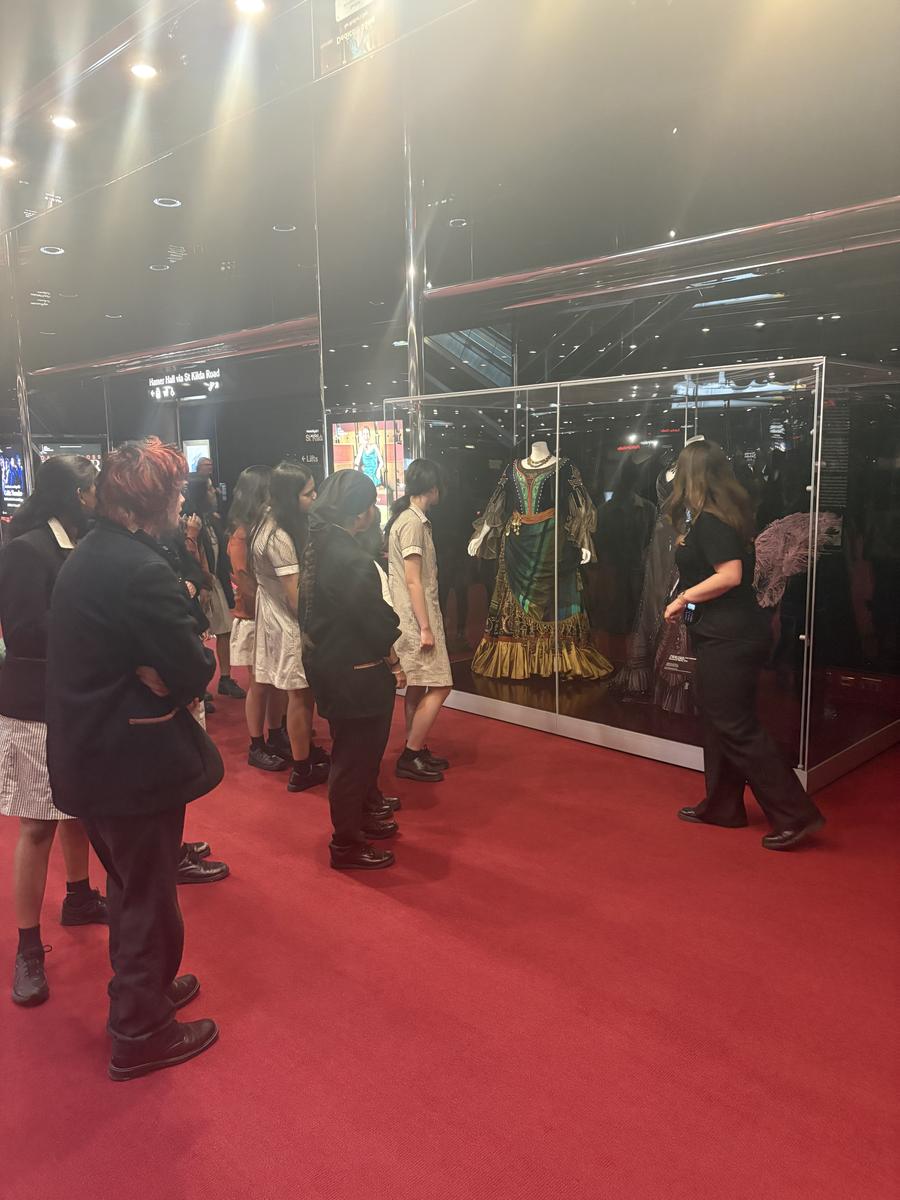
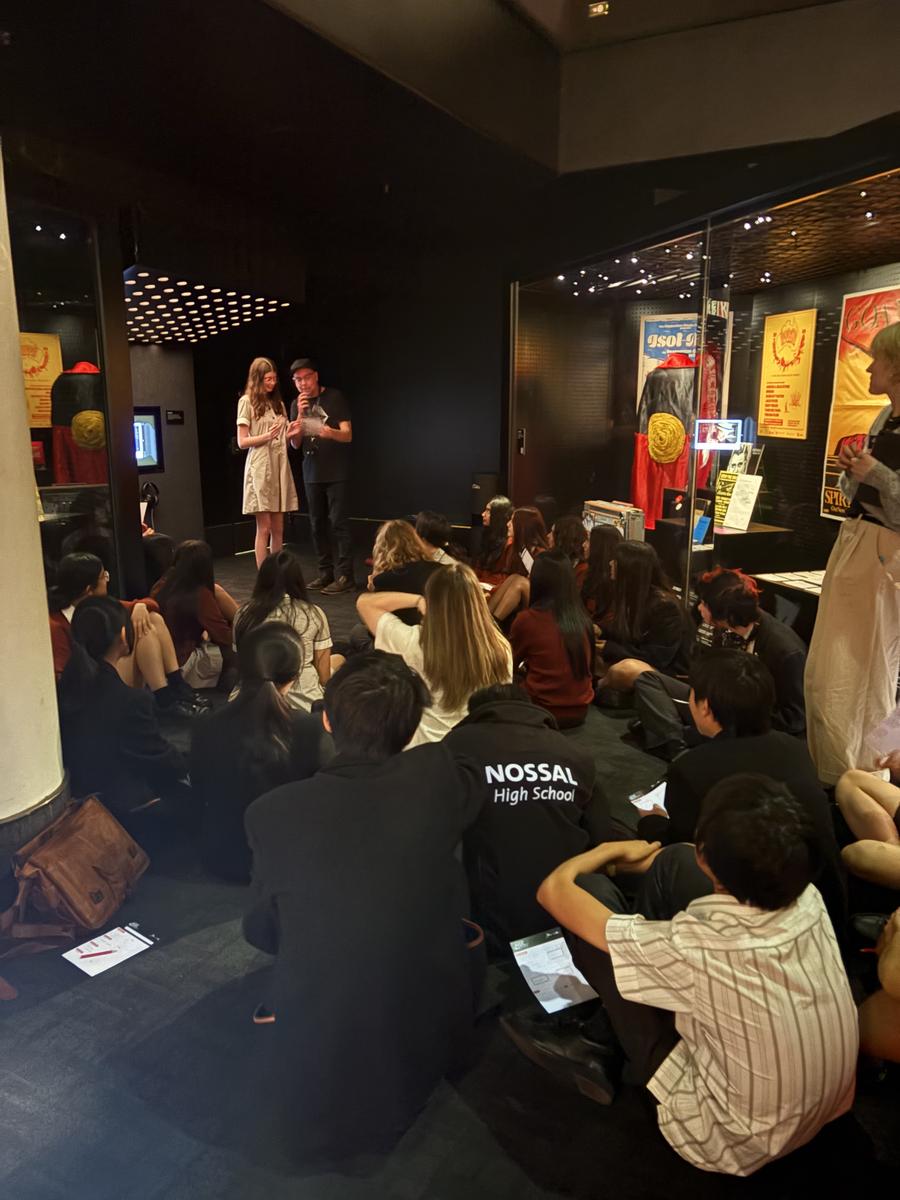
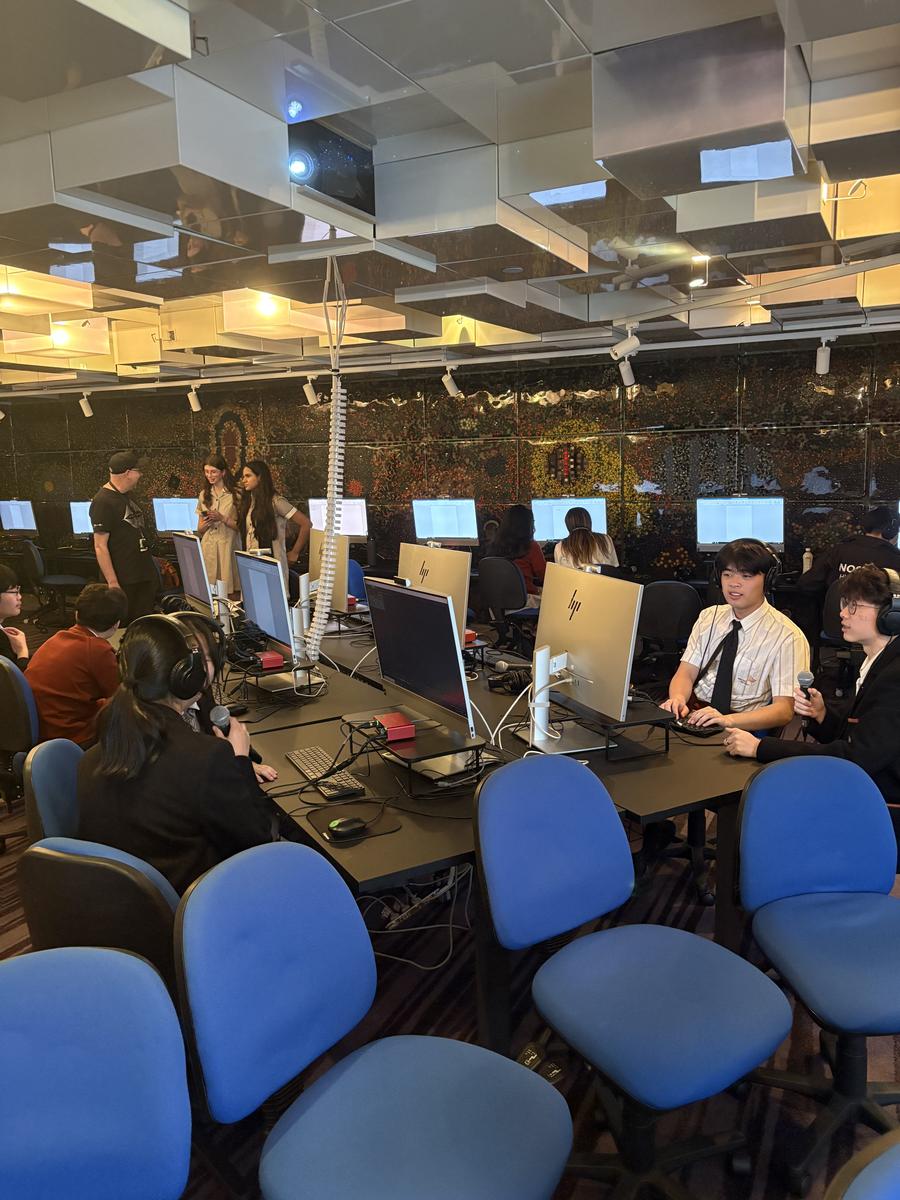
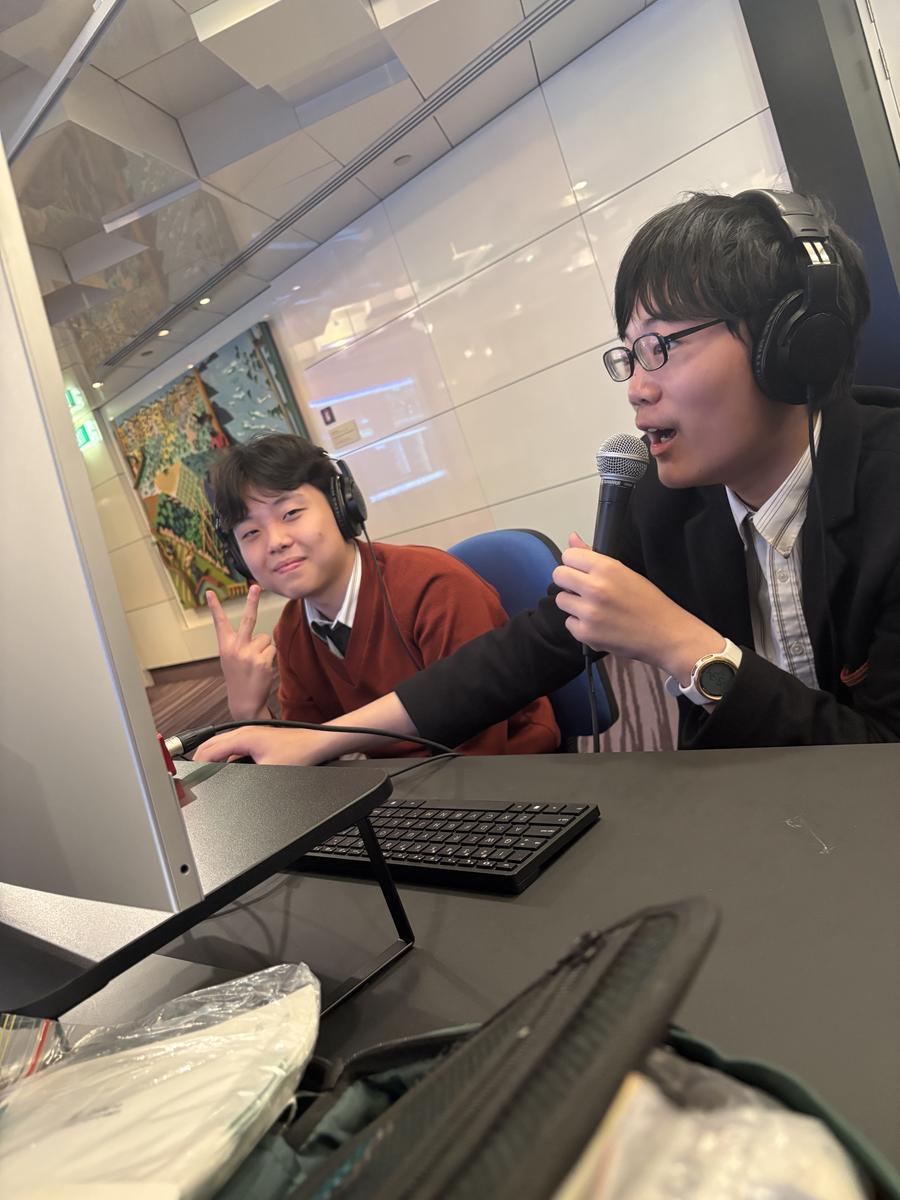
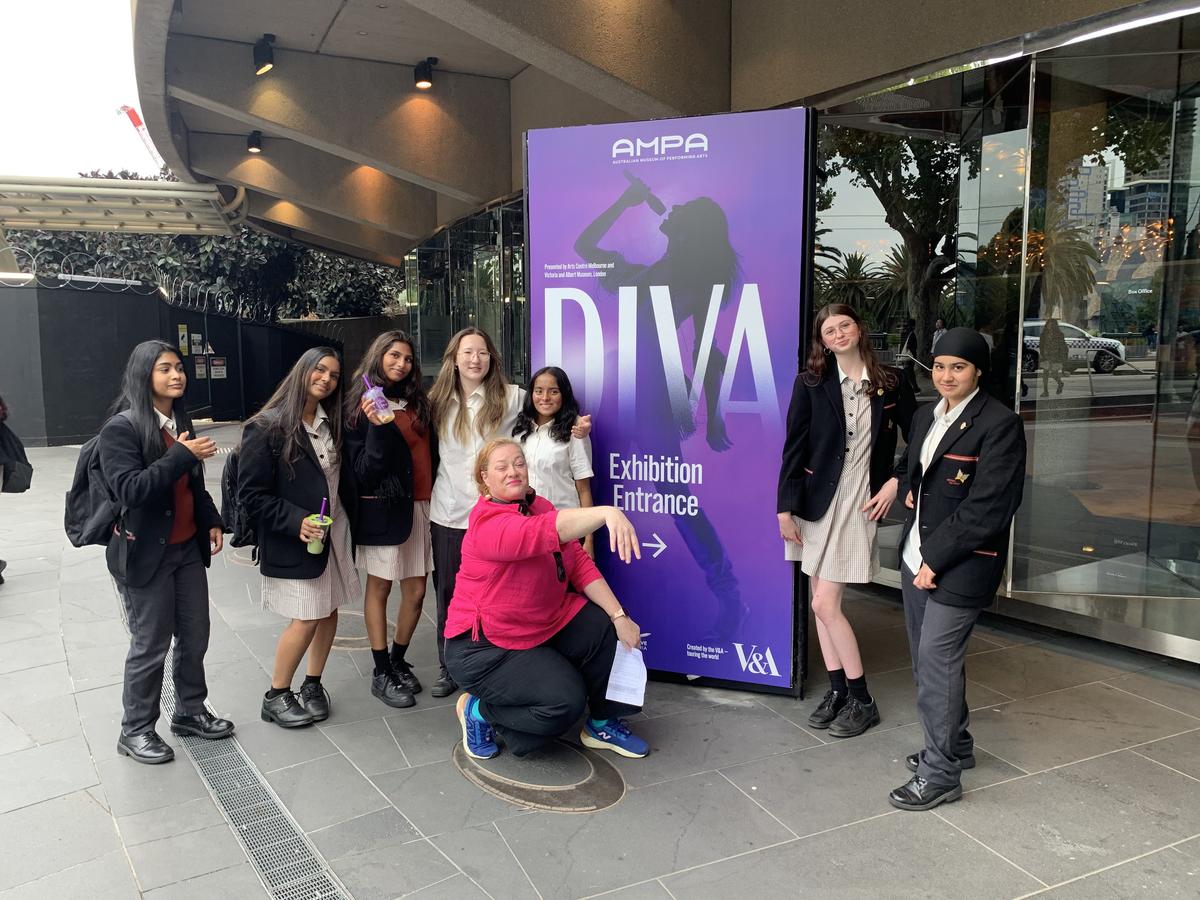
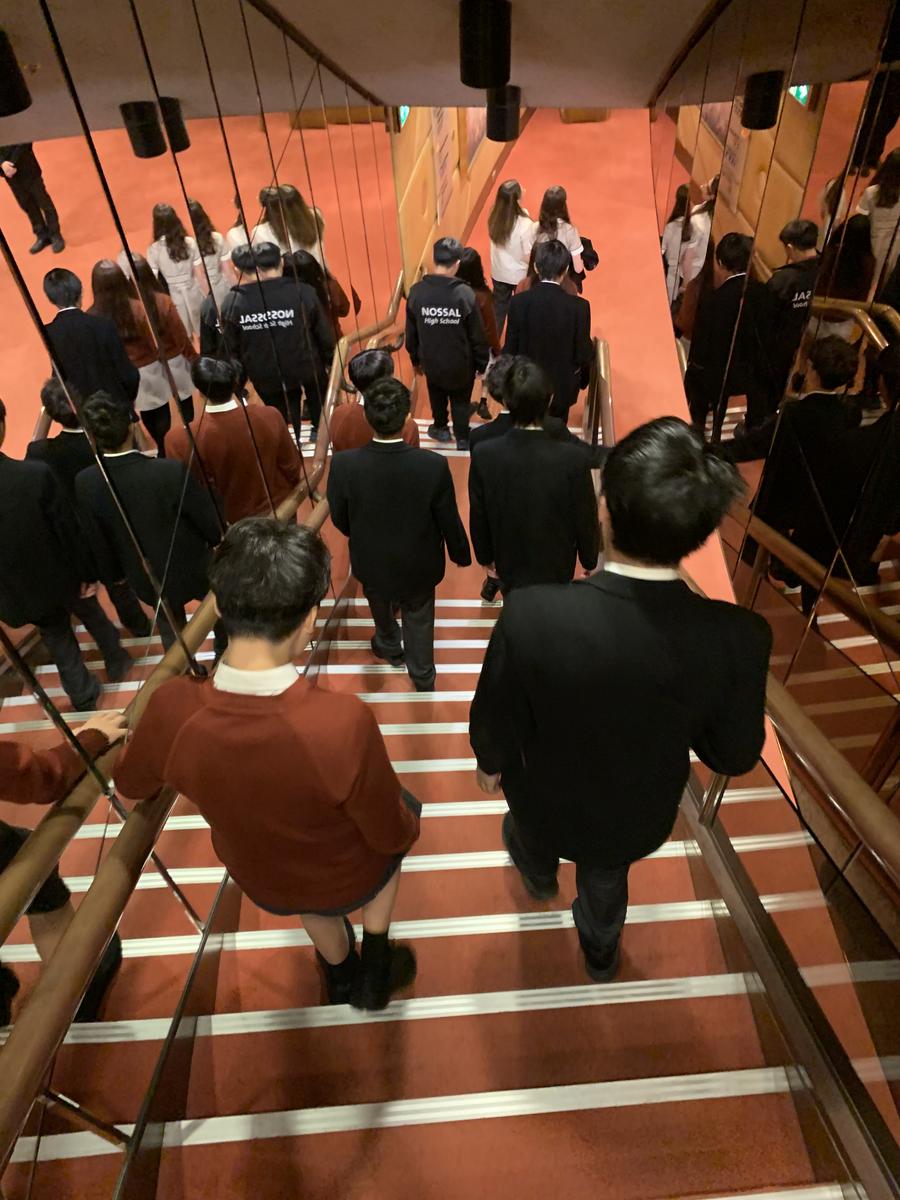
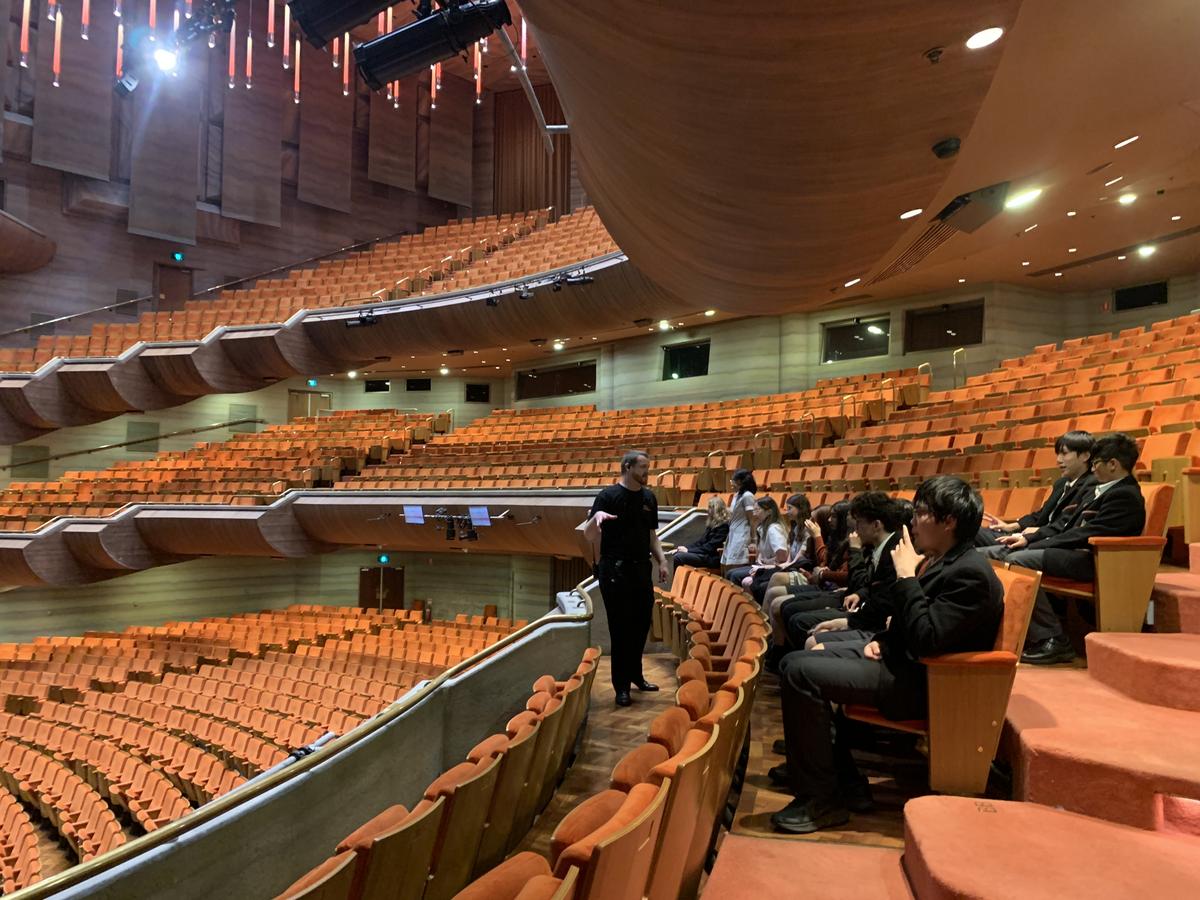
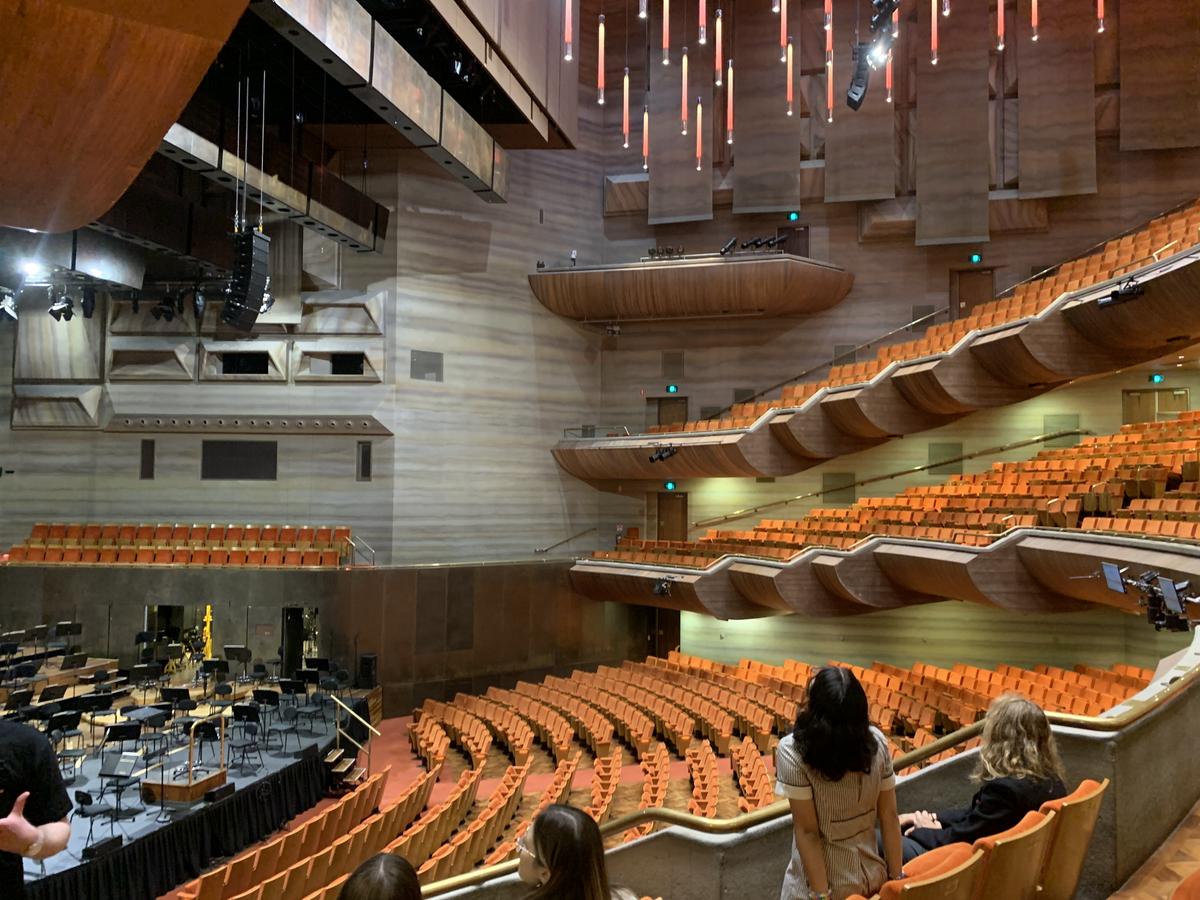
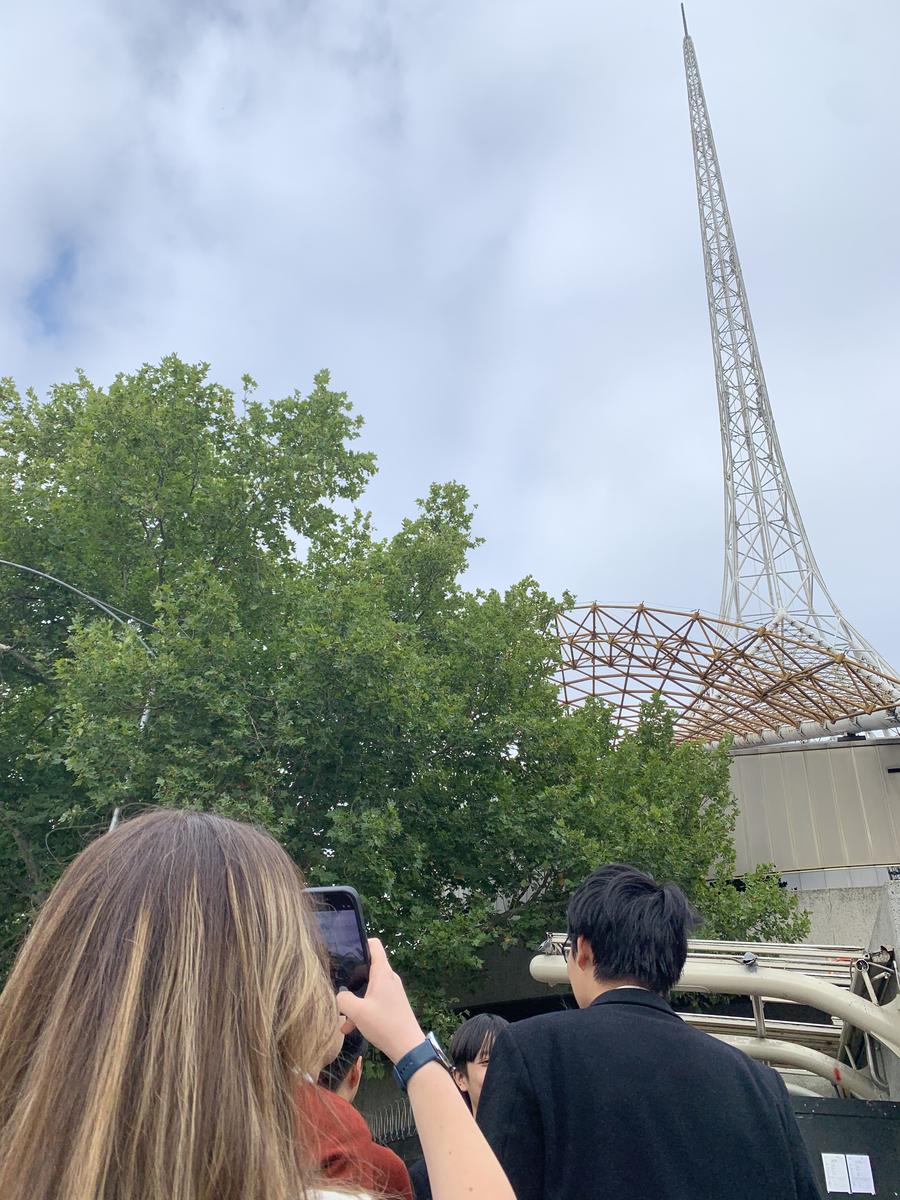
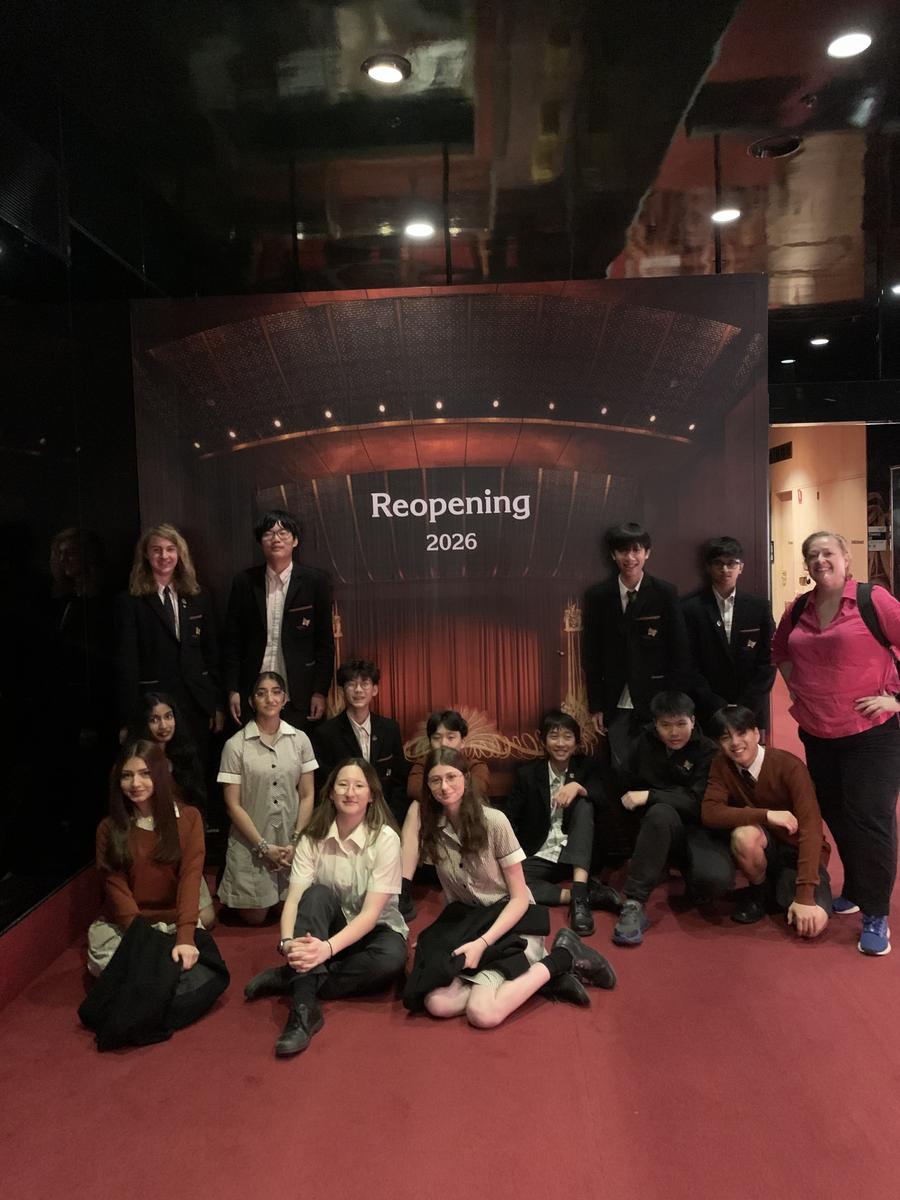
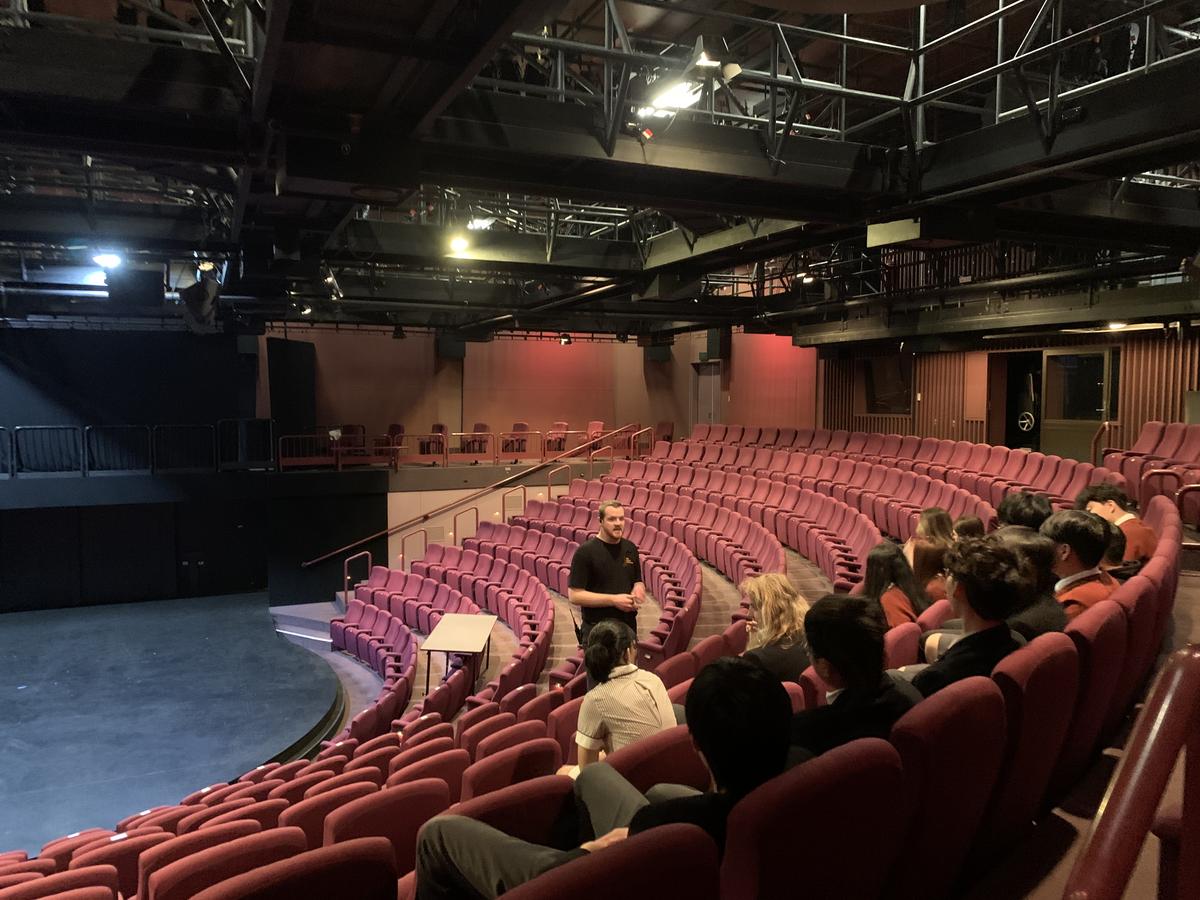
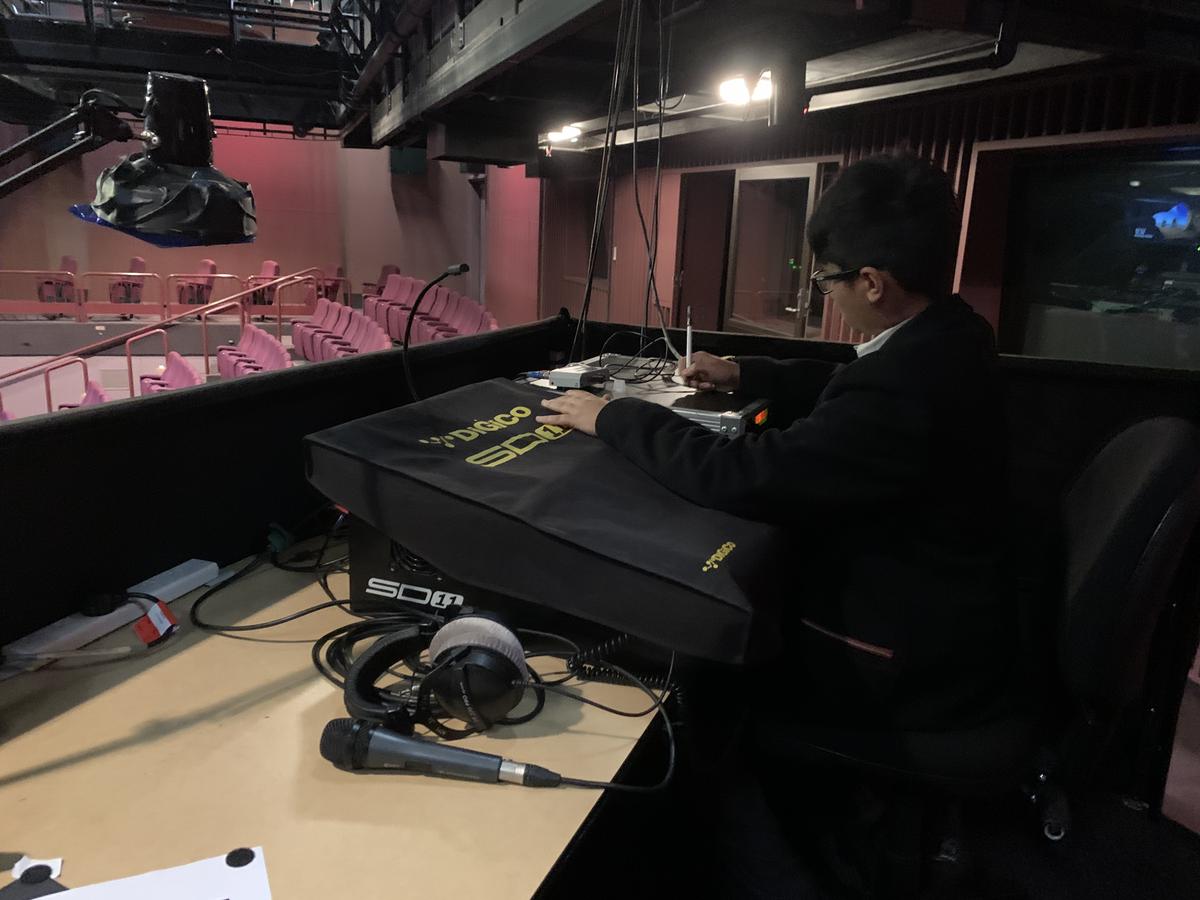
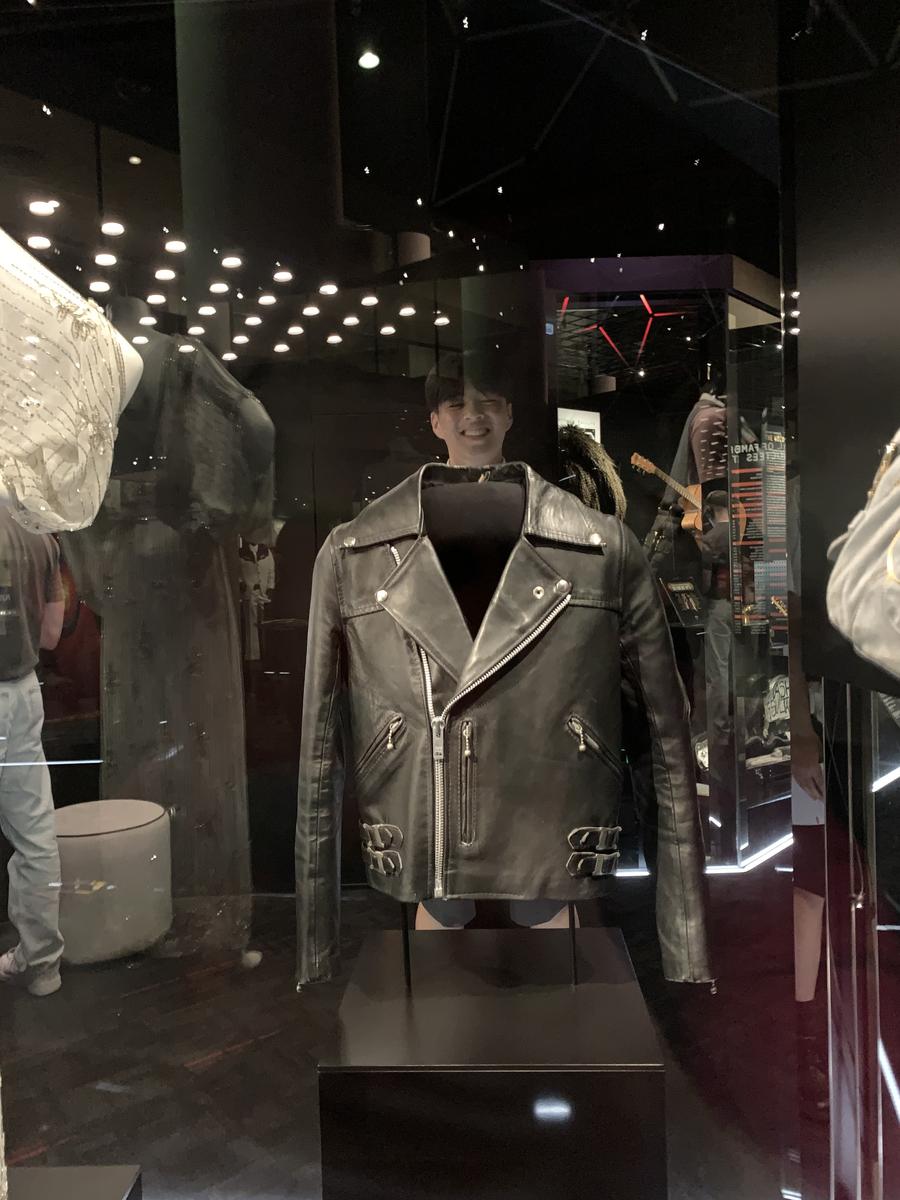
Students explored how artistic vision translates into professional practice and gained an appreciation for the breadth of career pathways available within the creative sector.
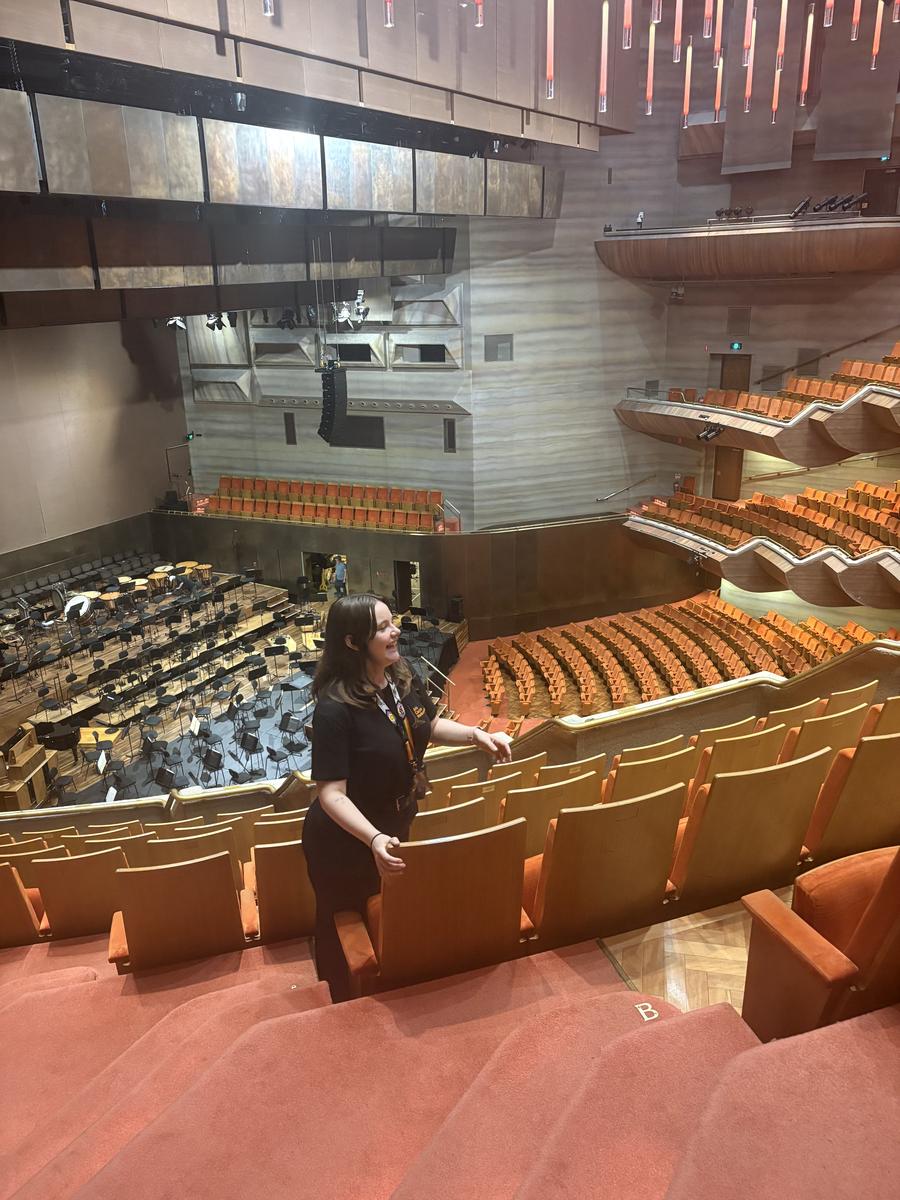
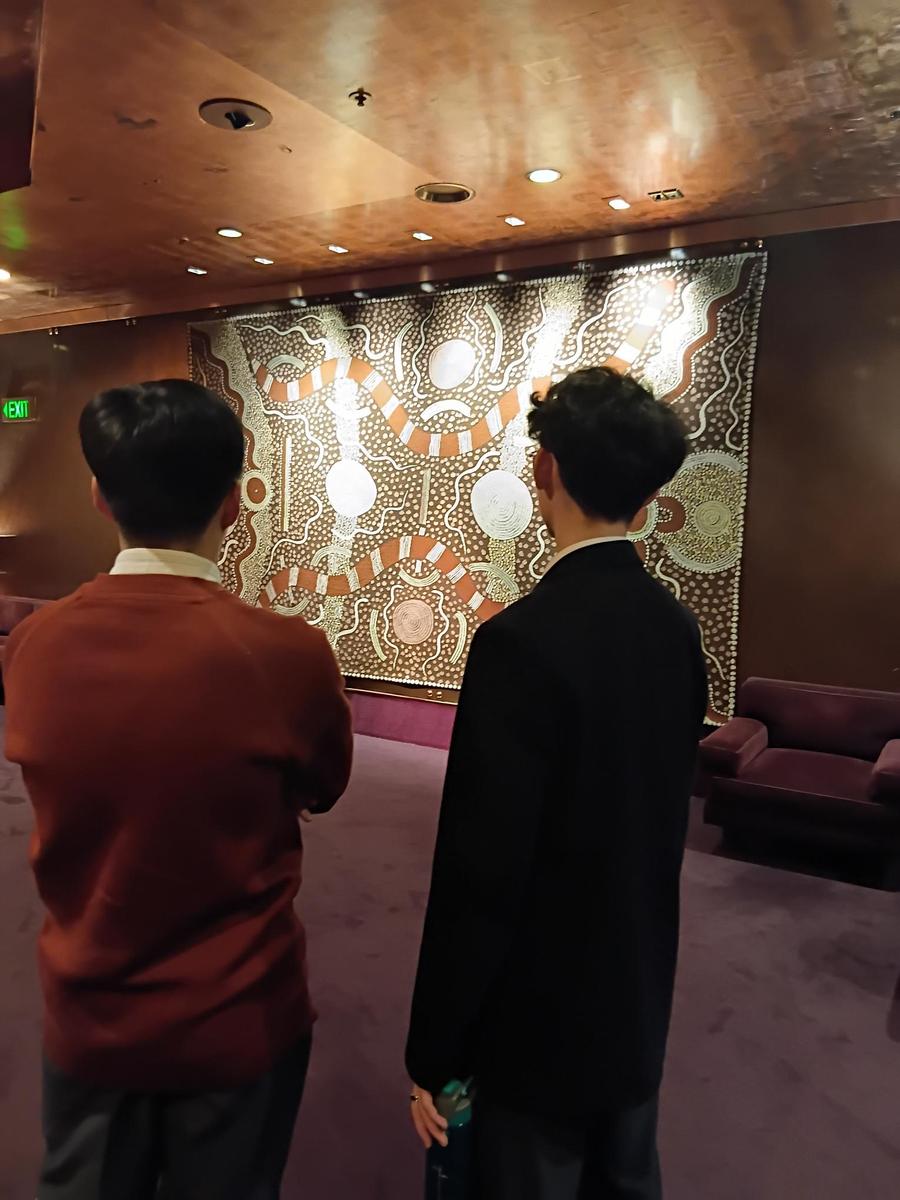
When we first stepped into Arts Centre Melbourne, we were wowed by the elegant design, with red carpets and black mirrors at every turn. Our tour guides told stories of John Truscott, who designed the luxurious space it is today, and showed the genius acoustic design of Hamer Hall, built to resemble a giant cave.
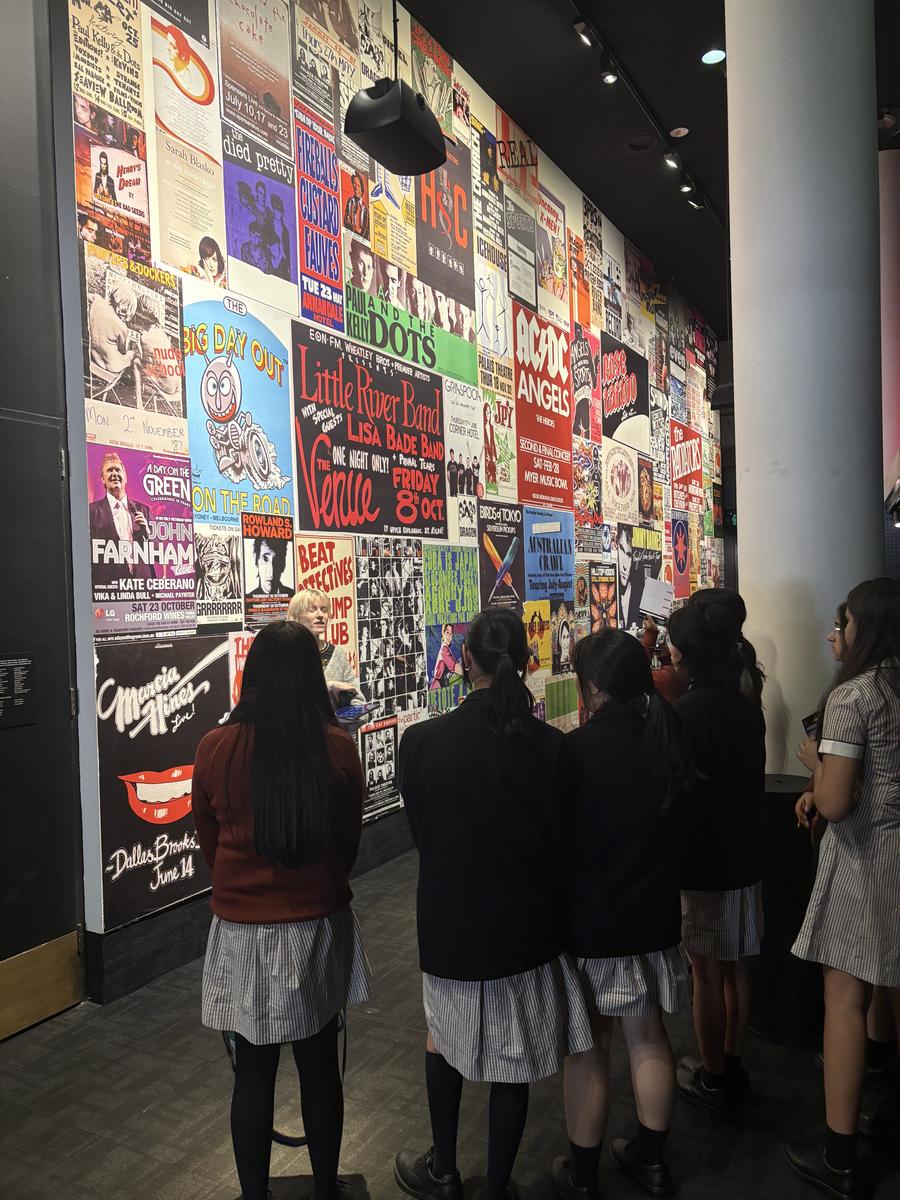
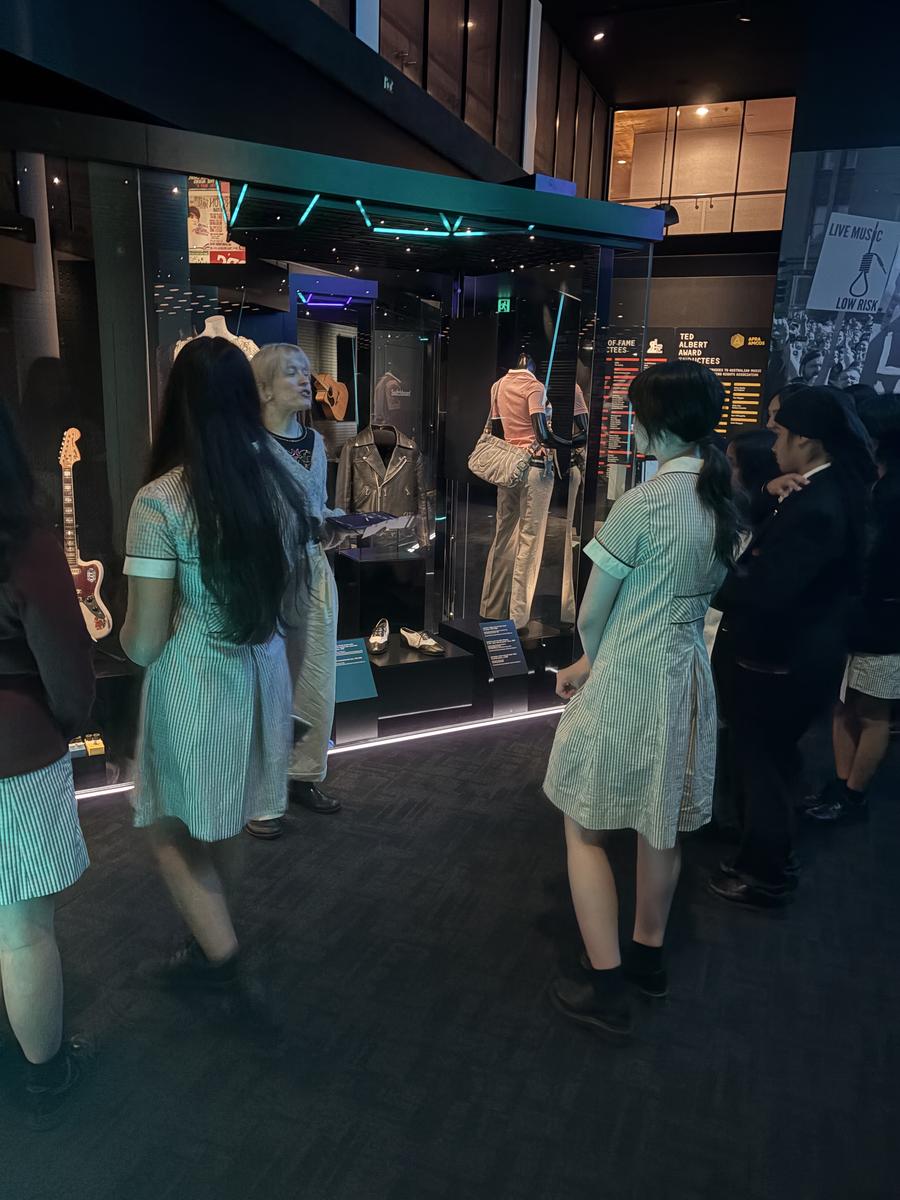
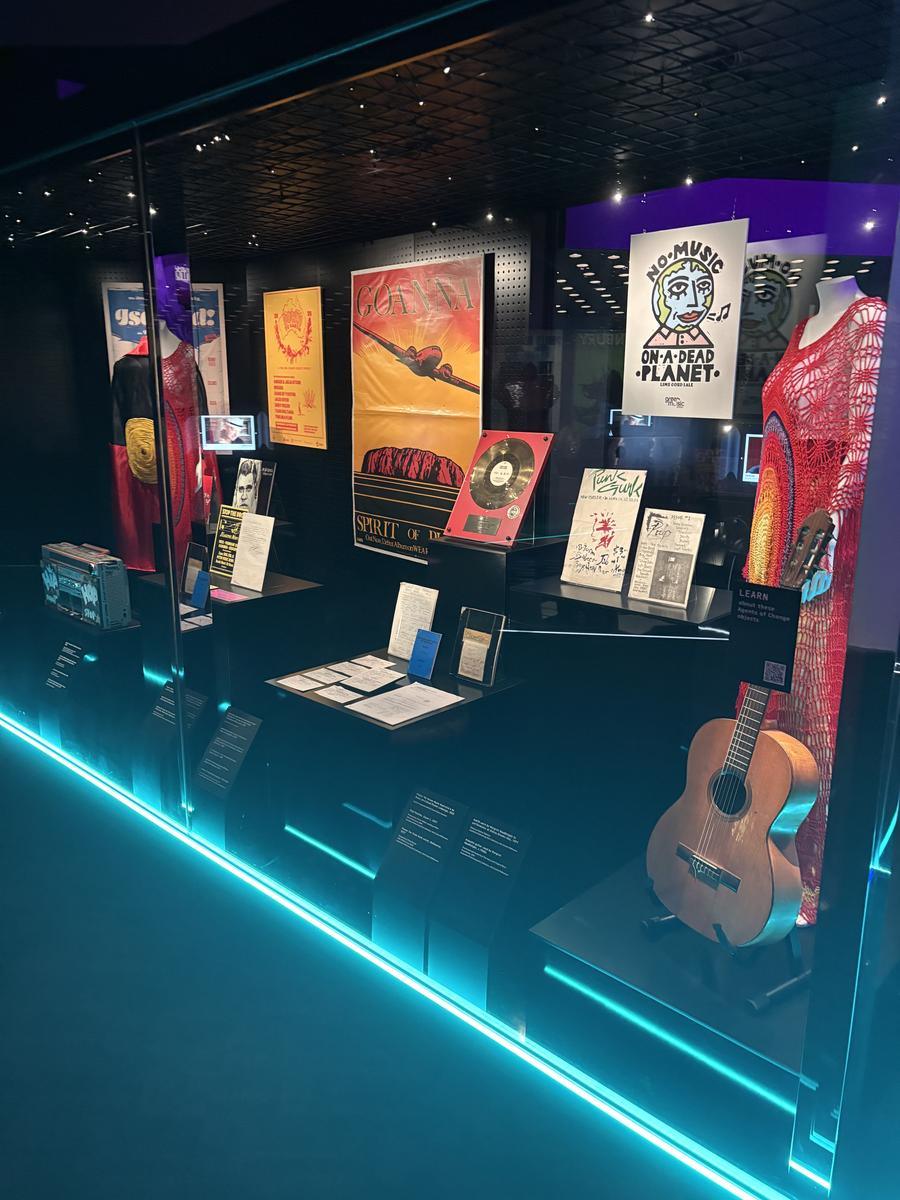
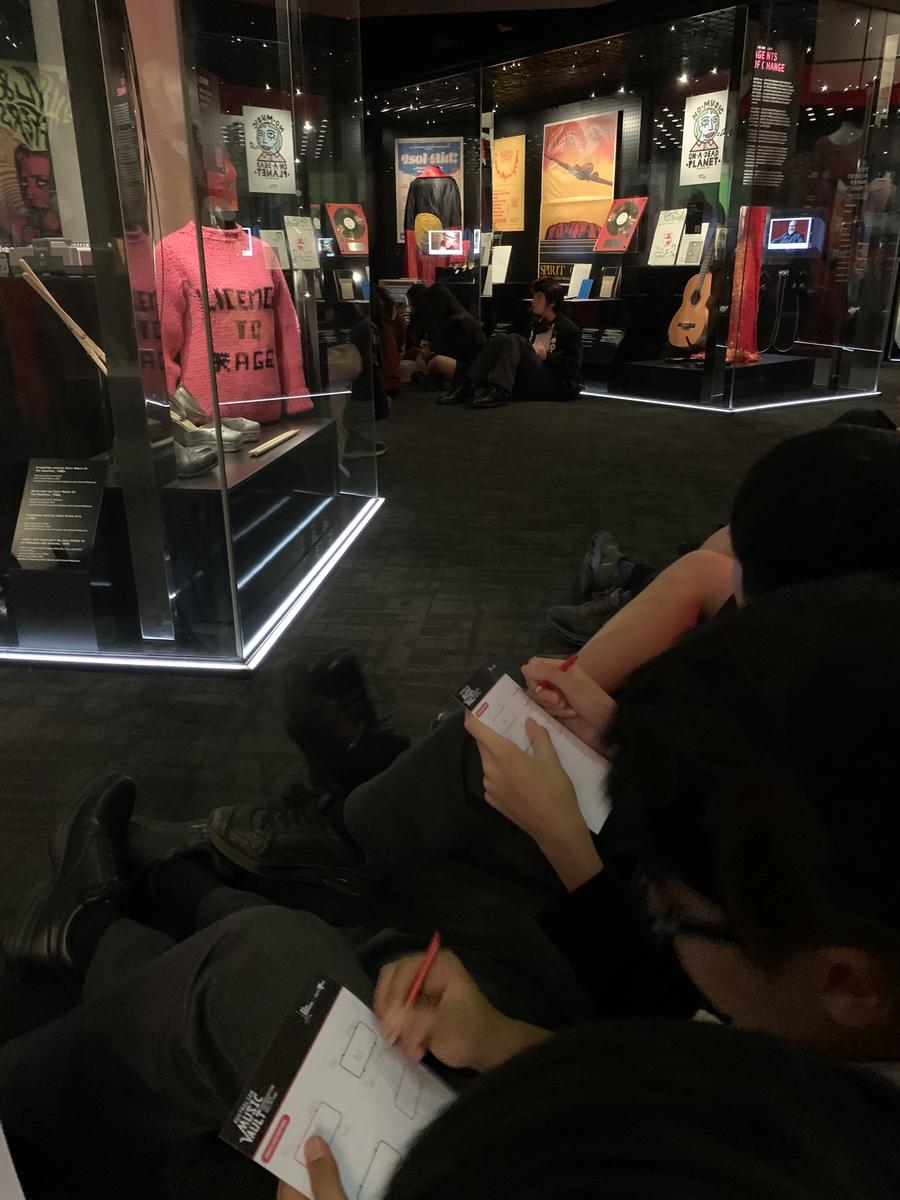
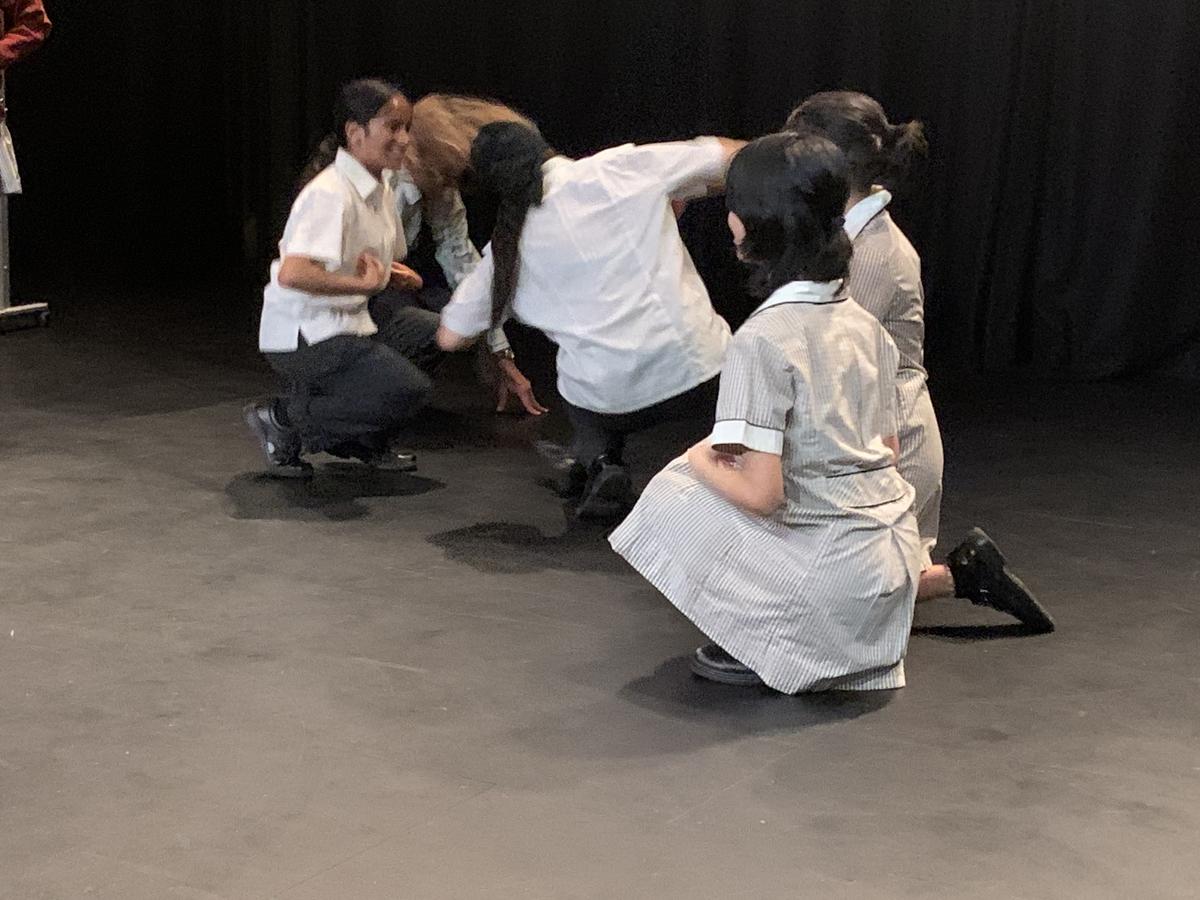
We were led to the Music Vault, a treasure trove of Australia’s greatest artists. From the poster wall to outfits from Dami Im and Kylie Minogue, every moment was interesting and exciting. We even wrote our own music, and Mia performed her own catchy piece. The character-building workshop, run by Alex, involved drama exercises exploring expression, movement, and voice. It was an immersive and entertaining experience that we learned a lot from.
The podcasting workshop consisted of a full walkthrough on the use of recording equipment and software; this enabled us to create our podcast episode, complete with elements such as music and sound effects.
All in all, it was a remarkable, engaging experience that taught us a lot about expression through performance and music.
By Ayaana Arora
Melbourne Zoo
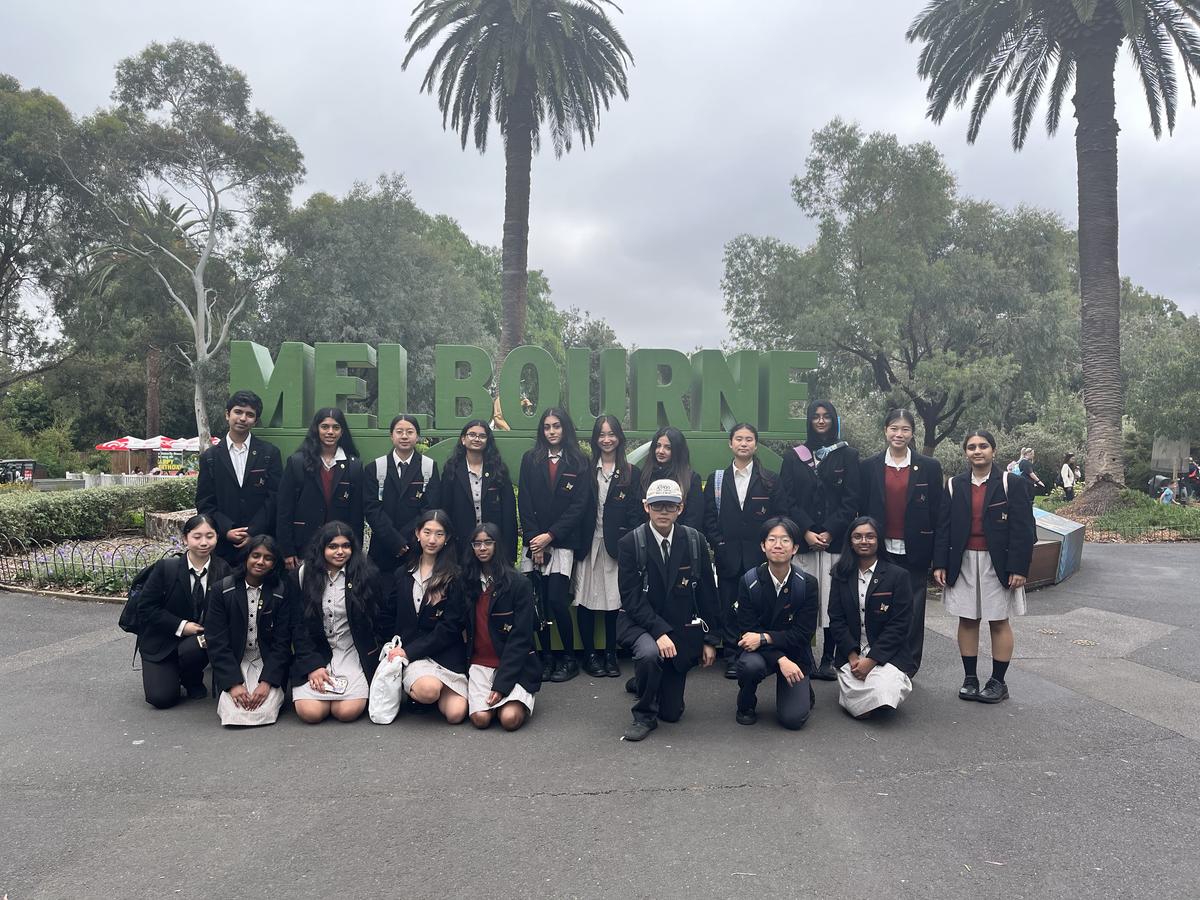
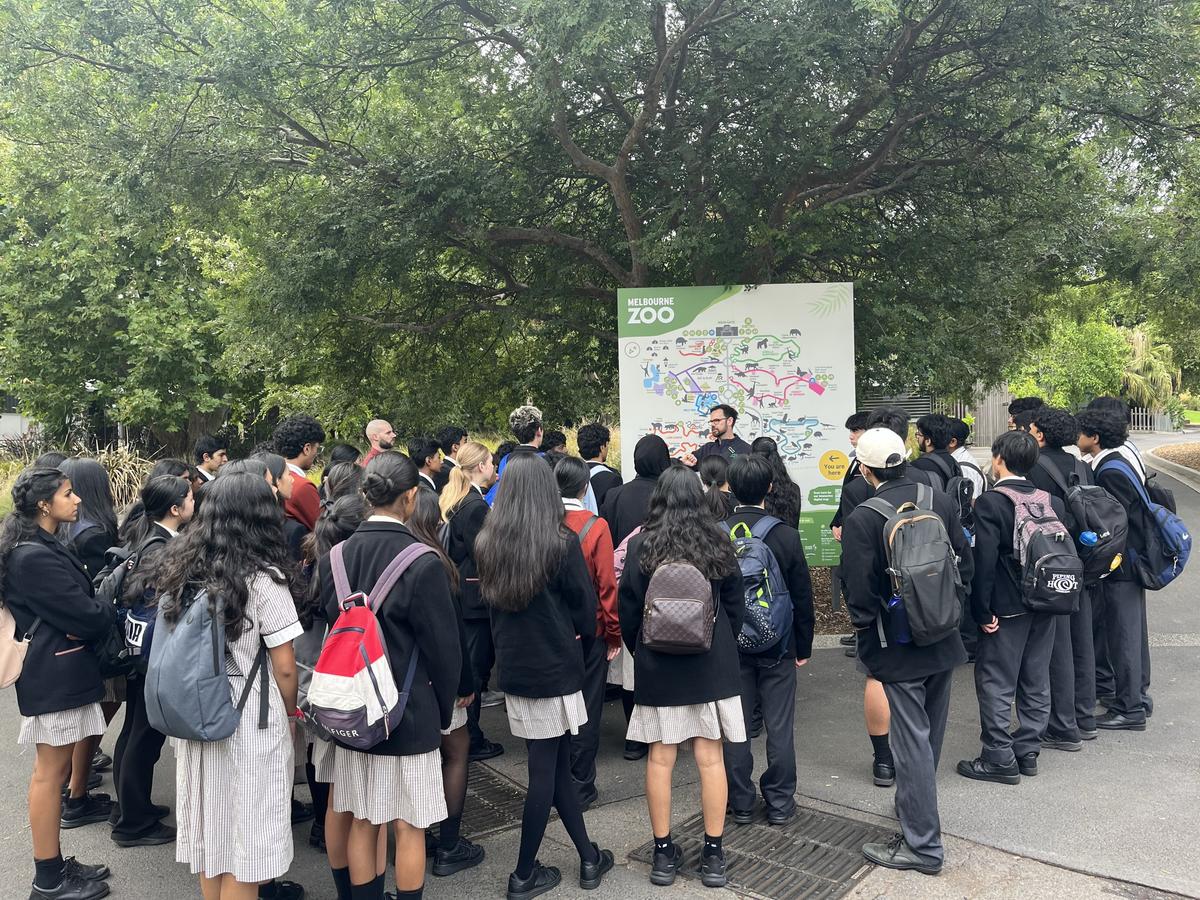
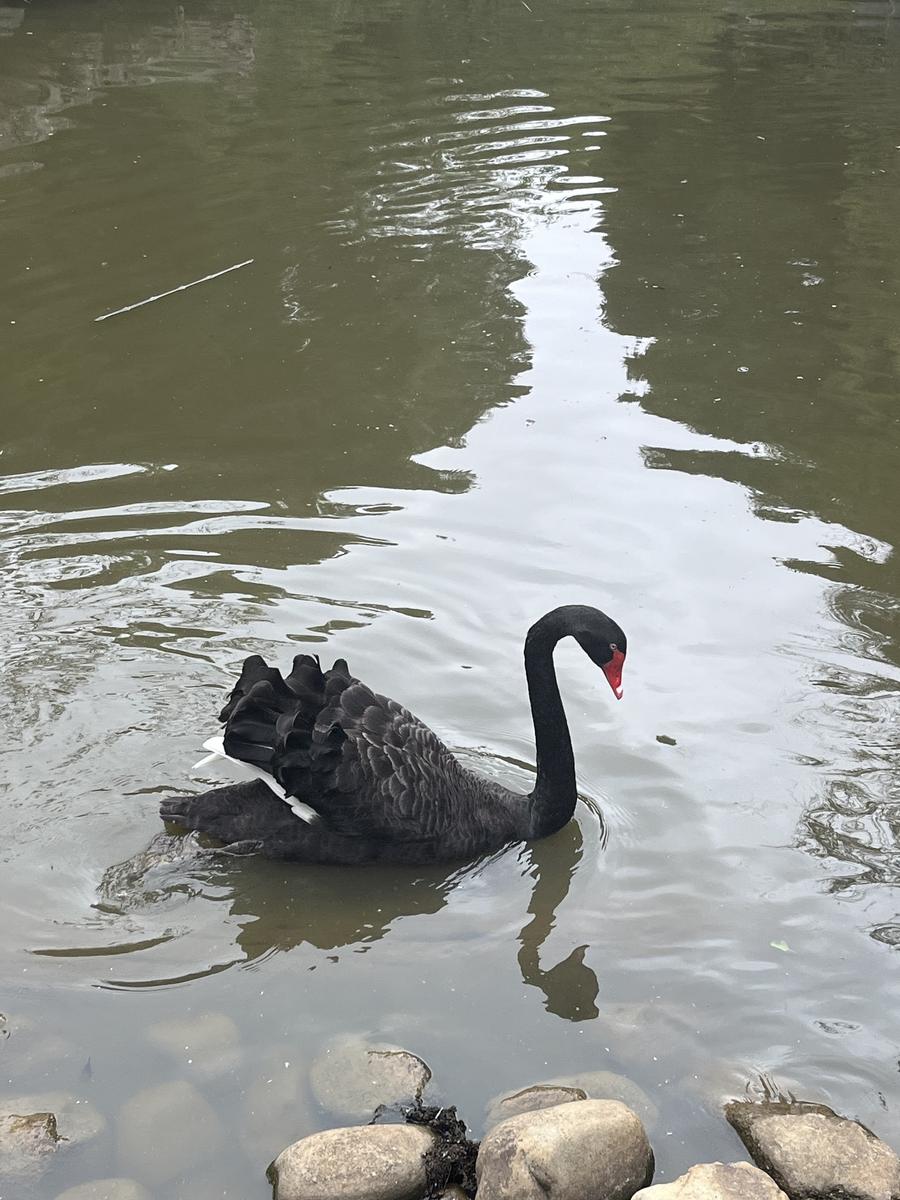
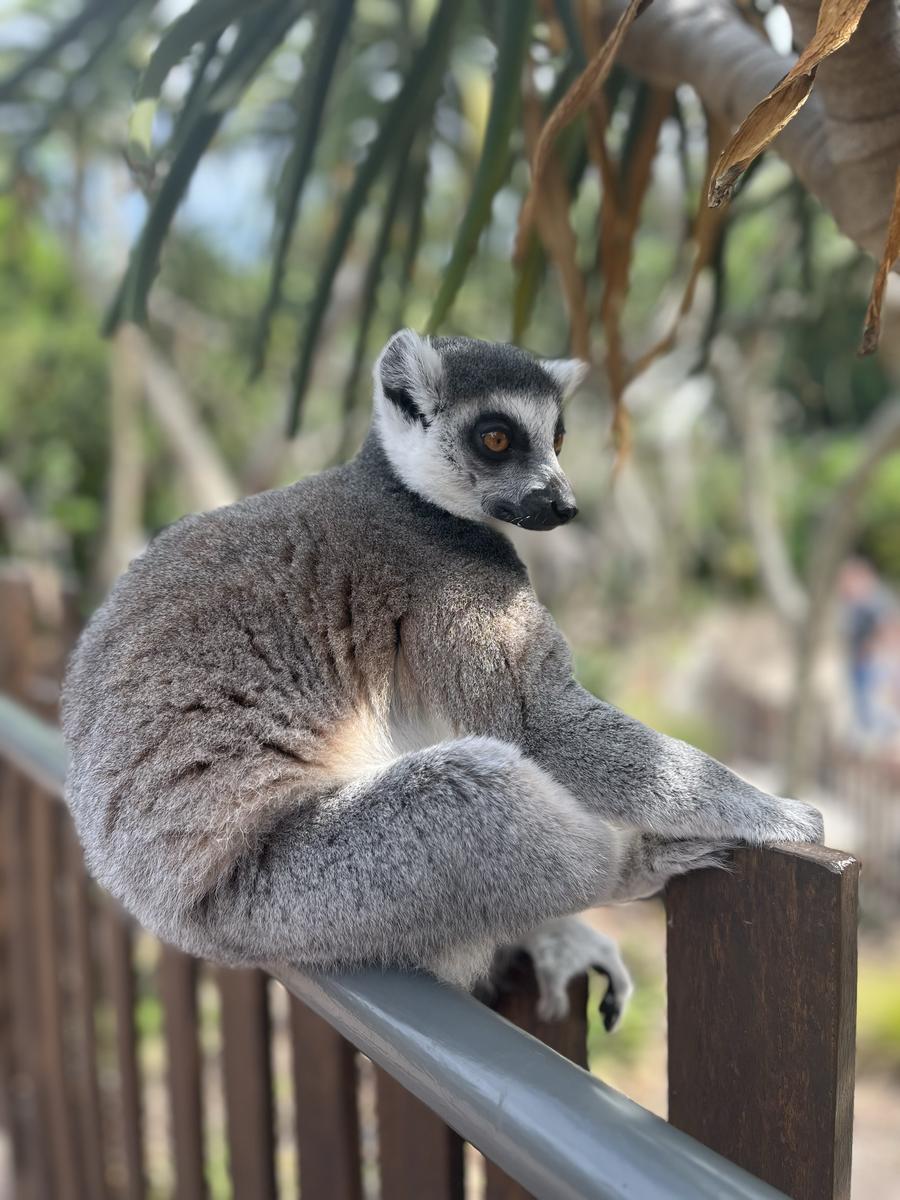
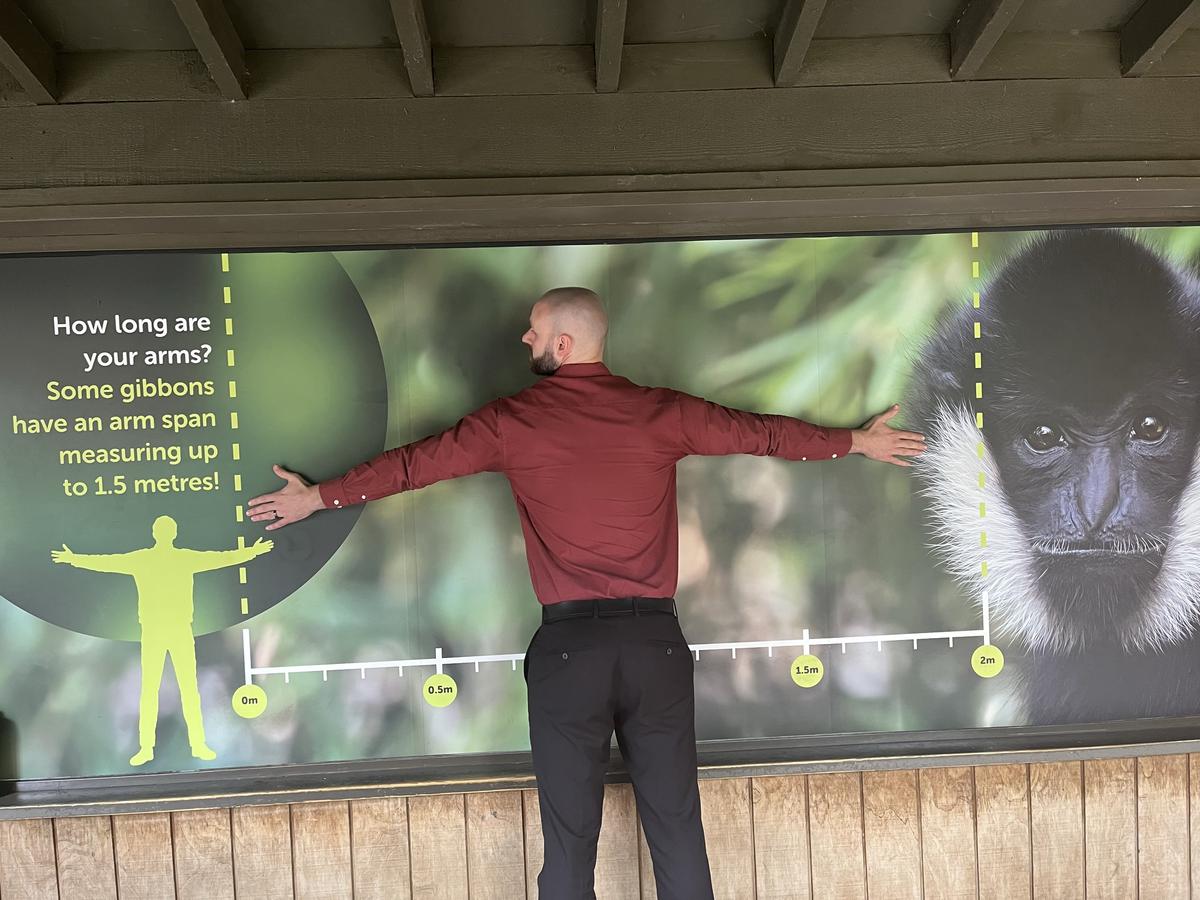
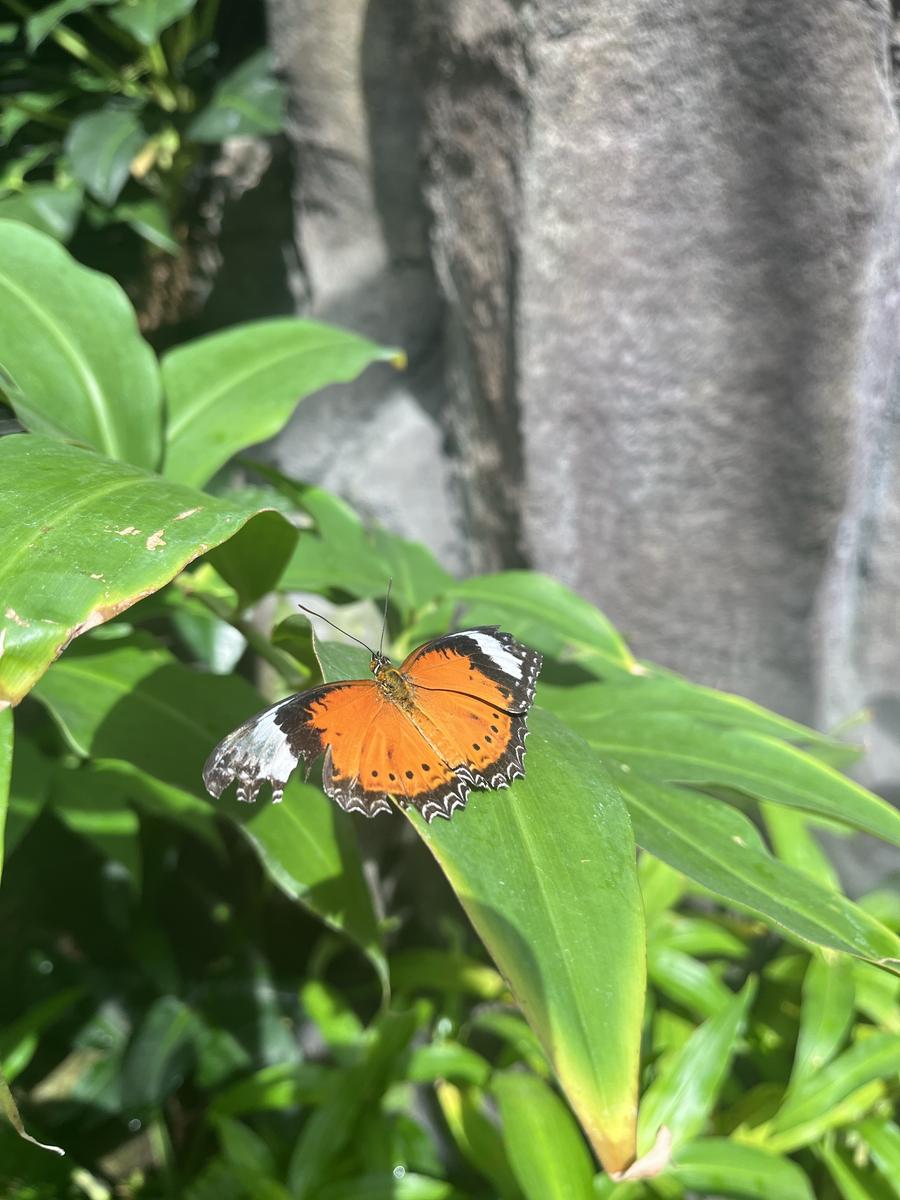
A visit to Melbourne Zoo opened students' eyes to the remarkable range of careers connected to animal care, conservation, research, and environmental science.
Students discovered that working with animals extends far beyond veterinary practice, encompassing roles in ecology, wildlife management, education, and zoological research.
Melbourne Zoo
Melbourne Zoo
Melbourne Zoo
Melbourne Zoo
Melbourne Zoo
Melbourne Zoo
Melbourne Zoo
Melbourne Zoo
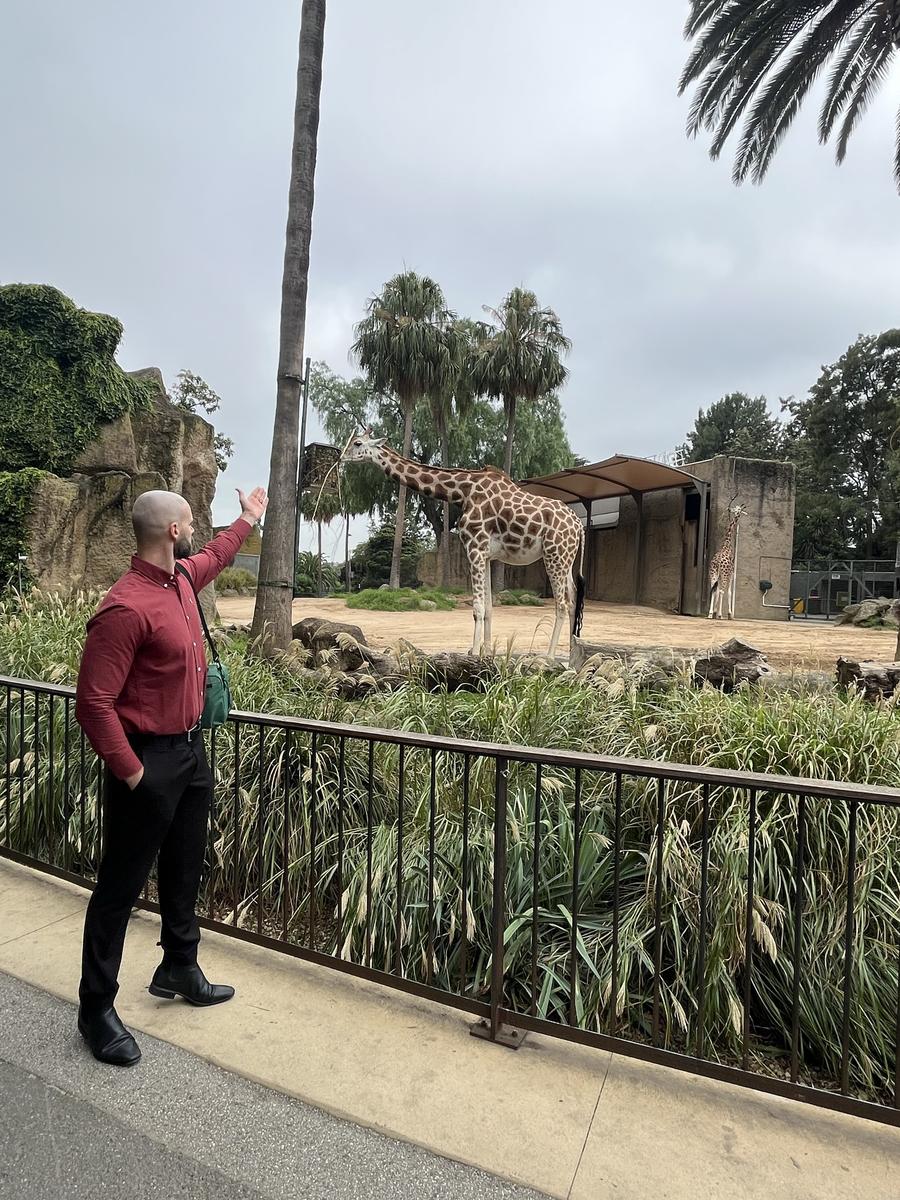
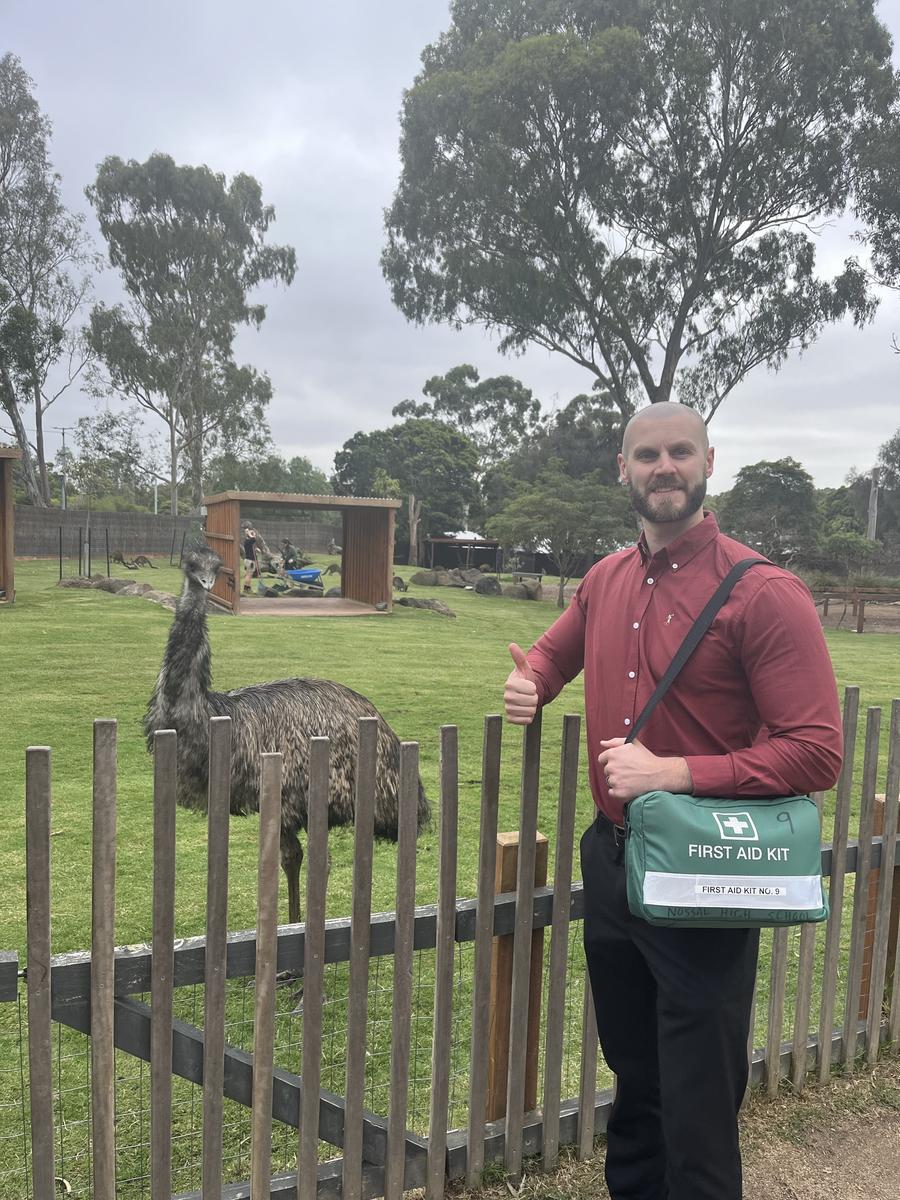
Ms. Tchantcho and Mr. Bird at the Melbourne Zoo
Melbourne Zoo
Melbourne Zoo
Melbourne Zoo
Melbourne Zoo
Melbourne Zoo
Melbourne Zoo
Melbourne Zoo
Melbourne Zoo
Melbourne Zoo
Melbourne Zoo
Melbourne Zoo
Melbourne Zoo
Melbourne Zoo
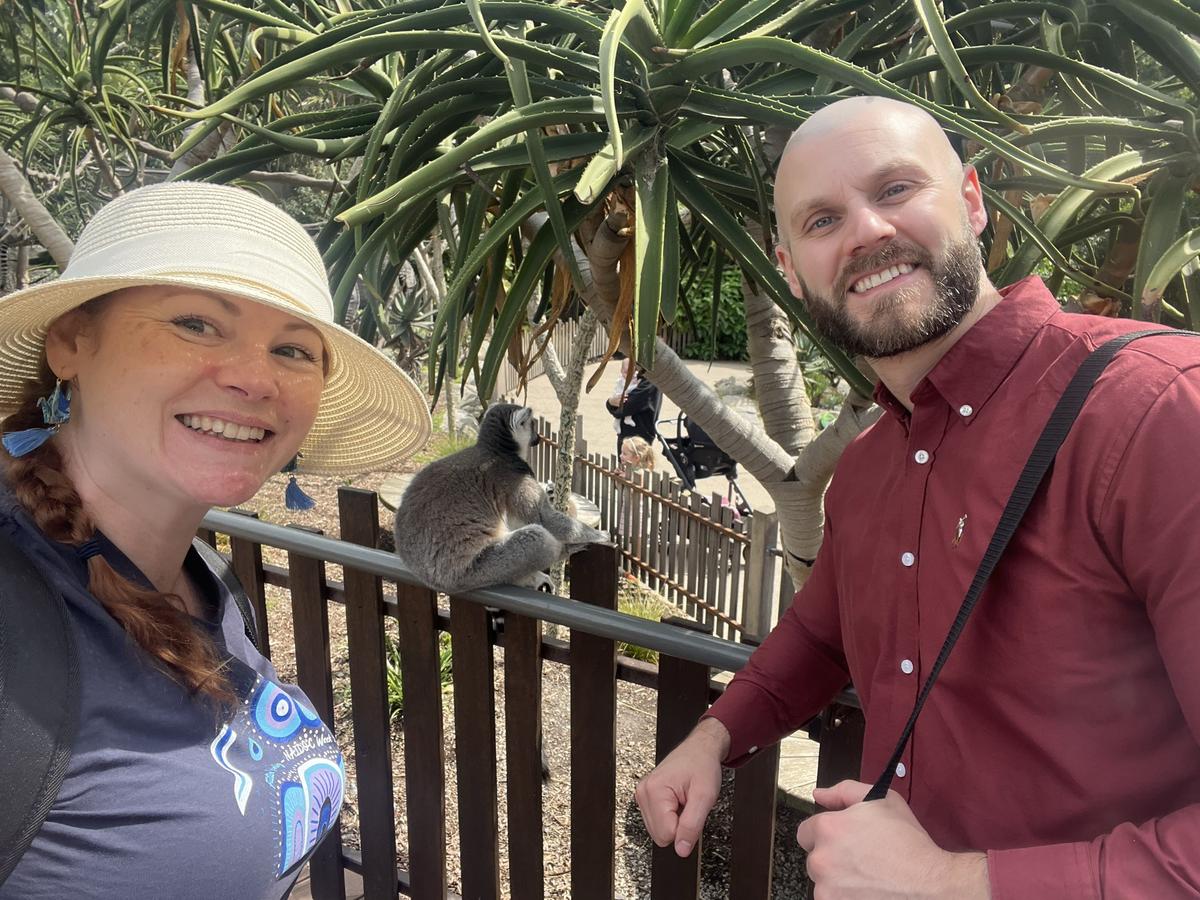
Ms. Tchantcho and Mr. Bird at the Melbourne Zoo
Melbourne Zoo
Melbourne Zoo
Melbourne Zoo
Melbourne Zoo
Melbourne Zoo
This experience sparked meaningful conversations about how a passion for the natural world can become a purposeful and rewarding career.
During Careers and Pathways week, the Yr 10s were exposed to the multitude of occupations that the Melbourne Zoo had to offer. It is a bustling hub of science, social studies and conservation efforts - offering a wide range of potential pathways. Beyond the apparent role of Zookeepers who care for the wildlife and the maintenance of their habitats, the zoo also relies on veterinarians, nutritionists and conservation scientists who work to safeguard endangered species and their environments on a global level.
Education is another key component, with staff running programs for visitors to raise awareness about issues that actively put biodiversity at risk and remind us about our responsibilities as global citizens. Furthermore, research-based career opportunities are abundant, with a focus on wildlife psychology, behavioural patterns and health to improve the quality of life for the animals. The zoo also employs professionals in the finance and business sector such as marketing, event management, customer service and business operations to attract visitors and earn funds to sustain itself.
For those leaning towards more manual work, pathways such as volunteering, internships, and traineeships grant invaluable entry points into the industry. In essence, Melbourne Zoo as an organisation exemplifies how there is no single pathway to working with wildlife, instead offering diverse opportunities that merge together communication, science, business and hands-on experience - enabling individuals to pursue rewarding careers whilst conserving wildlife.
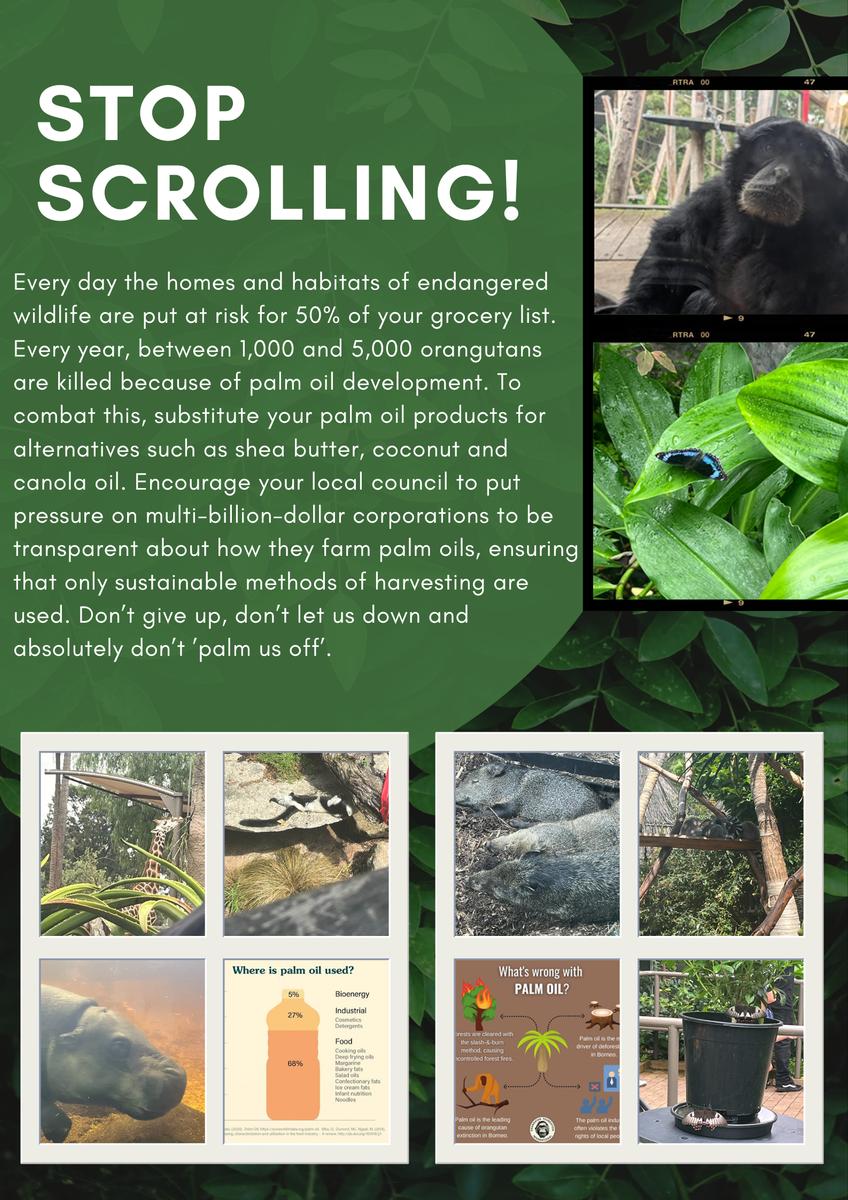
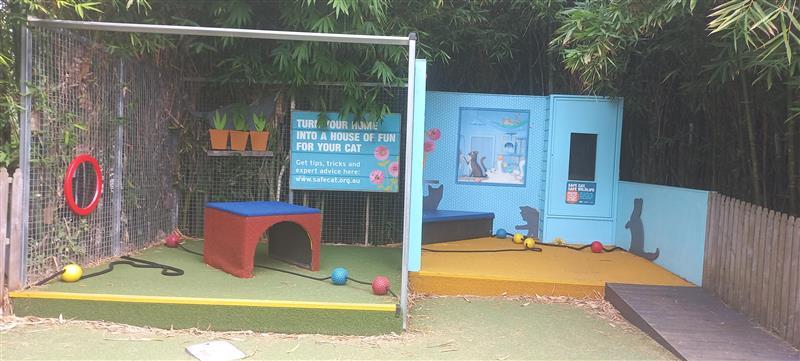
After a morning exploring the exhibits and a workshop with Education staff, students spent the afternoon completing a workplace task of creating a social media campaign to support the 5 community conservation initiatives presented at the zoo.
They were:
'When Balloons Fly, Seabirds Die' - Supporting marine life by substituting balloons for bubbles and reducing deaths from harmful plastics
'Safe Cats, Safe Wildlife' - Supporting Australian wildlife by keeping domestic cats indoors
'Wipe for Wildlife' - Supporting Australian forest-dwelling animals by using recycled toilet paper and the need to cut down old growth forests
'Don't Palm Us Off' - Supporting orangutan habitat by shopping for alternative palm-oil free products to reduce deforestation
'They're Calling on You' - Supporting gorilla habitat by recycling old mobile phones and reducing mining for resources
'Coffee for Wildlife' - Supporting rainforest habitat by encouraging ethical coffee bean producers to reduce deforestation
Please see below a selection of these offerings.
By Harleen Kaur
Melbourne Museum
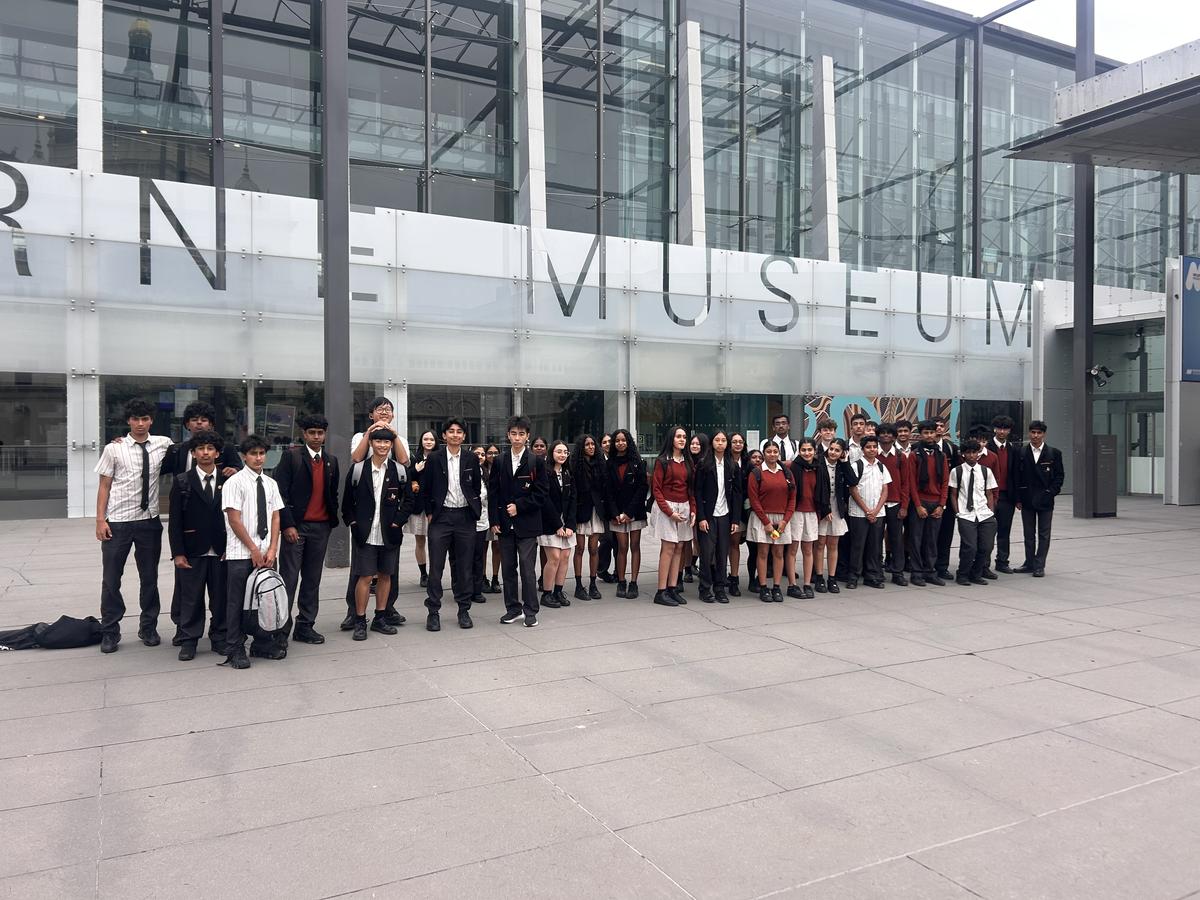
At Melbourne Museum, students explored the intersection of history, science, culture, and storytelling.
Melbourne Museum
Melbourne Museum
The visit highlighted careers in areas such as research, education, exhibition design, archiving, and public engagement, roles that bring knowledge to life for communities. Students gained an understanding of how museums serve as dynamic workplaces where curiosity and expertise combine.
On Wednesday 18 March, some of the Year 10 students went to Melbourne Museum. To start off, we went to IMAX to watch Jane Goodall-Reasons for hope, which was about the positive efforts people were doing to protect the biodiversity of this earth.
Then, we were split into two groups. My group got to go explore many of the exhibitions including the Triceratops: Fate of the Dinosaurs, Our Wonderous Planet and the Dinosaur Walk. One of the new things we learnt was that the Triceratops (named Horridus) was one of the most complete Triceratops fossils ever found in the world and came from Montana.
After, we had an information session about the many different types of jobs in the museum. It was also quite surprising to me how much work went into unearthing fossils. After, we went to see the Forest exhibition before finishing the day with the Melbourne Gallery.
Not only was the Museum informative but it was also fun to learn about all ways in which a museum works. This showed how much effort is put into a museum and how lots of jobs are needed to make the museum such an enjoyable
By Kingsley Nguyen
The Melbourne Museum group explored the environmental systems and rich biodiversity of our world, and the variety of careers the museum entails. We watched a documentary film featuring Jane Goodall, which highlighted her inspiring journey towards achieving a future where humanity collaborates to protect and preserve all living things. Afterwards, we explored a range of exhibitions showcasing the unique building blocks of our world and the natural history it possesses.
Finally, we participated in a workshop where staff explained the wide range of roles at Melbourne Museum and how they are involved to foster the engaging experiences visitors enjoy today. Overall, the excursion was an engaging and educational experience, filled with fun, curiosity and inspiration.
By Bipasha Khurana
Seymour Whyte — Civil Engineering
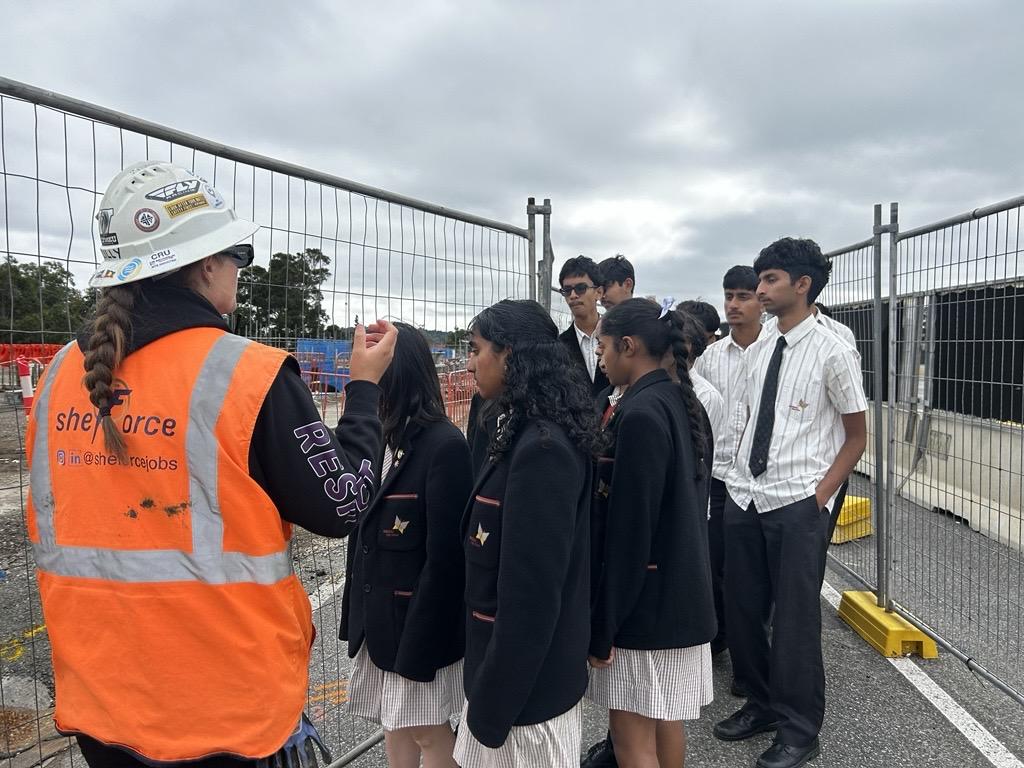
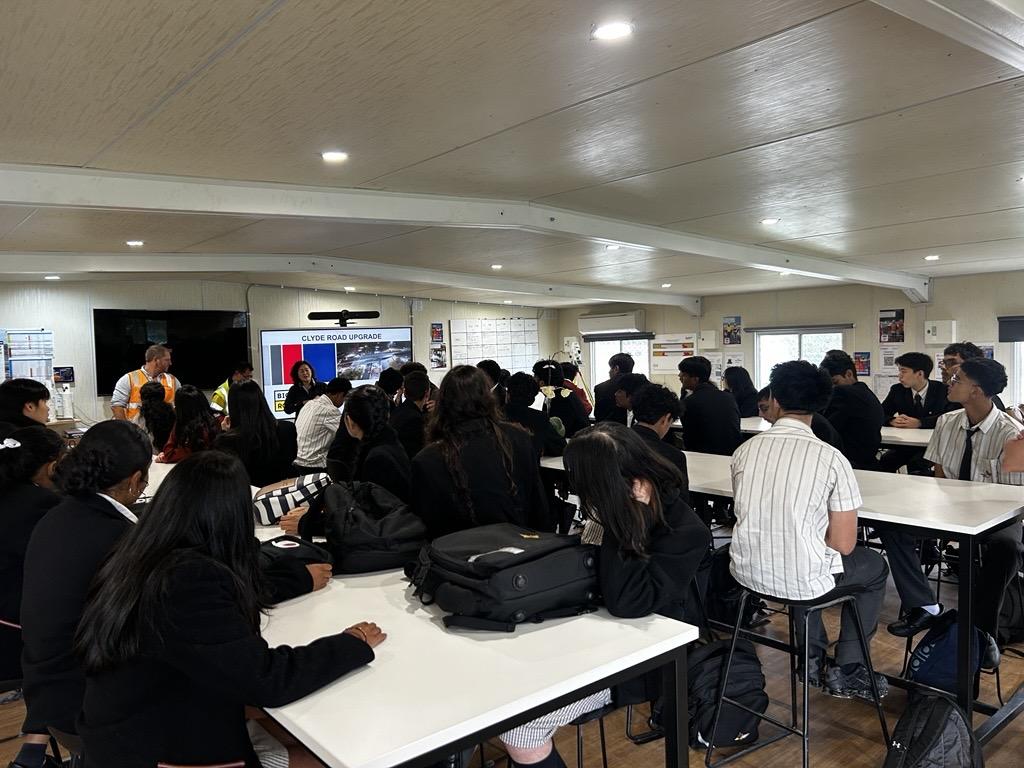
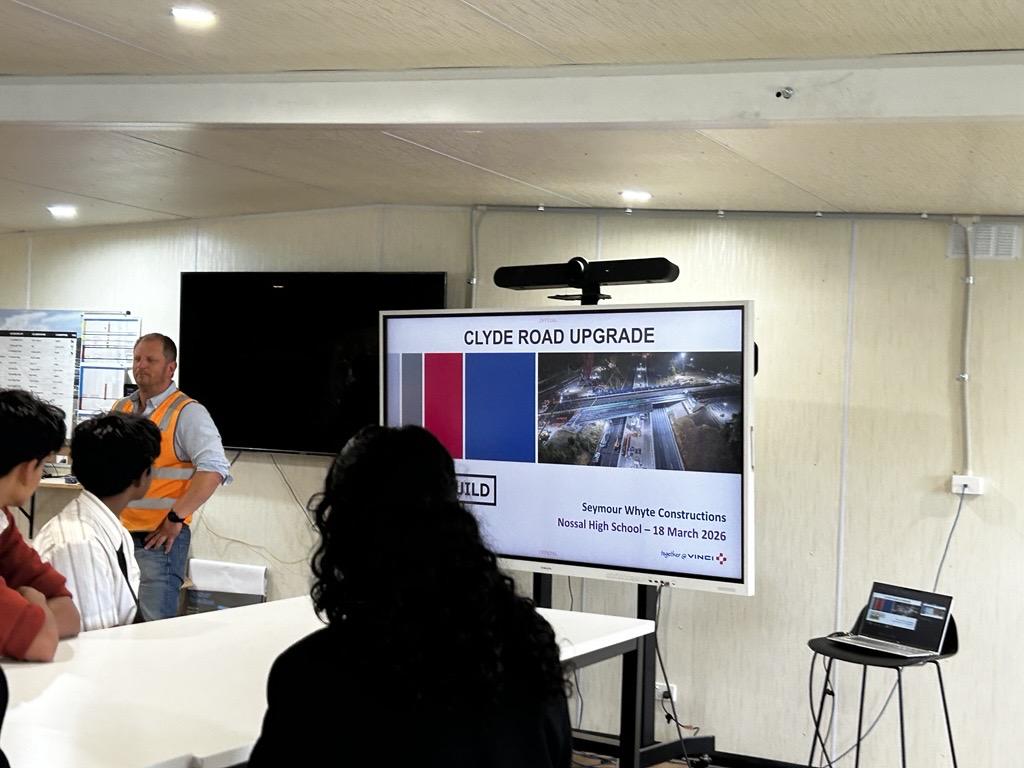
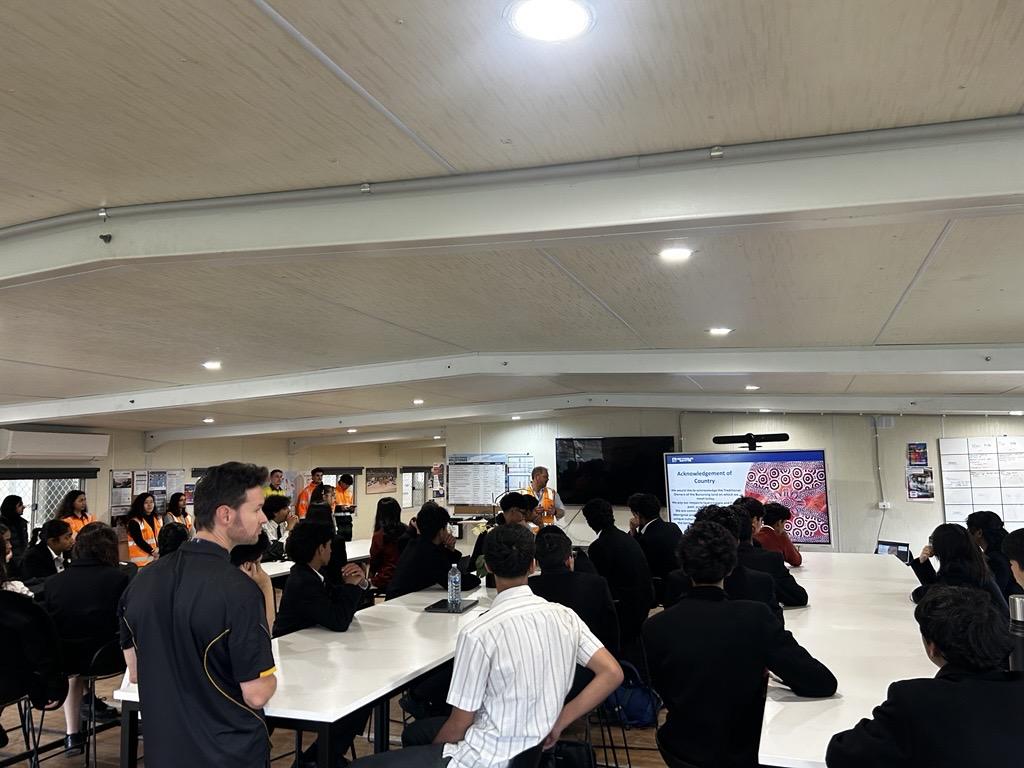
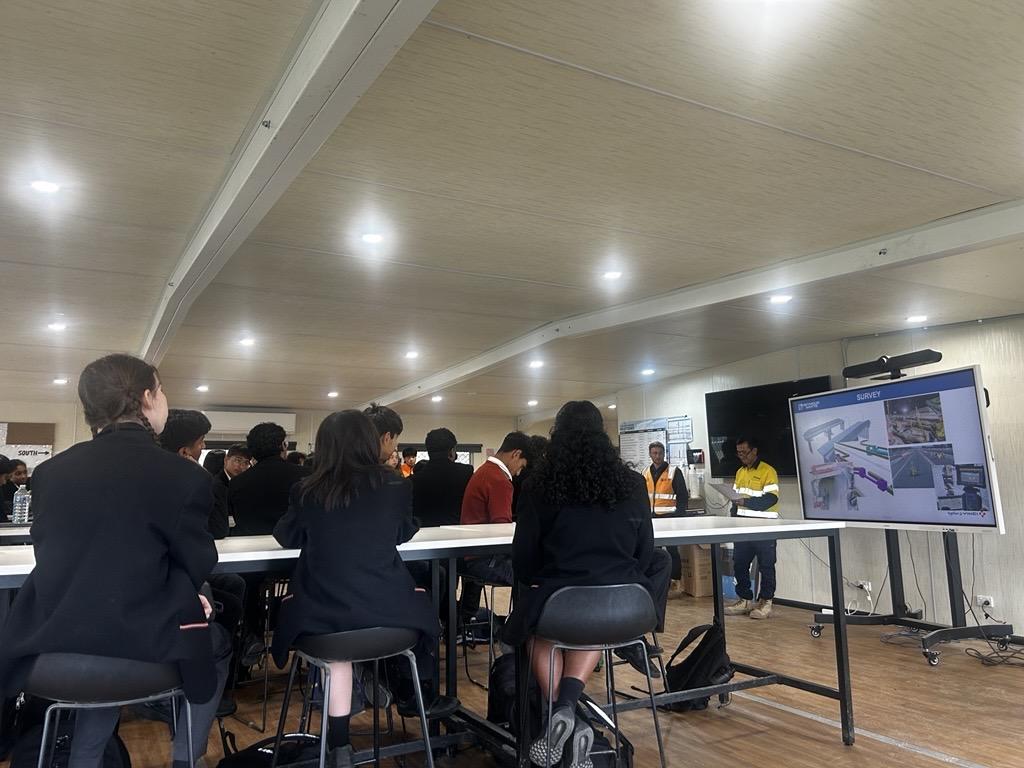
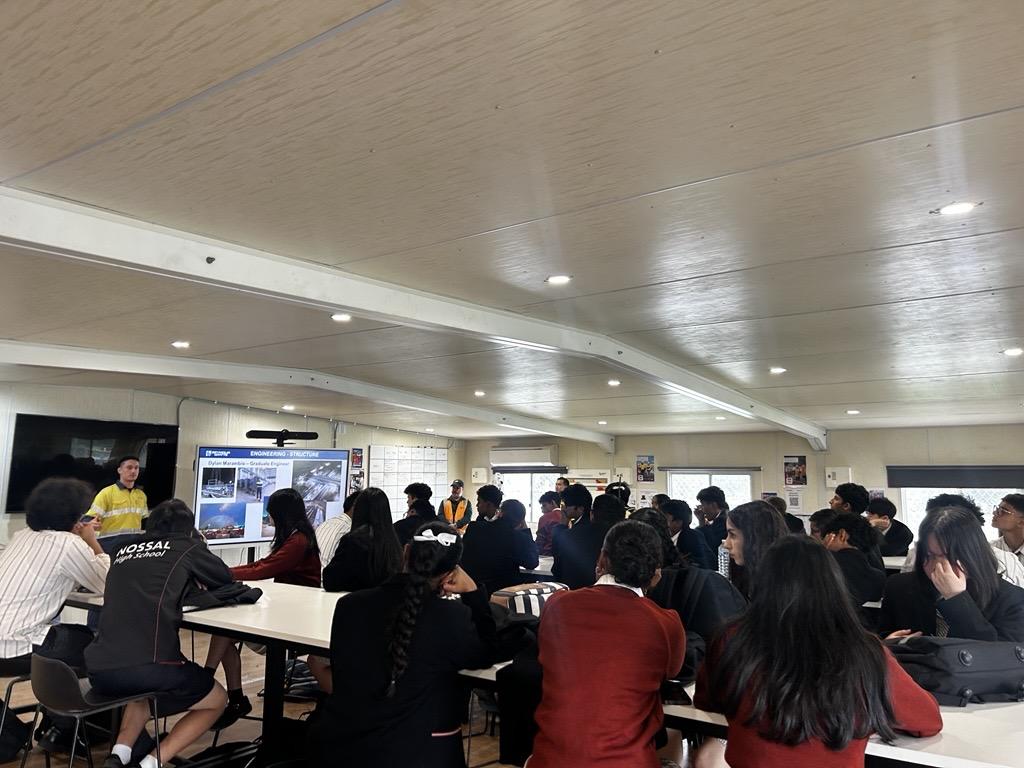
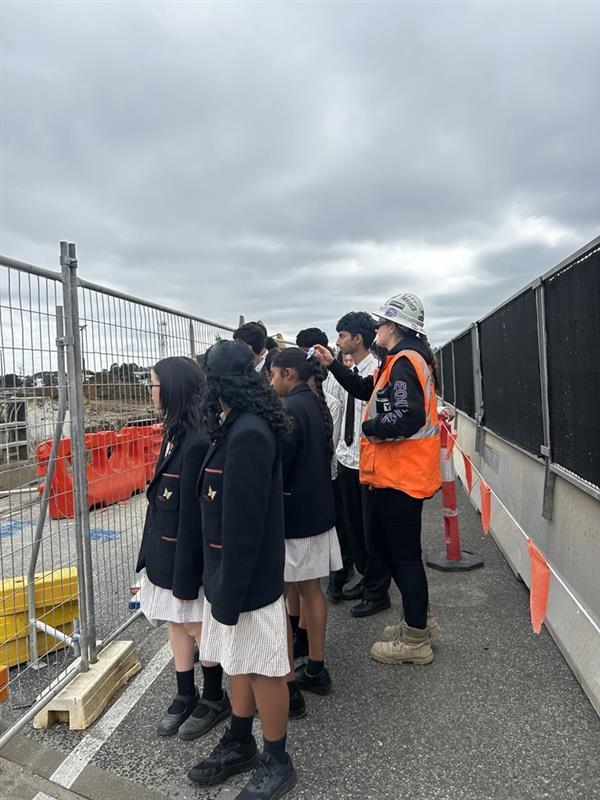
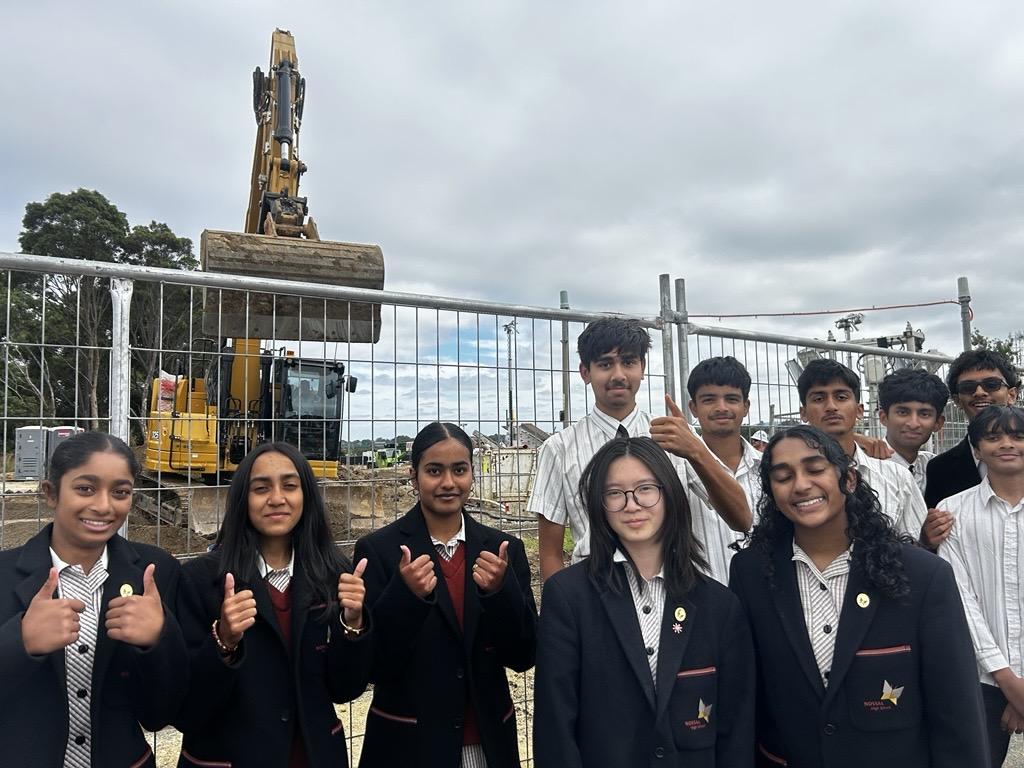
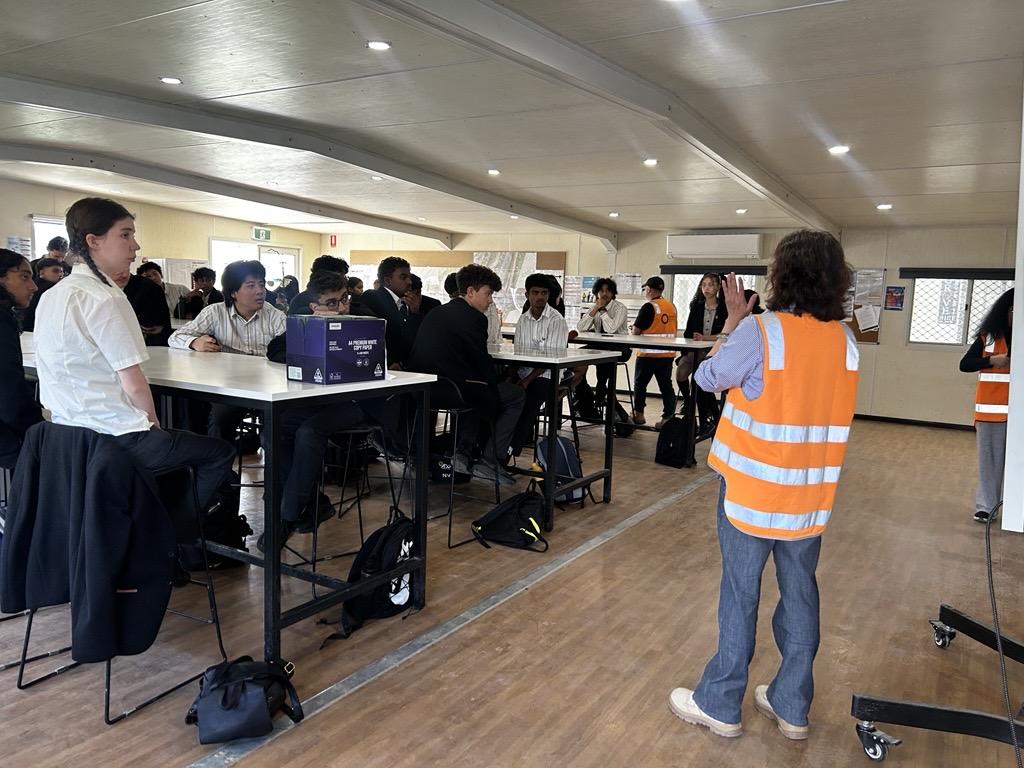
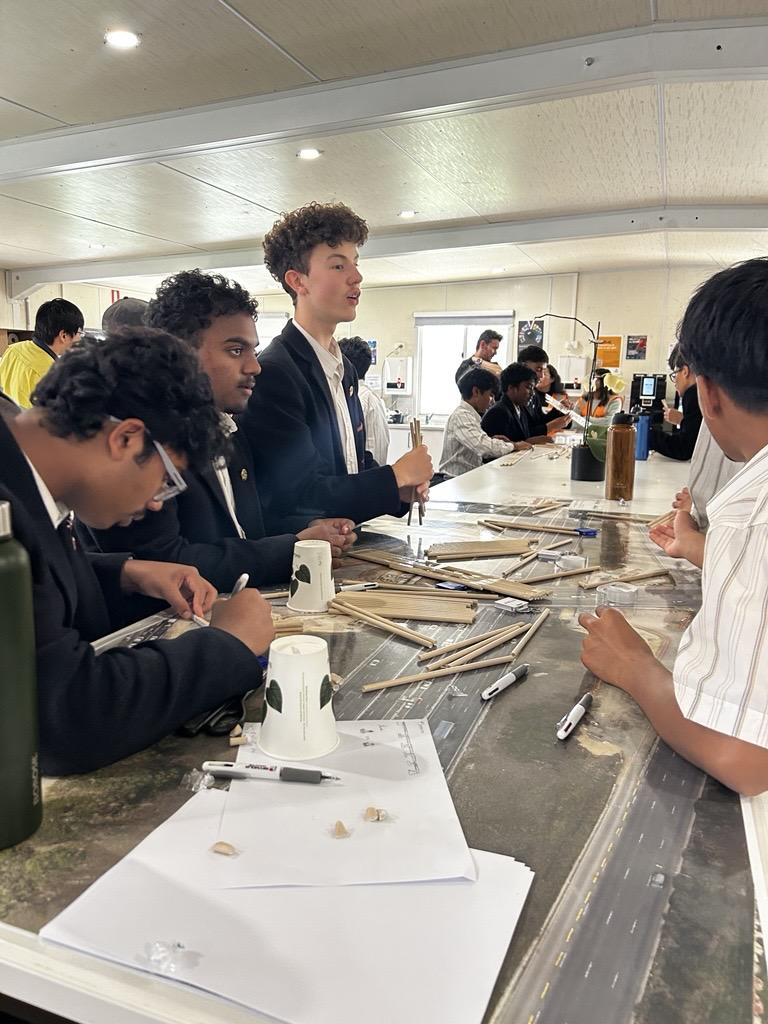
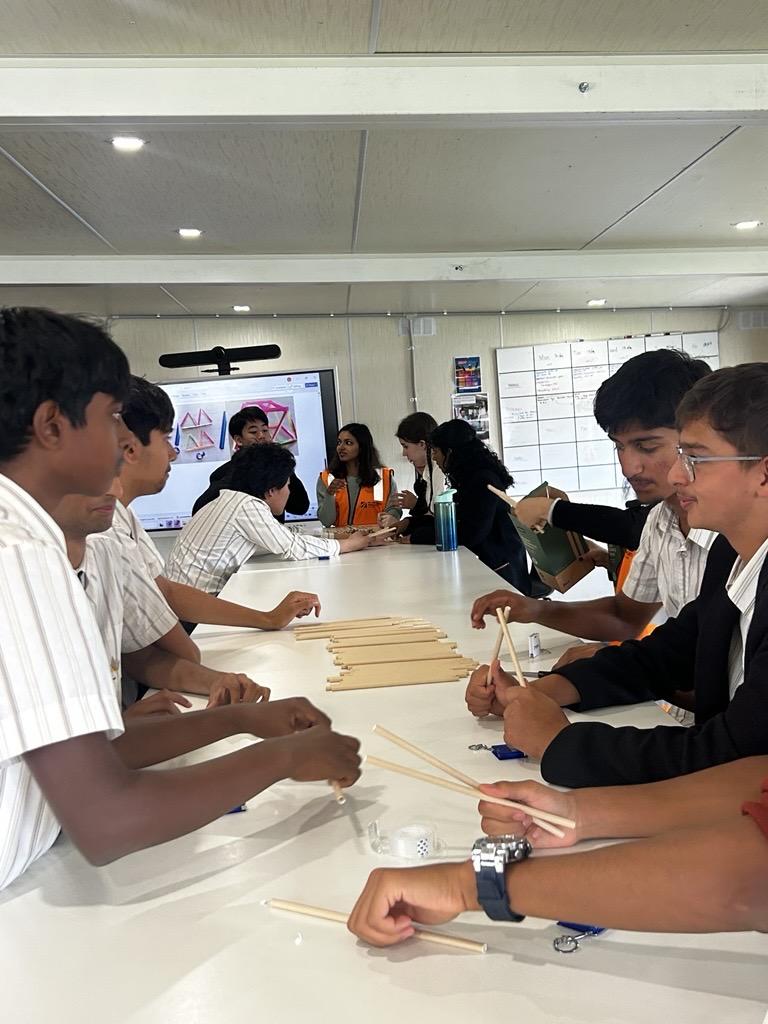
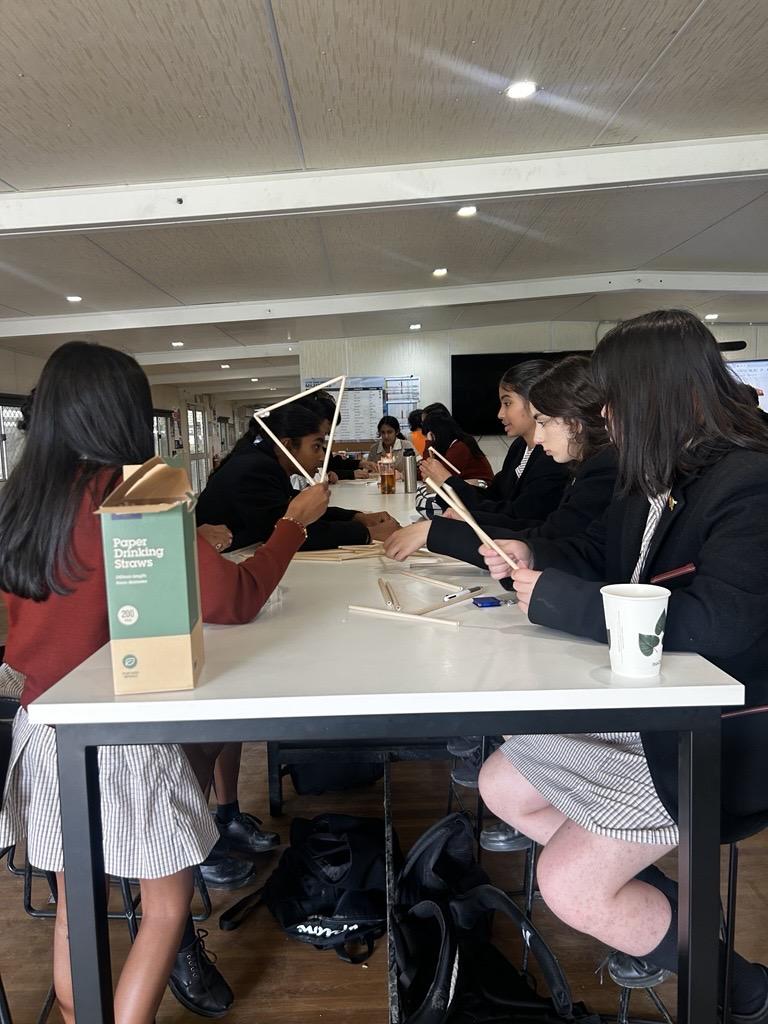
Students were introduced to the world of civil engineering through a visit to Seymour Whyte, one of Australia's leading construction and infrastructure companies.
Seymour Whyte — Civil Engineering
Seymour Whyte — Civil Engineering
Seymour Whyte — Civil Engineering
Seymour Whyte — Civil Engineering
Seymour Whyte — Civil Engineering
Seymour Whyte — Civil Engineering
Seymour Whyte — Civil Engineering
Seymour Whyte — Civil Engineering
Seymour Whyte — Civil Engineering
Seymour Whyte — Civil Engineering
Seymour Whyte — Civil Engineering
Seymour Whyte — Civil Engineering
Seymour Whyte — Civil Engineering
Seymour Whyte — Civil Engineering
Seymour Whyte — Civil Engineering
Seymour Whyte — Civil Engineering
Seymour Whyte — Civil Engineering
Seymour Whyte — Civil Engineering
Seymour Whyte — Civil Engineering
Seymour Whyte — Civil Engineering
Seymour Whyte — Civil Engineering
Seymour Whyte — Civil Engineering
Seymour Whyte — Civil Engineering
Seymour Whyte — Civil Engineering
This experience gave students an insight into how engineers plan, design, and deliver the infrastructure that shapes our communities, from roads and bridges to major public projects. Students heard directly from industry professionals about career pathways into engineering and the skills and qualifications that open doors in this field.
KIOSC Swinburne — Cyber Security
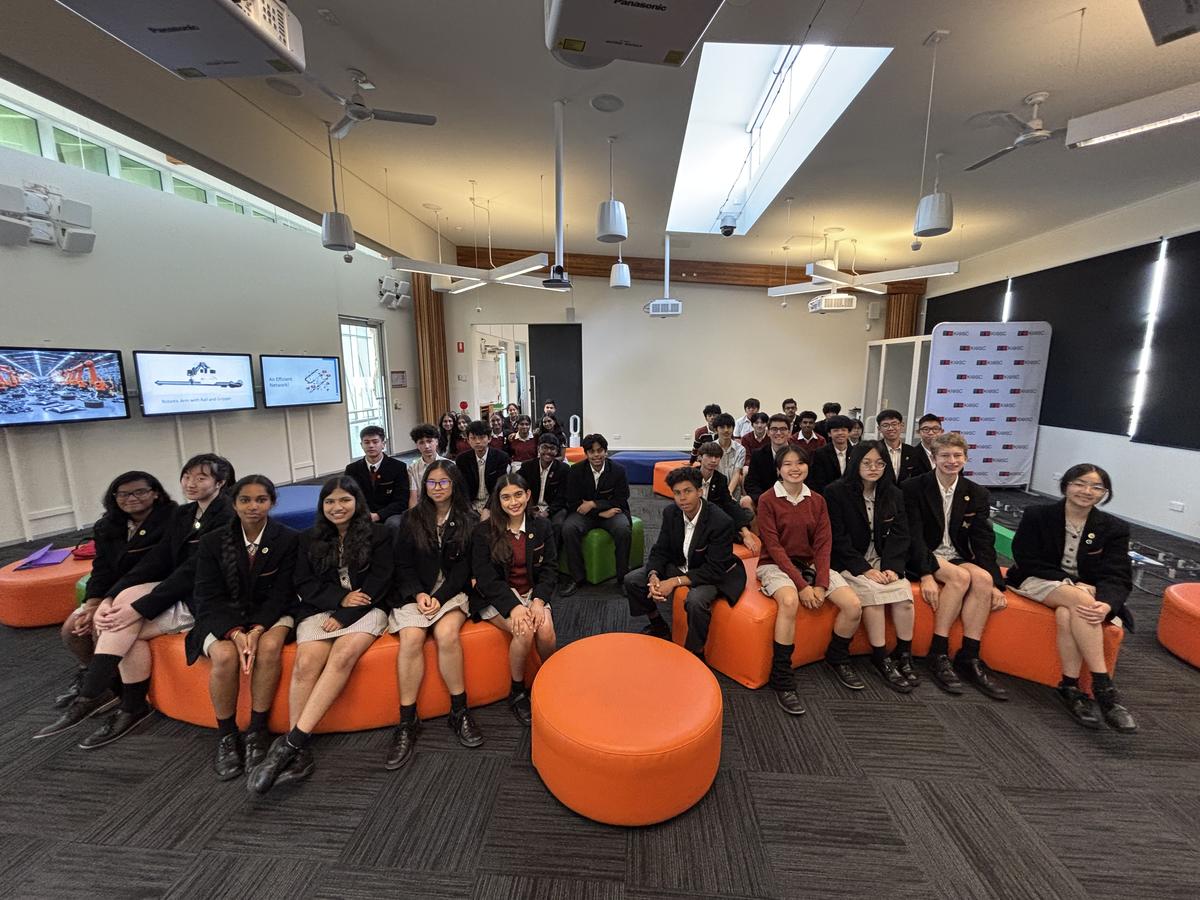
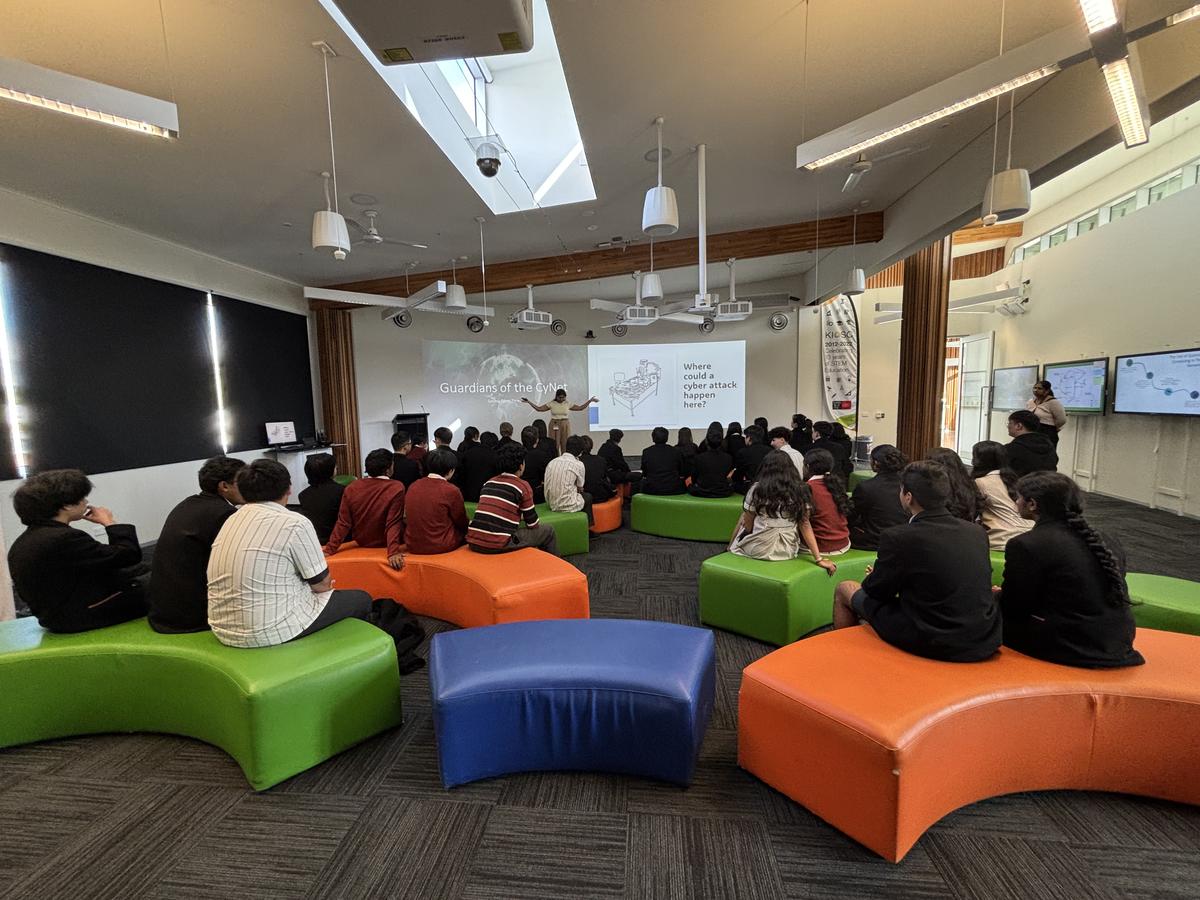
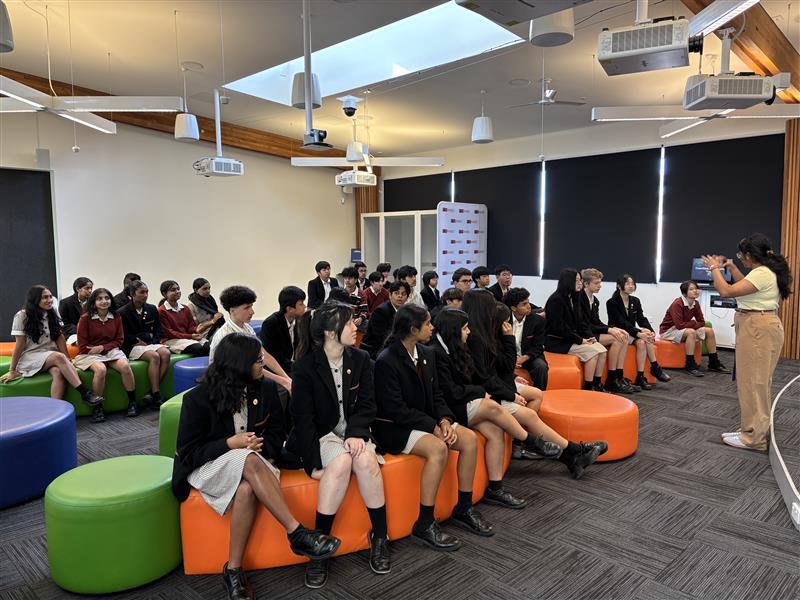
At KIOSC Swinburne, students rolled up their sleeves for hands-on cyber security activities that brought the world of scientific investigation to life.
KIOSC Swinburne
KIOSC Swinburne
KIOSC Swinburne
KIOSC Swinburne
KIOSC Swinburne
KIOSC Swinburne
Working through real-world scenarios, students experienced how science, critical thinking, and attention to detail come together in forensic practice. This session highlighted careers across cyber security, emerging technologies and robotics and left more than a few students reconsidering what their future might hold.
KIOSC hosted some Nossal students, including myself, in their Guardians of the Cynet Program. This program aimed to highlight the present flaws in cybersecurity and encouraged students who attended to be proactive about finding solutions.
The program ran two workshops, Train the Network and Vintage Car Factory, in which students had to use their coding skills to solve hypothetical situations set in the near future.
Train the Network dropped us into a scenario where train communications had completely broken down, causing delays and crashes across the network. Our job was to recode the AI-controlled trains and get the railway running safely again.
In Vintage Car Factory, the robotic arms on a vintage car assembly line had gone haywire, and we had to reprogram them to get production back on track. Both activities challenged us to push beyond what we thought we knew about coding and for some of us, me included, it meant diving into something we had never tried before.
Overall, the program at KIOSC was a great learning experience for everyone involved and very enjoyable at the same time.
By Taz Rahman