
Inclusion
Micro-Behaviours
Inclusion
Micro-Behaviours
Micro-behaviours @ school: what they are, why they matter and how you can respond
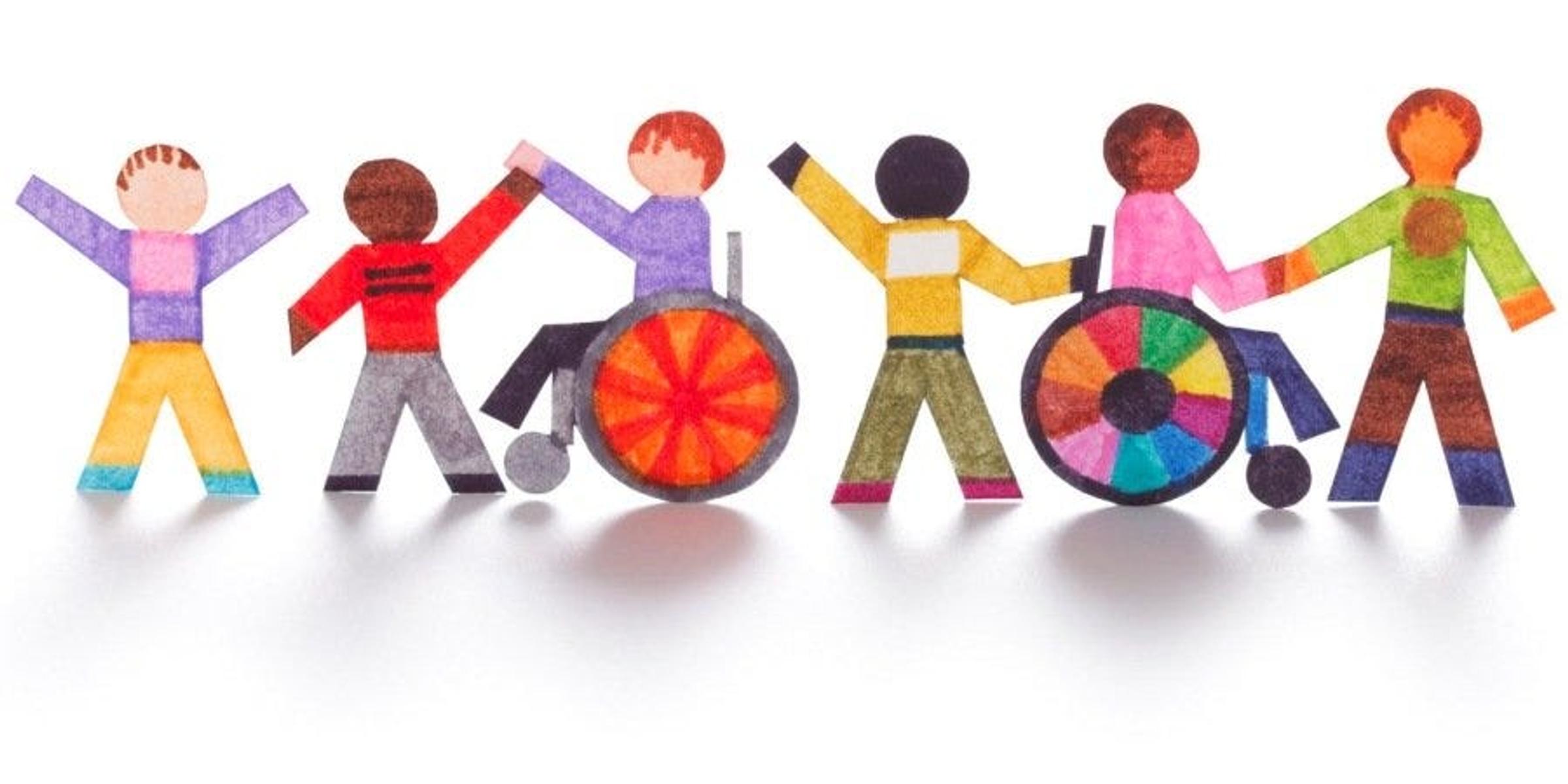
Micro-behaviours at school refer to subtle, everyday interactions, actions, and speech - such as microaggressions or non-verbal cues. Micro-behaviours can either create an inclusive learning environment or subtly marginalise students. Whether intentional or not, these actions profoundly shape a student's sense of belonging, mental health, and academic success.
Ocean Grove Primary School is a large primary environment with over 600 students across 27 classes. Teachers, Learning Mentors and school leaders are supporting a variety of students with varying needs and ability levels throughout these classrooms. To create an environment that is conducive to learning, we need to manage a variety of micro-behaviours. Some of these include, but are not limited to:
School uniform: when students arrive at school not wearing the correct uniform, the first interaction they have with an adult (teacher or school leadership) can often be negative. As a family, you can set your child up for success that day at school by sending them in the correct school uniform. If you need more information on school uniform, please refer to the school uniform policy.
Please note: House colour tops are only to be worn on Wednesday each week and at other events throughout the school year (cross country, athletics carnivals, swimming sports, house celebration day etc.)
Respectful communication: respectful verbal and non-verbal communication are vital skills used in everyday life. To prepare students for secondary school and their adult lives we model and expect respectful communication from our students. Our school values are Trust & Kindness. Underpinning these values are our kind behaviours. Students are redirected, modelled and reminded about the kind behaviours expected while attending school. Please reinforce this at home.
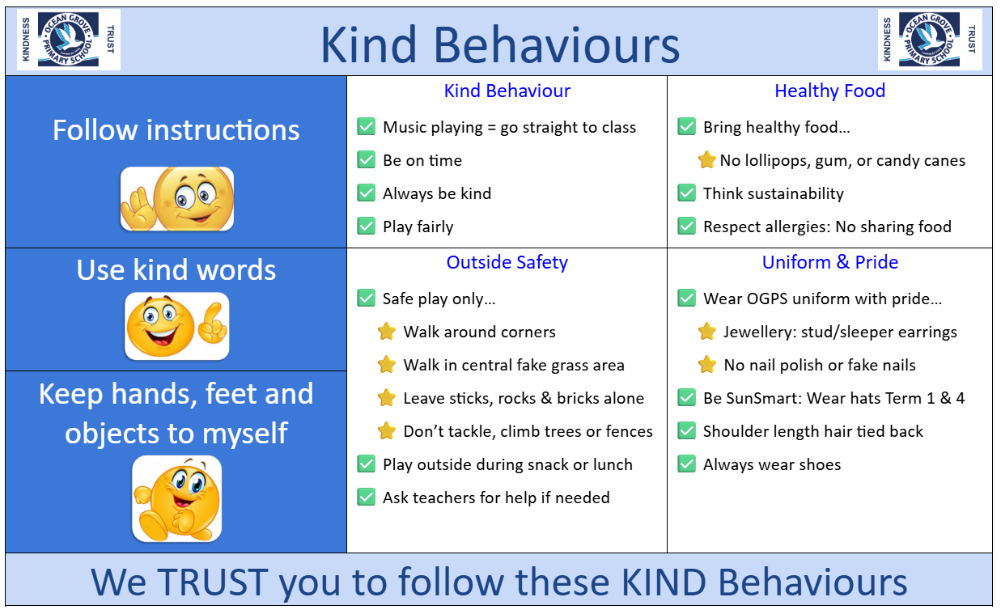
At times, teachers may communicate with you via Seesaw, a phone call, parent/teacher interview or formal Student Support Group meeting (SSG). This is a vital step in the process. Trusting and positive partnerships between home and school are proven to be the best way to support students learning and wellbeing. If a teacher reaches out, they are coming from a place of positive intent. Please make sure you actively listen, respond respectfully and work towards supporting your child in partnership with the school.
Parents/carers and school staff have a relationship that can last many years. This is an opportunity to work together to create a positive relationship in the best interests of the child. For more information, please refer to the Respectful behaviours within the School Community Policy.
Thanks for letting us spend seven years with your amazing children. We look forward to working closely with you throughout their time at OGPS.
Regards,
Ryan Baltetsch
Inclusive Practices Learning Specialist