
Mental Health & Wellbeing
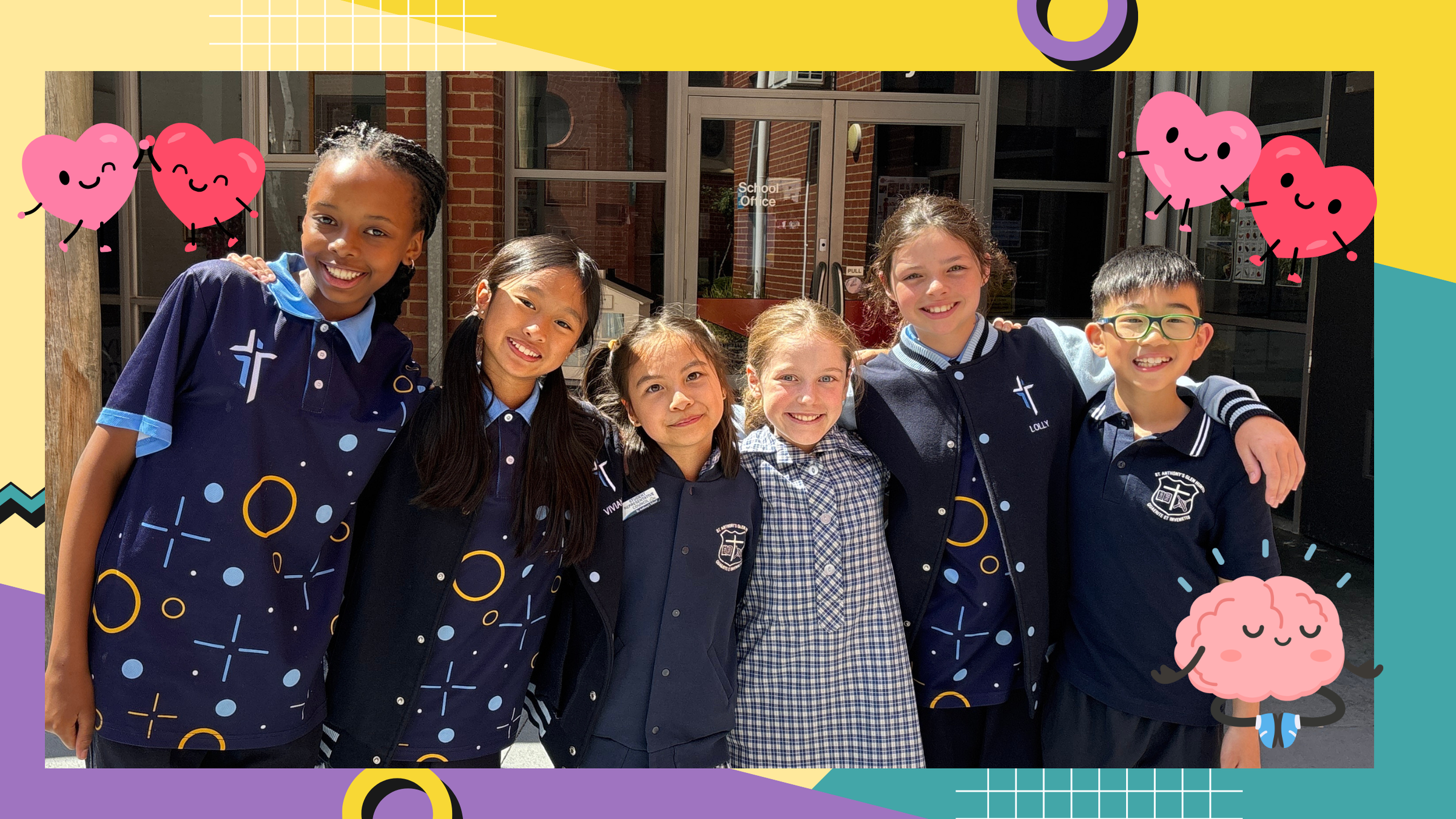
Big Feelings & Tired Kids - You're Not Imagining It
If your household has felt a little… loud lately, you're not alone.
We're in Week 8, and the end-of-term stretch is well and truly here. Children are often simultaneously exhausted and wound up at this point, and for many families that means more tears, more conflict over small things, and less patience all round. This is completely normal, and it actually makes a lot of sense when we understand what's happening for kids.
Why do big emotions ramp up towards the end of term?
Throughout the term, children work incredibly hard, not just academically, but socially and emotionally. Managing friendships, following routines, regulating their behaviour, and meeting expectations takes a huge amount of energy. With a few weeks still to go, many kids are starting to run on empty. And when we're depleted, our ability to manage our emotions is the first thing to go. Sound familiar? It works the same way for adults too!
Some things that can help at home right now:
😴 Prioritise sleep above almost everything else. It sounds simple, but it's genuinely the most powerful tool. Even pushing bedtime 15 to 20 minutes earlier can make a real difference to how your child copes during the day.
🍎 Watch for hunger and keep snacks up. Tired, hungry kids and big emotions are a near-guaranteed combination. A snack and a quiet moment after school before any conversations or homework can reset the whole afternoon.
🧘 Name what you're seeing, without judgement. Saying "You seem really tired and a bit overwhelmed, that makes sense, it's been a big term" helps children feel understood rather than in trouble. It also gives them language for what they're experiencing.
🏡 Create calm where you can. Quiet time at home, time outside, less screen stimulation in the evenings. Even small pockets of calm can help a dysregulated child (and a dysregulated parent!) come back to baseline.
🤝 You're allowed to be tired too. Modelling your own self-regulation, for example saying "I'm feeling a bit snappy because I'm tired, so I'm going to take a few deep breaths", teaches children more than any lesson can.
If your child's big emotions feel like more than end-of-term tiredness, if you're noticing persistent sadness, anxiety, withdrawal, or anything that concerns you, please reach out.
Talk to your child's classroom teacher, or come and find me for a chat. We're always here to think things through with you.
Melanie Norton
Mental Health and Wellbeing Leader