
Middle Class News
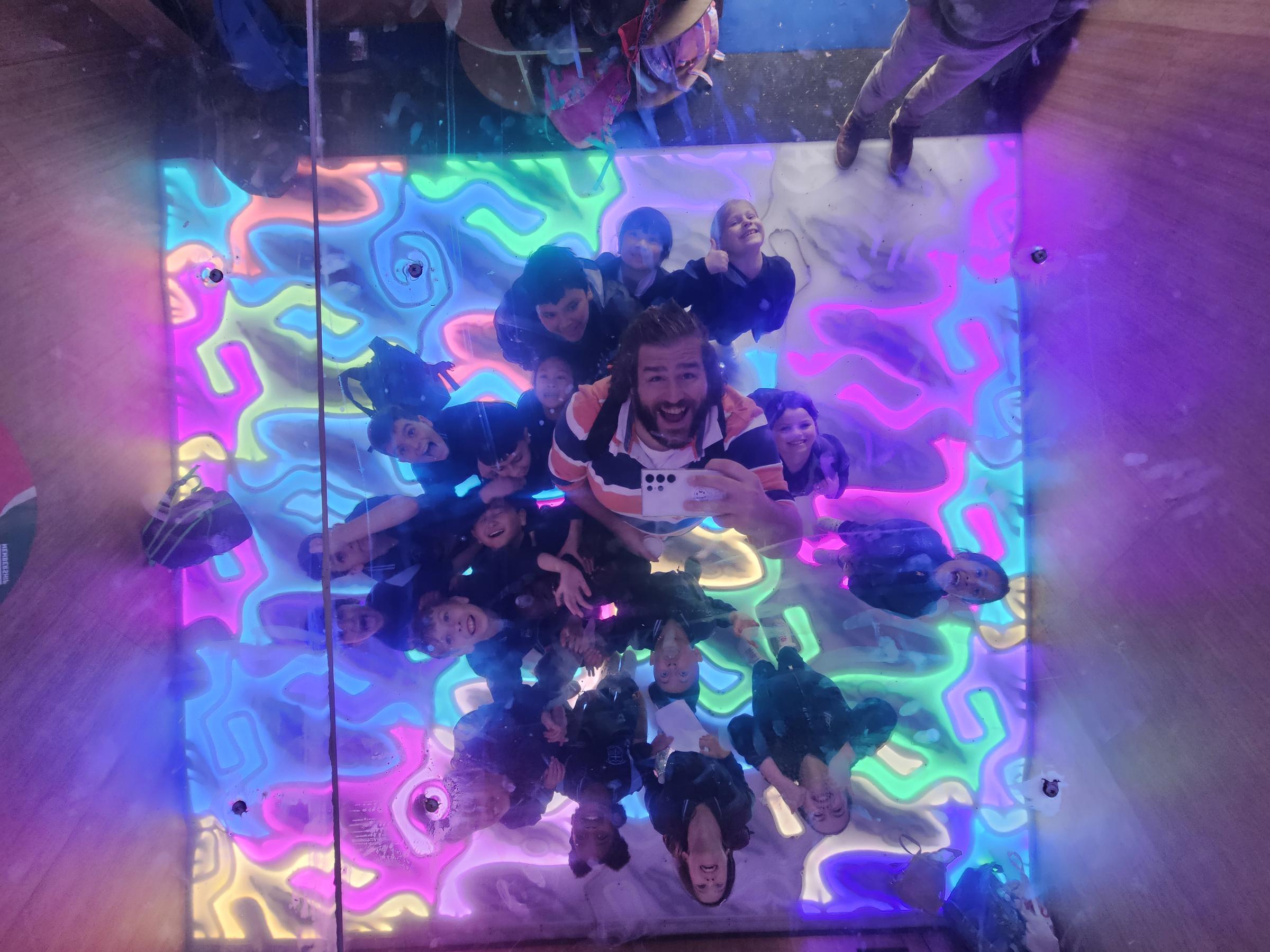
Welcome to Year 3/4 news! We have enjoyed a very busy yet fulfilling term, and we love the opportunity to share what we have been up to, both in today's Assembly and in this newsletter!
Integrated
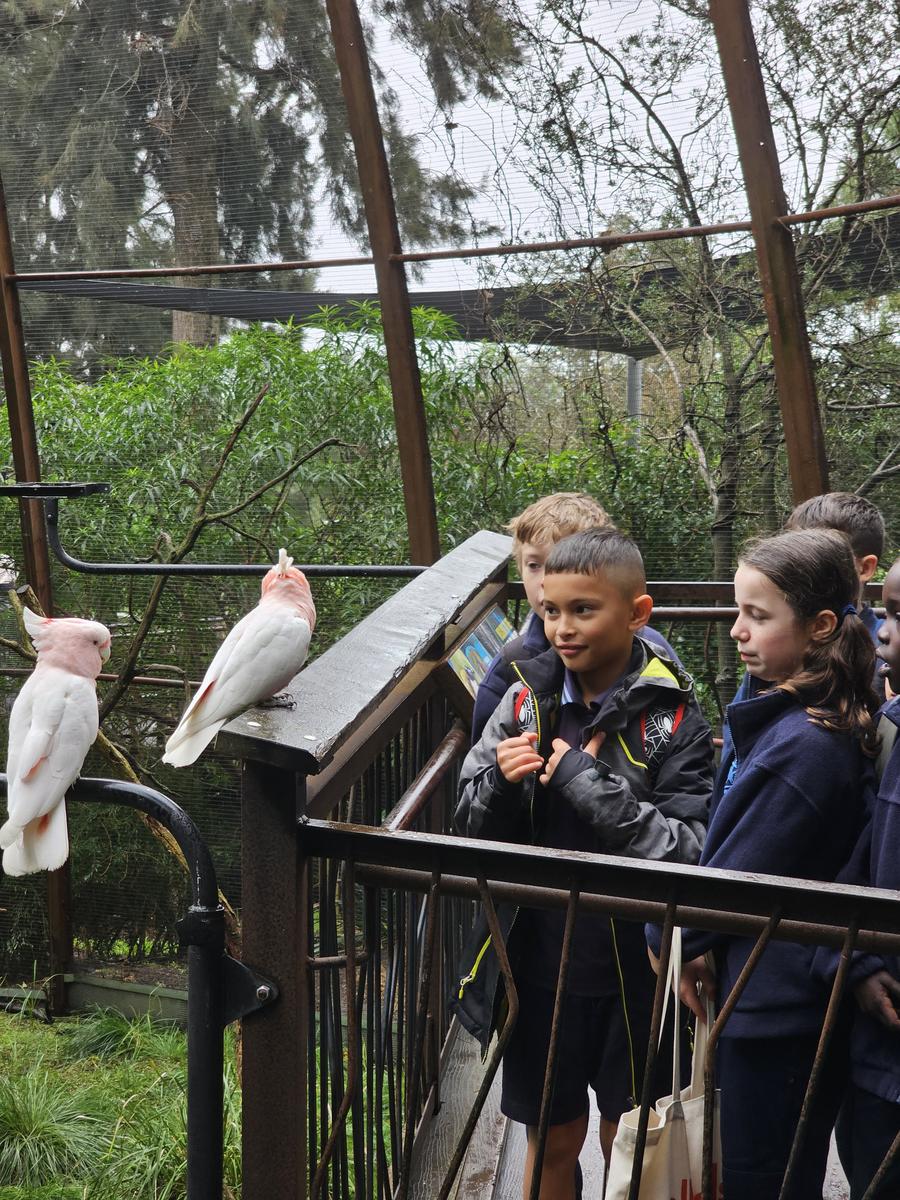
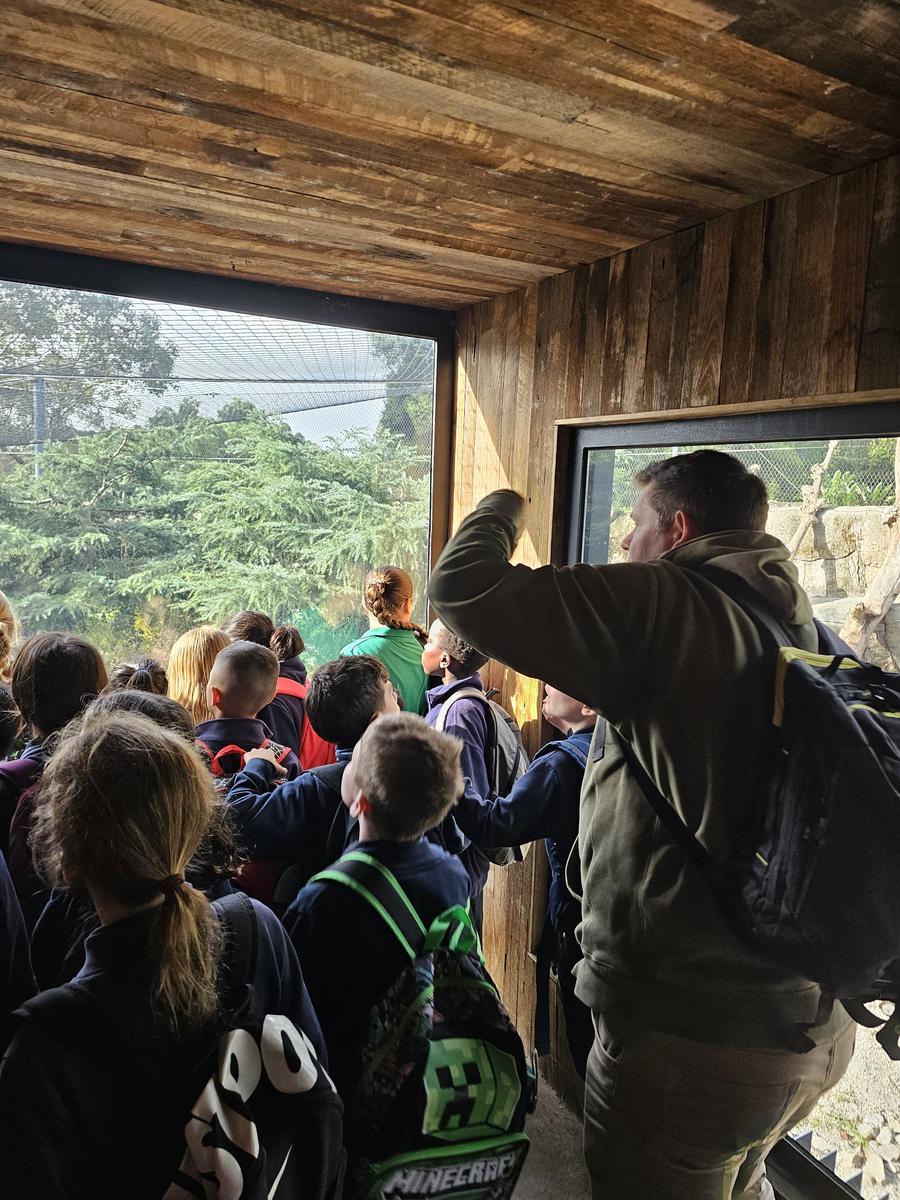
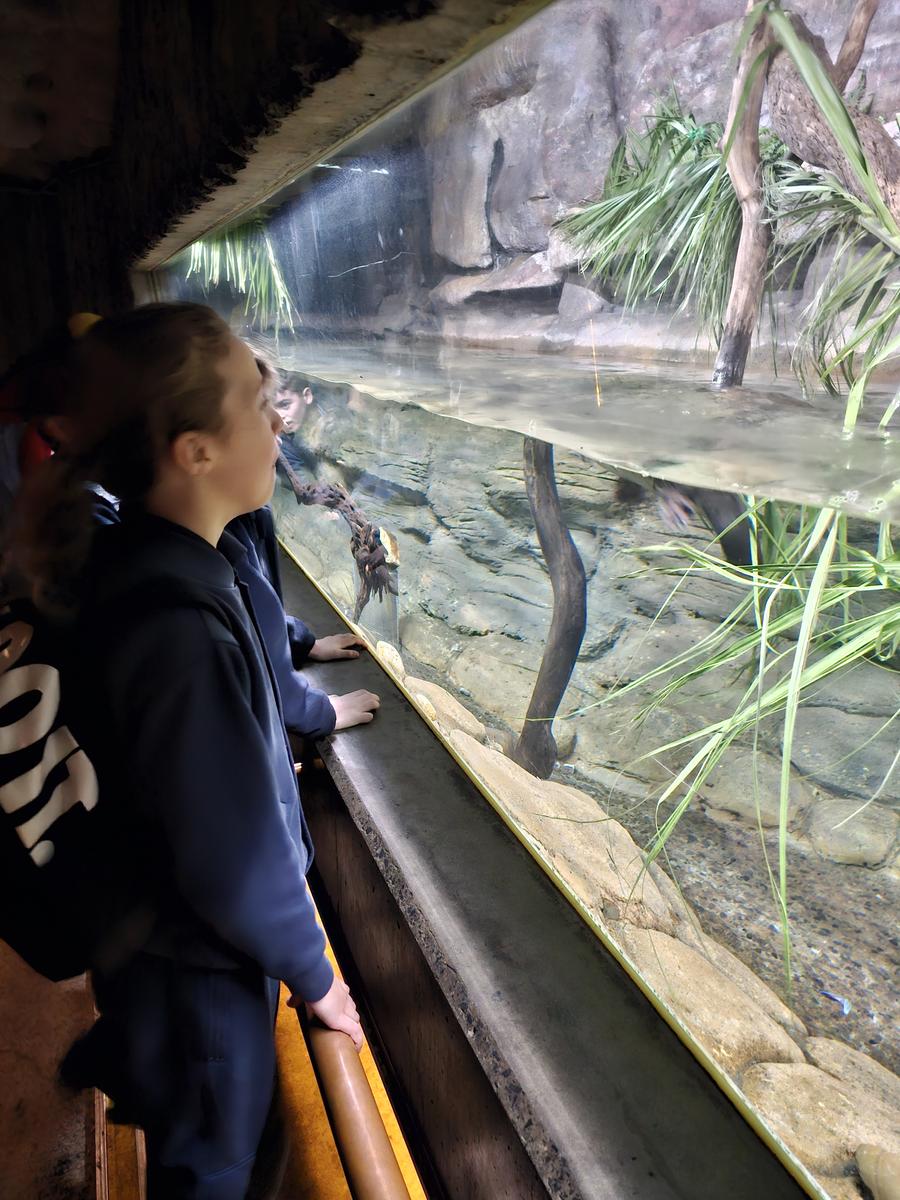
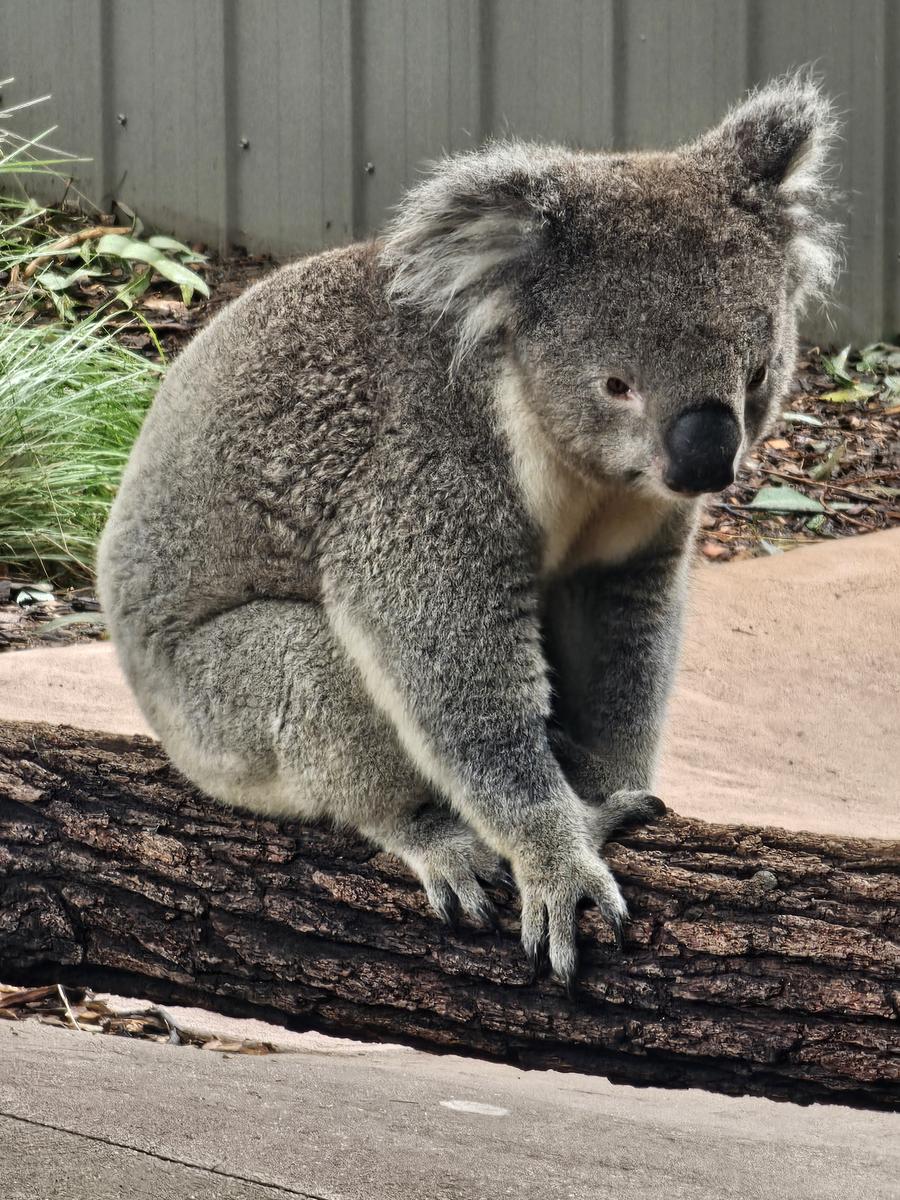
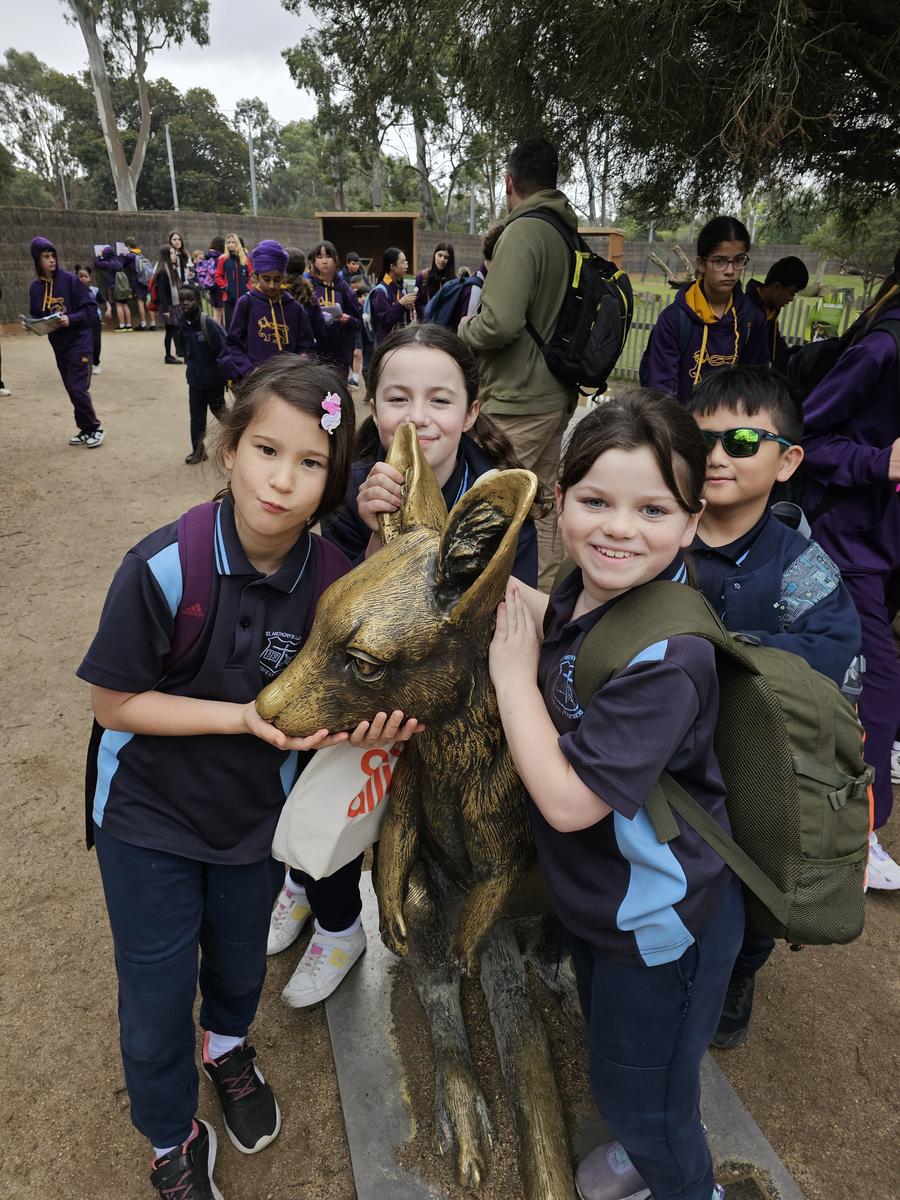
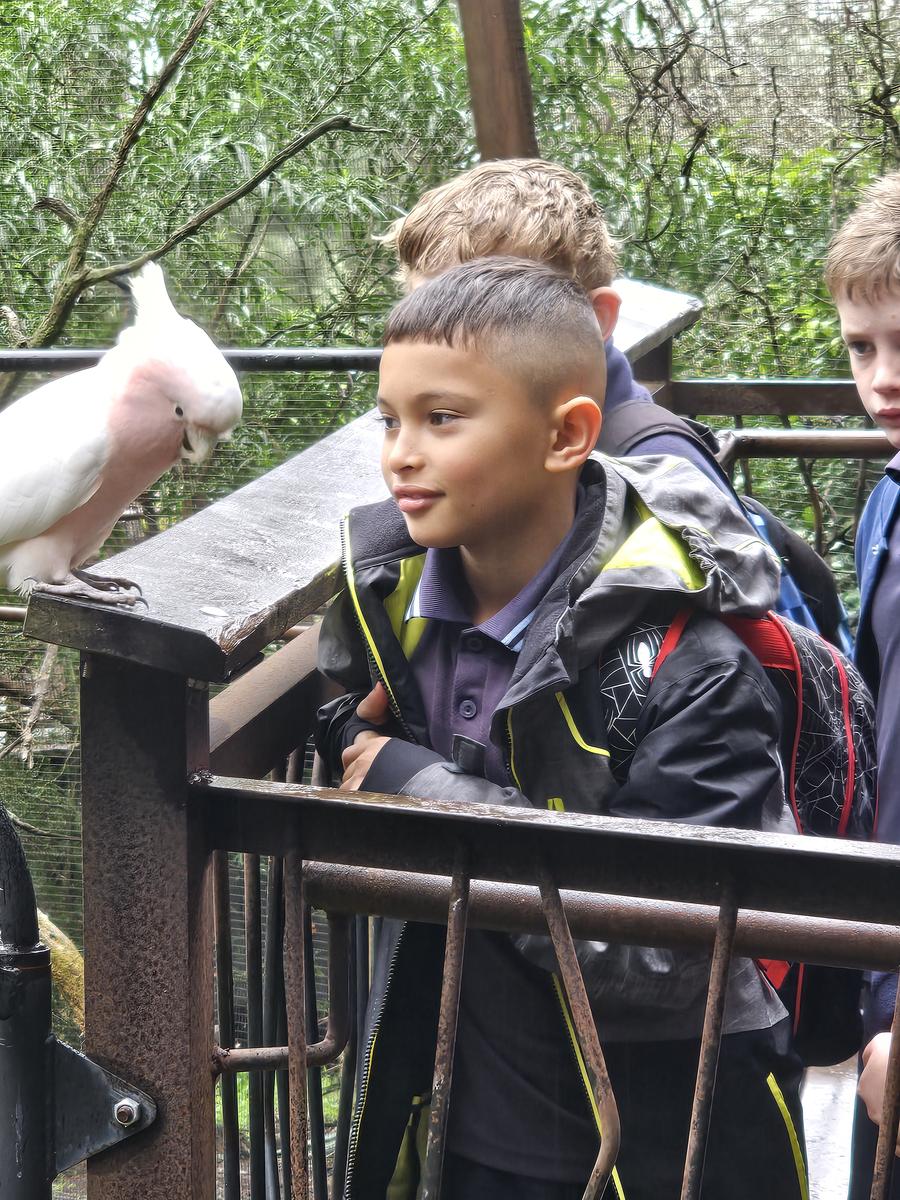
Like all of our classes, Year 3/4 adored our excursion this term to Melbourne Zoo, what a wonderful opportunity to experience our learning in person, surrounded by living, breathing, adorable animals!
This term, our Biological Science unit in Year 3/4 has explored a couple of key ideas.
Early in the term, we asked students to define what a living thing actually is. If you have never asked yourself this question, it can be a surprisingly tricky one to answer!
Here is a glimpse of how that conversation unfolded:
"A living thing can move."
"Like a bus or a car? What about trees, can they move?"
"No... a living thing grows over time."
"You mean like when I put water into a sponge and it gets bigger?"
"A living thing can make noise."
"Like a phone or a TV speaker?"
This was a wonderful classroom discussion, as students quickly began to realise the depth of the question! Together, we discovered that there are actually around eight criteria that must be met for something to be classified as a living thing.
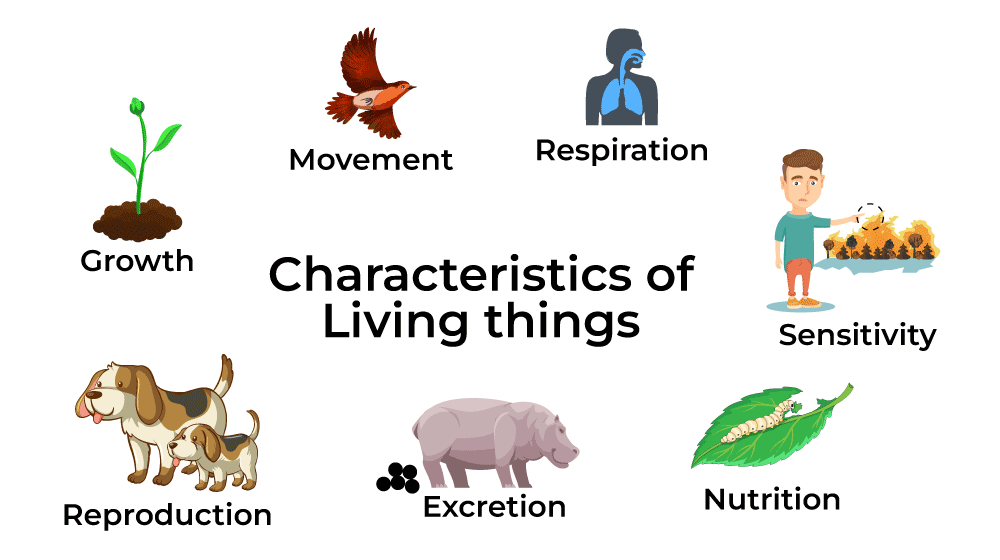
Students enjoyed researching and defining these criteria. When we visited Melbourne Zoo, we discovered that our Keeper Talk connected beautifully to a number of them! For example, we learned about the movement of koalas, they actually have a special plate of cartilage in their base that allows them to sit in trees for hours!
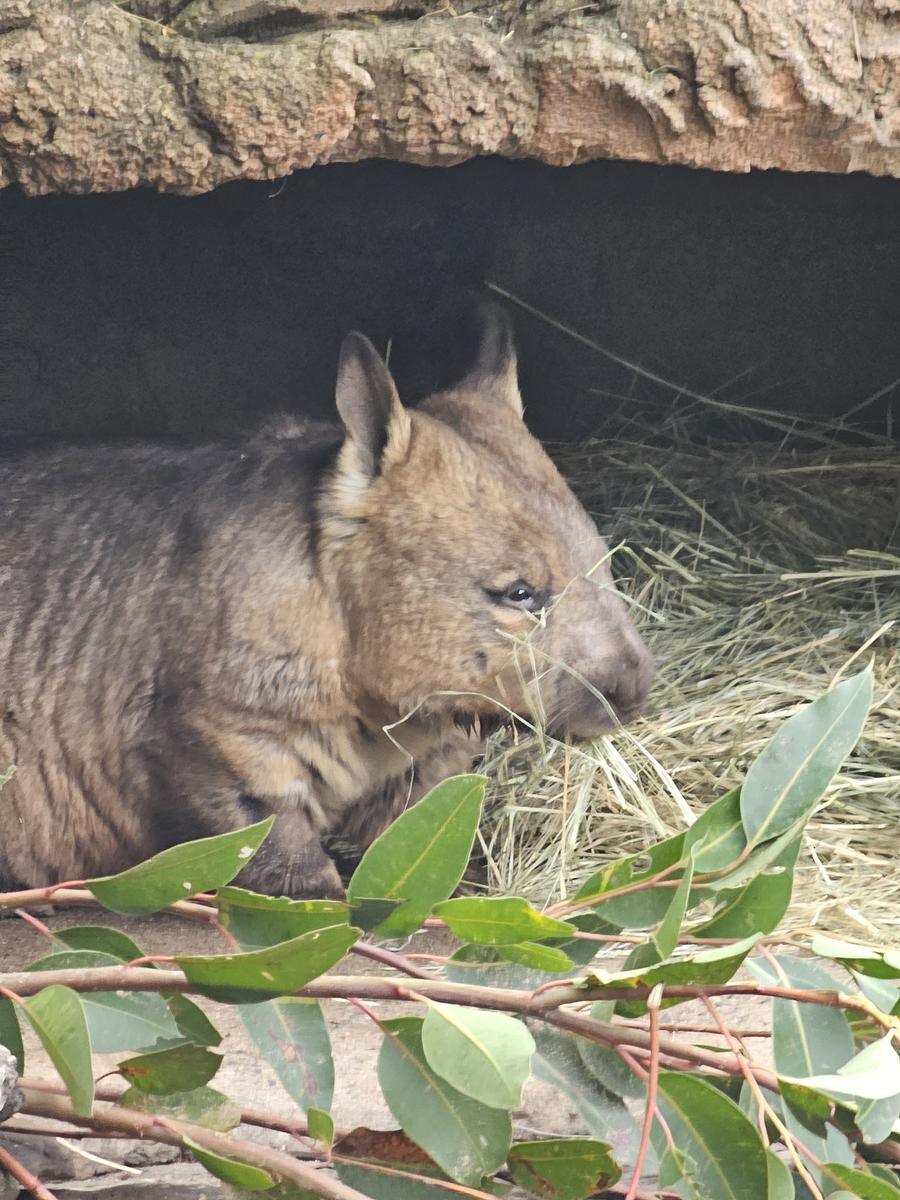
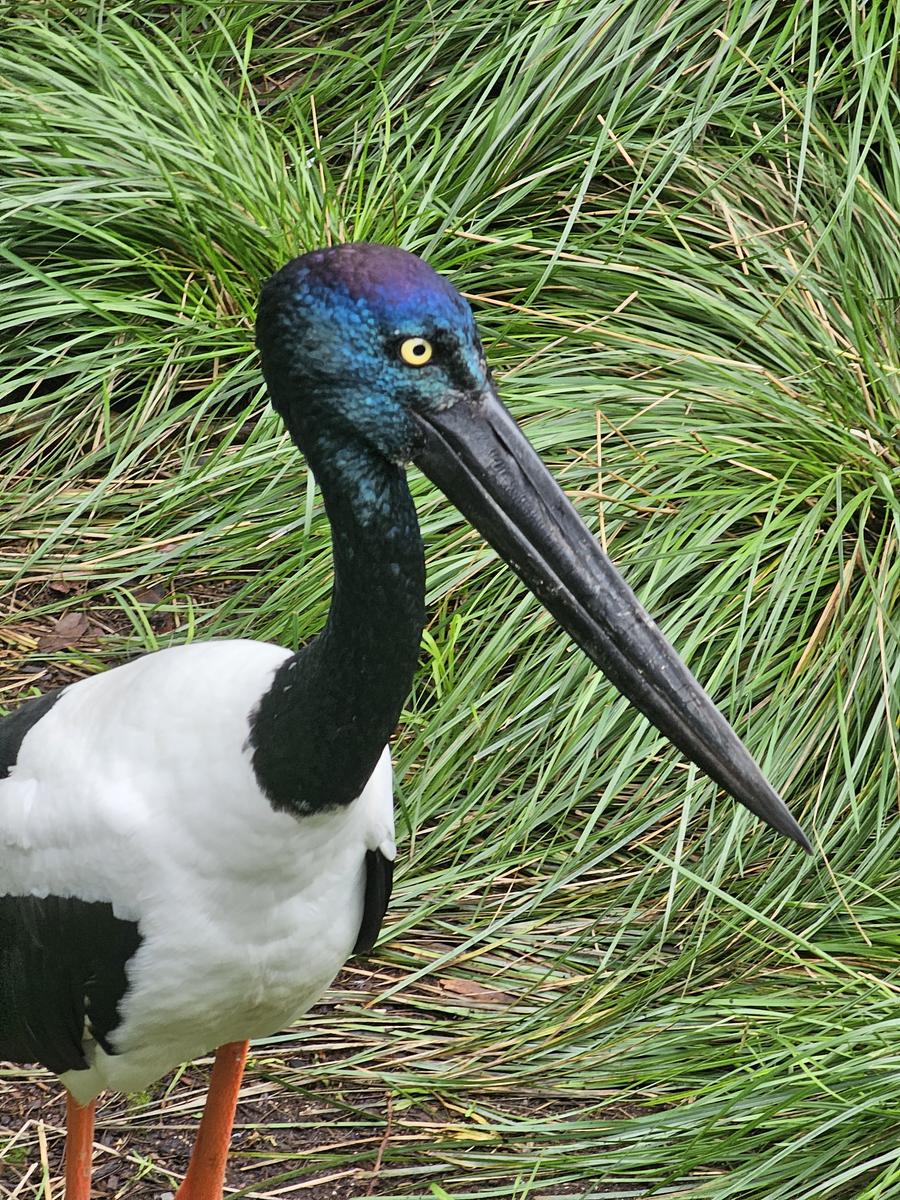
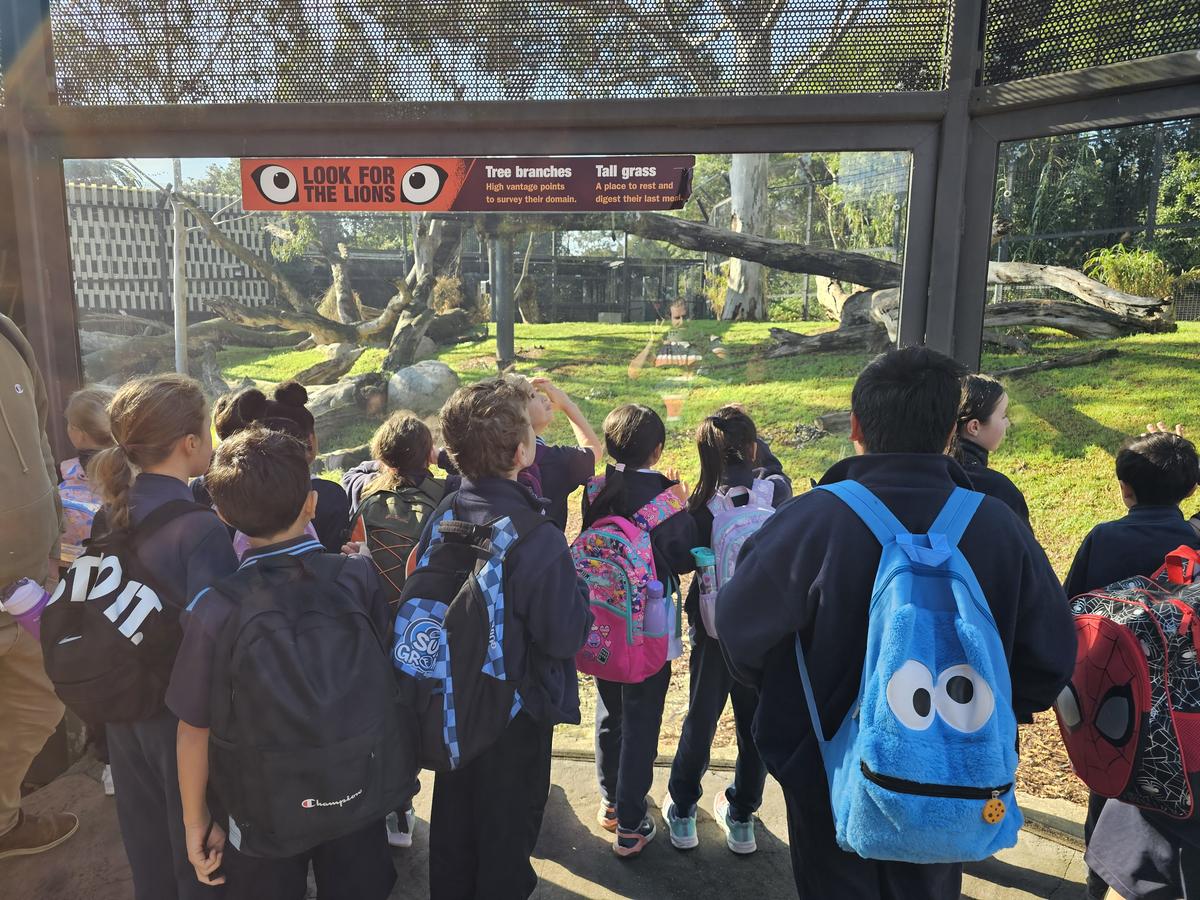
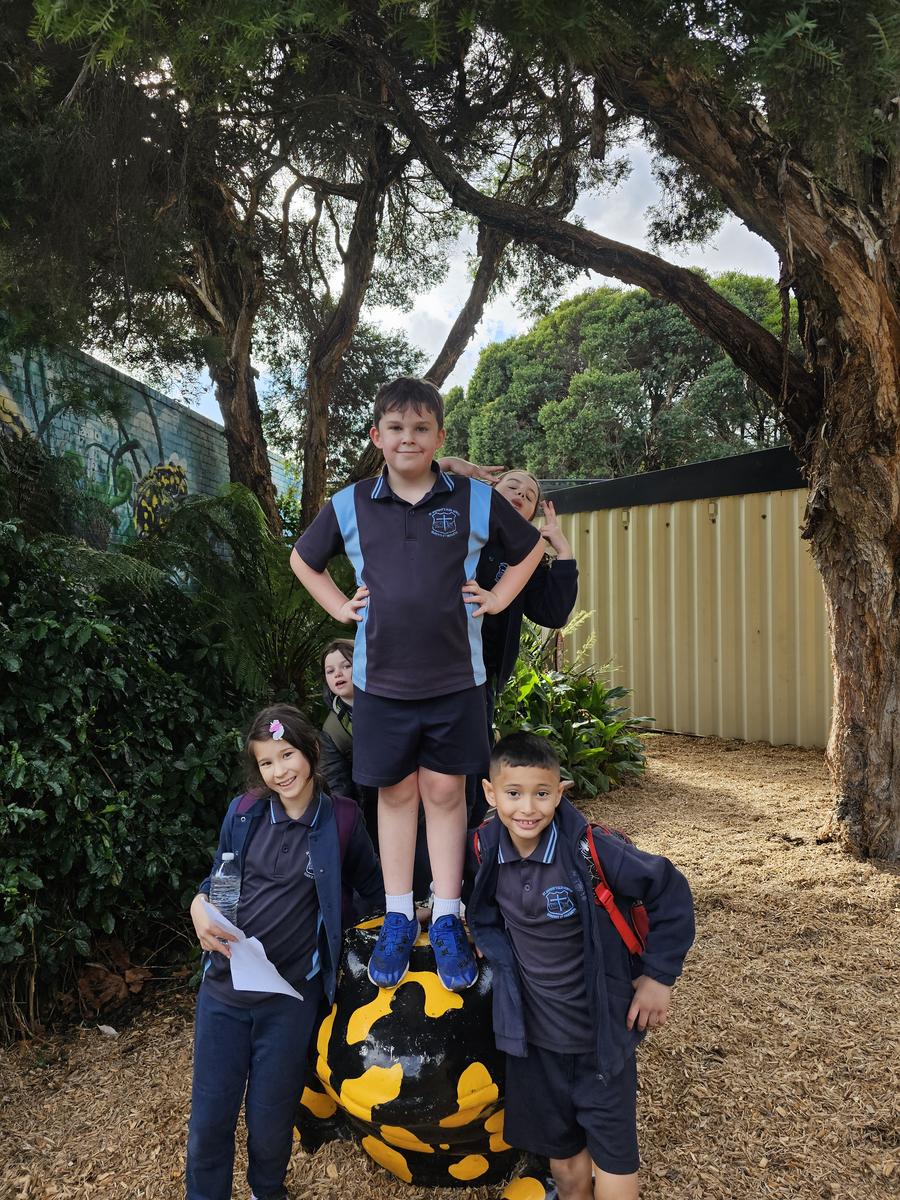
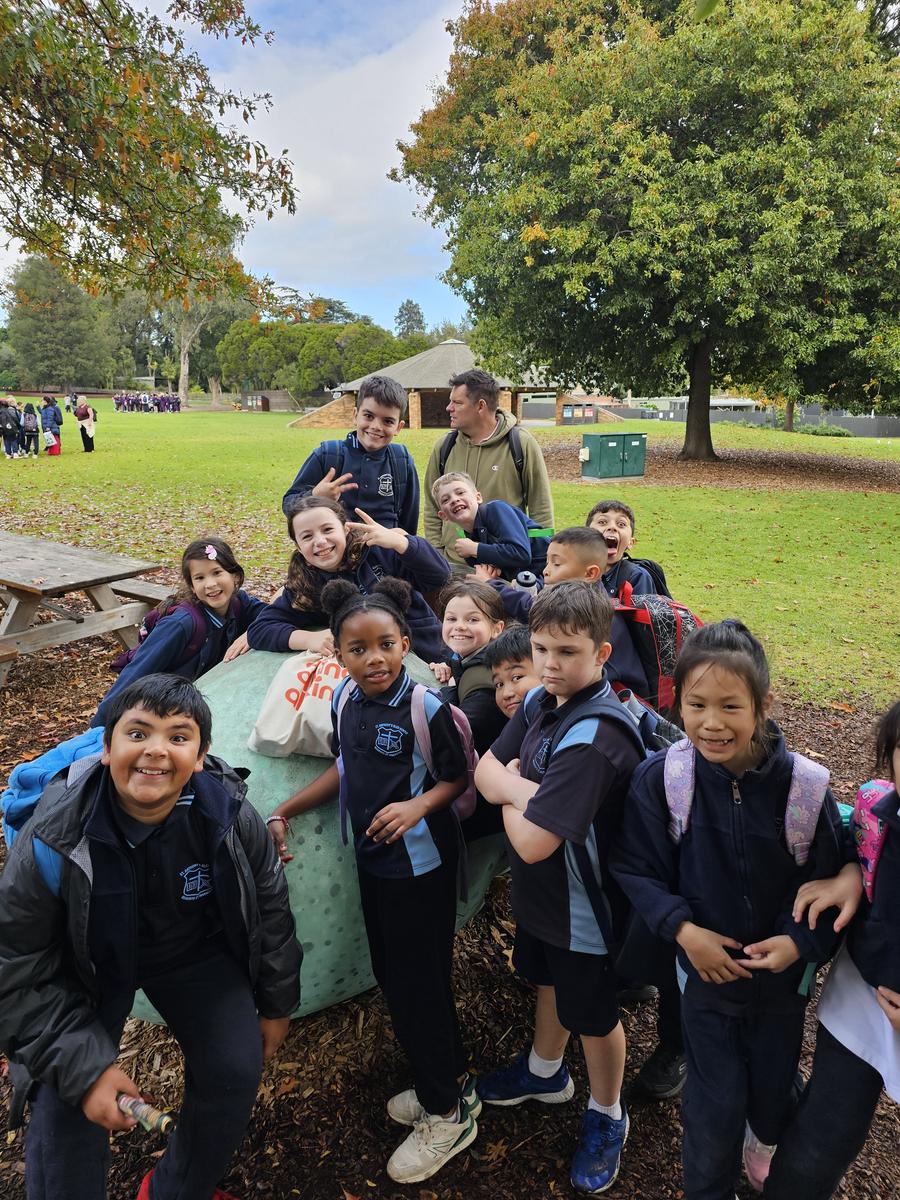
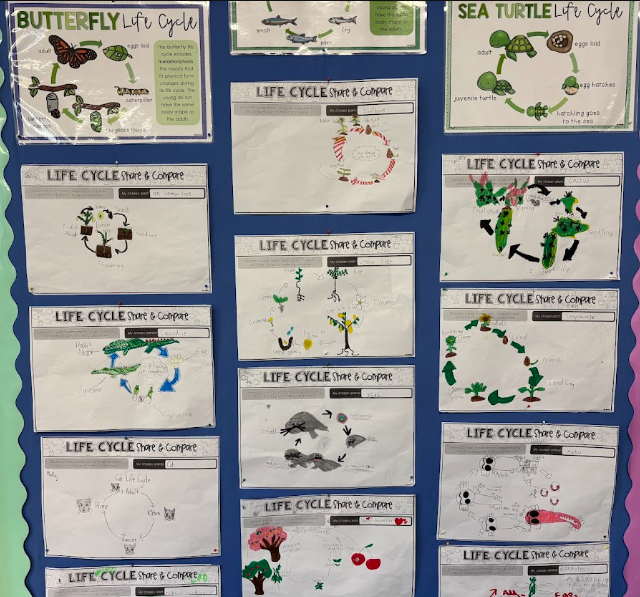
Diving deeper into the unit, students began exploring the life cycles of plants and animals. They discussed and researched how some living things, like humans, don't change dramatically from birth, they are simply smaller versions of what they will one day become! Whereas some living things change in size and appearance quite dramatically, like butterflies, or seeds that grow into towering trees.
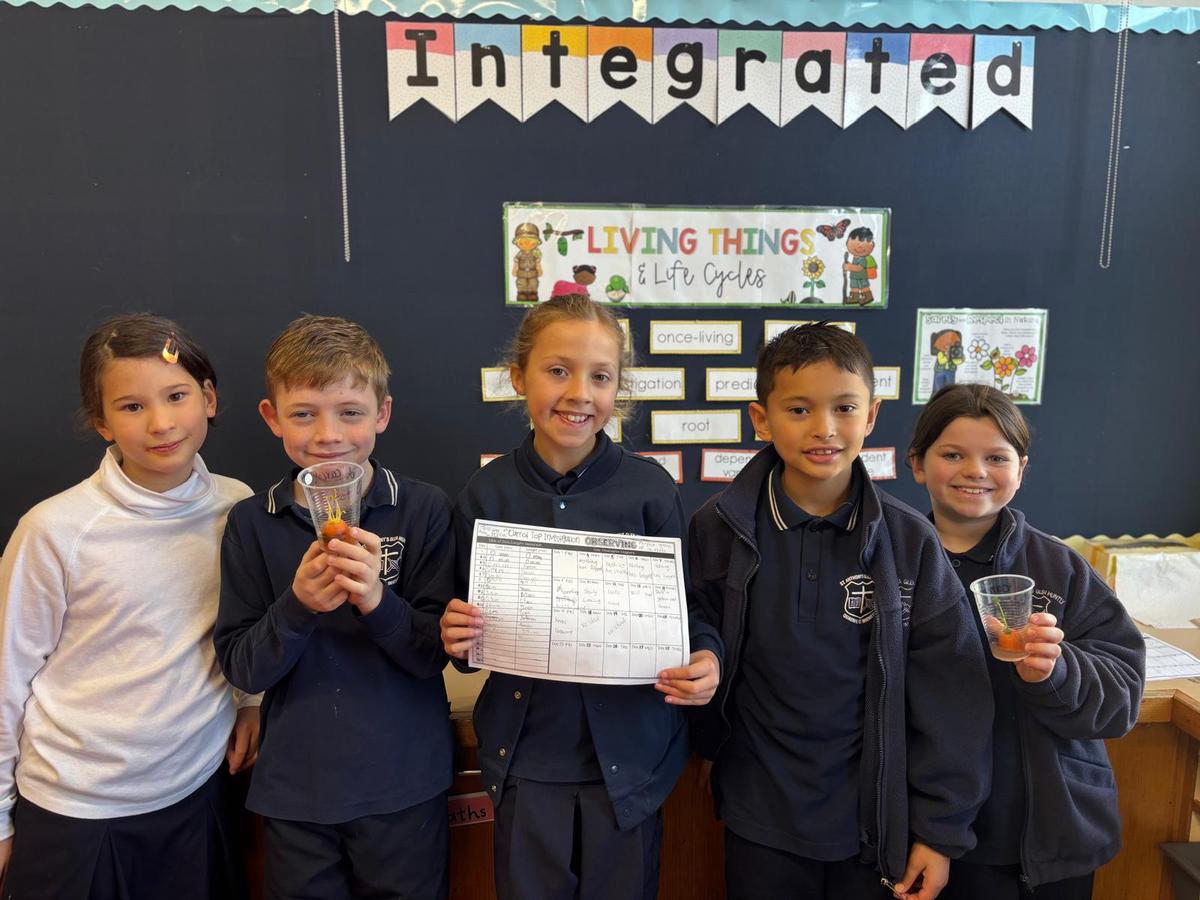
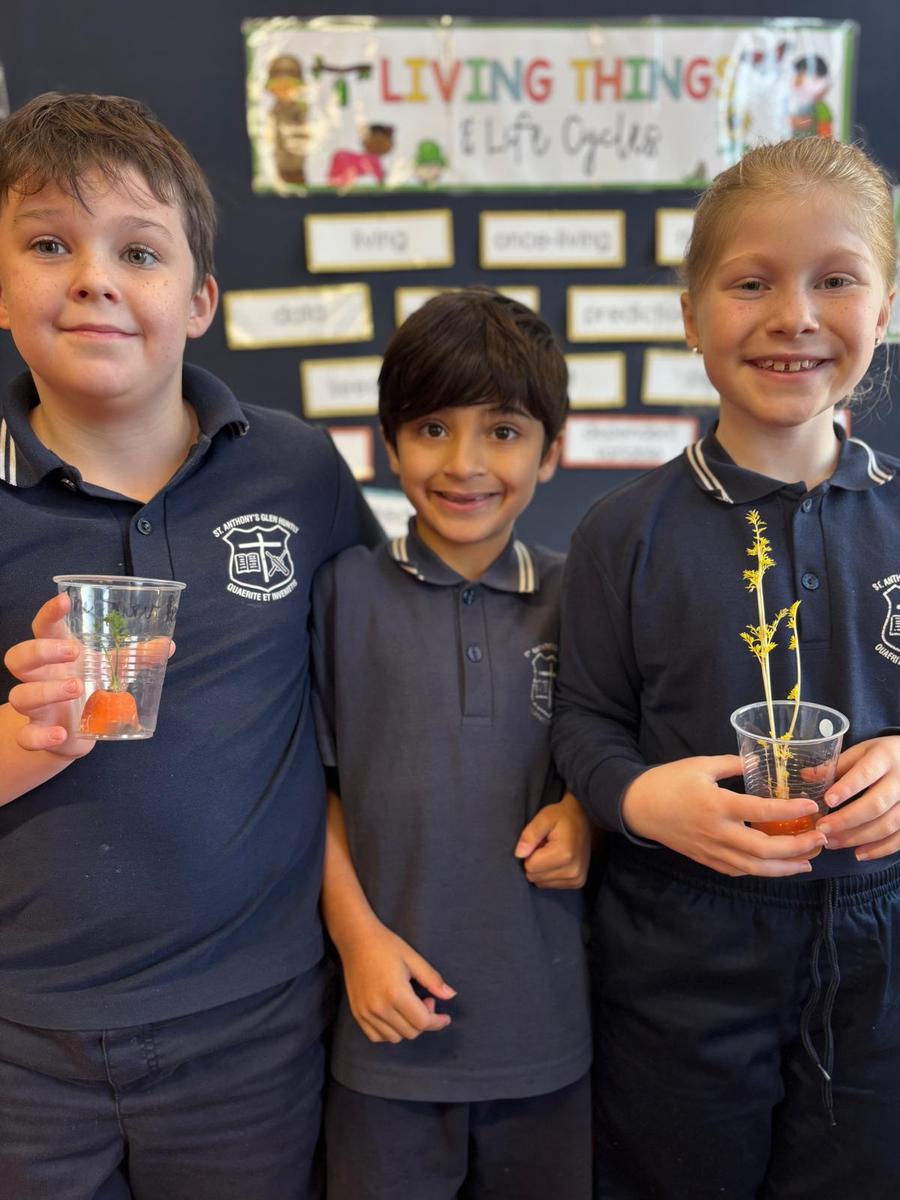
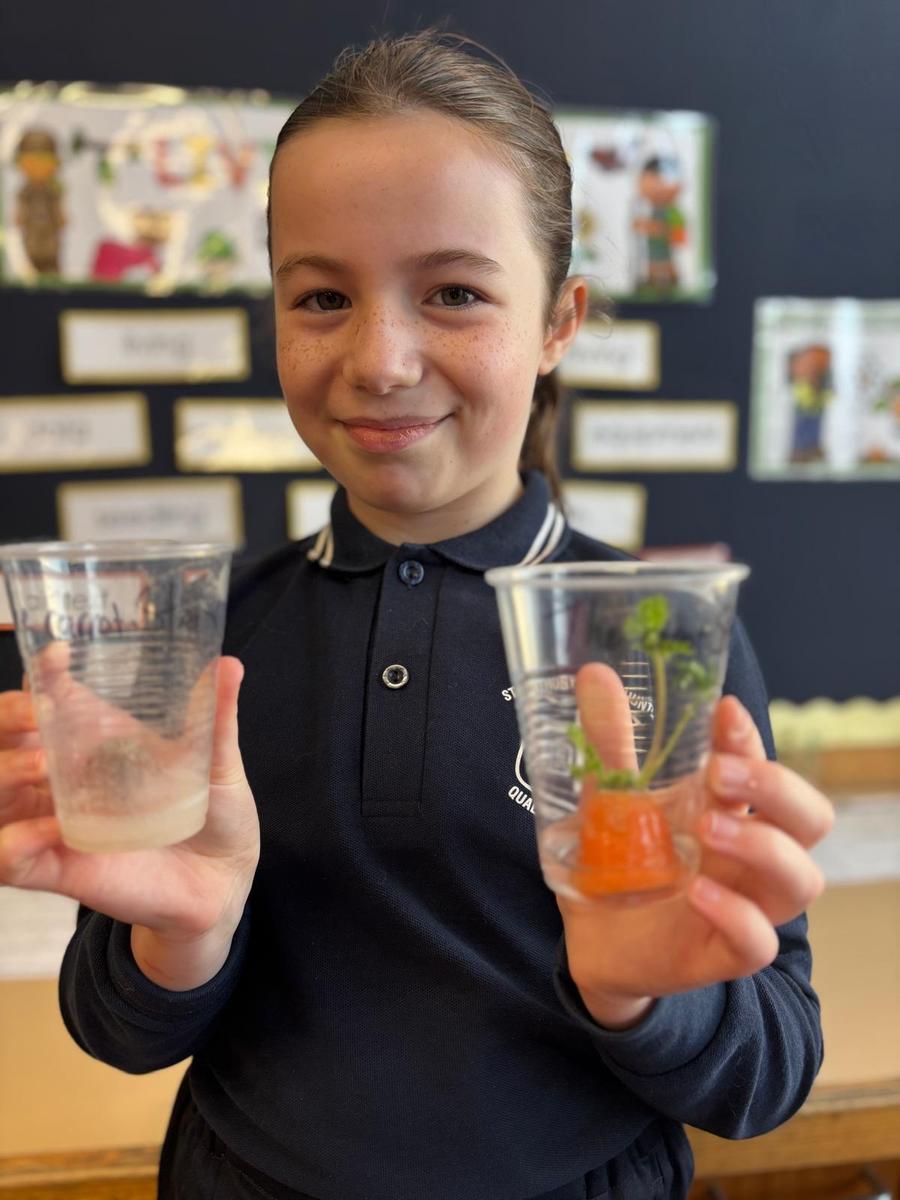
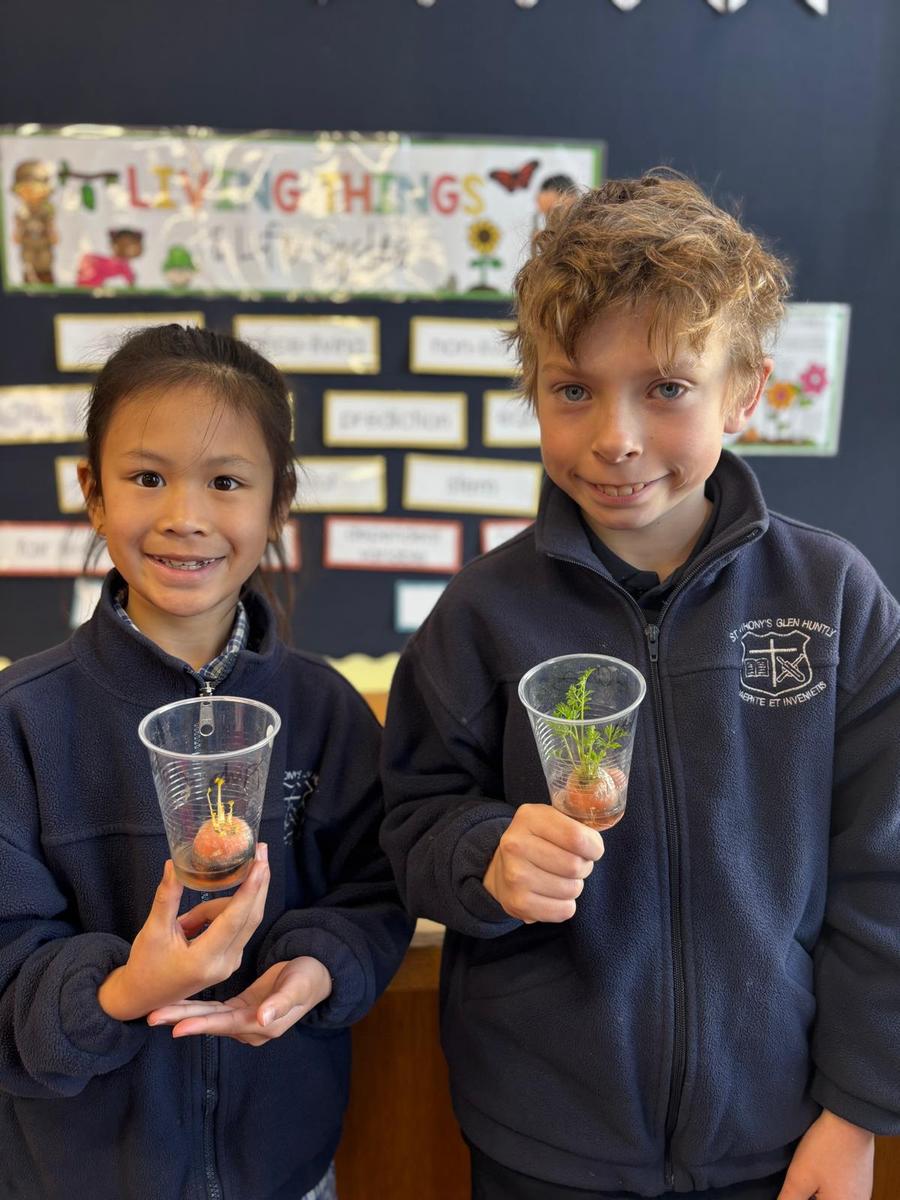
Students have adored completing their carrot top experiment in class, where they have seen the impact water and sunlight have had on carrots growing. We have had some very different results from student to student, but each day begins with a pleasant rush to check how the growth is going!
Writing
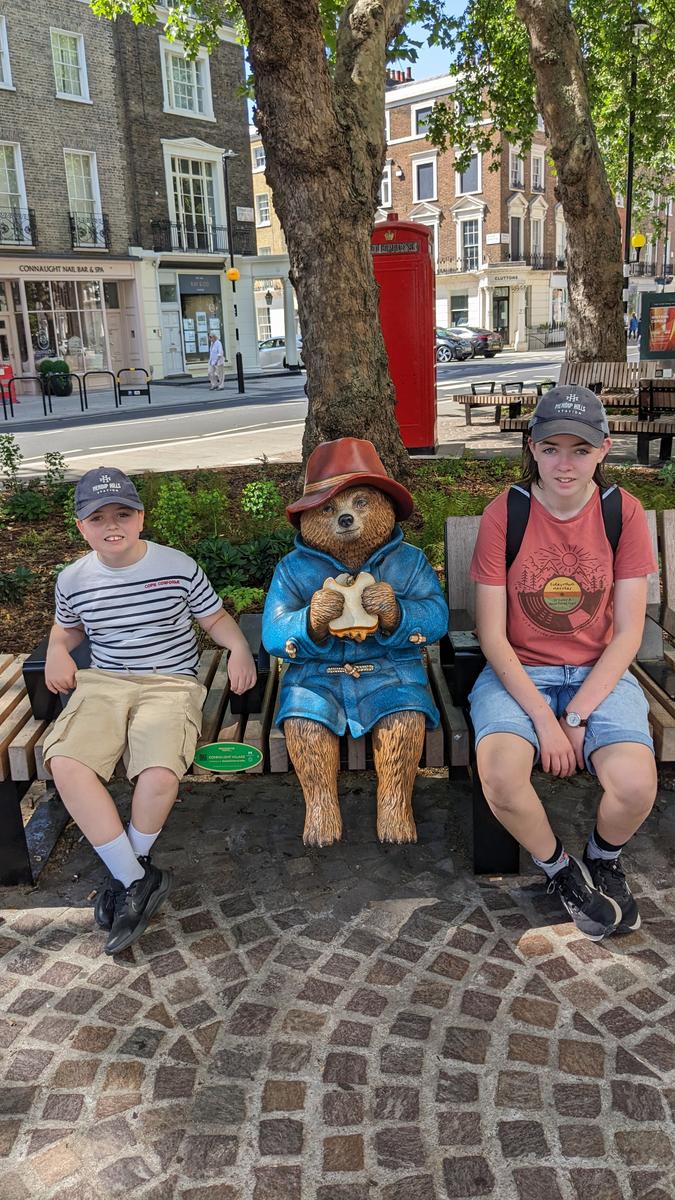
This term we have been completing some very important writing tasks, none more so than our regular emails to Peter, who is currently travelling through Europe with his family! We love writing these emails together as a class and updating Peter on everything that is happening, as he shares about his trip as well!
Further to this, our class has also been focusing on Information Reports as their writing genre this term, which links in beautifully with our integrated learning!
Some of the key skills our students have been practising include:
- Editing and reviewing their work for clarity, correct spelling, and grammar.
- Organising their writing into body paragraphs to best structure their information.
- Using devices and other resources such as books to research and find interesting facts for their reports.
Taking existing information and rewriting it in their own words and voice.
Year 3/4 students have completed many writing activities to help promote all of these skills, as well as constructing reports on a variery of topics. We have asked students to write Information reports on animals and plants, but there has also been the opportunity to unpack some other interesting topics too! Please find a few examples below of some really well written body paragraphs from Information Reports:
The Great Barrier Reef looks like a giant, glowing rainbow underwater because it has vibrant shades of pink, purple, blue, green, yellow, and orange. Coral are actually tiny animals, and they get their wild colours from tiny plants called zooxanthellae that live right inside them. -Molly
Samsung was founded in Daegu, South Korea by Lee Byung- Chul. The first things Samsung sold wasn't any type of technology, it was noodles, dried fish and more types of food you usually buy at the supermarket! The first technology Samsung sold was in 1969 and it was a black and white vacuum tube TV. The TV from 1969 was way different looking than the modern ones we have today! -Hector
Pokemon began as a video game released on the 27th of February 1996. When it was released there were actually two games! One was called Pokemon Red, and the other Pokemon Green, and they were slightly different to each other. The games came out on Gameboy. The man who started it was called Satoshi Tajiri and he was from Japan. -Noah
Pizza is an Italian food, that started to be made in Naples in the 18th Century. Pizza can have lots of toppings or flavours. You can make pizza at home using a couple of ingredients like flour, eggs, butter and tomato paste and lots of other things. Hawaiian pizza is not made in Hawaii but it is actually made in Canada and has pineapple on it. Some people like it, some people think pineapple doesn’t belong on pizza! -Koko
Youtube became popular in mid-to-late 2006. While the site launched in 2005, it turned into one of the fastest growing websites in the world! The first ever video on Youtube was called 'Me at the Zoo' of a man at the Zoo. Today Youtube is the second most visited website in the world! - Holly C
Mathematics
This term students have spent a lot of time looking at different types of Measurement. This has included making estimations of items in the classroom based on their size, then measuring them with rulers and other tools.
Students loved an independent activity where they delved through the IKEA website. Students found different items for sale, and noted down their size! They organised the items they found from smallest to largest based on their height. After this activity we may need to double check the website to find out exactly what a PÄRLHÄGG, TÄRNMÅS or a SOLSKYDD are, but we certainly know their height!
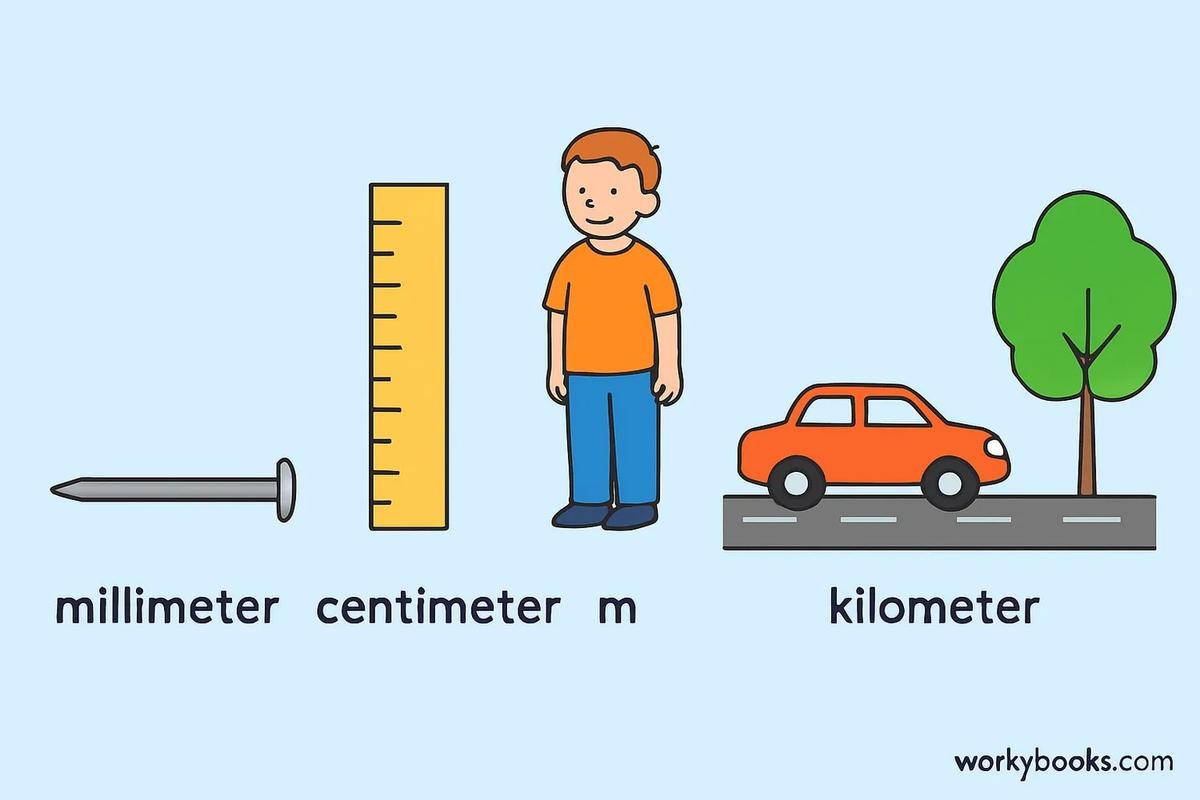
Students have unpacked the concept of our different metric units of measurement, understanding the importance of having MM, CM, M and KM to measure the size of different things.
Further to this our Year Four students have been practicing the skills of Perimeter and Area, and how we calculate them.
So much more!
We wish we could write a bit more, but we might need to leave it there! We are so very proud of all of our Year Three Four students, and the work they have put in this term. When holidays roll around they will definitely be deserving of a nice break!
Thanks so much!
The Year 3/4 Team
Tim O'Mahoney, Marie Georgiadis, Jo Kirkham, Vesna Simic and Carla Whitfie