
Learning and Teaching
The Journey to Reports
Learning and Teaching
The Journey to Reports
Quick, without Googling, answer the following questions in your head!
How did you go? Did you know them all? Check the answers below!
Italy (48% of adults living there have at least one tattoo!)
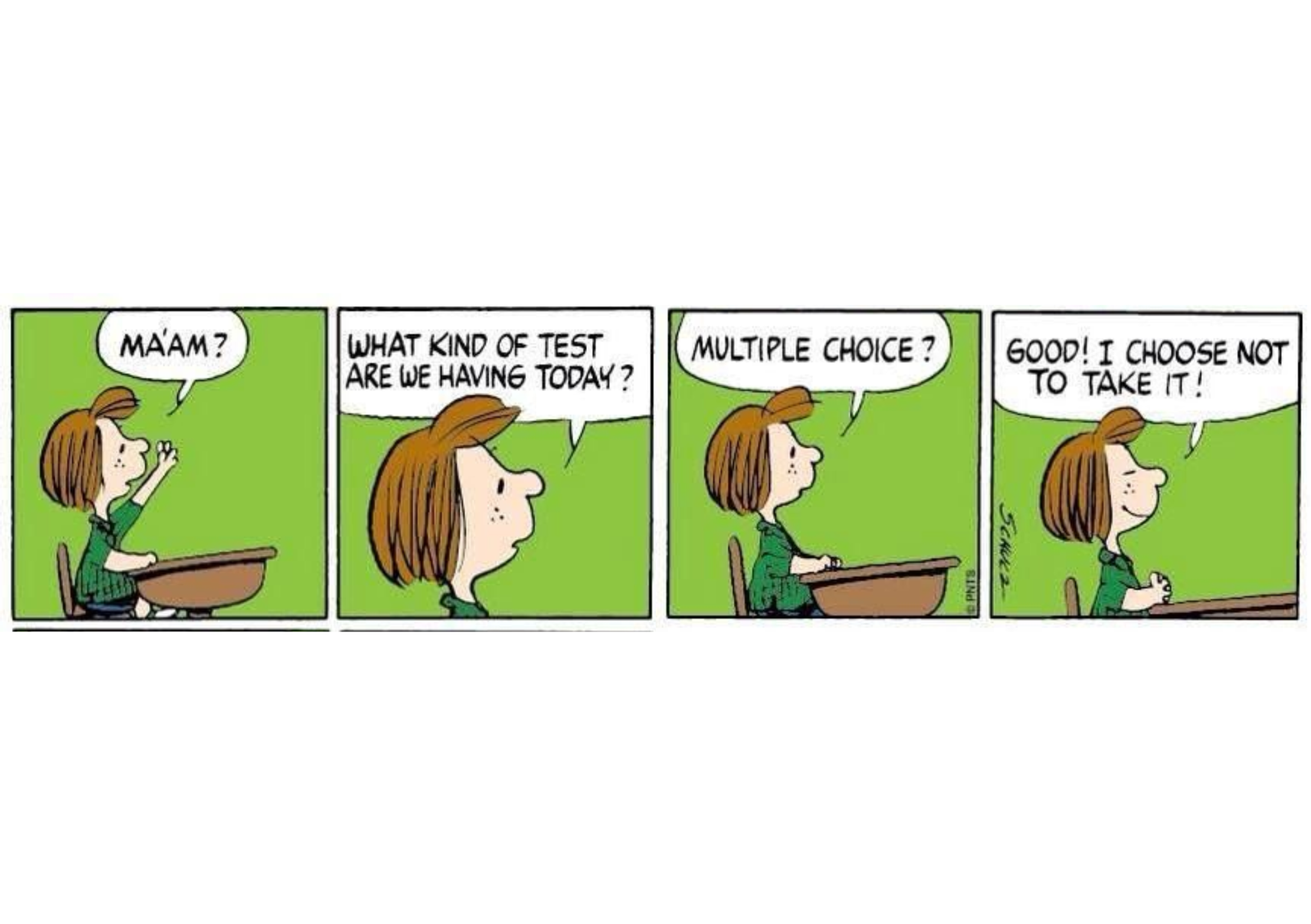
Now that you've completed the quick quiz and received a score out of five, we still can't make a definitive judgement about your geography ability. Getting none of the questions correct doesn't necessarily mean your geography skills are weak, just as scoring 5/5 doesn't automatically mean you're ready to become a Geography professor!
With our student reports being sent out soon, we thought we would unpack exactly the same concept with the strengths and challenges of our students.
At St Anthony's our reports are completed in a methodical and detailed way, and every single score and comment is supported by a range of data. Let's unpack that a bit now!
Triangulation
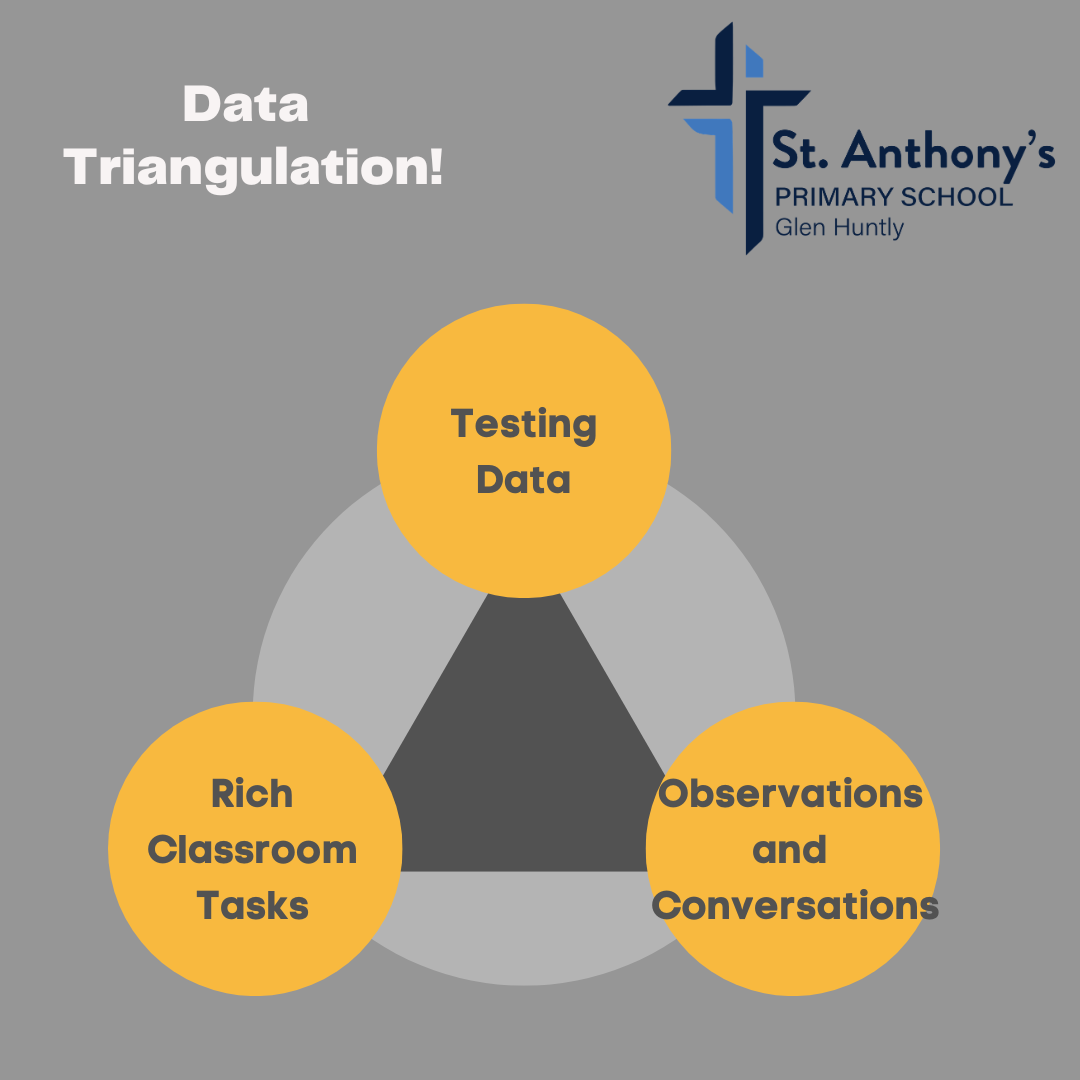
All staff at St Anthony's follow a model called Data Triangulation when completing student reports. This model has three distinct elements that help teachers paint a complete picture of each student's ability. We pride ourselves on knowing all of our students thoroughly, and this is one of the ways in which we achieve this!
Testing Data
Tests remain an important element of understanding our students, though these are conducted in a nuanced way. Testing Data may include unit assessments, for example, after completing a unit on multiplication, a teacher may design a test to gauge how students have progressed.
Testing also encompasses Progress Monitoring. Some of our key assessments in Literacy and Mathematics take place two or three times across the school year, with students completing similar activities at each interval. This approach paints a clear picture of each student's growth over time, which we love to see.
It's also worth noting that testing doesn't always look the way we might expect, a silent classroom and a paper booklet are just one possibility! Testing can also include oral assessments, where students have the opportunity to discuss their understanding directly with their teacher, as well as technology-supported assessments that allow students to demonstrate their knowledge in varied ways.
Rich Classroom Tasks
Another key way of assessing our students' ability is through rich classroom tasks. These can vary widely, from written work completed in students' books, through to larger assignments such as posters or extended projects developed over time.
Our teachers are constantly keeping track of these tasks, which offer students another valuable opportunity to demonstrate their understanding. You may often notice beautiful pieces of work displayed in our classrooms and hallways however behind the scenes, our teachers often hold copies of these in their student files too!
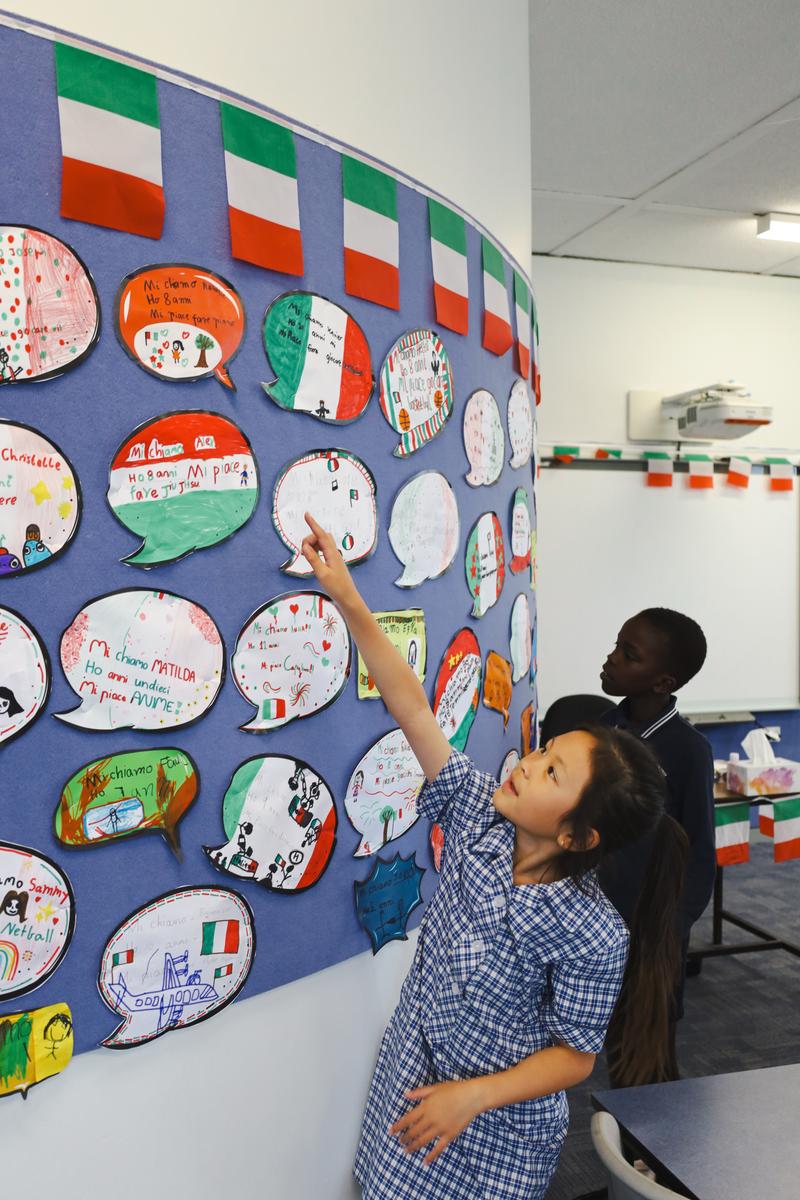
One of the great strengths of classroom-based assessment is that it can feel lower pressure for students, and these tasks are often a lot of fun to create as a class. All work completed by our students across every area of learning is carefully monitored by their teachers, including corrections and notes that help each student continue to grow and develop.
Observations and Conversations
Whole class discussion, when facilitated by our staff, are always a wonderful time in the classroom. We love when students share their experiences, ideas and questions!
This might include a class unpacking a text they have just read, exploring ideas together in a Wellbeing lesson, or coming together to brainstorm strategies for solving a Mathematics problem. We always make sure there's plenty of room for a laugh along the way too!
These discussions also form an important part of our assessment. They allow teachers to gauge the confidence our students have across certain topics, and can indicate where to next, whether for individual students, small groups, or the entire class. Where a shared misconception arises, there is always an opportunity for the teacher to revisit and reinforce what students are working on.
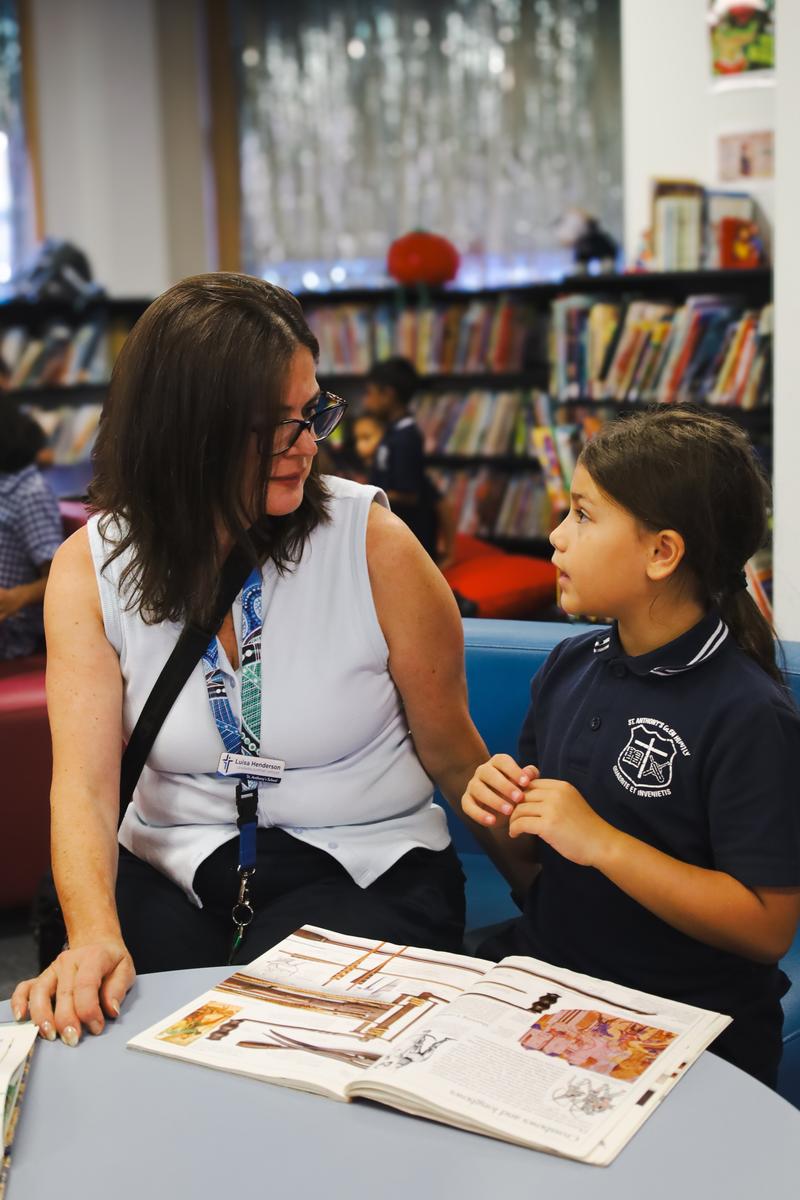
This form of assessment may also include one-on-one conferences between students and their teacher. As mentioned, we pride ourselves on the relationships we build with our students, and we value the moments when students honestly reflect and share how they are feeling about different areas of their learning. Sometimes that means things are going well and sometimes it means there is still some confusion or challenge to work through. Either way, our teachers are right there alongside their students!
We hope this has helped to explain our methodology when approaching reporting. We also hope that when parents receive their child's detailed report, they feel confident that their child is truly seen and valued by their teachers.
We also look forward to our Learning Conversations in Term Three, where teachers, students and parents will have the wonderful opportunity to sit together, discuss reports, and set goals for the remainder of the year.
One final important note, we do not compare our students to one another. Each child is on their own learning journey, with their own unique strengths and challenges. The only comparison we make is to the student themselves, reflecting on how far they have come.
Our staff are here to support all students and families, so please never hesitate to reach out to your child's teacher if you have any questions about reporting or how your child is progressing.
Take care!
Tim O'Mahoney
Curriculum Leader