Year 3 News

Reading
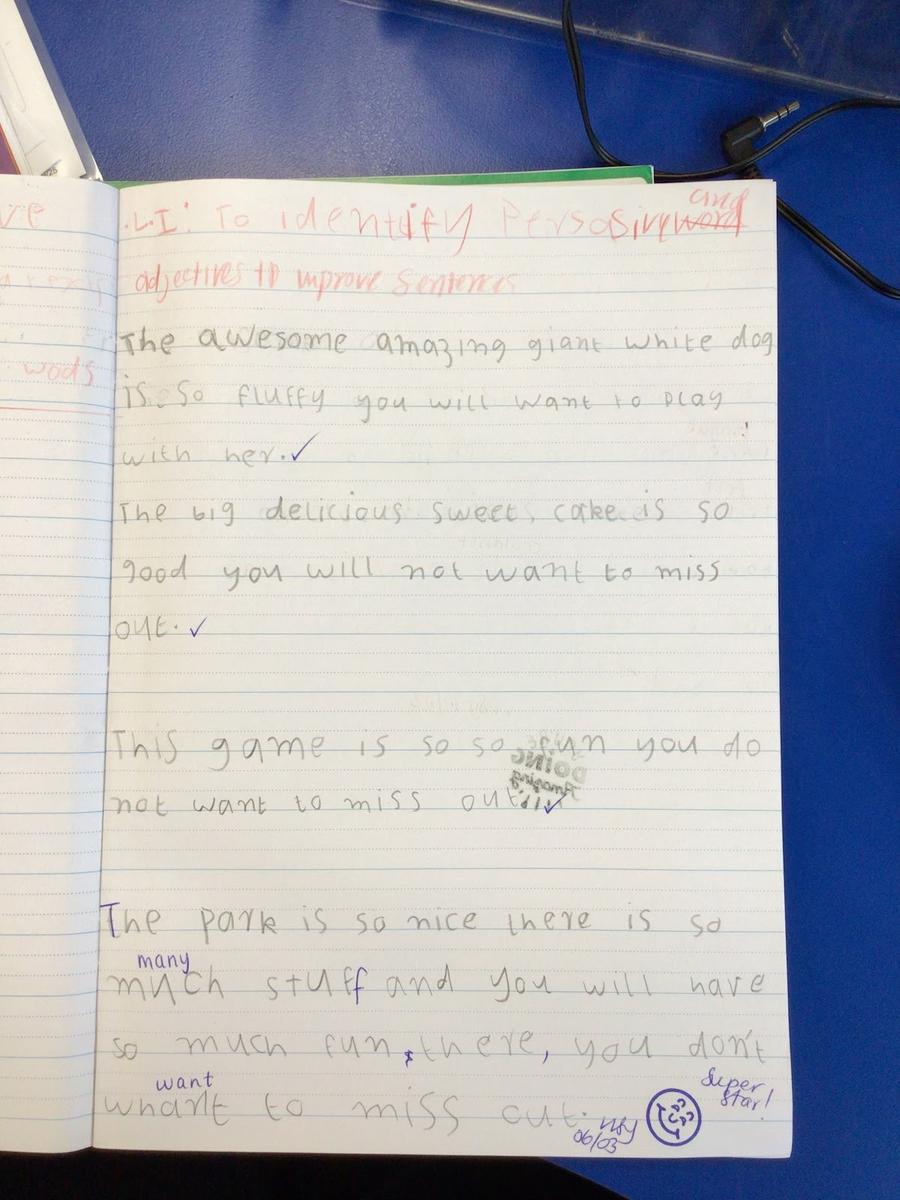
This fortnight, the Year 3 cohort has been exploring persuasive language in our reading and writing lessons. We listened to engaging mentor texts such as Don't Let the Pigeon Drive the Bus! by Mo Willems and The Day the Crayons Quit by Drew Daywalt. These texts helped students understand how authors use persuasive vocabulary to convince others to change their minds.
Students had lots of fun identifying the difference between telling sentences and persuasive sentences. They highlighted and underlined persuasive words and phrases and practised transforming simple telling sentences into more persuasive ones to better convince their audience.
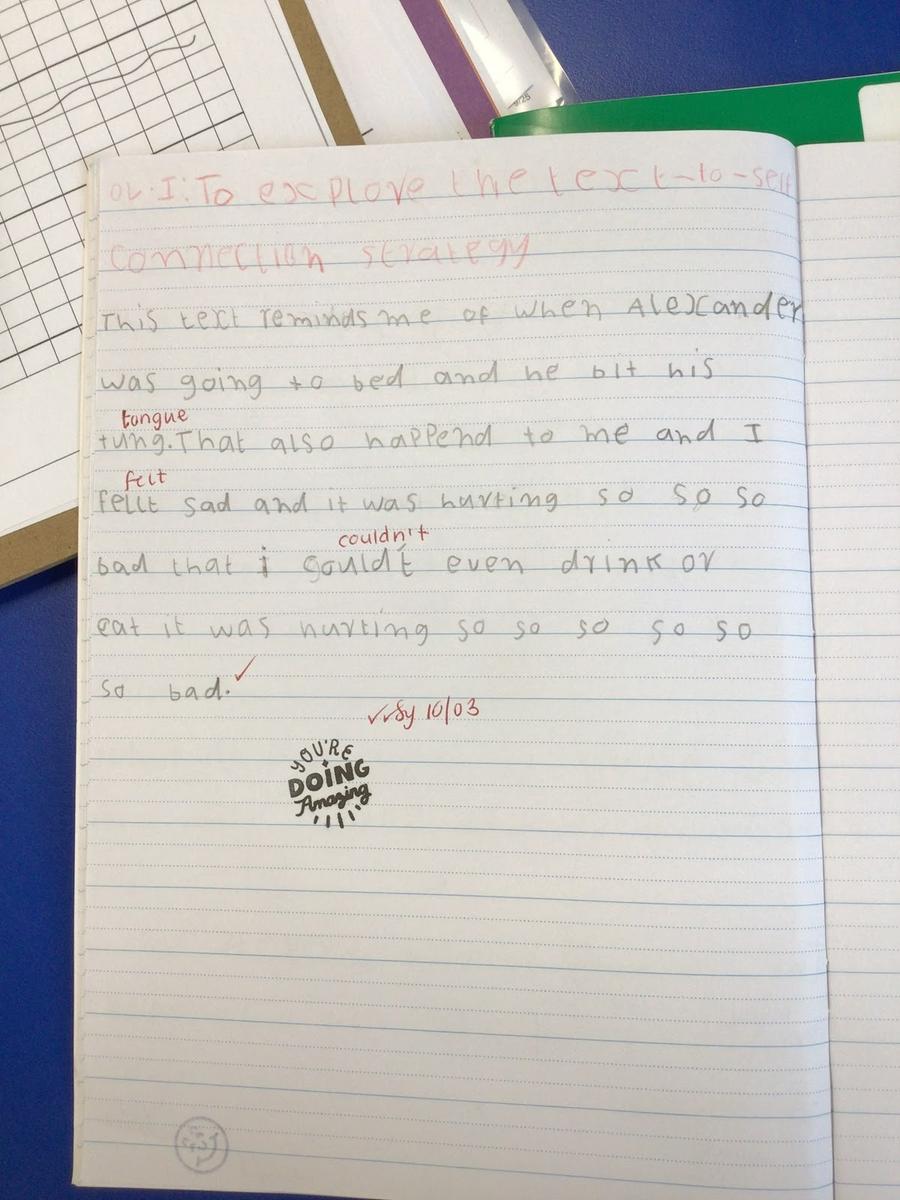
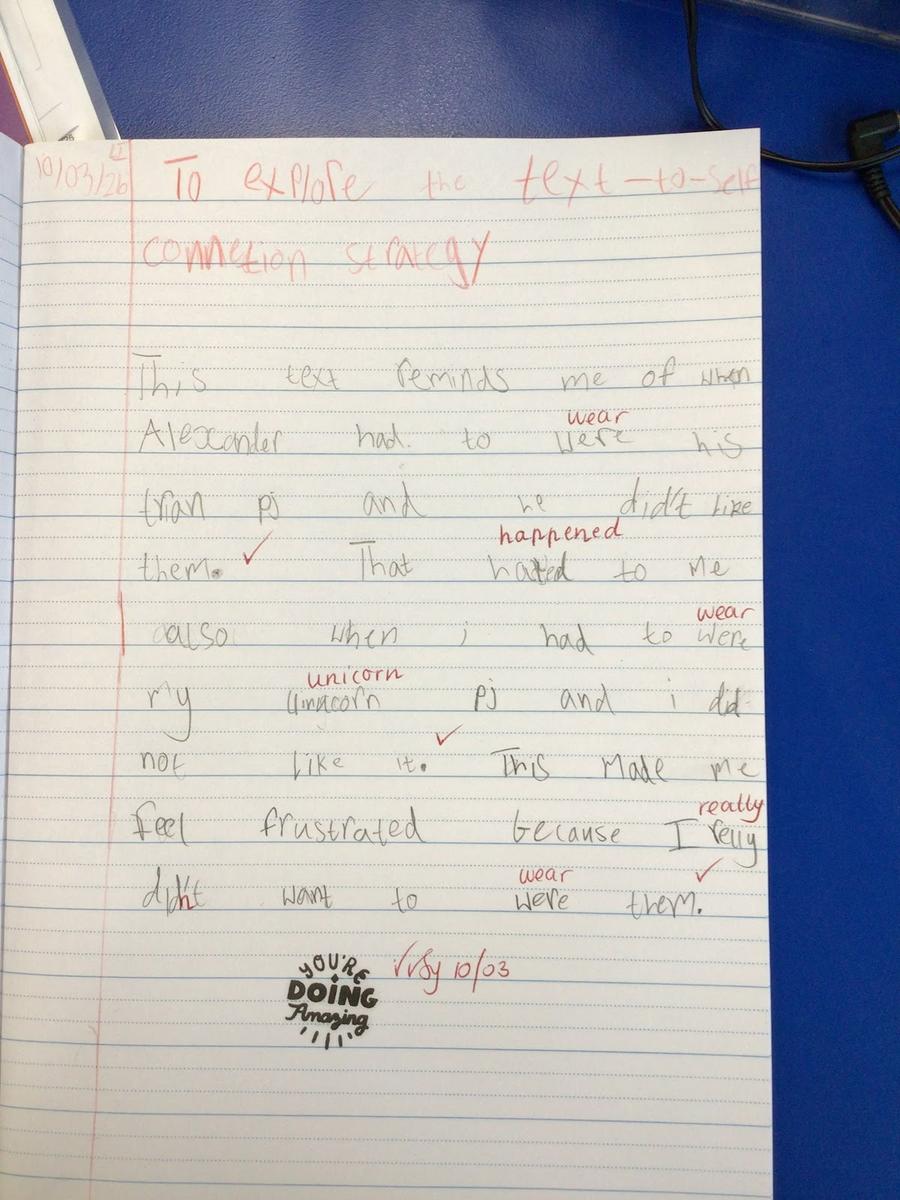
We also began exploring how readers make connections when reading. Out of the three types of connections, we have been focusing on text-to-self connections. Students are learning how to relate their own experiences and emotions to those of characters in a story, helping them build a deeper understanding of the text.
Writing
Over the last fortnight, the Year 3 cohort began their learning with grammar and punctuation, focusing on the prefix “de-”. Students learned that the prefix “de-” can change the meaning of a base word. For example, the word construct becomes deconstruct. We explored the meanings of these words together to build students’ vocabulary and understanding. After unpacking the definitions, students practised using these new words by placing them into their own sentences.
In our reading and writing lessons, students continued developing their understanding of persuasive language. They applied this knowledge to their writing as we explored the persuasive text genre. Students participated in a fun debate topic: “Cats vs Dogs – which is the better pet?” They wrote their own persuasive texts explaining their opinion and providing reasons to support their choice, using strong and convincing vocabulary to engage their audience.
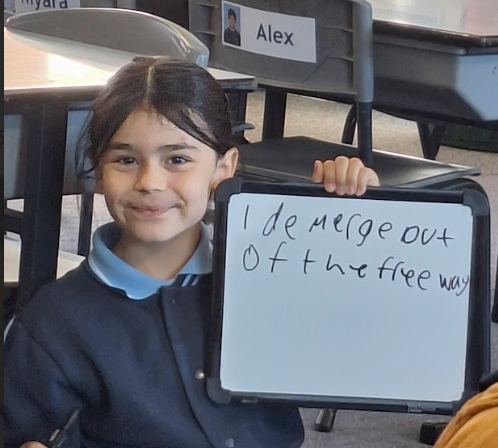
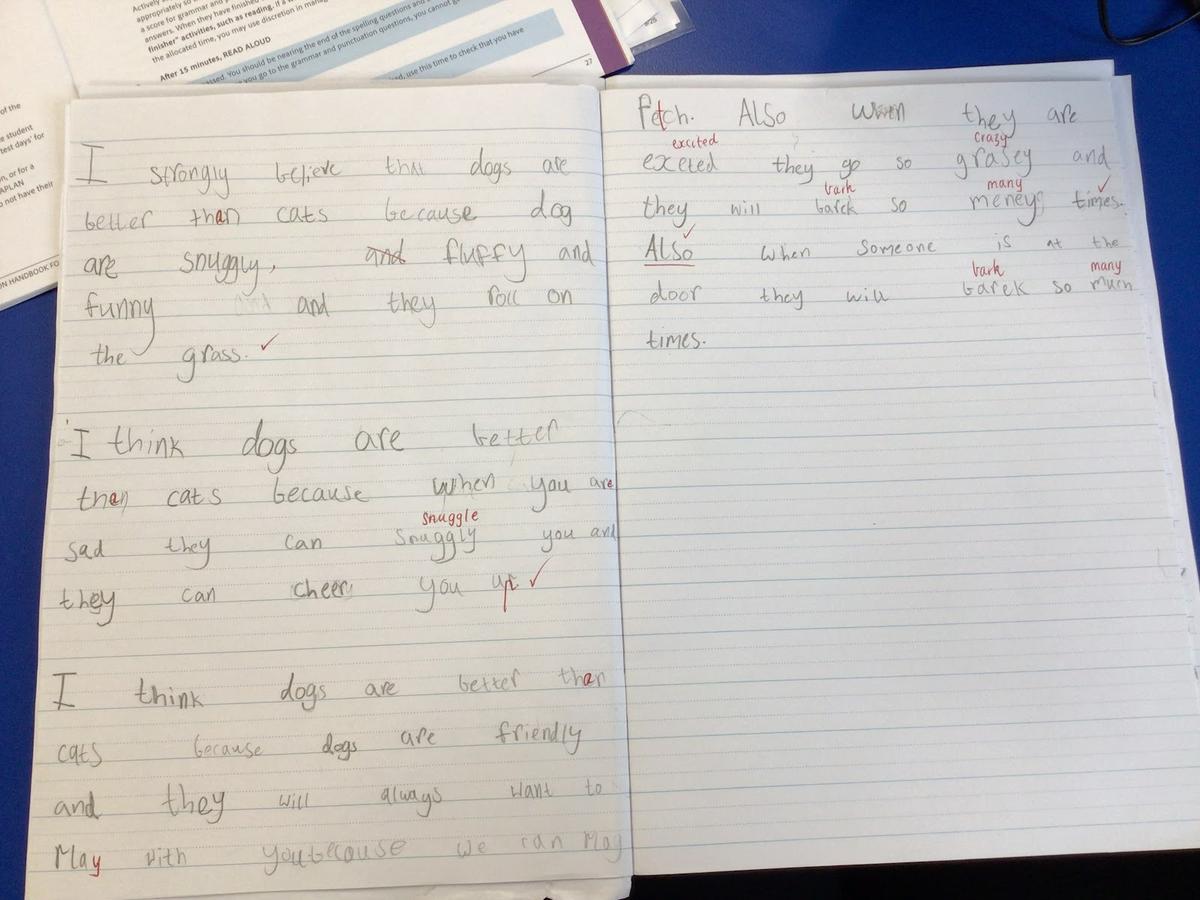
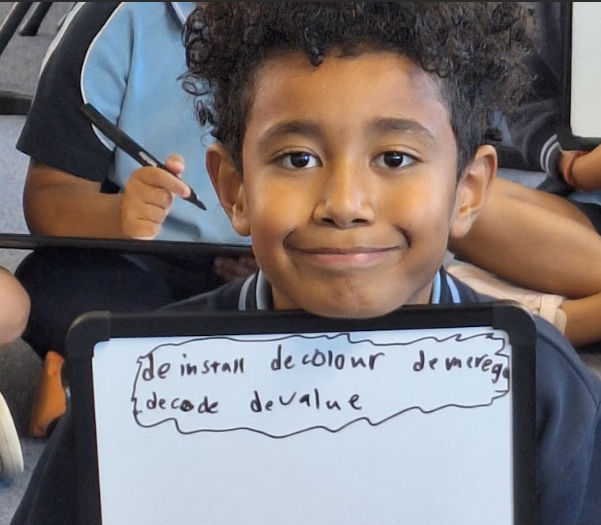
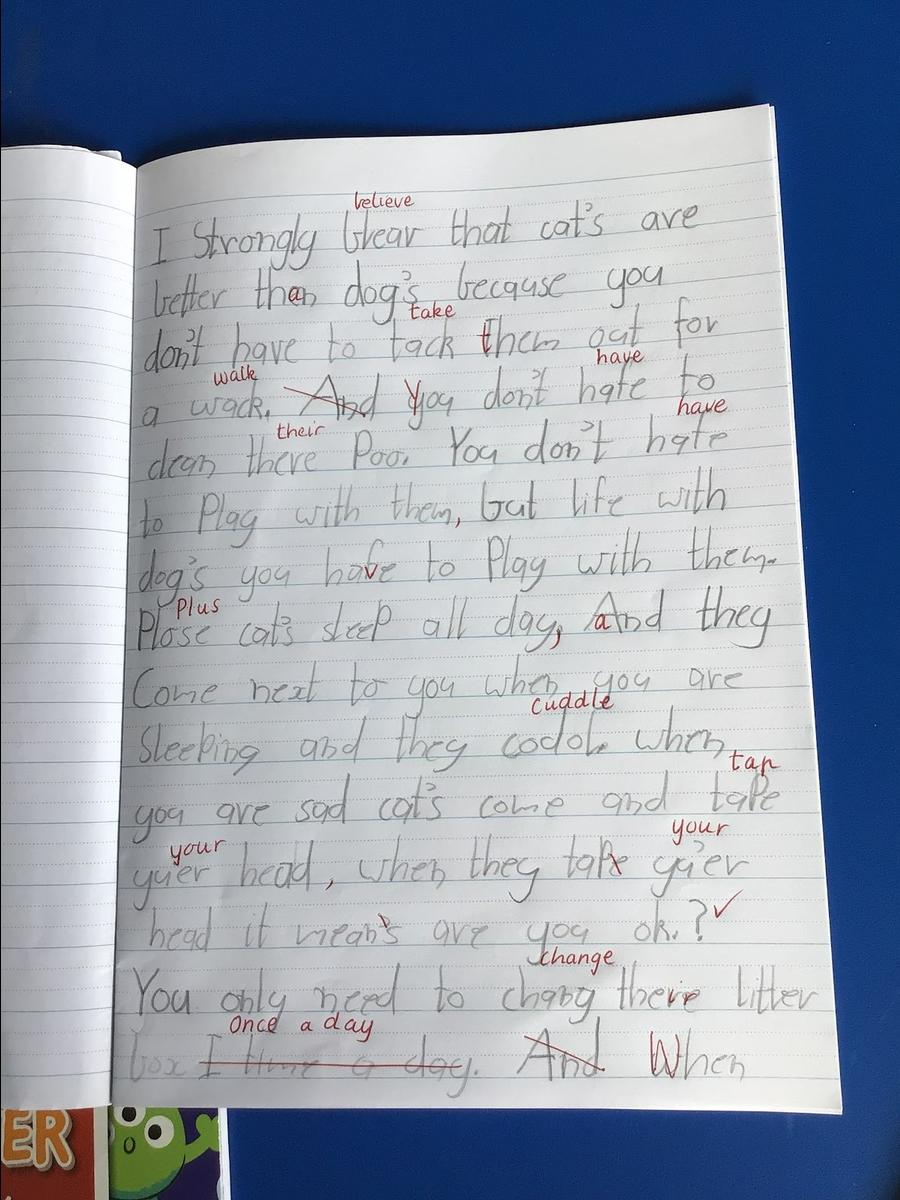
“ I believe dogs are better than cats because they are friendlier” - Aliyah 3B“Decolour means when you take colour away from something” - Indianna 3B
Maths
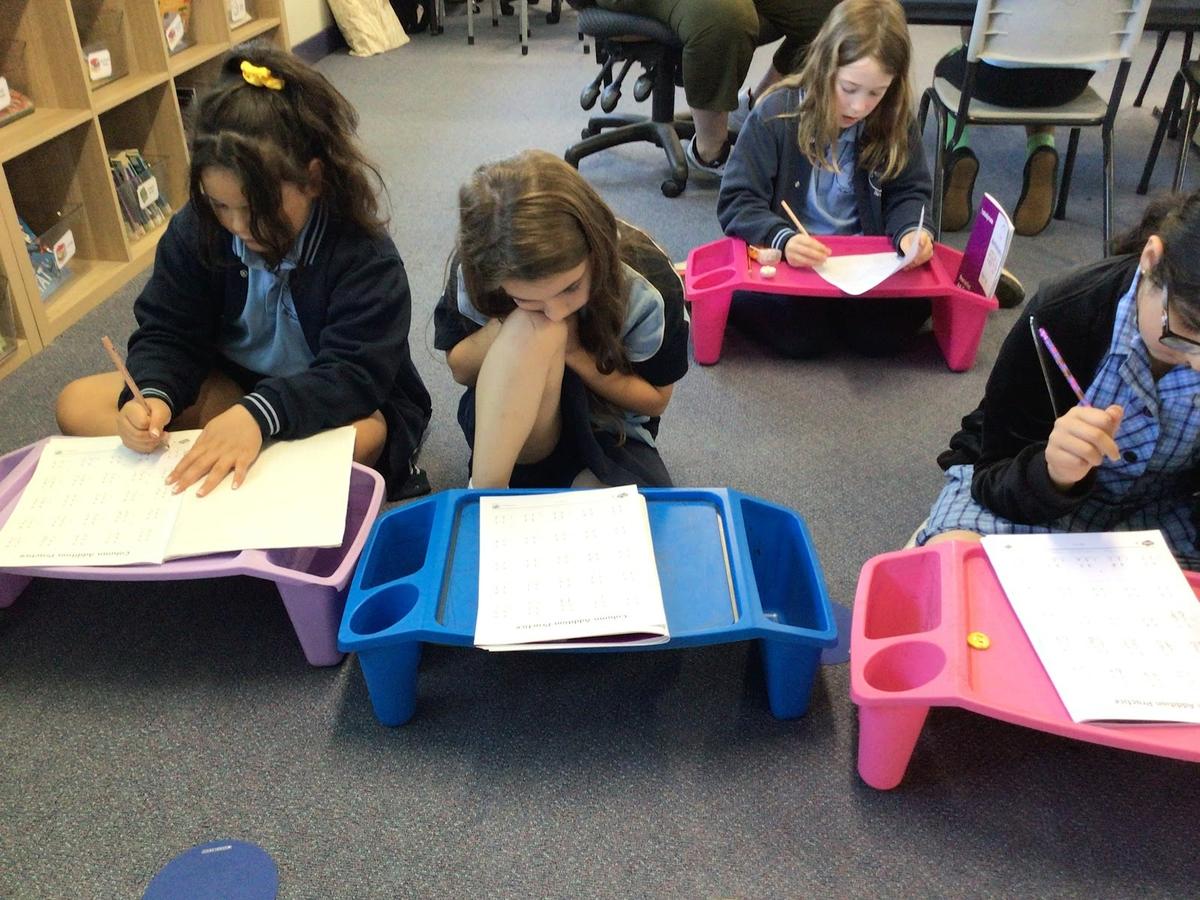
In Math, the Year 3 students have been continuing their learning about numbers as they explored how to build and read larger numbers. We have been working with 3–4 digit numbers (hundreds and thousands) and are gradually extending our understanding towards ten thousands. Students had the opportunity to create numbers using concrete materials, such as dice and number cards, and then order these numbers from smallest to largest and largest to smallest.
As part of this learning, students expanded their math vocabulary by exploring the terms ascending and descending, helping them understand the importance of using correct language in math. Students applied this knowledge by placing numbers in ascending and descending order and representing them on a number line, seeing how number order can be visually represented.
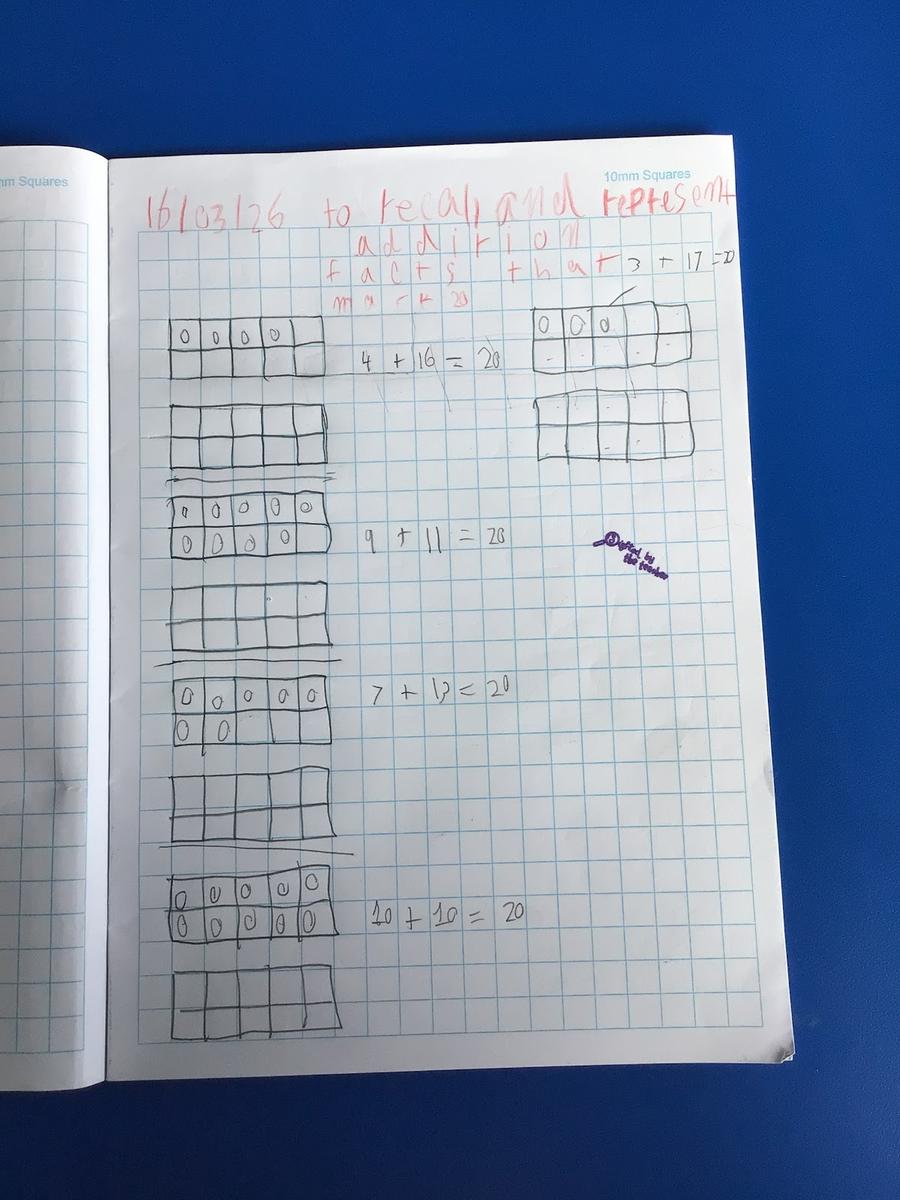
We then began transferring this knowledge into a review of addition, where students explored different strategies they can use to solve addition problems.
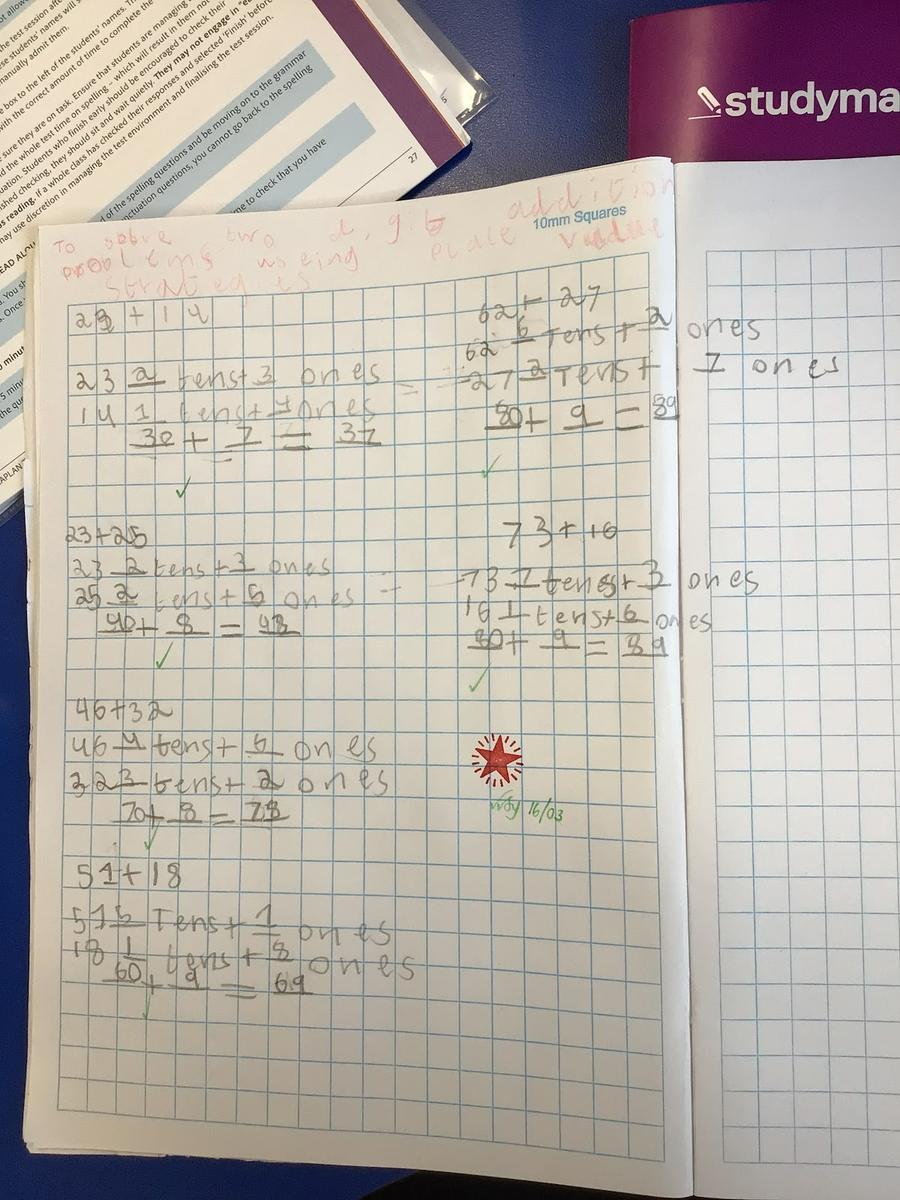
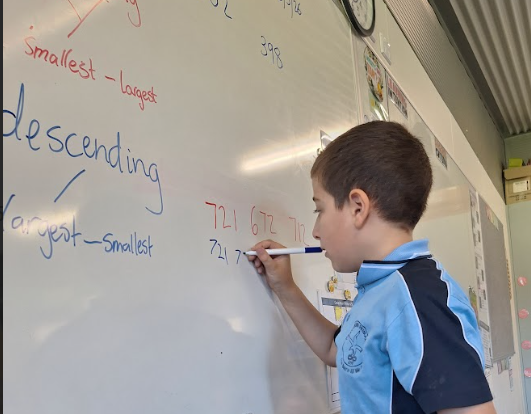
“ Ascending is like when an aeroplane takes off and the numbers go from smallest to largest” - Ivaan 3B
“Addition is when we combine two numbers together” - Jamari 3B
Inquiry
The Year 3 students have been showing great excitement and engagement in our History unit on the First Fleet arrival in Australia. As part of this learning, students were introduced to the concept of Terra Nullius. We explored what this term means and discussed how it was viewed from both the British perspective and the perspective of Indigenous Australians. This led to thoughtful and rich classroom conversations where students shared their ideas and opinions respectfully.
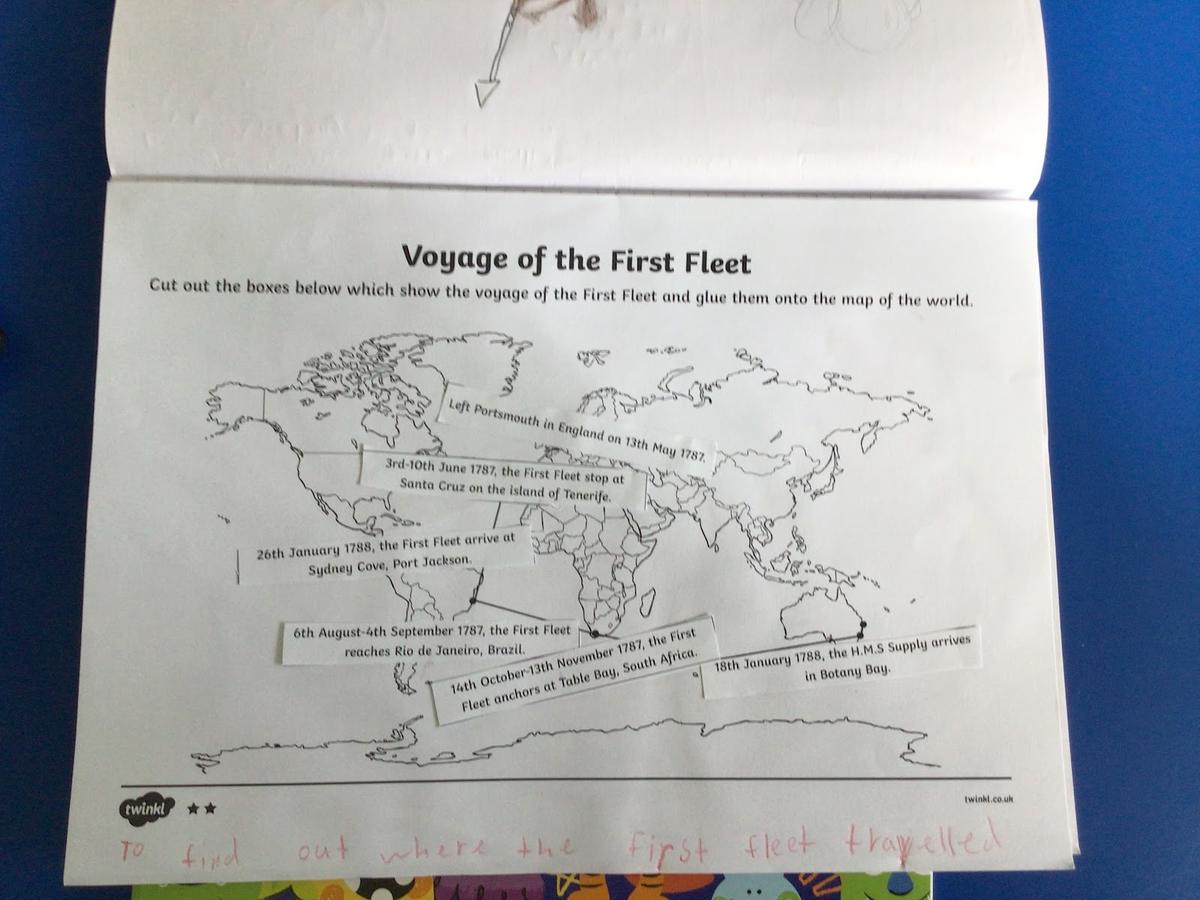
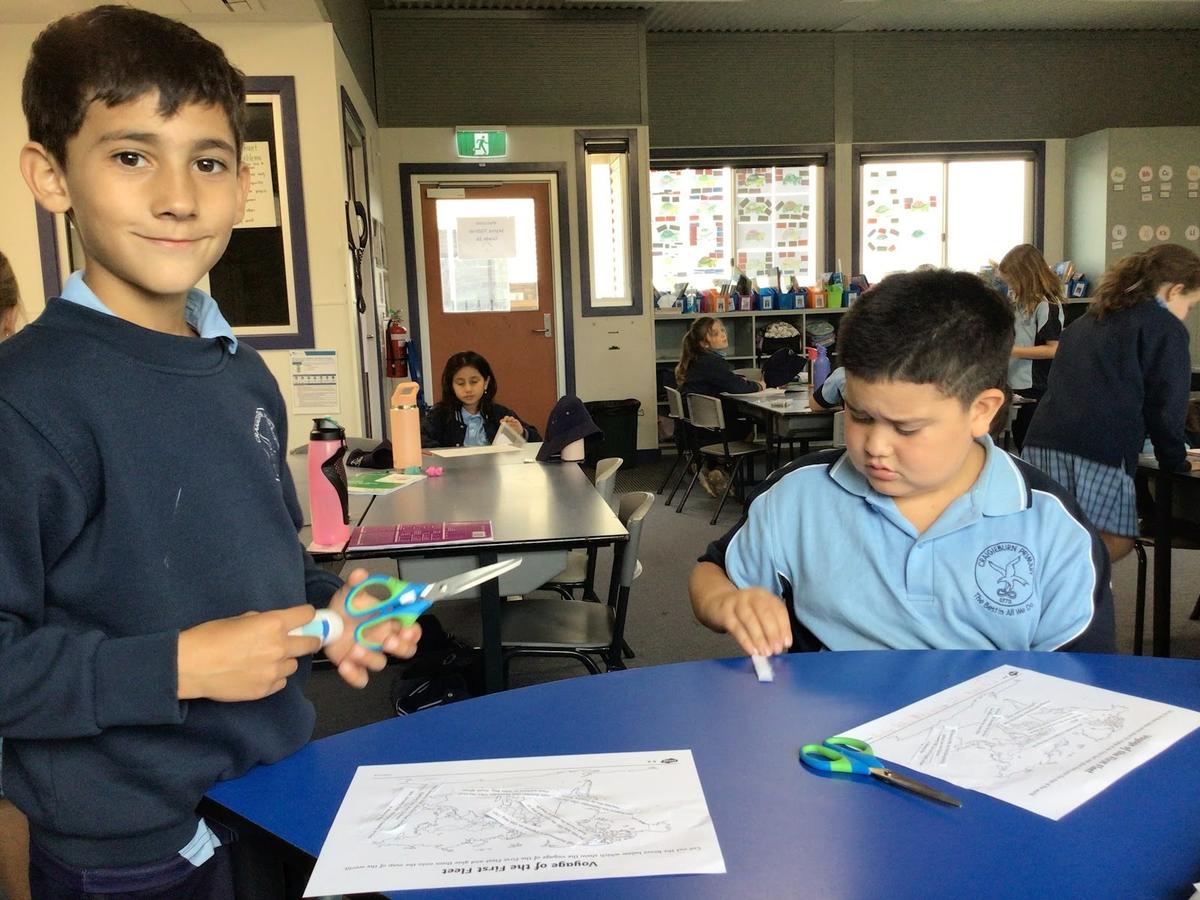
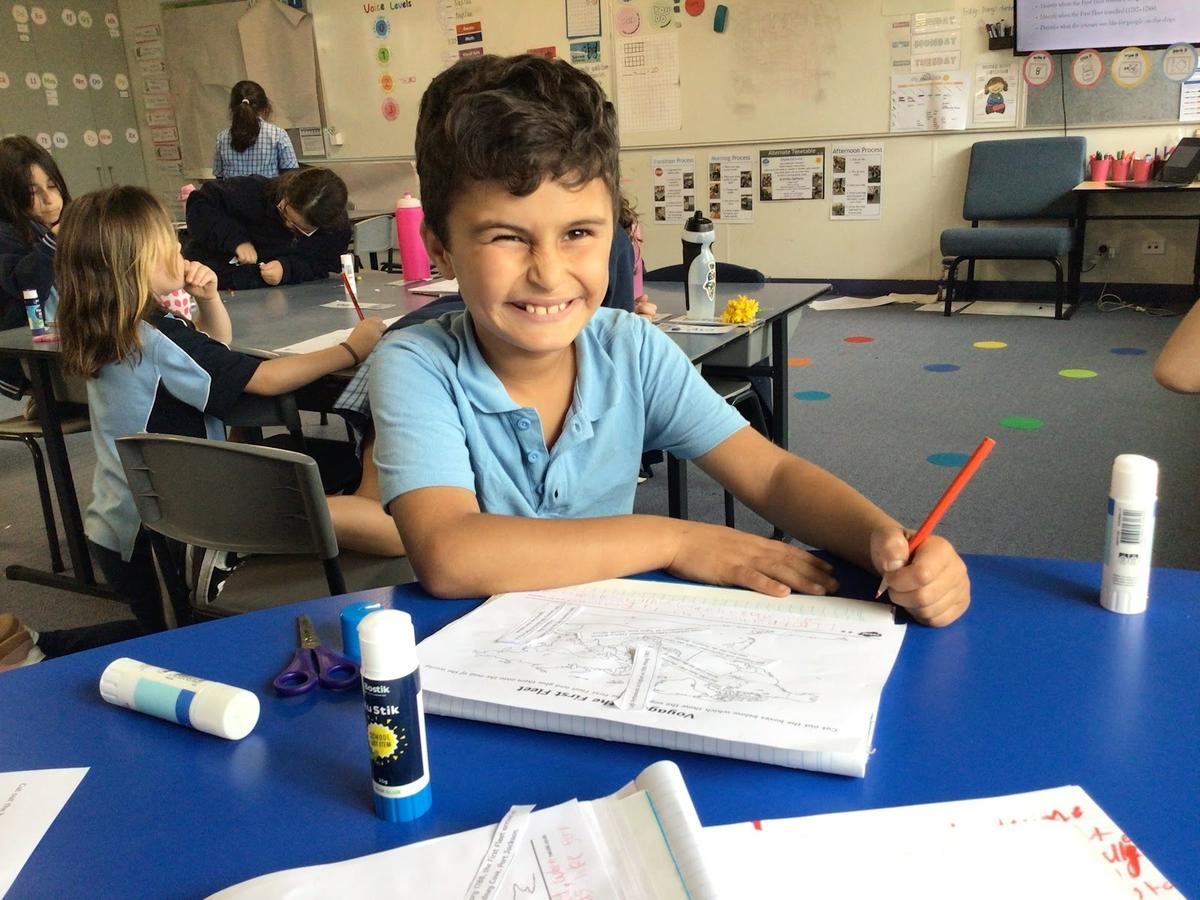
Students are continuing to dive deeper into their understanding of the First Fleet by examining the timeline of the journey the ships made from England to Australia.
Social and Emotional Learning
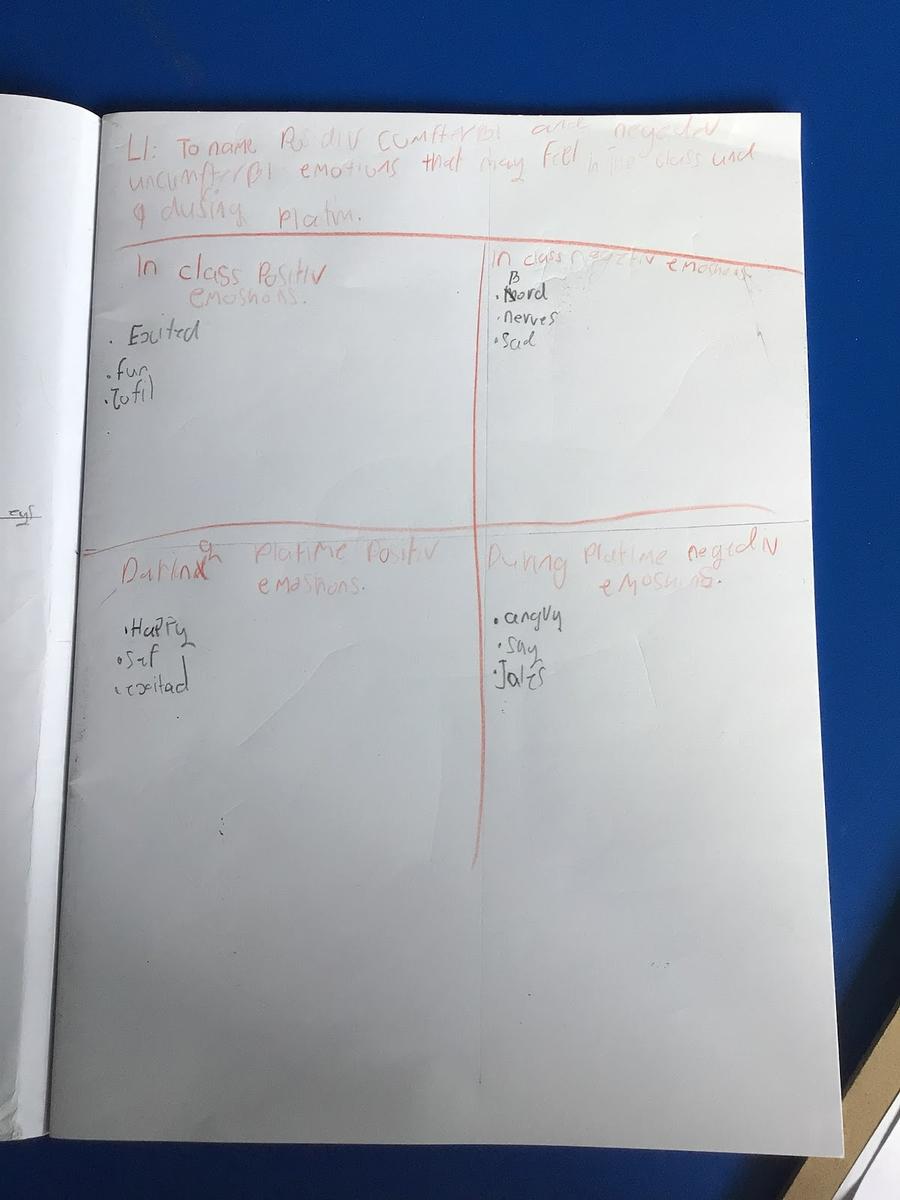
Over the past fortnight, the Year 3 cohort has been exploring Emotional Literacy as part of our Social and Emotional Learning program. Students began by identifying positive (comfortable) and negative (uncomfortable) emotions and discussing how these feelings can appear in different situations.
We then moved on to mapping our feelings at school, thinking about how we might feel in different places such as inside the classroom or outside in the yard. This helped students recognise that emotions can change depending on our experiences and environment.
Students also explored ways to help others feel happy and supported, which links closely to one of our school values – Kindness.
AUSLAN
Over the past two weeks, the Year 3 students have been learning Auslan signs for transport and shops. They practised with a partner and then shared what they learned with the class. It has been great to see how engaged the students are in their weekly Auslan lessons.