
Wellbeing News
Brooke Davis - Student Wellbeing Leader
Wellbeing News
Brooke Davis - Student Wellbeing Leader
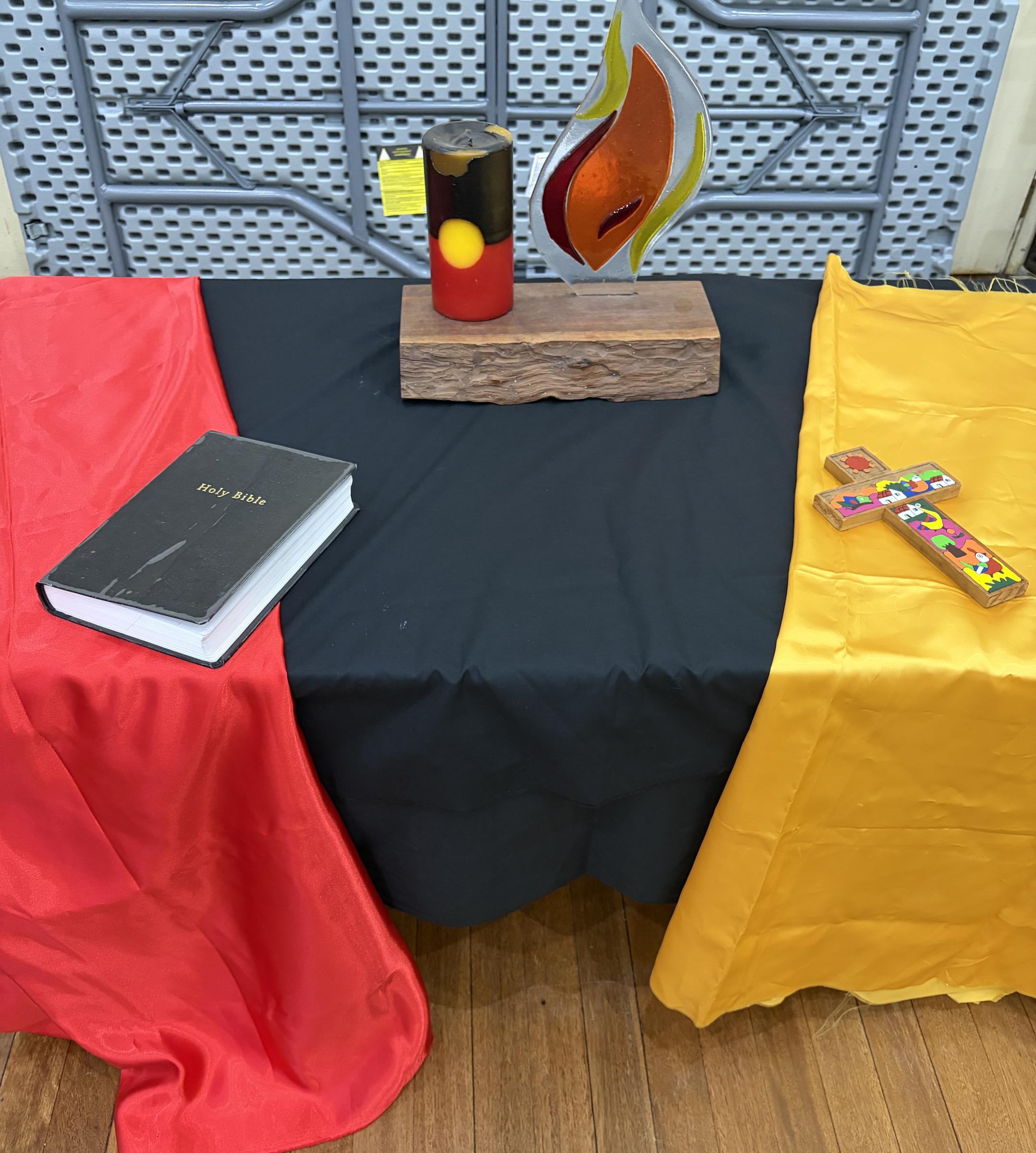
Wominjeka! We live, work and play on the sacred land of the Wurundjeri people. We acknowledge and respect their spiritual connections, culture and beliefs. We aim to work together to heal the wounds of wrongdoings from the past and to deepen our understanding of Aboriginal and Torres Strait Islander culture in our school.
We recognise that as a Catholic school community, we have a responsibility to acknowledge the misdeeds done by those in the past against Aboriginal and Torres Strait Islander people. It is our responsibility to promote forgiveness and reconciliation and to provide for equality and hope in a future that honours every culture that has contributed to our Australia.
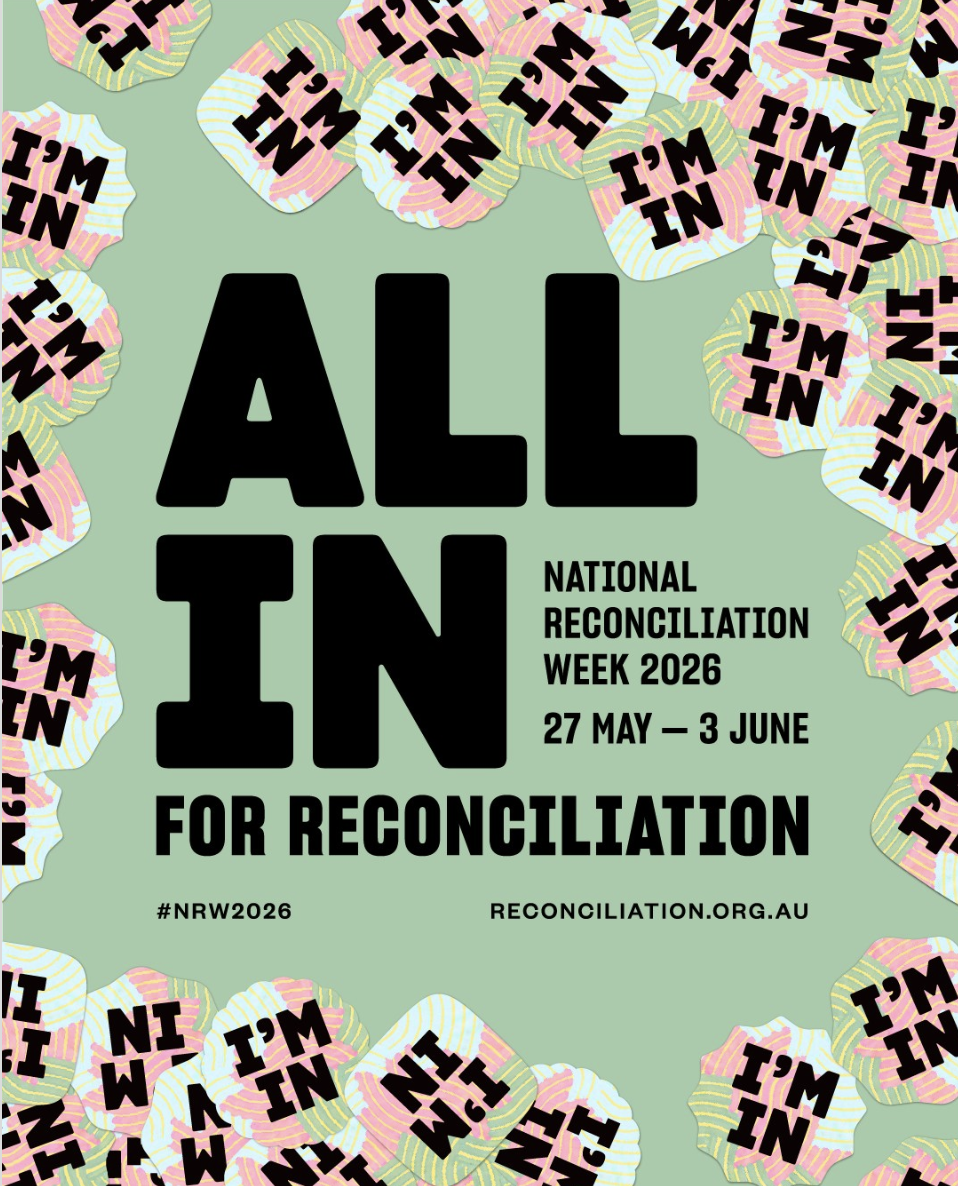
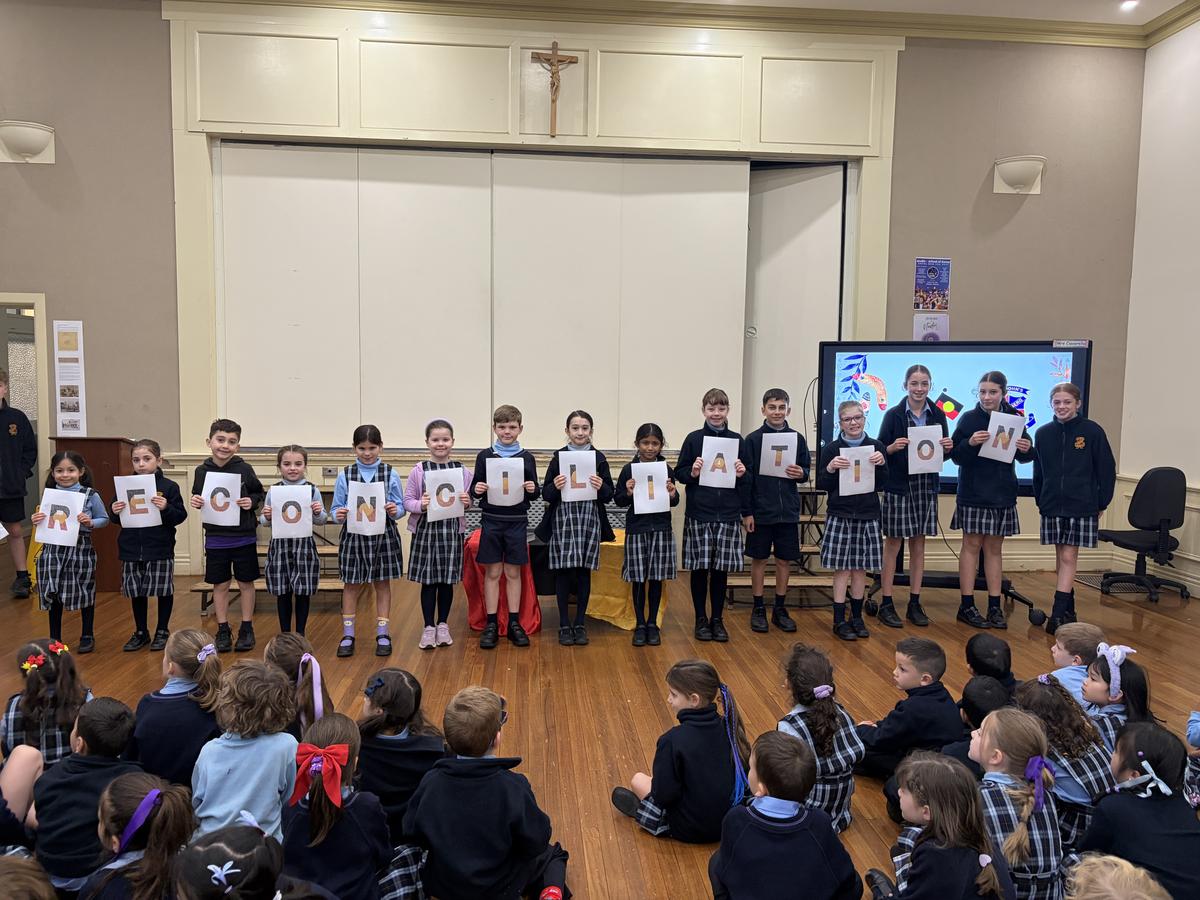
On Monday 1 June our school connected in reconciliation for our Term 2 Better Buddies Day. Over the day the students connected with other year levels, learning about our First Nations culture, country, community, history and language. As a school we committed to being ALL IN for reconciliation, ensuring we work together to create a welcoming, forgiving and bright future.
| Better Buddies Value | How it Connects to National Reconciliation Week |
| Friendliness | Reaching out, listening to First Nations stories with an open heart, and building genuine relationships across cultures. |
| Caring for Others | Showing empathy for the shared, sometimes painful history of Australia, and supporting initiatives that promote equality. |
| Respect | Honoring Elders past and present, practicing meaningful Acknowledgements of Country, and respecting Indigenous knowledge and traditions. |
| Valuing Difference | Celebrating the rich, diverse cultures, languages, and art of Aboriginal and Torres Strait Islander peoples as a source of national pride. |
| Including Others | Ensuring everyone has a seat at the table and that First Nations voices are heard and amplified in our daily lives. |
| Responsibility | Taking personal responsibility to educate ourselves about Australia's true history and committing to daily actions that foster a fairer future. |
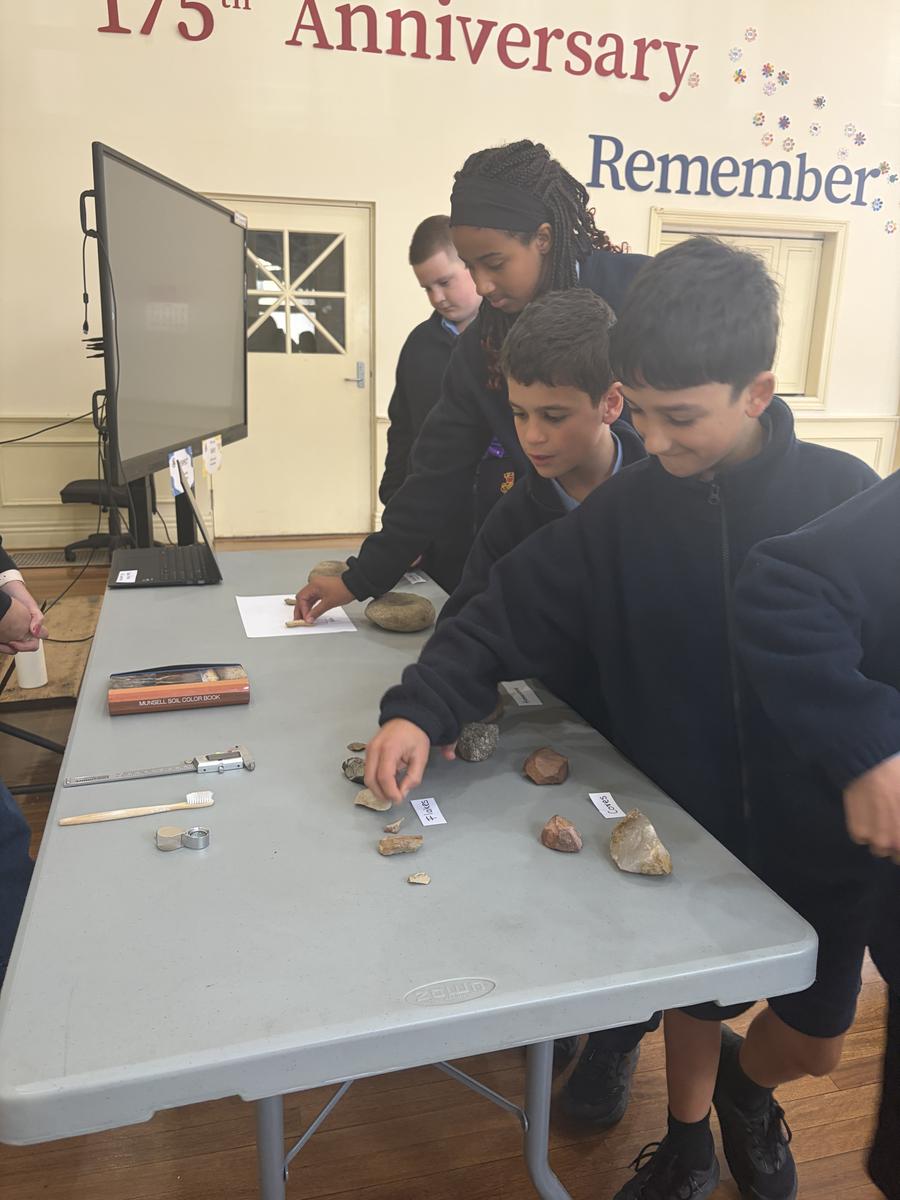
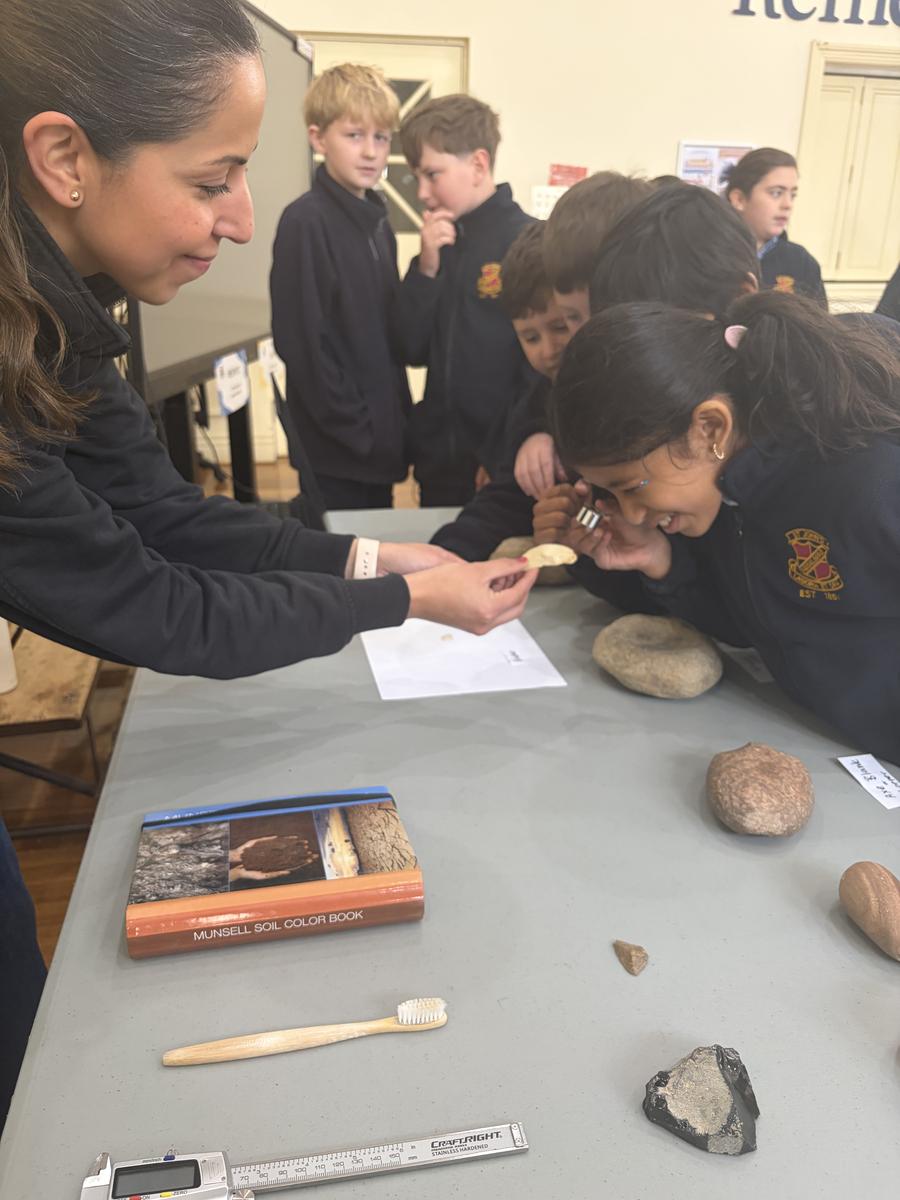
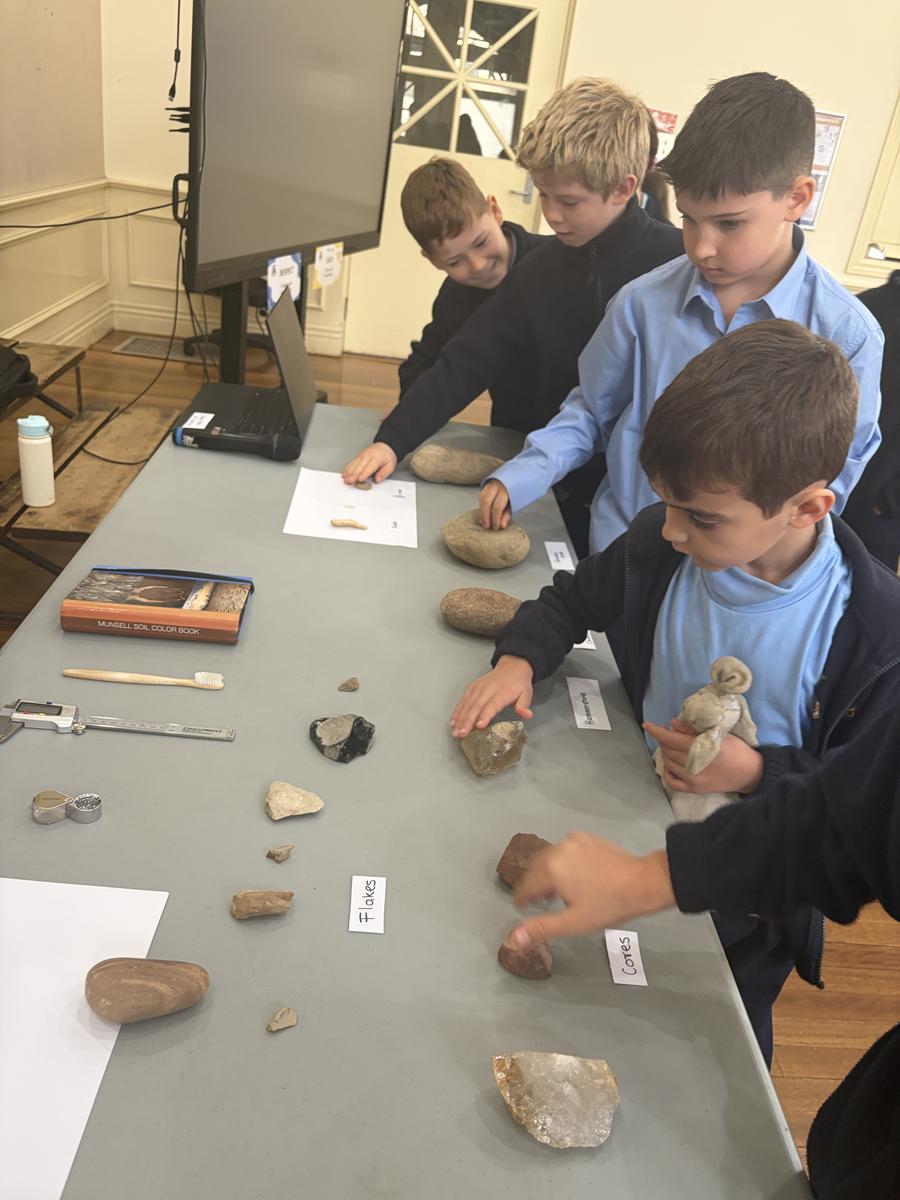
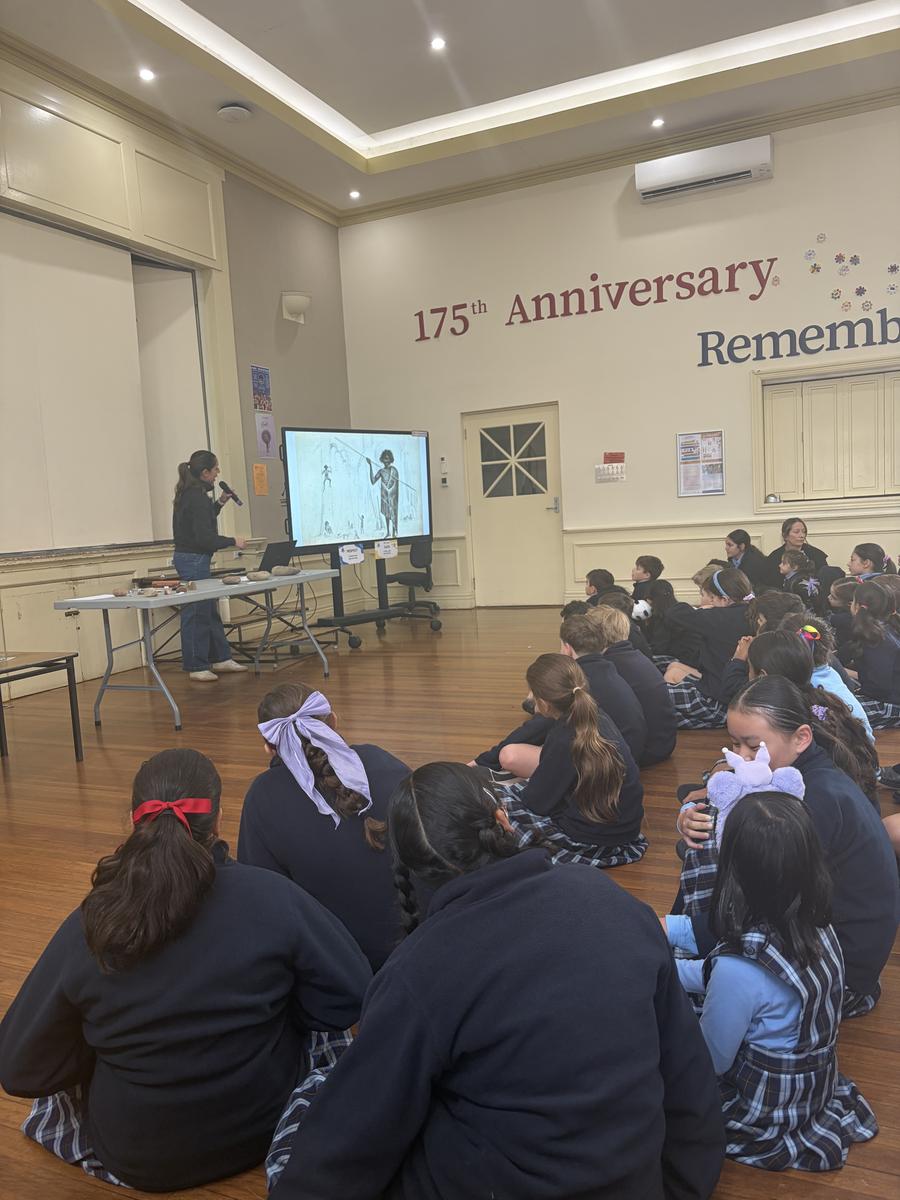
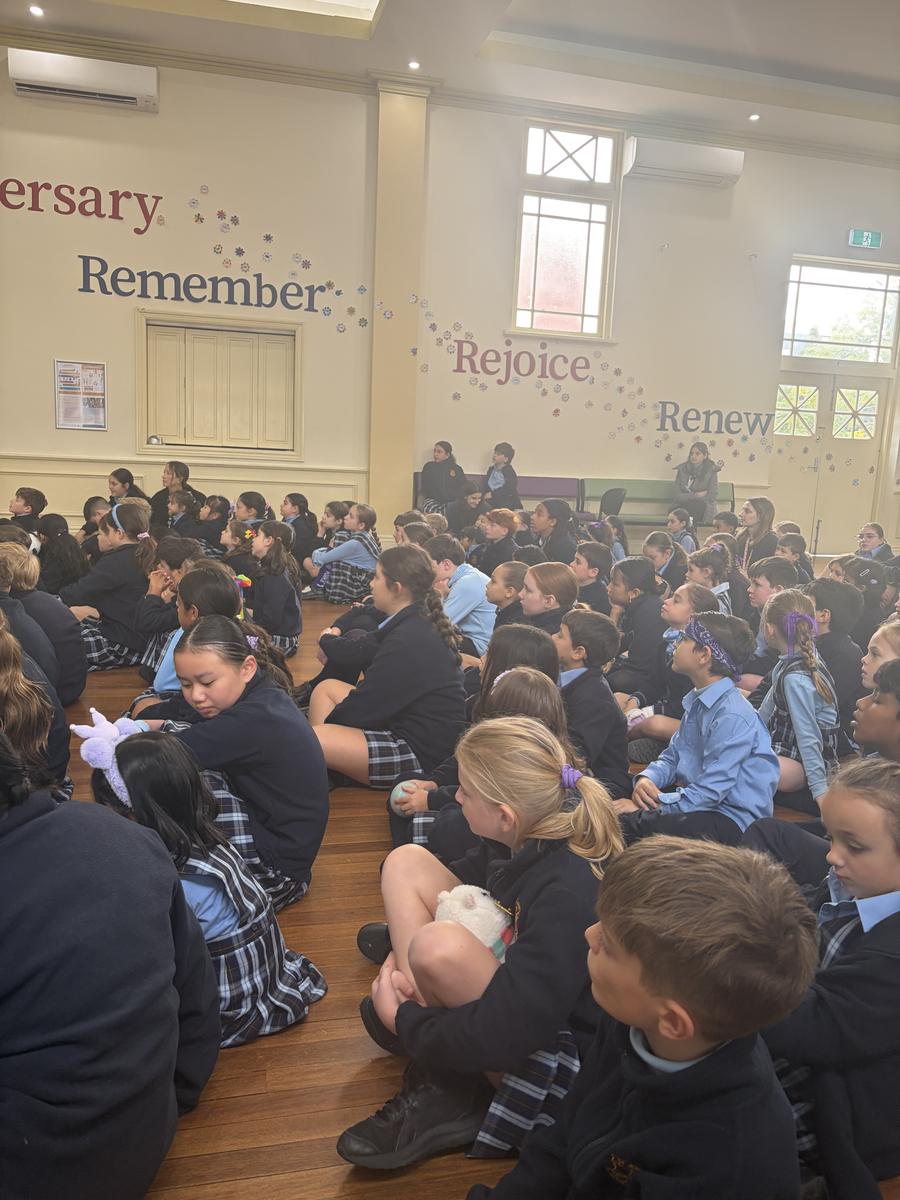
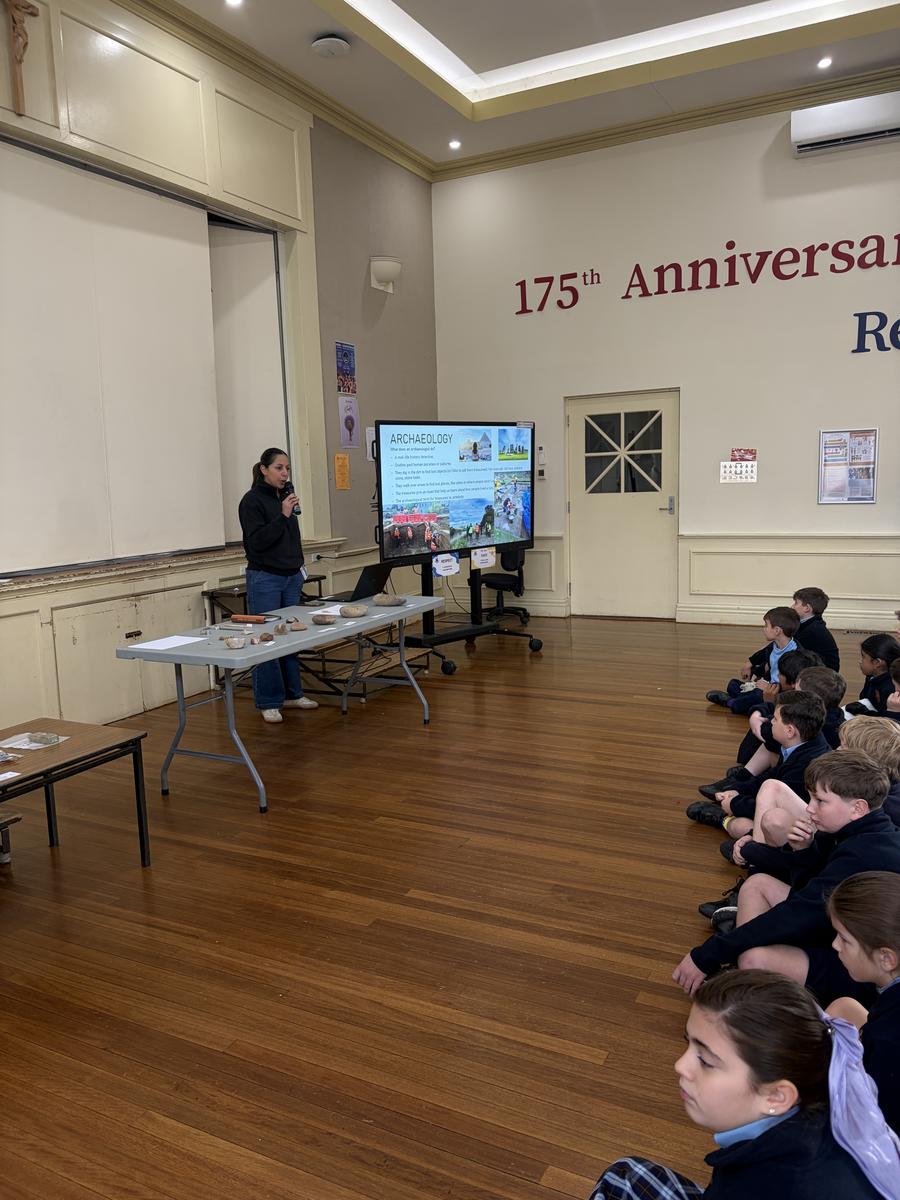
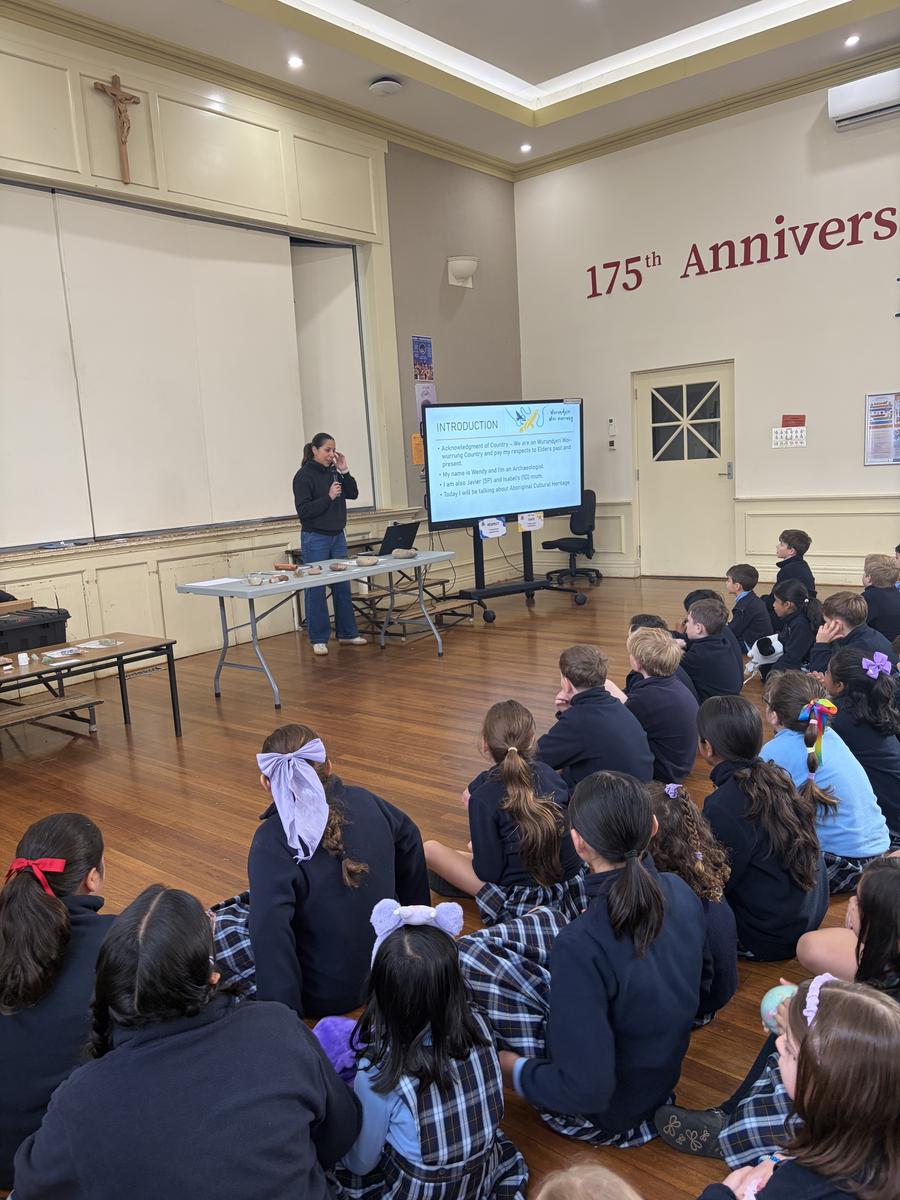
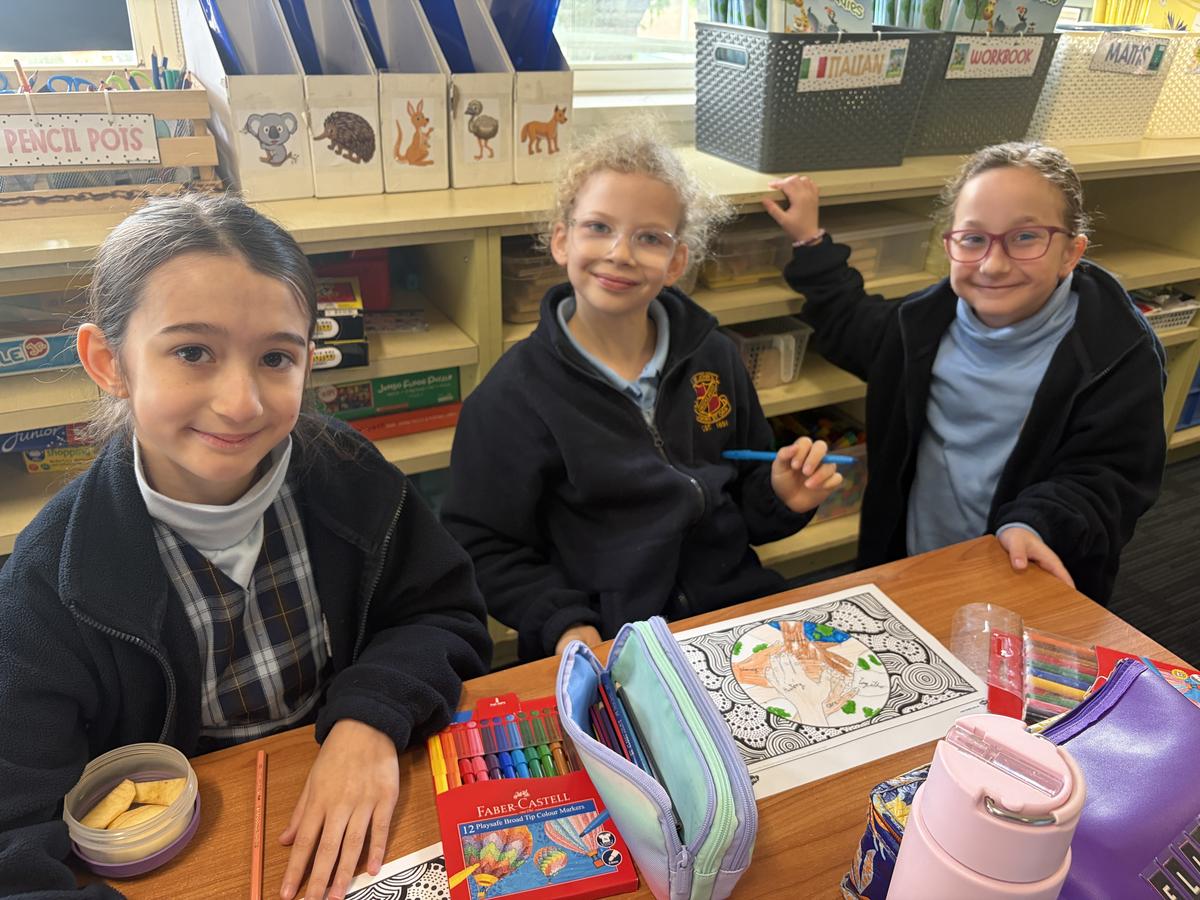
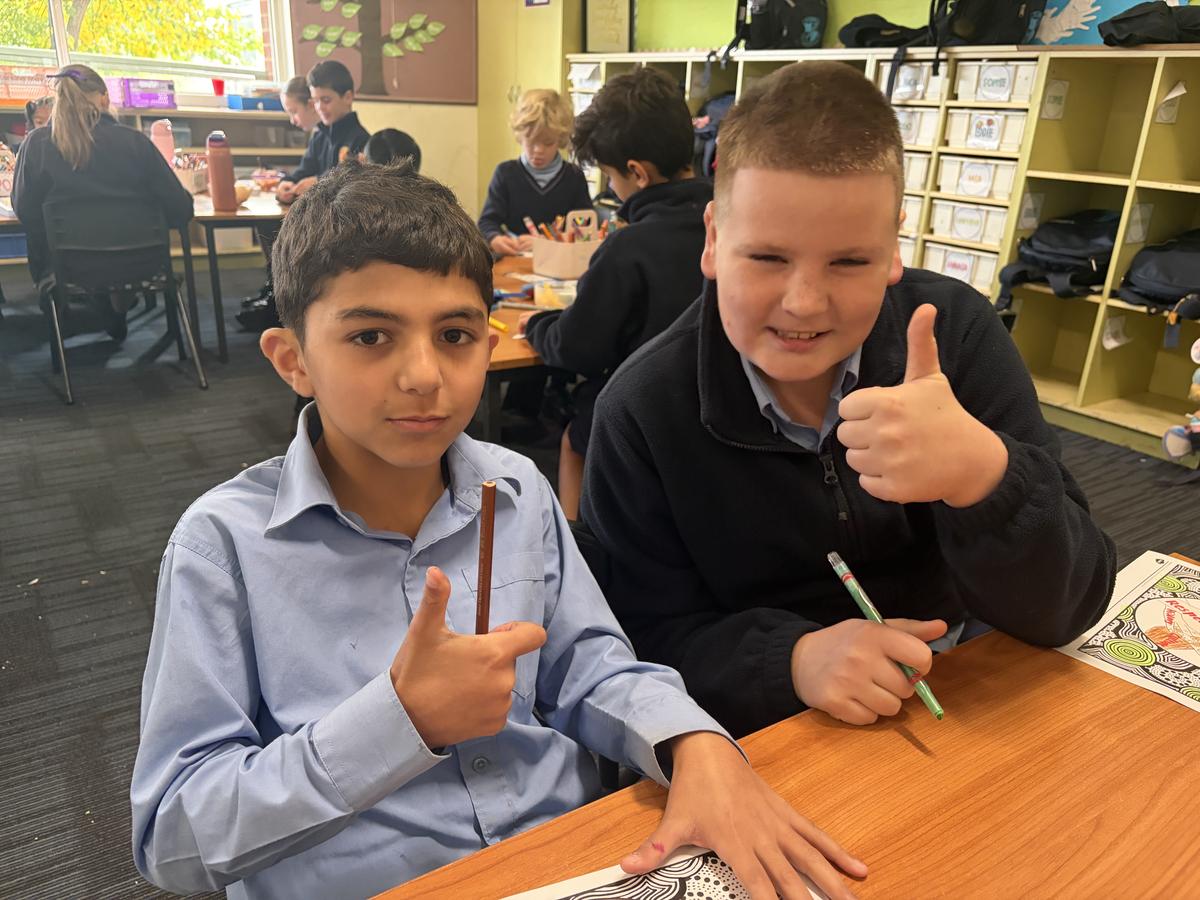
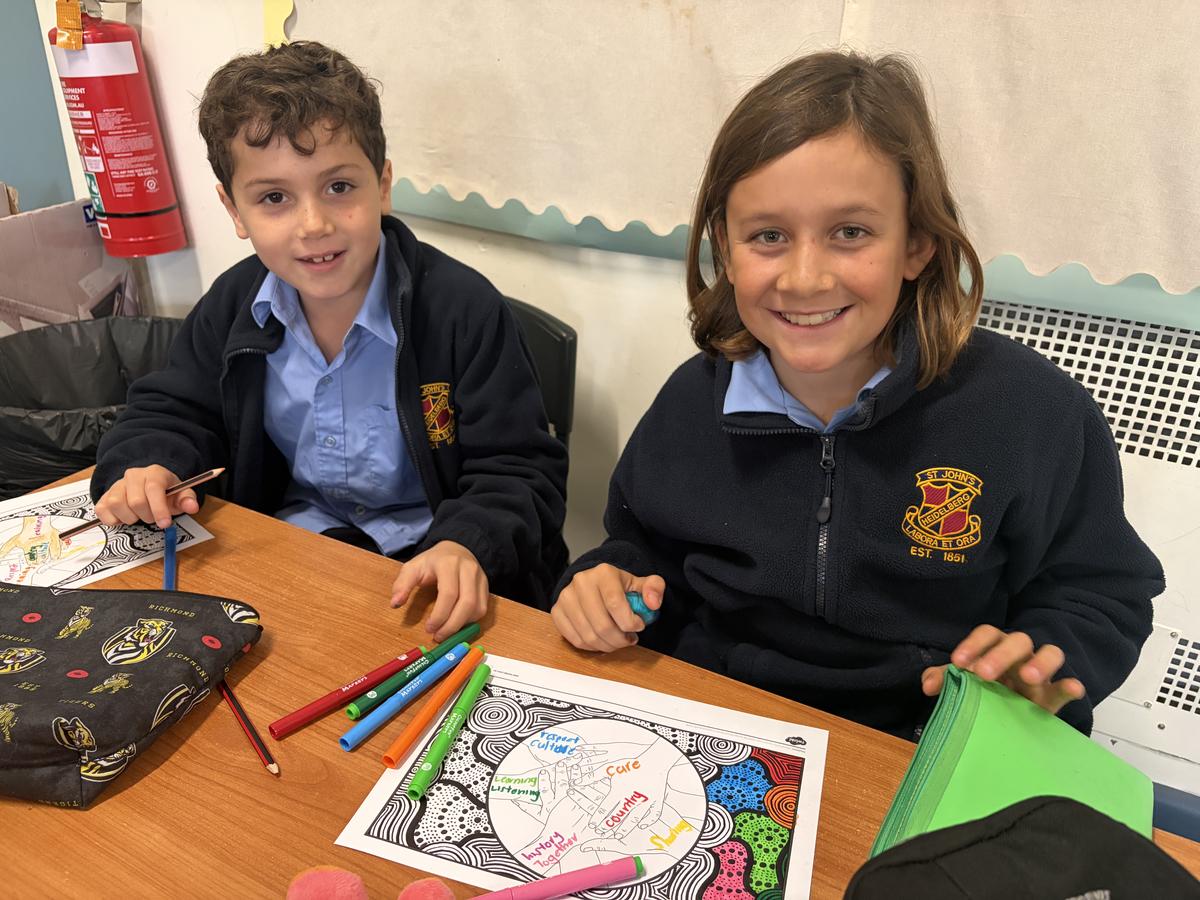
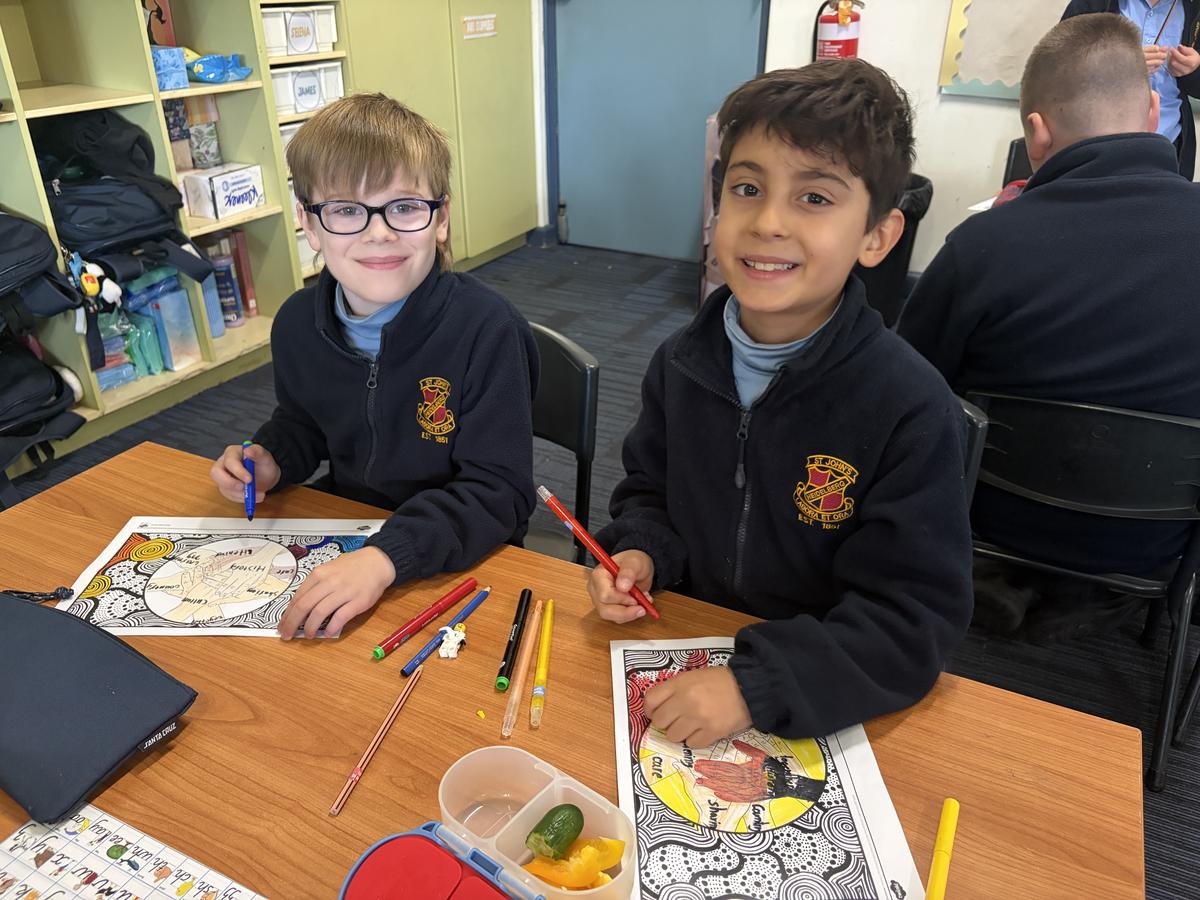
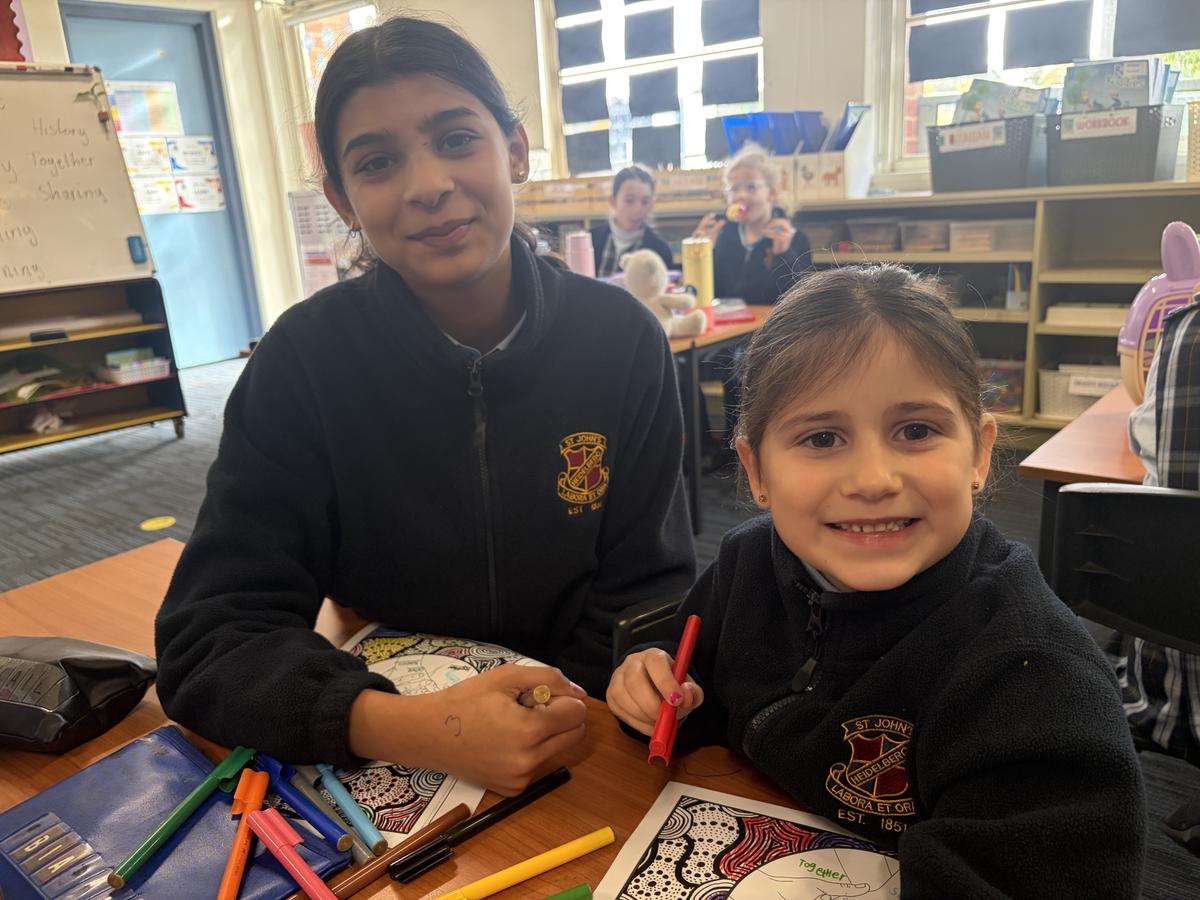
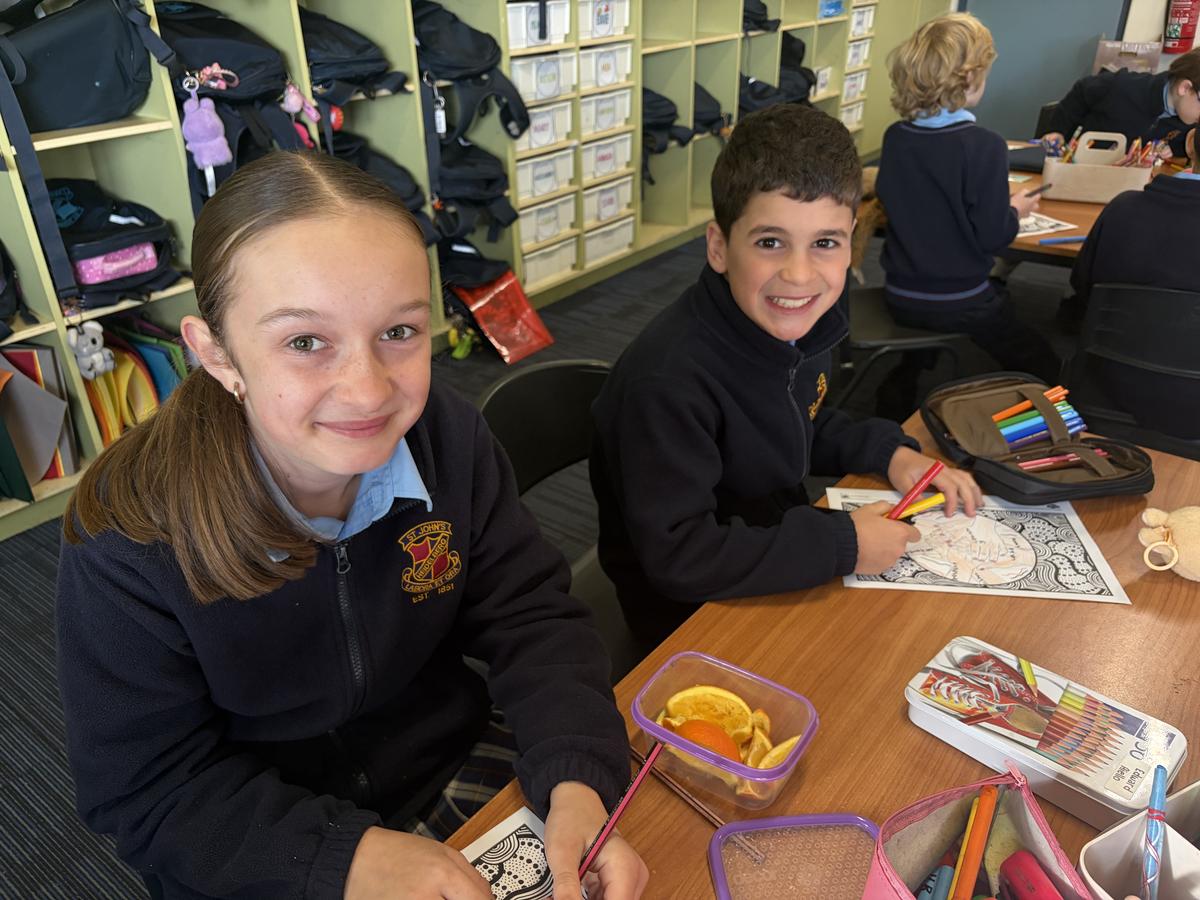
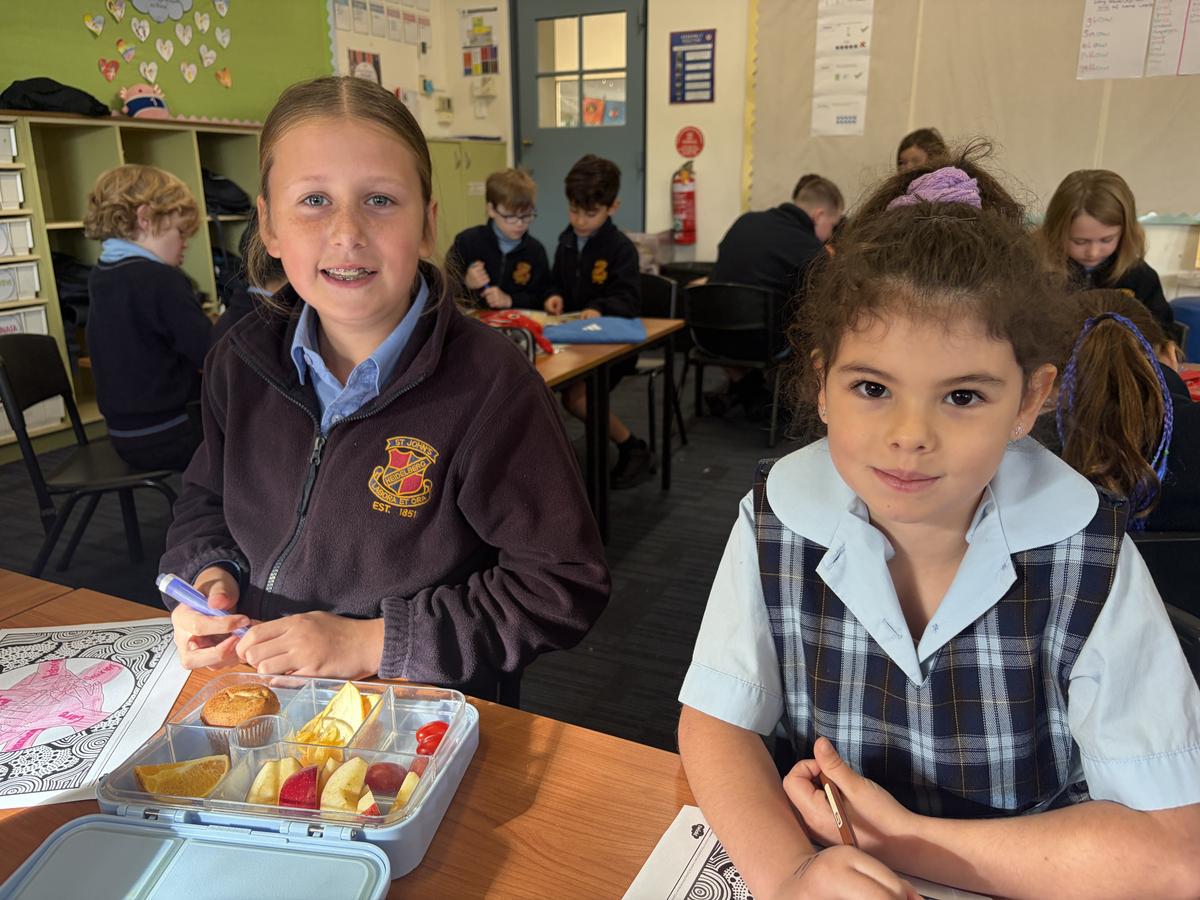
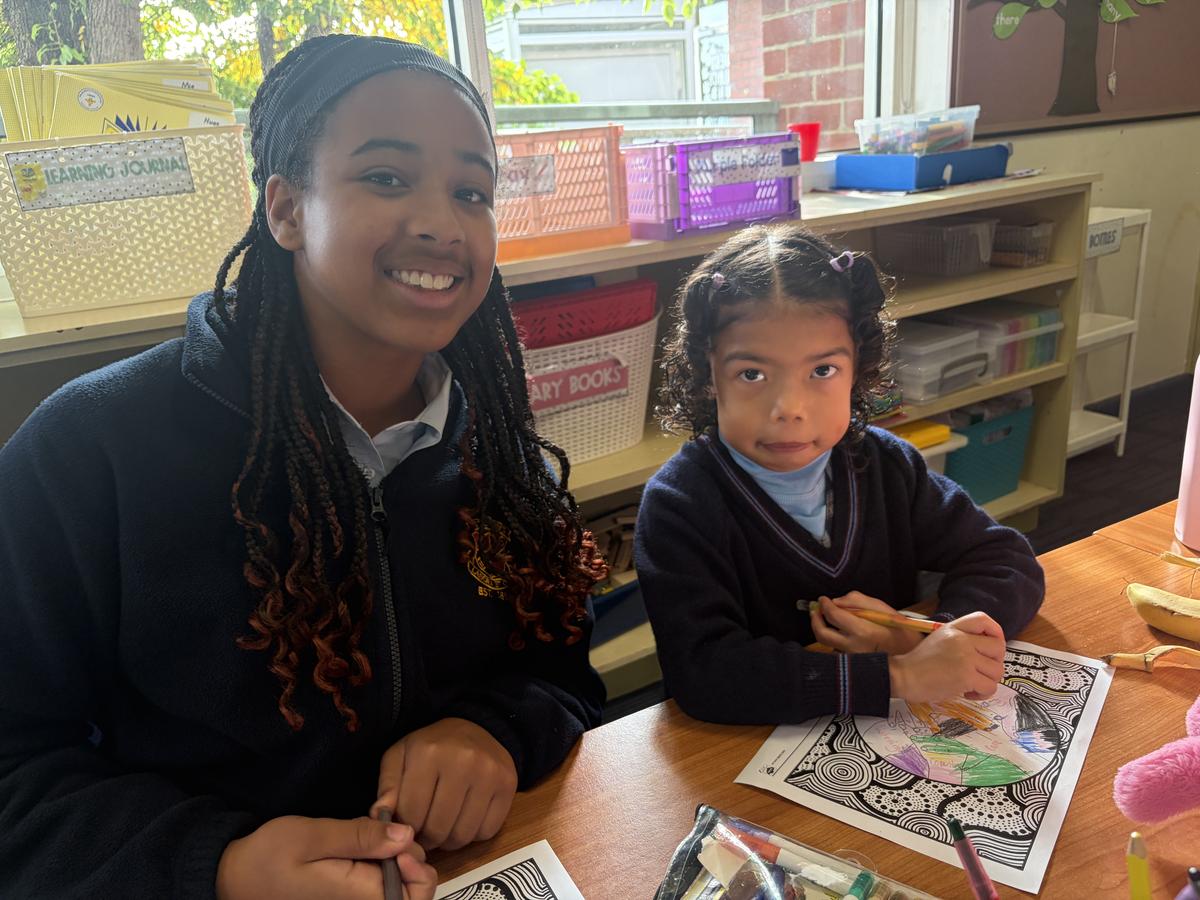
We were so fortunate to have Wendy H (Javier 5P, Isabel 1D) share Aboriginal Culture Heritage with the students. Wendy works closely with Wurundjeri Elders as an archiologist, on Country they find ancient artifacts that have been used by Aboriginal people. Did you know that the oldest human remains found in Victoria could be up to 30,000 years old? This means Aboriginal people have been on this land since before the pyramids of Egypt were built!
Thank you Wendy for sharing your knowledge, passion and special artifacts with us. We are so lucky to have been able to touch something that was once used by the orginal custodians of this land!
The students read and listened to stories from First Nations authors about our shared history.
http://Walk With Us - Adam Goodes
http://Finding our Heart - The Uluru Statement
Year 3-6 http://What is Sorry Day?
Prep-2 http://Little Yarns - Welcome to Welcome to Wurundjeri Woi Wurrung
To acknowledge National Sorry Day, 11 of our Yr 6 Fire Carrier Student Action Team and Cultural Diversity Student Action Team were invited to represent St John's Heidelberg at the Banyule City Council National Sorry Day Ceremony, held at Malahang Reserve in West Heidelberg.
This significant day gave our student leaders an opportunity to join with Wurrundjeri Elders, the community from Barrbunin Beek Aboriginal gathering space and the broader Banyule community. The students witnessed a collective healing ceremony, including a Welcome to Country, smoking ceremony, flag lowering and dance performance. This important event acknowledges the ongoing impacts of the Stolen Generation on Aboriginal families and the importance of truth-telling and healing."
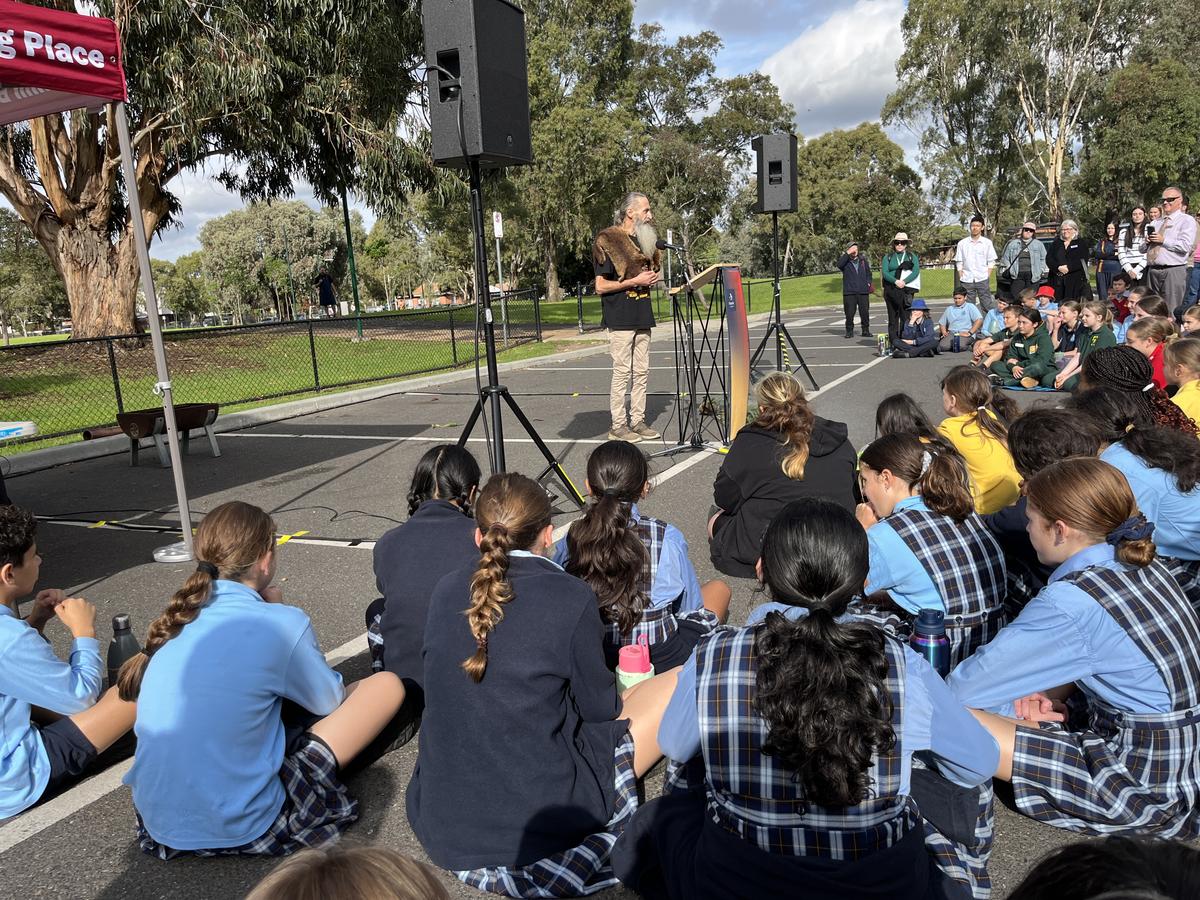
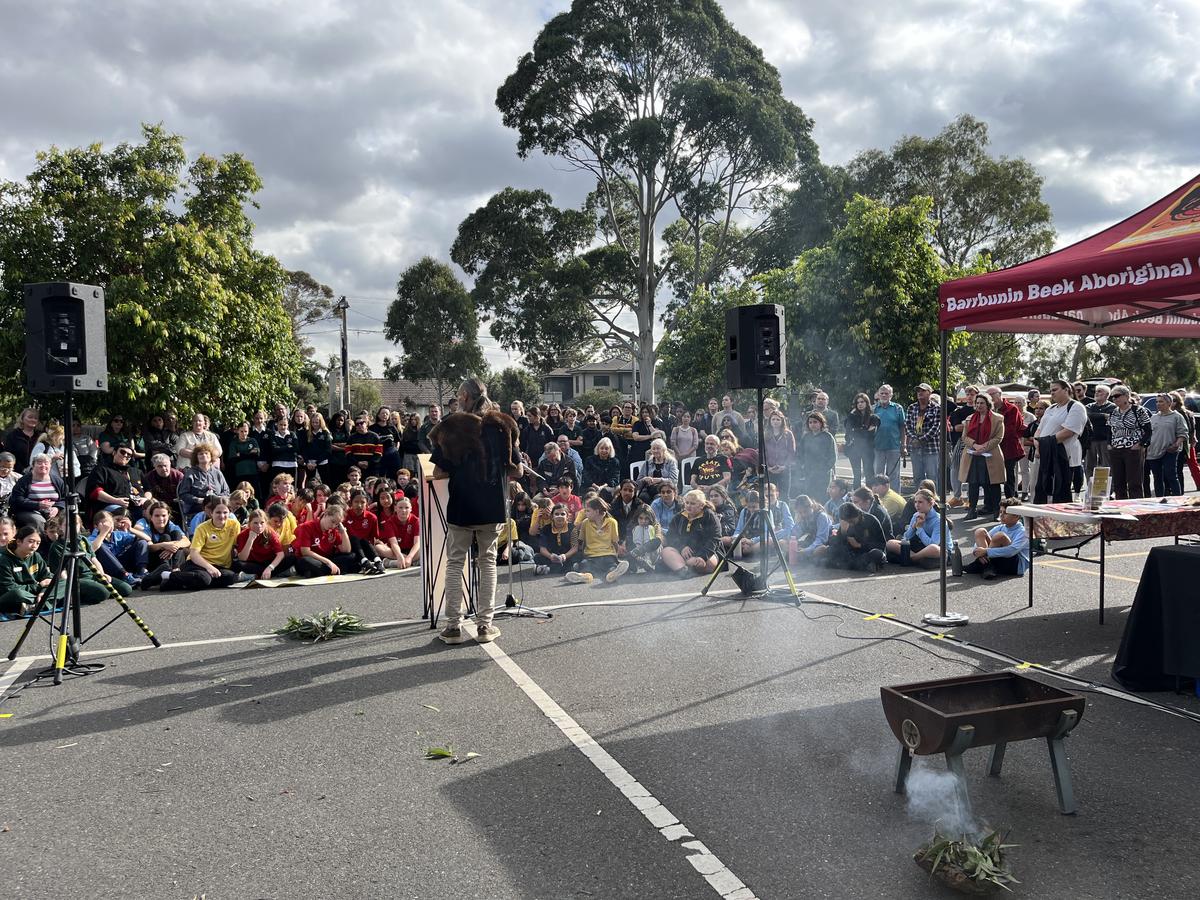
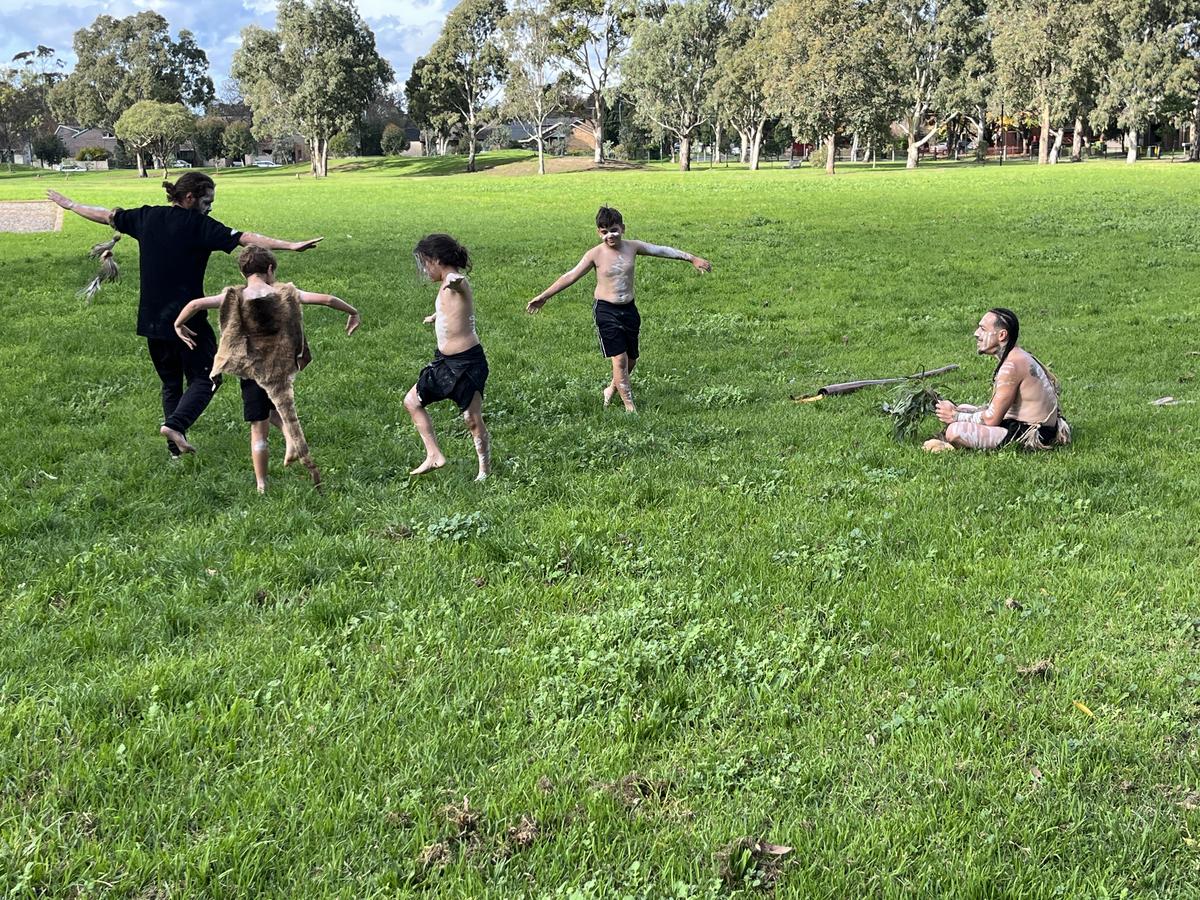
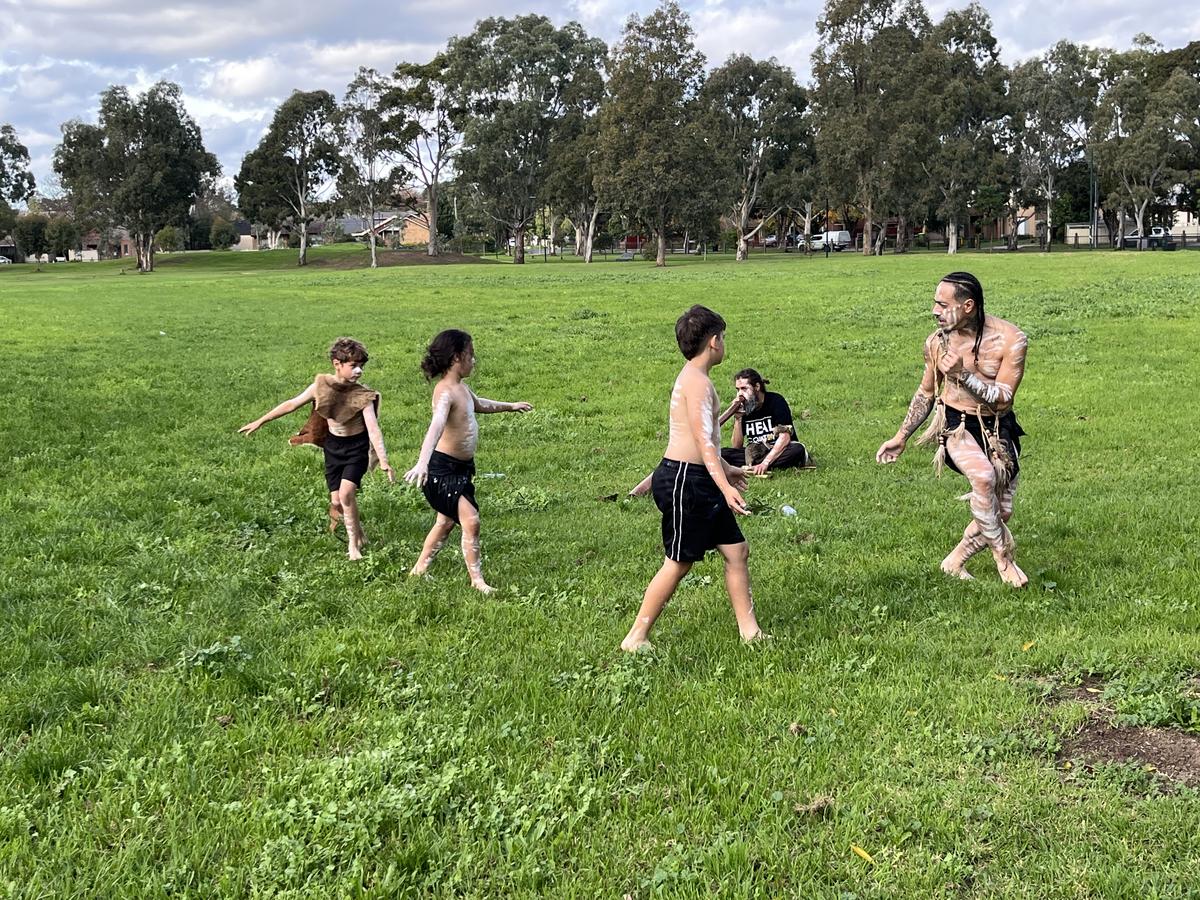
The students represented our school with respect and it is hoped, a greater awareness of this very meaningful day.
Thank you to Genevieve Harika was accompanied and supported this group of Leaders.
At our school, Positive Behaviour for Learning (PBL) is much more than a system for managing behavior, it is a foundational pillar of our whole-school approach to student mental health and wellbeing.
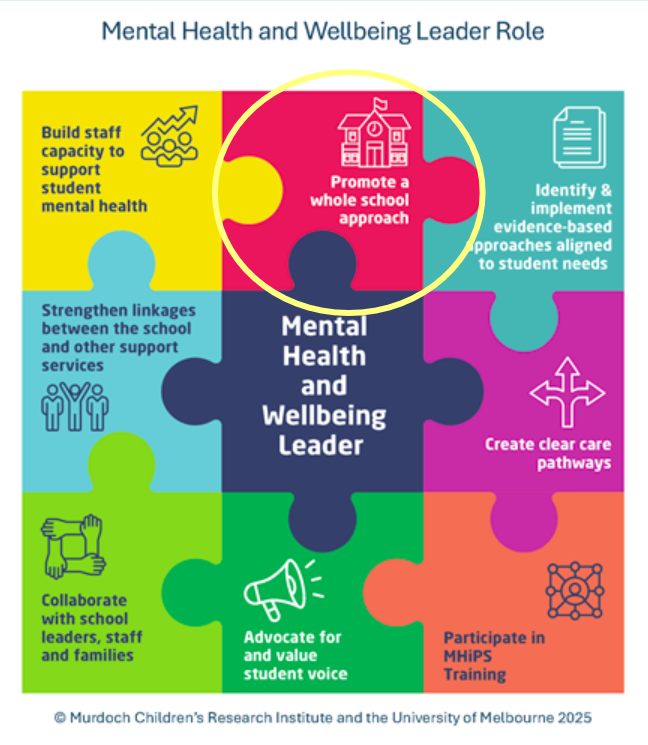
Research consistently shows that a student’s emotional wellbeing is deeply tied to their environment. When children step into a school where expectations are clear, predictable, and consistently applied, it creates a powerful sense of safety and belonging. This predictability reduces anxiety and gives students the emotional bandwidth to focus on learning and building positive relationships.
A true whole-school approach means that wellbeing is woven into every interaction a student has throughout the day. PBL succeeds because it invites everyone, teachers, school leaders, office staff, and families to speak the same language. When we reinforce these expectations collectively, we build a supportive community where every child feels safe, heard and valued.
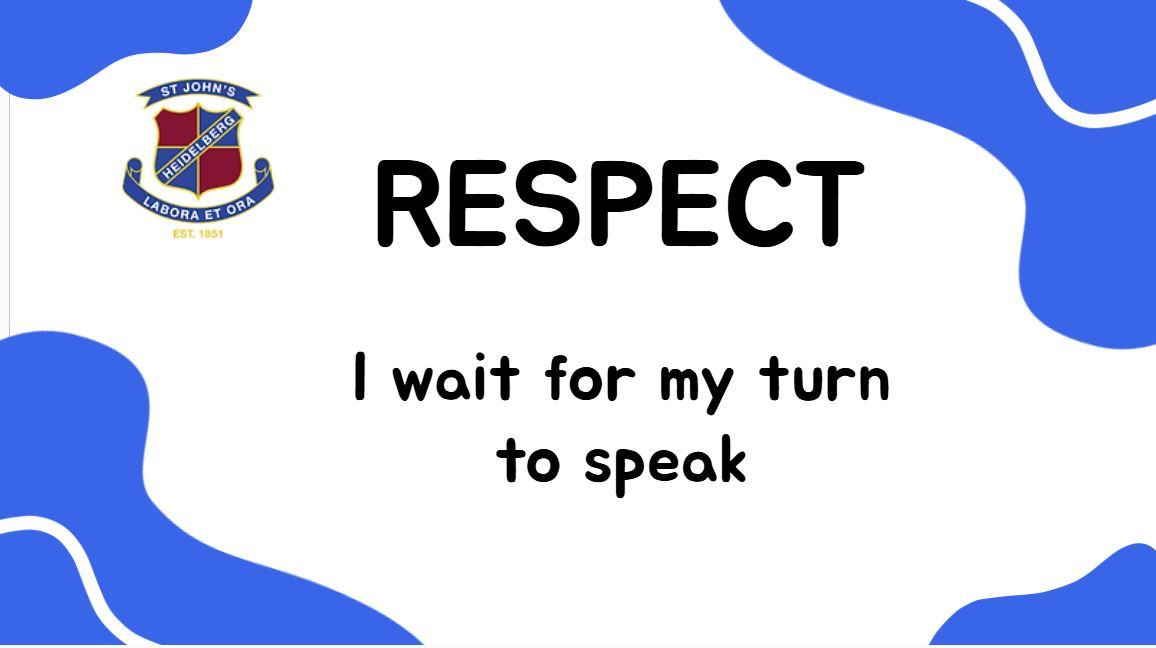
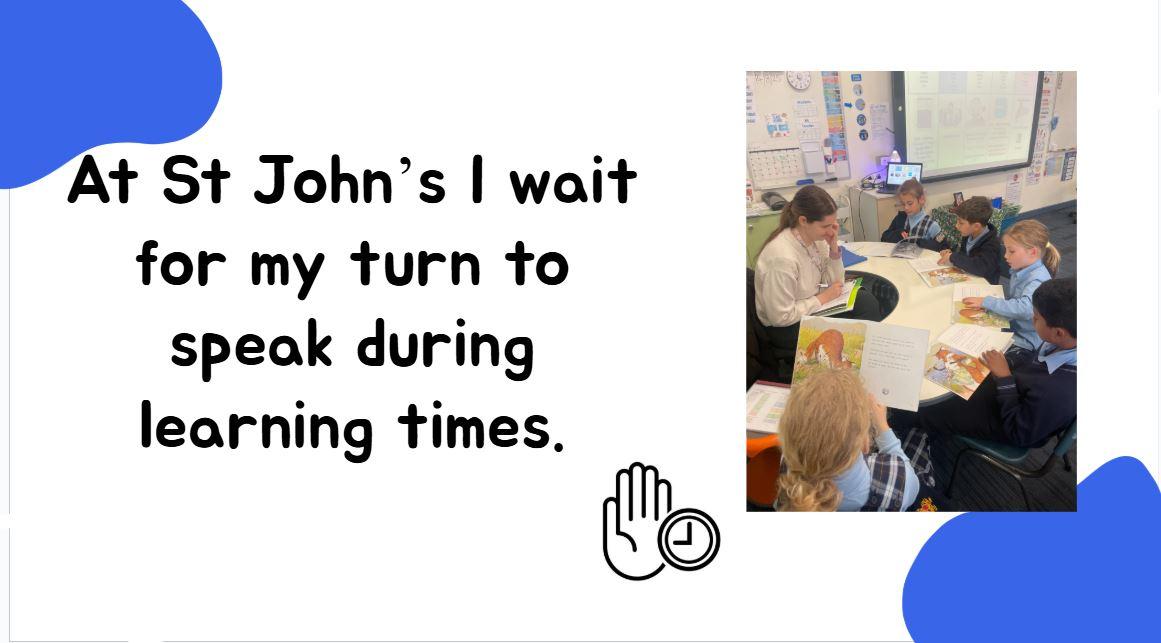
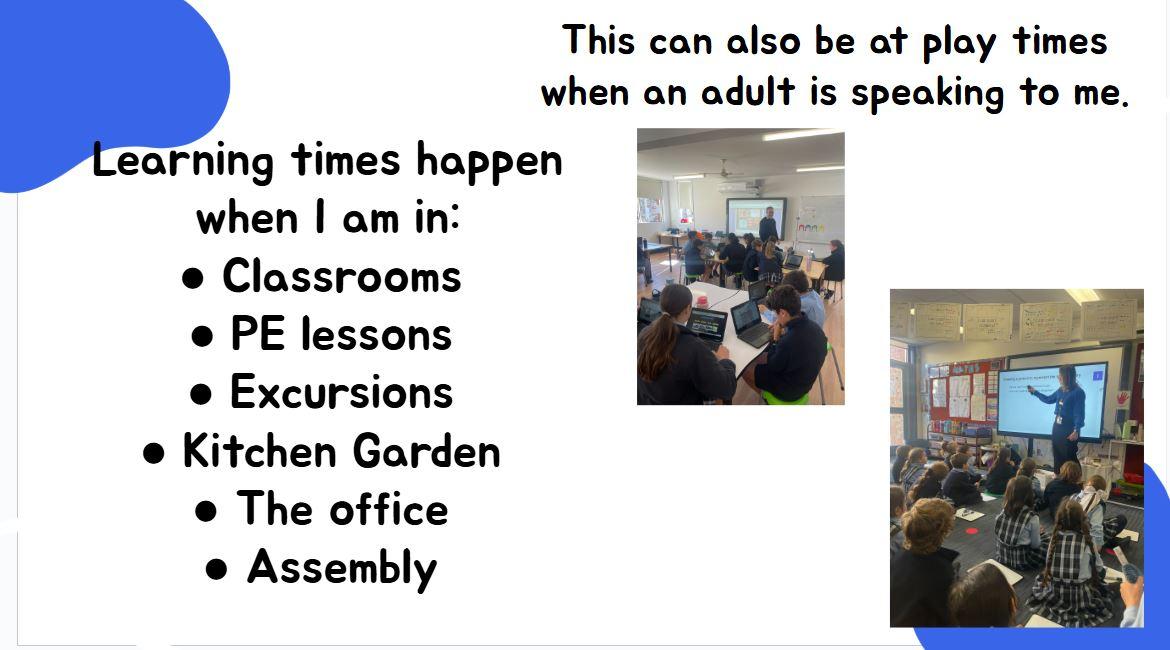
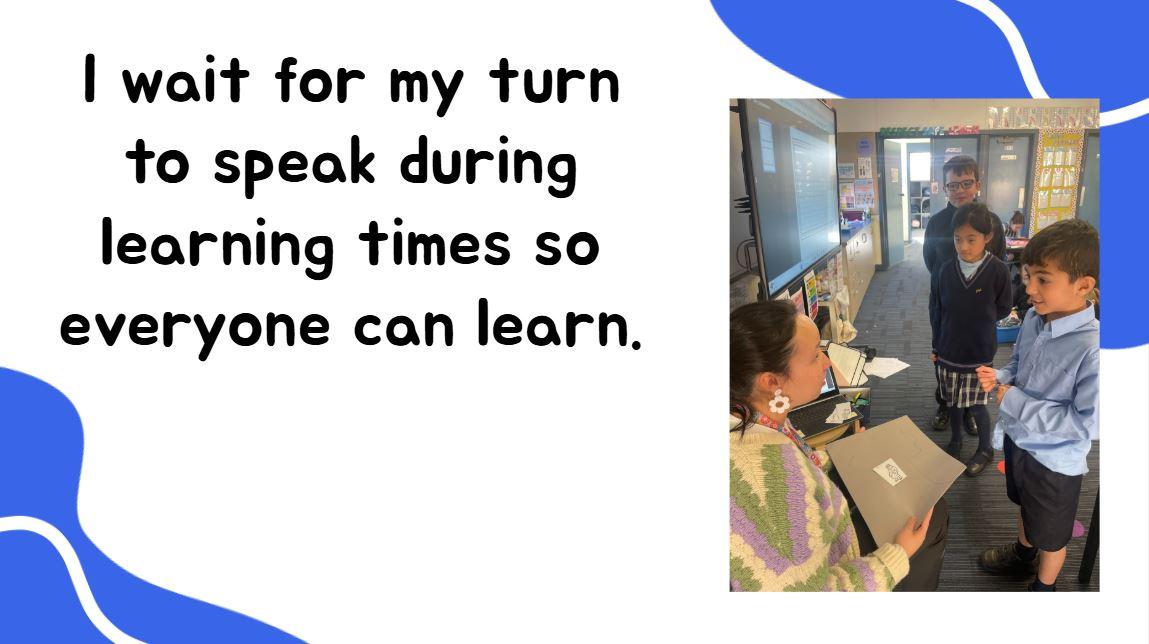
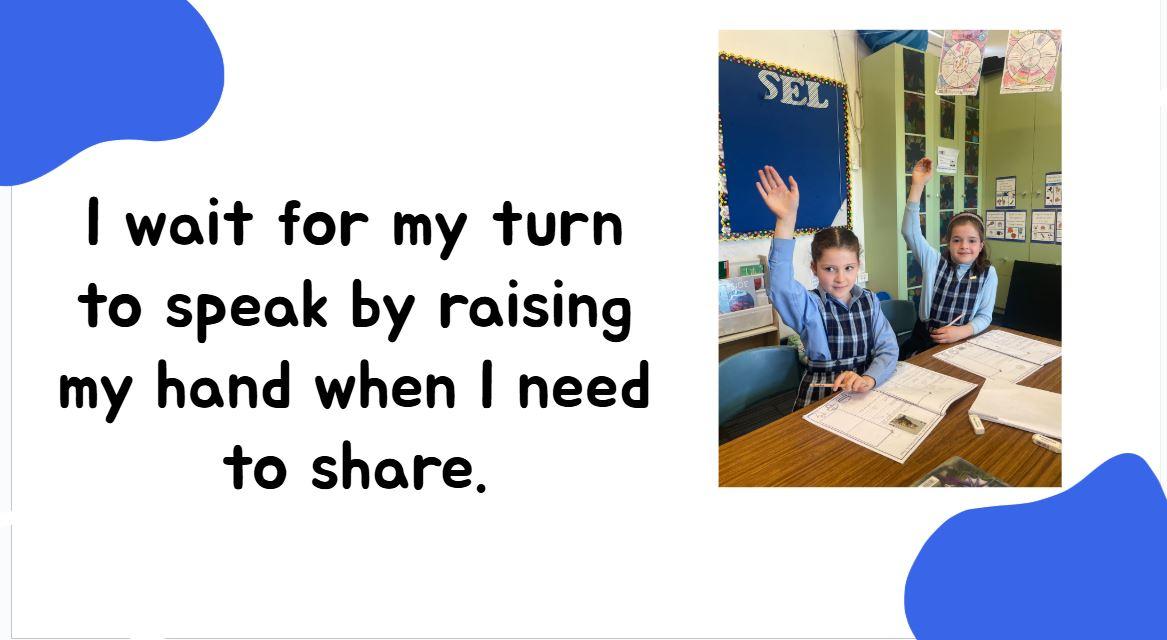
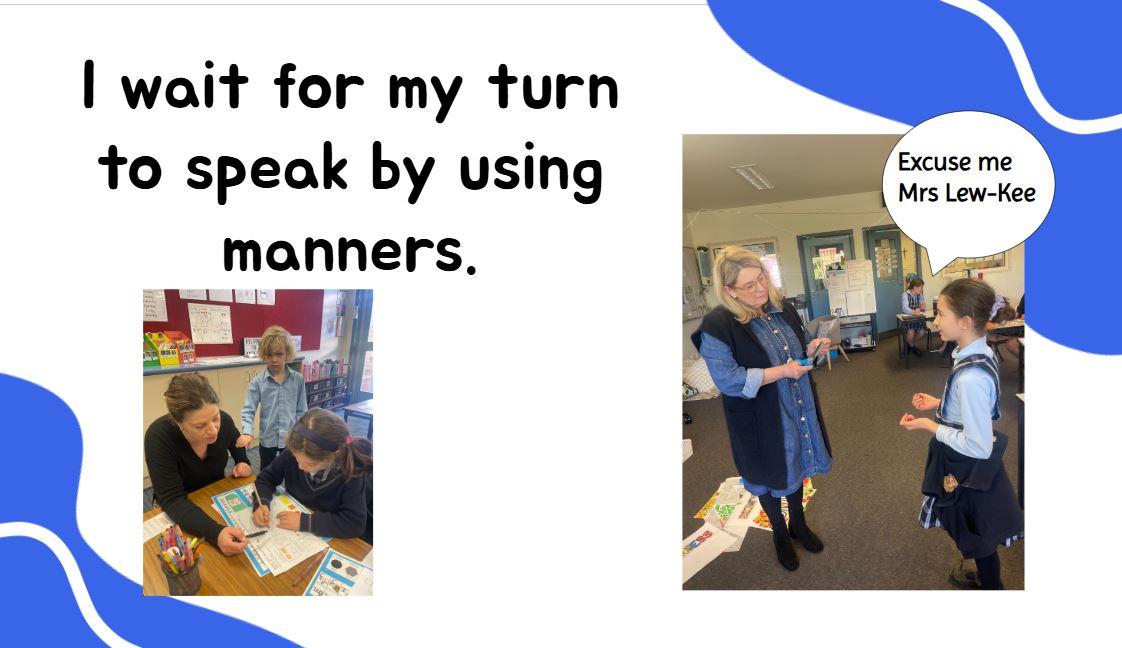
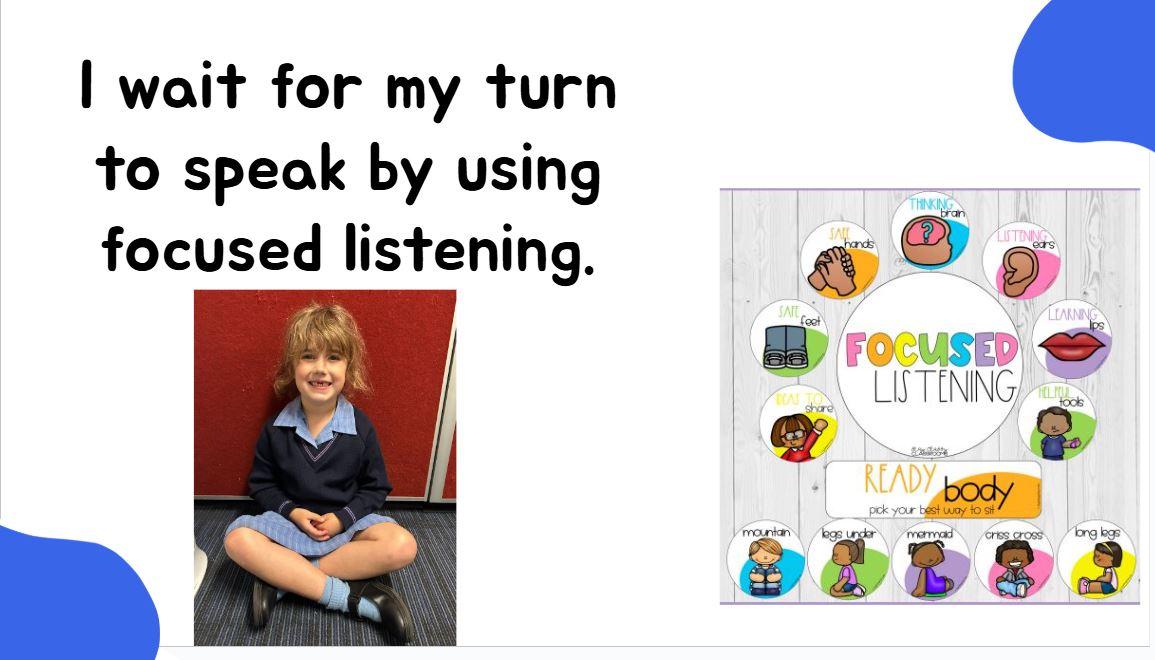
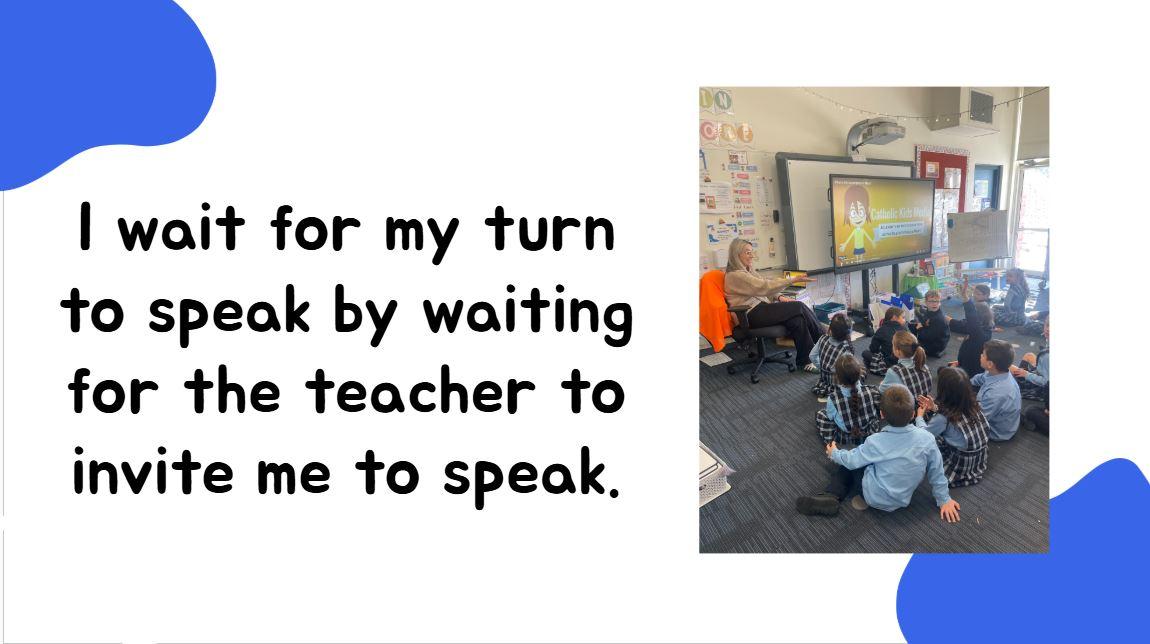
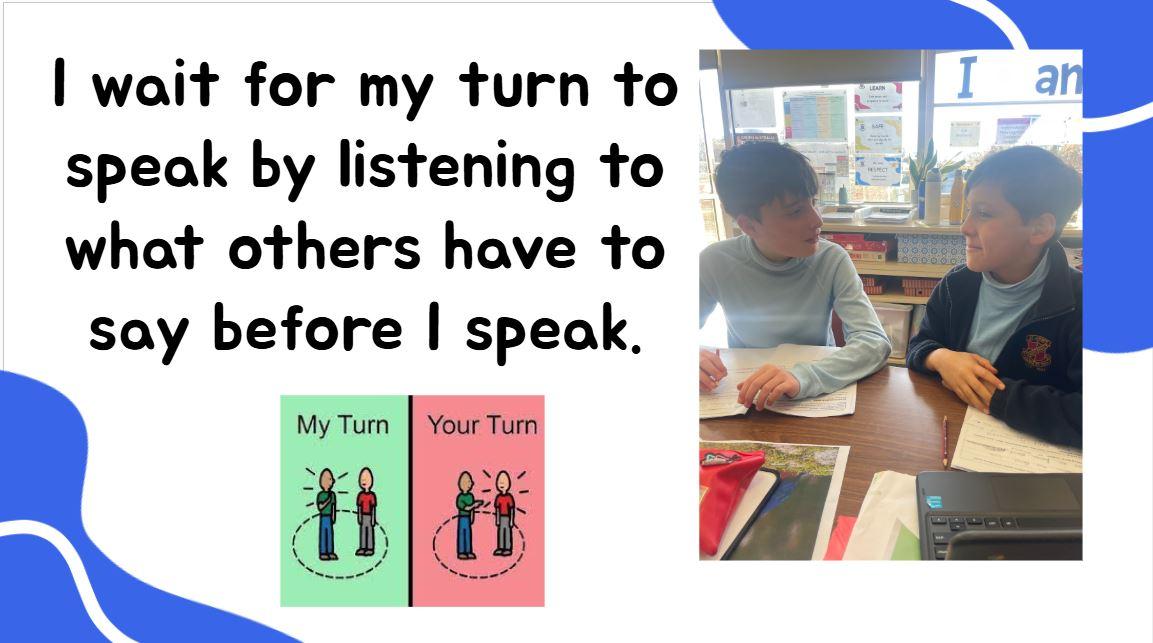
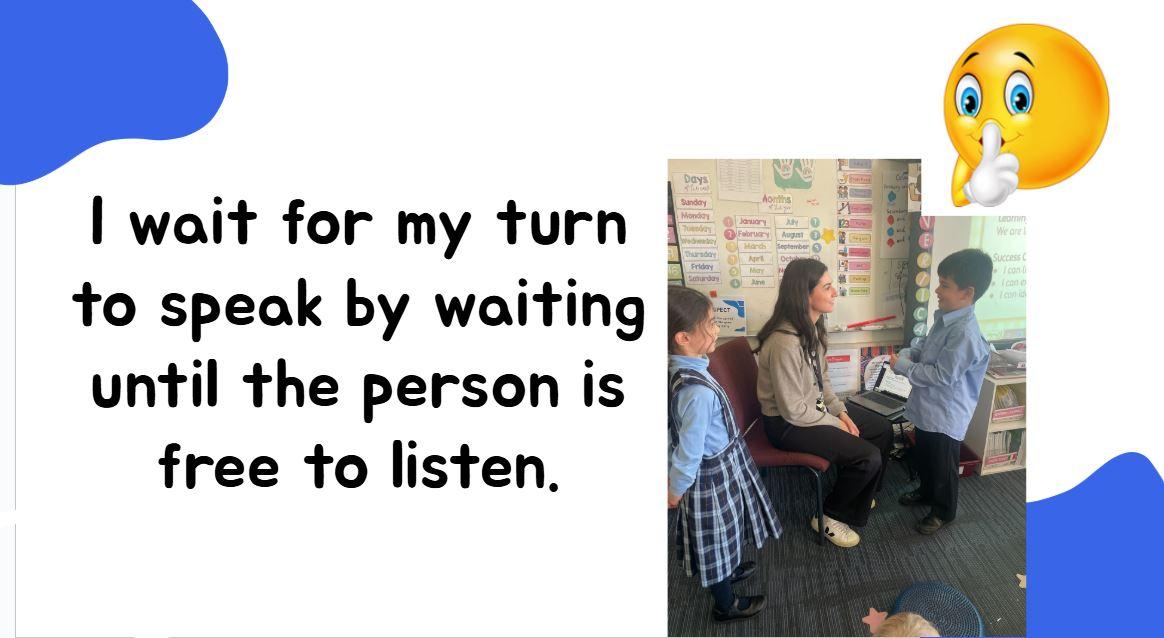
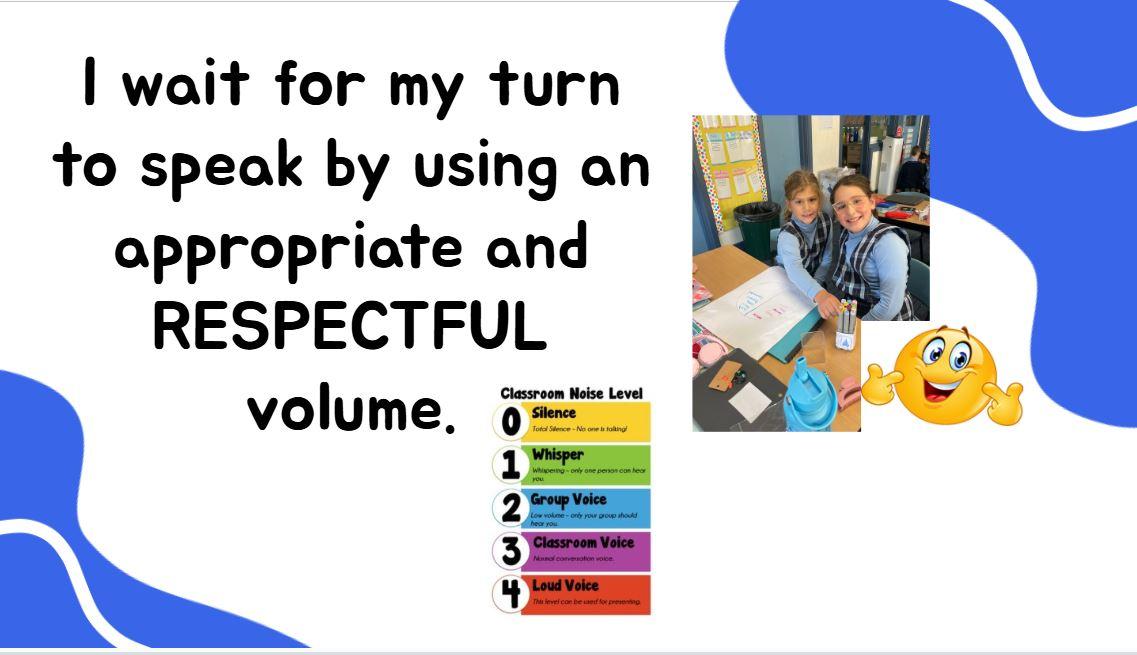
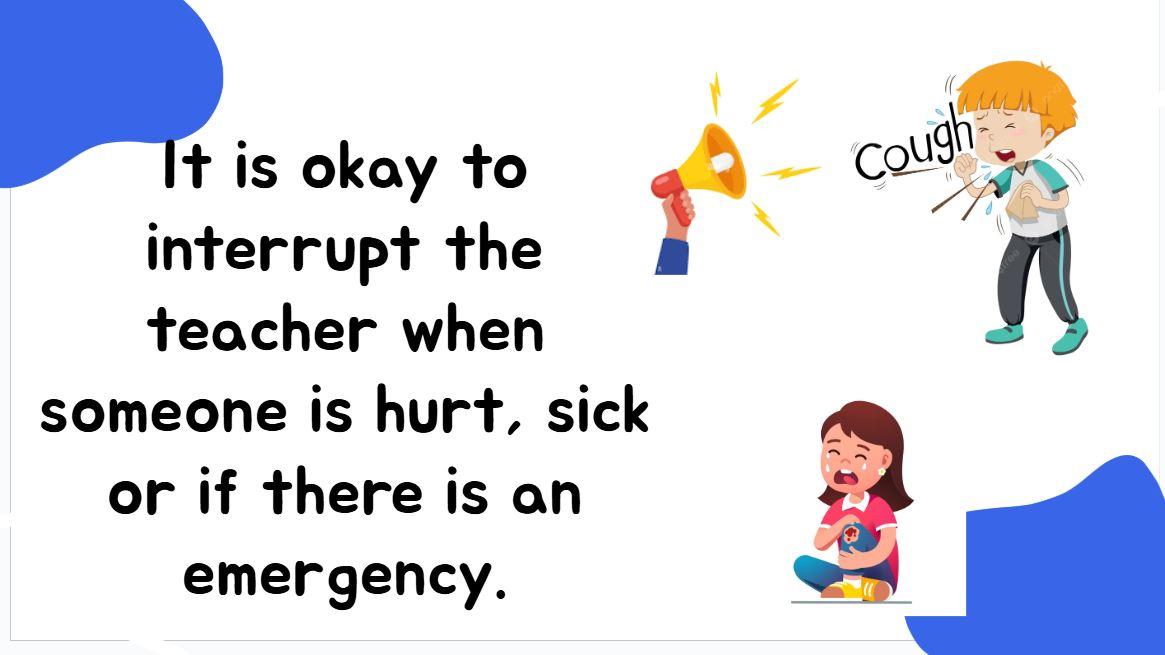
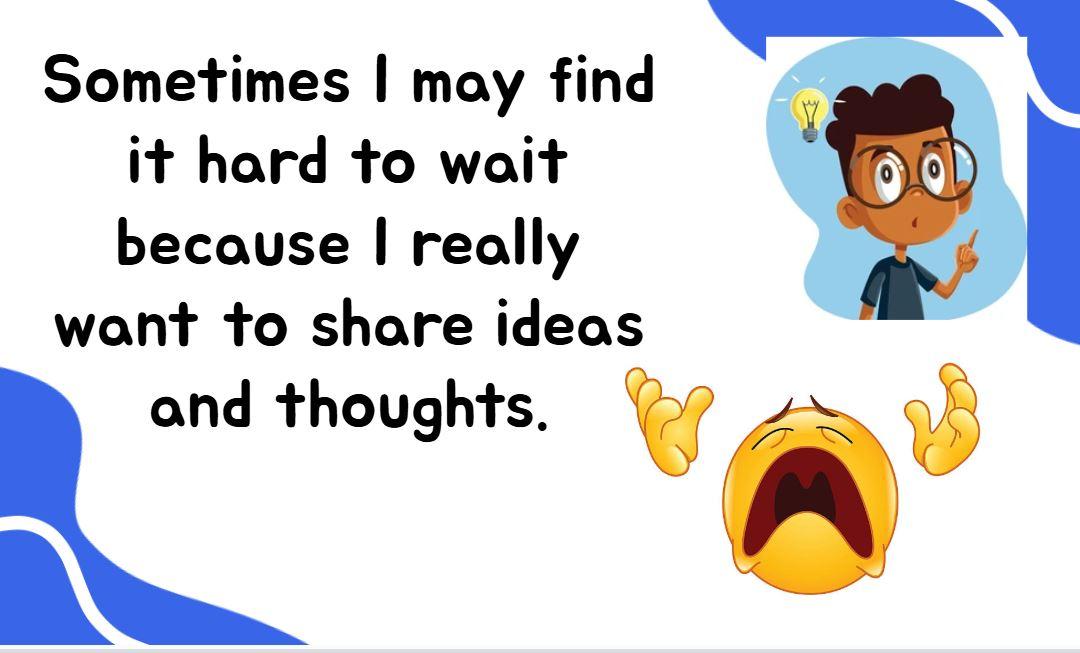
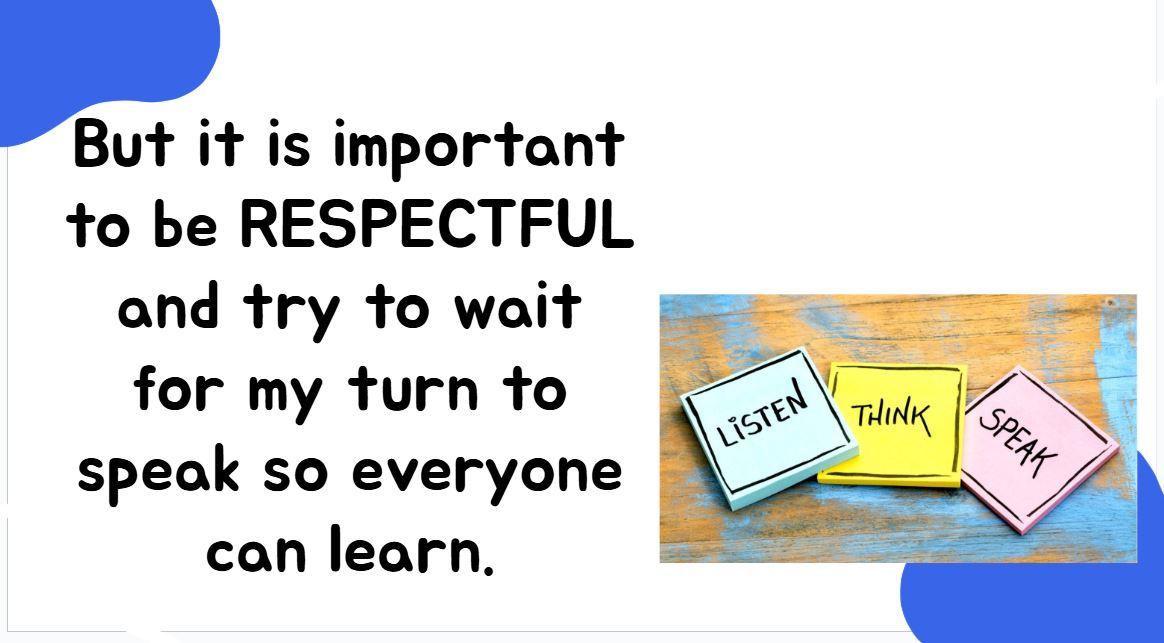
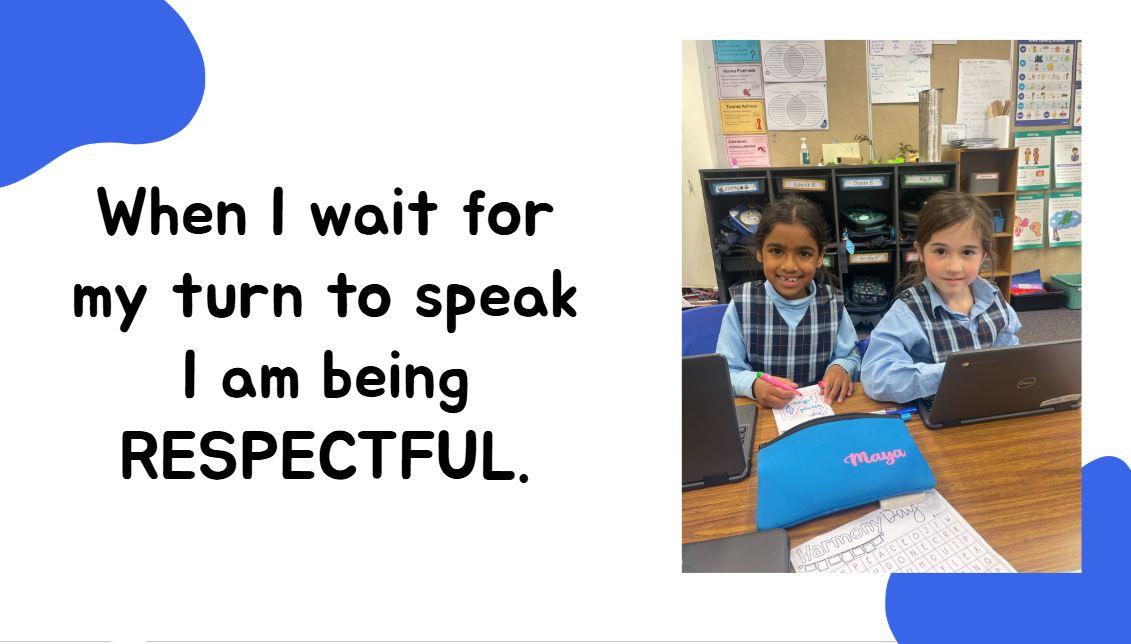
Through our behaviour tracking we have identified that students are still learning how to display the expectations of I wait my turn to speak and I communicate appropriately. This is shown by the student's disruption, disrespect and defiance in the classrooms. Teachers are regularly following our behaviour flowchart by restating, reminding, redirecting and reteaching the expectations. Your child's classroom teacher may contact you to discuss further how we can work together to support your child to show the required expectations, where all students can be Safe, Respectful and Learn.
We highly encourage you to discuss and review the PBL learning that has been taking place in our school. PBL is successful when all stakeholders reinforce the expectations, teachers, leaders, office staff and families.
St John's Primary School is a proud Respectful Relationships school.
Respectful relationships education is part of the Victorian Curriculum and delivered by all Victorian schools. It supports students to develop the knowledge, attitudes and skills needed for respectful relationships, and helps to build respect and equality across the entire school community.
Research tells us that providing respectful relationships education at school can lead to positive impacts on students’ academic outcomes, their mental health, classroom behaviour and relationships.
Our school uses the Department of Education’s evidence-based teaching and learning resources to teach our students about Respectful Relationships from Foundation to Grade 6.
The Resilience, Rights and Respectful Relationships resources have 8 topics that teach students about emotional literacy, personal and cultural strengths, resilience, problem-solving, stress-management, help-seeking, gender norms and stereotypes and positive gender relations.
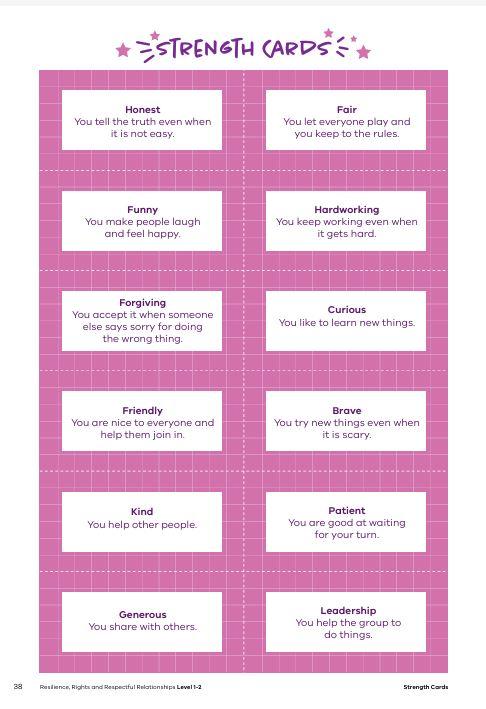
This term we are working on Topic 2 which helps students to learn about Personal and Cultural Strengths. You can view a sample activity from Year 1/2 Topic below.
If you have any questions about Respectful Relationships education, you can contact Alison Dean or Brooke Davis and visit the Victorian Government’s Respectful Relationships page: https://www.vic.gov.au/respectful-relationships