
Prep
Reading
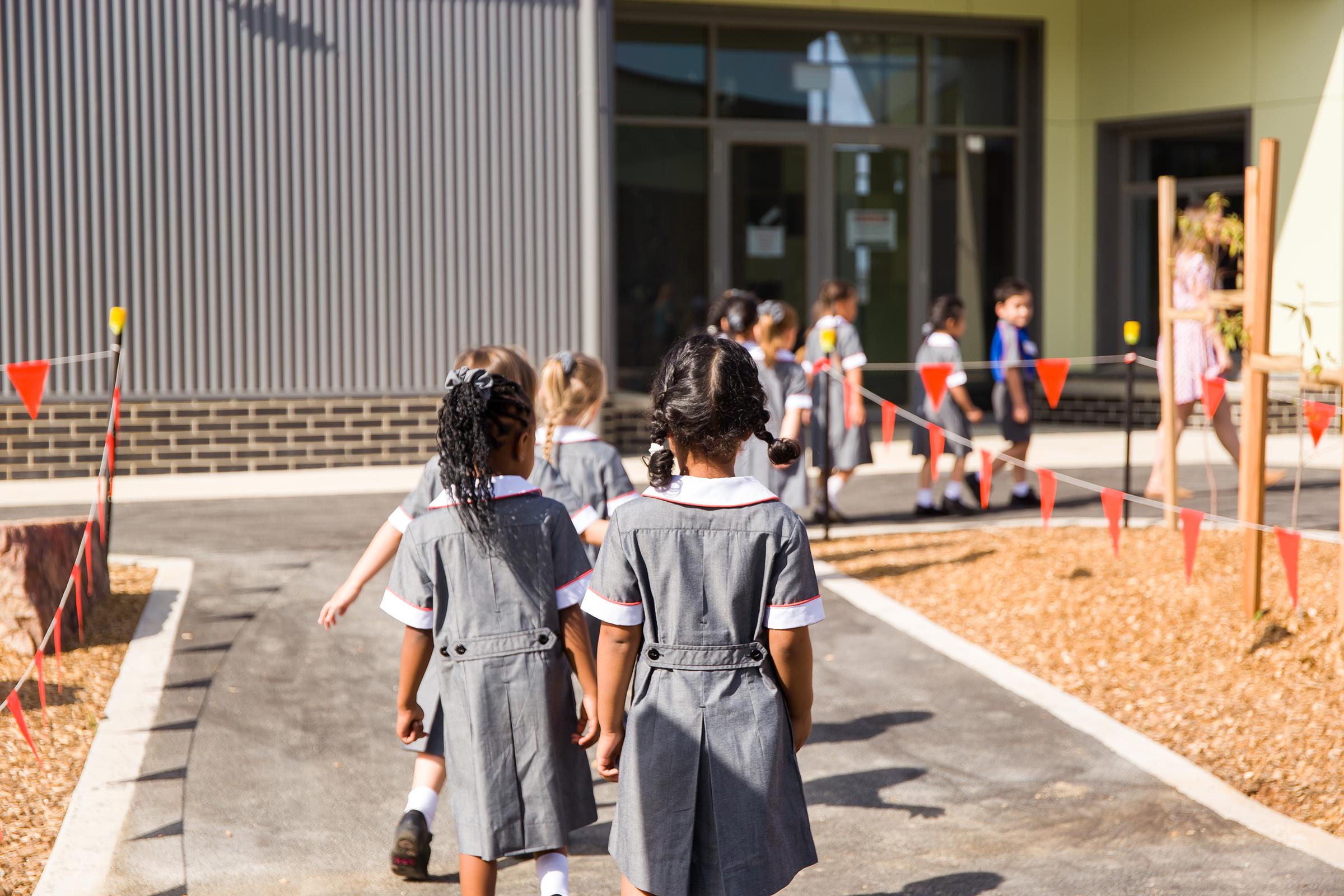
Over the past few weeks, our Prep students have been working hard during our daily reading lessons. Through our InitiaLit program, students have been learning to recognise and link sounds to letters, read and write simple words, and build confidence when reading independently.
Recently, students have been introduced to the sounds /g/, /l/, /k/ and /u/ and have been practising identifying these sounds in words, forming the letters correctly, and using them to read and write simple CVC (consonant-vowel-consonant) words. Students have also continued to develop their knowledge of tricky words, which are words that cannot always be sounded out and need to be recognised automatically when reading.
Throughout our reading sessions, students participate in a range of engaging activities including sound practice, word building, sentence reading, handwriting, blending and segmenting games, and decodable reader groups. We are very proud of the progress students are making as they become more confident readers and writers each week.
Maths
Over the past two weeks, students have been developing their understanding of shapes, numbers and counting through a range of hands-on learning experiences. Students began by exploring 2D shapes, learning to identify, name and describe circles, triangles, squares and rectangles. They investigated the features of different shapes, sorted shapes and objects by attributes such as size, colour and category, and explored how shapes can fit together to create new shapes and pictures. Students enjoyed using pattern blocks, tangrams and cut-and-paste activities to create rockets, robots and other imaginative designs while developing their spatial awareness and problem-solving skills. This week, our focus has shifted to numbers.
Students have been practising counting forwards and backwards to 20, recognising and writing numerals, and counting collections with one-to-one correspondence. Through games, partner activities, number bingo and hands-on materials, students have been learning strategies to organise collections, count accurately and match quantities to numerals. We have also been strengthening correct number formation and developing confidence when reading, writing and ordering numbers to 20. It has been wonderful to see students becoming more confident in explaining their mathematical thinking, using mathematical language, and applying their skills during independent and collaborative learning tasks. We are very proud of the persistence and enthusiasm they continue to show during our Maths lessons.
Writing
This fortnight our Prep students have been developing their writing skills through a wide range of engaging literacy activities designed to build accuracy, fluency and confidence. Our focus letters were g and l, students practised correct formation with clear demonstrations of starting points and direction, then completed guided and independent tracing and free‑writing activities to consolidate muscle memory. We used multi‑sensory approaches such as air writing and whiteboard practice to reinforce letter shapes. Building on letter formation, children practised writing simple CVC words by segmenting and blending sounds, then applying their letter–sound knowledge to spell and write unfamiliar words independently.
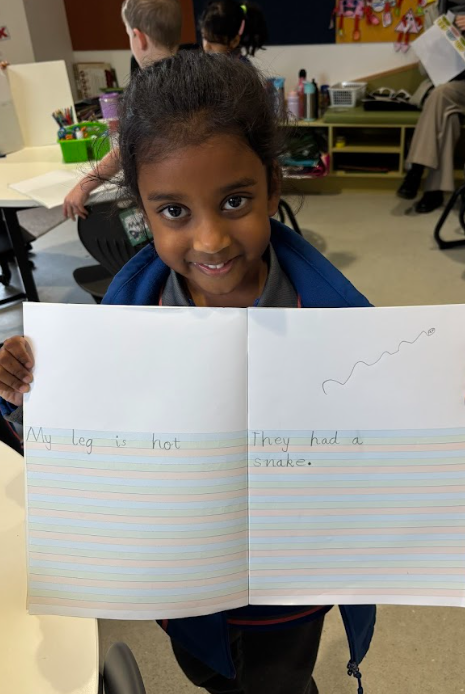
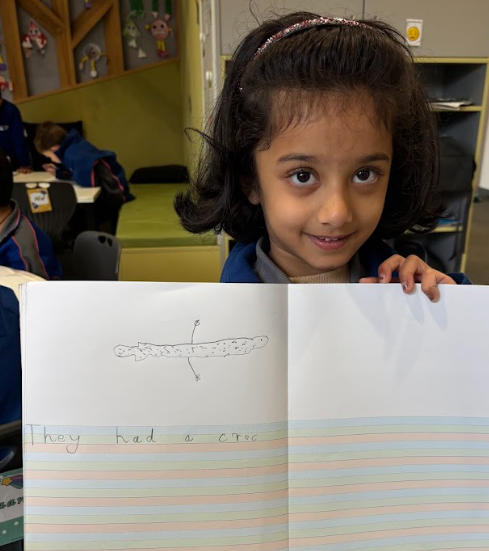
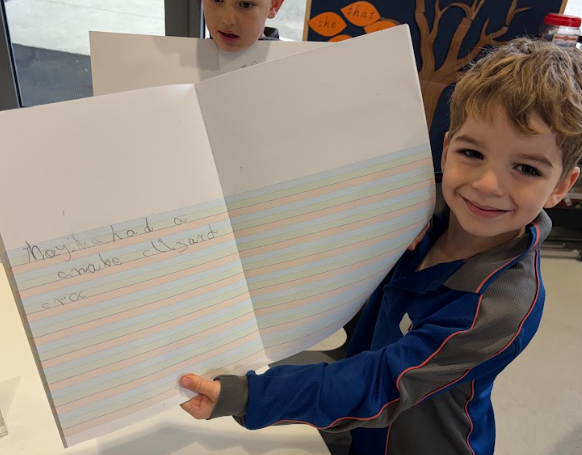
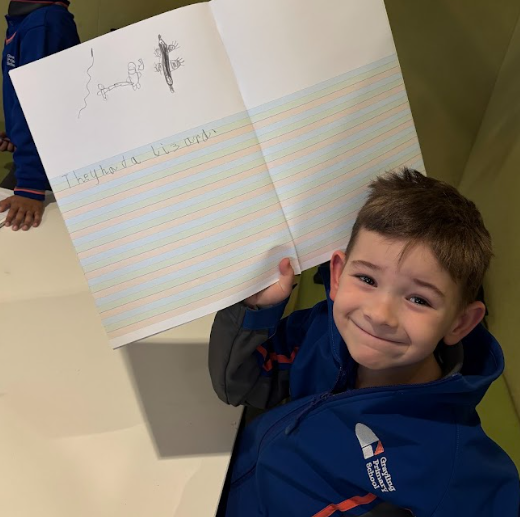
We also introduced the purpose and correct use of capital letters, emphasising that capitals are used only at the start of names and sentences, and gave many short activities and games to practice this rule. A selection of high‑frequency tricky words was taught explicitly and practised through reading, writing and matching tasks to increase automaticity. Finally, students combined these skills during shared writing sessions where the teacher modelled sentence construction, and children contributed ideas, sounds and words to compose and write simple sentences. Some students also had the opportunity to write about the reptile incursion and did an amazing job! Their confidence and accuracy have noticeably improved and we are very proud of their effort and progress.
Integrated
Prep students have continued exploring the concept of families through discussions, stories, creative tasks and comparative activities that develop social understanding and vocabulary. We began by identifying who is in each child’s family and discussing roles and routines at home, then broadened the conversation to consider what makes a family such as love, care, support and shared activities and practical ways we can care for family members.
Children created family portrait drawings and labelled members, which we used as prompts for short oral presentations to build speaking confidence. We also read picture books featuring diverse family structures and facilitated class conversations about how families can look different (extended families, single‑parent households, blended families, carers and chosen family). To deepen understanding, students compared similarities and differences between their own families and those in the stories, celebrated diversity through a collaborative classroom display, and completed role‑play activities practising polite ways to help and care for family members.
SEL
In Social and Emotional Learning this fortnight we focused on recognising, naming and managing different emotions to build self‑regulation and resilience. Through circle time, emotion‑matching games and story scenarios, students practised identifying feelings such as happy, sad, angry, scared and frustrated and discussed physical clues our bodies give us when we feel these emotions. We taught and practised calming strategies — five‑finger breathing, belly breathing and mindful counting — and gave students opportunities to use these techniques during guided calm‑down breaks.
We also emphasised the importance of kind self‑talk and role-modelled phrases children can use when upset (for example, “I can calm my body” or “I will try again”), then incorporated these into reflection sheets and emotion journals. Finally, we used small‑group activities to rehearse asking for help, expressing needs respectfully and offering kindness to classmates, strengthening both emotional literacy and supportive classroom relationships.
Reptile Incursion
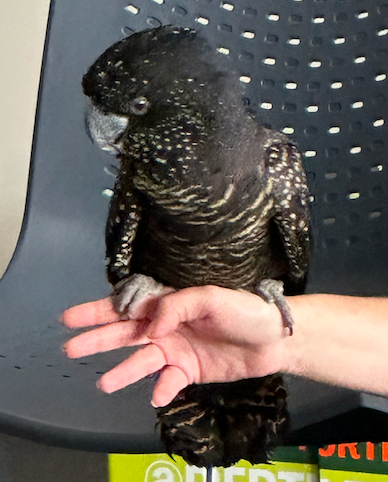
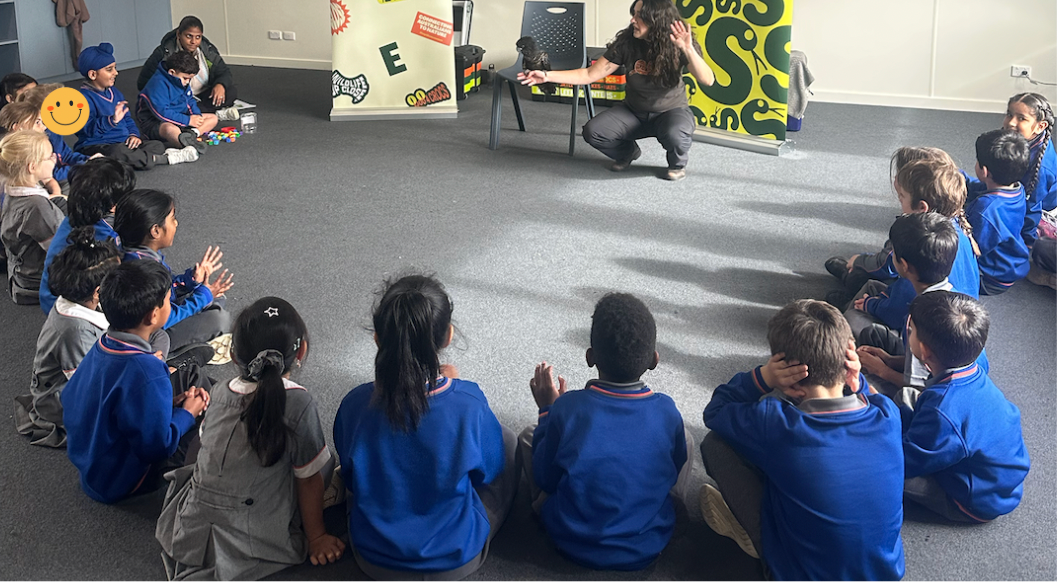
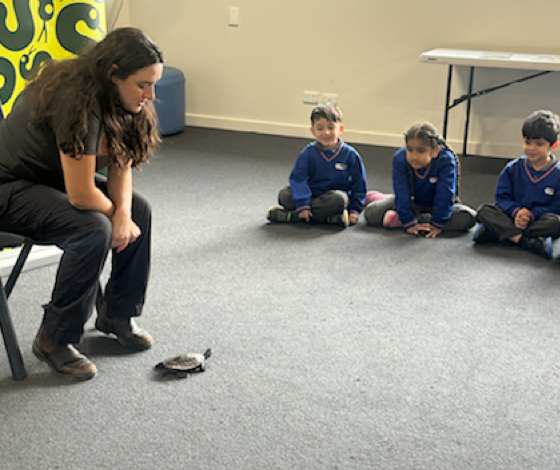
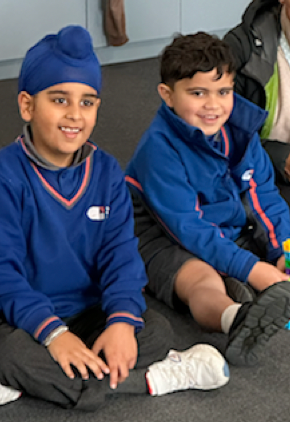
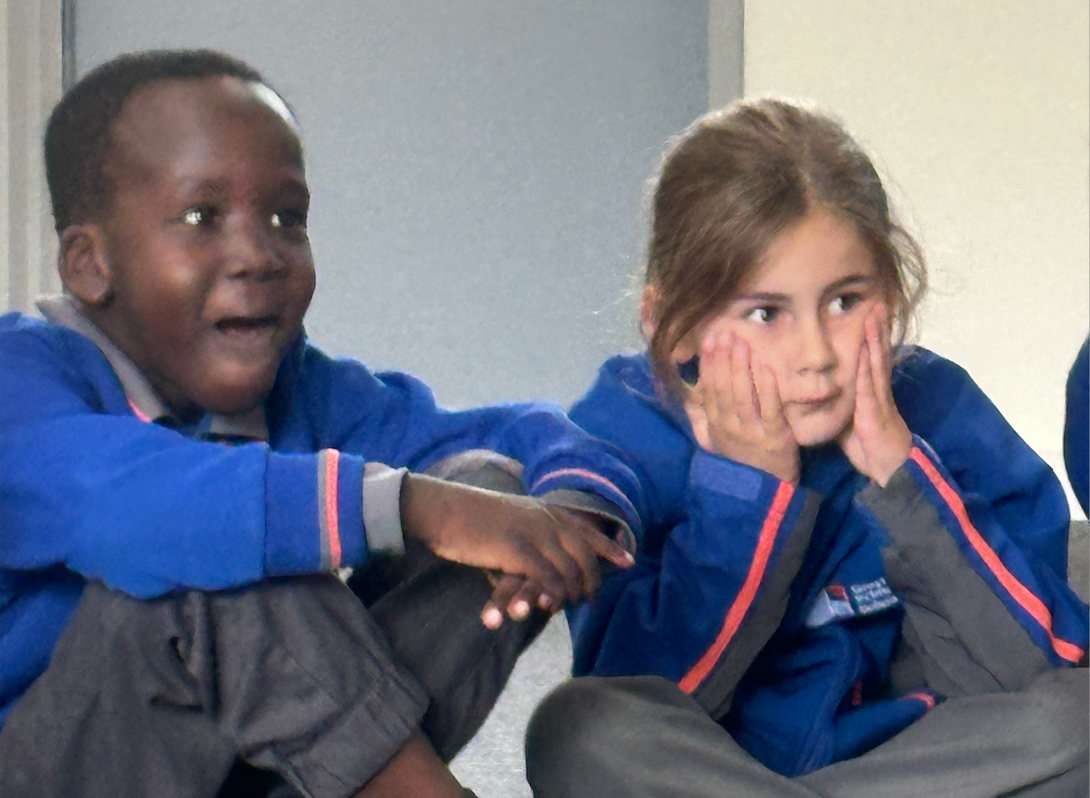
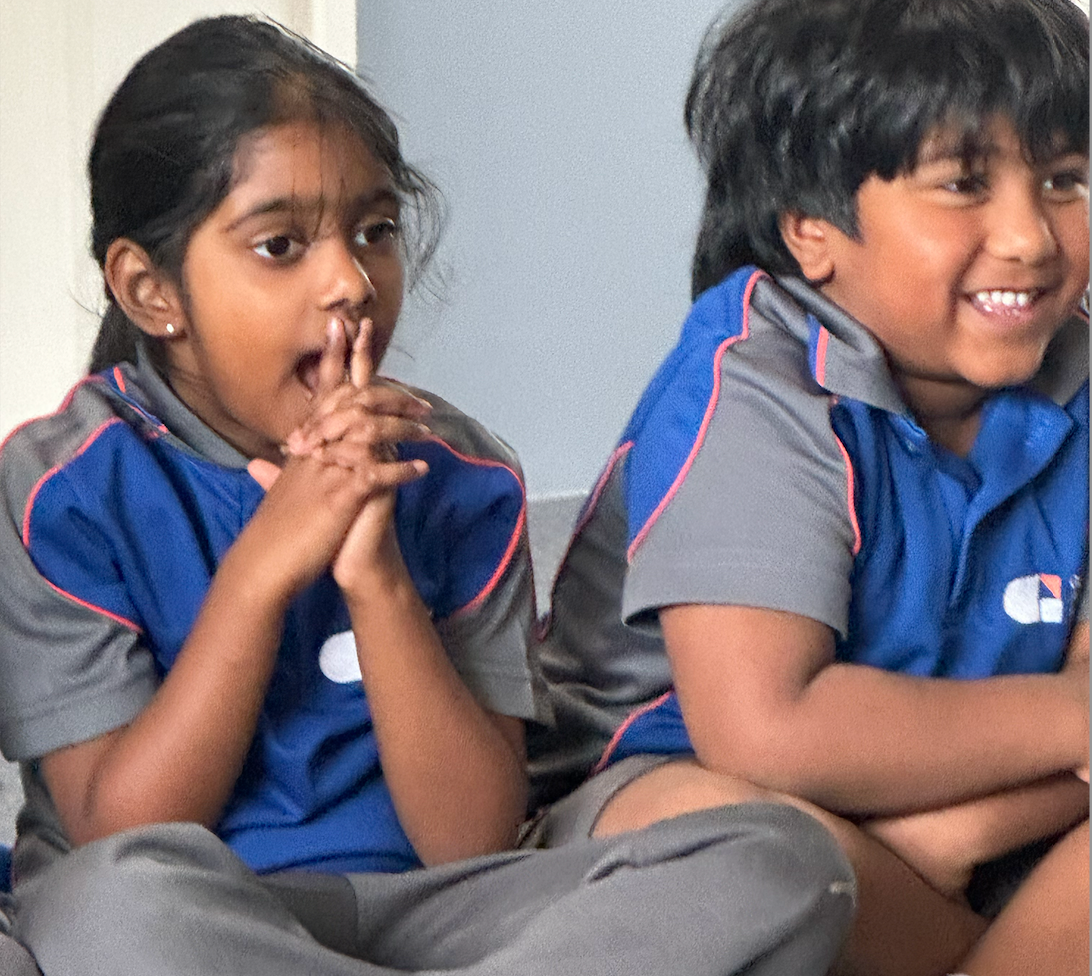
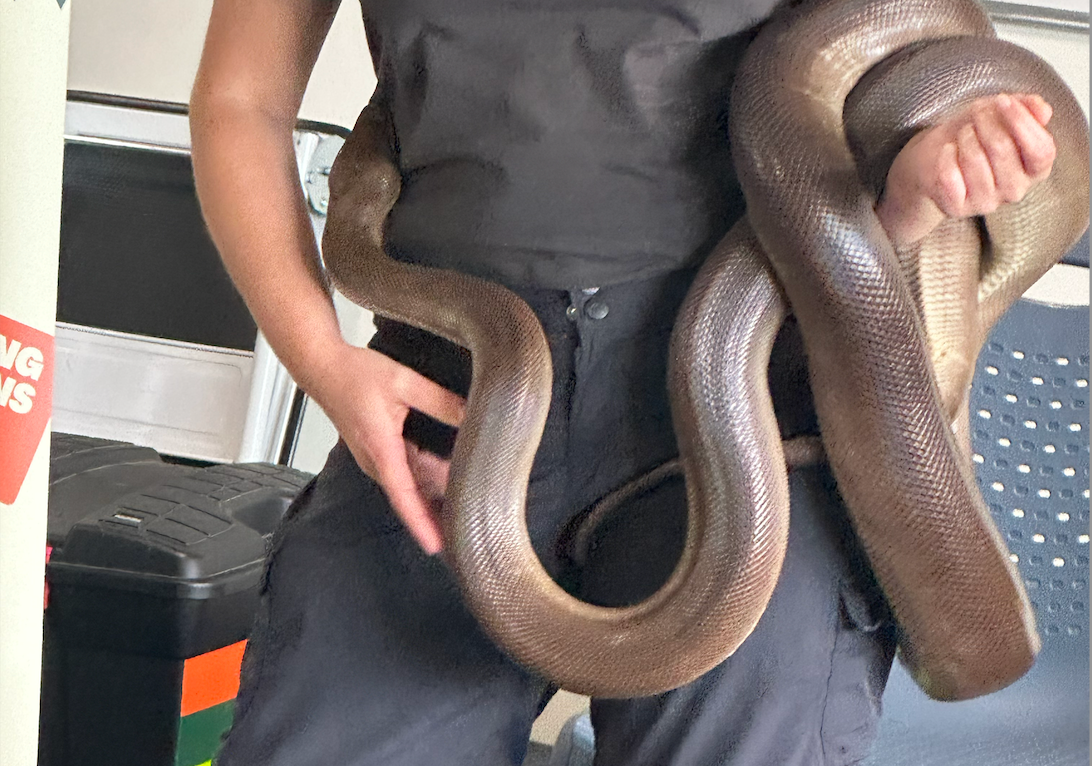
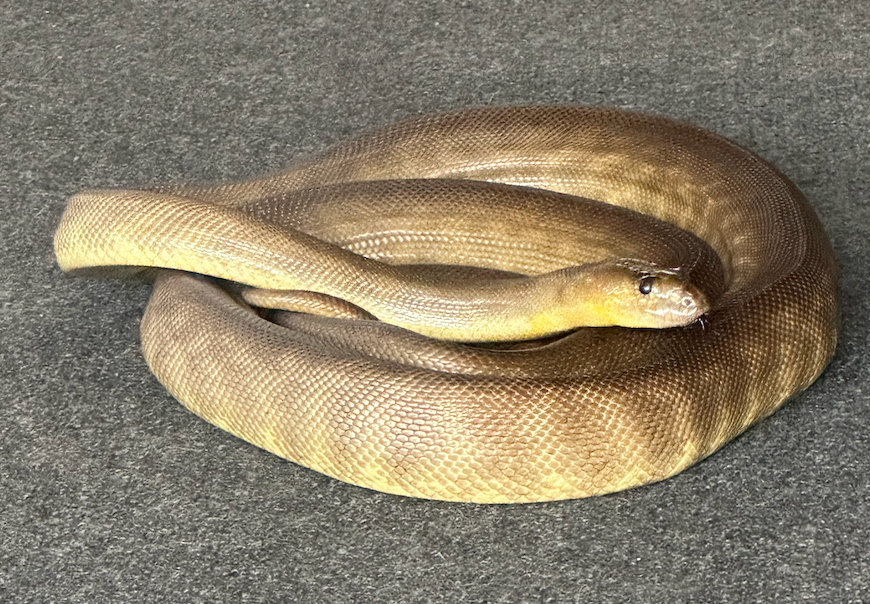
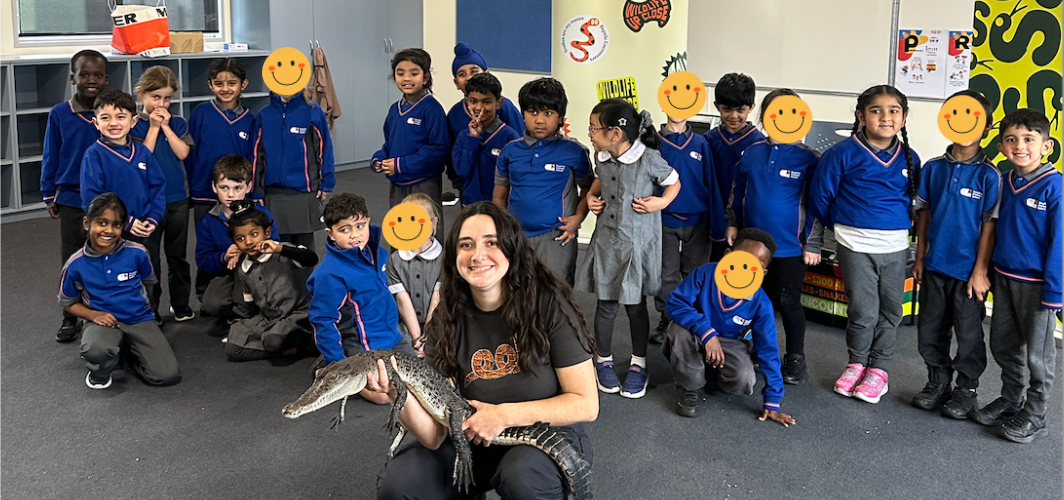
On Thursday 4 June, students attended an exciting Reptile Incursion. They had the opportunity to see a variety of reptiles up close and learn about their habitats, behaviours, and adaptations.
Students were highly engaged throughout the presentation and enjoyed discovering interesting facts about these fascinating creatures. The hands-on experience provided a valuable opportunity to deepen their understanding of living things and sparked plenty of curiosity and discussion.
It was an enjoyable and memorable learning experience for all students.
Home Learning
Reading
- practise recognising and saying the sounds: m, s, t, a, p, i, f, o, r, c, d, h, e, n, g, l and k
- practise saying the letter names for these letters
- read simple CVC words such as map, sat, tip, sip, fat
- read aloud to a family member, pointing to each word as you read
- complete take-home readers each night and record in reading diary
- use the InitiaLit eLibrary for additional reading practice
- practise tricky words regularly e.g. I. the, my, a, is, was, you, to, they, that, said, are, he, she, me, we, be and were
Writing
- practise writing the letters: m, s, t, a, p, i, f, o, r, c, d, h, e, n, g, l and k
- focus on correct letter formation while saying the sound aloud
- write simple CVC words that have been practised in reading e.g. mat, cat, sat, sit, fit, tip
- practise writing their name independently
Maths
- practise counting from 0–20
- recognise and name numbers 0–20
- practise writing numbers 0–20
- count small collections of objects (e.g. toys, blocks, household items)
- Number Formation 0 - 20