From the Head of Junior School
This week in the Junior School, we began recognising National Reconciliation Week as an important time to reflect on Australia’s shared history, celebrate Aboriginal and Torres Strait Islander cultures, and deepen our understanding of what reconciliation means in practice.
National Reconciliation Week is held each year from 27 May to 3 June, marking two significant milestones in Australia’s reconciliation journey. The week begins on 27 May, commemorating the 1967 Referendum, when more than 90% of Australians voted to remove discriminatory clauses from the Constitution and enable Aboriginal and Torres Strait Islander peoples to be counted in the national census. It concludes on 3 June with Mabo Day, recognising the landmark 1992 High Court decision in Mabo v Queensland, which overturned the legal fiction of terra nullius and legally recognised native title in Australia for the first time.
These dates frame an important national conversation, and within schools they provide a clear opportunity and opening for thoughtful reflection on how we teach Australia’s history. As many in our community can imagine, this work is both essential and complex. As a school, we are committed to ensuring Aboriginal and Torres Strait Islander histories, cultures, and perspectives are embedded in meaningful ways, while also being mindful to avoid tokenism or surface-level approaches; a tick-a-box approach to reconciliation is the opposite of what we want, though working out the best practice in this can be fraught. Often, teachers do not want to get too far into this work for fear of offending, coming across as insensitive or simply getting it wrong. Breaking down this fear can happen when teachers are given structures and starting points to build from.
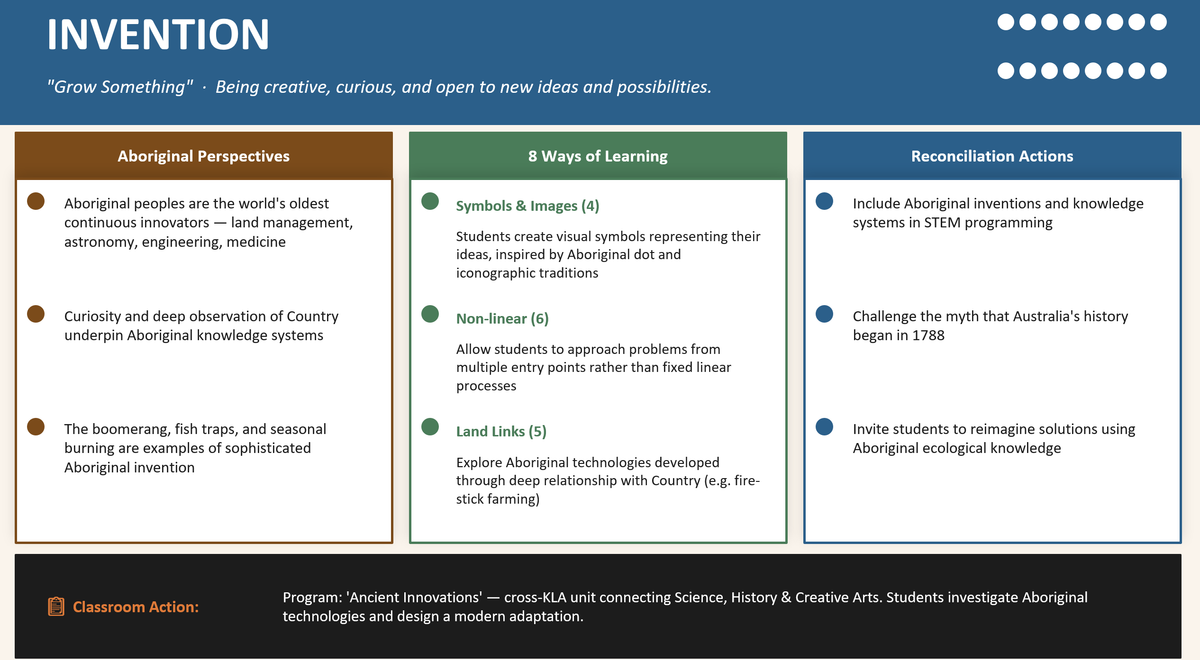
This week, Mrs Deanne Brajkovic led excellent professional learning for staff that helped bring this work into sharper focus within our own context. Staff explored how our school values connect with the Aboriginal 8 Ways of Learning pedagogy, recognising that many of the strong teaching practices already present in our classrooms align closely with Indigenous ways of learning. This process supported teachers to see National Reconciliation Week not as a standalone event, but as an opportunity to strengthen everyday practice through intentional, age-appropriate, and culturally responsive teaching. I have included an example of some of the work teachers considered on the PowerPoint slide below. You can see that our School value of Invention, and the associated behaviour of Grow Something can be linked to Aboriginal Perspectives, Eight Ways of Learning and Reconciliation Action.
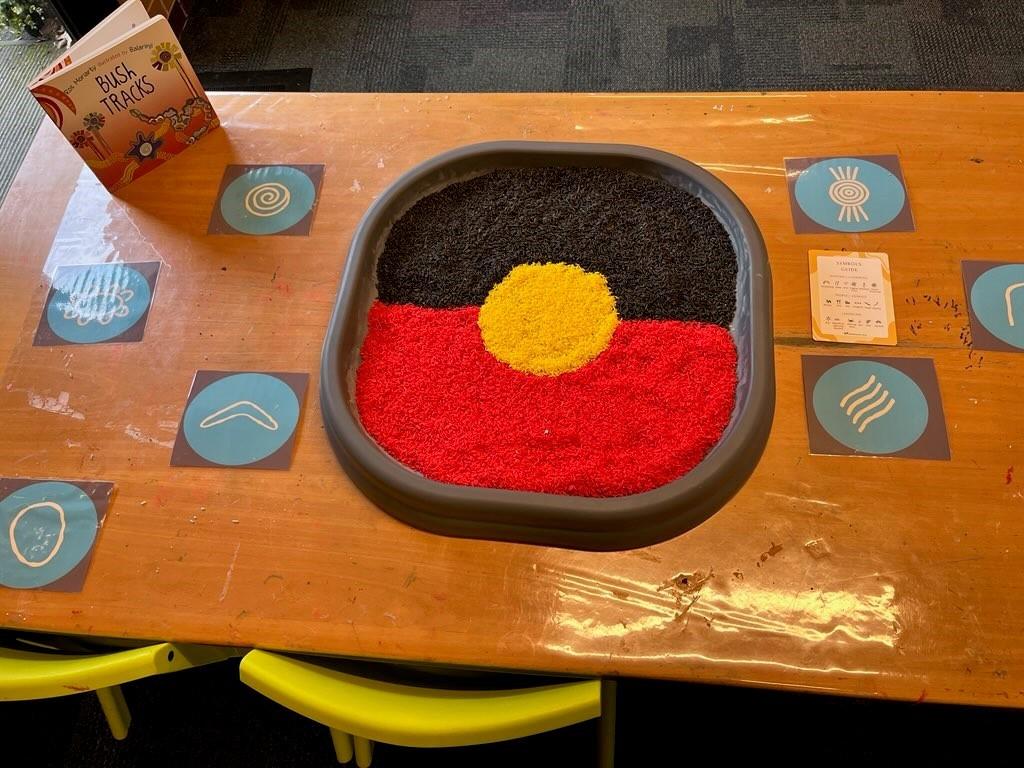
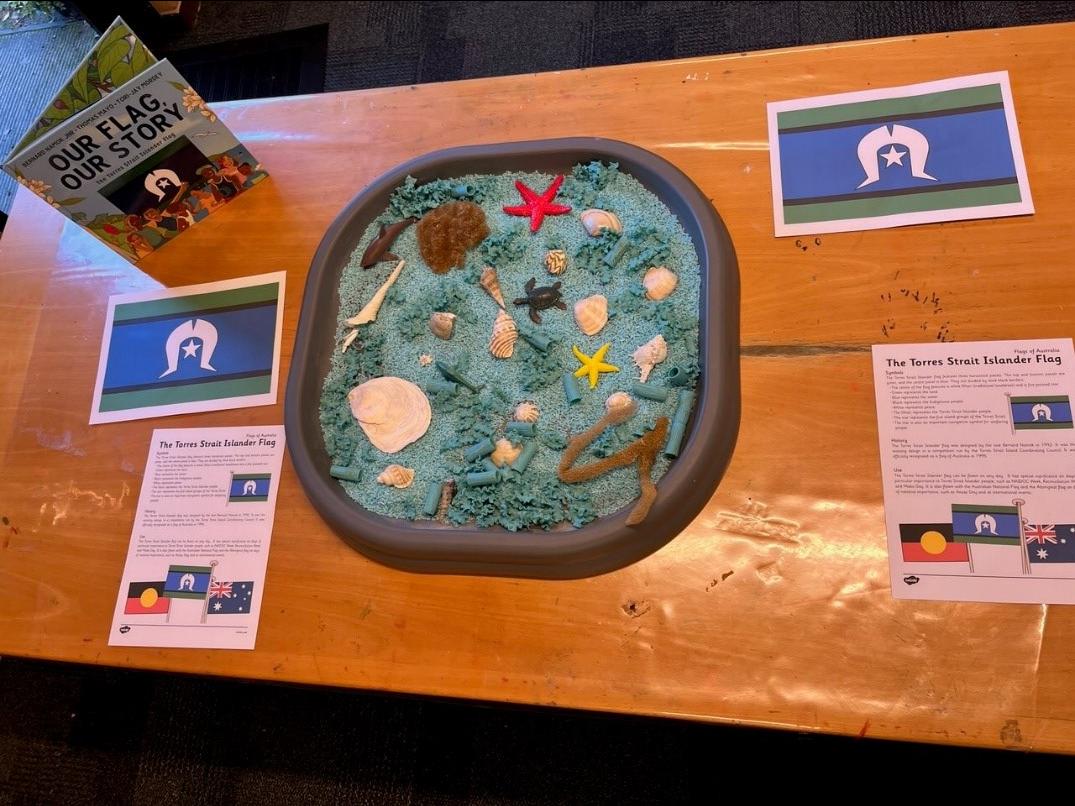
I do also want to recognise the work of Miss Danni Maddison who works in OOSH at Wentworth Falls and the program she has put together for students there. After spending last weekend dyeing rice and other items, it was great to see the ways that learning about Indigenous culture does not need to be heavy, guilt-driven or divisive. The learning Miss Danni organised was fun, genuine and could be used as a discussion point in classes, homes or other settings. This is how learning about reconciliation should be.
As a school community, Blue Mountains Grammar School Junior School remains committed to this ongoing journey. We value the opportunity to learn together, to reflect thoughtfully, and to continue growing in understanding and respect, while looking hopefully to the future.
Christopher Sanders
Head of Junior School