Curriculum News
Mrs Leanna Langlands - Instructional Specialist
Curriculum News
Mrs Leanna Langlands - Instructional Specialist
In every classroom across our school, students are learning a skill that sits at the heart of all successful writing: crafting clear, meaningful sentences. Whether they are writing an information report in Year 2, a narrative in Year 4 or a persuasive text in Year 6, strong sentence skills are the foundation that allow students to express ideas with confidence and clarity.
Under the NSW K–10 English Syllabus, students from Kindergarten to Year 6 are expected to develop increasing control over sentence structure, language features and cohesive devices. These skills don’t just support academic success — they help students communicate effectively in everyday life.
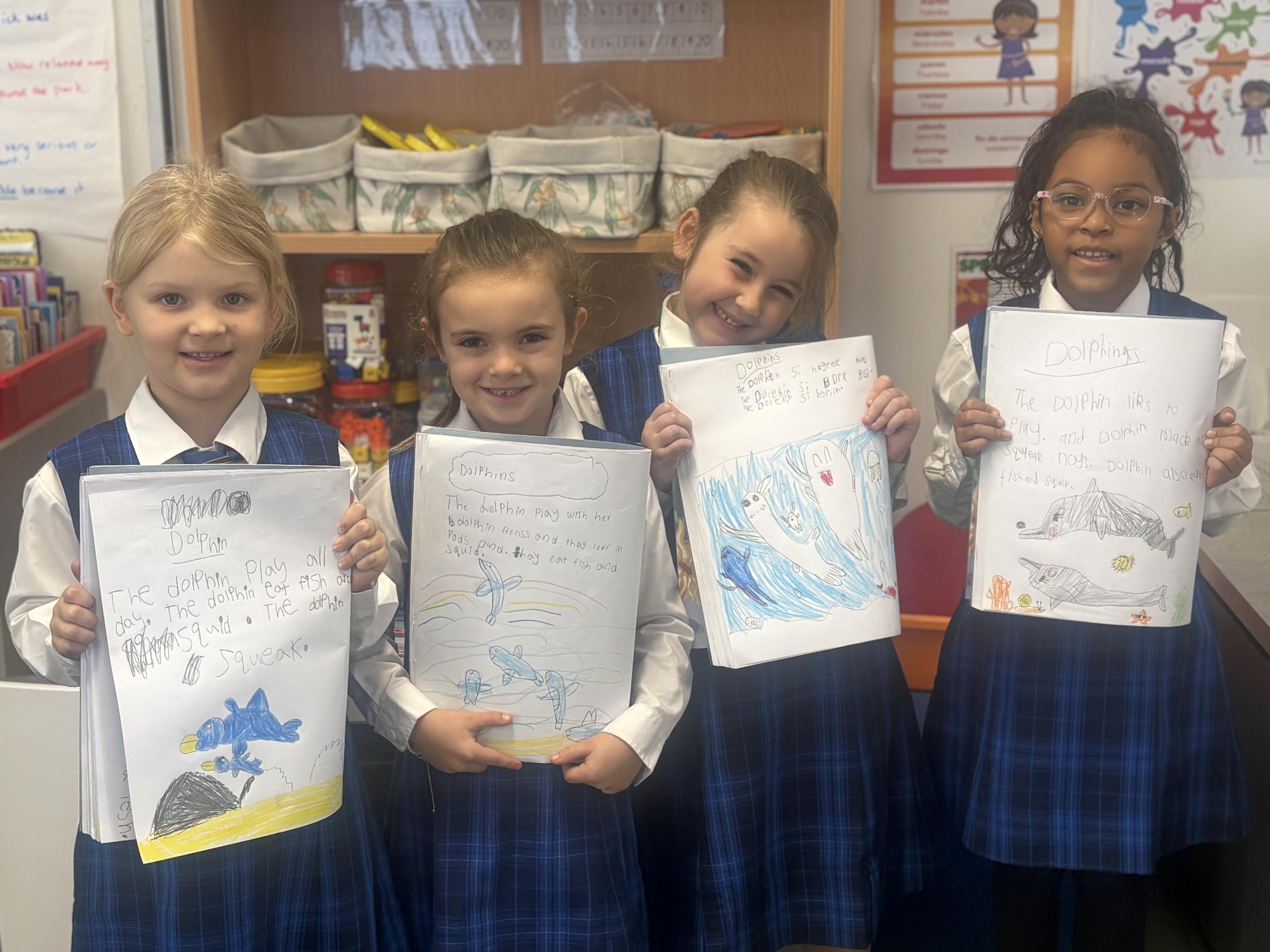
In the early years, students learn that a sentence expresses a complete idea. They begin to understand the roles of the subject and verb, and they experiment with adding simple details. This is where the groundwork is laid for all future writing.
When young learners practise writing short, clear sentences, they develop:
These early skills directly support syllabus outcomes, which focus on planning, composing and reviewing simple texts.
As students move into Stage 2, they begin to enrich their writing with adjectives, adverbs and cohesive devices such as because, also, then, and after. They learn that informative writing requires factual detail, while imaginative writing benefits from vivid description.
This aligns with outcomes, where students identify and use language forms and features to enhance meaning.
At this stage, explicit instruction helps students:
These skills are essential for producing well‑structured paragraphs and longer texts.
By Stage 3, students are expected to write with increasing sophistication. They learn to vary sentence length, use complex sentences, and choose language that suits purpose and audience.
Strong sentence instruction helps older students:
These are the skills that prepare students for high school writing demands.
Research and classroom experience both show that students learn best when sentence skills are taught explicitly, modelled clearly and practised regularly. When teachers break down the components of a sentence, demonstrate how to add detail and guide students through editing, learners gain the tools they need to write with purpose.
Explicit instruction supports:
Strong sentence skills are more than a curriculum requirement, they empower students to share their ideas, explain their thinking and participate confidently in the world around them. When children learn to write well‑structured, descriptive and cohesive sentences, they become stronger readers, clearer speakers, and more effective learners.
At our school, we are committed to providing high‑quality, explicit instruction in writing from Kindergarten through to Year 6, ensuring every student develops the skills they need to succeed.