
Deputy Principal
Kristen Waldron
Deputy Principal
Kristen Waldron
The Strength in Showing Up for Each Other
On mateship, grief, and the science of kindness we consistently get wrong
There is a particular kind of courage that doesn't come with a trophy or a headline. It doesn't show up on a scoreboard or earn a merit badge. It shows up in a quiet word in the corridor. A hand on a shoulder before class. A message sent at 9pm to someone who has been on your mind. It shows up as presence, when presence is what matters most.
Our school community has been navigating a genuinely difficult period. Grief has a way of arriving uninvited and staying longer than expected, and it asks something of every person it touches. What we have witnessed in our students during this time is something that deserves to be named clearly: they have shown up for each other with remarkable mateship, and it has made a difference.
It happens in the classroom, where a student notices a friend is having a hard day and quietly shifts their chair a little closer. It happens on the sporting field, where the culture of a team — the encouragement, the picking each other up, the not leaving anyone behind — becomes something that holds people together beyond the final siren. It happens in the small rituals of ordinary school life: walking to the canteen together, saving a seat, sending a meme to someone you haven't checked in with for a while.
None of these are grand gestures. All of them are profound.
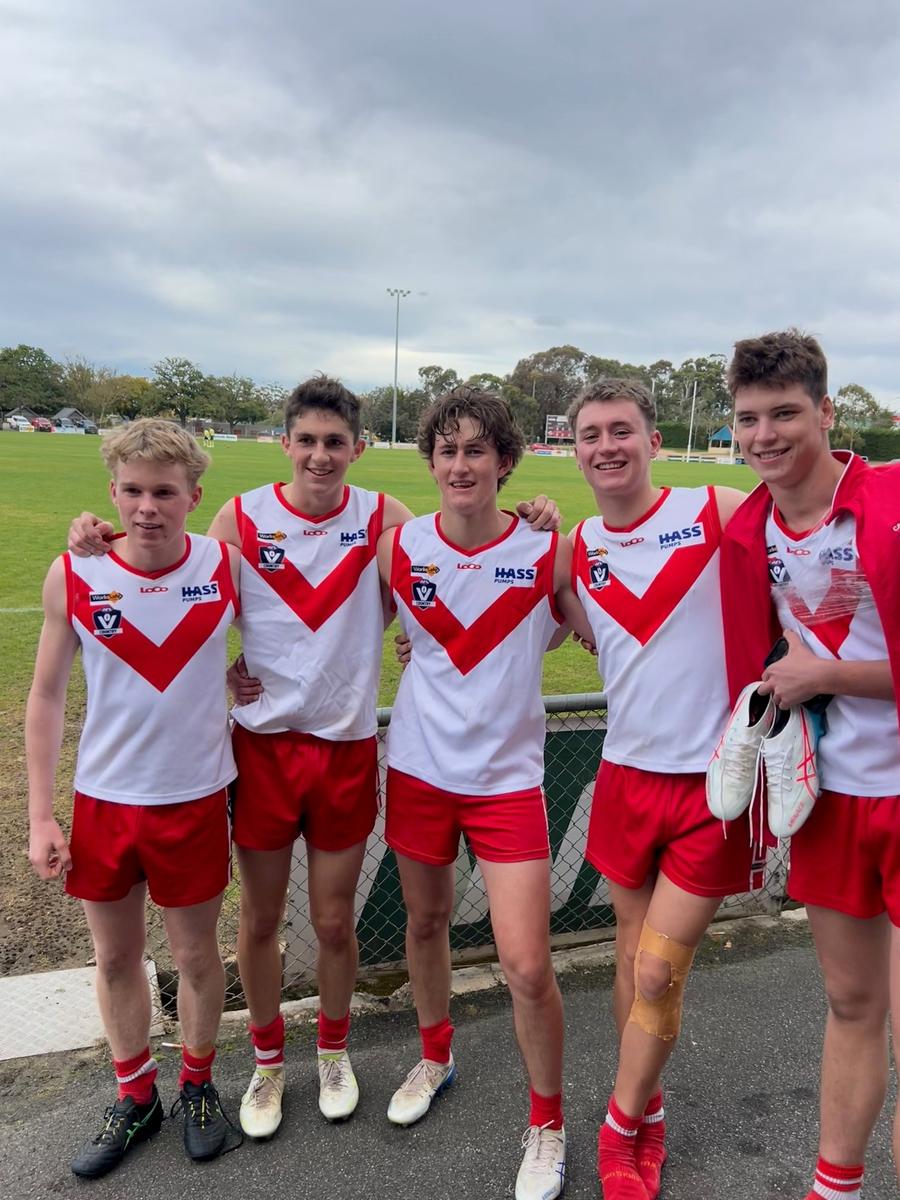
Mateship is not a feeling. It is a practice. It is the repeated decision, made in small moments, to treat another person as if their wellbeing matters to you — because it does.
We know that students can feel profoundly alone in their grief even when surrounded by people. The antidote to that particular loneliness is not counsellors or programs or formal support structures — though those things matter too. It is peers. It is classmates. It is the people who share the same lunch table, the same training session, the same walk to the bus stop. The informal architecture of connection that students build for each other is, in many ways, the most powerful support system we have.
We want to say something clearly to students and families alike: reaching out is never the wrong move. The worry that you might say the wrong thing, or that it isn't your place, or that too much time has passed — these are real worries. They are also, as it turns out, reliably wrong.