Teaching & Learning

In Our Classrooms
Mini Whiteboards: Why They Work
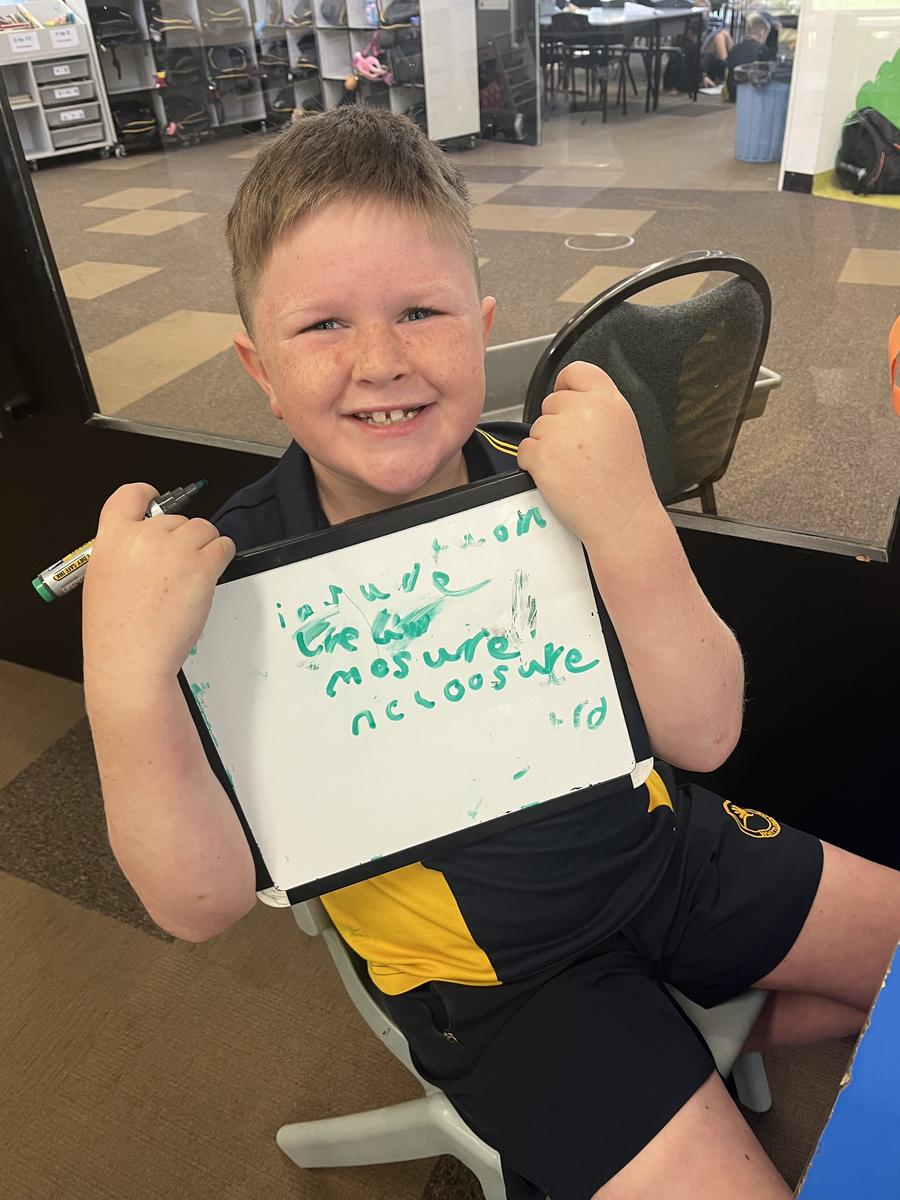
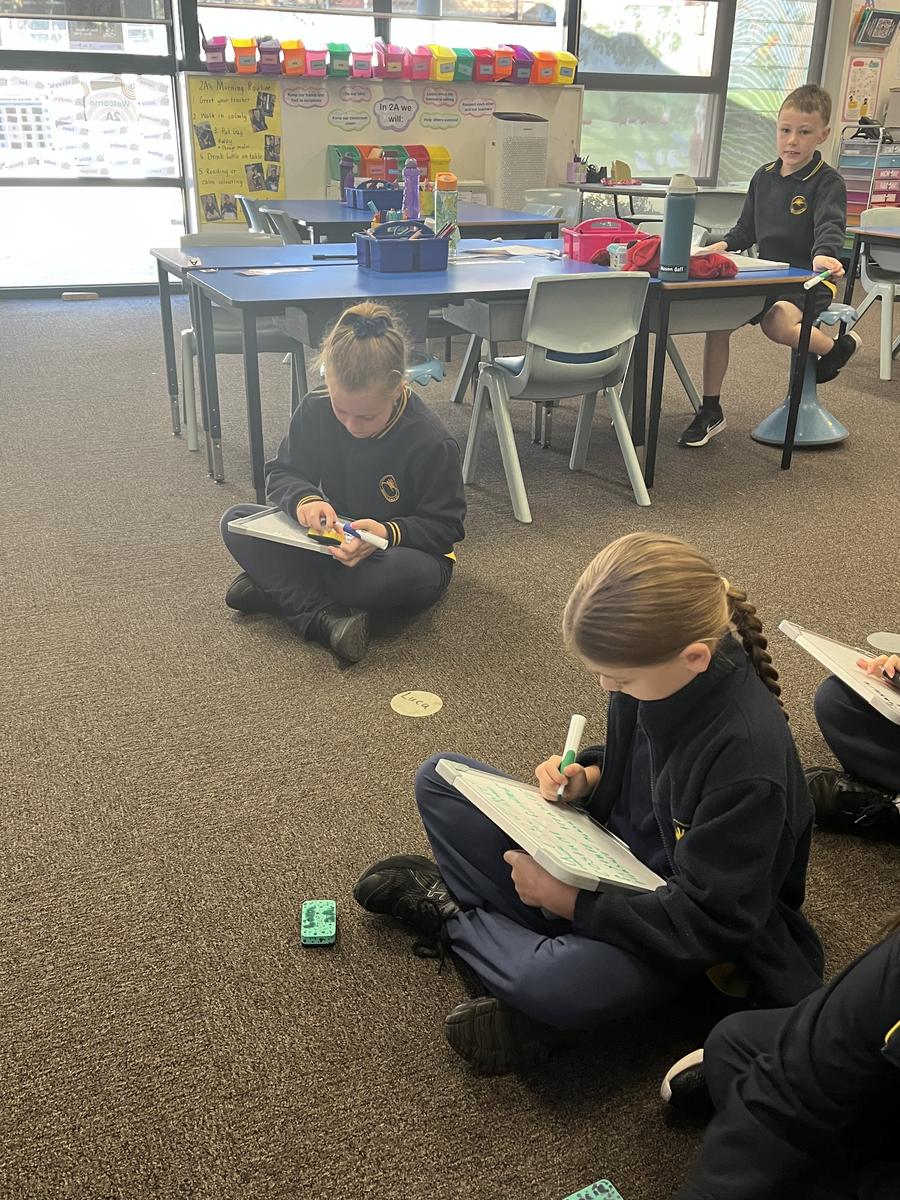
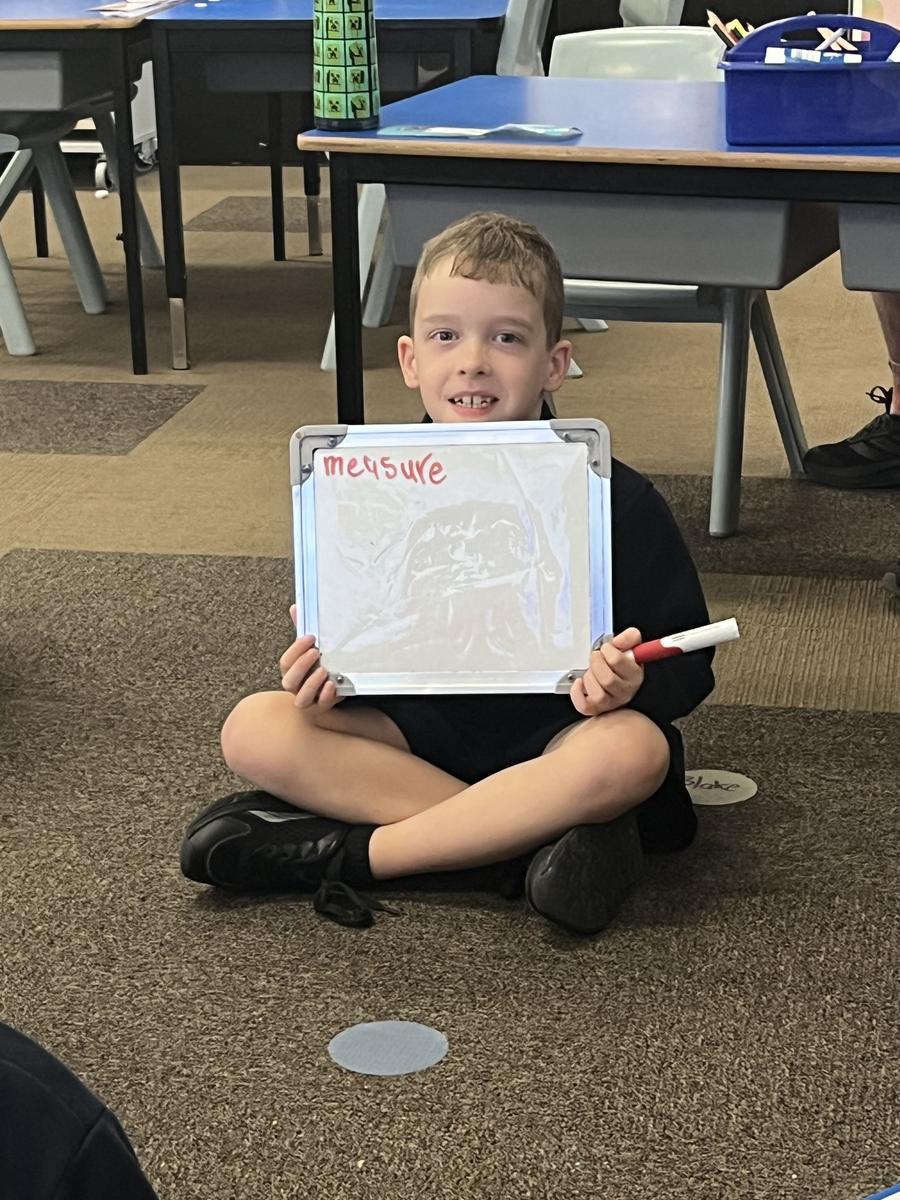
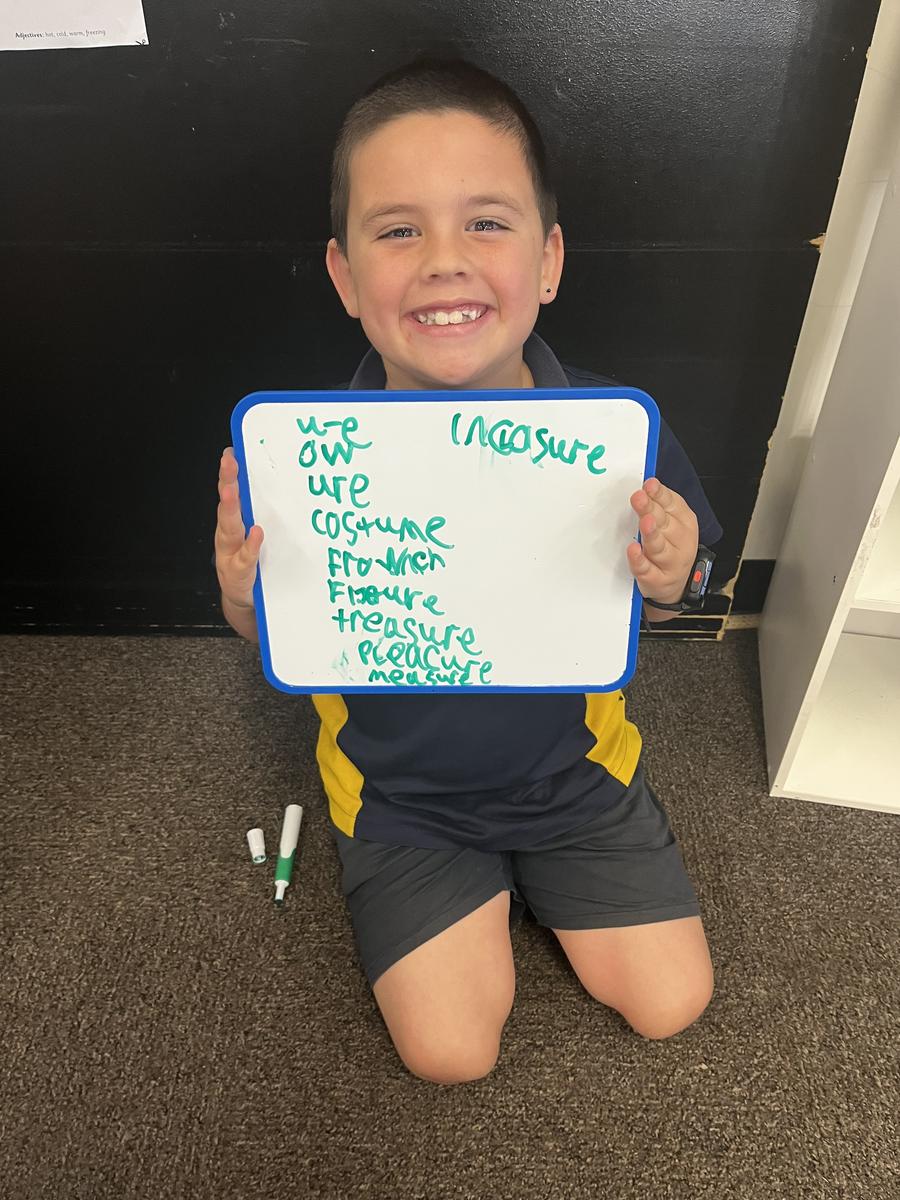
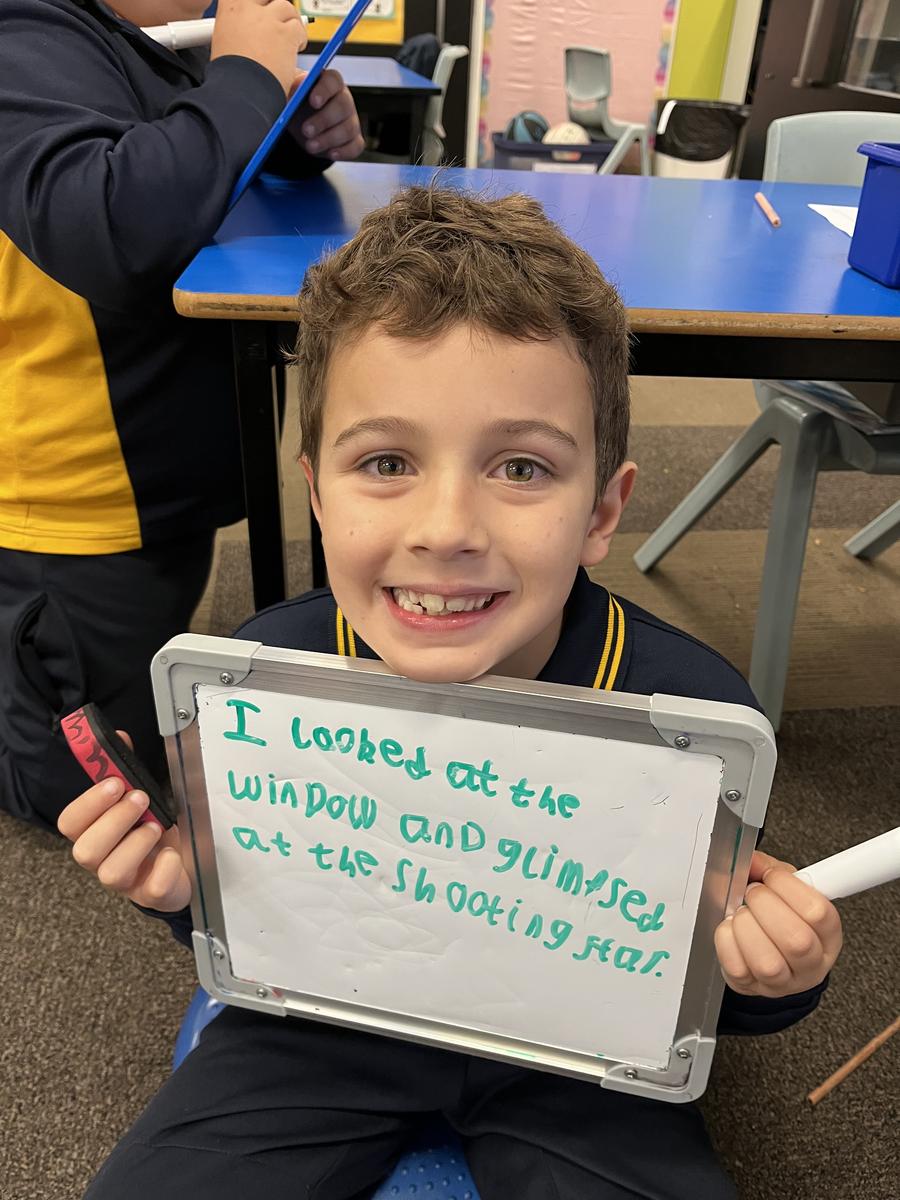
Many classrooms across our school are using mini whiteboards as part of daily learning routines, and for good reason. Research shows that when used effectively, this simple strategy can have a strong impact on student learning, engagement, and participation.
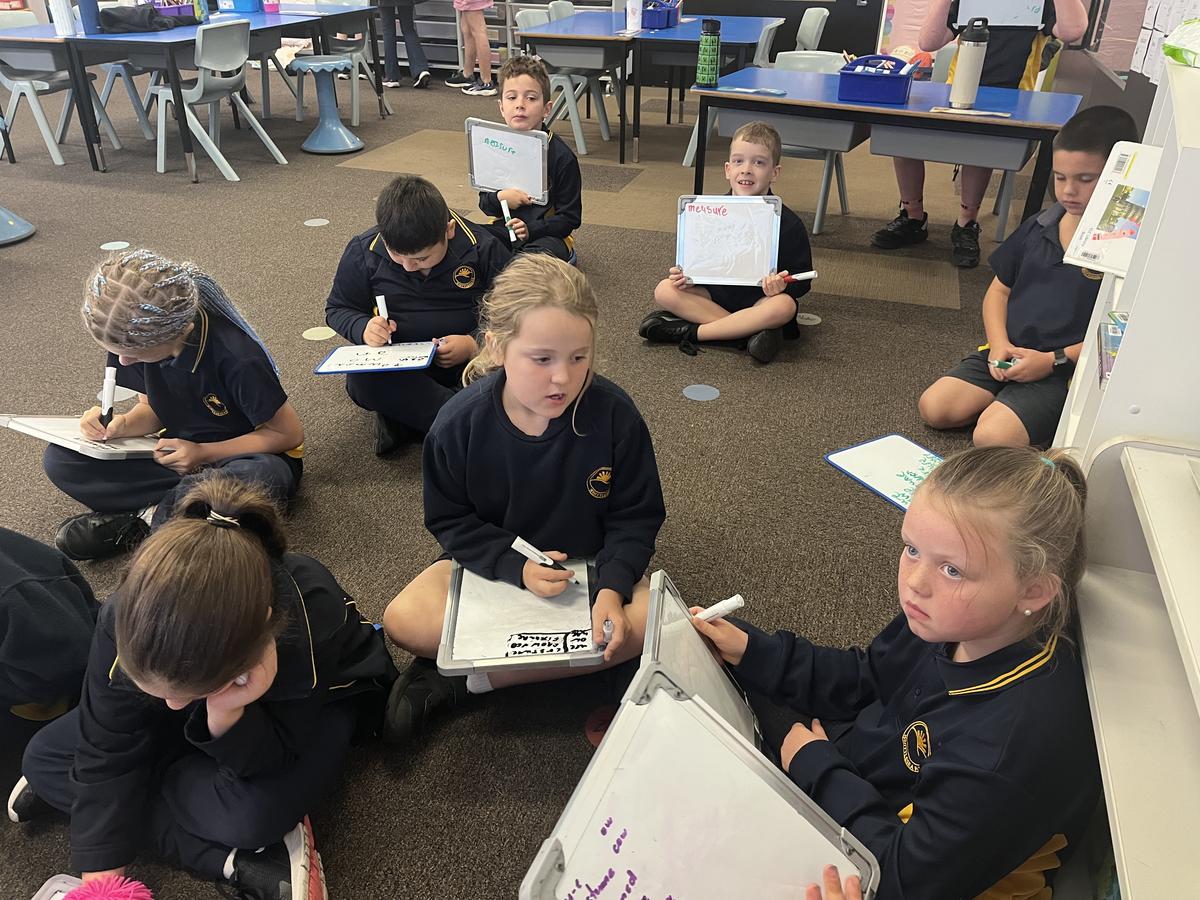
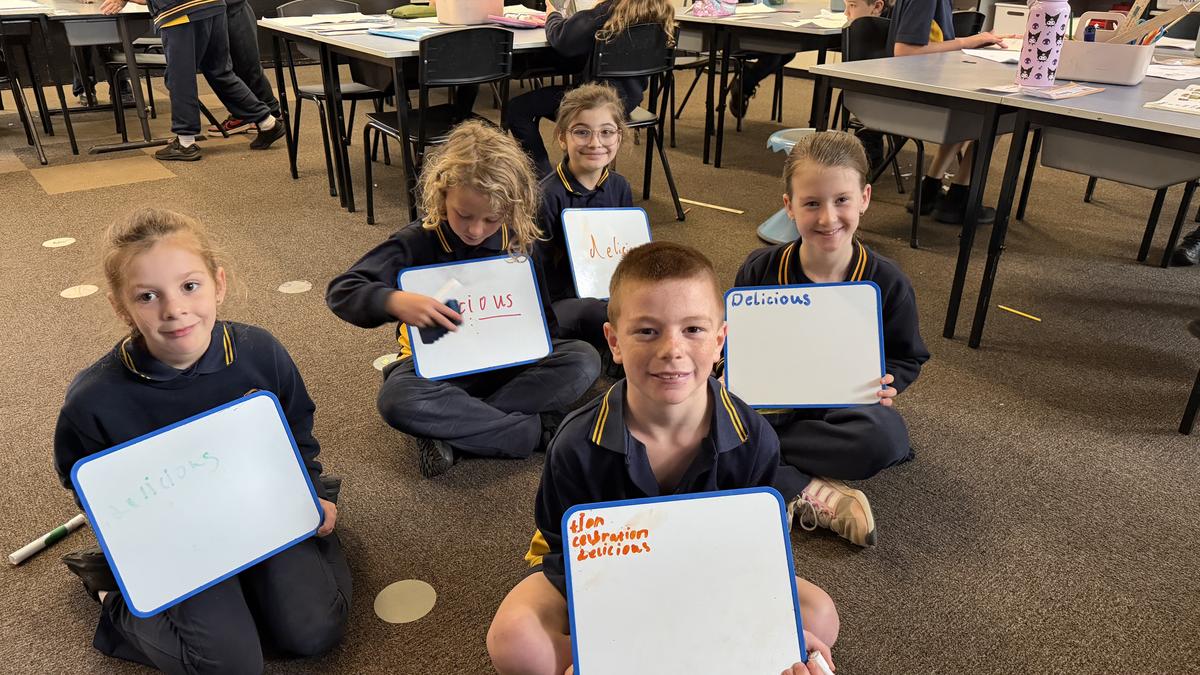
Mini whiteboards allow all students to respond to questions at the same time, rather than relying on a small number of volunteers. This ensures that every student is actively thinking and involved in the lesson. It also supports more equitable participation, giving all students, including those who may be less confident, the opportunity to contribute.
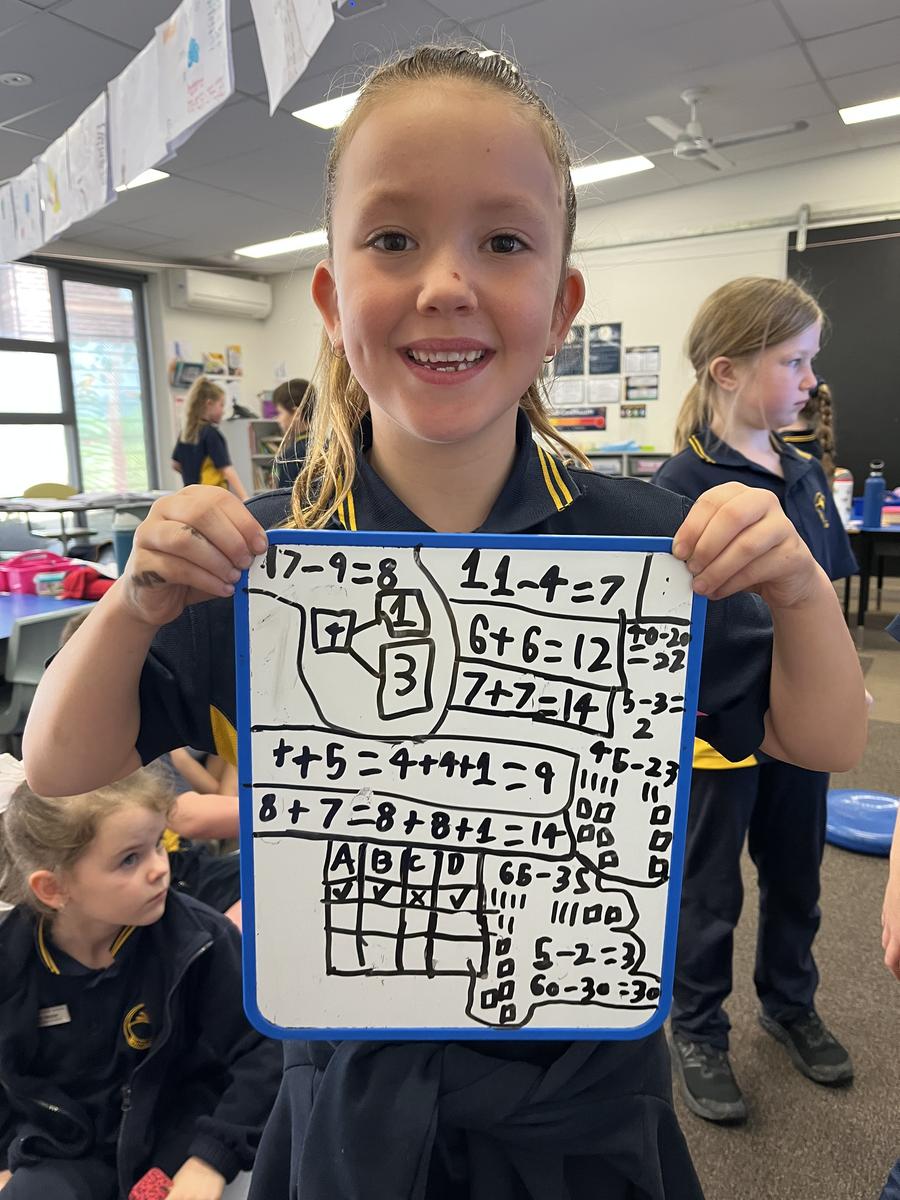
Importantly, mini whiteboards are a powerful tool for formative assessment. Research by experts highlights the importance of regularly checking for understanding during a lesson. With mini whiteboards, teachers can quickly scan student responses, identify misconceptions, and adjust their teaching in real time to better meet student needs.
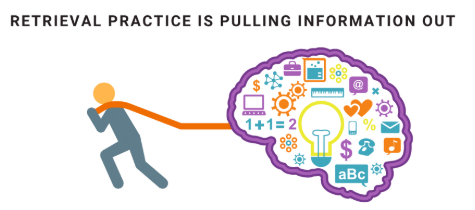
They also support memory and learning through frequent, low-stakes practice. When students are asked to write or draw their thinking, they are engaging in retrieval practice, which helps strengthen understanding and improve long-term retention.
In addition, mini whiteboards can help maintain a strong pace within lessons. Teachers can check understanding quickly without interrupting the flow of learning, allowing for timely feedback and clarification before moving on. Over time, this helps build a classroom culture where all students are expected to think, respond, and engage consistently.
When embedded in a clear, consistent routine, mini whiteboards are a simple yet highly effective strategy that supports responsive teaching and improves learning outcomes for all students.