Wellbeing & Learning Diversity

Supporting Emotional Regulation at St Gabriel’s
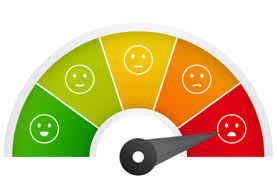
At St Gabriel’s, we recognise the importance of supporting children to understand and manage their emotions. Emotional regulation- the ability to recognise, respond to and manage feelings in a healthy way, plays a vital role in children’s overall wellbeing, learning and relationships.
Children experience a wide range of emotions each day. At times, these feelings can be intense and difficult to manage. Learning how to regulate emotions is a skill that develops over time and requires guidance, practice and support from both school and home.
Through our wellbeing sessions, children are supported to build their emotional awareness and develop strategies to manage challenges in positive ways. This includes learning how to identify their feelings, communicate effectively, and respond to situations with increasing independence and confidence.
How Families Can Support Emotional Regulation at Home
Supporting children at home can make a significant difference in strengthening these skills. Some helpful strategies include:
Name and acknowledge emotions:
Encourage your child to identify how they are feeling. Simple language such as, “I can see you’re feeling frustrated” helps children build emotional awareness and vocabulary.
Model calm and respectful responses:
Children learn a great deal from observing adults. Demonstrating calm problem-solving and emotional control helps children understand how to respond in challenging situations.
Encourage open communication:
Create a safe and supportive environment where children feel comfortable talking about their feelings without fear of judgement.
Support problem-solving:
Rather than immediately solving problems, guide children to think through possible solutions. This helps build independence and resilience.
Promote healthy outlets:
Encourage activities such as sport, creative play, or journalling to help children process and manage their emotions in positive ways.
Encourage reflection:
As children grow, support them to reflect on their experiences by asking questions such as, “What could you do differently next time?” or “How did that situation make you feel?”
Developing emotional regulation skills takes time, but it is essential for building strong relationships, resilience and confidence. By working together, families and schools can support children to navigate their emotions effectively and develop lifelong skills for wellbeing.
Further Reading for Families
For more information and practical strategies, families may find the following resources helpful:
- Sex Education Australia – https://sexeducationaustralia.com.au
- Raising Children Network – https://raisingchildren.net.au
These resources provide helpful guidance on supporting children’s emotional development at different ages.