
Wellbeing News
Play Their Way: Supporting Children’s Wellbeing These Holidays
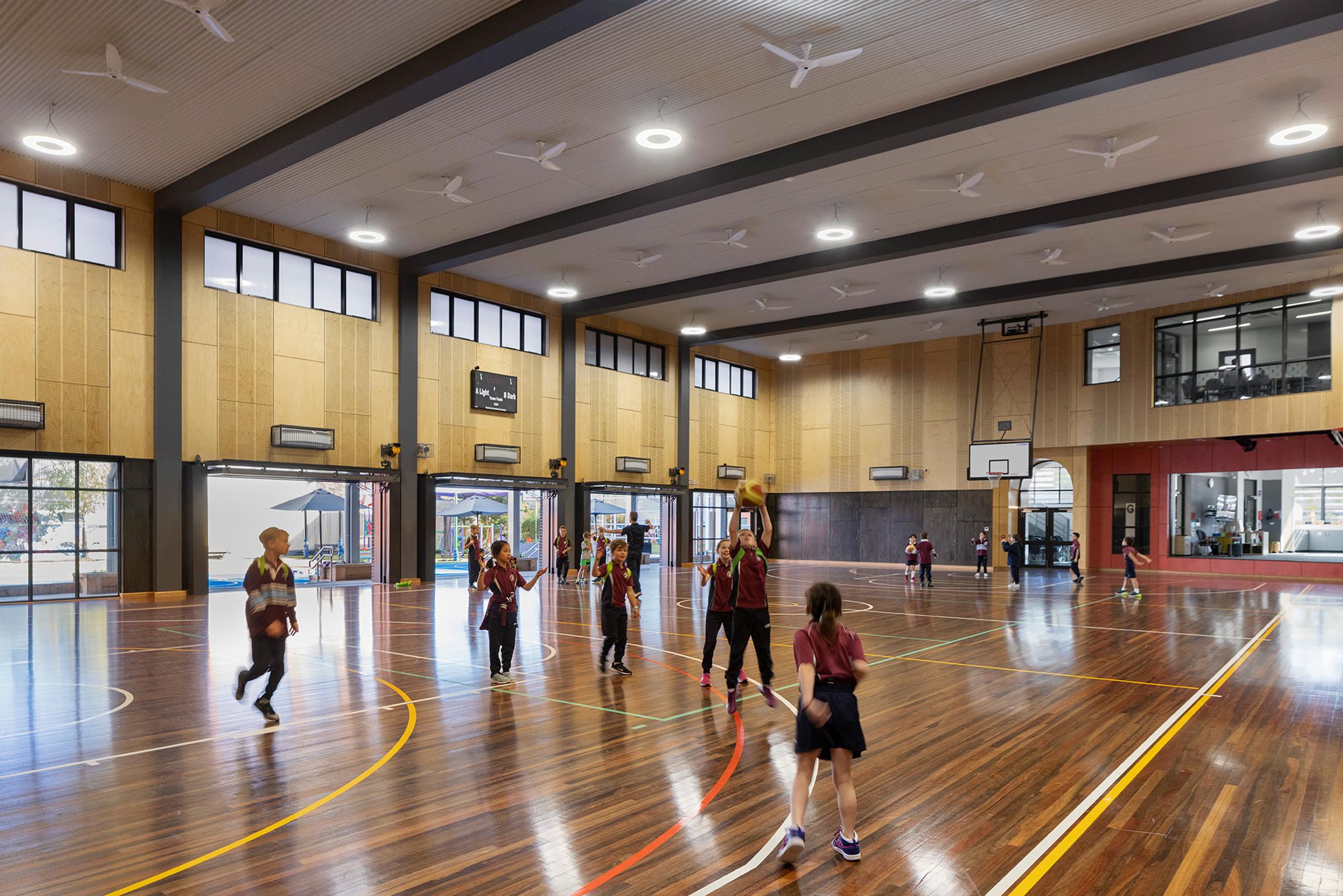
As we head into the school holidays, it’s the perfect time to remember that play isn’t just fun, it’s essential for children’s wellbeing. Research consistently shows that play is a foundation for healthy development, resilience and emotional growth for children across the primary school years. Child‑led play, where children make the decisions, set the pace and solve problems without adult direction has powerful benefits for both younger and older primary students. This includes unstructured play and structured games children run themselves.
Play supports emotional regulation
The Australian Early Development Census (AEDC) identifies play as a key factor in helping children develop self‑regulation and coping skills.
- Ages 5–8: Children practise managing frustration, taking turns and navigating big feelings.
- Ages 9–12: Older children use play to unwind, reduce stress and build independence in managing emotions.
When kids run their own games whether it’s cricket or cubby‑building, they naturally practise calming themselves and working through challenges.
Play boosts creativity and flexible thinking
Open‑ended play encourages exploration, experimentation and problem‑solving.
- Ages 5–8: Imaginative play strengthens curiosity and early problem‑solving.
- Ages 9–12: More complex play (building, designing, strategising) supports critical thinking and innovation.
Play builds social confidence
The Australian Research Alliance for Children and Youth (ARACY) emphasises that play helps children develop empathy, communication and conflict‑resolution skills.
- Ages 5–8: Children learn to negotiate rules and collaborate in simple games.
- Ages 9–12: Peer play becomes more sophisticated, helping children practise teamwork, leadership and navigating friendships.
Play improves overall wellbeing
The Australian Student Wellbeing Framework recognises play as a protective factor for mental health.
- Across ages 5–12, play increases joy, reduces stress and supports a sense of autonomy, all essential for positive wellbeing.
Easy, low‑cost play ideas for the holidays
Families don’t need special equipment or structured activities. These ideas work across the primary years, with older children often taking the lead or adding complexity:
Nature treasure hunt
- Younger children can collect and sort items; older children can create maps, categories or challenges.
Cardboard box creations
- From cubbies and rockets for younger kids to more elaborate designs like mazes, marble runs or “escape rooms” for older ones.
Loose‑parts play
- Pegs, lids, scarves, containers, string, sticks, and stones can become anything. Older children often enjoy engineering-style challenges.
Backyard or park obstacle course
- Kids can design the course themselves. Older children might time themselves, create rules or set team challenges.
Imaginative role play
- Younger children love pretend shops or superhero worlds. Older children may enjoy creating scripts, storylines or running a “business”.
Water play
- Buckets, cups, sponges and recycled containers work for all ages. Older kids might enjoy designing water systems or challenges.
Movement
- Backyard cricket or soccer
- Dance‑offs
- Scooter or bike adventures
- Family walks with “spot the…” challenges
The holidays don’t need to be filled with scheduled activities. In fact, downtime and free play are some of the most valuable wellbeing opportunities we can offer children. A little boredom is healthy, it’s often the spark that leads to the most creative and meaningful play.