
Reading
PEEK INTO READING
Reading
PEEK INTO READING
Learning Experience Overview
Students have had a very positive and smooth start to Term Two. It has been pleasing to see their readiness to learn and their enthusiasm for applying the learning strategies they have developed in Term One. This term, one of our key reading focuses is helping students identify and understand the importance of the texts they read.
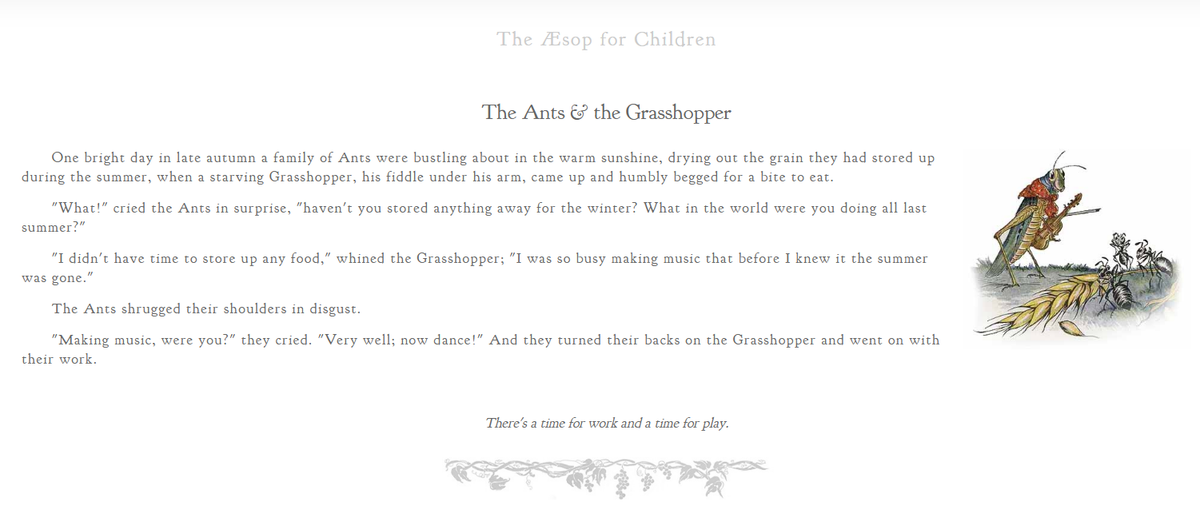
To begin this lesson, we read the classic fable ‘The Ant and the Grasshopper’, which was written by Aesop, an ancient Greek storyteller believed to have lived around 600 B.C.E. It tells the story of hardworking ants who spend the summer gathering and storing food, while a carefree grasshopper chooses to sing and relax instead of preparing for the future. When winter arrives, the ants are well-prepared and comfortable, while the grasshopper struggles without food. The story teaches an important lesson about responsibility, planning ahead, and the value of hard work.
Fluency
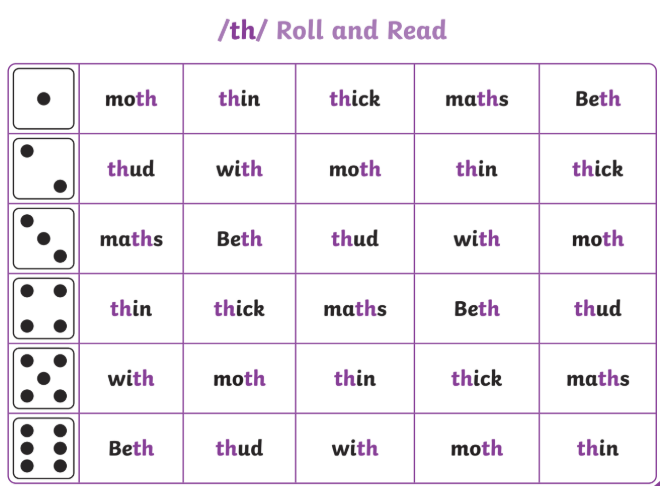
Students played Roll and Read with both hard and soft /th/ words. The objective of the task is for students to take turns decoding and reading words with the /th/ sound.
Learning Intention
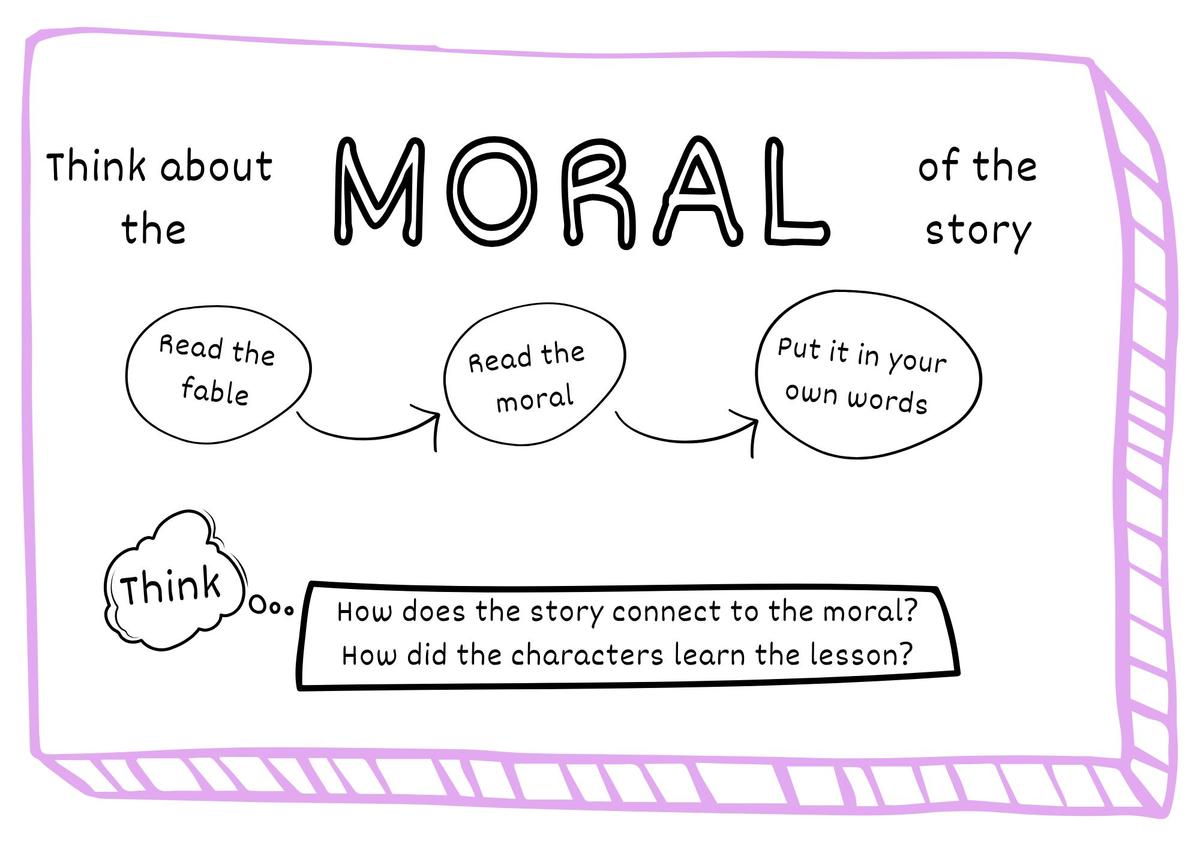
To think about the moral of the story and consider how stories teach us lessons.
Whole
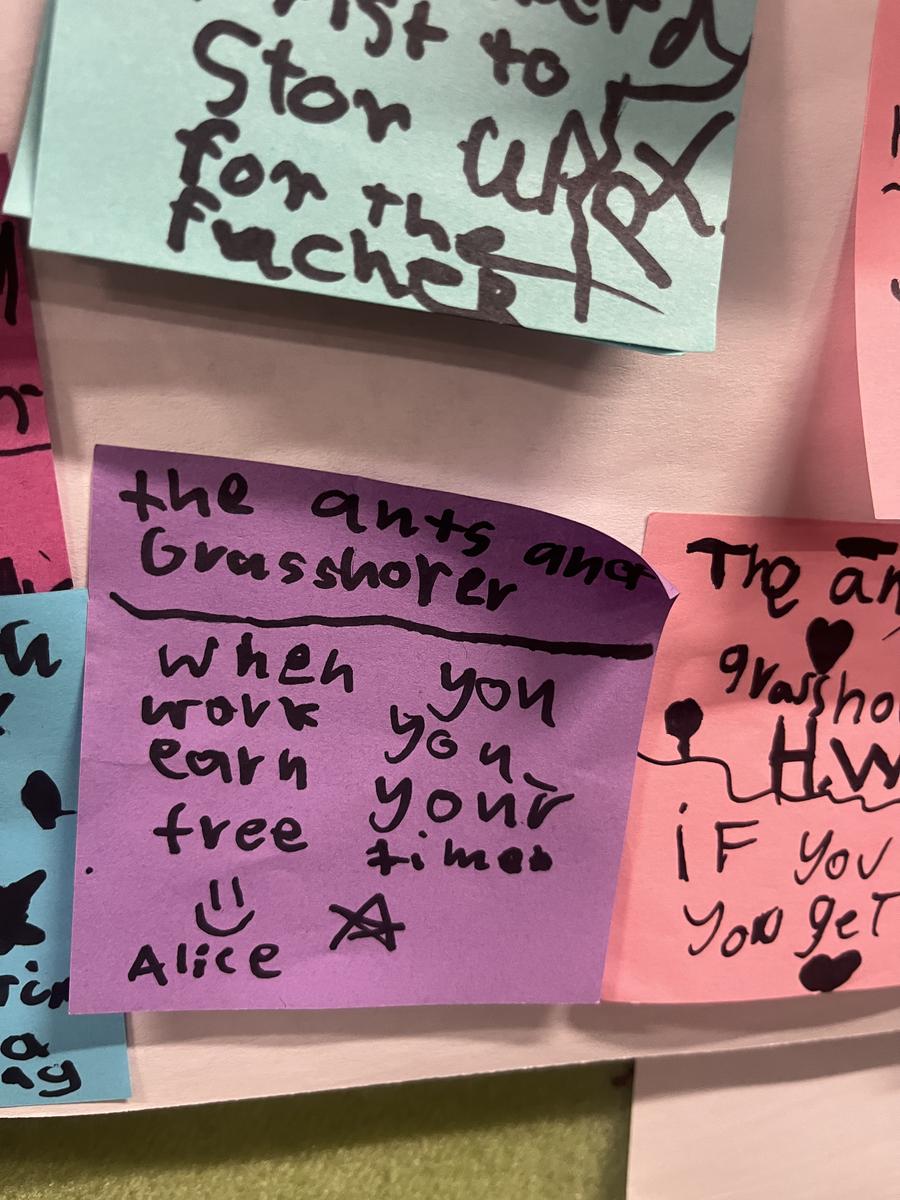
We began our learning by breaking down the meaning of our Learning Intention. We referred to the modelled lesson we did the day before, in which we explored the moral of the story in Tiddalik (digital version from the Melbourne Museum). We reminded students that a moral in a story refers to the lessons learnt by the characters. After reading the fable, ‘The Ant and the Grasshopper’ by Aesop, our discussion centred around the questions: what is the moral of this story, and how can we apply this lesson in our own lives?
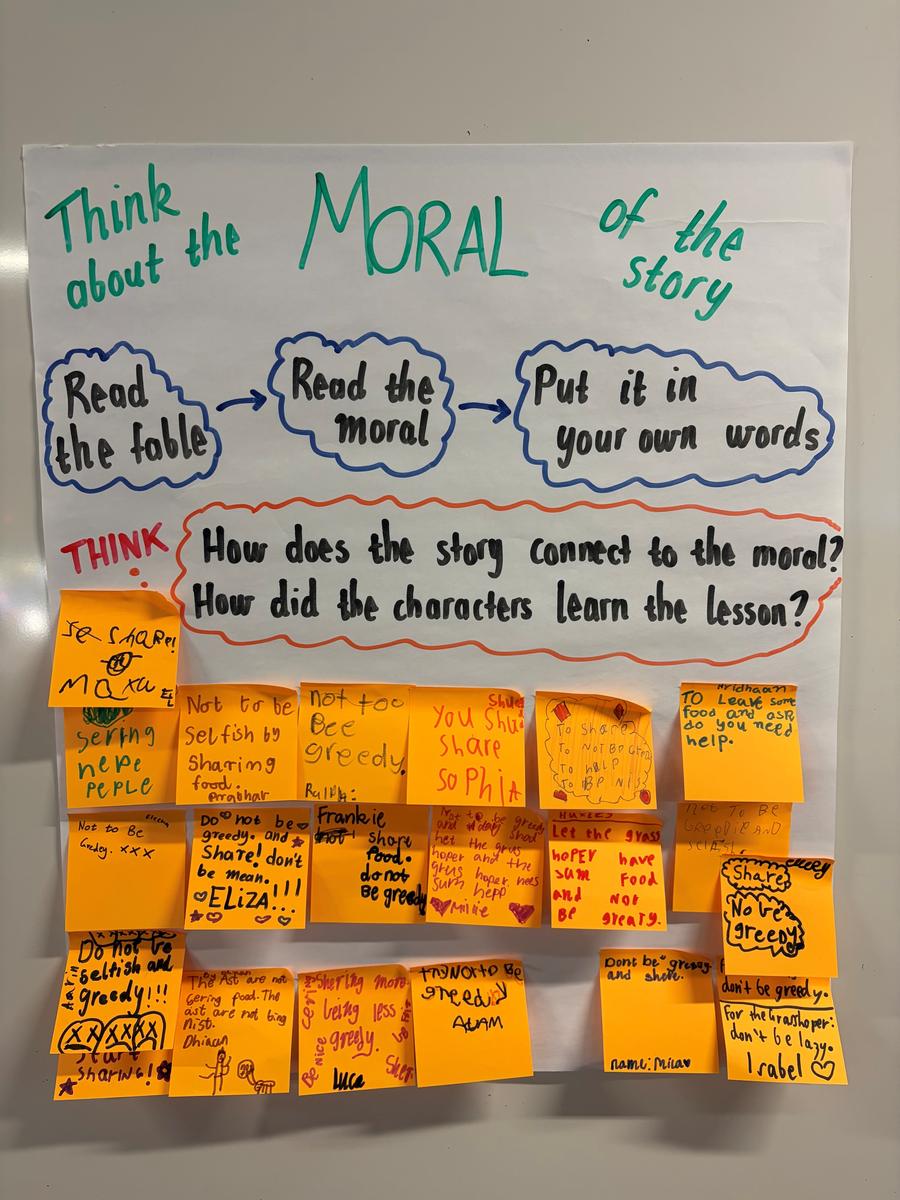
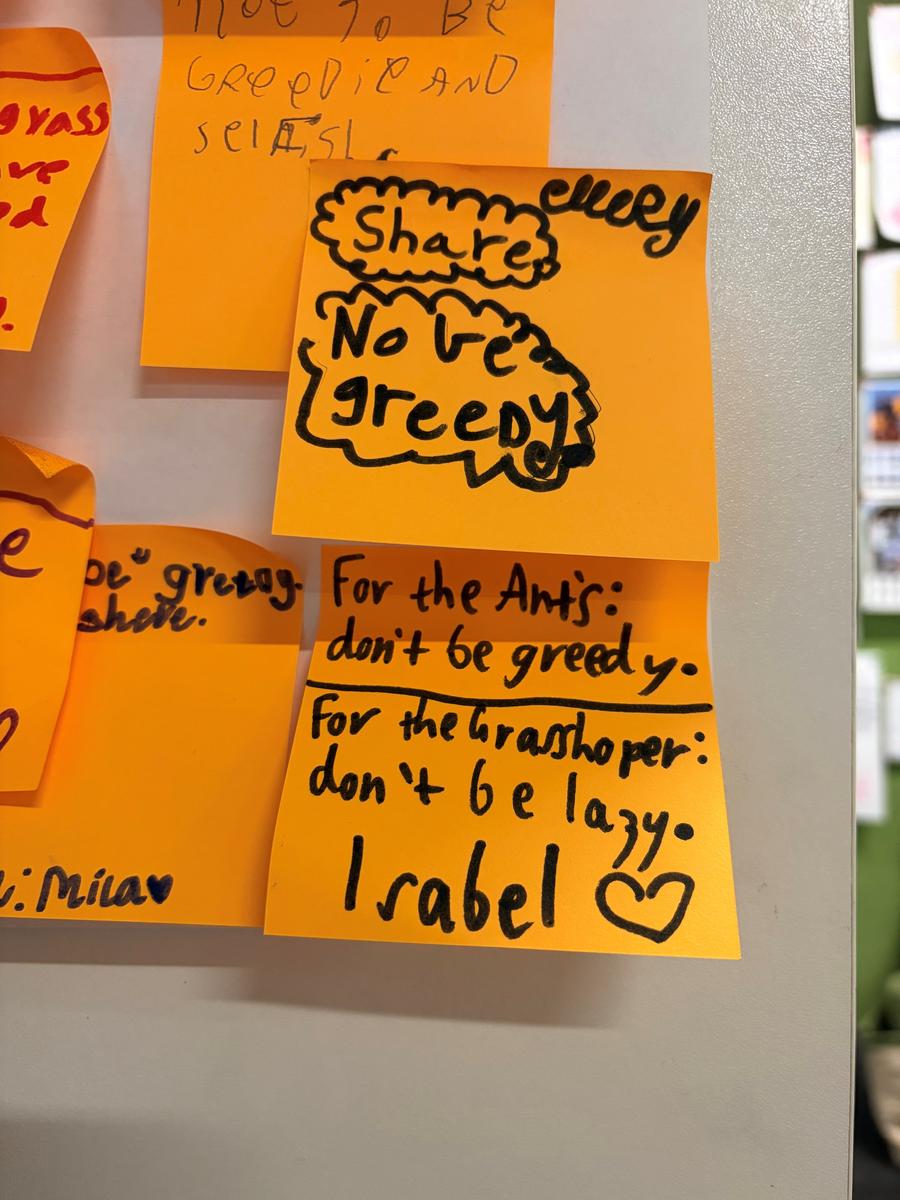
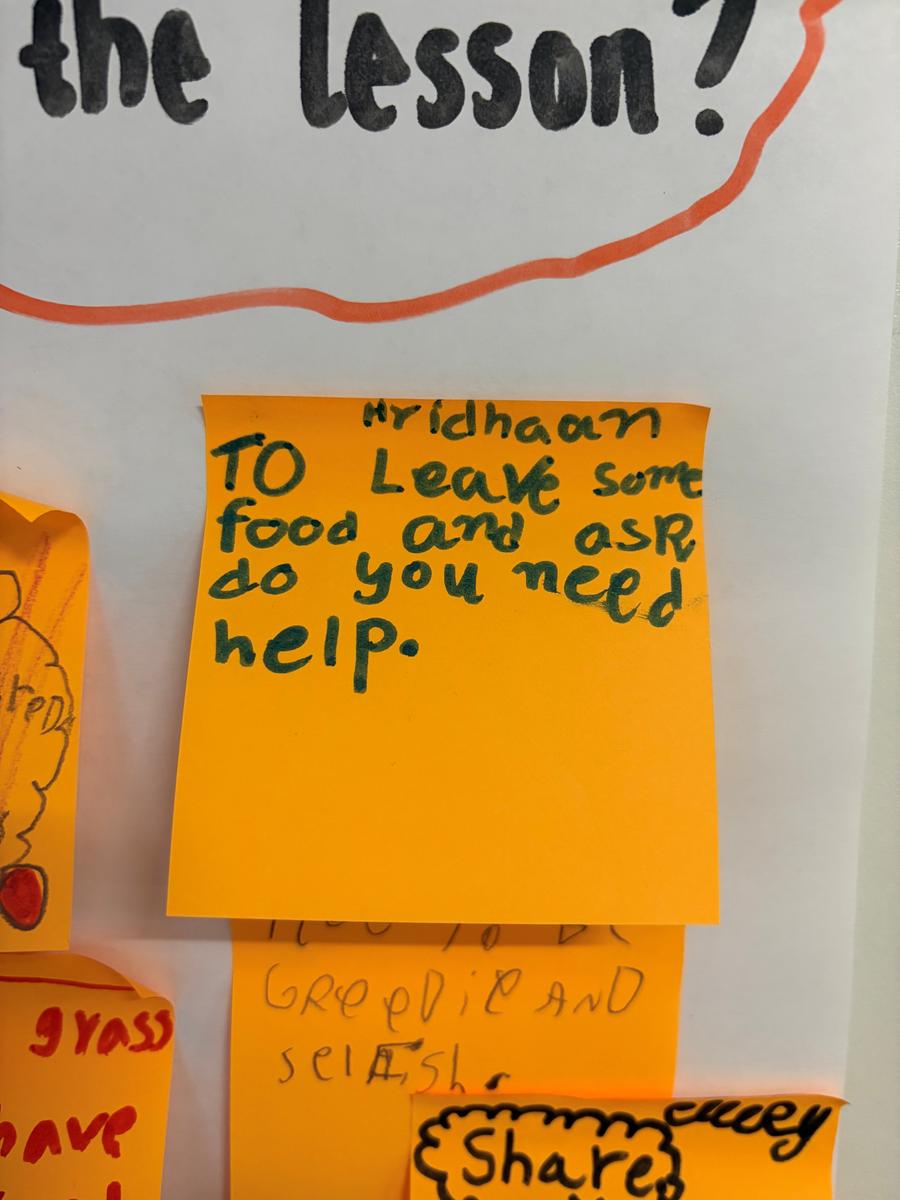
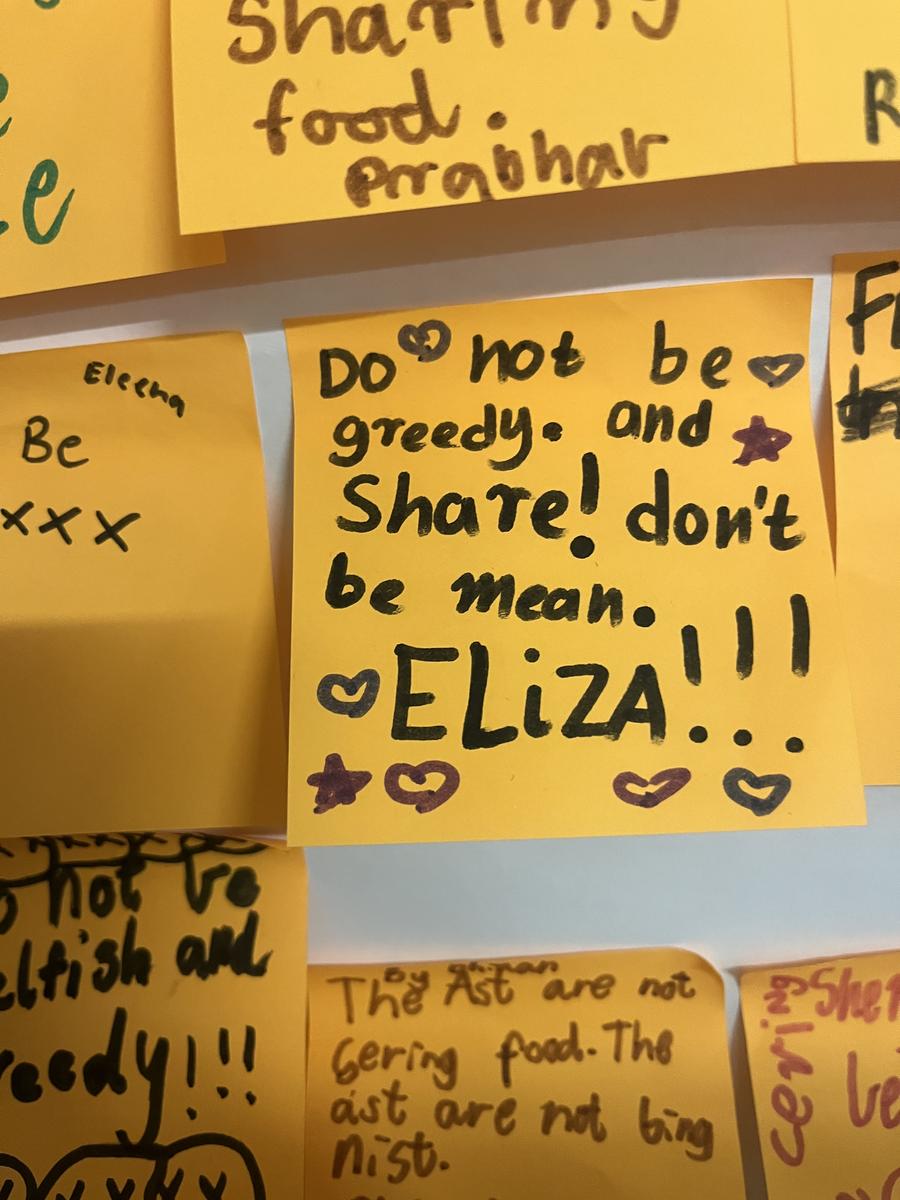
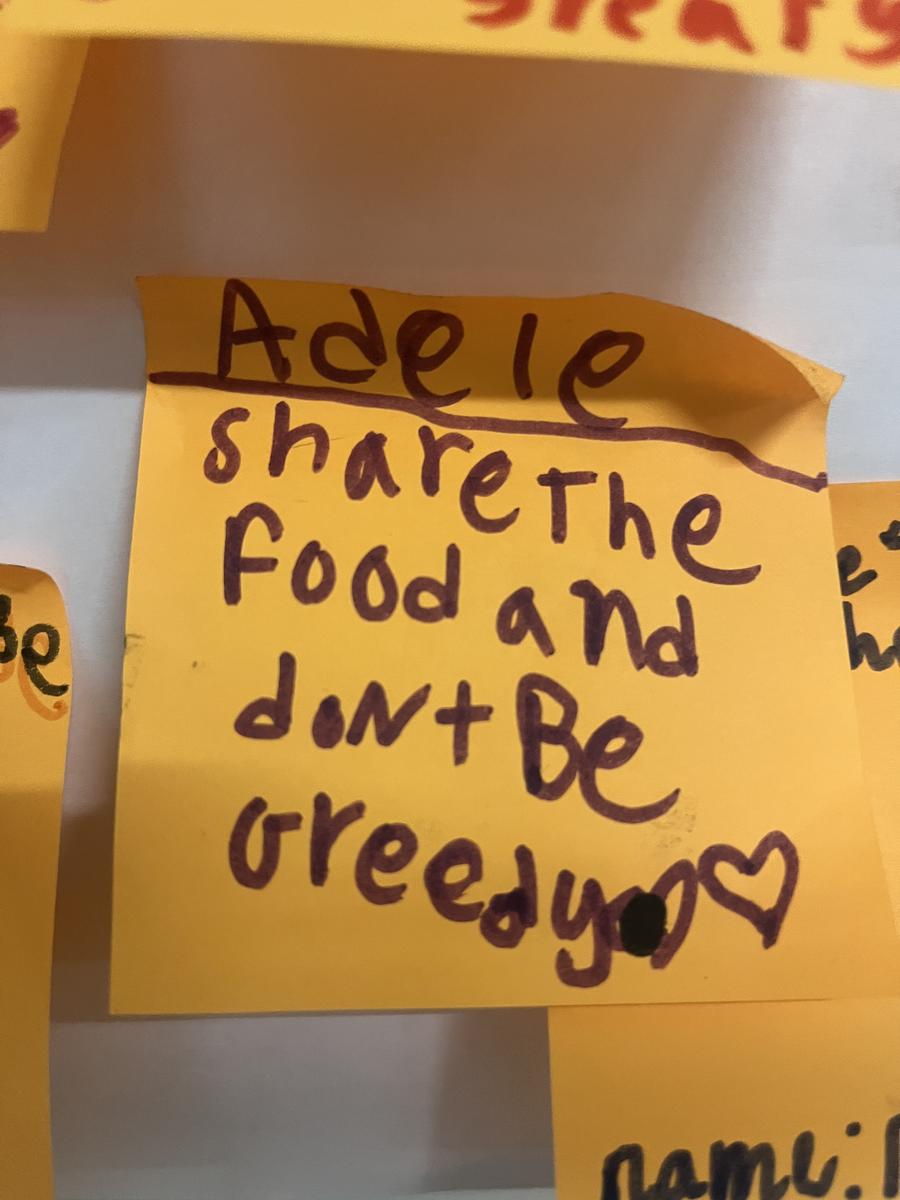
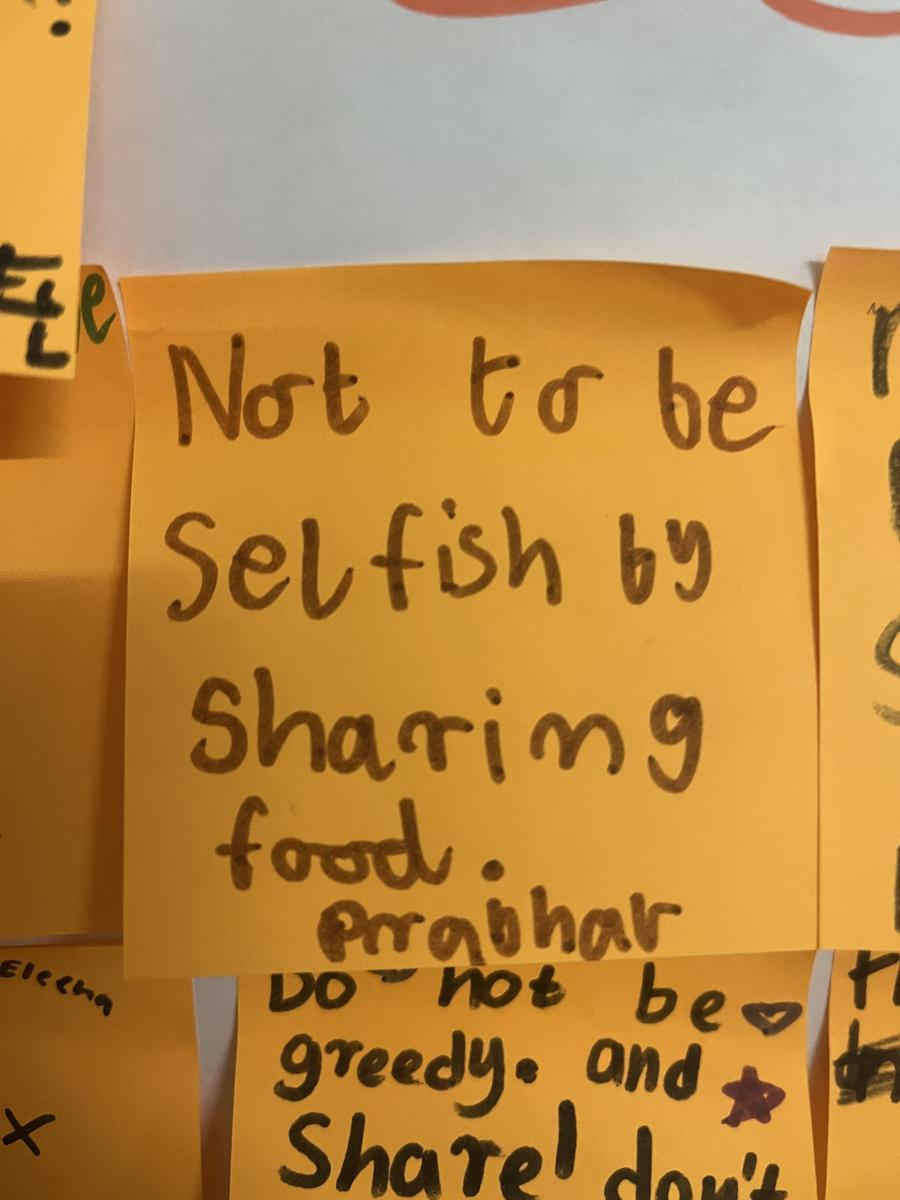
Interestingly, students from 2G and 2S drew on different perspectives when interpreting the moral from The Ant and the Grasshopper, highlighting how the same story can lead to a range of meaningful understandings. 2G students focused on the ant’s actions and concluded that the moral was about sharing what you have and not being greedy. Through discussion, they reflected on whether the ant could have shown kindness and compassion, especially when the grasshopper was in need, demonstrating an emerging awareness of empathy and fairness.
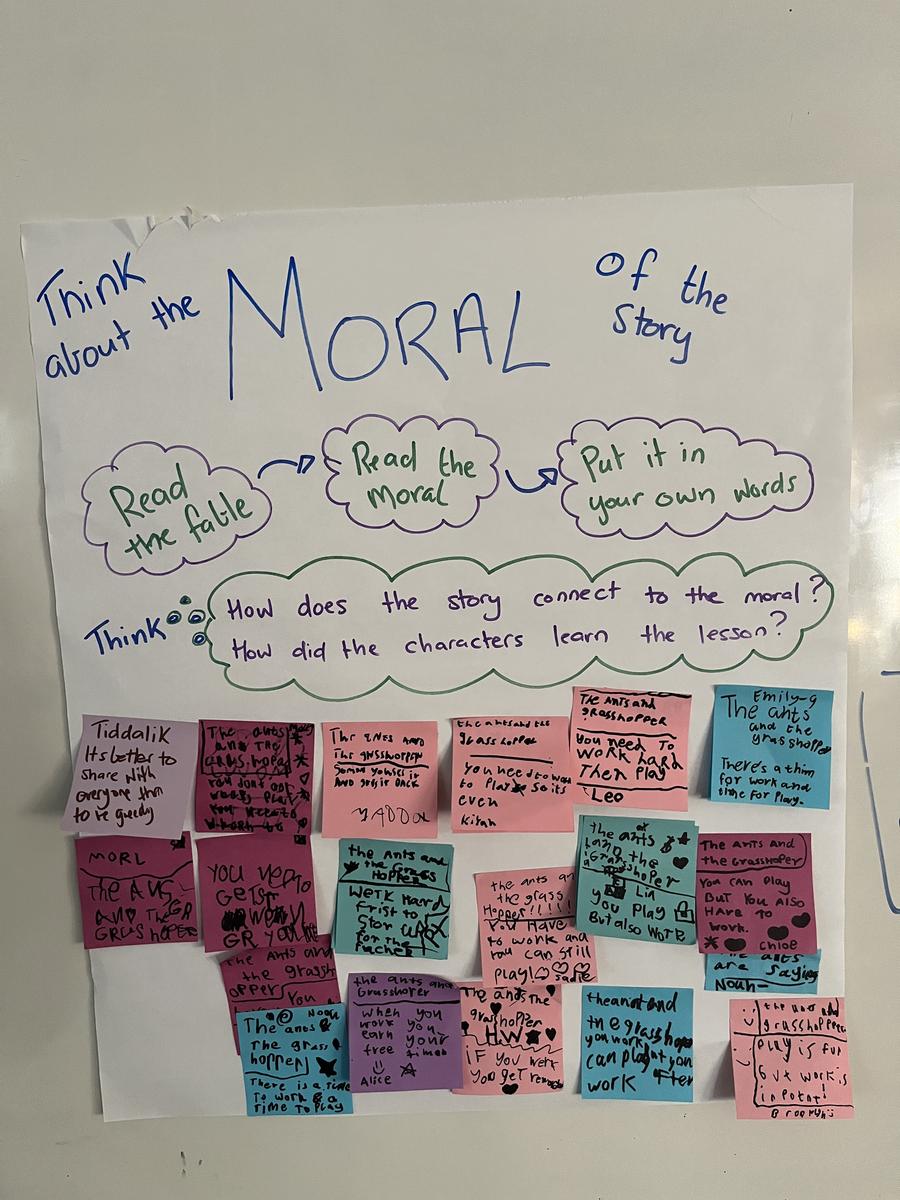
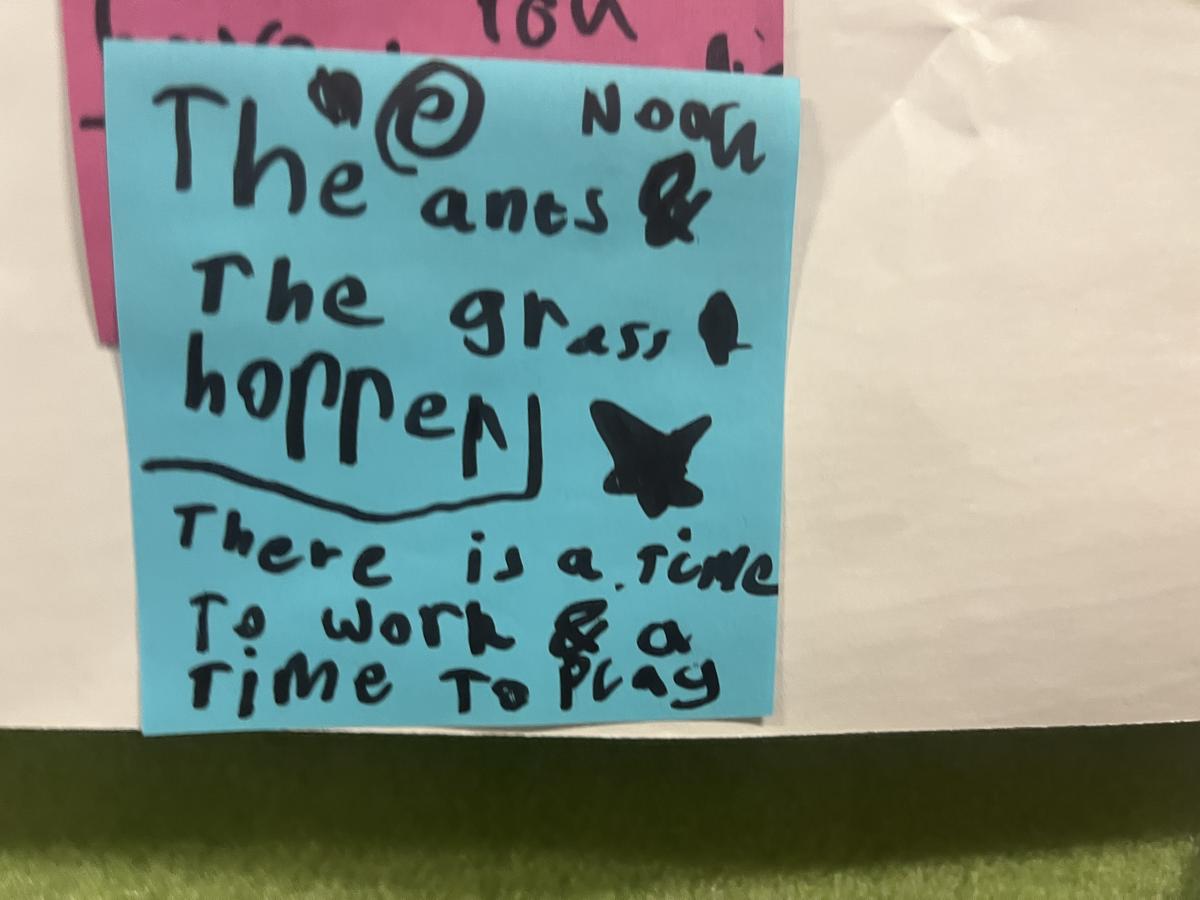
In contrast, 2S students viewed the story through the grasshopper’s perspective, identifying the moral as a reminder not to be lazy and to put in hard work early so it pays off later. Their interpretation showed an understanding of responsibility, effort, and the consequences of choices, as they recognised how the grasshopper’s lack of preparation led to difficulties later on.
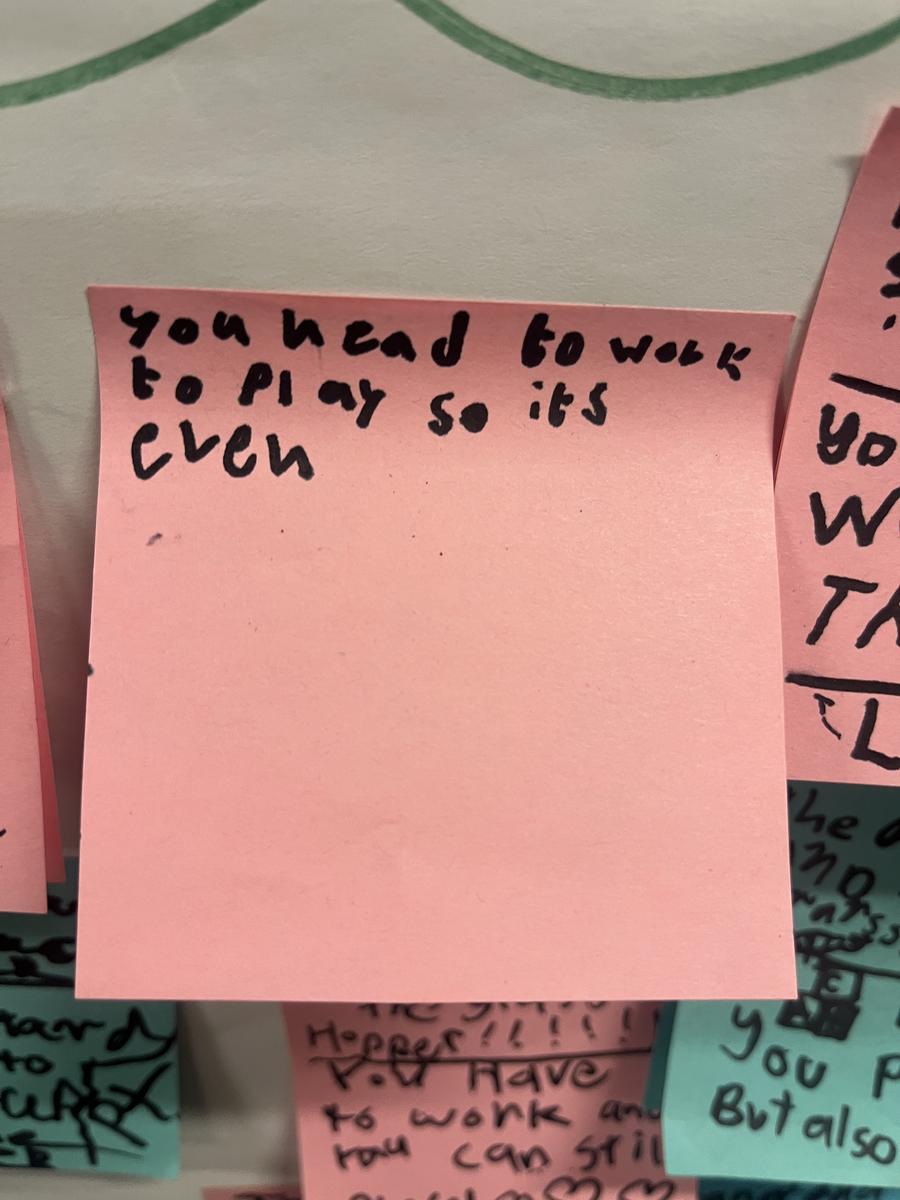
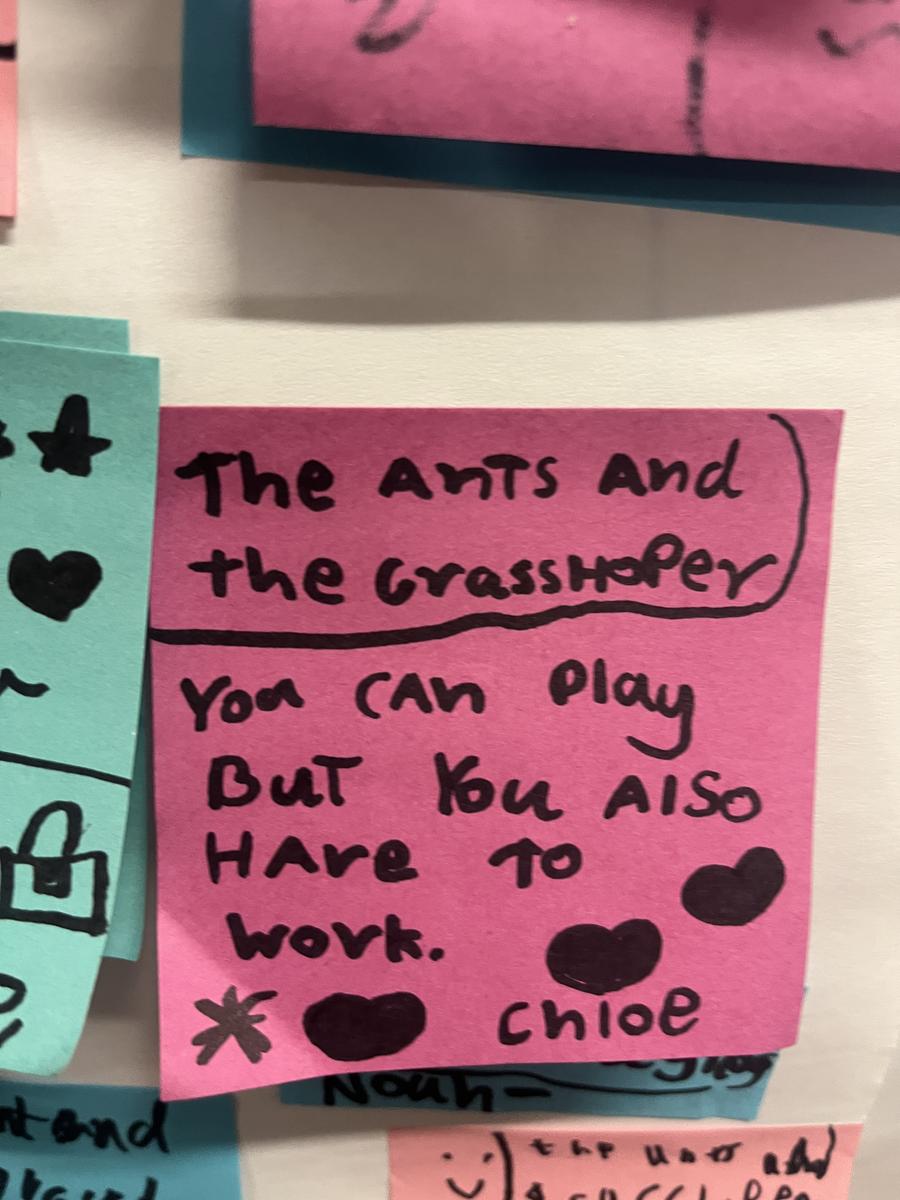
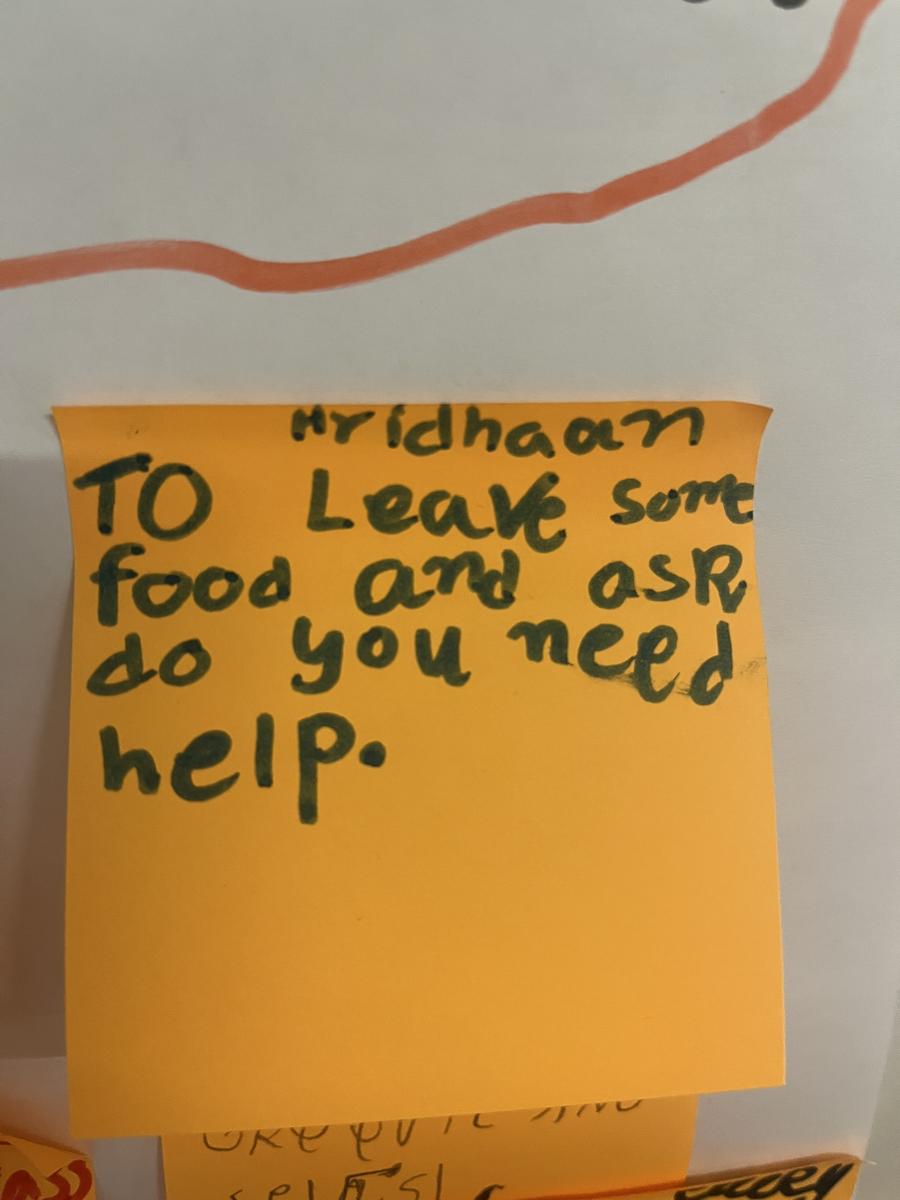
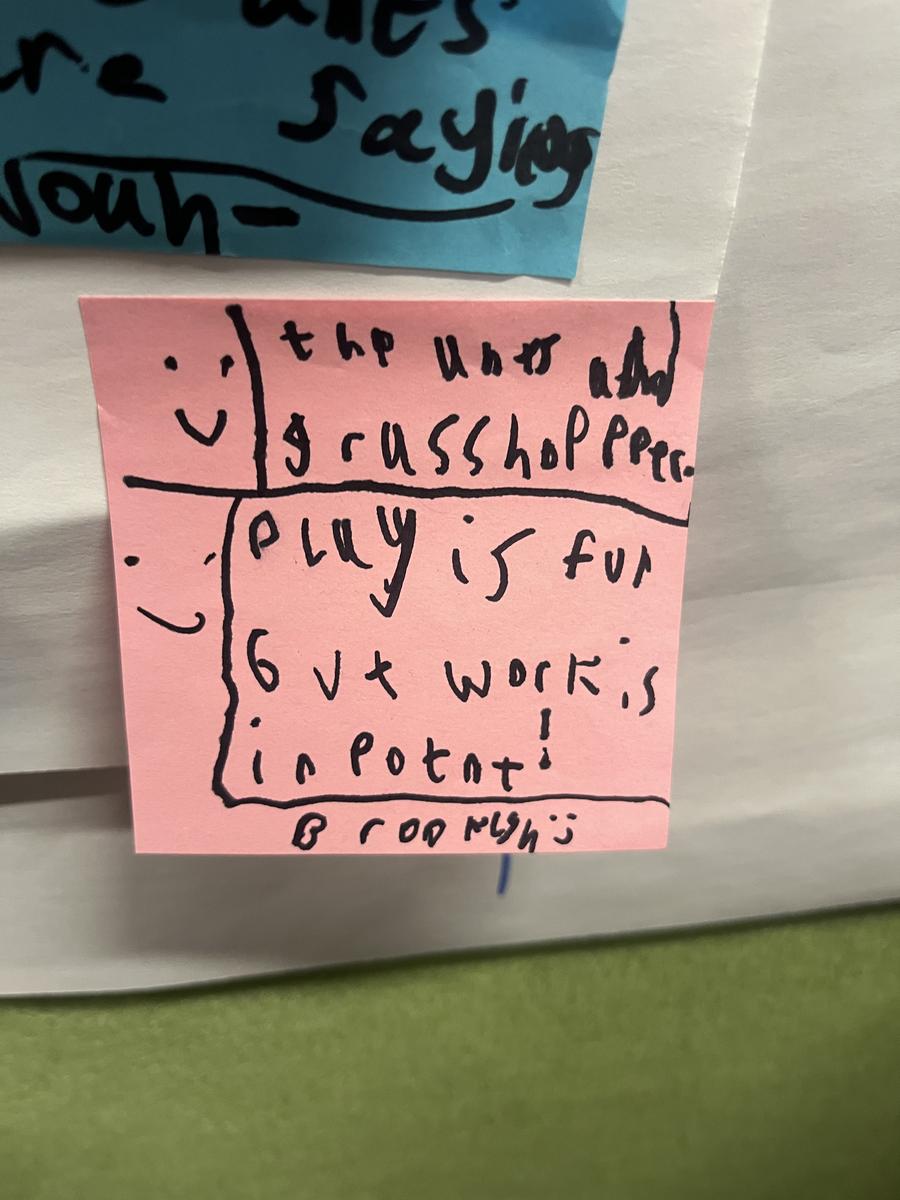
Once we had our whole class discussions, students wrote on a sticky note what they believed the moral of the story to be and placed it on these anchor charts below:
Small
We then moved on to our reading groups:
Decoding Words
Learning Intention: To use the ending -ing to help me read and understand the meaning of words.
Decoding Letters and Sounds
Learning Intention: To decode words by recognising the digraph “th” and identify whether it makes a soft or hard sound.
Word Comprehension
Learning Intention: To use antonyms (opposite words) as a reading strategy to help understand new words.
Text Comprehension
Learning Intention: To identify the problem in the story to help me understand the meaning.
Reflection
This story has taught us the importance of reading and having meaningful conversations with children about their interpretation of stories. When young children are encouraged to talk about what they think a story means, they begin to develop critical thinking skills and a deeper understanding of language. Taking the time to unpack characters, events, and themes helps them see that stories can have different layers of meaning, and that their own ideas and perspectives are valuable. These discussions also support vocabulary development and comprehension, while fostering confidence in expressing their thoughts. By guiding children to reflect on and question what they read, we help build strong foundations for lifelong literacy and learning.
Steph and Georgia
Year 2 Team