Year 1 Bulletin:
Reading
Year 1 Bulletin:
Reading
Learning Experience Overview: Each week, students participate in four reading sessions. During these sessions, we conduct four whole-class lessons that focus on specific reading strategies. We choose two key strategies to explore across the week. Each strategy is taught twice - once through a teacher - led modelled lesson, and once through a shared session where students actively participate and demonstrate their understanding.
Following the whole - class instruction, students rotate through four small - group activities, completing a different task each day. While students are engaged in their group work, we also conduct guided reading sessions with individuals or small groups. These sessions are targeted to support each student’s specific reading needs.
Learning Intention: To look carefully at each sound of the word when reading words.
Fluency: This week's fluency involved doing Choral reading, which involves reading short sentences as a class. Focusing on using expressions based on what sort of sentence - question, comment or statement.
Whole: In reading, our classes learned how to look at each sound of a word and fix the sounds when misread a sound in the word. Us teachers modelled our thinking when we are reading the text and breaking the sounds up when we read. We might get stumped when saying a word that might have different sounds, so we would stop and say each sound in the word and fix the sound that we have misread.
These help animals stay alive and healthy every day.
‘Healthy’ (H-ee-l-th-y): “wait that doesn't sound right, lets check ‘H-ee.. wait the ‘ea’ doesn't make the long ‘e’ sound, I will try again but I’ll try the short ‘e’ sound, h-ea-l-th-y (H - ‘e’ - l - th- y), that sounds right.
We used the text below as our first reading lesson and used the anchor chart below to guide our learning.
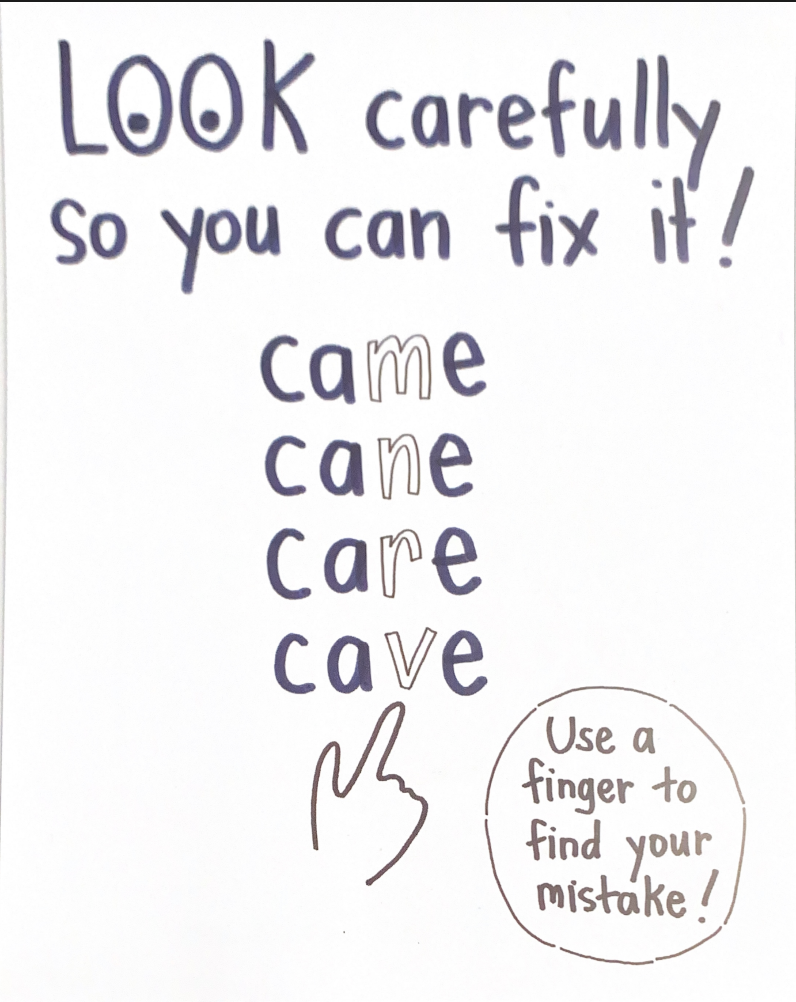
Prompts for reading strategy:
Now blend the word again with the right sound. Does the word make sense now?
Text:
Animals need many things to live and grow. Two of the most important needs are food and water. These help animals stay alive and healthy every day.
Animals need food to get energy for their bodies. Energy helps them move, play and find shelter. Some animals eat plants, like grass, leaves and fruit. Other animals eat meat, like insects or smaller animals. All animals need the right kind of food to help them grow big and strong.
All animals need water to survive. Water helps their bodies work properly. It helps them stay cool and keeps their bodies healthy. Animals drink water from rivers, ponds, lakes or even small drops on leaves. Some animals carry water in their bodies, but they still need to drink often.
Food and water are very important for animals. Without them, animals would not be able to live, grow or stay strong.
Small:
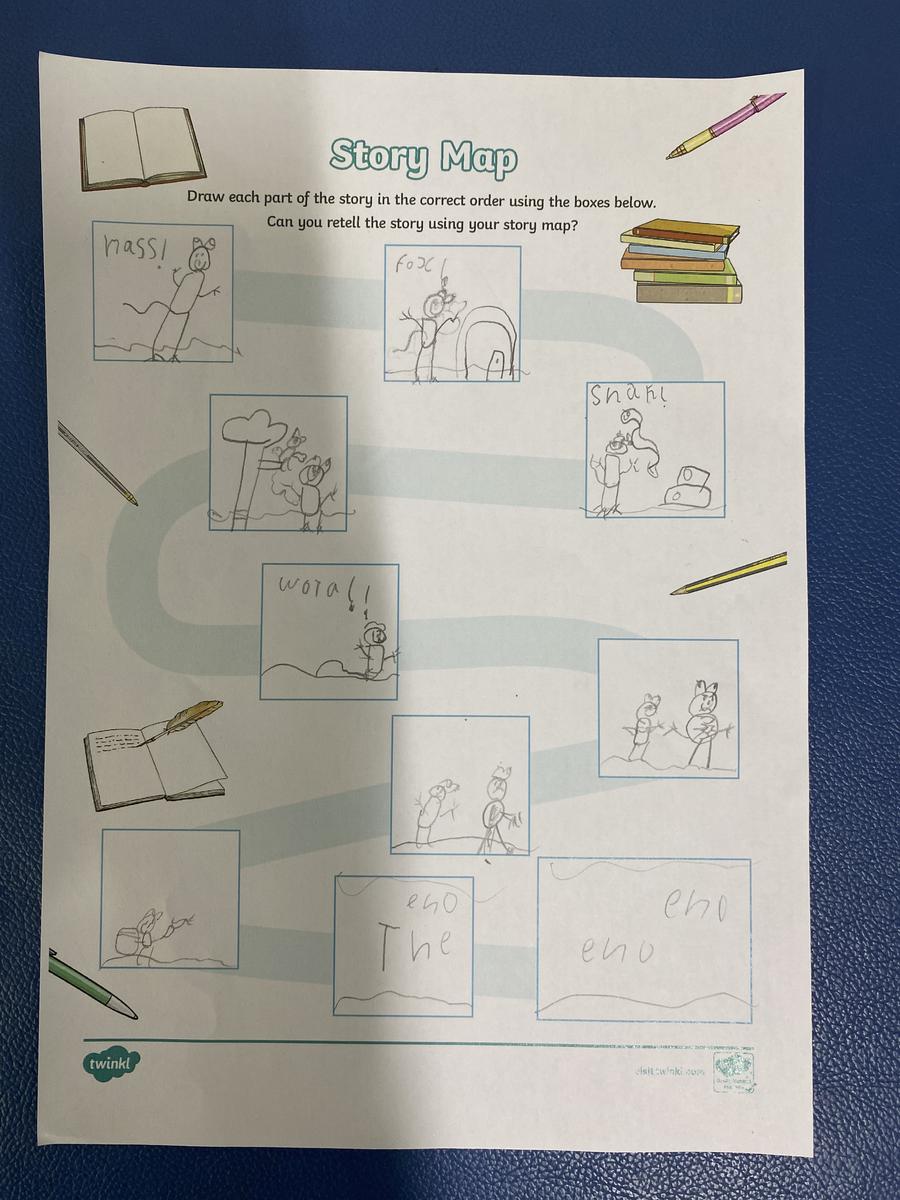
Our focus read rotation task has been our text focus activity box where the students have been watching a read through of 'The Gruffalo' and they draw the stages of the story on a template work sheet.
How you might like to continue learning at home:
To help your child build upon their reading, read aloud a text to your child and purposely misread a word and see if your child can distinguish the misread sound and what sound should be in that word.
Kind regards,
Stef and Jarryd
The Year 1 Team
stephanie.lampard@education.vic.gov.au
jarryd.lamb@education.vic.gov.au