
Prep Bulletin

A Snapshot into Reading
Learning Experience Overview:
In Prep, we are exploring our Big Idea “When I experience emotions, I feel and react in ways that affect myself and others around me.” Over the course of the term, students unpack the Big Idea and driving questions through various learning experiences in a range of curriculum areas, such as in our Reading.
Driving Questions
- What are feelings and emotions?
- Why do we feel in different ways?
- How can I manage the way I react?
Learning Experience:
Fluency
At the beginning of the lesson, we did a short fluency activity focused on isolating initial sounds. Students listened to a given word and identified the first sound they could hear (e.g. the /s/ in “sun” and the /b/ in “bus”). This quick practice helps strengthen their phonemic awareness and their ability to recognise and work with beginning sounds in words.
Whole
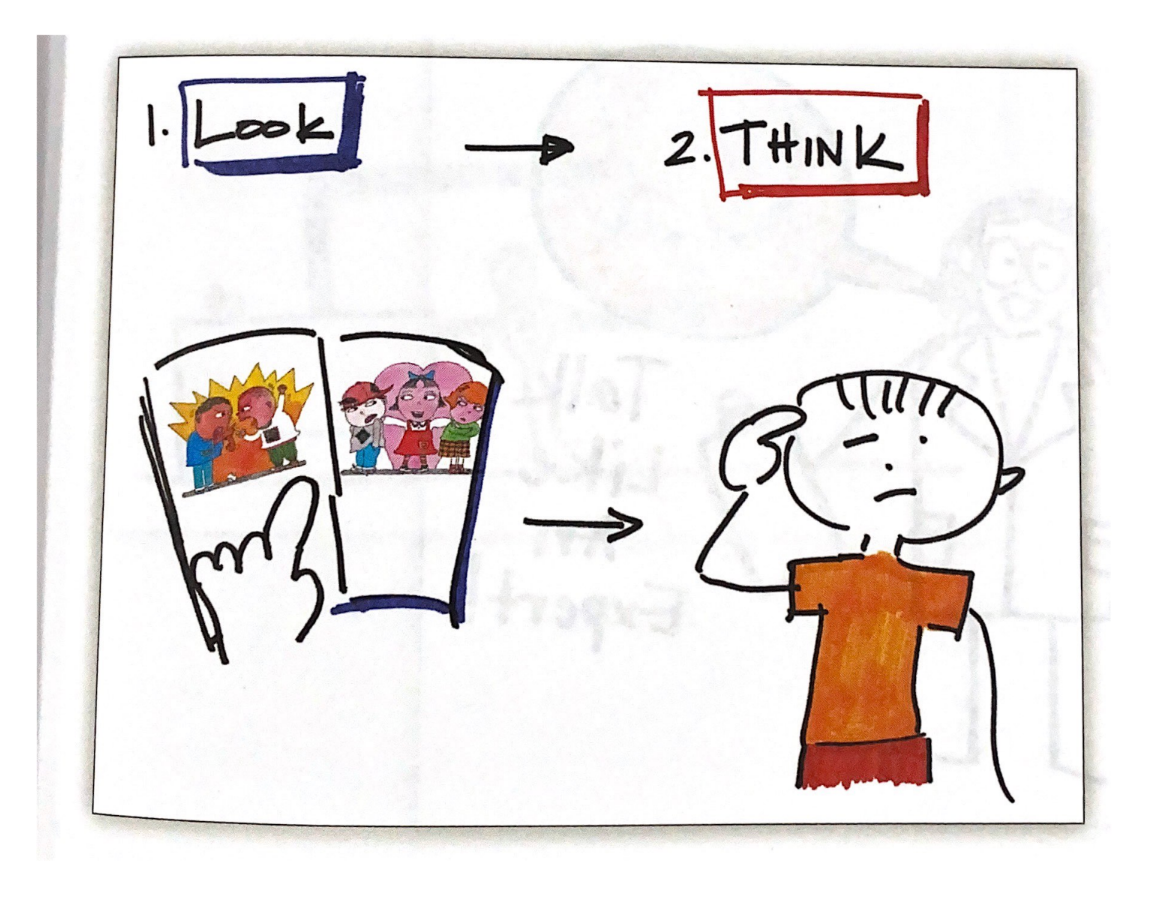
Learning Intention: To use the strategy ‘what I see, what I think’ to help me understand the text.
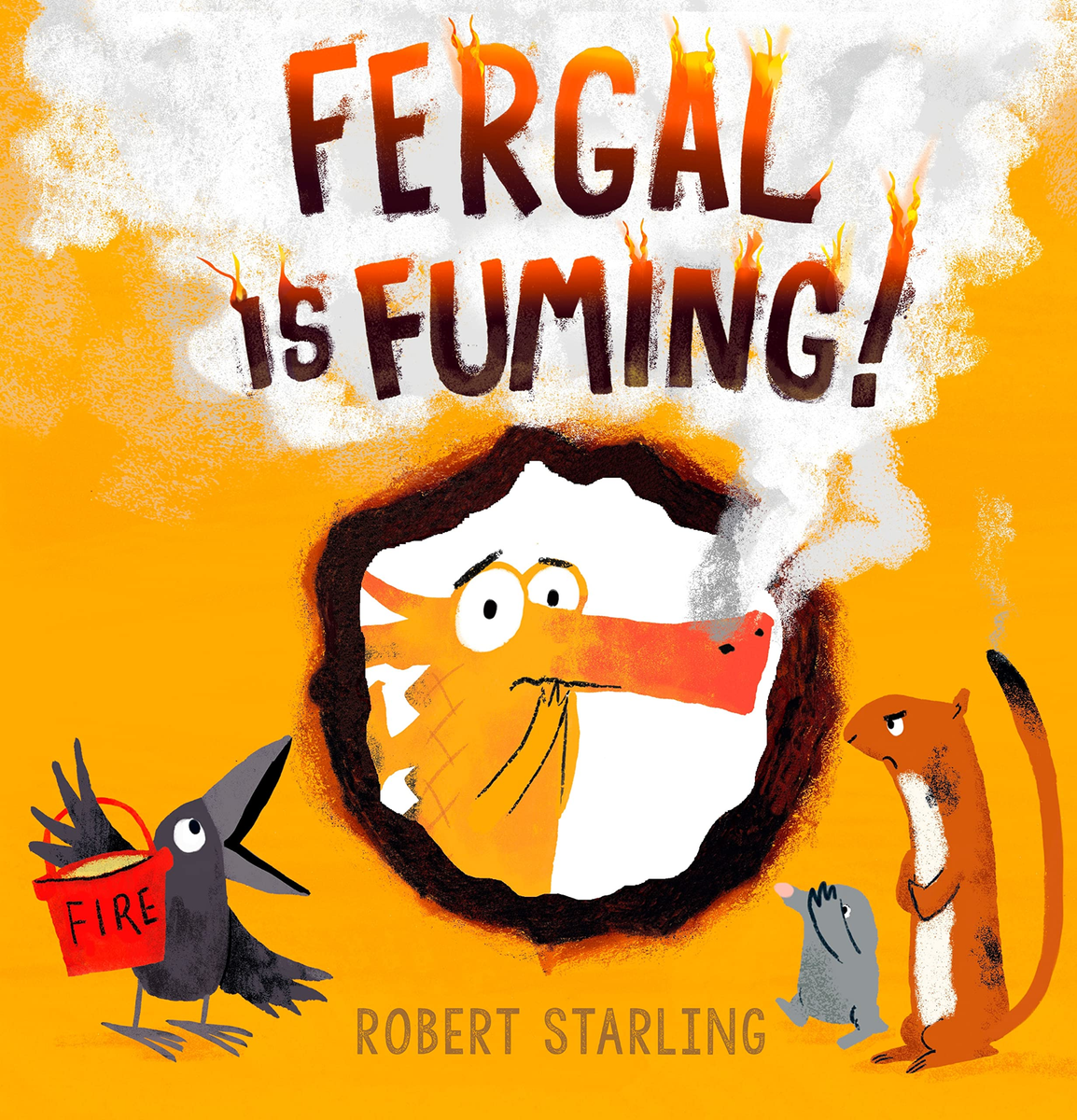
As a class, we read the book ‘Furgal is Fuming’ by Robert Starling. As we read, we paused on different pages to closely explore the illustrations, looking carefully at details such as the characters’ facial expressions and actions. Students discussed what they could see in the pictures and how these visual clues help us form ideas about what was happening in the story. This supported students in making connections between the images and the text, helping to build their overall understanding.
Prompts:
What can you find?
Do you see anything on this page?
Look all the way across the page.
What does it make you think?
Small (Reading Groups)
Our 4 small group activities explore either a letter, word and/or text focus.
Activity 1 - Furgal is Fuming
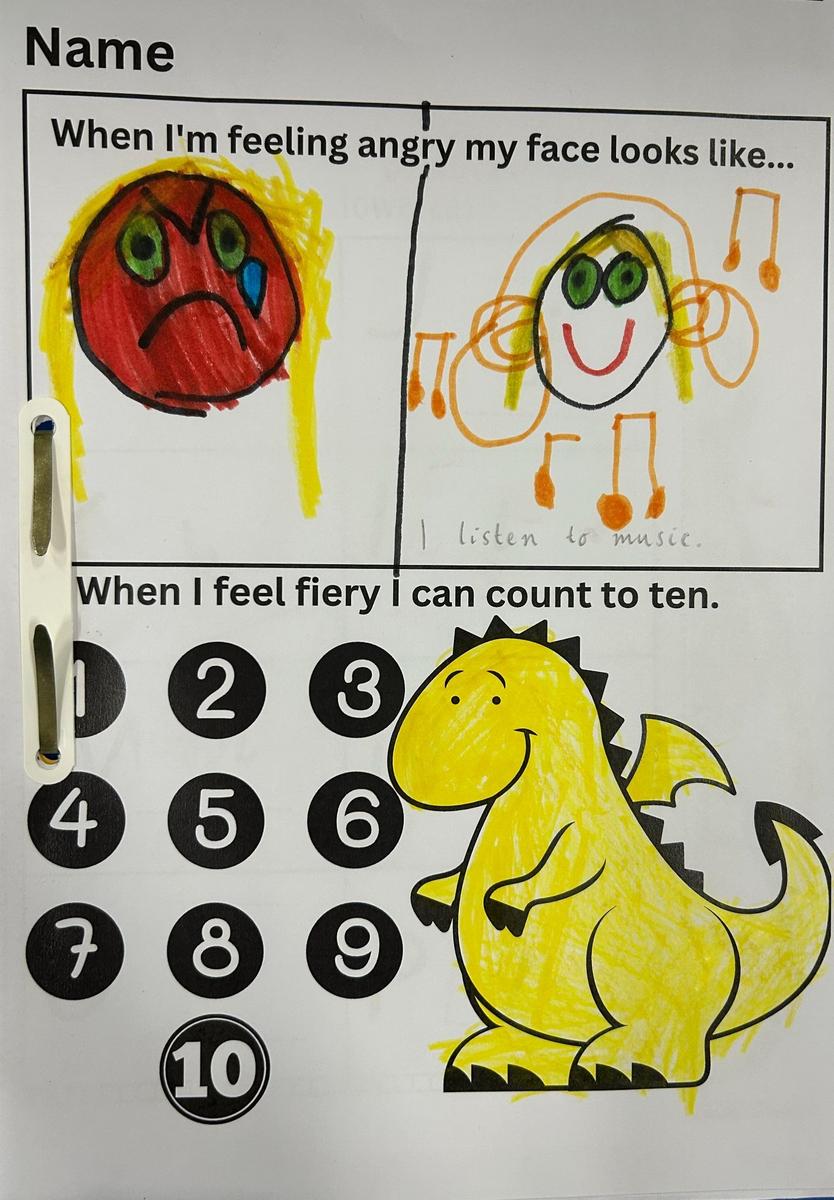
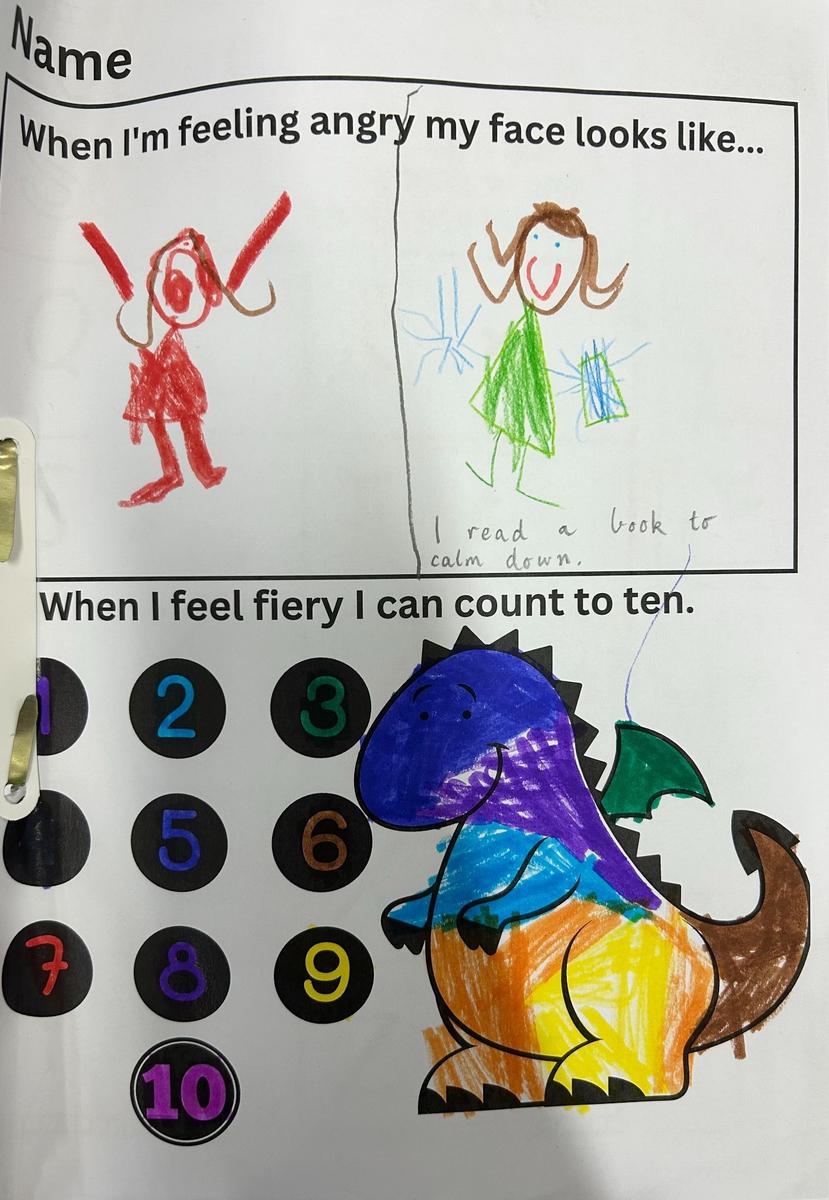
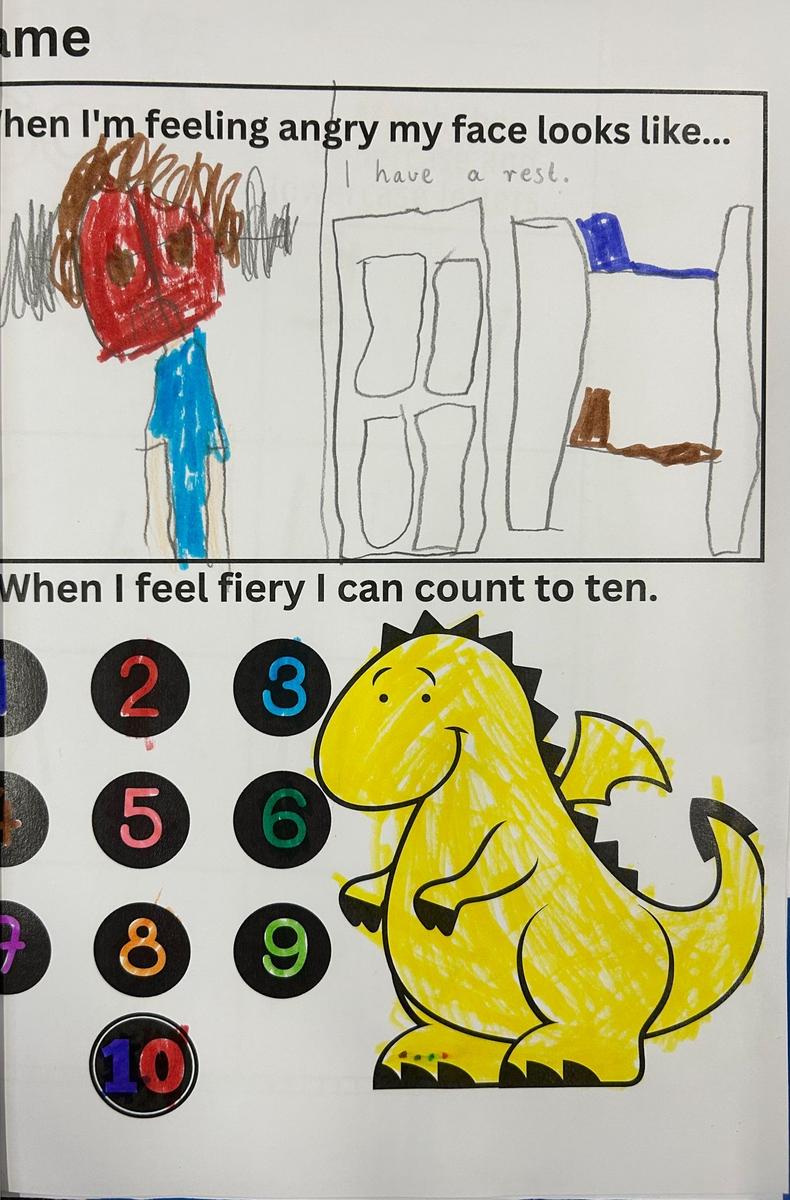
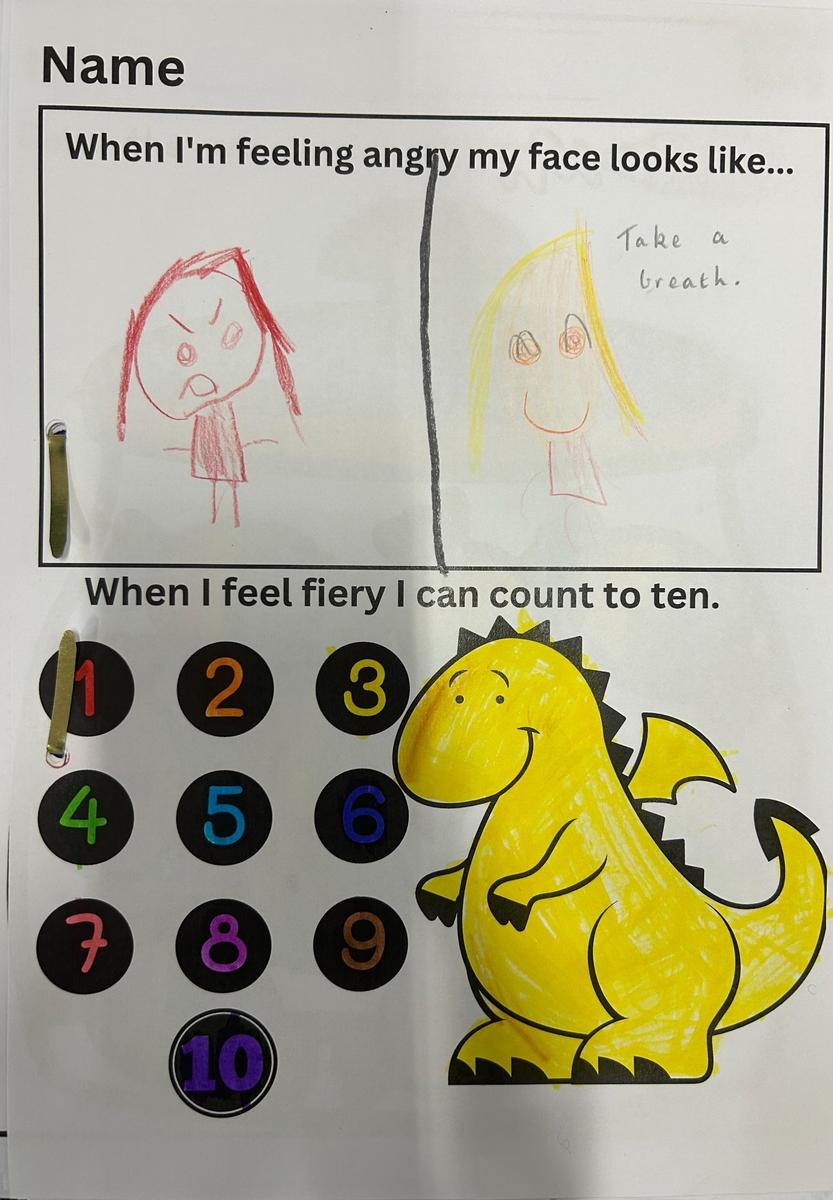
Learning Intention: To practice a strategy to manage our emotions.
In this activity, students made a connection with the text by exploring strategies to help manage big emotions. They drew what they look like when they are angry and a calming strategy they like to use, such as reading a book, listening to music or counting to ten. This supported students in recognising their emotions and practicing effective strategies they can use to help calm themselves down.
Activity 2 - Rhyming Words
Learning Intention: To use sound and letter clues to identify what is the same about words.
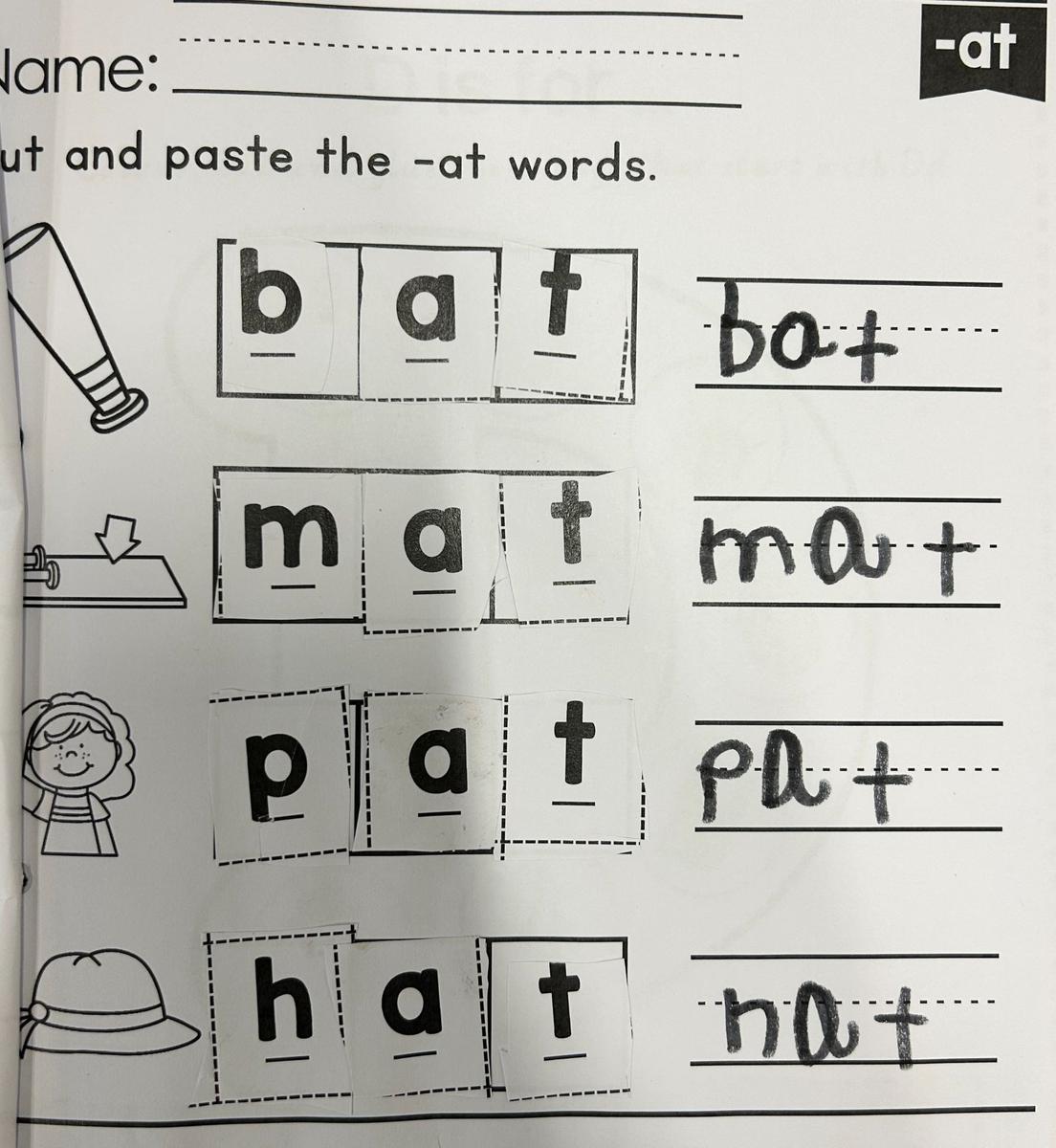
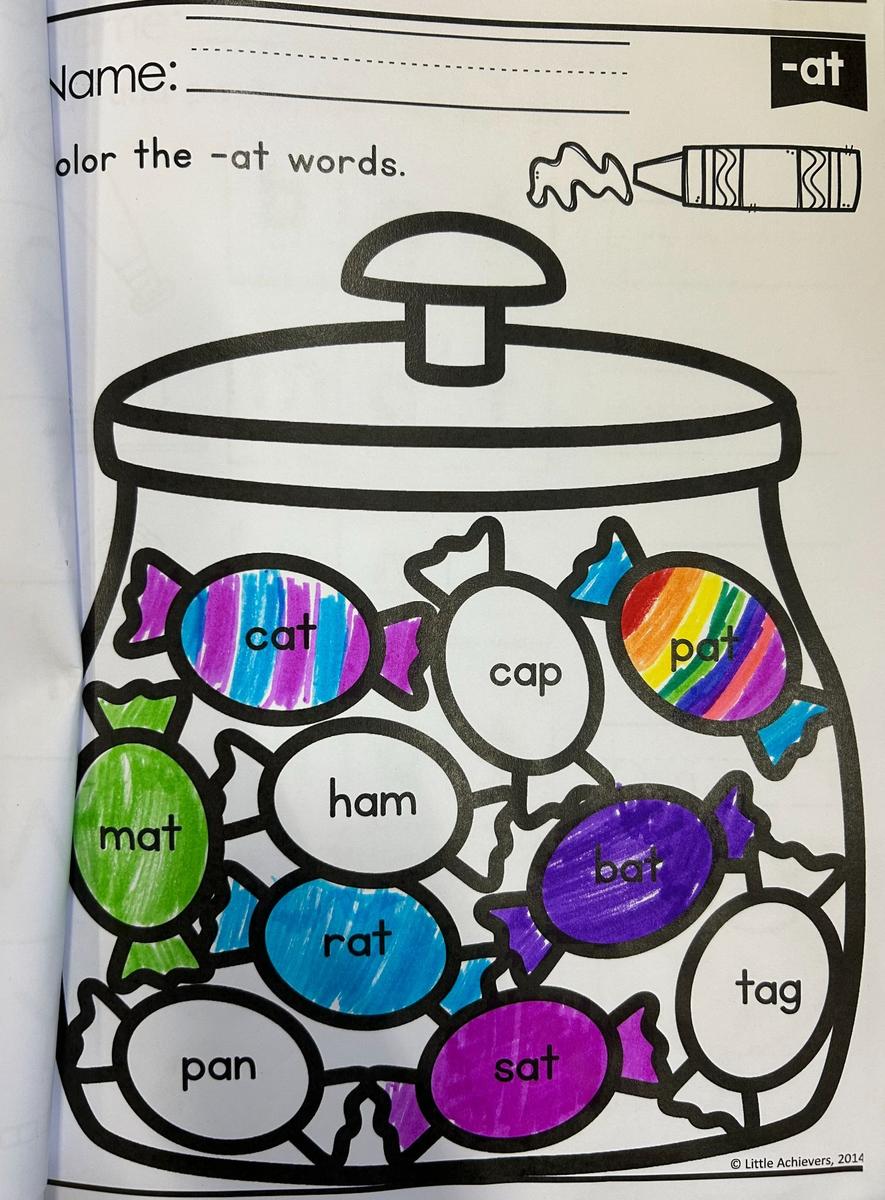
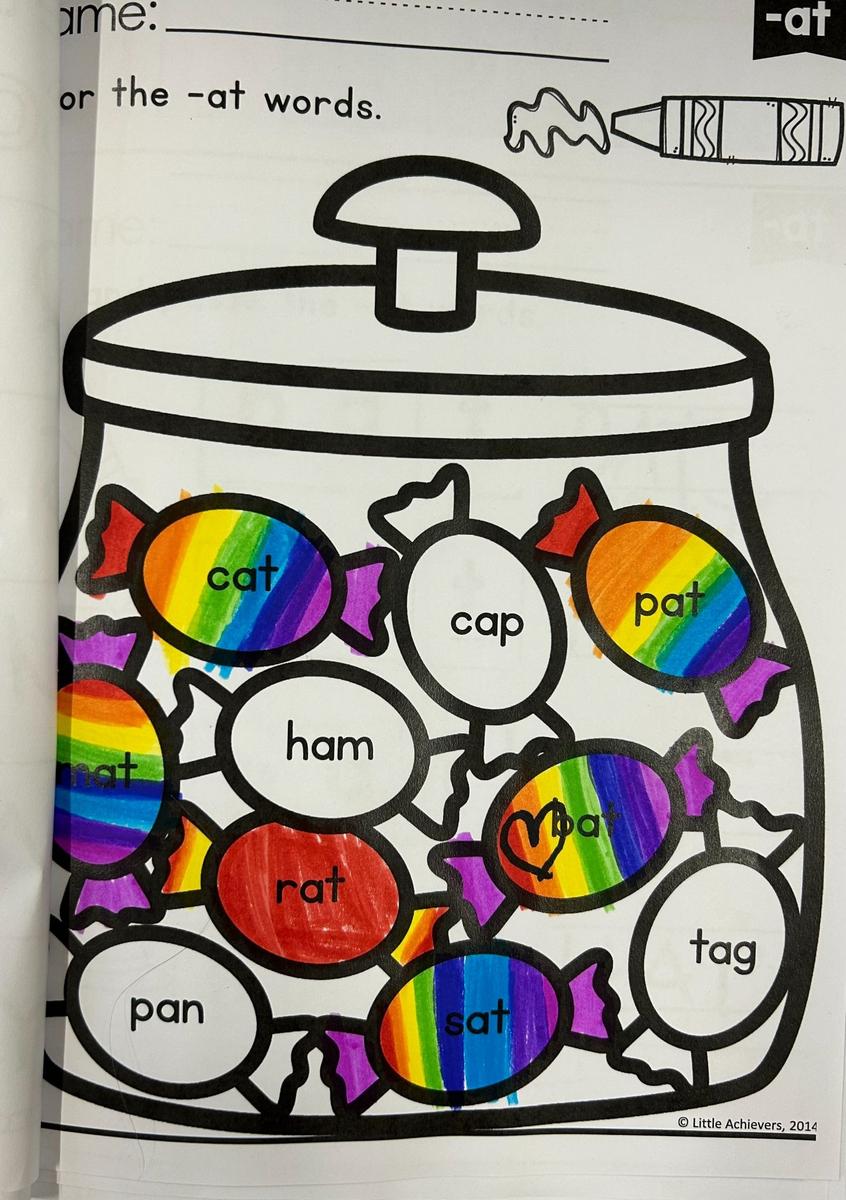
Students identified rhyming words with the focus on the -at ending. Students looked at pictures of words that follow the -at rhyme and used their knowledge of letters and sounds to complete each word. This helped students strengthen their understanding of rhyming patterns and common word families.
Enabling: The words were prefilled to support students in matching the correct letters in each word.
Explore: Students matched the picture and the word.
Extending: Students completed the explore task, followed by an additional activity where they coloured the lollies in the jar that rhymed with the -at sound.
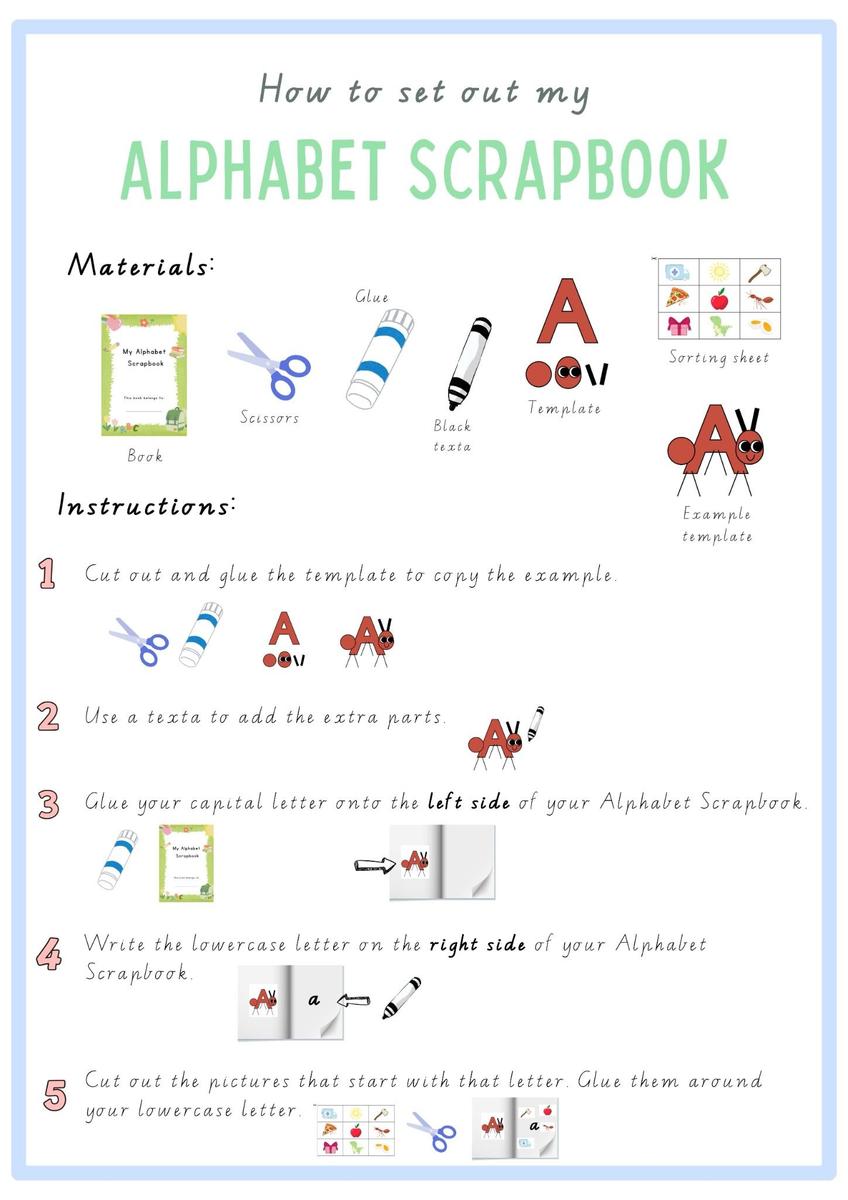
Activity 3 - Alphabet Scrapbook ‘Bb’
Learning Intention: To match the phoneme to the grapheme.
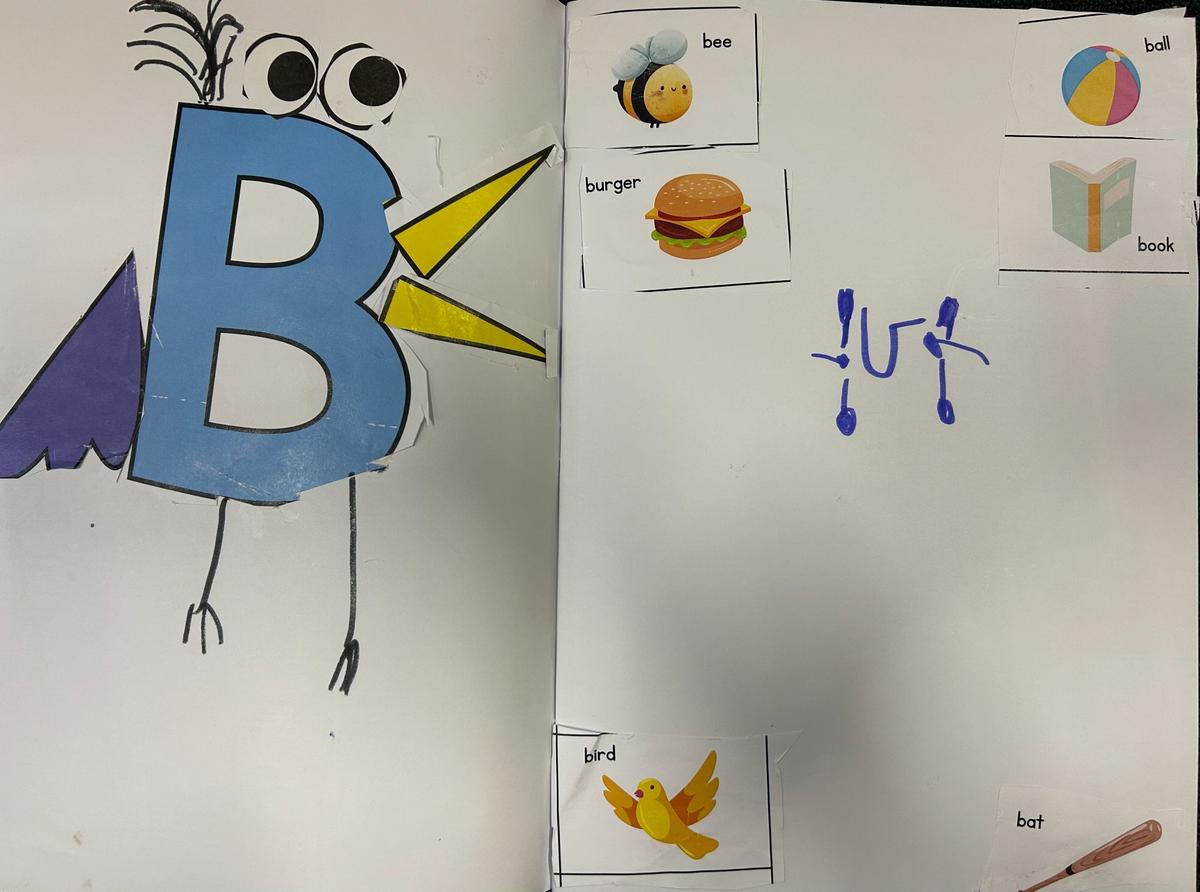
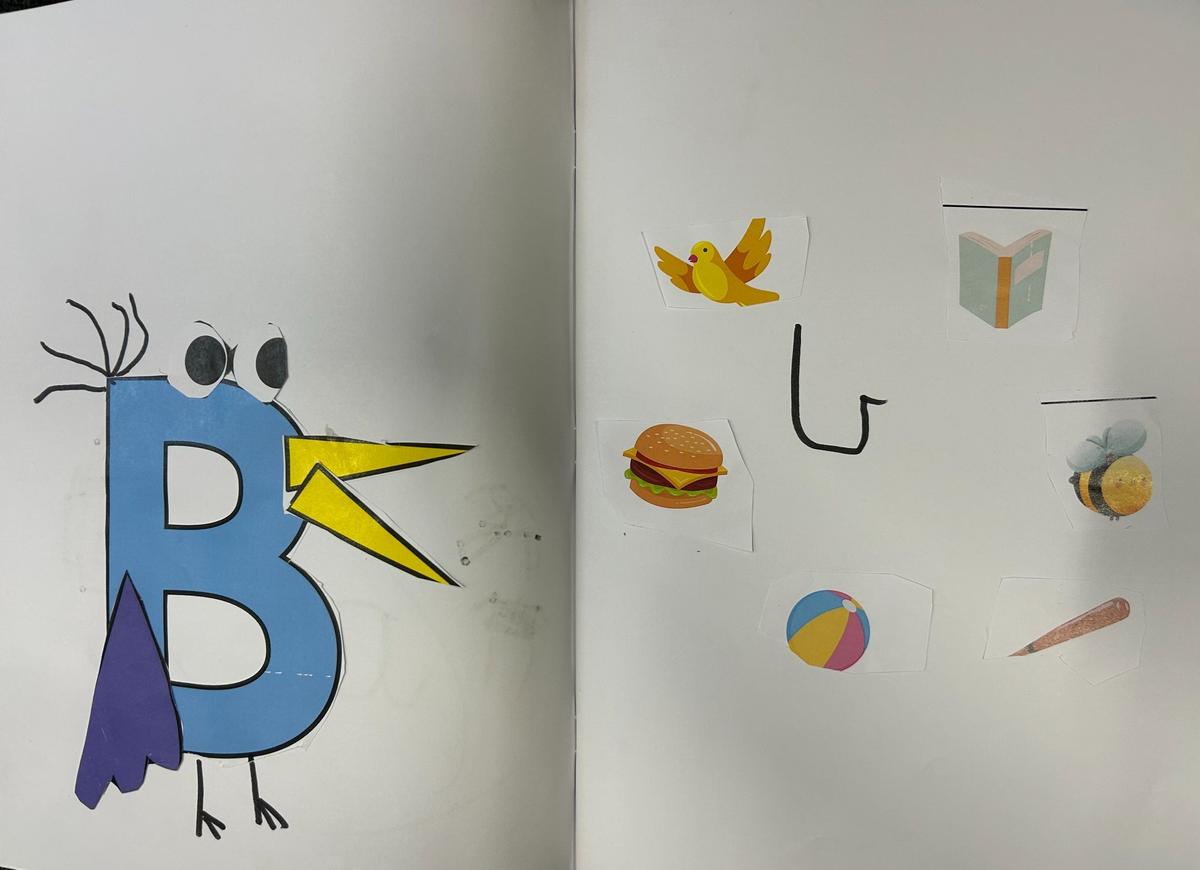
Students followed the instructions to add to their ‘Alphabet Scrapbook.’ They created a capital ‘B’ in the shape of a bird. Then, they wrote a lowercase ‘b’. They chose the pictures that start with the /b/ sound and glued them into their Alphabet Scrapbook. This week, we have sent home a picture of your child’s Alphabet Scrapbook page.
Enabling: Students were given pictures and words to support them with sorting.
Explore: Students were given only pictures to sort.
Extending: Students were given only pictures to sort and were encouraged to draw some of their own.
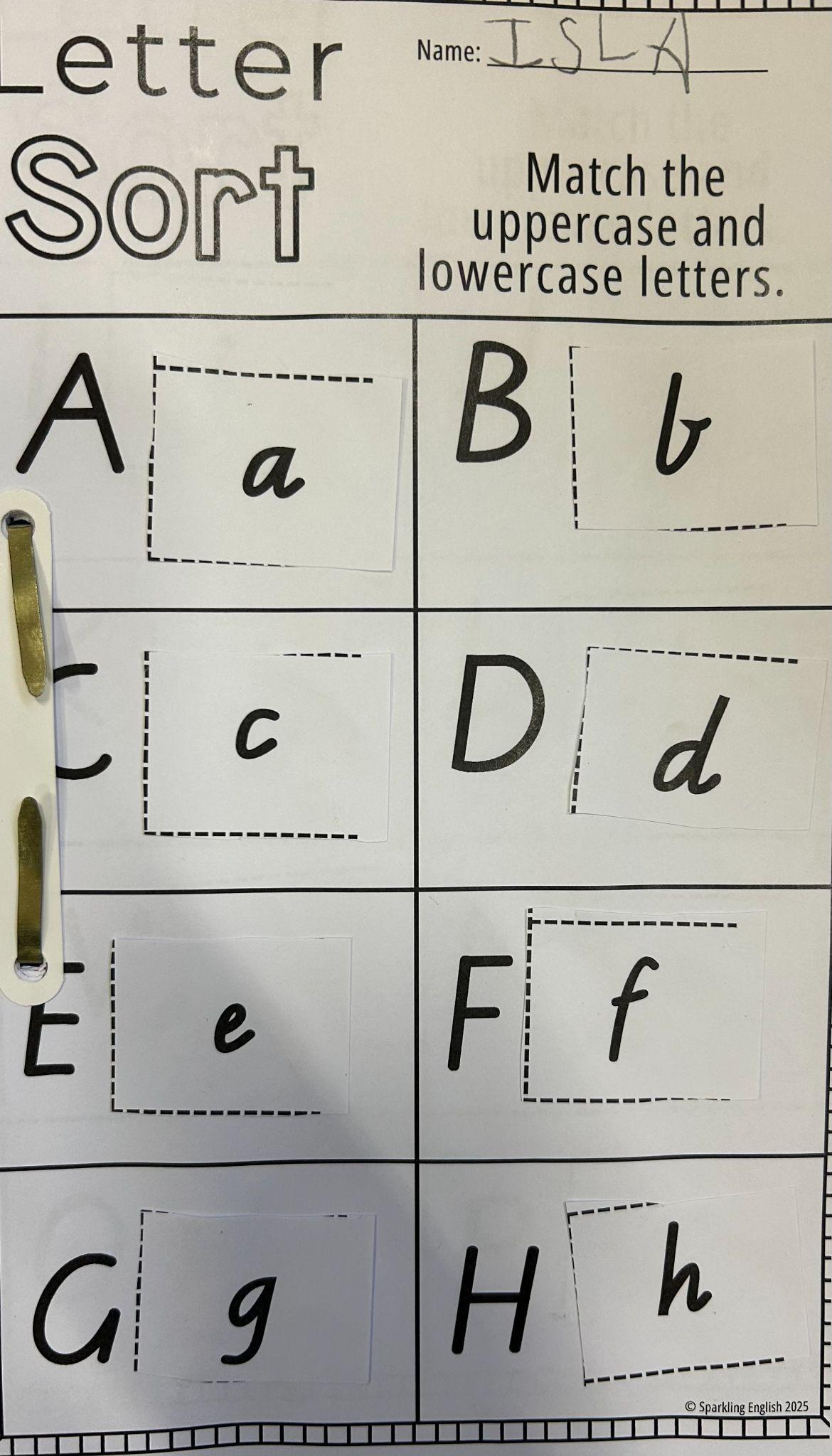
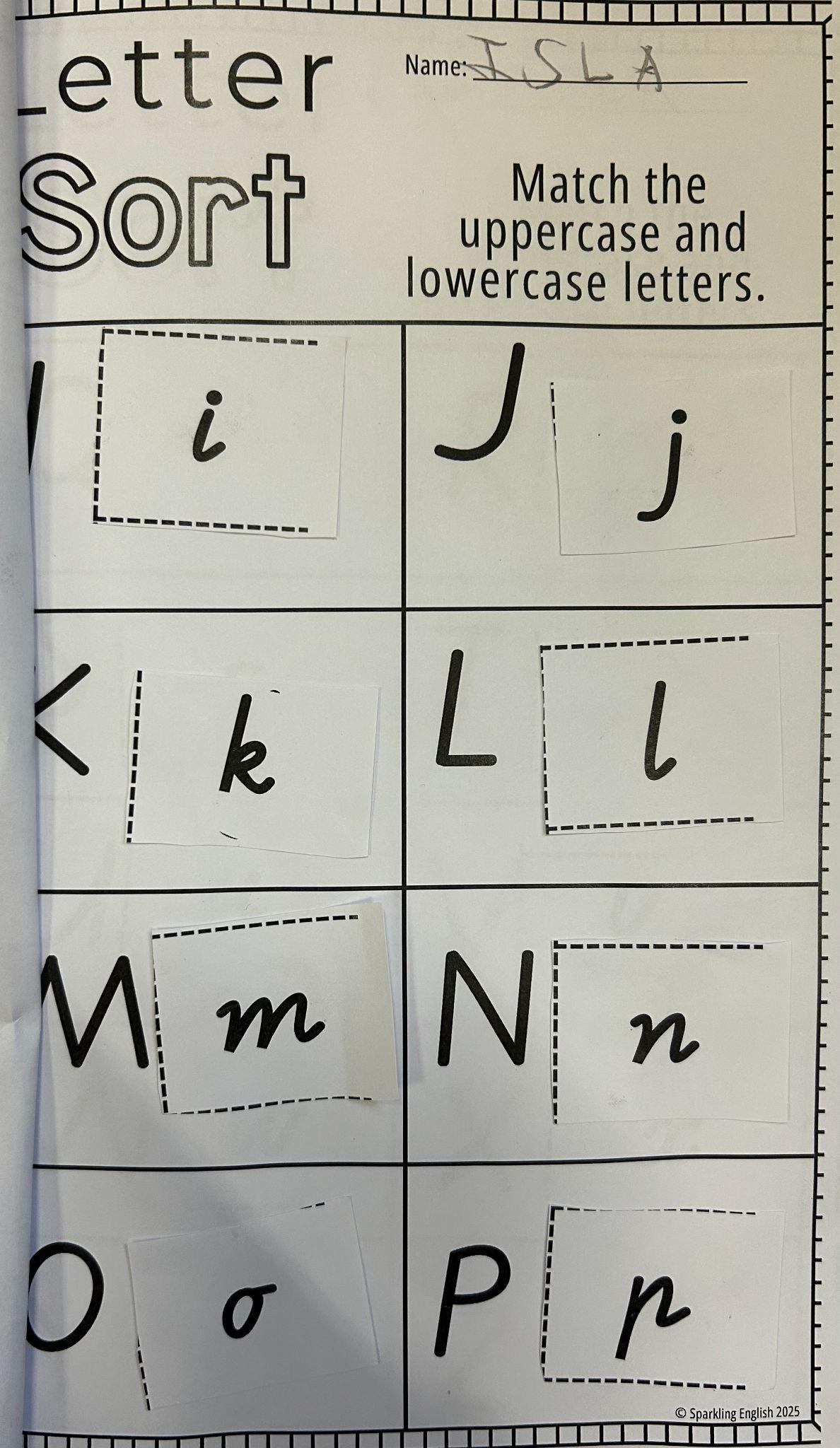
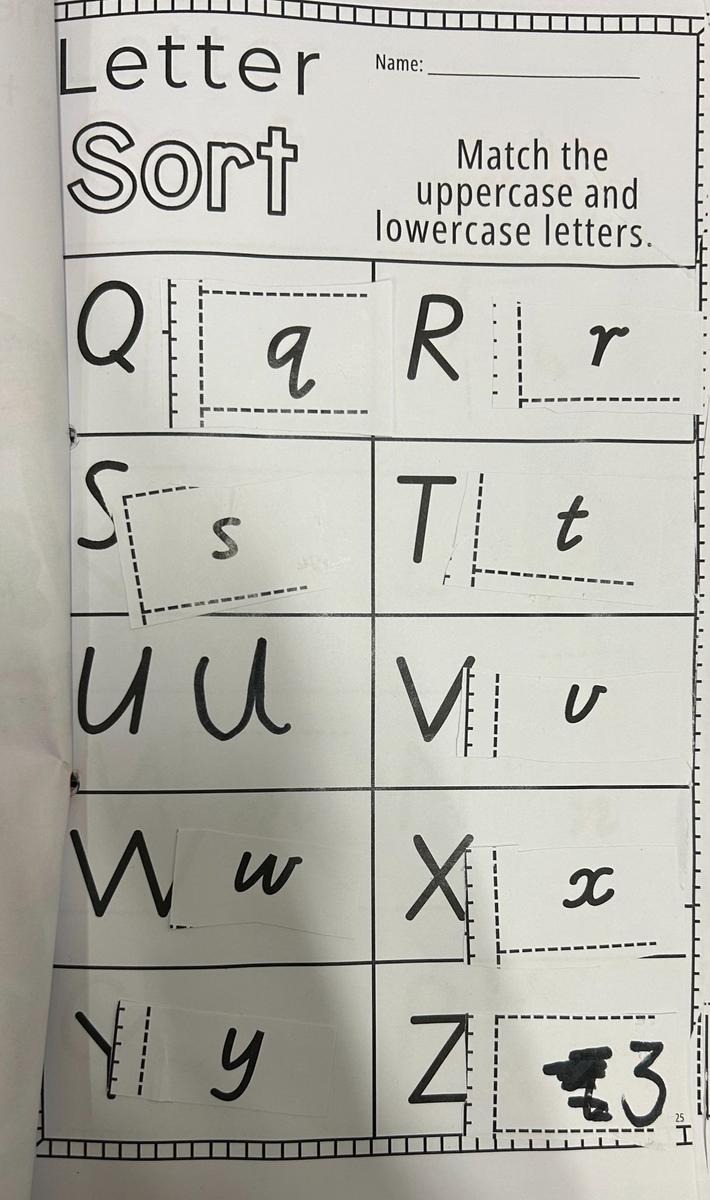
Activity 4 - Matching Upper and Lowercase Letters
Learning Intention: To identify the features of letters.
Students completed a cut and paste activity to match uppercase letters to their lowercase letters. They explored how letters can look different in upper and lowercase while still representing the same sound, paying attention to shapes, sticks and curves. This helps to strengthen students’ letter recognition and understanding of letter formation.
What you can do now to continue the learning at home from this experience:
- Use the reading strategy ‘What I see, what I think’ when reading at home. Look through books together and talk about what you notice in the illustrations.
- Talk with your child about different emotions and when they might feel them.
- Practise simple calming strategies together, such as counting to ten or taking deep breaths.
- Read rhyming books together and play rhyming games to reinforce their learning.
- Practice upper and lowercase letter recognition when looking at things in our environment, such as books, signs or menus.
Warm Regards,
Alyssa and Ruby
Prep Team