STEM News
Dear fellow scientists, The STEM team would like to welcome everyone back from their well-rested break, ready for more exciting new learning!
Prep students are learning to sort day and night pictures into a table by scanning a QR code. Students are building their early digital skills while identifying whether images represent day or night. This activity supports their understanding of daily patterns and helps develop their ability to organise information. Watch this video on daytime and nighttime by Jack Hartmann: https://www.youtube.com/watch?v=gNDUPDtrkjQ
Grade 1 students are learning to observe the tactile properties of materials and classify them. Students explored seven different materials — wooden block, aluminium foil, rubber band, playdough, sponge/cloth, cotton ball, and popsicle stick — using their sense of touch. They recorded their observations in a table, identifying whether each material was stretchy, flexible, crushable, or smooth.
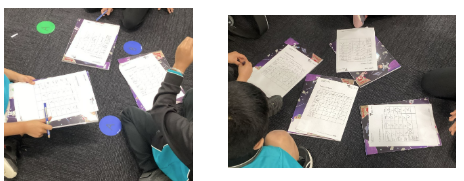
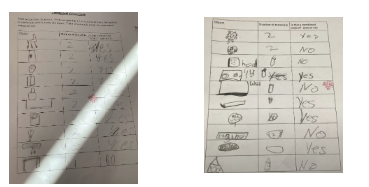
Grade 2 students are learning to identify whether objects are made from a single material or a combination of materials. As part of this activity, students explored their classroom and recorded 10 different objects, identifying what materials each object was made from. They then determined whether each object was made from one material or two or more materials combined.
Grade 3 students are learning to identify what makes something a solid, liquid, or gas. Students are working collaboratively in groups to determine whether different materials are solids, liquids, or gases. They are sharing their knowledge with the class and explaining their thinking. To demonstrate their understanding, students are completing hands-on activities that help them explore and classify different states of matter. Watch this video on states of matter for kids - what are the states of matter? Solid, liquid and gas: https://www.youtube.com/watch?v=JQ4WduVp9k4
Grade 4 students are learning to complete a table and graph showing the amounts of water found in different sources. Students are developing their data skills by adding a heading to their table, adding units to the Y-axis label and using a pencil to draw their graph. This activity helps students organise and present information clearly while building their understanding of water sources and data representation. Watch this video on water: https://www.clickview.net/primary/videos/3713201/water
Grade 5 students are learning to identify features of plants, such as leaves, seeds, and flowers. As part of their learning, students are also watching the video of flowers and their pollinators: A Perfect Match!/ Spring is here!/ Sci Show Kids https://www.youtube.com/watch?v=pnBoM4idf1k. Students are also exploring the features of animals. They are learning that different groups of animals have different characteristics, such as insects (e.g. bees and ants) have 6 legs, arachnids (e.g. spiders, scorpions, and ticks) have 8 legs and some animals have wings for movement, while others have fins, legs, or a muscular foot, like a snail.
Grade 6 students are learning about the difference between erosion and weathering. Students are exploring how weathering breaks down rocks and how erosion moves these materials from one place to another. They are developing their ability to clearly differentiate between these two processes. Students are also investigating how human activities can increase the effects of erosion and weathering on the landscape, such as through construction, deforestation, and farming practices. Watch this video on weathering and erosion: https://www.clickview.net/primary/videos/50875737/weathering-and-erosion?context=widget&contextId=422597421483192320&tocId=transcript
STEM Team