The Importance of the Sea to Torres Strait Islander People
Found

The Importance of the Sea to Torres Strait Islander People
Found
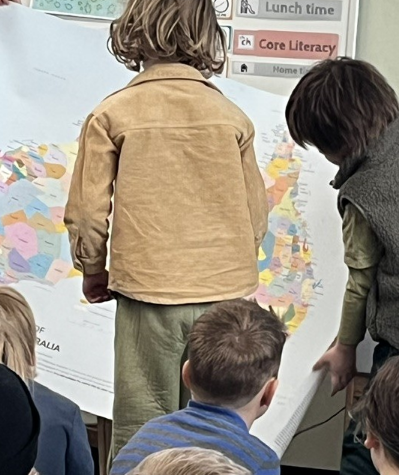
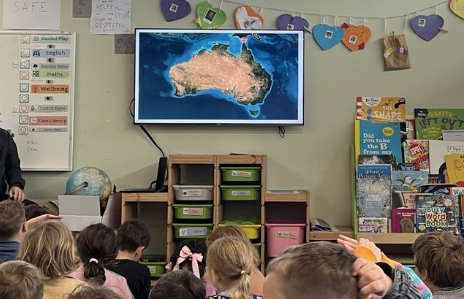
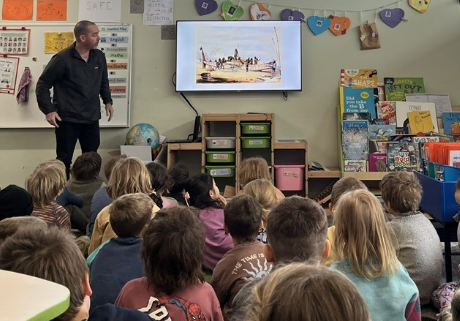
We were lucky enough to have another parent visitor come and present to our class about The Importance of the Sea to Torres Strait Islander People. During the presentation, we learned about the strong connection Torres Strait Islander people have with the sea and how it influences their culture, traditions, transport, food sources, and daily life.
The sea plays a vital role in the lives of Torres Strait Islander (TSI) people. Often referred to as "sea people," Torres Strait Islanders have a strong connection to the ocean, which provides food, transport, cultural identity, and a link between communities. Salt water is not only important for survival but is also a significant part of Torres Strait Islander traditions and way of life.
This connection is reflected in the Torres Strait Islander Flag. The green sections of the flag represent the land, islands, grass, and vegetation, while the blue sections represent the surrounding sea. The black colour symbolises Torres Strait Islander people and their connection to both the land and the ocean. The white dhari, a traditional headdress, represents Torres Strait Islander culture, and the white star represents the island groups and navigation across the sea.
The sea influences many aspects of Torres Strait Islander culture. Traditional costumes are often made using materials collected from the ocean, such as shells and other marine resources. Many Torres Strait Islanders belong to a clan and have a totem, which is often a sea animal. Totems help strengthen people's connection to their family, culture, and environment.
Tides are especially important to Torres Strait Islander communities because they affect fishing, travel, and the gathering of food from reefs and beaches. Tides occur because of the gravitational pull of the Moon and the Sun on Earth's oceans. As the Earth moves around the Sun and the Moon moves around the Earth, water levels rise and fall, creating high and low tides that Torres Strait Islanders have understood and used for generations.
Fishing is a major part of Torres Strait Islander life. Fish and other seafood provide an important source of food. Islanders developed clever stone-wall fish traps that use the movement of tides to catch fish efficiently. The sea is also used for transport. Many people own dinghies, canoes, and larger boats that allow them to travel between islands, transport goods, and fish. Some boats are large enough to carry vehicles and heavy loads.
Evidence of Torres Strait Islander history can be found through archaeology. Archaeologists study objects and remains from the past, including middens. Middens are ancient piles of shells, bones, and other materials left behind after meals. These sites provide valuable information about how Torres Strait Islander people lived and used marine resources over thousands of years.
The sea provides a wide variety of resources for Torres Strait Islander people. More than 450 types of seafood are available for food. Shells have also been used for many purposes, including containers, water buckets, jewellery, tools, musical instruments, and even as a form of money in trade. Every part of these resources was used carefully and respectfully.
In conclusion, the sea is at the heart of Torres Strait Islander culture and identity. It provides food, transport, materials, and a strong cultural connection that has been maintained for generations. The relationship between Torres Strait Islander people and the sea continues to be an important part of their lives today.
We would like to thank our parent visitors for sharing their knowledge and experiences with us. It was a valuable learning opportunity that helped us better understand Torres Strait Islander culture and the important role the sea plays in the lives of Torres Strait Islander people.