Visual Arts & Technology
Follow us in Instagram: wantirna_college
Visual Arts & Technology
Follow us in Instagram: wantirna_college
Exploring Our Digital Footprints
Year 7 students have continued their Digital Technologies journey by exploring the concept of a digital footprint and how their actions online contribute to their digital identity.
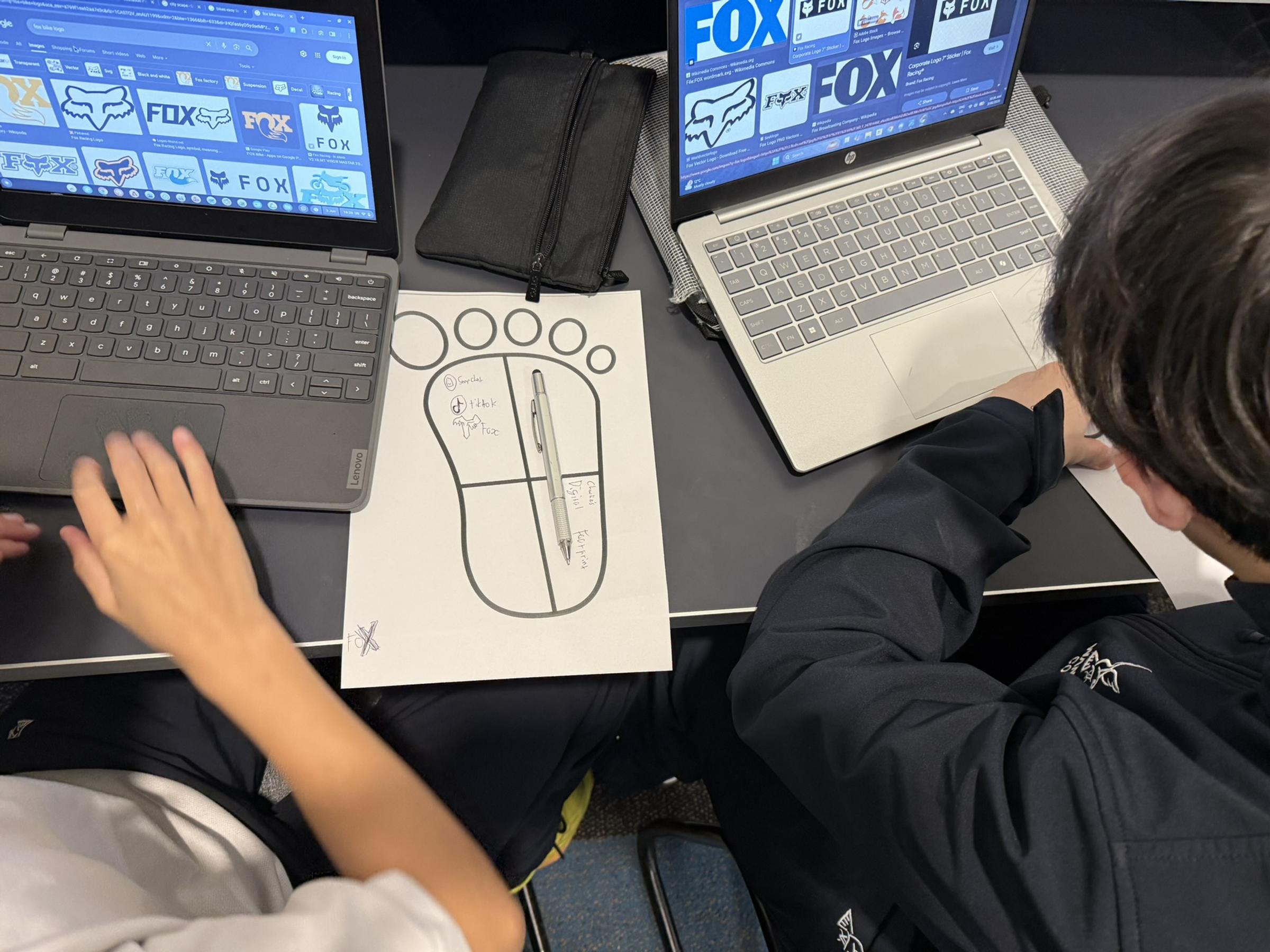
In this activity, students reflected on the different platforms, apps and online spaces they use, including gaming, messaging, video content, social media and school-based digital tools. They considered how these spaces form part of their online presence, and how their choices online can affect the way they are seen by others.
Students then created a visual digital footprint diagram, where they identified the platforms they use, represented their online interests through symbols and icons, and included examples of responsible online behaviour.
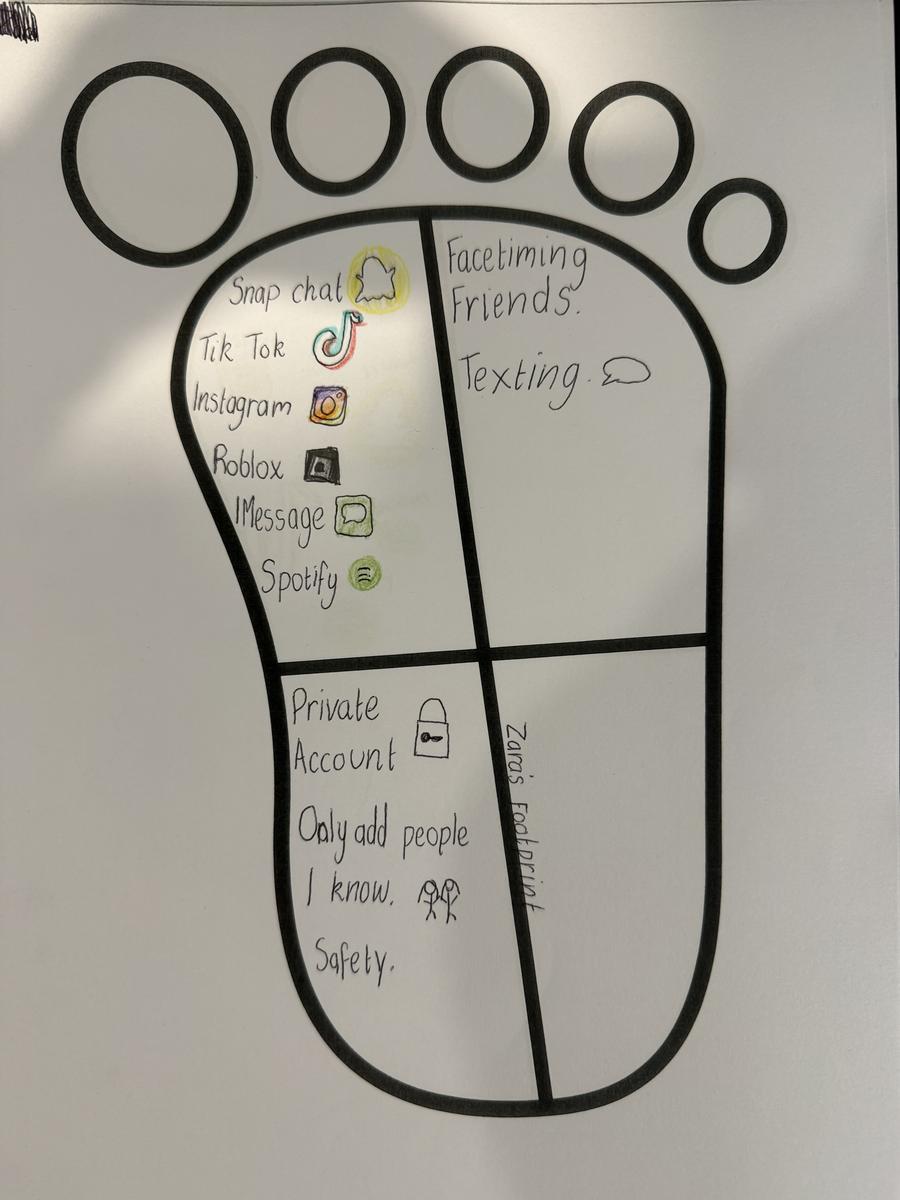
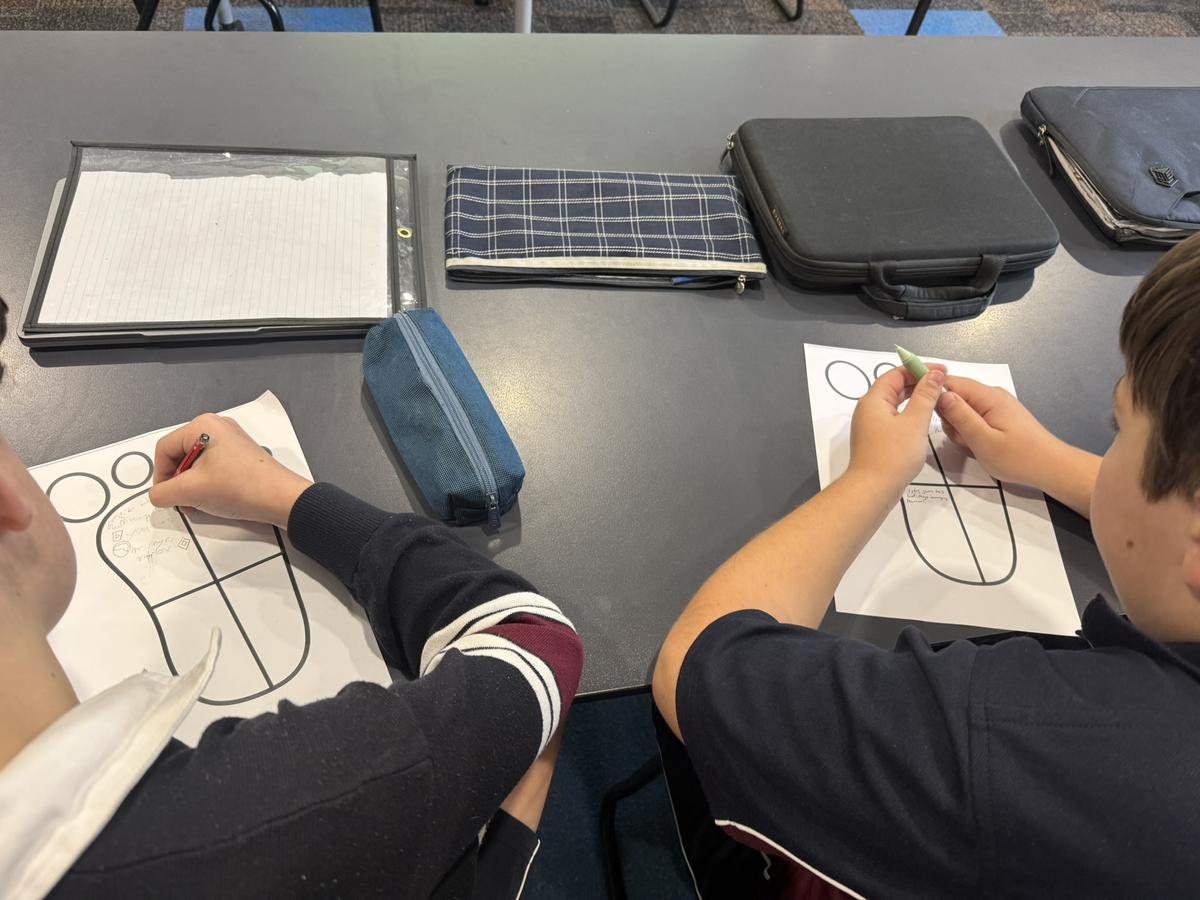
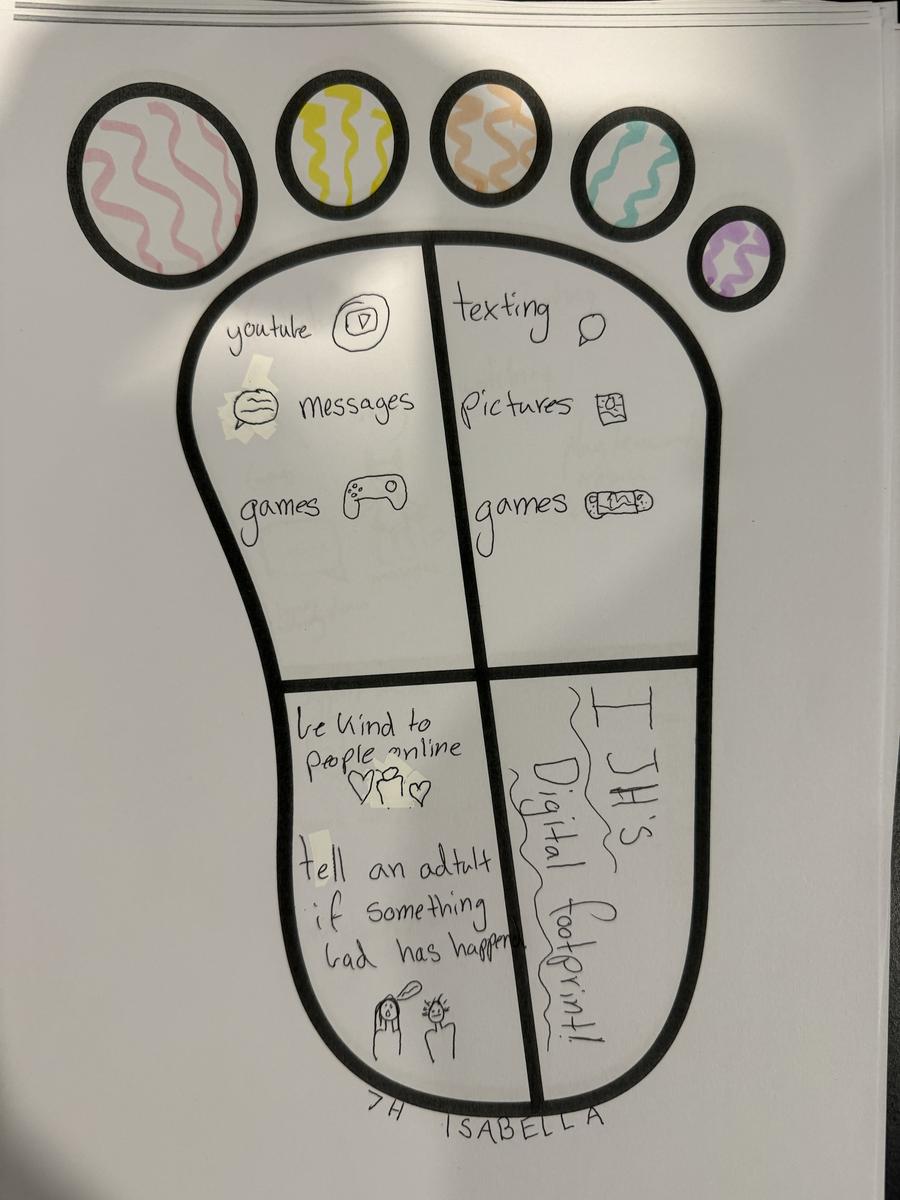
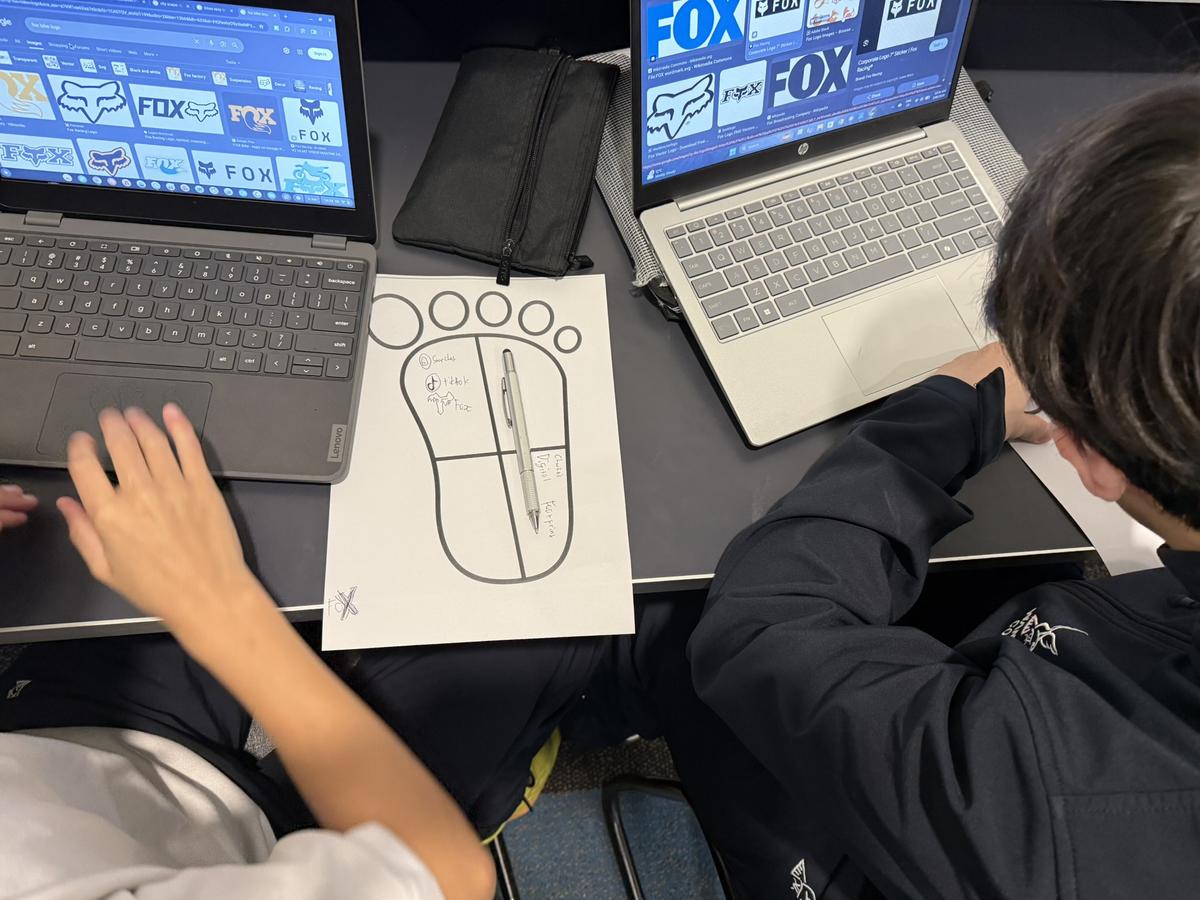
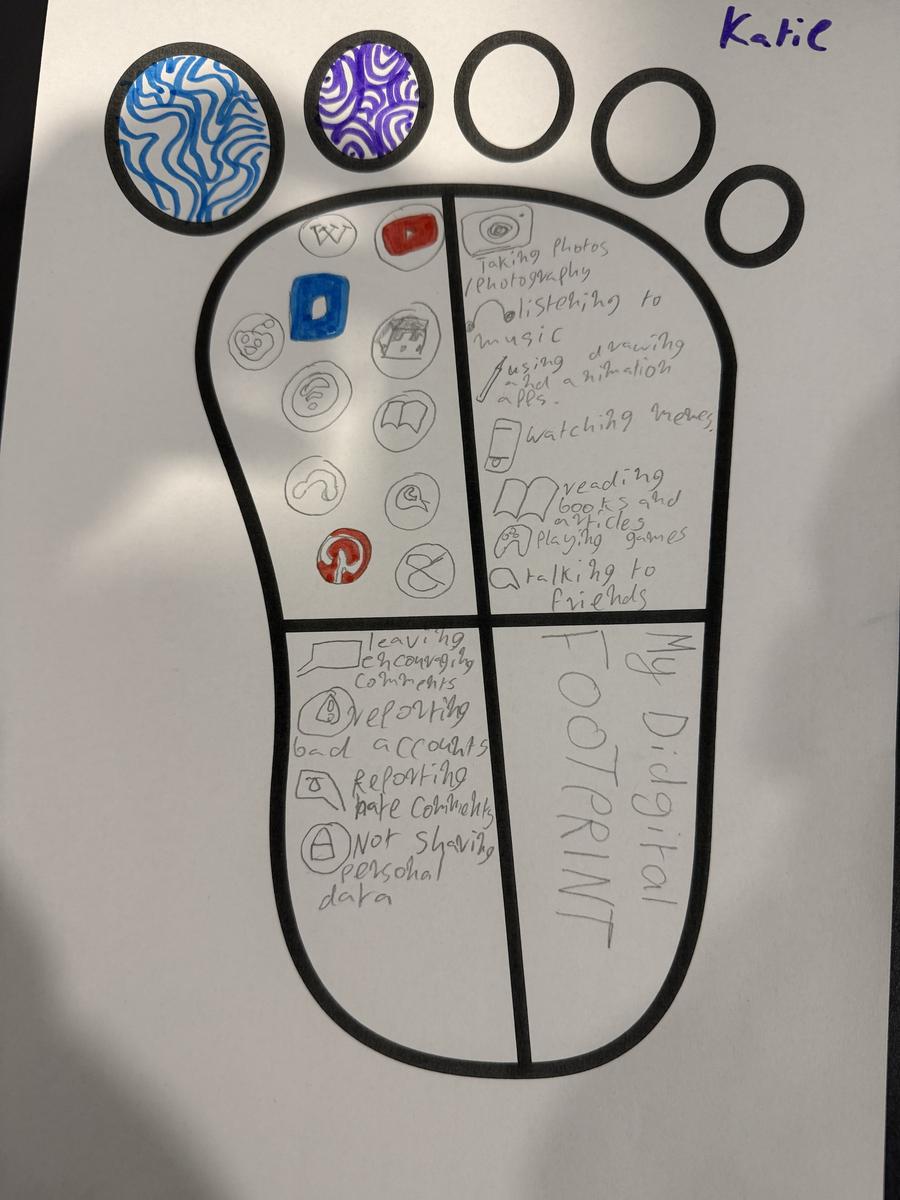
These included actions such as leaving kind comments, keeping accounts private, reporting inappropriate content and thinking carefully before sharing personal information.
The activity encouraged students to think critically about the long-term impact of their online actions. It also supported important conversations about privacy, respect, reputation and positive participation in online communities.
As the unit continues, students will further explore how to be respectful online and how to identify misleading information, including fake news.
Next term, students will build on these ideas through a focus on cybersecurity, where they will learn more about protecting themselves, their information and others in digital environments.
This was a valuable part of our Year 7 Digital Technologies program, helping students understand that being online is not just about using technology, it is also about making thoughtful, safe and respectful choices.
KIOSC Robot Arms Activity
Year 10 Digital Technologies students recently continued their learning through a hands-on experience at KIOSC, taking part in a robot arms activity that explored automation, programming and real-world applications of robotics.
During the session, students investigated how robotic arms can be programmed to complete specific tasks with accuracy and control. They considered how instructions need to be clear, sequenced and tested, and how small changes in programming can affect the movement and performance of a robotic system.
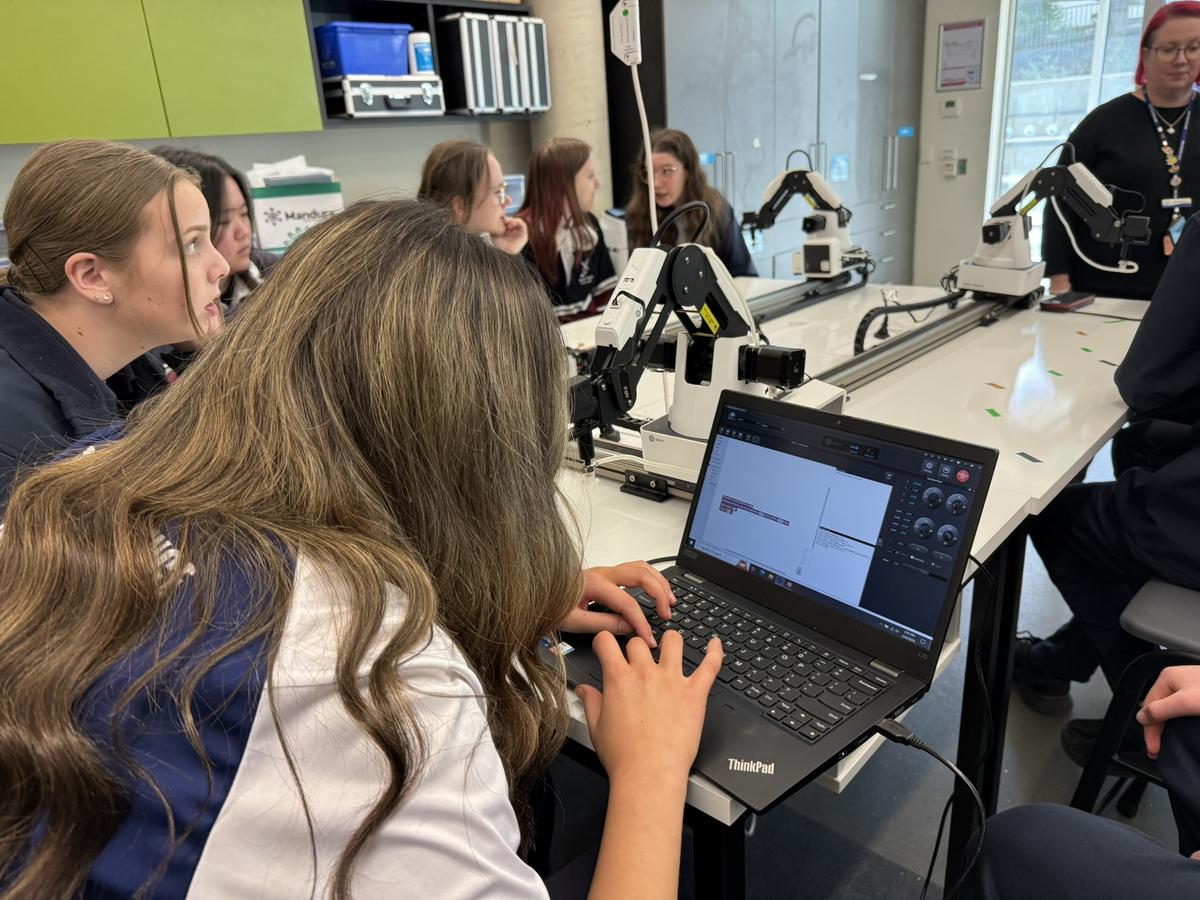
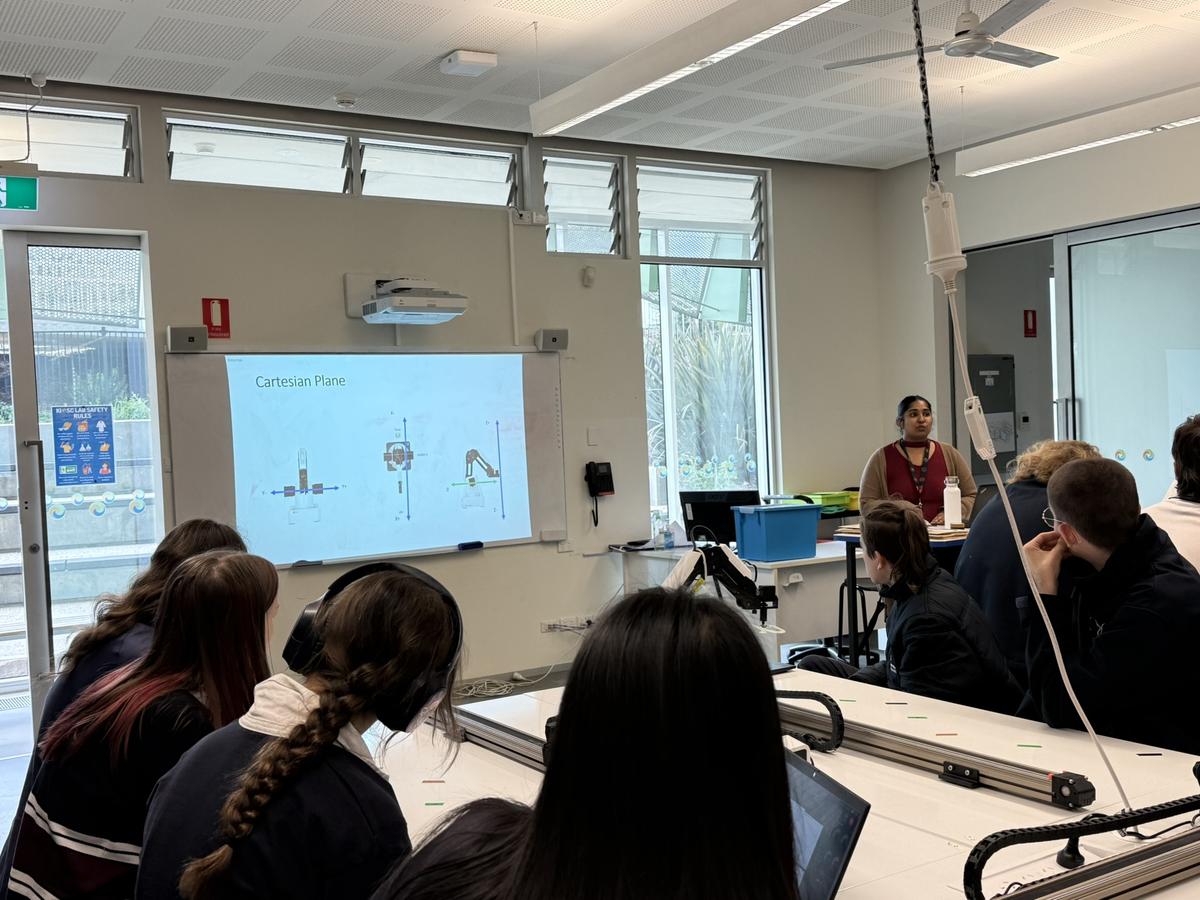
The activity encouraged students to use problem-solving, logical thinking and collaboration as they worked through practical challenges. Students applied computational thinking by breaking tasks into smaller steps, testing their instructions and refining their solutions to improve the robot arm’s performance.
This experience helped students make stronger connections between classroom learning and real-world technologies used in industries such as manufacturing, engineering, healthcare, logistics and automation.
It also highlighted the importance of precision, testing and iteration when designing digital solutions. Feedback from students was positive, as they found it challenging but engaging, with the concept being “cool” and “interesting to work with robots”.
The KIOSC visit was a valuable extension of the Year 10 Digital Technologies program, giving students the opportunity to apply their skills beyond the classroom and explore how robotics and automation are shaping the future of work.
Mul Zulfic
Art & Technology