Wellbeing News
Resilience, Rights and Respectful Relationships
Stress Management:
In the final weeks of Term 2, students across the school have been learning about Stress Management in our Resilience, Rights and Respectful Relationships lessons. Stress is a normal part of life, especially as children get older. At school students may experience a range of stressors including conflict arising from unfair play, being unable to find a friend in the yard, approaching a friend or teacher to ask for help, or worry about not performing well in an activity or assessment task. Assisting students to recognise their personal signs and symptoms of stress, and to develop strategies that will help them to deal with stress effectively, will help students cope with future challenges. In classrooms this term, students explored stress management in a variety of age appropriate ways to support students to cope effectively with challenging situations in future.
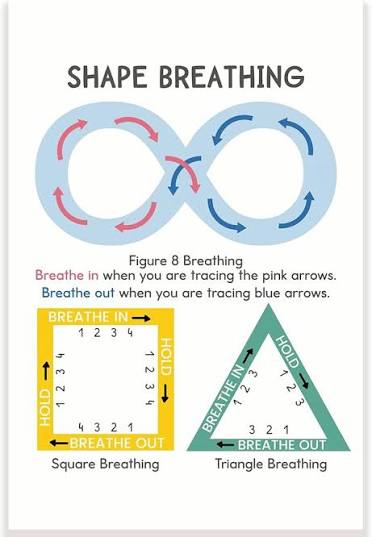
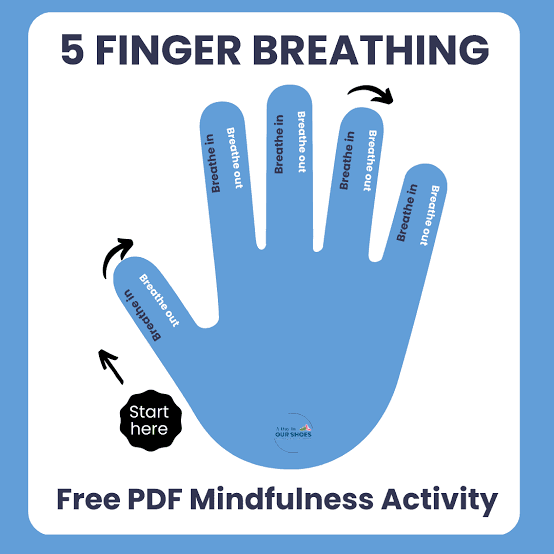
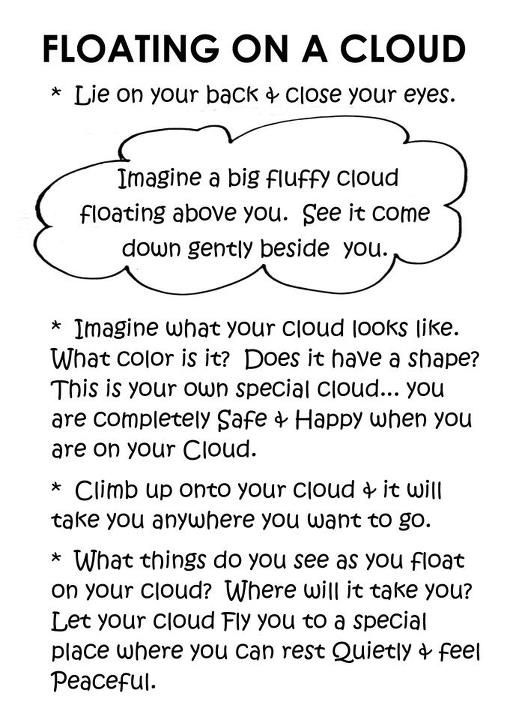
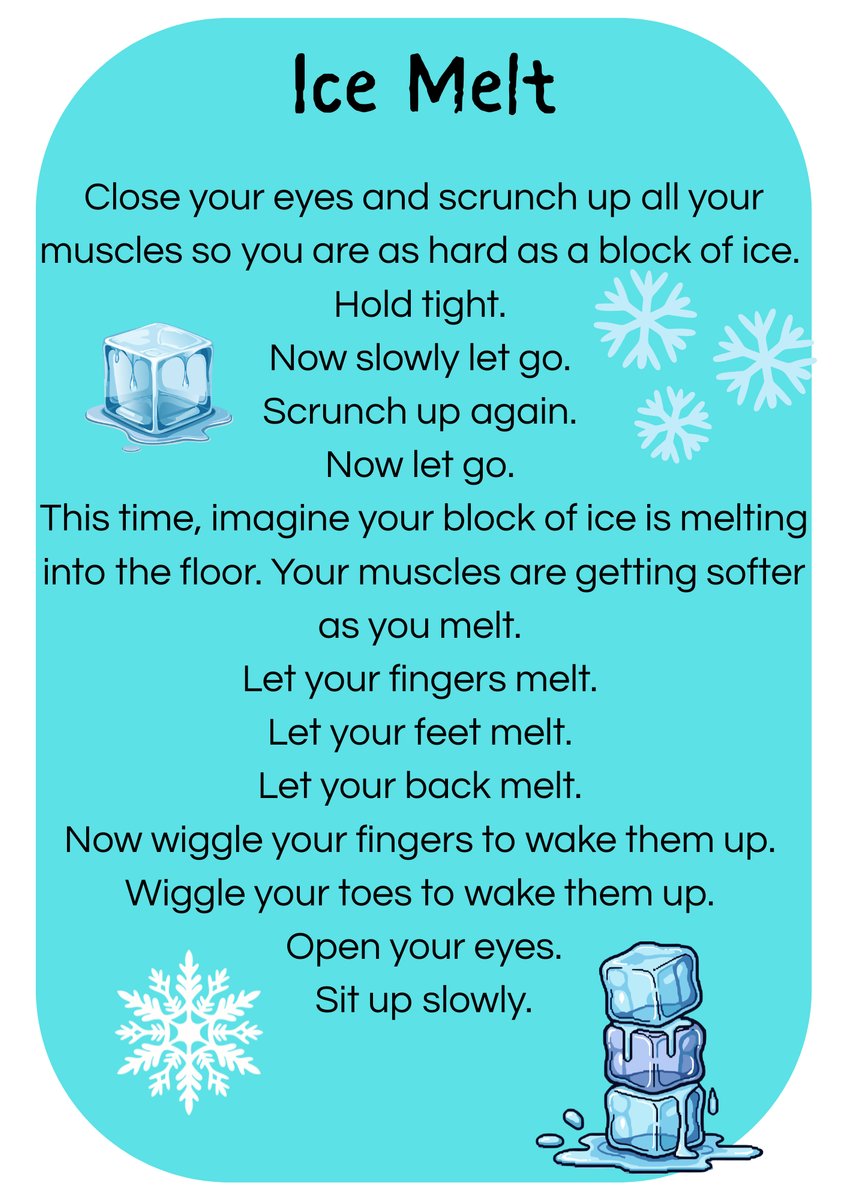
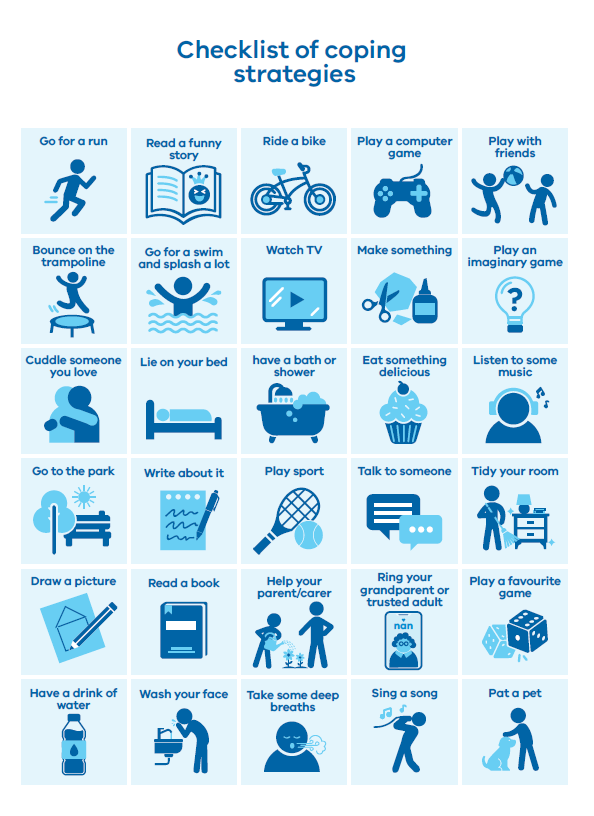
Below are some calming strategies that students explored, and coping strategies that students discussed during our focus on Stress Management.
Breathing exercises:
Relaxation Techniques:
Coping strategies:
At home you can help your child learn to manage their stress by:
Acknowledging and validating your child’s feelings and letting them know you’re there to support them.
Helping your child to recognise signs of stress such as tense muscles, racing heart, sweaty palms, trouble sleeping and feeling overwhelmed.
Chat with your child about what you like to do to relax when you feel stressed.
Gently inquiring about what is causing the stress and then helping your child to make changes or adjustments to manage the stressors. This may include simply listening to their worries, or helping them to manage their time more effectively and prioritise which things need their attention first, and which things can wait.
Encouraging healthy choices such as being physically active, eating good food and sleeping well.
Supporting your child to relax and unwind, especially before bed by utilizing relaxation strategies such as listening to quiet music, breathing and mindfulness exercises, reading a book and having a bath.
Take it in turns with your child, to make up guided meditations to help you both unwind at the end of a busy or stressful day.
Making a family list of ten favourite ways to calm down or relax, or try some coping strategies or relaxation exercises at home. Which strategies or exercises work best for the different members of your family, to help manage feelings of stress?
School holidays are a great way for students to rest and recharge after a long and, at times, stressful term! What better time to practise some relaxation techniques so that students are familiar with them and are able to draw on these as we head into a new term?!
Anxiety:
When your child experiences stress over a period of time, it can lead to anxious feelings. Feeling anxious is a survival response to situations where there are dangers or threats. It is normal for everyone to feel anxious at times. These symptoms are our body’s way of protecting us, and in many situations this response can help to spur us into action when we need to get out of harm’s way and motivate us when we need to get over the finishing line.
There are similarities but also key differences in the way anxiety manifests in people of different ages and developmental stages. For example, if a baby cries when an unfamiliar person wants to hold them, their fear seems perfectly normal for this age. But if a 12-year-old withdraws or refuses to talk to new people and avoids situations where it may be expected, this may be a sign of a more serious anxiety concern. No matter their age, both children and young people can have difficulty finding the words to express what they’re feeling – their behaviour may be the best clue.
If your child is experiencing anxious feelings that are intense, persistent and interfere with their capacity to learn, socialise and do everyday things, it can be helpful to seek professional support. A good place to start is by talking to your child’s GP or paediatrician, who can refer you to an appropriate mental health practitioner. To find out more about anxiety and ways to support your child, please refer to the list of resources below.
For Parents/Carers:
Articles…
- Beyond Blue – Anxiety
- headspace – What is anxiety & the effects on mental health
- Raising Children Network – Anxiety in children
- Smiling Mind Blog - How to tell if it’s stress or anxiety
Podcasts…
For Children:
Books…
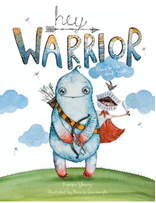
- Hey Warrior: A Book for Kids About Anxiety by Karen Young
- How big are your worries, little bear? by Jayneen Sanders
- The Huge Bag of Worries by Virginia Ironside
- When My Worries Get Too Big by Kari Dunn Buron
Online…
- BRAVE Self-Help Program- an online prevention and intervention program to help young people manage anxiety.
- Kids Helpline – How to manage anxiety
- Kids Helpline – Niggles app
Ivy Callander
Mental Health + Wellbeing Leader