
Student Wellbeing
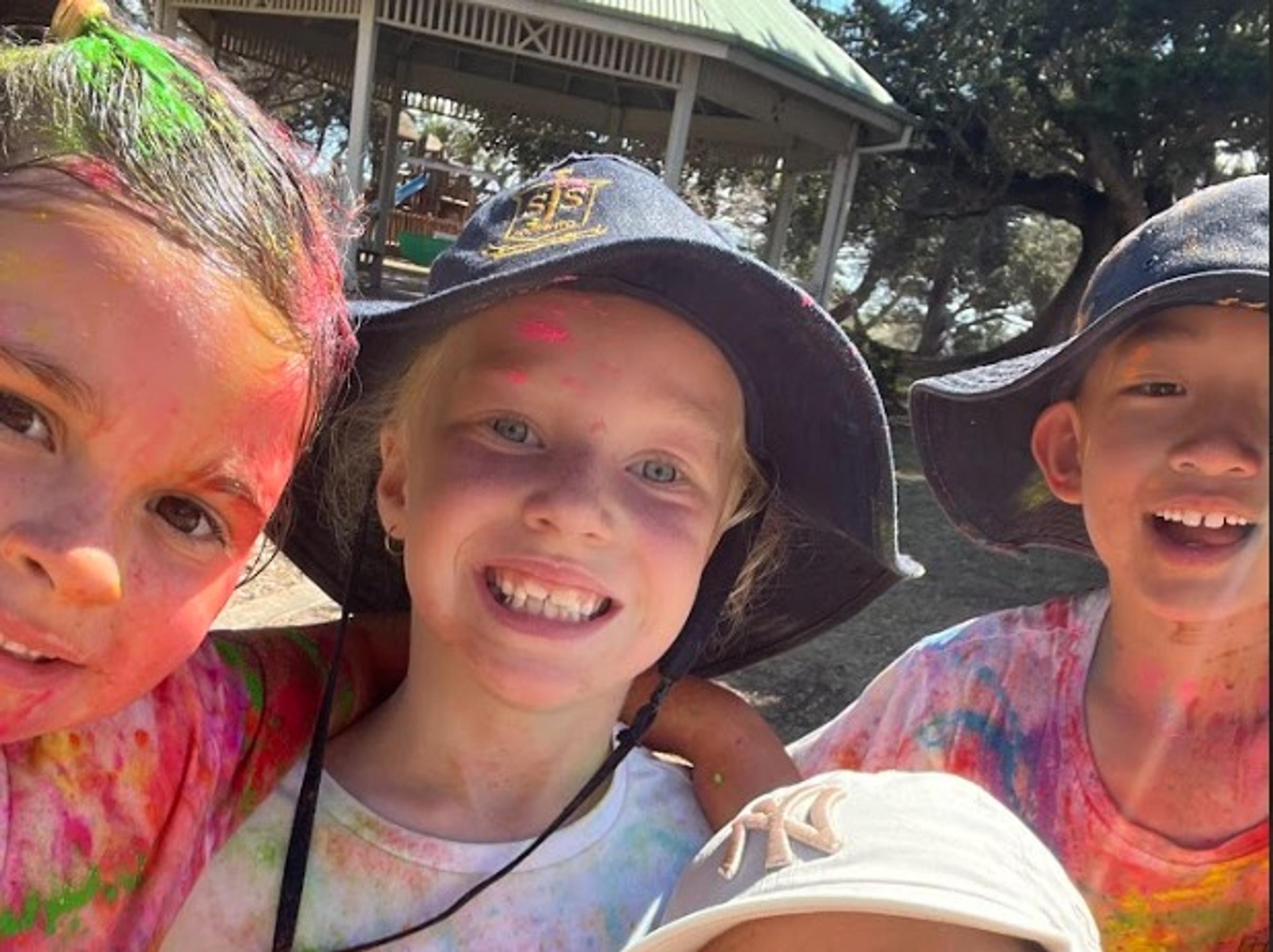
Lining Up in Roll Order at St Joseph's
This week, we examine the focus that we have had at St Joseph's School in our Lining Up Procedure that we have been reinforcing over the past three weeks. As explained by international education consultant and speaker, Laura Mooiman, "the need for clear, shared routines that help kids feel safe, seen and ready to learn through something as simple as lining up, can bring clarity, consistency and connection, benefiting not just students, but staff as well."
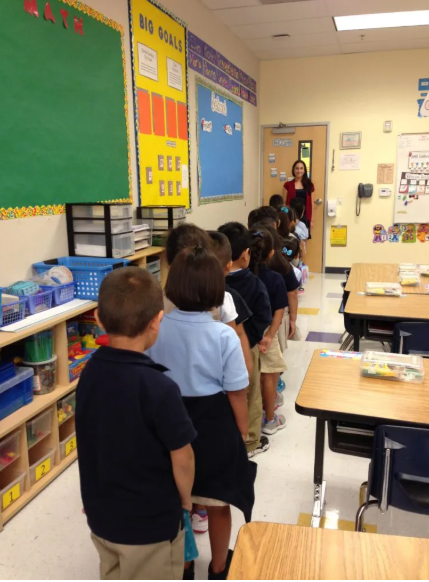
Last week as I taught each class and joined each class teacher and specialist teacher in reinfiorcing this practice, I explained to our students that lining up in our roll order is our chance TO RESET and BE READY FOR OUR NEXT LEARNING!
The task is actually very mindful as we ask the students to finding their place in the line in their roll order and then to focus on just the one thing, of facing forwards and walking behind the person in front of them without speaking. Let's explore THE WHY of this procedure with Laura's article:

Why Lining Up Is Good for Students (and Schools)
By Laura Mooiman, August 13, 2025
Here is Laura's take on the importance of Line Up for all transitions:
"Recently, I was visiting a primary school just as recess was ending. The bell rang, but the transition back to class was anything but smooth. Some kids wandered slowly toward their line-up area, others dashed straight into classrooms, and a few just kept playing, ignoring the bell altogether.
The kids in line waited and waited for their teachers to show up, but soon grew restless and began pushing and shoving each other. Several students simply gave up and sat down, while others drifted back toward the playground. The supervision staff made repeated attempts to restore order, but their efforts were in vain until the teachers finally arrived.
Later that day I watched the same students head to the cafeteria for lunch. Half of one Year 4 class was milling around outside the room while the other half was still inside. Other groups walked past in loud, unsupervised clumps. Then, one teacher opened her door and, without warning, her entire class bolted through the shrubbery toward the cafeteria, mowing down little kids along the way.
It might sound like a small thing, but these chaotic moments point to something much bigger: the need for clear, shared routines that help kids feel safe, seen, and ready to learn. With over 25 years in education—as a school social worker, district-level director, and now international consultant—I’ve seen how something as simple as lining up can bring clarity, consistency, and connection, benefitting not just students, but staff as well.
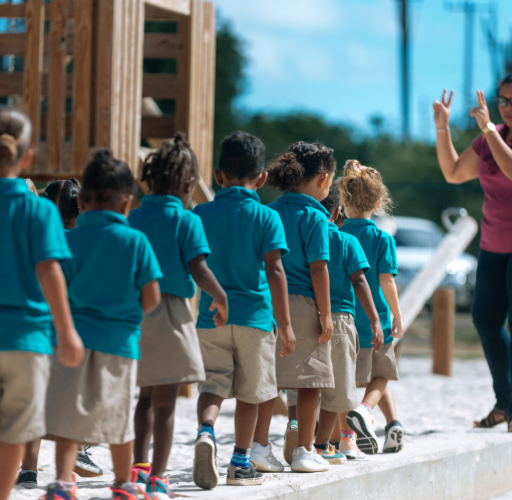
Lines Still Matter—More Than We Think
Lining up has stood the test of time in schools for good reason. It’s a simple, effective routine that supports smooth transitions, shared expectations, and a sense of calm. In today’s busy, often unpredictable school environments, lines offer something timeless: predictability, safety, and a shared sense of direction. Ultimately, this class management technique isn’t just about order; it’s about creating a place where kids can settle, feel secure, and get back to the business of learning. Lines are sometimes dismissed as old-fashioned or unnecessary, but in fact they still have many benefits.
1. Calming the chaos and keeping transitions smooth
One thing I often say to teachers I work with is: “Transitions are not your friend.” Transitions are where chaos and disorder live and thrive. Any time kids move from Point A to Point B there are opportunities for problems, particularly in younger grades where it can be difficult to adequately keep track of students unless they are in an orderly line.
The lack of direct oversight can cause inappropriate behaviors to rear their ugly heads. Think about it—whenever you hear of bullying at school, it’s almost always during these unstructured times when adults are not closely supervising. Lining up helps students shift from one activity or space to another with clarity and purpose, reducing confusion and off-task behavior.
2. Promoting safety and school security
When students are passing through hallways in orderly lines, it’s immediately clear that these children out of class belong to a group and are not simply roaming the halls unsupervised. The chances of a child wandering off diminishes. A clear, organized line also makes it easier for staff to account for students during transitions, emergencies, or drills.
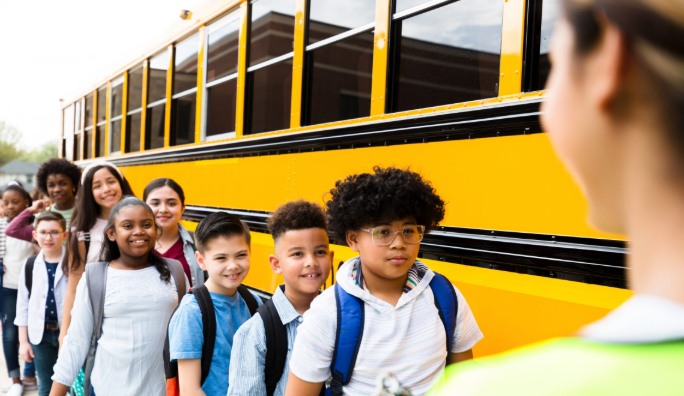
3. Fostering a sense of belonging and shared purpose
One often overlooked benefit of lining up is how it helps individual students feel safe and connected at school. Recently, my younger sister—now an adult—shared that she had been incredibly anxious as a child, especially in her elementary years. One thing she said really stuck with me: “At least when there was a line, I knew where to go. I understood we were going to the library or to recess. It made me feel more secure, knowing I was in the right place.”
For students like her, something as simple as lining up offers reassurance and direction. Moving together as a group—whether to lunch, recess, or class—creates a shared rhythm and reinforces the feeling of being part of a community.
4. Creating predictable structures
Students thrive on clear expectations and routines. Predictable transitions like lining up reduce the mental load of constantly figuring out “what’s next,” especially in a school day filled with different environments, rules, and demands. When students know what to expect, they feel more at ease.
Lining up also offers a chance for students to practice respectful movement: waiting their turn, being aware of others, and using a calm voice. These small moments of structure reduce chaos and help students feel safe and grounded—which ultimately allows them to connect, bond, and learn."
(From Teacher Magazine, August 2025)
So, while lines may seem like an obvious class management technique to some, others may view them as a more antiquated practice, but research shows us that having students line up helps to establish a sense of safety, structure, and belonging at school. When we build predictable routines, such as lining up in roll order for all transitions, we make space for students and teachers to focus on what matters most at St Joseph's: learning and connection.
Kind regards,
Jenny Todd
(Student Wellbeing Leader)